Novapart logo

Posts

Technical articles, selection guides and industry insights about electronic components, sourcing and PCB design.

Filter posts

Film Capacitor Selection: DC Link, Snubber and Class X/Y Safety Caps

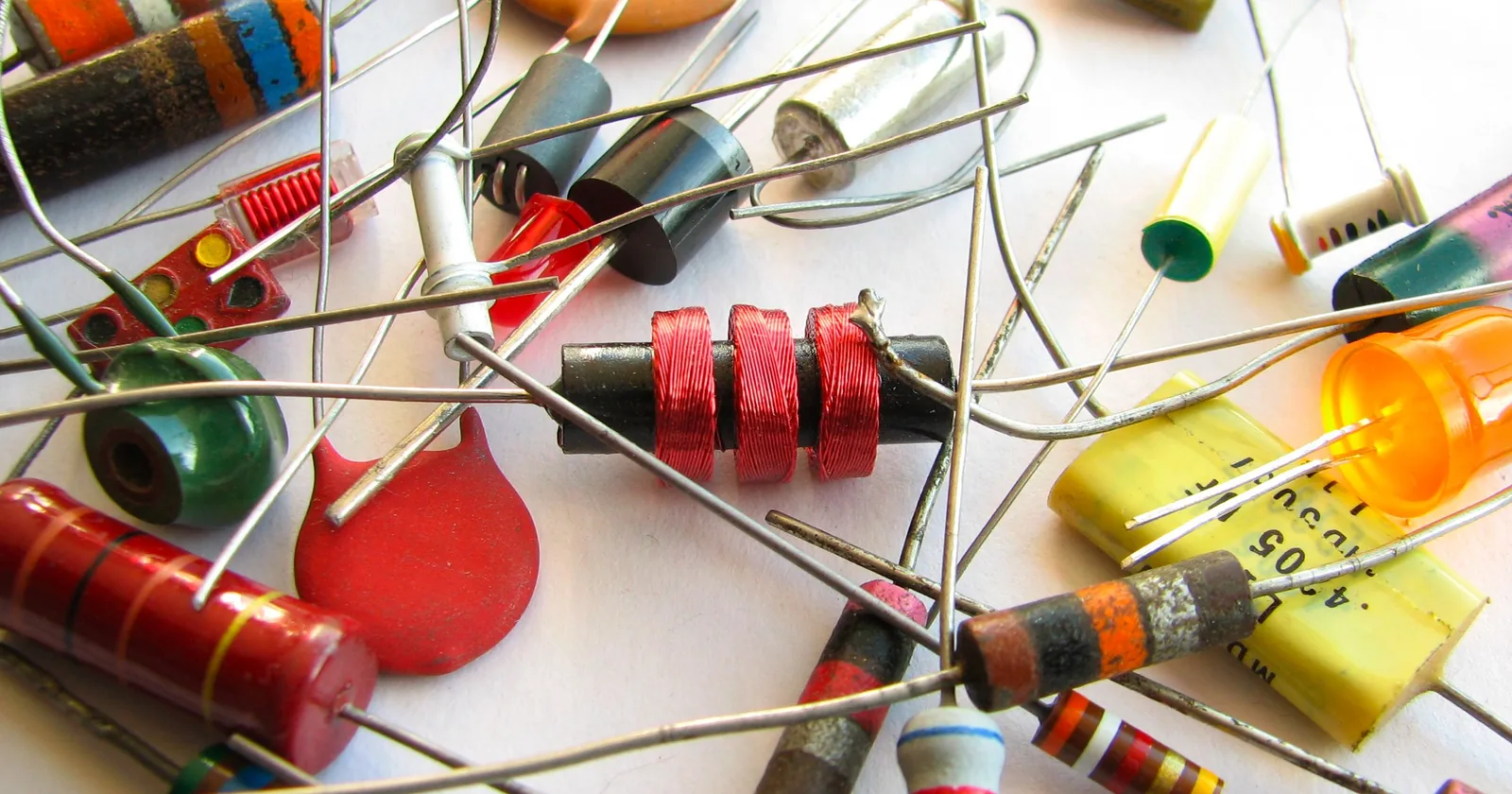
Film capacitors get chosen last and specified least. They are the part you reach for when a ceramic loses most of its capacitance under bias and an electrolytic will not survive the ripple, and the three jobs they usually do, mains suppression, DC link and snubber, have almost nothing in common beyond the dielectric. Picking one means answering a different question in each case.

Passive Components

Rectifier Diode Selection: Schottky, Fast Recovery and Standard Compared

A rectifier diode is an easy part to choose from habit. The 1N4007 is in the parts bin, it is rated 1000 V and 1 A, and it goes into the design. Put that same diode in the freewheel position of a 100 kHz buck converter and the converter runs hot and radiates. Forward drop is the number everyone quotes, and it is rarely the one that decides.

Semiconductors

Terminal Block Selection: Screw vs Push-In, Pluggable vs Fixed

Terminal blocks are among the cheapest parts in a control panel and a recurring source of intermittent faults in one. A loose screw terminal on a vibrating machine gives you a fault that appears under load, disappears when a technician touches the wire, and takes a day to find. The clamping technology you choose decides whether that failure mode exists at all.

Connectors

MCBs vs Fuses: Trip Curves, Breaking Capacity and When to Reset

A fuse costs cents and protects once. A miniature circuit breaker costs considerably more and protects thousands of times. For a sealed consumer product the fuse usually wins. For a machine a technician has to bring back online at three in the morning, it rarely does. The decision runs over the equipment's whole service life, so the BOM line is only part of it.

Circuit Protection

Power Inductor Selection: Saturation Current, DCR and Core Loss

The inductor is usually the largest and most expensive component in a switching regulator. Its datasheet quotes two different current ratings, two unrelated loss mechanisms, and an inductance value that only holds at zero current. Pick from the first line of a distributor table and the converter either runs hot or stops regulating under load.

Passive Components

The 2026 Semiconductor Shortage: How to Harden Your B2B Supply Chain

Analog ICs and power discretes are back on allocation. By Q2 2026, lead times for STM32-family MCUs and TI MSP430 variants have stretched past 26 weeks at major franchised distributors, and fab capacity booked through TSMC's N28 and UMC's 55 nm nodes shows no relief before Q4. Engineering teams that remember the 2021–2023 cycle know the playbook, but the landscape has shifted. Pure buffer stock no

Supply Chain

Miniaturization in Passive Components: 0201, 01005 Packages and What Comes Next

A 01005 capacitor occupies 0.4 mm × 0.2 mm of board real estate, roughly the cross-section of a human hair. Fifteen years ago that package was exotic; today Yageo, Murata, Samsung, and Walsin ship 01005 MLCCs and chip resistors by the billion for wearables, hearables, and implantable medical devices. The question for PCB designers is whether the assembly cost and design tolerance penalty justify t

Components & Design

Importing Electronic Components in the EU: VAT, Customs Duties, and Documentation Without Surprises

Buying ICs from Shenzhen, PCBs from Malaysia, or passives from a UK distributor post-Brexit means customs will eventually ask for paperwork you did not prepare. Here is what you need: VAT treatment by import scenario, TARIC classification for common electronic parts, the non-negotiable documents, and how to avoid shipments held for weeks while you scramble for an EORI number.

Import Export

How to Request an Electronic Components Quote Without Wasting Time or Margin

Most engineers send a part number list and wait. Procurement teams that get it right send a structured RFQ and close the gap between BOM cost estimate and landed price before the design review starts. The difference is what information you include, how you format it, and who you send it to.

Procurement

MOQ in Electronic Components: What Minimum Order Quantities Are and How to Negotiate Them

You find the exact capacitor your design needs. Voltage rating and tolerance are perfect, the price is reasonable. Then the MOQ is 4,000 pieces when your prototype needs 50. Minimum order quantities are the most common friction point in electronic component sourcing. They are not arbitrary: packaging economics, factory minimums, and distributor costs drive every MOQ.

Procurement

Component Cross-Reference: How to Find an Equivalent Substitute Without Risking Your Design

A part goes EOL six months before your production run. The sole-source op-amp is on 52-week lead time. Or procurement flags a $14 IC and asks if the $3.20 pin-compatible alternative will work. Cross-referencing means understanding which parameters can drift and which cannot, then verifying the replacement won't fail at temperature extremes or inject noise where your design assumed silence.

Engineering Guides

AC/DC Power Supply Selection Guide: Sizing Power, Ripple, and Topology

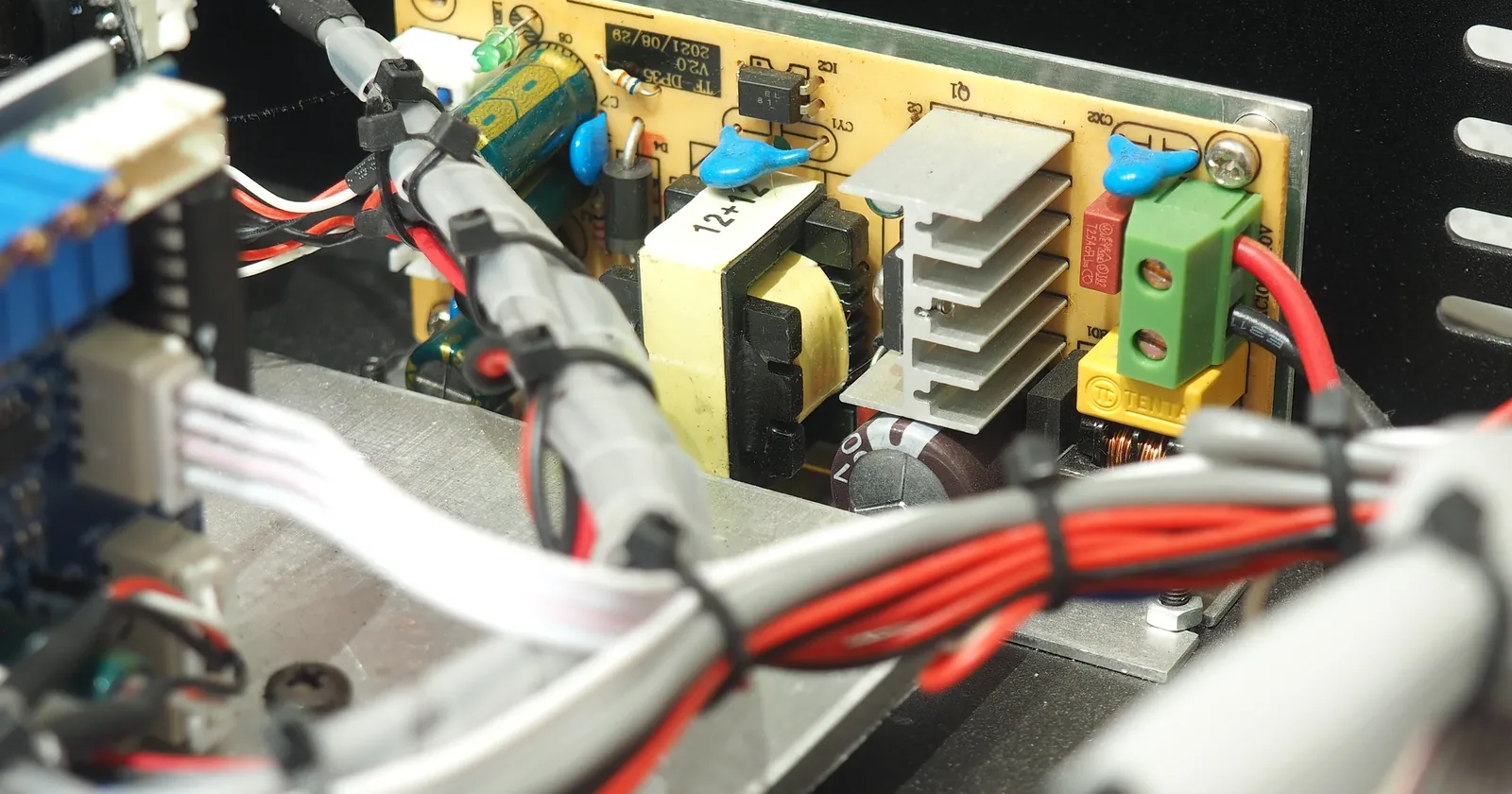
Selecting the wrong AC/DC power supply can cook your PCB, inject noise into sensitive analog front-ends, or force a late-stage respin when you realize the 65 W brick doesn't leave enough headroom at 70 °C ambient. This guide walks through the three decisions that matter most: wattage sizing, ripple tolerance, and topology, with real numbers and packaging codes you can spec directly into a BOM.

Power Supplies