
Image not available
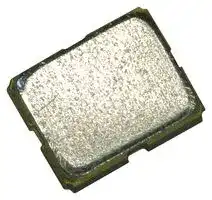
Illustrative purposes only

X1G006121060511
Oscillator, 312.5 MHz, LVDS, 2.5 V, SMD, 2mm x 1.6mm, SG2016VHN Series
⚠️ Reference pricing provided. In case of supply shortages, we will connect you with our trusted procurement partners to ensure your project's continuity.
- Manufacturer: EPSON
- Product type: Standard Oscillators
- SVHC: No SVHC (25-Jun-2025)
- Frequency Nom: 312.5MHz
- Product Range: SG2016VHN Series
- Supply Voltage Nom: 2.5V
- Frequency Stability + / -: -
- Operating Temperature Max: 105°C
- Operating Temperature Min: -40°C
- Oscillator Case / Package: SMD, 2mm x 1.6mm
- Oscillator Output Compatibility: LVDS
| Delivery and price | |
|---|---|
| Units per pack | 50 |
| Price | 37.62 € |
| Current stock | 10+ |
| Lead time | 30 days |
Datasheet

## **Crystal Oscillator (SPXO)**

- Package size (2.0 mm × 1.6 mm × 0.63 mm)

- Fundamental mode SPXO

· Output: LVDS

- Reference weight Typ. 7.6 mg

## [ 1 ] Product Number / Product Name / Marking

(1-1) Product Number / Ordering Code

## **X1G0061210605xx**

Last 2 digits code( **xx** ) defines Quantity.

The standard is "15", 2 000 pcs/Reel.

(1-2)  Product Name / Model Name

## **SG2016VHN   312.500000MHz   DCHPZB**

## [ 2 ] Operating Range

|[ 2 ]2 ]] Operating Rangerating Rangeating Rangeing Rangeg RangeRangeangengege|||||||
|---|---|---|---|---|---|---|
|Parameter|Symbol|Specifications|||Unit|Conditions|
|||Min.|Typ.|Max.|||
|Supply voltage|VCC|2.375|2.5|2.625|V|-|
||GND|0|-|0|V|-|
|Input voltage|VIN|0|-|VCC|V|-|
|Operatingtemperature range|T_use|-40|-|+105|°C|-|
|LVDS load condition|L_LVDS|-|100|-|Ω|Connected between OUT and O̅ U̅ T̅|


## [ 3 ] Frequency Characteristics

|Parameter|Symbol|Specifications|Specifications|Specifications|Unit|Conditions|
|---|---|---|---|---|---|---|
|||Min.|Typ.|Max.|||
|Output frequency|fo|-|312.500000|-|MHz|-|
|Frequencytolerance *1|f_tol|-20|-|+20|×10-6|T_use|


*1 Frequency tolerance includes Initial frequency tolerance, Frequency / temperature characteristics, Frequency / voltage coefficient and aging (10 years, +25 ºC).

## [ 4 ] Electrical Characteristics

(Unless stated otherwise [ 2 ] Operating Range)

|Parameter<br>~~a~~|Symbol|Specifications|Specifications|Specifications|Unit<br>~~pf~~|Conditions<br>~~pf~~|
|---|---|---|---|---|---|---|
|||Min.|Typ.|Max.|||
|Start-uptime<br>~~pT~~|t_str<br>~~pT~~|-<br>~~pT~~|-<br>~~pT~~|10<br>~~pT~~|ms<br>~~pT~~|t = 0 at 90 % Vcc<br>~~pT~~|
|Current consumption<br>~~po~~|ICC<br>~~po~~|-<br>~~po~~|-<br>~~po~~|35<br>~~po~~|mA<br>~~po~~|~~po~~|
|Disable current<br>~~po~~<br>~~po~~|I_dis<br>~~po~~<br>~~po~~|-<br>~~po~~<br>~~po~~|-<br>~~po~~|20<br>~~po~~|mA<br>~~po~~|OE = GND<br>~~po~~|
|Output voltage<br>~~po~~|VOD<br>~~po~~<br>~~a~~|0.4<br>~~po~~<br>~~es~~|-<br>~~es~~|0.8<br>~~ee~~|V|Differential output voltage, VOD1, VOD2|
||dVOD<br>~~po~~<br>~~a~~<br>~~a~~|-<br>~~po~~<br>~~es~~<br>~~a~~|-<br>~~es~~<br>~~ee~~|50<br>~~ee~~<br>~~ee~~|mV<br>~~ee~~|dVOD= | VOD1- VOD2|<br>~~ee~~|
||VOS<br>~~a ~~<br>~~a~~|1.15<br> ~~es~~<br>~~a~~|-<br>~~es~~<br>~~ee~~|1.35<br>~~ee~~<br>~~ee~~|V<br>~~ee~~|Offset voltage<br>~~ee~~|
||dVOS<br>~~a~~<br>~~a ~~|-<br>~~a~~<br> ~~a~~|-<br>~~ee~~<br>~~ee~~|50<br>~~ee ~~<br>~~ee~~|mV<br> ~~ee~~|dVOS= | VOS1- VOS2|<br>~~ee~~|
|Differential swing<br>~~po~~|VSW<br>~~po~~|0.8<br>~~po~~|~~po~~|1.6<br>~~po~~|V<br>~~po~~|Differential output peak to peak voltage<br>~~po~~|
|Rise time<br>~~po~~|tr<br>~~po~~|-<br>~~po~~|-<br>~~po~~|0.35<br>~~po~~|ns<br>~~po~~|20 % to 80 % of differential swing<br>~~po~~|
|Fall time<br>~~po~~<br>~~po~~|tf<br>~~po~~|-<br>~~po~~|-<br>~~po~~|0.35<br>~~po~~|ns<br>~~po~~|80 % to 20 % of differential swing<br>~~po~~|
|Symmetry<br>~~po~~|SYM|45|50|55|%|At output crossing point|
|Input voltage<br>~~po~~<br>~~SS~~|VIH<br>~~SS~~<br>~~a~~|70 % Vcc<br>~~SS~~<br>~~ee~~|-<br>~~ee~~<br>~~ee~~|-<br>~~ee~~<br>~~ee~~|V<br>~~ee~~|OE terminal<br>~~ee~~|
||VIL<br>~~SS~~<br>~~a~~|-<br>~~SS ~~<br>~~ee~~|-<br> ~~ee~~<br>~~ee~~|30 % Vcc<br>~~ee~~<br>~~ee~~|V<br>~~ee~~|OE terminal<br>~~ee~~|
|Output disable time(OE)<br>~~po~~<br>~~po~~|tstp_oe<br>~~a ~~<br>~~po~~|-<br> ~~ee~~<br>~~po~~|-<br>~~ee~~<br>~~po~~|100<br>~~ee~~<br>~~po~~|ns<br>~~po~~|OE terminal HIGH → LOW<br>~~po~~|
|Output enable time(OE)<br>~~po~~<br>~~po~~|tsta_oe|-|-|500|ns|OE terminal LOW → HIGH|
|Phasejitter<br>~~po~~<br>~~po~~|tPJ|-|-|50|fs|Offset freq.: 12 kHz to 20 MHz|


## **[ For other general specifications, please refer to the attached Full Data Sheet below ]**

1 / 19 Page

2024/12/20

## **Low Phase Jitter Crystal Oscillator: SG2016VHN/SG2520VHN**

## **Features**

- Crystal oscillator (SPXO)

- Frequency range (fo): 25 MHz to 500 MHz ●    Output: LVDS

- Output:

- Supply voltage: 1.8 V Typ. / 2.5 V Typ. / 3.3 V Typ.

- Operating temperature: -40 °C to +105 °C

- Frequency tolerance: ±20 × 10[-6] ●    Low phase jitter: 38 fs Typ. (fo = 156.25 MHz)

**==> picture [128 x 17] intentionally omitted <==**

**----- Start of picture text -----**<br>
SG2016VHN SG2520VHN<br>2.0  ×  1.6 mm   2.5  ×  2.0 mm<br>**----- End of picture text -----**<br>


## **Applications**

- Network equipment (Router, Switch, Optical module, etc.)

- Data center

- Test and Measurement Equipment, Factory Automation

- High Speed Converters like ADC and DAC

## **Description**

5G will increase network communication traffic exponentially. A 5G communication network requires high-speed and wide bandwidth, while keeping the noise level to a minimum. This can be achieved with a high frequency, low jitter reference clock for the communication equipment. Optical communication modules for 400 Gbps /

800 Gbps transmission over 80 km require a small form factor, ±20 × 10[-6] stability reference clock. The SG2016VHN/SG2520VHN is the next generation to the very popular SG3225VEN family offering the same combination of features with a wide range of available frequencies, low jitter, and improved frequency tolerance performance due to using an in-house designed IC with temperature compensation in a 63% smaller package.

## **Outline Drawing and Terminal Assignment**

|SG2016VHN                      SG2520VHN|SG2016VHN                      SG2520VHN|SG2016VHN                      SG2520VHN|SG2016VHN                      SG2520VHN|SG2016VHN                      SG2520VHN|SG2016VHN                      SG2520VHN|
|---|---|---|---|---|---|
||2.00.15|||2.50.15|2.50.15|
||#6<br>#9<br>#4||#||#5|
|3 <br>5<br>~|a J<br>iis<br>:|g<br>|<br>S<br>of<br>7|||#2|
|2|0.75<br>0.75<br>gl Tyo1<br>fieia||#1<br>wi|0.94<br>wi|0.94<br>wi||
||aT,<br>"#4<br>0.40||coe <br>#6) 047%||7<br>047%|
||Pin<br>Connection|||||
||1<br>OE/S̅ T̅|||||
||2<br>N.C.(Open or VCC)|||||
||3<br>GND|||||
||4<br>OUT|||||
||5<br>O̅ U̅ T̅|||||
||6<br>VCC|||||


## **Typical Performance**

**==> picture [194 x 120] intentionally omitted <==**

**----- Start of picture text -----**<br>
Phase Noise (fo = 156.25 MHz, VCC = 3.3 V)<br>0<br>-20 ma<br>-40<br>-60<br>-80<br>-100<br>-120<br>ine ml<br>-140<br>-160<br>-180 ee ml<br>10 100 1k 10k 100k 1M 10M 100M<br>O   et  re  en    H<br>0 00  a<br>Phase Jitter (12 kHz to 20 MHz): 38 fs Typ.<br>  a e   i e      H<br>**----- End of picture text -----**<br>


**Spec No : SGxxxxVHN_E_Ver1.05**

**Page 2 / 19**

## [ 1 ] Product Number / Product Name

(1-1) Product Number

SG2016VHN: X1G006121xxxx15 SG2520VHN: X1G005941xxxx15 (Please contact Epson for details)

(1-2) Product Name (Standard Form) SG2016 VHN 156.250000MHz C C G P Z A

|①   ②|③|④⑤⑥⑦⑧⑨|④⑤⑥⑦⑧⑨|④⑤⑥⑦⑧⑨||||
|---|---|---|---|---|---|---|---|
|①Model|||④Supplyvoltage|||⑦Function||
|②Output (V: LVDS)|||E|1.8 V Typ.||P|Output Enable|
|③Frequency|||D|2.5 V Typ.||S|Standby|
|④Supply voltage|||C|3.3 V Typ.||||
|⑤Frequency tolerance (C: ±20 × 10|Frequency tolerance (C: ±20 × 10-6)|||||⑨Output option||
|⑥Operating temperature|||⑥Operatingtemperature|||A|VSW=500 mV to    900 mV|
|⑦Function|||G|-40 °C to +85 °C||B*|VSW=800 mV to 1 600 mV|
|⑧Output disable status|||H|-40 °C to +105 °C||C|VSW=600 mV to 1 200 mV|
|(Z: High impedance)|||||||*Not available for VCC= 1.8 V Typ.|
|⑨Output option||||||||


*Not available for VCC = 1.8 V Typ.

## [ 2 ] Absolute Maximum Ratings

||Parameter|Symbol|Min.<br>Typ.<br>Max.<br>Specification<br>Unit<br>Conditions|
|---|---|---|---|
||Maximum supplyvoltage|VCC|-0.3<br>-<br>4.0<br>V|
||Input voltage|Vin|-0.3<br>-<br>VCC+ 0.5<br>V<br>OE/S̅ T̅  terminal|
||Storage temperature range|T_stg|-55<br>-<br>+125<br>°C|
|[ 3|[ 3]OperatingRange|||
||Min.<br>Typ.<br>Max.<br>Parameter<br>Symbol<br>Specification<br>Unit<br>Conditions<br>~~pf~~<br>~~ee~~|||
||||1.71<br>1.8<br>1.89<br>V<br>Suffix: E, Output option: A or C<br>~~(~~|
||Supply voltage|VCC|2.375<br>2.5<br>2.625<br>V<br>Suffix: D<br>~~ee~~|
|3.135<br>3.3<br>3.465<br>V<br>Suffix: C<br>Supplyvoltage<br>GND<br>0.0<br>0.0<br>0.0<br>V<br>-40<br>+25<br>+85<br>°C<br>Suffix: G<br>-40<br>+25<br>+105<br>°C<br>Suffix: H<br>LVDS load condition<br>L_LVDS<br>Ω<br>Operating temperature range<br>T_use<br>100<br>~~a ee~~<br>~~po~~<br>~~——_———_>>——eEeeeEeEee~~<br>~~ee~~<br>~~a~~||||
||* Power supplystartuptime(0 %VCC→90 %VCC)     l  be m re t an 150 μ||)     l  be m re t an 150 μ|


[ 3 ] Operating Range

* A 0.1 μF an  a 10 μF b pa    apa it r     l  be   nne te  between VCC and GND pins located close to the device

|Parameter|Symbol|Specification|Specification|Specification|Unit|Conditions|
|---|---|---|---|---|---|---|
|||Min.|Typ.|Max.|||
|Output frequency*1|fo|25|-|500|MHz||
|Frequencytolerance *2|f_tol|-20|-|+20|×10-6|Suffix: C|
|*1 Please contact Epson for available frequencies|||||||
|*2 Frequencytolerance includes Initial frequency tolerance, Frequency / temperature characteristics, Frequency / voltage coefficient and aging (10 years, +25 °C).|||||||


*2 Frequency tolerance includes Initial frequency tolerance, Frequency / temperature characteristics, Frequency / voltage coefficient and aging (10 years, +25 °C).

*Aging is estimated from environmental reliability tests; expected amount of the frequency variation. This does not intend to guarantee the product-life cycle.

**Spec No : SGxxxxVHN_E_Ver1.05**

**Page 3 / 19**

[ 5 ] Electrical Characteristics

(Unless stated otherwise [ 3 ] Operating Range)

|Parameter<br>~~ee~~|Symbol<br>~~ee~~|Specification<br>~~pO~~<br>~~ee~~<br>~~renceseee~~|Specification<br>~~pO~~<br>~~ee~~<br>~~renceseee~~|Specification<br>~~pO~~<br>~~ee~~<br>~~renceseee~~|Unit<br>~~ee~~<br>~~ee~~|Conditions<br>~~ee~~|
|---|---|---|---|---|---|---|
|||Min.<br>~~ee~~<br>~~ren~~|Typ.<br>~~ee~~<br>~~ces~~|Max.<br>~~ee~~<br>~~eee~~|||
|Startup time<br>~~ee~~|t_str<br>~~ee~~<br>~~Gs~~|-<br>~~ren ~~<br>~~ee~~|-<br> ~~ces ~~<br>~~ee~~<br>~~QO~~|10<br> ~~eee ~~<br>~~ee~~<br>~~QO~~|ms<br> ~~ee~~<br>~~ee~~<br>~~QO~~|t = 0 at 90 % VCC<br>~~ee~~|
|Current consumption|ICC<br>~~Gs~~|-<br>~~ee~~|-<br>~~QO~~<br>~~ee~~|25<br>~~QO~~<br>~~ee~~|mA<br>~~QO~~<br>~~ee~~|Output option: A, fo < 212 MHz<br>VCC= 2.5 V, 3.3 V Typ.<br>~~ee~~|
|||-<br>~~a~~|-<br>~~a~~|28<br>~~a~~|mA<br>~~a~~|Output option: A, fo≥212 MHz<br>VCC= 2.5 V, 3.3 V Typ.<br>~~a~~|
|||-<br>~~a~~|-<br>~~a~~|30<br>~~a~~|mA<br>~~a~~|Output option: B, fo < 212 MHz<br>VCC= 2.5 V, 3.3 V Typ.<br>~~a~~|
|||-<br>~~a~~|-<br>~~a~~|35<br>~~a~~|mA<br>~~a~~|Output option: B, fo≥212 MHz<br>VCC= 2.5 V, 3.3 V Typ.<br>~~a~~|
|||-<br>~~a~~<br>~~Se~~|-<br>~~a~~<br>~~Se~~|25<br>~~a~~<br>|mA<br>~~a~~<br>|Output option: C, fo < 212 MHz<br>VCC= 2.5 V, 3.3 V Typ.<br>~~a~~<br>|
|||-<br>~~Se~~|-<br>~~Se~~|28<br>|mA<br>|Output option: C,<br>212 MHz≤fo < 392 MHz<br>VCC= 2.5 V, 3.3 V Typ.<br>|
|||-<br>~~Se~~|-<br>~~Se~~|30<br>|mA<br>|Output option: C, fo≥392 MHz<br>VCC= 2.5 V, 3.3 V Typ.<br>|
|||-<br>~~Sea~~|-<br>~~Sea~~|25<br>~~a~~|mA<br>~~a~~|Output option: A or C<br>VCC= 1.8 V Typ.<br>~~a~~|
|Disable current<br>~~es~~|I_dis<br>~~es~~<br>~~ee~~|-<br>~~es~~<br>~~ee~~|-<br>~~es~~<br>~~ees~~|20<br>~~es~~<br>~~ee~~|mA<br>~~es~~<br>~~ee~~|OE = GND<br>~~es~~<br>~~ee~~|
|Stand-by current<br>~~ey~~<br>~~a~~|I_std<br>~~ey~~<br>~~ee~~<br>|-<br>~~ey~~<br>~~ee~~<br>~~es~~<br>|-<br>~~ey~~<br>~~ees~~<br>~~ee~~<br>|30<br>~~ey~~<br>~~ee~~<br>|μA<br>~~ey~~<br>~~ee~~<br>|S̅ T̅  = GND, T_use Max. = +85 °C<br>~~ey~~<br>~~ee~~<br>|
|||-<br>~~ey~~<br>~~ee~~<br>~~es~~<br>|-<br>~~ey~~<br>~~ees~~<br>~~ee~~<br>|60<br>~~ey~~<br>~~ee~~<br>|μA<br>~~ey~~<br>~~ee~~<br>|S̅ T̅  = GND, T_use Max. = +105 °C<br>~~ey~~<br>~~ee~~<br>|
|Rise time / Fall time<br>~~a~~|tr / tf<br>~~ee ~~<br>|-<br> ~~ee ~~<br>~~es~~<br>|-<br> ~~ees ~~<br>~~ee~~<br>|0.35<br> ~~ee ~~<br>|ns<br> ~~ee~~<br>|20 % - 80 % of VSW<br>~~ee~~<br>|
|Symmetry<br>~~aGO~~|SYM<br>~~GO~~|45<br>~~es ~~<br>~~GO~~<br>~~es~~|50<br> ~~ee~~<br>~~GO~~<br>~~ee~~|55<br>~~GO~~<br>~~ee~~|%<br>~~GO~~|At output crossing point<br>~~GO~~|
|Output voltage<br>~~>~~<br>~~a~~|VOD<br>~~>~~<br>~~ee~~|250<br>~~es~~<br>~~> ==~~|-<br>~~ee~~<br>~~==~~|450<br>~~ee~~<br>~~==~~|mV<br>~~==~~|Output option: A<br>~~==~~|
|||400<br>~~es~~<br>~~> ==~~<br>~~es~~|-<br>~~ee ~~<br>~~==~~<br>~~**e**e~~|800<br> ~~ee~~<br>~~==~~|mV<br>~~==~~|Output option: B<br>Not available for VCC= 1.8 V Typ.<br>~~==~~|
|||300<br>~~> ==~~<br>~~es~~<br>~~ee~~|-<br>~~==~~<br>~~**e**e~~<br>~~s~~|600<br>~~==~~|mV<br>~~==~~|Output option: C<br>~~==~~|
||dVOD<br>~~>~~<br>~~ee~~<br>~~ee~~|-<br>~~> ==~~<br>~~es~~<br>~~ee~~<br>~~ee~~|-<br>~~==~~<br>~~**e**e~~<br>~~s~~<br>~~ee~~|50<br>~~==~~<br>~~ee~~|mV<br>~~==~~||VOD1- VOD2|<br>~~==~~<br>~~ee~~|
||VOS<br>~~>~~<br>~~ee~~<br>~~ee~~<br>~~ee~~|1.15<br>~~> ==~~<br>~~es ~~<br>~~ee~~<br>~~ee~~<br>~~es~~|-<br>~~==~~<br> ~~**e**e~~<br>~~s~~<br>~~ee~~<br>~~ee~~|1.35<br>~~==~~<br>~~ee~~<br>~~ee~~|V<br>~~==~~|VCC= 2.5 V, 3.3 V Typ.<br>~~==~~<br>~~ee~~|
|||0.65<br>~~> ==~~<br>~~ee~~<br>~~es~~|-<br>~~==~~<br>~~ee~~<br>~~ee~~|0.85<br>~~==~~<br>~~ee~~<br>~~ee~~|V<br>~~==~~|VCC= 1.8 V Typ.<br>~~==~~<br>~~ee~~|
||dVOS<br>~~>~~<br>~~ee~~<br>~~ee~~|-<br>~~> ==~~<br>~~ee~~<br>~~es~~<br>~~**e**s~~|-<br>~~==~~<br>~~ee~~<br>~~ee~~<br>~~ee~~|50<br>~~==~~<br>~~ee~~<br>~~ee~~<br>~~**e**e~~|mV<br>~~==~~||VOS1- VOS2|<br>~~==~~<br>~~ee~~|
|Differential swing<br>~~a~~|VSW<br>~~ee~~<br>i|500<br>~~es~~<br>~~**e**s~~|-<br>~~ee ~~<br>~~ee~~|900<br> ~~ee~~<br>~~**e**e~~|mV|Output option: A<br>~~e~~|
|||800<br>~~**e**s~~<br>~~es~~|-<br>~~ee~~<br>~~ee~~|1 600<br>~~**e**e~~<br>~~eG~~|mV<br>~~eG~~|Output option: B<br>Not available for VCC= 1.8 V Typ.<br>~~e~~|
|||600<br>~~**e**s ~~<br>~~es~~|-<br> ~~ee ~~<br>~~ee~~|1 200<br> ~~**e**e~~<br>~~eG~~|mV<br>~~eG~~|Output option: C<br>~~e~~|
|Input voltage<br>~~pF~~|VIH<br>~~pF~~<br>~~ee~~|70 % VCC<br>~~es~~<br>~~pF~~<br>~~ee~~|-<br>~~ee~~<br>~~pF~~<br>~~ee~~|-<br>~~eG~~<br>~~pF~~<br>~~ee~~|V<br>~~eG~~<br>~~pF~~|OE/S̅ T̅  terminal<br>~~pF~~|
||VIL<br>~~pF~~<br>~~ee~~|-<br>~~pF~~<br>~~ee~~|-<br>~~pF~~<br>~~ee~~|30 % VCC<br>~~pF~~<br>~~ee~~|V<br>~~pF~~||
|Output disable time (OE)<br>~~a~~|tstp_oe<br>~~ee~~<br>~~a~~|-<br>~~ee ~~<br>~~a~~|-<br> ~~ee~~<br>~~a~~|100<br>~~ee~~<br>~~a~~|ns<br>~~a~~|Measured from the time OE<br>pin crosses 30 % VCC<br>~~a~~|
|Output disable time (ST)<br>~~a~~|tstp_st<br>~~a~~|-<br>~~a~~|-<br>~~a~~|100<br>~~a~~|ns<br>~~a~~|Measured from the time S̅ T̅<br>pin crosses 30 % VCC<br>~~a~~|
|Output enable time (OE)<br>~~a~~|tsta_oe<br>~~a~~|-<br>~~a~~|-<br>~~a~~|500<br>~~a~~|ns<br>~~a~~|Measured from the time OE<br>pin crosses 70 % VCC<br>~~a~~|
|Output enable time (ST)<br>~~a~~<br>~~|~~|tsta_st<br>~~a~~<br>~~|~~|-<br>~~a~~<br>~~|~~|-<br>~~a~~<br>~~|~~|10<br>~~a~~<br>~~|~~|ms<br>~~a~~<br>~~|~~|Measured from the time S̅ T̅<br>pin crosses 70 % VCC<br>~~a~~<br>~~|~~|
|Phase jitter<br>VCC= 2.5 V, 3.3 V Typ.<br>Offset frequency<br>fo < 50 MHz; 12 kHz to 5 MHz<br>fo≥50 MHz: 12 kHz to 20 MHz<br>~~|~~<br>|<br>~~a~~|tPJ<br>~~|~~<br>|-<br>~~|~~<br>~~ESE~~<br>~~es~~|-<br>~~|~~<br>~~ESE~~<br>~~es~~|250<br>~~|~~<br>~~ESE~~|fs<br>~~|~~<br>~~ESE~~|fo < 100 MHz<br>~~|~~<br>~~=~~|
|||-<br>~~|~~<br>~~ESE~~<br>~~es~~<br>~~es~~|-<br>~~|~~<br>~~ESE~~<br>~~es~~<br>~~ee~~|100<br>~~|~~<br>~~ESE~~|fs<br>~~|~~<br>~~ESE~~|100 MHz≤fo≤156 MHz<br>~~|~~<br>~~=~~|
|||-<br>~~|~~<br>~~ESE~~<br>~~es~~<br>~~es~~<br>~~es~~|-<br>~~|~~<br>~~ESE~~<br>~~es~~<br>~~ee~~<br>~~es~~|60<br>~~|~~<br>~~ESE~~|fs<br>~~|~~<br>~~ESE~~|156 MHz < fo≤212 MHz<br>~~|~~<br>~~=~~|
|||-<br>~~|~~<br>~~ESE~~<br>~~es~~<br>~~es~~|-<br>~~|~~<br>~~ESE~~<br>~~ee~~<br>~~es~~|50<br>~~|~~<br>~~ESE~~|fs<br>~~|~~<br>~~ESE~~|fo > 212 MHz<br>~~|~~<br>~~=~~|
|Phase jitter<br>VCC= 1.8 V Typ.<br>Offset frequency<br>fo < 50 MHz: 12 kHz to 5 MHz<br>fo≥50 MHz: 12 kHz to 20 MHz<br>~~|~~<br>| <br>~~a~~||-<br>~~|~~<br>~~ESE~~<br>~~es~~<br>~~es~~|-<br>~~|~~<br>~~ESE~~<br>~~es~~<br>~~es~~|400<br>~~|~~<br>~~ESE~~<br>~~ee~~|fs<br>~~|~~<br>~~ESE~~|fo < 100 MHz<br>~~|~~<br>~~=~~|
|||-<br>~~|~~<br>~~ESE~~<br>~~es~~<br>~~es~~<br>~~es~~|-<br>~~|~~<br>~~ESE~~<br>~~es~~<br>~~es~~<br>~~ee~~|130<br>~~|~~<br>~~ESE~~<br>~~ee~~|fs<br>~~|~~<br>~~ESE~~|100 MHz≤fo≤156 MHz<br>~~|~~<br>~~=~~|
|||-<br>~~|~~<br>~~ESE~~<br>~~es~~<br>~~es~~<br>~~es~~<br>~~es~~|-<br>~~|~~<br>~~ESE~~<br>~~es~~<br>~~es ~~<br>~~ee~~<br>~~ee~~|70<br>~~|~~<br>~~ESE~~<br> ~~ee~~<br>~~ee~~|fs<br>~~|~~<br>~~ESE~~|156 MHz < fo≤212 MHz<br>~~|~~<br>~~=~~|
|||-<br>~~|~~<br> ~~ESE~~<br>~~es ~~<br>~~es~~<br>~~es~~|-<br>~~|~~<br>~~ESE~~<br> ~~es~~<br>~~ee~~<br>~~ee~~|60<br>~~|~~<br>~~ESE~~<br>~~ee~~|fs<br>~~|~~<br>~~ESE ~~|fo > 212 MHz<br>~~|~~<br> ~~=~~|


**Spec No : SGxxxxVHN_E_Ver1.05**

## [ 6 ] Thermal resistance  (For reference only)

|Parameter|Symbol|Specification|Specification|Specification|Unit|Conditions|
|---|---|---|---|---|---|---|
|||Min.|Typ.|Max.|||
|Junction temperature|Tj|-|-|140|°C||
|Junction to case|θj|-|114|-|°C/W|SG2016VHN|
|||-|122|-|°C/W|SG2520VHN|
|Junction to ambient|θja|-|243|-|°C/W|SG2016VHN|
|||-|155|-|°C/W|SG2520VHN|


[ 7 ] Typical Performance Characteristics  (For reference only) The following data shows typical performance characteristics (7-1) Frequency / Temperature Characteristics

fo = 156.25 MHz,  -40 °C to +105 °C, reference at +25 °C

n = 50 pcs

- (7-2) Current Consumption

**==> picture [285 x 22] intentionally omitted <==**

**----- Start of picture text -----**<br>
T_use = +25 °C, Frequency Dependency<br>Output option: A Output option: B<br>**----- End of picture text -----**<br>


**==> picture [68 x 10] intentionally omitted <==**

**----- Start of picture text -----**<br>
Output option: C<br>**----- End of picture text -----**<br>


**Spec No : SGxxxxVHN_E_Ver1.05**

**Page 5 / 19**

(7-2) Current Consumption [cont'd] VCC = 1.8 V, Temperature Characteristic Output option: A

- VCC = 2.5 V, Temperature Characteristic Output option: A

**==> picture [67 x 10] intentionally omitted <==**

**----- Start of picture text -----**<br>
Output option: B<br>**----- End of picture text -----**<br>


Output option: B

Output option: C

**Spec No : SGxxxxVHN_E_Ver1.05**

**Page 6 / 19**

**==> picture [174 x 171] intentionally omitted <==**

**----- Start of picture text -----**<br>
(7-2) Current Consumption [cont'd]<br>VCC = 3.3 V, Temperature Characteristic<br>Output option: A<br>50 TT<br>Z [40]<br>i wm<br>S |<br>By<br>EAU5 10 as a a a<br>* 0 -40 -30 -20 -10 0 TL10 20 30EELL40 50 60<br>Temperature [°C]<br>Output option: A<br>**----- End of picture text -----**<br>


**==> picture [67 x 10] intentionally omitted <==**

**----- Start of picture text -----**<br>
Output option: B<br>**----- End of picture text -----**<br>


**Spec No : SGxxxxVHN_E_Ver1.05**

**Page 7 / 19**

(7-3) Rise Time / Fall Time Temperature Characteristic fo = 156.25 MHz

**==> picture [43 x 8] intentionally omitted <==**

**----- Start of picture text -----**<br>
Rise Time<br>**----- End of picture text -----**<br>


**==> picture [39 x 8] intentionally omitted <==**

**----- Start of picture text -----**<br>
Fall Time<br>**----- End of picture text -----**<br>


- (7-4) Symmetry Temperature Characteristic fo = 156.25 MHz

- (7-5) Output Voltage Temperature Characteristic

**==> picture [16 x 10] intentionally omitted <==**

**----- Start of picture text -----**<br>
VOD<br>**----- End of picture text -----**<br>


**==> picture [21 x 10] intentionally omitted <==**

**----- Start of picture text -----**<br>
dVOD<br>**----- End of picture text -----**<br>


**==> picture [16 x 9] intentionally omitted <==**

**----- Start of picture text -----**<br>
VOS<br>**----- End of picture text -----**<br>


**==> picture [21 x 9] intentionally omitted <==**

**----- Start of picture text -----**<br>
dVOS<br>**----- End of picture text -----**<br>


**Spec No : SGxxxxVHN_E_Ver1.05**

**Page 8 / 19**

(7-6) Differential Swing Temperature Characteristic

fo = 156.25 MHz

- (7-7) Phase Noise and Phase Jitter fo = 156.25 MHz, T_use = +25 °C

|VCC|Phase Jitter*|
|---|---|
|1.8 V|47 fs|
|2.5 V|38 fs|
|3.3 V|38 fs|


- Offset frequency: 12 kHz to 20 MHz

**Spec No : SGxxxxVHN_E_Ver1.05**

**Page 9 / 19**

## [ 8 ] Test Circuit

(8-1) Output Frequency and Current Consumption Test Setup

**==> picture [347 x 144] intentionally omitted <==**

**----- Start of picture text -----**<br>
A<br>By-pass  0.1 μF<br>capacitor 2  Vcc  OUT  OUT<br>RFC 50 Ω<br>Vcc  100 Ω<br>Power   OE/S̅T̅   NC  GND  RFC  Frequency counter<br>0.1 μF<br>supply<br>OE/S̅T̅  pin<br>By-pass<br>capacitor 1<br>[Te {fo<br>* To measure Disable current or Stand-by current, OE/S̅T̅  terminal is connected to GND<br>**----- End of picture text -----**<br>


(8-2) Waveform Observation Test Setup

VCC = 2.5 V, 3.3 V

**==> picture [341 x 271] intentionally omitted <==**

**----- Start of picture text -----**<br>
Bypass  Coaxial cable<br>capacitor 2  VCC OUT  OUT  Z0 = 50 Ω<br>Vcc -1.25 V  Oscilloscope<br>(50 Ω<br>OE/S̅T̅   NC  GND<br>Power   t ermination)<br>supply 1<br>OE/S̅T̅  pin  Bypass<br>-1.25 V  capacitor 1<br>Power<br>supply 2<br>Bypass  Coaxial cable<br>capacitor 2  VCC OUT  OUT  Z0 = 50 Ω<br>Vcc -0.75 V  Oscilloscope<br>(50 Ω<br>OE/S̅T̅   NC  GND<br>Power   t ermination)<br>supply 1<br>OE/S̅T̅  pin  Bypass<br>-0.75 V  capacitor 1<br>Power<br>supply 2<br>**----- End of picture text -----**<br>


VCC = 1.8 V

* Each output trace should be same length

(8-3) Conditions

## (1) Oscilloscope

The bandwidth should be a minimum of 5 times the measurement frequency

(2) A 0.1 μF an  a 10 μF b pa    apa it r     l  be   nne te  between VCC and GND pins located close to the device

(3) Use a current meter with a low internal impedance

## (4) Power Supply

Power supply startup time (0 % VCC→90 % VCC)     l  be m re t an 150 μ

Power supply impedance should be as low as possible

**Spec No : SGxxxxVHN_E_Ver1.05**

**Page 10 / 19**

(8-4) Timing Chart

- (1) Output Waveform and Level Output voltage VOD / dVOD

**==> picture [282 x 28] intentionally omitted <==**

**----- Start of picture text -----**<br>
OUT<br>dVOD = | VOD2 - VOD1 |<br>**----- End of picture text -----**<br>


**==> picture [106 x 9] intentionally omitted <==**

**----- Start of picture text -----**<br>
Output voltage VOS / dVOS<br>**----- End of picture text -----**<br>


**==> picture [342 x 157] intentionally omitted <==**

**----- Start of picture text -----**<br>
OUT<br>dVOS = | VOS2 - VOS1 |<br>Symmetry<br>; OUT pasane<br>, tout<br>SYM = tw / tout  ×  100 [%]<br>**----- End of picture text -----**<br>


Rise Time / Fall Time

**==> picture [160 x 35] intentionally omitted <==**

**----- Start of picture text -----**<br>
OUT - OUT<br>tr tf<br>**----- End of picture text -----**<br>


## (2) Output Frequency Timing

**==> picture [237 x 100] intentionally omitted <==**

**----- Start of picture text -----**<br>
pees t_str Output Stable<br>VCC 90 %VCC an<br>l<br>l [l]<br>0 V l |<br>OUT<br>0 V<br>**----- End of picture text -----**<br>


**Spec No : SGxxxxVHN_E_Ver1.05**

**Page 11 / 19**

(8-4) Timing Chart [cont'd]

**==> picture [382 x 180] intentionally omitted <==**

**----- Start of picture text -----**<br>
(3) OE/S̅T̅  Function and Timing<br>OE/S̅T̅  Terminal Osc. Circuit Output status<br>“H”  r O E  Oscillation Specified frequency is output: Enable<br>OE: Oscillation<br>“L” Output becomes high impedance: Disable<br>S̅T̅ : Oscillation stop<br>OE/S̅T̅<br>VIH Enable<br>VIL Disable<br>*1  *2<br>tstp_oe tsta_oe<br>/ tstp_st  / tsta_st<br>OUT<br>high impedance<br>________OUT<br>mt h en<br>**----- End of picture text -----**<br>


- *1  The period from OE/S̅T̅  = VIL to OUT = High impedance (Disable)

- *2  The period from OE/S̅T̅ = VIH to OUT = Enable

- OE/S̅T̅  terminal voltage level should not exceed supply voltage when using OE/S̅T̅  function. Please note that OE/S̅T̅  rise time should not exceed supply voltage rise time at the start-up.

**Spec No : SGxxxxVHN_E_Ver1.05**

**Page 12 / 19**

[ 9 ] Outline Drawing and Recommended Footprint (9-1) SG2016VHN

Units: mm

For stable operation, it is recommended that 0.1 µF and 10 µF bypass capacitors should be connected between VCC and GND and placed as close to the VCC pin as possible.

Terminal coating: Au plating

Reference Weight Typ.: 7.6 mg

|Terminal Assignment|Terminal Assignment|
|---|---|
|Pin #<br>Connection<br>OE/S̅ T̅  Terminal<br>Osc. Circuit<br>Output status<br>“H”  r O E<br>Oscillation<br>Specified frequencyis output: Enable<br>OE: Oscillation<br>S̅ T̅ : Oscillation stop<br>#2<br>NC<br>-<br>#3<br>GND<br>#4<br>OUT<br>#1<br>OE/S̅ T̅<br>OE/S̅ T̅  terminal / active high<br>“L”<br>Output becomes high impedance: Disable<br>Function<br>GND terminal<br>Output terminal(Positive)<br>~~rs ss~~<br>~~eses~~<br>~~Po~~<br>~~ee~~<br>~~eesee~~<br>~~a~~<br>~~Bs re~~<br>~~aa~~||
|#5<br>O̅ U̅ T̅<br>~~a~~|Output terminal(Negative)|
|#6<br>VCC<br>~~a~~|VCCterminal|
|Marking||
||Frequency [MHz]|
||212.5 V<br>Output(V: LVDS)|
|1 pin|○94A1A|
||Production lot number|


**Spec No : SGxxxxVHN_E_Ver1.05**

**Page 13 / 19**

(9-2) SG2520VHN

**==> picture [42 x 8] intentionally omitted <==**

**----- Start of picture text -----**<br>
Units: mm<br>**----- End of picture text -----**<br>


For stable operation, it is recommended that 0.1 µF and 10 µF bypass capacitors should be connected between VCC and GND and placed as close to the VCC pin as possible.

Terminal coating: Au plating

Reference Weight Typ.: 11.8 mg

|Terminal Assi|Terminal Assi|Terminal Assignment|Terminal Assignment|
|---|---|---|---|
||Pin #<br>~~a~~|Connection<br>~~es~~|OE/S̅ T̅  terminal / active high<br>Function|
||#2<br>NC<br>#3<br>GND<br>#4<br>OUT<br>#5<br>O̅ U̅ T̅<br>#6<br>VCC<br>#1<br>OE/S̅ T̅<br>~~a~~<br>~~es~~<br>~~es ee~~<br>~~a~~<br>~~es~~<br>~~es~~<br>~~ee~~<br>~~es~~||OE/S̅ T̅  Terminal<br>Osc. Circuit<br>Output status<br>“H”  r O E<br>Oscillation<br>Specified frequencyis output: Enable<br>OE: Oscillation<br>S̅ T̅ : Oscillation stop<br>-<br>“L”<br>Output becomes high impedance: Disable<br>GND terminal<br>Output terminal(Positive)<br>Output terminal(Negative)<br>VCCterminal<br>~~esae~~<br>~~ee~~<br>~~os~~|
|Marking||||
||||Frequency [MHz]|
||||212.5 V<br>Output(V: LVDS)|
|||Location of Pin #1<br>○94A1A||
||||Production lot number|


**Spec No : SGxxxxVHN_E_Ver1.05**

**Page 14 / 19**

[ 10 ] Moisture Sensitivity Level

|Parameter|Specification||Conditions|
|---|---|---|---|
|MSL|LEVEL 1|IPC/JEDEC J-STD-020D.1||


## [ 11 ] Reflow Profile

IPC/JEDEC J-STD-020D.1

**Spec No : SGxxxxVHN_E_Ver1.05**

**Page 15 / 19**

## [ 12 ] Packing Information

(12-1) SG2016VHN

## (1) Packing Quantity

The last two digits of the Product Number (X1G006121xxxx **xx** ) are a code that defines the packing quantity. The standard is "15" for a 2 000 pcs/Reel.

- (2) Taping Specification

Subject to EIA-481, IEC-60286 and JIS C0806

- 1) Tape Dimensions

Carrier Tape Material: Black conductive PS (Polystyrene)

Top Tape Material: Antistatic PET (Polyethylene Terephthalate) + PE (Polyethylene)

**==> picture [370 x 171] intentionally omitted <==**

**----- Start of picture text -----**<br>
Units: mm<br>4 .0 ±0 .1 1 .0±0 .1<br>+0 .1<br>2 .0±0 .1 φ1 .5 0 0 .25±0 .05<br>+0 .1<br>User direction of  φ1 .0 0<br>4 .0±0 .1<br>1 .85±0 .1<br>“7<br>1 .75±0 .1<br>3 .5±0 .1<br>8 .0±0 .2<br>2 .25±0 .1<br>Epson Epson<br>**----- End of picture text -----**<br>


- 2) Reel Dimensions

Reel Material: Black conductive PS (Polystyrene)

Units: mm

- The window shape of reel is a reference example

## 3) Storage Environment

We recommend to keep at normal temperature and normal humidity in a packed condition.

**Spec No : SGxxxxVHN_E_Ver1.05**

**Page 16 / 19**

(12-2) SG2520VHN

- (1) Packing Quantity

The last two digits of the Product Number (X1G005941xxxx **xx** ) are a code that defines the packing quantity. The standard is "15" for a 2 000 pcs/Reel.

- (2) Taping Specification

Subject to EIA-481, IEC-60286 and JIS C0806

- 1) Tape Dimensions

Carrier Tape Material: Black conductive PS (Polystyrene)

Top Tape Material: Antistatic PET (Polyethylene Terephthalate) + PE (Polyethylene)

**==> picture [256 x 146] intentionally omitted <==**

**----- Start of picture text -----**<br>
Units: mm<br>10P: 40.040.1 5 415401<br>gg 0.2540.005<br>User direction of feed<br>2.3801 Top ta Unit<br>○ ○<br>Epson Epson<br>**----- End of picture text -----**<br>


- 2) Reel Dimensions

Reel Material: Black conductive PS (Polystyrene)

**==> picture [42 x 8] intentionally omitted <==**

**----- Start of picture text -----**<br>
Units: mm<br>**----- End of picture text -----**<br>


   - The window shape of reel is a reference example

- 3) Storage Environment

We recommend to keep at normal temperature and normal humidity in a packed condition.

**Spec No : SGxxxxVHN_E_Ver1.05**

**Page 17 / 19**

## [ 13 ] Handling Precautions

ri r t    ing t i  pr    t, plea e  are  ll  rea  t e  e ti n entitle  “ re a ti n ”  n   r Web  ite (https://www5.epsondevice.com/en/information/#precaution) for instructions on how to handle and use the product properly to ensure optimal performance of the product in your equipment. Before using the product under any conditions other than those specified therein, please consult with us to verify and confirm that the performance of the product will not be negatively affected by use under such conditions.

In addition to the foregoing precautions, in order to avoid the deteriorating performance of the product, we strongly recommend that you DO NOT use the product under ANY of the following conditions:

- (1)    Do not expose this product to excessive mechanical shock or vibration.

- (2)    This product can be damaged by mechanical shock during the soldering process depending on the equipment used, process conditions, and any impact forces experienced. Always follow appropriate procedures, particularly when changing the assembly process in any way and be sure to follow applicable process qualification standards before starting production.

- (3)    These devices are sensitive to ESD, use appropriate precautions during handling, assembly, test, shipment, and installation.

- (4)    The use of ultrasonic technology for cleaning, bonding, etc. can damage the Xtal unit inside this product. Please carefully check for this consideration before using ultrasonic equipment for volume production with this product.

- (5)    Noise and ripple on the power supply may have undesirable affects on operation and cause degradation of phase noise characteristics. Evaluate the operation of this device with appropriate power supplies carefully before use.

- (6)    When applying power, ensure that the supply voltage increases monotonically for proper operation. On power down, do not reapply power until the supplies, bypass capacitors, and any bulk capacitors are completely discharged since that may cause the unit to malfunction.

- (7)    Aging specifications are estimated from environmental reliability tests and expected frequency variation over time. They do not provide a guarantee of aging over the product lifecycle.

- (8)    The metal cap on top of the device is directly connected to the GND terminal (pin #2). Take necessary precautions to prevent any conductor not at ground potential from contacting the cap as that could cause a short circuit to GND.

- (9)    To avoid any issues due to interference of other signal lines, please take care not to place signal lines near the product as this may have an adverse affect on the performance of the product.

- (10)  A bypass capacitor of the recommended value(s) must be connected between the VCC and GND terminals of the product. Whenever possible, mount the capacitor(s) on the same side of the PCB and as close to the product as possible to keep the routing traces short.

- (11)  Power supply connections to VCC and GND pins should be routed as thick as possible while keeping the high frequency impedance low in order to get the best performance.

- (12)  The use of a filter or similar element in series with the power supply connections to protect from electromagnetic radiation noise may increase the high frequency impedance of the power supply line and may cause the oscillator to not operate properly. Please verify the design to ensure sufficient operational margin prior to use.

- (13)  Keep PCB routing from the output terminal(s) to the load as short as possible for best performance.

- (14)  The Enable (OE or S̅T̅ ) input terminal is high impedance and so susceptible to noise. Connect it to a low impedance source when used and when not used it is recommended to connect it to Vcc for active high inputs and GND for active low inputs.

- (15)  Do not short the output to GND as that will damage the product. Always use with an appropriate load resistor connected.

- (16) This product should be reflowed no more than 3 times.

If rework is needed after reflow, please correct it with a soldering iron with the tip set for a temperature of +350 °C or less and only contact each terminal once and for no more than 5 seconds. If this product is mounted on the bottom of the board during a reflow please check that it soldered down properly afterwards.

[Availability of mounting conditions]

|[Availability of mounting conditions]vailability of mounting conditions]<br>Reflow on the board|[Availability of mounting conditions]vailability of mounting conditions]<br>Avallable|
|---|---|
|Reflow under the board|The parts may fall.<br>Please judge whether it is<br>possible to implement.|
|Soldering pot/bath (Dip<br>soldering system, Flow<br>solderingsystem)|**Not Avallable**|
|Solderingiron|Avallable|


- (17)  Product failures during the warranty period only apply when the product is used according to the recommended operating conditions described in the specifications. Products that have been opened for analysis or damaged will not be covered. It is recommended to store and use in normal temperature and humidity environments described in the specifications to ensure frequency accuracy and prevent moisture condensation. If the product is stored for more than one year, please confirm the pin solderability prior to use.

- (18)  If the oscillation circuit is exposed to condensation, the frequency may change or oscillation may stop. Do not use in any conditions where condensation occurs.

- (19)  Do not store or use the product in an environment where it can be exposed to chemical substances that are corrosive to metal or plastics such as salt water, organic solvents, chemical gasses, etc. Do not use the product when it is exposed to sunlight, dust, corrosive gasses, or other materials for long periods of time.

- (20)  When using water-soluble solder flux make sure to completely remove the flux residue after soldering.

Pay particular attention when the residues contain active halogens which will negatively affect the product and its performance.

- (21)  Terminals on the side of the product are internally connected to the IC, be careful not to cause short-circuits or reduce the insulation resistance of them in any way.

- (22)  Should any customer use the product in any manner contrary to the precautions and/or advice herein, e   all be   ne at t e    t mer’   wn ri k.

**Spec No : SGxxxxVHN_E_Ver1.05**

**Page 18 / 19**

- **PROMOTION OF ENVIRONMENTAL MANAGEMENT SYSTEM CONFORMING TO INTERNATIONAL STANDARDS** At Seiko Epson, all environmental initiatives operate under the ISO 14000 is an international standard for environmental

- Plan-Do-Check-Action (PDCA) cycle designed to achieve continuous management that was established by the International Standards improvements. The environmental management system (EMS) Organization in 1996 against the background of growing concern operates under the ISO 14001 environmental management standard. regarding global warming, destruction of the ozone layer, and global All of our major manufacturing and non-manufacturing sites, in deforestation.

- Japan and overseas, completed the acquisition of ISO 14001 certification. — **WORKING FOR HIGH QUALITY** In order provide high quality and reliable products and services than meet customer needs, Seiko Epson made early efforts towards IATF 16949 is the international standard that added the sector-specific

- obtaining ISO9000 series certification and has acquired ISO9001 for supplemental requirements for automotive industry based on ISO9001.

- all business establishments in Japan and abroad. We have also acquired IATF 16949 certification that is requested strongly by major manufacturers as standard. ■ Explanation of marks used in this datasheet Pb ● **Pb free.** ● **Complies with EU RoHS directive.** *About the products without the Pb-free mark. Contains Pb in products exempted by EU RoHS directive (Contains Pb in sealing glass, high melting temperature type solder or other)

- ~~em |~~ NOTICE: PLEASE READ CAREFULLY BELOW BEFORE THE USE OF THIS DOCUMENT  ©Seiko Epson Corporation 2020 1. The content of this document is subject to change without notice. Before purchasing or using Epson products, please contact with sales repre entative    Seik  Ep  n C rp rati n (“Ep  n”)   r t e late t in  rmati n an  be alwa     re t    e k t e late t in  rmati n p bli  e   n Ep  n’     i ial web  ite  an  re   r e .

- 2. T i      ment ma  n t be   pie , repr    e ,  r   e    r an   t er p rp  e , in w  le  r in part, wit   t Ep  n’  pri r   n ent. 3. Information provided in this document including, but not limited to application circuits, programs and usage, is for reference purpose only. Ep  n make  n  g arantee  again t an  in ringement   r  amage  t  an  t ir  partie ’ intelle t al pr pert  rig t   r an   t er rig t resulting from the information. This document does not grant you any licenses, any intellectual property rights or any other rights with respect to Epson products owned by Epson or any third parties.

- 4. Using Epson products, you shall be responsible for safe design in your products; that is, your hardware, software, and/or systems shall be designed enough to prevent any critical harm or damages to life, health or property, even if any malfunction or failure might be caused by Epson products.  In designing your products with Epson products, please be sure to check and comply with the latest information regar ing Ep  n pr    t  (in l  ing, b t n t limite  t  t i      ment,  pe i i ati n ,  ata   eet , man al , an  Ep  n’  web  ite). Using technical contents such as product data, graphic and chart, and technical information, including programs, algorithms and application circuit examples under this document, you shall evaluate your products thoroughly both in stand-alone basis and within your overall systems. You shall be solely responsible for deciding whether to adopt/use Epson products with your products.

- 5. Epson has prepared this document carefully to be accurate and dependable, but Epson does not guarantee that the information is always accurate and complete.  Epson assumes no responsibility for any damages you incurred due to any misinformation in this document.

- 6. No dismantling, analysis, reverse engineering, modification, alteration, adaptation, reproduction, etc., of Epson products is allowed. 7. Epson products have been designed, developed and manufactured to be used in general electronic applications and specifically requires particular quality or extremely high reliability in order to refrain from causing any malfunction or failure leading to critical harm to li e an   ealt ,  eri    pr pert   amage,  r  evere impa t  n    iet , in l  ing, b t n t limite  t  li te  bel w (“Spe i i    rp  e”). Therefore, you are strongly advised to use Epson products only for the Anticipated Purpose. Should you desire to purchase and use Epson products for Specific Purpose, Epson makes no warranty and disclaims with respect to Epson products, whether express or implied, including without limitation any implied warranty of merchantability or fitness for any Specific Purpose.  Please be sure to contact our sales representative in advance, if you desire Epson products for Specific Purpose: Space equipment (artificial satellites, rockets, etc.)/ Transportation vehicles and their control equipment (automobiles, aircraft, trains, ships, etc.) / Medical equipment/ Relay equipment to be placed on sea floor/ Power station control equipment / Disaster or crime prevention equipment/Traffic control equipment/ Financial equipment Other applications requiring similar levels of reliability as the above

- 8. Epson products listed in this document and our associated technologies shall not be used in any equipment or systems that laws and regulations in Japan or any other countries prohibit to manufacture, use or sell.  Furthermore, Epson products and our associated technologies shall not be used for the purposes of military weapons development (e.g. mass destruction weapons), military use, or any other military applications.  If exporting Epson products or our associated technologies, please be sure to comply with the Foreign Exchange and Foreign Trade Control Act in Japan, Export Administration Regulations in the U.S.A (EAR) and other export-related laws and regulations in Japan and any other countries and to follow their required procedures.

- 9. Epson assumes no responsibility for any damages (whether direct or indirect) caused by or in relation with your non-compliance with the terms and conditions in this document or for any damages (whether direct or indirect) incurred by any third party that you give, transfer or assign Epson products.

- 10. For more details or other concerns about this document, please contact our sales representative. 11. Company names and product names listed in this document are trademarks or registered trademarks of their respective companies.

**Spec No : SGxxxxVHN_E_Ver1.05**

**Page 19 / 19**
Updated at April 25, 2026
About Novapart
Novapart is a B2B electronic component broker specialising in stock shortages and cost reduction. We source hard-to-find parts and identify compliant alternatives across a catalogue of 410,000+ components from 500+ manufacturers.
Learn more →Stock Shortage Specialist
When a component is unavailable, discontinued or has an unacceptable lead time, we tap into our network of vetted European and Asian distributors to source what you need — without compromising on quality or traceability.
Request a quote →Compliant Alternatives
We identify pin-to-pin, electrically equivalent substitutes that meet the same certifications (RoHS, AEC-Q100, REACH) as your original specification — validated against datasheets, not just part numbers. Often at a lower cost.
BOM Analysis service →