
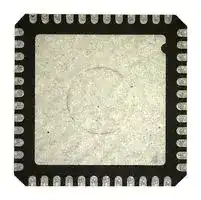


STM32WB1MMCH6TR
Bluetooth Module, BLE 5.3, 1 Mbps, -96 dBm, 1.71 V to 3.6 V, -40 °C to 85 °C
- Manufacturer: STMICROELECTRONICS
- Product type: Bluetooth Modules & Adaptors
- SVHC: No SVHC (25-Jun-2025)
- Interfaces: I2C, SPI, USART
- Product Range: STM32WB Series
- Certifications: CE, FCC, ISED, JRF, KC, NCC, SRRC, UKCA
- Bluetooth Class: -
- Bluetooth Version: Bluetooth LE 5.3
- Supply Voltage Range: 1.71 V to 3.6 V
- Receiver Sensitivity Rx: -96 dBm
- Operating Temperature Range: -40 °C to 85 °C
| Delivery and price | |
|---|---|
| Units per pack | 250 |
| Price | 7.43 € |
| Current stock | 1000+ |
| Lead time | 30 days |

**STM32WB1MMC**

Datasheet

## Bluetooth[®] Low Energy 5.3 module

## **Features**

- Integrated chip antenna, and option for external antenna

- • Bluetooth Low Energy 5.3 certified

- Supports 2 Mbits/s

- • Advertising extension • TX output power up to +5.5 dBm • RX sensitivity: -96 dBm (1 Mbps) • Range: TBD

- Dedicated Arm[®] Cortex[®] -M0+ for radio and security tasks

• Dedicated Arm[®] Cortex[®] -M4 CPU with FPU and ART (adaptative real-time accelerator), up to 64 MHz speed

- 320 Kbytes flash memory, 48 Kbytes SRAM

- Fully integrated BOM, including 32 MHz radio and 32 kHz RTC crystals

- • Integrated SMPS

- Ultra low power modes for battery longevity

- 27 GPIOs

- SWD, JTAG

- Integrated IPD for best-in-class and reliable antenna matching

- VDD range: 1.71 to 3.6 V

**==> picture [73 x 24] intentionally omitted <==**

**----- Start of picture text -----**<br>
Product status link<br>STM32WB1MMC<br>**----- End of picture text -----**<br>


- Temperature range: -40 to 85 °C

• Built-in security features, such as secure firmware installation (SFI) for radio stack, PKA, AES 256-bit, TRNG, PCROP, CRC, 96-bit UID, possibility to derive 48-bit UEI

- Planned certifications: CE, FCC, IC, JRF, SRRC (ongoing), RoHS, REACH, KC, NCC, UKCA

- 2-layer PCB

## **Applications**

- Home automation

- Wellness, healthcare, personal trackers

- Gaming and toys

- Beacons and accessories

- Industrial

**DS14096** - **Rev 1** - **March 2023** For further information contact your local STMicroelectronics sales office.

www.st.com

**STM32WB1MMC Introduction**

**1**

## **Introduction**

This document provides the ordering information and mechanical device characteristics of the STM32WB1MMC module. It must be read in conjunction with DS13258 and RM0473, available on www.st.com.

For information on the Arm[®] Cortex[®] cores, refer to the Cortex[®] Technical Reference Manual, available from the www.arm.com website.

_Note: Arm is a registered trademark of Arm Limited (or its subsidiaries) in the US and/or elsewhere._

**DS14096** - **Rev 1**

**page 2/27**

**STM32WB1MMC Description**

## **2**

## **Description**

The STM32WB1MMC is an ultra-low-power, small form factor, certified 2.4 GHz wireless module. It supports Bluetooth Low Energy 5.3. Based on the STM32WB15CCY wireless microcontroller, it provides best-in-class RF performance thanks to its good receiver sensitivity and a high output power signal. Its low-power features enable extended battery life time, small coin-cell batteries, or energy harvesting.

The STM32WB1MMC requires no RF expertise, and is the best way to speed up the application development and to reduce the associated costs. The module is completely protocol stack royalty-free.

**DS14096** - **Rev 1**

**page 3/27**

**STM32WB1MMC Module overview**

**3 Module overview**

The module is a SiP-LGA77 package (system in package land grid array), based on the proven STM32WB15CCY MCU. The package includes:

- LSE and HSE crystals

- Passive components for SMPS

- Antenna matching and antenna

- IPD for RF matching and harmonics rejection

## **Figure 1. Block diagram**

**==> picture [398 x 183] intentionally omitted <==**

**----- Start of picture text -----**<br>
External antenna<br>Communication<br>interfaces<br>SMPS passive<br>components STM32WB15CCY<br>Antenna<br>RF IPD<br>matching<br>320 KB flash memory<br>Power supply  48 KB SRAM<br>filtering<br>XTAL XTAL<br>32.768 kHz 32 MHz<br>DT55981<br>**----- End of picture text -----**<br>


## **3.1**

## **Power supply**

The power supply requirements are identical to those of the STM32WB1x devices, detailed in the datasheet DS13258. Filtering capacitors on power supply pins and components for the SMPS are already integrated into the module.

The SMPS passive components fitted in the module are in configuration-imposing function at 4 MHz, always ON. This is the only available configuration. For additional information on the SMPS, check the reference manual or AN5246, available on www.st.com.

## **3.2**

## **Clocks**

As the crystals are already integrated into the package, it is not possible to use any clock in bypass mode. The module integrates a 32.768 kHz crystal for LSE and a 32 MHz crystal for the HSE clock.

- HSE is already tuned. RCC_HSECR_HSETUNE[5:0] value is loaded automatically by HW. The RCC_HSECR register configuration must not be changed by the user to keep the default parameters.

- LSCO and MCO outputs are available.

## **3.3**

## **Antenna**

The rectangular module has one shorter side clearly different from the remaining finish surface. This side is unshielded and the mold cover contains the integrated antenna.

To use the internal antenna, pins 6 (ANT_INT) and 7 (ANT_EXT) must be connected as in Figure 2.

If an external antenna is used, ANT_IN must be shorted to ground, and ANT_OUT connected to the external antenna matching network and to the antenna itself, as in Figure 3.

_Note:_

_Regulatory certifications obtained by ST apply only to the module with its internal antenna. Designs with external antennas require new certifications._

**DS14096** - **Rev 1**

**page 4/27**

**STM32WB1MMC OTP**

**Figure 2. Connections when using the internal antenna**

**Figure 3. Connections when using an external antenna**

## **3.4**

## **OTP**

The STM32WB1MMC features a 1 Kbyte one time programmable (OTP) memory for use by the end product (see DS13258 and RM0473).

_Note:_

_The device uses the first and last words of this area for trimming and identification purposes. As a consequence, addresses 0x1FFF7000h to 0x1FFF7007h and 0x1FFF73F8h to 0x1FFF73FFh cannot be changed._

**DS14096** - **Rev 1**

**page 5/27**

**STM32WB1MMC Available peripherals**

## **4**

## **Available peripherals**

All peripherals available in STM32WB Series microcontrollers based on the WLCSP49 package are available and accessible on this module.

The pins on the module offer access to the following system peripherals:

- 1× DMA controllers (seven channels each) supporting ADC, SPI, I2C, USART, AES, timers

- 1× USART (ISO 7816, IrDA, SPI master, Modbus and Smartcard mode)

- 1× LPUART (low power)

- SPI running at 32 Mbit/s

- I²C (SMBus/PMBus)

- 1× touch sensing controller, up to 8 sensors

- 1× 16-bit, four channels advanced timer

- 2× 16-bit, two channels timers

- 1× 32-bit, four channels timer

- 2× 16-bit ultra-low-power timers

- 1× independent Systick

- 1× independent watchdog

- 1× window watchdog.

The full pin description is available in DS13258.

**DS14096** - **Rev 1**

**page 6/27**

**STM32WB1MMC Pin description**

**5 Pin description**

Figure 4 shows the module pinout package bottom view.

## **Figure 4. STM32WB1MMC module pinout: bottom view**

**Table 1. STM32WB1MMC pin/ball definition**

|**Pin name**|**Pin name**|**Pin name (function after reset)**|**Pin type**|
|---|---|---|---|
|**STM32WB1MMC**|**STM32WB15CCY**|||
|1|-|VSS|S|
|2|-|VSS|S|
|3|-|VSS|S|
|4|-|VSS|S|
|5|G1|VSSRF|S|
|6|-|ANT_IN|I|
|7|-|ANT_OUT|O|
|8|G3|VSSRF|S|
|9|G7|PA4|I/O|
|10|G6|PA8|I/O|
|11|F7|PA1|I/O|
|12|F6|PA6|I/O|
|13|E6|PA2|I/O|
|14|C6|PB8|I/O|
|15|-|VSS|S|
|16|E7|VDDA|S|
|17|-|VSS|S|
|18|C5|VBAT|S|
|19|-|VSS|S|


**DS14096** - **Rev 1**

**page 7/27**

**STM32WB1MMC Pin description**

|**Pin name**|**Pin name**|**Pi  fti ft t**|**Pi t**|
|---|---|---|---|
|**STM32WB1MMC**|**STM32WB15CCY**|**n name (uncon aer rese)**|**n ype**|
|20|A1|VDDSMPS|S|
|21|C1|VSSSMPS|S|
|22|B6|BOOT0|I/O|
|23|C7|NRST|I/O|
|24|-|VSS|S|
|25|A6|PB7|I/O|
|26|A5|PB5|I/O|
|27|B5|PB6|I/O|
|28|D5|PA3|I/O|
|29|E5|PA7|I/O|
|30|A3|PA12|I/O|
|31|-|VSS|S|
|32|A2|PA11|I/O|
|33|B4|PB4|I/O|
|34|B3|PA14|I/O|
|35|B2|PA13|I/O|
|36|C2|PA10|I/O|
|37|C4|PA0|I/O|
|38|D3|PA9|I/O|
|39|D4|PA5|I/O|
|40|E1|PB1|I/O|
|41|E2|PB0|I/O|
|42|E4|PB2|I/O|
|43|-|VSS|S|
|44|-|VSS|S|
|45|-|VSS|S|
|46|-|VSS|S|
|47|-|VSS|S|
|48|-|VSS|S|
|49|-|VSS|S|
|50|-|VSS|S|
|51|-|VSS|S|
|52|-|VSS|S|
|53|-|VSS|S|
|54|-|VSS|S|
|55|-|VSS|S|
|56|-|VSS|S|
|57|-|VSS|S|
|58|-|VSS|S|
|59|-|VSS|S|


**DS14096** - **Rev 1**

**page 8/27**

**STM32WB1MMC Pin description**

|**Pin name**|**Pin name**|**Pi  fti ft t**|**Pi t**|
|---|---|---|---|
|**STM32WB1MMC**|**STM32WB15CCY**|**n name (uncon aer rese)**|**n ype**|
|60|-|VSS|S|
|61|-|VSS|S|
|62|-|VSS|S|
|63|-|VSS|S|
|64|-|VSS|S|
|65|-|VSS|S|
|66|-|VSS|S|
|67|-|VSS|S|
|68|-|VSS|S|
|69|-|VSS|S|
|70|-|VSS|S|
|71|-|VSS|S|
|72|-|VSS|S|
|73|-|VSS|S|
|74|-|VSS|S|
|75|-|VSS|S|
|76|-|VSS|S|
|77|-|VSS|S|


**DS14096** - **Rev 1**

**page 9/27**

**6 Schematics**

**Figure 5. Reference board schematics**

**STM32WB1MMC PCB**

**7 PCB**

**Figure 6. Top layer**

**Figure 7. Bottom layer**

## **Sensitive GPIOs**

The board has three sensitive GPIOs, namely PB0, PB1, and PB2. For each of these pins, if used, a 2.7 pF capacitor in a small package (such as the 0201 or smaller) must be placed as close as possible to the output pin. Also, border the GPIO tracks with the ground plane.

## **Layout recommendations**

Decoupling capacitors must be placed as close as possible to the pins. 100 nF capacitors on external supplies must be placed as close as possible to the supply pads of the MEMs.

**DS14096** - **Rev 1**

**page 11/27**

**STM32WB1MMC Electrical characteristics**

## **8 Electrical characteristics**

## **8.1 Operating conditions**

**Table 2. STM32WB1MMC operating conditions**

|**Parameter**|**Min**|**Typ**|**Max**|**Unit**|
|---|---|---|---|---|
|VDD|1.71|3.3|3.6|V|
|Operating ambient temperature range|-40|-|85|° C|
|Storing temperature range|-40|-|125||


## **8.2 Power consumption**

The power consumption is identical to the regular STM32WB15. For full details refer to DS13258.

## **8.3 RF characteristics**

Refer to DS13258.

## **8.4 Antenna radiation patterns and efficiency**

The following figures present the radiation patterns, taken from certification measurements.

**DS14096** - **Rev 1**

**page 12/27**

**STM32WB1MMC Antenna radiation patterns and efficiency**

## **Figure 8. Radiaton pattern - 2402 MHz**

**DS14096** - **Rev 1**

**page 13/27**

**STM32WB1MMC Antenna radiation patterns and efficiency**

**Figure 9. Radiaton pattern - 2440 MHz**

**DS14096** - **Rev 1**

**page 14/27**

**STM32WB1MMC Antenna radiation patterns and efficiency**

**Figure 10. Radiaton pattern - 2480 MHz**

**DS14096** - **Rev 1**

**page 15/27**

**STM32WB1MMC Package information**

## **9 Package information**

In order to meet environmental requirements, ST offers these devices in different grades of ECOPACK packages, depending on their level of environmental compliance. ECOPACK specifications, grade definitions and product status are available at: www.st.com. ECOPACK is an ST trademark.

## **9.1 LGA77 package information**

This LGA is a 77-lead, 10 x 6.5 mm, 0.45/0.50 mm pitch, land grid array package.

## **Figure 11. LGA77 - Outline**

**==> picture [439 x 370] intentionally omitted <==**

**----- Start of picture text -----**<br>
TOP VIEW SIDE VIEW BOTTOM VIEW<br>PIN A1 CORNER<br>A<br>PIN A1 CORNER bbb C A 1 5.550<br>0.525<br>M S 2.300<br>47 48<br>68 + 1<br>46 490.600 67 2<br>45 50 66 3<br>Top surface sputter: 3~6 µm 43 44 51 65 4<br>52 64 5<br>42<br>53 54 55 56 57 58 50 60 61 62 63 6<br>A’ 41 + 7<br>40 8<br>39 9<br>+ 38 75 74 [+] 69 10<br>+ 37 11 (x54) 0.35x0.30<br>36 +76 73 70 12 (x9) 0.60x0.60<br>35 13<br>34 +77 +73 71 14<br>33 15 0.525<br>32 0.950 16<br>+31 29 28 27 26 25 24 23 +22 +21 20 +19 ++ 1718<br>30<br>(x4) 0.35x0.35<br>Side wall sputter: 1~3 µm B eE 0.525<br>E1<br>A E<br>aaa (4x)<br>0.600 µm ref.<br>0.150 µm ref.<br>0.400 µm ref.<br>DETAIL A’ B0HQ_LGA77_ME<br>+ +<br>2.400 +<br>6.018 ref<br>.5250 + (x10) 0.30x0.30 5.450<br>+<br>D D1<br>6.983 ref<br>eD 1.050<br>SEATING PLANE<br>C<br>C<br>ddd<br>**----- End of picture text -----**<br>


1. All dimensions, except where are indicated, are in millimeters.

2. Drawing is not in scale.

**DS14096** - **Rev 1**

**page 16/27**

**STM32WB1MMC Thermal characteristics**

**Table 3. LGA77 - Mechanical data**

|**Sbl**|**millimeters**|**millimeters**|**millimeters**|**inches**|**inches**|**inches**|
|---|---|---|---|---|---|---|
|**ymo**|**Min**|**Typ**|**Max**|**Min**|**Typ**|**Max**|
|A|1.372 ± 0.046|||0.0540 ± 0.0018|||
|A1|0.030 ± 0.020|||0.0012 ± 0.0008|||
|D|9.900|10.000|10.100|0.3898|0.3937|0.3976|
|E|6.400|6.500|6.600|0.2520|0.2559|0.2598|
|D1|9.075|||0.3573|||
|E1|5.550|||0.2185|||
|eD|0.500|||0.0197|||
|eE|0.450|||0.0177|||
|M|1.100 REF|||0.0433 REF|||
|S|0.24 REF|||0.0094 REF|||
|Lead width|0.300 x 0.300<br>0.350 x 0.300<br>0.350 x 0.350<br>0.600 x 0.600|||0.118 x 0.0118<br>0.0138 x 0.0118<br>0.0138 x 0.0138<br>0.0236 x 0.0236|||
|aaa|0.100|||0.0039|||
|bbb|0.100|||0.0039|||
|ddd|0.100|||0.0039|||


_1. Values in inches are converted from mm and rounded to four decimal digits._

## **9.2 Thermal characteristics**

The device thermal characteristics are defined below, and the constant values are given in Table 4:

- ϴJA is the junction-to-ambient thermal resistance (EIA/JESD51-2 and EIA/JESD51-6) ϴJA represents the resistance to the heat flowing from the chip to ambient air. It is an indicator of package heat dissipation capability, a lower ϴJA means better overall thermal performance. It is calculated as follows:

   - ϴJA = (TJ - TA) / PH,

   - where:

   - TJ = junction temperature

   - TA = ambient temperature

   - PH = power dissipation.

- ΨJT is the junction-to-top-center thermal characterization parameter (EIA/JESD51-2 and EIA/JESD51-6). ΨJT is used for estimating the junction temperature by measuring TT in an actual environment. It is calculated as follows:

   - ΨJT = (TJ - TT) / PH

where TT = temperature at the top-center of the package.

- ϴJC is the junction-to-case thermal resistance. ϴJC represents the resistance to the heat flowing from the chip to package top case. ϴJC is important when an external heat sink is attached on package top. It is calculated as follows: ϴJC = (TJ – TC) / PH

   - where TC = case temperature attached with a cold plate.

- ϴJB is the junction-to-board thermal resistance (EIA/JESD51-8). ϴJB represents the resistance to the heat flowing from the chip to PCB. ϴJB is used in compact thermal models for system-level thermal simulation. It is calculated as follows: ϴJB = (TJ – TB) / PH

   - where TB = board temperature with ring cold plate fixture applied.

**DS14096** - **Rev 1**

**page 17/27**

**STM32WB1MMC Device marking for SiP-LGA77**

## **Table 4. Thermal characteristics**

|**Symbol**|**Max TJ (° C)**|**TT (° C)**|**ΨJT (° C/W)**|**ϴJA (° C/W)**|**ϴJB (° C/W)**|**ϴJC (° C/W)**|
|---|---|---|---|---|---|---|
|Value|99.65|99.53|0.26|37.36|16.96|14.41|


## **9.3 Device marking for SiP-LGA77**

Refer to technical note “ _Reference device marking schematics for STM32 microcontrollers and microprocessors_ ” (TN1433) available on www.st.com, for the location of pin 1 / ball A1, as well as the location and orientation of the marking areas versus pin 1 / ball A1.

Parts marked as “ES”, “E” or accompanied by an Engineering Sample notification letter, are not yet qualified and therefore not approved for use in production. ST is not responsible for any consequences resulting from such use. In no event will ST be liable for the customer using any of these engineering samples in production. ST’s Quality department must be contacted prior to any decision to use these engineering samples to run a qualification activity.

## **9.4**

## **Board design**

For information and recommendations related to board design, landing pads, stencils and the solder reflow profile for LGA packages, refer to AN 5886 " _Guidelines for design and board assembly of land grid array packages_ ", available on www.st.com.

**DS14096** - **Rev 1**

**page 18/27**

**STM32WB1MMC Ordering information**

## **10 Ordering information**

## **Table 5. Ordering information scheme**

|Example:|STM32|STM32|WB|WB|1|1|M|M|M|M|C|C|H|H|6|6|TR|TR|
|---|---|---|---|---|---|---|---|---|---|---|---|---|---|---|---|---|---|---|
|**Device family**|||||||||||||||||||
|STM32 = Arm-based 32-bit microcontroller|||||||||||||||||||
|**Product type**|||||||||||||||||||
|WB = wireless Bluetooth|||||||||||||||||||
|**Device subfamily**|||||||||||||||||||
|1 = STM32WB15 die 1, full set of features|||||||||||||||||||
|**Pin count**|||||||||||||||||||
|M = 77 pins|||||||||||||||||||
|**Component type**|||||||||||||||||||
|M = module|||||||||||||||||||
|**Flash memory size**|||||||||||||||||||
|C = 320 Kbytes|||||||||||||||||||
|**Package**|||||||||||||||||||
|H = LGA77 6.5 x 10 mm|||||||||||||||||||
|**Temperature range**|||||||||||||||||||
|6 = industrial temperature range, –40 to 85 °C|||||||||||||||||||
|**Packing**|||||||||||||||||||
|TR = tape and reel|||||||||||||||||||


For a list of available options (such as speed and package) or for further information on any aspect of this device, contact your nearest ST sales office.

**DS14096** - **Rev 1**

**page 19/27**

**STM32WB1MMC Tape and reel**

**11**

## **Tape and reel**

The module tape, the reel orientation, and the dimensions are shown in Figure 12.

**Figure 12. STM32WB1MMC tape and reel**

**DS14096** - **Rev 1**

**page 20/27**

**STM32WB1MMC Certifications**

## **12 Certifications**

The STM32WB1MMC module, with its internal antenna, has passed the following certifications:

- BLE (RF_PHY)

- CE (RED)

- FCC

- ISED

- REACH

- ROHS

Certifications for UK, Japan, Korea, Taiwan and China (SRRC) are in progress. All certification reports are available on the STM32WB1MMC webpage.

## **12.1**

## **BLE(RF_PHY) certification**

The module has obtained BLE RF_PHY certification.

The module is published under BLE SIG web site.

## **12.2 CE certification**

The STM32WB1MMC module has obtained CE certification.

The module is provided with CE marking.

**Figure 13. CE certification logo**

## **12.3 FCC certification**

The STM32WB1MMC module complies with part 15 of the FCC Rules.

The FCC ID is YCP-32WB1MMCH01.

The module label includes the corresponding FCC ID.

The operation is subject to the following two conditions:

- This device may not cause harmful interference

- This device must accept any interference received, including interference that may cause undesired operation.

_Note: This equipment has been tested and found to comply with the limits for a Class B digital device, pursuant to part 15 of the FCC Rules. These limits are designed to provide reasonable protection against harmful interference in a residential installation._

## **Label requirements**

If the identification number is not visible when the module is installed inside another device, then the outside of the device into which the module is installed must also display a label referring to the enclosed module. This label must contain the FCC ID that matches the one on the module.

## **RF radiation exposure statement caution**

The module antenna must be installed to meet the RF exposure compliance separation distance of “20 cm” and any additional testing and authorization processes as required.

**DS14096** - **Rev 1**

**page 21/27**

**STM32WB1MMC ISED certification**

## **Documentation requirements**

The users manual or instruction manual for an intentional or unintentional radiator shall caution the user that changes or modifications not expressly approved by the party responsible for compliance could void the user's authority to operate the equipment.

## **Integration requirements**

Co-location of this module with other transmitters that operate simultaneously are required to be evaluated using the multi-transmitter procedures.

The host integrator must follow the integration instructions provided in this document and ensure that the composite-system end product complies with the requirements by a technical assessment or evaluation to the rules and to KDB Publication 996369.

The host integrator installing this module into their product must ensure that the final composite product complies with the requirements by a technical assessment or evaluation to the rules, including the transmitter operation and should refer to guidance in KDB 996369.

## **12.4**

## **ISED certification**

The STM32WB1MMC module has been tested and found compliant with the ISED RSS-247 and RSS-Gen rules. The IC ID is 8976A-32WB1MMCH01.

This module contains license-exempt transmitter(s) that comply with Innovation, Science and Economic Development Canada’s license-exempt RSS(s). Operation is subject to the following two conditions:

- This module may not cause interference

- This module must accept any interference, including interference that may cause undesired operation of the module.

L’émetteur exempt de licence contenu dans le présent appareil est conforme aux CNR d’Innovation, Sciences et Développement économique Canada applicables aux appareils radio exempts de licence. L’exploitation est autorisée aux deux conditions suivantes :

- L’appareil ne doit pas produire de brouillage.

- L’appareil doit accepter tout brouillage radioélectrique subi, même si le brouillage est susceptible d’en compromettre le fonctionnement.

## **RF radiation exposure statement caution**

This Transmitter must be installed to provide a separation distance of at least 20 cm from all persons.

**DS14096** - **Rev 1**

**page 22/27**

**STM32WB1MMC**

## **Revision history**

## **Table 6. Document revision history**

|**Date**|**Version**|**Changes**|
|---|---|---|
|03-Mar-2023|1|Initial release.|


**DS14096** - **Rev 1**

**page 23/27**

**STM32WB1MMC Contents**

## **Contents**

|**1**|**Introduction . . . . . . . . . . . . . . . . . . . . . . . . . . . . . . . . . . . . . . . . . . . . . . . . . . . . . . . . . . . . . . . . . . . . . . .2**|
|---|---|
|**2**|**Description . . . . . . . . . . . . . . . . . . . . . . . . . . . . . . . . . . . . . . . . . . . . . . . . . . . . . . . . . . . . . . . . . . . . . . . .3**|
|**3**|**Module overview . . . . . . . . . . . . . . . . . . . . . . . . . . . . . . . . . . . . . . . . . . . . . . . . . . . . . . . . . . . . . . . . . .4**|
||**3.1**<br>Power supply . . . . . . . . . . . . . . . . . . . . . . . . . . . . . . . . . . . . . . . . . . . . . . . . . . . . . . . . . . . . . . . . . . 4|
||**3.2**<br>Clocks. . . . . . . . . . . . . . . . . . . . . . . . . . . . . . . . . . . . . . . . . . . . . . . . . . . . . . . . . . . . . . . . . . . . . . . . 4|
||**3.3**<br>Antenna . . . . . . . . . . . . . . . . . . . . . . . . . . . . . . . . . . . . . . . . . . . . . . . . . . . . . . . . . . . . . . . . . . . . . . 4|
||**3.4**<br>OTP. . . . . . . . . . . . . . . . . . . . . . . . . . . . . . . . . . . . . . . . . . . . . . . . . . . . . . . . . . . . . . . . . . . . . . . . . . 5|
|**4**|**Available peripherals . . . . . . . . . . . . . . . . . . . . . . . . . . . . . . . . . . . . . . . . . . . . . . . . . . . . . . . . . . . . . .6**|
|**5**|**Pin description . . . . . . . . . . . . . . . . . . . . . . . . . . . . . . . . . . . . . . . . . . . . . . . . . . . . . . . . . . . . . . . . . . . .7**|
|**6**|**Schematics. . . . . . . . . . . . . . . . . . . . . . . . . . . . . . . . . . . . . . . . . . . . . . . . . . . . . . . . . . . . . . . . . . . . . . .10**|
|**7**|**PCB . . . . . . . . . . . . . . . . . . . . . . . . . . . . . . . . . . . . . . . . . . . . . . . . . . . . . . . . . . . . . . . . . . . . . . . . . . . . . .11**|
|**8**|**Electrical characteristics. . . . . . . . . . . . . . . . . . . . . . . . . . . . . . . . . . . . . . . . . . . . . . . . . . . . . . . . . .12**|
||**8.1**<br>Operating conditions. . . . . . . . . . . . . . . . . . . . . . . . . . . . . . . . . . . . . . . . . . . . . . . . . . . . . . . . . . .12|
||**8.2**<br>Power consumption . . . . . . . . . . . . . . . . . . . . . . . . . . . . . . . . . . . . . . . . . . . . . . . . . . . . . . . . . . .12|
||**8.3**<br>RF characteristics . . . . . . . . . . . . . . . . . . . . . . . . . . . . . . . . . . . . . . . . . . . . . . . . . . . . . . . . . . . . .12|
||**8.4**<br>Antenna radiation patterns and efficiency . . . . . . . . . . . . . . . . . . . . . . . . . . . . . . . . . . . . . . . . .12|
|**9**|**Package information. . . . . . . . . . . . . . . . . . . . . . . . . . . . . . . . . . . . . . . . . . . . . . . . . . . . . . . . . . . . . .16**|
||**9.1**<br>LGA77 package information . . . . . . . . . . . . . . . . . . . . . . . . . . . . . . . . . . . . . . . . . . . . . . . . . . . .16|
||**9.2**<br>Thermal characteristics . . . . . . . . . . . . . . . . . . . . . . . . . . . . . . . . . . . . . . . . . . . . . . . . . . . . . . . .17|
||**9.3**<br>Device marking for SiP-LGA77 . . . . . . . . . . . . . . . . . . . . . . . . . . . . . . . . . . . . . . . . . . . . . . . . . .18|
||**9.4**<br>Board design . . . . . . . . . . . . . . . . . . . . . . . . . . . . . . . . . . . . . . . . . . . . . . . . . . . . . . . . . . . . . . . . .18|
|**10**|**Ordering information . . . . . . . . . . . . . . . . . . . . . . . . . . . . . . . . . . . . . . . . . . . . . . . . . . . . . . . . . . . . .19**|
|**11**|**Tape and reel . . . . . . . . . . . . . . . . . . . . . . . . . . . . . . . . . . . . . . . . . . . . . . . . . . . . . . . . . . . . . . . . . . . . .20**|
|**12**|**Certifications . . . . . . . . . . . . . . . . . . . . . . . . . . . . . . . . . . . . . . . . . . . . . . . . . . . . . . . . . . . . . . . . . . . . .21**|
||**12.1**<br>BLE(RF_PHY) certification. . . . . . . . . . . . . . . . . . . . . . . . . . . . . . . . . . . . . . . . . . . . . . . . . . . . . .21|
||**12.2**<br>CE certification . . . . . . . . . . . . . . . . . . . . . . . . . . . . . . . . . . . . . . . . . . . . . . . . . . . . . . . . . . . . . . .21|
||**12.3**<br>FCC certification . . . . . . . . . . . . . . . . . . . . . . . . . . . . . . . . . . . . . . . . . . . . . . . . . . . . . . . . . . . . . .21|
||**12.4**<br>ISED certification. . . . . . . . . . . . . . . . . . . . . . . . . . . . . . . . . . . . . . . . . . . . . . . . . . . . . . . . . . . . . .22|
|**Revision history . . . . . . . . . . . . . . . . . . . . . . . . . . . . . . . . . . . . . . . . . . . . . . . . . . . . . . . . . . . . . . . . . . . . . . .23**||
|**List**|**of tables . . . . . . . . . . . . . . . . . . . . . . . . . . . . . . . . . . . . . . . . . . . . . . . . . . . . . . . . . . . . . . . . . . . . . . . . . .25**|
|**List**|**of figures. . . . . . . . . . . . . . . . . . . . . . . . . . . . . . . . . . . . . . . . . . . . . . . . . . . . . . . . . . . . . . . . . . . . . . . . . .26**|


**DS14096** - **Rev 1**

**page 24/27**

**STM32WB1MMC List of tables**

## **List of tables**

|**Table**|**1.**|STM32WB1MMC pin/ball definition . . . . . . . . . . . . . . . . . . . . . . . . . . . . . . . . . . . . . . . . . . . . . . . . . . . . . . . 7|
|---|---|---|
|**Table**|**2.**|STM32WB1MMC operating conditions . . . . . . . . . . . . . . . . . . . . . . . . . . . . . . . . . . . . . . . . . . . . . . . . . . . . 12|
|**Table**|**3.**|LGA77 - Mechanical data . . . . . . . . . . . . . . . . . . . . . . . . . . . . . . . . . . . . . . . . . . . . . . . . . . . . . . . . . . . . . 17|
|**Table**|**4.**|Thermal characteristics. . . . . . . . . . . . . . . . . . . . . . . . . . . . . . . . . . . . . . . . . . . . . . . . . . . . . . . . . . . . . . . 18|
|**Table**|**5.**|Ordering information scheme. . . . . . . . . . . . . . . . . . . . . . . . . . . . . . . . . . . . . . . . . . . . . . . . . . . . . . . . . . . 19|
|**Table**|**6.**|Document revision history . . . . . . . . . . . . . . . . . . . . . . . . . . . . . . . . . . . . . . . . . . . . . . . . . . . . . . . . . . . . . 23|


**DS14096** - **Rev 1**

**page 25/27**

**STM32WB1MMC List of figures**

## **List of figures**

|**Figure**|**1.**|Block diagram . . . . . . . . . . . . . . . . . . . . . . . . . . . . . . . . . . . . . . . . . . . . . . . . . . . . . . . . . . . . . . . . . . . . 4|
|---|---|---|
|**Figure**|**2.**|Connections when using the internal antenna. . . . . . . . . . . . . . . . . . . . . . . . . . . . . . . . . . . . . . . . . . . . . . . 5|
|**Figure**|**3.**|Connections when using an external antenna. . . . . . . . . . . . . . . . . . . . . . . . . . . . . . . . . . . . . . . . . . . . . . . 5|
|**Figure**|**4.**|STM32WB1MMC module pinout: bottom view . . . . . . . . . . . . . . . . . . . . . . . . . . . . . . . . . . . . . . . . . . . . . . 7|
|**Figure**|**5.**|Reference board schematics . . . . . . . . . . . . . . . . . . . . . . . . . . . . . . . . . . . . . . . . . . . . . . . . . . . . . . . . . 10|
|**Figure**|**6.**|Top layer . . . . . . . . . . . . . . . . . . . . . . . . . . . . . . . . . . . . . . . . . . . . . . . . . . . . . . . . . . . . . . . . . . . . . . . 11|
|**Figure**|**7.**|Bottom layer. . . . . . . . . . . . . . . . . . . . . . . . . . . . . . . . . . . . . . . . . . . . . . . . . . . . . . . . . . . . . . . . . . . . . 11|
|**Figure**|**8.**|Radiaton pattern - 2402 MHz . . . . . . . . . . . . . . . . . . . . . . . . . . . . . . . . . . . . . . . . . . . . . . . . . . . . . . . . . 13|
|**Figure**|**9.**|Radiaton pattern - 2440 MHz . . . . . . . . . . . . . . . . . . . . . . . . . . . . . . . . . . . . . . . . . . . . . . . . . . . . . . . . . 14|
|**Figure**|**10.**|Radiaton pattern - 2480 MHz . . . . . . . . . . . . . . . . . . . . . . . . . . . . . . . . . . . . . . . . . . . . . . . . . . . . . . . . . 15|
|**Figure**|**11.**|LGA77 - Outline . . . . . . . . . . . . . . . . . . . . . . . . . . . . . . . . . . . . . . . . . . . . . . . . . . . . . . . . . . . . . . . . . . 16|
|**Figure**|**12.**|STM32WB1MMC tape and reel . . . . . . . . . . . . . . . . . . . . . . . . . . . . . . . . . . . . . . . . . . . . . . . . . . . . . . . 20|
|**Figure**|**13.**|CE certification logo . . . . . . . . . . . . . . . . . . . . . . . . . . . . . . . . . . . . . . . . . . . . . . . . . . . . . . . . . . . . . . . 21|


**DS14096** - **Rev 1**

**page 26/27**

**STM32WB1MMC**

## **IMPORTANT NOTICE – READ CAREFULLY**

STMicroelectronics NV and its subsidiaries (“ST”) reserve the right to make changes, corrections, enhancements, modifications, and improvements to ST products and/or to this document at any time without notice. Purchasers should obtain the latest relevant information on ST products before placing orders. ST products are sold pursuant to ST’s terms and conditions of sale in place at the time of order acknowledgment.

Purchasers are solely responsible for the choice, selection, and use of ST products and ST assumes no liability for application assistance or the design of purchasers’ products.

No license, express or implied, to any intellectual property right is granted by ST herein.

Resale of ST products with provisions different from the information set forth herein shall void any warranty granted by ST for such product.

ST and the ST logo are trademarks of ST. For additional information about ST trademarks, refer to www.st.com/trademarks. All other product or service names are the property of their respective owners.

Information in this document supersedes and replaces information previously supplied in any prior versions of this document.

- © 2023 STMicroelectronics – All rights reserved

**DS14096** - **Rev 1**

**page 27/27**
Updated at April 28, 2026
STMicroelectronics is a global leader in the semiconductor industry, recognized for developing highly integrated, energy-efficient solutions that power modern electronics. With a strong focus on innovation, ST provides a comprehensive portfolio of microelectronics that address the demanding requirements of industrial, automotive, communications, and consumer applications. Our extensive selection of STMicroelectronics components is built around a robust lineup of discrete semiconductors and circuit protection devices. We offer a wide variety of single MOSFETs, Schottky diodes, and fast and ultrafast recovery rectifier diodes, designed to deliver exceptional efficiency and thermal performance in power management and conversion systems. For robust circuit protection, our inventory features hundreds of transient voltage suppressors and TVS diodes that safeguard sensitive electronic components against destructive voltage spikes. In addition to core power discretes like TRIACs, SCRs, bipolar transistors, and single IGBTs, our STMicroelectronics range includes specialized integrated passive filters and MEMS sensors. Furthermore, ST offers advanced integrated passive devices, such as baluns and RF filters, which utilize high-quality monolithic RF IPD processes on glass or high-resistance silicon substrates. These components provide competitive cost structures, reduced power losses, and simplified RFIC-to-antenna matching, ensuring optimal system performance and delivering the reliability required for next-generation wireless and power designs.
About Novapart
Novapart is a B2B electronic component broker specialising in stock shortages and cost reduction. We source hard-to-find parts and identify compliant alternatives across a catalogue of 410,000+ components from 500+ manufacturers.
Learn more →Stock Shortage Specialist
When a component is unavailable, discontinued or has an unacceptable lead time, we tap into our network of vetted European and Asian distributors to source what you need — without compromising on quality or traceability.
Request a quote →Compliant Alternatives
We identify pin-to-pin, electrically equivalent substitutes that meet the same certifications (RoHS, AEC-Q100, REACH) as your original specification — validated against datasheets, not just part numbers. Often at a lower cost.
BOM Analysis service →