
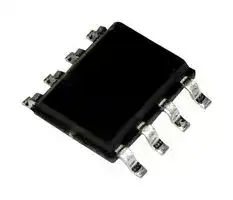


AIS1120SXTR
MEMS Accelerometer, Digital, X, ± 120g, 3.13 V, 3.47 V, NSOIC
- Manufacturer: STMICROELECTRONICS
- Product type: MEMS Accelerometers
- No. of Pins: 8Pins
- Sensitivity Typ: 68LSB/g
- Measurement Axis: X
- Sensor Case Style: NSOIC
- Acceleration Range: ± 120g
- MEMS Sensor Output: Digital
- Supply Voltage Max: 3.47V
- Supply Voltage Min: 3.13V
- Automotive Qualification Standard: AEC-Q100
| Delivery and price | |
|---|---|
| Units per pack | 50 |
| Price | 6.22 € |
| Current stock | 10+ |
| Lead time | 30 days |

## **AIS1120SX AIS2120SX** ## MEMS automotive acceleration sensor: single/dual-axis with SPI interface **Datasheet** - **production data** ## **Description** The AIS1120SX / AIS2120SX is a central acceleration sensor with a single or dual axis sensing element and an IC interface able to provide acceleration information to a master control unit via an SPI protocol. **==> picture [31 x 8] intentionally omitted <==** **----- Start of picture text -----**<br> SOIC8<br>**----- End of picture text -----**<br> ## **Features** - AEC-Q100 qualified - 3.3 V single supply operation - 14-bit data output - 120 _g_ full scale - Slow and fast offset cancellation - Embedded self-test - Selectable low-pass filter - SPI interface - ECOPACK[®] compliant - Extended temperature range -40 °C to +105 °C ## **Applications** - Airbag systems - Vibrations, impact monitoring The sensing element, capable of detecting the acceleration, is manufactured using a dedicated process developed by ST to produce inertial sensors and actuators in silicon. The IC interface is manufactured using a BCD process that allows a high level of integration. The device is factory trimmed to better tune the characteristics of the sensing element with the acceleration information to be supplied. The AIS1120SX / AIS2120SX has a full scale of 120 _g._ The acquisition chain consists of a C/V converter, a full-differential charge amplifier, a 2[nd] order analog-to-digital converter and a digital core, which includes filtering, compensation and interpolation, control logic and SPI protocol generation. The differential capacitance of the sensor is proportional to the proof mass displacement; thus, by sensing the differential capacitance, the position of the sensor is determined. Then, since the mass position is known, and the position is related to the input acceleration, the input acceleration can be easily deduced. The device is available in a plastic SOIC8 package and is guaranteed to operate over a temperature range extending from -40 °C to +105 °C. **Table 1. Device summary** |**Order code**|**_g_-range**|**Sensitivity**<br>**axes**|**Operating temperature**<br>**range [****C]**|**Package**|**Packing**| |---|---|---|---|---|---| |AIS1120SXTR|120_g_|x|-40 to +105|SOIC8N|Tape and reel| |AIS2120SXTR|120_g_|xy|-40 to +105|SOIC8N|Tape and reel| 1/58 January 2017 DocID028312 Rev 3 This is information on a product in full production. _www.st.com_ **Contents** **AIS1120SX / AIS2120SX** ## **Contents** |**1**|**Block**|**diagrams and pin description . . . . . . . . . . . . . . . . . . . . . . . . . . . . 8**| |---|---|---| ||1.1|Block diagrams . . . . . . . . . . . . . . . . . . . . . . . . . . . . . . . . . . . . . . . . . . . . . . 8| |||1.1.1<br>Mechanical element . . . . . . . . . . . . . . . . . . . . . . . . . . . . . . . . . . . . . . . . . 9| |||1.1.2<br>Sigma-Delta converter . . . . . . . . . . . . . . . . . . . . . . . . . . . . . . . . . . . . . . . 9| |||1.1.3<br>Filter architecture . . . . . . . . . . . . . . . . . . . . . . . . . . . . . . . . . . . . . . . . . . 10| |||1.1.4<br>Decimation filter . . . . . . . . . . . . . . . . . . . . . . . . . . . . . . . . . . . . . . . . . . . 10| |||1.1.5<br>Low-pass filter . . . . . . . . . . . . . . . . . . . . . . . . . . . . . . . . . . . . . . . . . . . . 11| |||1.1.6<br>Signal compensation . . . . . . . . . . . . . . . . . . . . . . . . . . . . . . . . . . . . . . . 12| |||1.1.7<br>Linear interpolation . . . . . . . . . . . . . . . . . . . . . . . . . . . . . . . . . . . . . . . . 12| |||1.1.8<br>Signal delays . . . . . . . . . . . . . . . . . . . . . . . . . . . . . . . . . . . . . . . . . . . . . 13| |||1.1.9<br>Offset cancellation . . . . . . . . . . . . . . . . . . . . . . . . . . . . . . . . . . . . . . . . . 13| |||1.1.10<br>State machine and on-chip-oscillator . . . . . . . . . . . . . . . . . . . . . . . . . . . 14| |||1.1.11<br>Power domain block diagram . . . . . . . . . . . . . . . . . . . . . . . . . . . . . . . . 14| ||1.2|Pin description . . . . . . . . . . . . . . . . . . . . . . . . . . . . . . . . . . . . . . . . . . . . . 16| |**2**|**Customer accessible data arrays (registers) . . . . . . . . . . . . . . . . . . . . 17**|| ||2.1|REG_CTRL_0 . . . . . . . . . . . . . . . . . . . . . . . . . . . . . . . . . . . . . . . . . . . . . 18| ||2.2|REG_CTRL_1 . . . . . . . . . . . . . . . . . . . . . . . . . . . . . . . . . . . . . . . . . . . . . 19| ||2.3|REG_CONFIG . . . . . . . . . . . . . . . . . . . . . . . . . . . . . . . . . . . . . . . . . . . . . 20| ||2.4|REG_STATUS . . . . . . . . . . . . . . . . . . . . . . . . . . . . . . . . . . . . . . . . . . . . . 22| ||2.5|REG_CHID_REVID . . . . . . . . . . . . . . . . . . . . . . . . . . . . . . . . . . . . . . . . . 25| ||2.6|REG_ACC_CHX_LOW . . . . . . . . . . . . . . . . . . . . . . . . . . . . . . . . . . . . . . 25| ||2.7|REG_ACC_CHX_HIGH . . . . . . . . . . . . . . . . . . . . . . . . . . . . . . . . . . . . . . 25| ||2.8|REG_ACC_CHY_LOW . . . . . . . . . . . . . . . . . . . . . . . . . . . . . . . . . . . . . . 26| ||2.9|REG_ACC_CHY_HIGH . . . . . . . . . . . . . . . . . . . . . . . . . . . . . . . . . . . . . . 26| ||2.10|REG_OSC_COUNTER . . . . . . . . . . . . . . . . . . . . . . . . . . . . . . . . . . . . . . 26| ||2.11|REG_ID_SENSOR_TYPE . . . . . . . . . . . . . . . . . . . . . . . . . . . . . . . . . . . . 27| ||2.12|REG_ID_VEH_MANUF . . . . . . . . . . . . . . . . . . . . . . . . . . . . . . . . . . . . . . 27| ||2.13|REG_ID_SENSOR_MANUF . . . . . . . . . . . . . . . . . . . . . . . . . . . . . . . . . . 27| ||2.14|REG_ID_LOT_0 . . . . . . . . . . . . . . . . . . . . . . . . . . . . . . . . . . . . . . . . . . . . 27| ||2.15|REG_ID_LOT_1 . . . . . . . . . . . . . . . . . . . . . . . . . . . . . . . . . . . . . . . . . . . . 28| ||2.16|REG_ID_LOT_2 . . . . . . . . . . . . . . . . . . . . . . . . . . . . . . . . . . . . . . . . . . . . 28| 2/58 DocID028312 Rev 3 **AIS1120SX / AIS2120SX** **Contents** ||2.17|REG_ID_LOT_3 . . . . . . . . . . . . . . . . . . . . . . . . . . . . . . . . . . . . . . . . . . . . 28| |---|---|---| ||2.18|REG_ID_WAFER . . . . . . . . . . . . . . . . . . . . . . . . . . . . . . . . . . . . . . . . . . . 28| ||2.19|REG_ID_COOR_X . . . . . . . . . . . . . . . . . . . . . . . . . . . . . . . . . . . . . . . . . . 29| ||2.20|REG_ID_COOR_Y . . . . . . . . . . . . . . . . . . . . . . . . . . . . . . . . . . . . . . . . . . 29| ||2.21|REG_RESET . . . . . . . . . . . . . . . . . . . . . . . . . . . . . . . . . . . . . . . . . . . . . . 29| ||2.22|OFF_CHX_HIGH . . . . . . . . . . . . . . . . . . . . . . . . . . . . . . . . . . . . . . . . . . . 29| ||2.23|OFF_CHX_LOW . . . . . . . . . . . . . . . . . . . . . . . . . . . . . . . . . . . . . . . . . . . 30| ||2.24|OFF_CHY_HIGH . . . . . . . . . . . . . . . . . . . . . . . . . . . . . . . . . . . . . . . . . . . 30| ||2.25|OFF_CHY_LOW . . . . . . . . . . . . . . . . . . . . . . . . . . . . . . . . . . . . . . . . . . . 30| ||2.26|Other addresses . . . . . . . . . . . . . . . . . . . . . . . . . . . . . . . . . . . . . . . . . . . . 30| |**3**|**Power-on phase and initialization . . . . . . . . . . . . . . . . . . . . . . . . . . . . . 31**|| ||3.1|Initialization procedure . . . . . . . . . . . . . . . . . . . . . . . . . . . . . . . . . . . . . . . 31| ||3.2|Phase1 (T1): Power-up timing . . . . . . . . . . . . . . . . . . . . . . . . . . . . . . . . . 32| ||3.3|Phase2 (T2): configuration . . . . . . . . . . . . . . . . . . . . . . . . . . . . . . . . . . . . 33| ||3.4|Phase 3 (T3): fast offset cancellation . . . . . . . . . . . . . . . . . . . . . . . . . . . . 34| ||3.5|Phase 4 (T4): test phase . . . . . . . . . . . . . . . . . . . . . . . . . . . . . . . . . . . . . 34| ||3.6|Phase 5 (T5): normal operation . . . . . . . . . . . . . . . . . . . . . . . . . . . . . . . . 35| |**4**|**Mechanical and electrical specifications . . . . . . . . . . . . . . . . . . . . . . . 36**|| ||4.1|Mechanical characteristics . . . . . . . . . . . . . . . . . . . . . . . . . . . . . . . . . . . . 36| ||4.2|Electrical characteristics . . . . . . . . . . . . . . . . . . . . . . . . . . . . . . . . . . . . . . 37| ||4.3|Digital blocks . . . . . . . . . . . . . . . . . . . . . . . . . . . . . . . . . . . . . . . . . . . . . . 39| ||4.4|Absolute maximum ratings . . . . . . . . . . . . . . . . . . . . . . . . . . . . . . . . . . . . 41| ||4.5|Factory calibration . . . . . . . . . . . . . . . . . . . . . . . . . . . . . . . . . . . . . . . . . . 41| |**5**|**Interface description . . . . . . . . . . . . . . . . . . . . . . . . . . . . . . . . . . . . . . . . 42**|| ||5.1|32-bit communication protocol . . . . . . . . . . . . . . . . . . . . . . . . . . . . . . . . . 42| |||5.1.1<br>Acceleration commands . . . . . . . . . . . . . . . . . . . . . . . . . . . . . . . . . . . . . 43| |||5.1.2<br>Non-acceleration commands . . . . . . . . . . . . . . . . . . . . . . . . . . . . . . . . . 47| |||5.1.3<br>SPI CRC polynomial . . . . . . . . . . . . . . . . . . . . . . . . . . . . . . . . . . . . . . . 48| ||5.2|32-bit SPI bit information . . . . . . . . . . . . . . . . . . . . . . . . . . . . . . . . . . . . . 49| ||5.3|Timing parameters . . . . . . . . . . . . . . . . . . . . . . . . . . . . . . . . . . . . . . . . . . 50| ||5.4|Error management . . . . . . . . . . . . . . . . . . . . . . . . . . . . . . . . . . . . . . . . . . 52| 3/58 DocID028312 Rev 3 |**Contents**|**AIS1120SX / AIS2120SX**| |---|---| |**6**|**Recommendations for operation . . . . . . . . . . . . . . . . . . . . . . . . . . . . . . 53**| |**7**|**Package information . . . . . . . . . . . . . . . . . . . . . . . . . . . . . . . . . . . . . . . . 54**| ||7.1<br>SOIC8 package information . . . . . . . . . . . . . . . . . . . . . . . . . . . . . . . . . . . 54| |**8**|**Revision history . . . . . . . . . . . . . . . . . . . . . . . . . . . . . . . . . . . . . . . . . . . 57**| 4/58 DocID028312 Rev 3 **AIS1120SX / AIS2120SX** **List of tables** ## **List of tables** |Table|1.|Device summary . . . . . . . . . . . . . . . . . . . . . . . . . . . . . . . . . . . . . . . . . . . . . . . . . . . . . . . . . . 1| |---|---|---| |Table|2.|Pin description . . . . . . . . . . . . . . . . . . . . . . . . . . . . . . . . . . . . . . . . . . . . . . . . . . . . . . . . . . 16| |Table|3.|REG_CTRL_0. . . . . . . . . . . . . . . . . . . . . . . . . . . . . . . . . . . . . . . . . . . . . . . . . . . . . . . . . . . 18| |Table|4.|REG_CTRL_1**. . . . . . . . . . . . . . . . . . . . . . . . . . . . . . . . . . . . . . . . . . . . . . . . . . . . . . . . . . 19**| |Table|5.|REG_CONFIG . . . . . . . . . . . . . . . . . . . . . . . . . . . . . . . . . . . . . . . . . . . . . . . . . . . . . . . . . . 20| |Table|6.|REG_STATUS_0 . . . . . . . . . . . . . . . . . . . . . . . . . . . . . . . . . . . . . . . . . . . . . . . . . . . . . . . . 22| |Table|7.|REG_STATUS_1 . . . . . . . . . . . . . . . . . . . . . . . . . . . . . . . . . . . . . . . . . . . . . . . . . . . . . . . . 23| |Table|8.|REG_STATUS_2 . . . . . . . . . . . . . . . . . . . . . . . . . . . . . . . . . . . . . . . . . . . . . . . . . . . . . . . . 24| |Table|9.|REG_CHID_REVID . . . . . . . . . . . . . . . . . . . . . . . . . . . . . . . . . . . . . . . . . . . . . . . . . . . . . . 25| |Table|10.|REG_ACC_CHX_LOW. . . . . . . . . . . . . . . . . . . . . . . . . . . . . . . . . . . . . . . . . . . . . . . . . . . . 25| |Table|11.|REG_ACC_CHX_HIGH . . . . . . . . . . . . . . . . . . . . . . . . . . . . . . . . . . . . . . . . . . . . . . . . . . . 25| |Table|12.|REG_ACC_CHY_LOW. . . . . . . . . . . . . . . . . . . . . . . . . . . . . . . . . . . . . . . . . . . . . . . . . . . . 26| |Table|13.|REG_ACC_CHY_HIGH . . . . . . . . . . . . . . . . . . . . . . . . . . . . . . . . . . . . . . . . . . . . . . . . . . . 26| |Table|14.|REG_OSC_COUNTER. . . . . . . . . . . . . . . . . . . . . . . . . . . . . . . . . . . . . . . . . . . . . . . . . . . . 26| |Table|15.|REG_ID_SENSOR_TYPE . . . . . . . . . . . . . . . . . . . . . . . . . . . . . . . . . . . . . . . . . . . . . . . . . 27| |Table|16.|REG_ID_VEH_MANUF . . . . . . . . . . . . . . . . . . . . . . . . . . . . . . . . . . . . . . . . . . . . . . . . . . . 27| |Table|17.|REG_ID_SENSOR_MANUF. . . . . . . . . . . . . . . . . . . . . . . . . . . . . . . . . . . . . . . . . . . . . . . . 27| |Table|18.|REG_ID_LOT_0 . . . . . . . . . . . . . . . . . . . . . . . . . . . . . . . . . . . . . . . . . . . . . . . . . . . . . . . . . 27| |Table|19.|REG_ID_LOT_1 . . . . . . . . . . . . . . . . . . . . . . . . . . . . . . . . . . . . . . . . . . . . . . . . . . . . . . . . . 28| |Table|20.|REG_ID_LOT_2 . . . . . . . . . . . . . . . . . . . . . . . . . . . . . . . . . . . . . . . . . . . . . . . . . . . . . . . . . 28| |Table|21.|REG_ID_LOT_3 . . . . . . . . . . . . . . . . . . . . . . . . . . . . . . . . . . . . . . . . . . . . . . . . . . . . . . . . . 28| |Table|22.|REG_ID_WAFER . . . . . . . . . . . . . . . . . . . . . . . . . . . . . . . . . . . . . . . . . . . . . . . . . . . . . . . . 28| |Table|23.|REG_ID_COOR_X . . . . . . . . . . . . . . . . . . . . . . . . . . . . . . . . . . . . . . . . . . . . . . . . . . . . . . . 29| |Table|24.|REG_ID_COOR_Y . . . . . . . . . . . . . . . . . . . . . . . . . . . . . . . . . . . . . . . . . . . . . . . . . . . . . . . 29| |Table|25.|REG_RESET . . . . . . . . . . . . . . . . . . . . . . . . . . . . . . . . . . . . . . . . . . . . . . . . . . . . . . . . . . . 29| |Table|26.|OFF_CHX_HIGH . . . . . . . . . . . . . . . . . . . . . . . . . . . . . . . . . . . . . . . . . . . . . . . . . . . . . . . . 29| |Table|27.|OFF_CHX_LOW. . . . . . . . . . . . . . . . . . . . . . . . . . . . . . . . . . . . . . . . . . . . . . . . . . . . . . . . . 30| |Table|28.|OFF_CHY_HIGH . . . . . . . . . . . . . . . . . . . . . . . . . . . . . . . . . . . . . . . . . . . . . . . . . . . . . . . . 30| |Table|29.|OFF_CHY_LOW. . . . . . . . . . . . . . . . . . . . . . . . . . . . . . . . . . . . . . . . . . . . . . . . . . . . . . . . . 30| |Table|30.|Timing delay by block . . . . . . . . . . . . . . . . . . . . . . . . . . . . . . . . . . . . . . . . . . . . . . . . . . . . . 32| |Table|31.|Temperature sensor data example. . . . . . . . . . . . . . . . . . . . . . . . . . . . . . . . . . . . . . . . . . . 35| |Table|32.|Mechanical characteristics . . . . . . . . . . . . . . . . . . . . . . . . . . . . . . . . . . . . . . . . . . . . . . . . . 36| |Table|33.|Electrical characteristics . . . . . . . . . . . . . . . . . . . . . . . . . . . . . . . . . . . . . . . . . . . . . . . . . . . 37| |Table|34.|Digital range and levels. . . . . . . . . . . . . . . . . . . . . . . . . . . . . . . . . . . . . . . . . . . . . . . . . . . . 39| |Table|35.|400 Hz digital filter . . . . . . . . . . . . . . . . . . . . . . . . . . . . . . . . . . . . . . . . . . . . . . . . . . . . . . . 40| |Table|36.|800 Hz digital filter . . . . . . . . . . . . . . . . . . . . . . . . . . . . . . . . . . . . . . . . . . . . . . . . . . . . . . . 40| |Table|37.|1600 Hz digital filter . . . . . . . . . . . . . . . . . . . . . . . . . . . . . . . . . . . . . . . . . . . . . . . . . . . . . . 40| |Table|38.|Absolute maximum ratings . . . . . . . . . . . . . . . . . . . . . . . . . . . . . . . . . . . . . . . . . . . . . . . . . 41| |Table|39.|Acceleration data example . . . . . . . . . . . . . . . . . . . . . . . . . . . . . . . . . . . . . . . . . . . . . . . . . 43| |Table|40.|Acceleration commands function of SDI bits . . . . . . . . . . . . . . . . . . . . . . . . . . . . . . . . . . . 44| |Table|41.|Acceleration commands function of SDO bits. . . . . . . . . . . . . . . . . . . . . . . . . . . . . . . . . . . 44| |Table|42.|Error codes . . . . . . . . . . . . . . . . . . . . . . . . . . . . . . . . . . . . . . . . . . . . . . . . . . . . . . . . . . . . . 45| |Table|43.|SDO bit examples. . . . . . . . . . . . . . . . . . . . . . . . . . . . . . . . . . . . . . . . . . . . . . . . . . . . . . . . 46| |Table|44.|Non-acceleration command function of SDI bits. . . . . . . . . . . . . . . . . . . . . . . . . . . . . . . . . 47| |Table|45.|Non-acceleration commands function of SDO bits . . . . . . . . . . . . . . . . . . . . . . . . . . . . . . . 48| |Table|46.|32-bit SPI command: bits from 31 to 16 . . . . . . . . . . . . . . . . . . . . . . . . . . . . . . . . . . . . . . . 49| |Table|47.|32-bit SPI command: bits from 15 to 0 . . . . . . . . . . . . . . . . . . . . . . . . . . . . . . . . . . . . . . . . 49| |Table|48.|Bit decoding . . . . . . . . . . . . . . . . . . . . . . . . . . . . . . . . . . . . . . . . . . . . . . . . . . . . . . . . . . . . 49| 5/58 DocID028312 Rev 3 **List of tables** **AIS1120SX / AIS2120SX** |Table|49.|SPI timing table. . . . . . . . . . . . . . . . . . . . . . . . . . . . . . . . . . . . . . . . . . . . . . . . . . . . . . . . . . 51| |---|---|---| |Table|50.|Error flags and description . . . . . . . . . . . . . . . . . . . . . . . . . . . . . . . . . . . . . . . . . . . . . . . . . 52| |Table|51.|SOIC8 package mechanical data . . . . . . . . . . . . . . . . . . . . . . . . . . . . . . . . . . . . . . . . . . . . 55| |Table|52.|Revision history. . . . . . . . . . . . . . . . . . . . . . . . . . . . . . . . . . . . . . . . . . . . . . . . . . . . . . . . . . 57| 6/58 DocID028312 Rev 3 **AIS1120SX / AIS2120SX** **List of figures** ## **List of figures** |Figure|1.|AIS1120SX block diagram . . . . . . . . . . . . . . . . . . . . . . . . . . . . . . . . . . . . . . . . . . . . . . . . . . 8| |---|---|---| |Figure|2.|AIS2120SX block diagram . . . . . . . . . . . . . . . . . . . . . . . . . . . . . . . . . . . . . . . . . . . . . . . . . . 8| |Figure|3.|Differential capacitive system (dual axis) . . . . . . . . . . . . . . . . . . . . . . . . . . . . . . . . . . . . . . . 9| |Figure|4.|2nd order sigma-delta modulator . . . . . . . . . . . . . . . . . . . . . . . . . . . . . . . . . . . . . . . . . . . . . 9| |Figure|5.|Filter architecture diagram . . . . . . . . . . . . . . . . . . . . . . . . . . . . . . . . . . . . . . . . . . . . . . . . . 10| |Figure|6.|FIR vs. 4th and 6th order Bessel filter for amplitude frequency response . . . . . . . . . . . . . 11| |Figure|7.|FIR vs. 3rd and 4th order Bessel filter for group delay . . . . . . . . . . . . . . . . . . . . . . . . . . . . 11| |Figure|8.|8-to-1 interpolation timing . . . . . . . . . . . . . . . . . . . . . . . . . . . . . . . . . . . . . . . . . . . . . . . . . . 12| |Figure|9.|Signal delay of reading-chain blocks with 400 Hz filter. . . . . . . . . . . . . . . . . . . . . . . . . . . . 13| |Figure|10.|Signal delay of reading-chain blocks with 800 Hz filter. . . . . . . . . . . . . . . . . . . . . . . . . . . . 13| |Figure|11.|Signal delay of reading-chain blocks with 1600 Hz filter. . . . . . . . . . . . . . . . . . . . . . . . . . . 13| |Figure|12.|Offset cancellation block diagram. . . . . . . . . . . . . . . . . . . . . . . . . . . . . . . . . . . . . . . . . . . . 14| |Figure|13.|Offset cancellation flag monitoring flow . . . . . . . . . . . . . . . . . . . . . . . . . . . . . . . . . . . . . . . 14| |Figure|14.|Power domain block diagram . . . . . . . . . . . . . . . . . . . . . . . . . . . . . . . . . . . . . . . . . . . . . . . 15| |Figure|15.|Detectable accelerations and pinout. . . . . . . . . . . . . . . . . . . . . . . . . . . . . . . . . . . . . . . . . . 16| |Figure|16.|Accessible registers . . . . . . . . . . . . . . . . . . . . . . . . . . . . . . . . . . . . . . . . . . . . . . . . . . . . . . 17| |Figure|17.|Power-up flowchart . . . . . . . . . . . . . . . . . . . . . . . . . . . . . . . . . . . . . . . . . . . . . . . . . . . . . . . 31| |Figure|18.|Power-up timing . . . . . . . . . . . . . . . . . . . . . . . . . . . . . . . . . . . . . . . . . . . . . . . . . . . . . . . . . 32| |Figure|19.|Phase 2 state flow . . . . . . . . . . . . . . . . . . . . . . . . . . . . . . . . . . . . . . . . . . . . . . . . . . . . . . . 33| |Figure|20.|Cap-loss detection . . . . . . . . . . . . . . . . . . . . . . . . . . . . . . . . . . . . . . . . . . . . . . . . . . . . . . . 33| |Figure|21.|Phase 3 state flow . . . . . . . . . . . . . . . . . . . . . . . . . . . . . . . . . . . . . . . . . . . . . . . . . . . . . . . 34| |Figure|22.|SPI . . . . . . . . . . . . . . . . . . . . . . . . . . . . . . . . . . . . . . . . . . . . . . . . . . . . . . . . . . . . . . . . . . . 42| |Figure|23.|SPI timings . . . . . . . . . . . . . . . . . . . . . . . . . . . . . . . . . . . . . . . . . . . . . . . . . . . . . . . . . . . . . 43| |Figure|24.|Acceleration commands . . . . . . . . . . . . . . . . . . . . . . . . . . . . . . . . . . . . . . . . . . . . . . . . . . . 44| |Figure|25.|Non-acceleration commands . . . . . . . . . . . . . . . . . . . . . . . . . . . . . . . . . . . . . . . . . . . . . . . 47| |Figure|26.|SPI timing parameters . . . . . . . . . . . . . . . . . . . . . . . . . . . . . . . . . . . . . . . . . . . . . . . . . . . . 50| |Figure|27.|Additional SPI timing parameters . . . . . . . . . . . . . . . . . . . . . . . . . . . . . . . . . . . . . . . . . . . . 50| |Figure|28.|SOIC8 package outline. . . . . . . . . . . . . . . . . . . . . . . . . . . . . . . . . . . . . . . . . . . . . . . . . . . . 54| |Figure|29.|SOIC8 package marking. . . . . . . . . . . . . . . . . . . . . . . . . . . . . . . . . . . . . . . . . . . . . . . . . . . 55| |Figure|30.|SOIC8 recommended footprint . . . . . . . . . . . . . . . . . . . . . . . . . . . . . . . . . . . . . . . . . . . . . . 56| 7/58 DocID028312 Rev 3 **AIS1120SX / AIS2120SX** **Block diagrams and pin description** ## **1 Block diagrams and pin description** **==> picture [162 x 14] intentionally omitted <==** **----- Start of picture text -----**<br> 1.1 Block diagrams<br>**----- End of picture text -----**<br> **Figure 1. AIS1120SX block diagram** **Figure 2. AIS2120SX block diagram** 8/58 DocID028312 Rev 3 **AIS1120SX / AIS2120SX** **Block diagrams and pin description** ## **1.1.1 Mechanical element** A proprietary process is used to create a surface micromachined accelerometer. This technology allows processing suspended silicon structures which are attached to the substrate in few points called anchors and are free to move in the direction of the sensed acceleration thanks to flexible springs. In order to be compatible with standard packaging techniques, a cap is placed at wafer level on the top of the sensing element. From an electrical point of view, the sensor can be represented as a differential capacitive system (see below for a dual-axis element). When the acceleration is applied to the sensor, the proof mass displaces from its nominal position, causing an unbalance in the capacitive half-bridge. This unbalance is measured using charge integration in response to a voltage pulse applied to the sense capacitor: **Figure 3. Differential capacitive system (dual axis)** The differential capacitive change towards acceleration can be expressed, in small displacements approximation, as: Where C0 is the at-rest capacitance, m is the inertial mass, a the acceleration, k stiffness of the springs and g the distance between capacitor electrodes. ## **1.1.2 Sigma-Delta converter** A 2[nd] order sigma-delta modulator is used to convert the differential voltage that comes from the charge-to-voltage converter to a pulse-density modulated (PDM) data stream. The data stream will be further processed through on-chip digital filters. **Figure 4. 2[nd] order sigma-delta modulator** DocID028312 Rev 3 9/58 CS ~~7~~ **AIS1120SX / AIS2120SX** **Block diagrams and pin description** ## **1.1.3 Filter architecture** **Figure 5. Filter architecture diagram** The architecture of the digital filters allows selecting 3 different cut-off frequencies based on 2 bits in the register map: FIR_BW_SEL[1:0]. The cut-off frequencies are 400 Hz, 800 Hz, and 1600 Hz. For the 1600 Hz filter, the noise level is higher and the ENOB is 10/11 bits, and not 12 bits. The cut-off frequency has to be selected for each axis during the initialization phase. Once the initialization phase is finished and the end of the initialization bit is set, the cut-off frequency is locked and any attempt to change it during normal mode will generate an SPI error. The cut-off frequencies can be selected as described below: FIR_BW_SEL[1:0]: - = "00" FIR with F3DB = 400 Hz is selected (default); - = "01" FIR with F3DB = 800 Hz is selected; - = "10" FIR with F3DB = 1600 Hz is selected (ENOB is 10/11bits in this mode); - = "11" FIR with F3DB = 400 Hz is selected. ## **1.1.4 Decimation filter** Differential delay: D=1 Number of sections: N=3 Decimation factor: – M = 32 if FIR_BW_SEL[1:0] = "00" (400 Hz) – M = 16 if FIR_BW_SEL[1:0] = "01" (800 Hz) – M = 8 if FIR_BW_SEL[1:0] = "10" (1600 Hz) 10/58 DocID028312 Rev 3 **AIS1120SX / AIS2120SX** **Block diagrams and pin description** ## **1.1.5 Low-pass filter** H_LPF (Z) is a FIR digital filter with 26 coefficients (K = 25): _Figure 6_ and _Figure 7_ shows the comparison between the FIR filter and an analog Bessel filter when the cut-off frequency is 400 Hz. **Figure 6. FIR vs. 4[th] and 6[th] order Bessel filter for amplitude frequency response** **Figure 7. FIR vs. 3[rd] and 4[th] order Bessel filter for group delay** 11/58 DocID028312 Rev 3 **AIS1120SX / AIS2120SX** **Block diagrams and pin description** ## **1.1.6 Signal compensation** On-chip EEPROM bits are used to compensate sensitivity error and offset error. ## **1.1.7** ## **Linear interpolation** The device features an L-to-1 linear data interpolation computed from the present and the previous samples. L depends on the cut-off frequency selected: Interpolation factor: - L = 16 if FIR_BW_SEL[1:0] = "00" or “11” - L = 8 if FIR_BW_SEL[1:0] = "01" - – L = 4 if FIR_BW_SEL[1:0] = "10" The data interpolation helps reduce sample jitter. The digital result will have a latency of one sample time before being sent to the SPI bus. The maximum jitter will be 62.5 s/16 = 3.9 s. _Figure 8_ shows an interpolation example. **Figure 8. 8-to-1 interpolation timing** 12/58 DocID028312 Rev 3 **AIS1120SX / AIS2120SX** **Block diagrams and pin description** ## **1.1.8 Signal delays** **Figure 9. Signal delay of reading-chain blocks with 400 Hz filter** **Figure 10. Signal delay of reading-chain blocks with 800 Hz filter** **Figure 11. Signal delay of reading-chain blocks with 1600 Hz filter** ## **1.1.9 Offset cancellation** The offset cancellation is performed in the last step of the digital signal processing and includes two modes: ## 1. Slow offset cancellation ## 2. Fast offset cancellation The digital low-pass filter with selectable bandwidth (fast, slow cancellation) is controlled by a state machine. Fast offset cancellation is used after power-on. Slow offset cancellation, for continuously running offset cancellation, operates in normal mode. Offset cancellation uses a moving average filter with a fixed update limit. Fast offset cancellation occurs after power up while EOI = 0. Slow offset cancellation occurs after EOI is set to 1. The Offset Cancellation Error Flag is set when the offset is outside the offset correction range (±1020 LSB) during slow offset cancellation. A hardware error is indicated based on this flag being set for the affected axis. The flow chart for the offset cancellation block is shown in the following figure. DocID028312 Rev 3 ee 13/58 **AIS1120SX / AIS2120SX** **Block diagrams and pin description** **Figure 12. Offset cancellation block diagram** **Figure 13. Offset cancellation flag monitoring flow** ## **1.1.10 State machine and on-chip-oscillator** There is an on-chip oscillator implemented. The clock frequency is trimmed to 16.384 MHz at room temp. This clock is used for the digital core. One 1024 KHz clock divided from this main clock is used for the sigma-delta convertor and digital signal processing module (DSP). ## **1.1.11 Power domain block diagram** _Figure 14_ shows the power domain of the device. A pre-regulator is implemented to improve power supply sensitivity and PSRR of the device. The pre-regulator provides power to an on-chip bandgap reference and the EEPROM. 14/58 DocID028312 Rev 3 **AIS1120SX / AIS2120SX** **Block diagrams and pin description** **Figure 14. Power domain block diagram** Key blocks of the power section are: 1. **Pre-regulator** : based on a self-biased supply-thermal independent structure, which is able to produce an internal stable voltage of 2.8 V ±15%, with a maximum output current of 3 mA. The architecture is based on a bandgap cell, which produces a thermal-independent reference, which is used in turn to produce the voltage preregulator output; the pre-regulator is powered by VDD, and is designed to supply only some internal low-power blocks. 2. **Regulator** : an on-chip 2.8 V regulator supplies internal power for the device; it should not be used to power other devices via the VREG terminal. A bypass capacitor is required on the VREG pin to keep the regulator stable. 3. **Bandgap reference** : the voltage bandgap is powered by the voltage pre-regulator and is used as voltage reference for all other circuits including the front-end, supervision circuits and A/D converter. 4. **Charge-to-voltage converter** : the C/V converter consists of a fully differential charge integrator with a continuous time ICMFB (Input Common Mode Feedback) control loop, discrete time ICMFB, and a Switched Capacitor OCMFB (Output Common Mode Feedback) control loop. Furthermore the C/V converter has one 9-bit DAC in order to trim the offset of the measurement chain and mechanical element. 5. **Self-test charge pump** : the self-test charge pump internally generates a voltage higher than the 2.8 V regulated supply voltage. The charge pump is activated when the self-test mode is enabled and provides an excitation voltage of 6.6 V. During the selftest the voltage is applied and disconnected to the sensor according to a duty cycle which allows simulating a well-known force on the sensor. 15/58 DocID028312 Rev 3 **AIS1120SX / AIS2120SX** **Block diagrams and pin description** ## **1.2 Pin description** **Figure 15. Detectable accelerations and pinout** C1 = 1 μF ± 10%, 10 V (ceramic, VREG capacitor) C2 = 0.1 μF ± 10%, 10 V (ceramic, power supply decoupling capacitor) _Note: An acceleration of the device in the "+X" or “+Y” directions results in a positive output change, a deceleration in this direction (or acceleration to the opposite side) results in a negative output signal._ **Table 2. Pin description** |||**Table 2. Pin description**| |---|---|---| |**Pin#**|**Name**|**Function**| |1|SCL|SPI clock| |2|SDI|SPI data in| |3|SDO|SPI data out| |4|CS|SPI chip select| |5|GND|Power supply return pin (ground level)| |6|VREG|Voltage regulator output. A ceramic capacitor of 1.0 μF ± 10%<br>10 V must be connected to this pin, which should not be used to<br>power other devices.| |7|VDD|This pin provides power to the device. A ceramic capacitor of<br>0.1 μF ± 10% 10 V must be connected to this pin.| |8|MP|Connect to GND| 16/58 DocID028312 Rev 3 ## **2** ## **Customer accessible data arrays (registers)** **==> picture [148 x 10] intentionally omitted <==** **----- Start of picture text -----**<br> Figure 16. Accessible registers<br>**----- End of picture text -----**<br> **==> picture [7 x 23] intentionally omitted <==** **----- Start of picture text -----**<br> 17/58<br>**----- End of picture text -----**<br> **Customer accessible data arrays (registers)** **AIS1120SX / AIS2120SX** ## **2.1 REG_CTRL_0** **Table 3. REG_CTRL_0** **REG_CTRL_0 (address: 0x00)** |**Table 3. REG_CTRL_0**|**Table 3. REG_CTRL_0**|**Table 3. REG_CTRL_0**|**Table 3. REG_CTRL_0**|**Table 3. REG_CTRL_0**| |---|---|---|---|---| |**REG_CTRL_0 (address: 0x00)**||||| |**Name**|**Bit#**|**R/W**|**Reset**<br>**state**|**Description**| |0|[7:1]|R|0|| |END_OF_INIT|0|R/W|0|End of initialization: Initialization<br>is the time interval from reset to<br>Self-test end:<br>=”0” then device is in<br>Initialization Phase<br>= “1” then the device is in end of<br>initialization phase (device is in<br>normal mode)<br>Rules :<br>-When END_OF_BIT="1" then<br>writing operations of<br>REG_CTRL_1 and<br>REG_CONFIG bits do not have<br>effect and generate error flags<br>CTRL_REG_1_WR_ERR="1"/C<br>ONFIG_REG_WR_ERR="1".<br>-Cannot write EOI='1' if there is<br>EE or HE error.<br>-Cannot write EOI='1' if device is<br>in +ve or -ve self-test (either<br>CHX or CHY).<br>Doing so, RE error (and<br>CONFIG_REG_0_WR_ERR='1')<br>will be produced| 18/58 DocID028312 Rev 3 **AIS1120SX / AIS2120SX** **Customer accessible data arrays (registers)** ## **2.2 REG_CTRL_1** **Table 4. REG_CTRL_1** |**Table 4. REG_CTRL_1**|**Table 4. REG_CTRL_1**|**Table 4. REG_CTRL_1**|**Table 4. REG_CTRL_1**|**Table 4. REG_CTRL_1**| |---|---|---|---|---| |||||| |**REG_CTRL_1 (address: 0x01)**||||| |**Name**|**Bit#**|**R/W**|**Reset**<br>**state**|**Description**| |0|[7:3]|R|0|| |SELF_TEST_CMD|[2:0]|R/W|0|Self-test commands:<br>= "000" then device is in 0_g_self-test if EOI='0';<br>= "001" then device starts self-test on channel X<br>with positive voltage;<br>= "010" then device starts self-test on channel X<br>with negative voltage;<br>= "011" then device is in 0_g_self-test if EOI='0'<br>= "100" then device is in 0_g_self-test if EOI='0'<br>= "101" then device starts self-test on channel Y<br>with positive voltage;<br>= "110" then device starts self-test on channel Y<br>with negative voltage;<br>= "111" then device is in 0_g_self-test if EOI='0'<br>Rules :<br>-Cannot write if EOI='1'<br>-Cannot start a self-test on CHX/CHY if the<br>channel is not enabled<br>-Cannot switch from non-0g(-ve/+ve) self_test to<br>another non-0g self_test(-ve/+ve) without going to<br>0g self-test<br>Note:<br>When starting channel X self-test:<br>Channel X acceleration command will read<br>channel X self-test value<br>Channel Y acceleration command will read<br>temperature sensor value for self-test temperature<br>compensation algorithm.<br>When starting channel Y self-test:<br>Channel X acceleration command will read<br>temperature sensor value for self-test temperature<br>compensation algorithm.<br>Channel Y acceleration command will read<br>channel Y self-test value| 19/58 DocID028312 Rev 3 **Customer accessible data arrays (registers)** **AIS1120SX / AIS2120SX** ## **2.3 REG_CONFIG** **Table 5. REG_CONFIG** |**Table 5. REG_CONFIG**|**Table 5. REG_CONFIG**|**Table 5. REG_CONFIG**|**Table 5. REG_CONFIG**|**Table 5. REG_CONFIG**| |---|---|---|---|---| |||||| |**REG_CONFIG (address: 0x02)**||||| |**Name**|**Bit#**|**R/W**|**Reset**<br>**state**|**Description**| |FIR_BW_SEL_CHY[1:0]|[7:6]|R/W|00|Channel Y FIR bandwidth selection bits:<br>if = "00" FIR with F3DB = 400 Hz is selected;<br>if = "01" FIR with F3DB = 800 Hz is selected;<br>if = "10" FIR with F3DB = 1600 Hz is selected<br>(resolution is 10/11bits in this mode);<br>if = "11" FIR with F3DB = 400 Hz is selected.<br>FIR_BW_SEL_CHY[1:0] is writable if<br>END_OF_INIT="0".<br>Writing FIR_BW_SEL_CHY[1:0] when<br>END_OF_INIT="1" or when Channel Y self-test is<br>activated, does not have effect and generates an<br>error:<br>CONFIG_REG_WR_ERR="1".| |FIR_BW_SEL_CHX[1:0]|[5:4]|R/W|00|Channel X FIR bandwith selection bits:<br>if = "00" FIR with F3DB = 400 Hz is selected;<br>if = "01" FIR with F3DB = 800 Hz is selected;<br>if = "10" FIR with F3DB = 1600 Hz is selected<br>(resolution is 10/11bits in this mode);<br>if = "11" FIR with F3DB = 400 Hz is selected.<br>FIR_BW_SEL_CHX[1:0] is writable if<br>END_OF_INIT="0".<br>Writing FIR_BW_SEL_CHX[1:0] when<br>END_OF_INIT="1" or when Channel X self-test is<br>activated does not have effect and generates an<br>error:<br>CONFIG_REG_WR_ERR="1".| |DIS_OFF_MON_CHY|3|R/W|0|Offset monitor channel Y disable bit.<br>if = "0" then channel Y offset monitor is on;<br>if = "1" then channel Y offset monitor is off.<br>DIS_OFF_MON_CHY is writable if<br>END_OF_INIT="0".<br>Writing DIS_OFF_MON_CHY when<br>END_OF_INIT="1" does not have effect and<br>generates an error:<br>CONFIG_REG_WR_ERR="1"| 20/58 DocID028312 Rev 3 **AIS1120SX / AIS2120SX** **Customer accessible data arrays (registers)** **Table 5. REG_CONFIG (continued)** |**Table 5. REG_CONFIG (continued)**|**Table 5. REG_CONFIG (continued)**|**Table 5. REG_CONFIG (continued)**|**Table 5. REG_CONFIG (continued)**|**Table 5. REG_CONFIG (continued)**| |---|---|---|---|---| |||||| |**REG_CONFIG (address: 0x02)**||||| |**Name**|**Bit#**|**R/W**|**Reset**<br>**state**|**Description**| |DIS_OFF_MON_CHX|2|R/W|0|Offset monitor channel X disable bit.<br>= "0" then channel X offset monitor is on;<br>= "1" then channel X offset monitor is off.<br>DIS_OFF_MON_CHX is writable if<br>END_OF_INIT="0".<br>Writing DIS_OFF_MON_CHX when<br>END_OF_INIT="1" does not have effect and<br>generates an error: CONFIG_REG_WR_ERR="1"| |DIS_OFF_CANC_CHY|1|R/W|0|Offset cancellation channel Y disable bit.<br>= "0" then channel Y offset cancellation circuit is<br>on;<br>= "1" then channel Y offset cancellation circuit is<br>off.<br>DIS_OFF_CANC_CHY is writable if<br>END_OF_INIT="0".<br>Writing DIS_OFF_CANC_CHY when<br>END_OF_INIT="1" does not have effect and<br>generates an error: CONFIG_REG_WR_ERR="1"| |DIS_OFF_CANC_CHX|0|R/W|0|Offset cancellation channel X disable bit.<br>= "0" then channel X offset cancellation circuit is<br>on;<br>= "1" then channel X offset cancellation circuit is<br>off.<br>DIS_OFF_CANC_CHX is writable if<br>END_OF_INIT="0".<br>Writing DIS_OFF_CANC_CHX when<br>END_OF_INIT="1" does not have effect and<br>generates an error: CONFIG_REG_WR_ERR="1"| 21/58 DocID028312 Rev 3 **Customer accessible data arrays (registers)** **AIS1120SX / AIS2120SX** ## **2.4 REG_STATUS** **Table 6. REG_STATUS_0** |**Table 6. REG_STATUS_0**|**Table 6. REG_STATUS_0**|**Table 6. REG_STATUS_0**|**Table 6. REG_STATUS_0**|**Table 6. REG_STATUS_0**| |---|---|---|---|---| |||||| |**REG_STATUS_0 (address: 0x03)**||||| |**Name**|**Bit#**|**R/W**|**Reset**<br>**state**|**Description**| |STATUS [1:0]|[7:6]|R|00|Status Error bits:<br>if = "00" device is in initialization phase (power-up,<br>configuration, fast offset cancellation);<br>if = "01" device is in normal mode (EOI = 1);<br>if = "10" device is test phase (0_g_test or active self<br>test); EOI = 0;<br>if = "11" device is in initialization phase or normal<br>mode and some errors are detected: acceleration<br>data are disregarded due to errors in device.| |TESTMODE_ENABLED|5|R|0|“0”: normal mode;<br>“1”: test mode| |REG_CTRL_0_WR_ERR(1)|4|R|0|Will be set to '1' if write EOI = '1' attempt is made<br>with the device in +ve or -ve self-test (either CHX<br>or CHY).| |Not used|3|R|0|“0” always| |LOSS_CAP|2|R|0|Loss of capacitor:<br>if = "0" then loss of capacitor is not detected<br>(correct behavior);<br>if = "1" then loss of capacitor is detected (wrong<br>behavior).<br>Note:<br>1.LOSS_CAP check is done during the power-up<br>stage (~400 μs after POR) only.<br>2.Recommended VDD ramp rate >1 V/ms<br>3.It is recommended that LOSS_CAP flag (and all<br>other hardware flags) be reconfirmed with soft<br>POR after power up (END_OF_PWRUP='1').| |END_OF_PWRUP|1|R|0|="1": end of power-up sequence; ready for self-<br>test.| |RST_ACTIVE|0|R|0|Reset Active bit:<br>if = "0" then device is out of reset;<br>if = "1" then device has undergone a soft reset<br>sequence. Cleared by a read.| 1. Bit not latched (cleared by any read command). 22/58 DocID028312 Rev 3 **AIS1120SX / AIS2120SX** **Customer accessible data arrays (registers)** **Table 7. REG_STATUS_1** |**Table 7. REG_STATUS_1**|**Table 7. REG_STATUS_1**|**Table 7. REG_STATUS_1**|**Table 7. REG_STATUS_1**|**Table 7. REG_STATUS_1**| |---|---|---|---|---| |||||| |**REG_STATUS_1 (address: 0x04)**||||| |**Name**|**Bit#**|**R/W**|**Reset**<br>**state**|**Description**| |SPI_ERR(1)|7|R|0|SPI error:<br>if = "0" then SPI format data is compliant with<br>specifications (correct behavior);<br>if = "1" then SPI format data is not complaint with<br>specifications (wrong behavior).| |EEPROM_ERR|6|R|0|EEPROM Error: CRC error reading EEPROM.<br>if = "0" EEPROM reading is correct.<br>if = "1" EEPROM reading is wrong.<br>The bit can be cleared by a READ if NVM bit<br>ErrFlgCfg='1'. If ErrFlgCfg='0', then this bit can't<br>be cleared.| |Not used|5:4|R|0|"0" always| |OFF_CANC_CHY_ERR|3|R|0|The sensor sets this flag when the offset is outside<br>the offset monitoring threshold (±1020 LSB)<br>during slow offset cancellation for channel Y; this<br>also creates hardware failure. When the offset is<br>within the threshold, the flag will be '0' (not<br>latched)| |OFF_CANC_CHX_ERR|2|R|0|The sensor sets this flag when the offset is outside<br>the offset monitoring threshold (±1020 LSB)<br>during slow offset cancellation for channel X; this<br>also creates hardware failure. When the offset is<br>within the threshold, the flag will be '0' (not<br>latched)| |REG_CONFIG_WR_ERR(1)|1|R|0|Configuration register writing operation error:<br>if = "0" then a writing operation is not addressed<br>by the SPI on REG_CONFIG register when<br>END_OF_INIT=1 (correct behavior);<br>if = "1" then a writing operation is addressed by<br>the SPI on REG_CONFIG register when<br>END_OF_INIT=1 (wrong behavior).| |REG_CTRL_1_WR_ERR(1)|0|R|0|Control register 1 writing operation error:<br>if = "0" then a writing operation is not addressed<br>by the SPI on REG_CNTR_1 register when<br>END_OF_INIT=1 (correct behavior);<br>if = "1" then a writing operation is addressed by<br>the SPI on REG_CNTR_1 register when<br>END_OF_INIT=1 (wrong behavior).| 1. Bit not latched (cleared by any read command). 23/58 DocID028312 Rev 3 **Customer accessible data arrays (registers)** **AIS1120SX / AIS2120SX** **Table 8. REG_STATUS_2** |**Table 8. REG_STATUS_2**|**Table 8. REG_STATUS_2**|**Table 8. REG_STATUS_2**|**Table 8. REG_STATUS_2**|**Table 8. REG_STATUS_2**| |---|---|---|---|---| |||||| |**REG_STATUS_2 (address: 0x05)**||||| |**Name**|**Bit#**|**R/W**|**Reset**<br>**state**|**Description**| |A2D_SAT_CHY|7|R|0|if = "1" then CHY ADC saturation detected (wrong<br>behavior).| |A2D_SAT_CHX|6|R|0|if = "1" then CHY ADC saturation detected (wrong<br>behavior).| |Not used|5|R|0|| |CHARGE_PUMP_ERR|4|R|0|Charge pump error:<br>if = "0" then charge pump error is not detected<br>(correct behavior);<br>if = "1" charge pump error is detected (wrong<br>behavior).| |VREG_LOW_VOLT_DET|3|R|0|VREG low-voltage detection:<br>if = "0" then regulated voltage VREG is over the<br>minimum supply voltage (correct behavior);<br>= "1" then regulated voltage VREG is under the<br>minimum supply voltage (wrong behavior).<br>This also creates hardware failure (not latched).| |VREG_HIGH_VOLT_DET|2|R|0|VREG high-voltage detection:<br>if = "0" then regulated voltage VREG is under the<br>maximum supply voltage (correct behavior);<br>if = "1" then regulated voltage VREG is over the<br>maximum supply voltage (wrong behavior).<br>This also creates hardware failure (not latched).| |VDD_LOW_VOLT_DET|1|R|0|VDD low-voltage detection:<br>if = "0" then supply voltage VDD is over the<br>minimum supply voltage (correct behavior);<br>if = "1" then supply voltage VDD is under the<br>minimum supply voltage (wrong behavior).<br>This also creates hardware failure (not latched).| |VDD_HIGH_VOLT_DET|0|R|0|VDD high-voltage detection:<br>if = "0" then supply voltage VDD is under the<br>maximum supply voltage (correct behavior);<br>if = "1" then supply voltage VDD is over the<br>maximum supply voltage (wrong behavior).<br>This also creates hardware failure (not latched).| 24/58 DocID028312 Rev 3 **AIS1120SX / AIS2120SX** **Customer accessible data arrays (registers)** ## **2.5 REG_CHID_REVID** **Table 9. REG_CHID_REVID** ## **REG_CHID_REVID (address: 0x06)** |**Table 9. REG_CHID_REVID**|**Table 9. REG_CHID_REVID**|**Table 9. REG_CHID_REVID**|**Table 9. REG_CHID_REVID**|**Table 9. REG_CHID_REVID**| |---|---|---|---|---| |**REG_CHID_REVID (address: 0x06)**||||| |**Name**|**Bit#**|**R/W**|**Reset**<br>**state**|**Description**| |Not used|7|R|0|| |Not used|6|R|0|| |CHY_ACTIVE|5|R|0|= “1”: CHY reading chain enabled (copied NVM<br>bit)| |CHX_ACTIVE|4|R|0|= “1”: CHX reading chain enabled (copied NVM<br>bit)| |Not used|3|R|0|| |REVID|[2:0]|R|0|Copied NVM bits 0x7C: bit 7 to bit 5<br>011 for A3<br>100 for A4| ## **2.6 REG_ACC_CHX_LOW** ## **Table 10. REG_ACC_CHX_LOW** **REG_ACC_CHX_LOW (address: 0x07)** |**Table 10. REG_ACC_CHX_LOW**|**Table 10. REG_ACC_CHX_LOW**|**Table 10. REG_ACC_CHX_LOW**|**Table 10. REG_ACC_CHX_LOW**|**Table 10. REG_ACC_CHX_LOW**| |---|---|---|---|---| |**REG_ACC_CHX_LOW (address: 0x07)**||||| |**Name**|**Bit#**|**R/W**|**Reset**<br>**state**|**Description**| |REG_ACC_CHX|[7:0]|R|0x00|Channel X acceleration data LSBs register| ## **2.7 REG_ACC_CHX_HIGH** **Table 11. REG_ACC_CHX_HIGH** ## **REG_ACC_CHX_HIGH (address: 0x08)** |**Table 11. REG_ACC_CHX_HIGH**|**Table 11. REG_ACC_CHX_HIGH**|**Table 11. REG_ACC_CHX_HIGH**|**Table 11. REG_ACC_CHX_HIGH**|**Table 11. REG_ACC_CHX_HIGH**| |---|---|---|---|---| |**REG_ACC_CHX_HIGH (address: 0x08)**||||| |**Name**|**Bit#**|**R/W**|**Reset**<br>**state**|**Description**| |AccelDataXLatch|7|R|0|Reading REG_ACC_CHX_LOW register sets the<br>bit to '1' and REG_ACC_CHX_HIGH is locked to<br>its corresponding LOW byte i.e<br>REG_ACC_CHX_LOW;<br>Cleared when it is read.| |Not used|6|R|0|| |REG_ACC_CHX|[5:0]|R|0|Channel X acceleration data MSBs register| 25/58 DocID028312 Rev 3 **Customer accessible data arrays (registers)** **AIS1120SX / AIS2120SX** ## **2.8 REG_ACC_CHY_LOW** **Table 12. REG_ACC_CHY_LOW** ## **REG_ACC_CHY_LOW (address: 0x09)** |**Table 12. REG_ACC_CHY_LOW**|**Table 12. REG_ACC_CHY_LOW**|**Table 12. REG_ACC_CHY_LOW**|**Table 12. REG_ACC_CHY_LOW**|**Table 12. REG_ACC_CHY_LOW**| |---|---|---|---|---| |**REG_ACC_CHY_LOW (address: 0x09)**||||| |**Name**|**Bit#**|**R/W**|**Reset**<br>**state**|**Description**| |REG_ACC_CHY|[7:0]|R|0x00|Channel Y acceleration data LSBs register| ## **2.9 REG_ACC_CHY_HIGH** **Table 13. REG_ACC_CHY_HIGH** ## **REG_ACC_CHY_HIGH (address: 0x0A)** |**Table 13. REG_ACC_CHY_HIGH**|**Table 13. REG_ACC_CHY_HIGH**|**Table 13. REG_ACC_CHY_HIGH**|**Table 13. REG_ACC_CHY_HIGH**|**Table 13. REG_ACC_CHY_HIGH**| |---|---|---|---|---| |**REG_ACC_CHY_HIGH (address: 0x0A)**||||| |**Name**|**Bit#**|**R/W**|**Reset**<br>**state**|**Description**| |AccelDataYLatch|7|R|0|Reading REG_ACC_CHY_LOW register sets the<br>bit to '1' and REG_ACC_CHY_HIGH is locked to<br>its corresponding LOW byte, i.e.<br>REG_ACC_CHY_LOW;<br>Cleared when it is read.| |Not used|6|R|0|| |REG_ACC_CHY|[5:0]|R|0|Channel Y acceleration data MSBs register| ## **2.10 REG_OSC_COUNTER** ## **Table 14. REG_OSC_COUNTER** ## **REG_OSC_COUNTER (address: 0x0B)** |**Table 14. REG_OSC_COUNTER**|**Table 14. REG_OSC_COUNTER**|**Table 14. REG_OSC_COUNTER**|**Table 14. REG_OSC_COUNTER**|**Table 14. REG_OSC_COUNTER**| |---|---|---|---|---| |**REG_OSC_COUNTER (address: 0x0B)**||||| |**Name**|**Bit#**|**R/W**|**Reset**<br>**state**|**Description**| |OSC_COUNTER|[7:0]|R|0x00|Free run oscillator counter to verify oscillator is<br>running. The counter is updated every 8 kHz.<br>To verify oscillator frequency, the ECU can<br>compare the oscillator counter by reading the<br>ECU clock.| 26/58 DocID028312 Rev 3 **AIS1120SX / AIS2120SX** **Customer accessible data arrays (registers)** ## **2.11 REG_ID_SENSOR_TYPE** **Table 15. REG_ID_SENSOR_TYPE** ## **REG_ID_SENSOR_TYPE (address: 0x0C)** |**Table 15. REG_ID_SENSOR_TYPE**|**Table 15. REG_ID_SENSOR_TYPE**|**Table 15. REG_ID_SENSOR_TYPE**|**Table 15. REG_ID_SENSOR_TYPE**|**Table 15. REG_ID_SENSOR_TYPE**| |---|---|---|---|---| |**REG_ID_SENSOR_TYPE (address: 0x0C)**||||| |**Name**|**Bit#**|**R/W**|**Reset**<br>**state**|**Description**| |ID_SENSOR_TYPE|[7:0]|R|0x00|0x1A for single axis sensor;<br>0x2A for dual axis sensor.| ## **2.12 REG_ID_VEH_MANUF** ## **Table 16. REG_ID_VEH_MANUF** ## **REG_ID_VEH_MANUF (address: 0x0D)** |**REG_ID_VEH_MANUF (address: 0x0D)**|**REG_ID_VEH_MANUF (address: 0x0D)**|**REG_ID_VEH_MANUF (address: 0x0D)**|**REG_ID_VEH_MANUF (address: 0x0D)**|**REG_ID_VEH_MANUF (address: 0x0D)**| |---|---|---|---|---| |**Name**|**Bit#**|**R/W**|**Reset**<br>**state**|**Description**| |Not used|[7:4]|R|0|| |ID_VEH_MANUF|[3:0]|R|0x00|Vehicle manufacturer ID number “0x00”| ## **2.13 REG_ID_SENSOR_MANUF** ## **Table 17. REG_ID_SENSOR_MANUF** **REG_ID_SENSOR_MANUF (address: 0x0E)** |**REG_ID_SENSOR_MANUF (address: 0x0E)**|**REG_ID_SENSOR_MANUF (address: 0x0E)**|**REG_ID_SENSOR_MANUF (address: 0x0E)**|**REG_ID_SENSOR_MANUF (address: 0x0E)**|**REG_ID_SENSOR_MANUF (address: 0x0E)**| |---|---|---|---|---| |**Name**|**Bit#**|**R/W**|**Reset**<br>**state**|**Description**| |ID_SENSOR_MANUF|[7:0]|R|0x00|Sensor manufacturer ID number LSBs (“0x00”)| ## **2.14 REG_ID_LOT_0** ## **Table 18. REG_ID_LOT_0** **REG_ID_LOT_0 (address: 0x0F)** |**REG_ID_LOT_0 (address: 0x0F)**|**REG_ID_LOT_0 (address: 0x0F)**|**REG_ID_LOT_0 (address: 0x0F)**|**REG_ID_LOT_0 (address: 0x0F)**|**REG_ID_LOT_0 (address: 0x0F)**| |---|---|---|---|---| |**Name**|**Bit#**|**R/W**|**Reset state**|**Description**| |ID_LOT[7:0]|[7:0]|R|0|ASIC lot ID number [7:0]| 27/58 DocID028312 Rev 3 **Customer accessible data arrays (registers)** **AIS1120SX / AIS2120SX** ## **2.15 REG_ID_LOT_1** ## **Table 19. REG_ID_LOT_1** |**Table 19. REG_ID_LOT_1**|**Table 19. REG_ID_LOT_1**|**Table 19. REG_ID_LOT_1**|**Table 19. REG_ID_LOT_1**|**Table 19. REG_ID_LOT_1**| |---|---|---|---|---| |||||| |**REG_ID_LOT_1 (address: 0x10)**||||| |**Name**|**Bit#**|**R/W**|**Reset state**|**Description**| |ID_LOT[15:8]|[7:0]|R|0|ASIC lot ID number [15:8]| ## **2.16 REG_ID_LOT_2** ## **Table 20. REG_ID_LOT_2** |**Table 20. REG_ID_LOT_2**|**Table 20. REG_ID_LOT_2**|**Table 20. REG_ID_LOT_2**|**Table 20. REG_ID_LOT_2**|**Table 20. REG_ID_LOT_2**| |---|---|---|---|---| |||||| |**REG_ID_LOT_2 (address: 0x11)**||||| |**Name**|**Bit#**|**R/W**|**Reset state**|**Description**| |ID_LOT[23:16]|[7:0]|R|0|ASIC lot ID number [23:16]| ## **2.17 REG_ID_LOT_3** **Table 21. REG_ID_LOT_3** **REG_ID_LOT_3 (address: 0x12)** |**Table 21. REG_ID_LOT_3**|**Table 21. REG_ID_LOT_3**|**Table 21. REG_ID_LOT_3**|**Table 21. REG_ID_LOT_3**|**Table 21. REG_ID_LOT_3**| |---|---|---|---|---| |**REG_ID_LOT_3 (address: 0x12)**||||| |**Name**|**Bit#**|**R/W**|**Reset state**|**Description**| |Not used|[7:6]|R|0|| |ID_LOT[29:24]|[5:0]|R|0|ASIC lot ID number [29:24]| ## **2.18 REG_ID_WAFER** **Table 22. REG_ID_WAFER** ## **REG_ID_WAFER (address: 0x13)** |**Table 22. REG_ID_WAFER**|**Table 22. REG_ID_WAFER**|**Table 22. REG_ID_WAFER**|**Table 22. REG_ID_WAFER**|**Table 22. REG_ID_WAFER**| |---|---|---|---|---| |**REG_ID_WAFER (address: 0x13)**||||| |**Name**|**Bit#**|**R/W**|**Reset state**|**Description**| |Not used|[7:5]|R|0|| |ID_WAFER|[4:0]|R|0|ASIC wafer ID<br>number| 28/58 DocID028312 Rev 3 **AIS1120SX / AIS2120SX** **Customer accessible data arrays (registers)** ## **2.19 REG_ID_COOR_X** ## **Table 23. REG_ID_COOR_X** ## **REG_ID_COOR_X (address: 0x14)** |**Table 23. REG_ID_COOR_X**|**Table 23. REG_ID_COOR_X**|**Table 23. REG_ID_COOR_X**|**Table 23. REG_ID_COOR_X**|**Table 23. REG_ID_COOR_X**| |---|---|---|---|---| |**REG_ID_COOR_X (address: 0x14)**||||| |**Name**|**Bit#**|**R/W**|**Reset state**|**Description**| |ID_COOR_X|[7:0]|R|0x00|Die coordinate X| ## **2.20 REG_ID_COOR_Y** ## **Table 24. REG_ID_COOR_Y** ## **REG_ID_COOR_Y (address: 0x15)** |**Table 24. REG_ID_COOR_Y**|**Table 24. REG_ID_COOR_Y**|**Table 24. REG_ID_COOR_Y**|**Table 24. REG_ID_COOR_Y**|**Table 24. REG_ID_COOR_Y**| |---|---|---|---|---| |**REG_ID_COOR_Y (address: 0x15)**||||| |**Name**|**Bit#**|**R/W**|**Reset state**|**Description**| |ID_COOR_Y|[7:0]|R|0x00|Die coordinate Y| ## **2.21 REG_RESET** **Table 25. REG_RESET** **REG_RESET (address: 0x16)** |**Table 25. REG_RESET**|**Table 25. REG_RESET**|**Table 25. REG_RESET**|**Table 25. REG_RESET**|**Table 25. REG_RESET**| |---|---|---|---|---| |**REG_RESET (address: 0x16)**||||| |**Name**|**Bit#**|**R/W**|**Reset state**|**Description**| |Not used|[7:3]|R|0|| |SOFT_RST|[1:0]|R/W|00|Software reset: device is caused to go under reset if<br>3 consecutive SPI write operations are executed in<br>the following sequence:<br>1. SOFT_RST[1:0]=10;<br>2. SOFT_RST[1:0]=01;<br>3. SOFT_RST[1:0]=10.| ## **2.22 OFF_CHX_HIGH** **Table 26. OFF_CHX_HIGH** |**OFF_CHX_HIGH (address: 0x17)**<br>**Name**<br>**Bit#**<br>**R/W**<br>**Reset state**<br>**Description**<br>OFF_CHX[10:3]<br>[7:0]<br>R<br>0x00<br>Channel X offset correction<br>data MSB register|**OFF_CHX_HIGH (address: 0x17)**<br>**Name**<br>**Bit#**<br>**R/W**<br>**Reset state**<br>**Description**<br>OFF_CHX[10:3]<br>[7:0]<br>R<br>0x00<br>Channel X offset correction<br>data MSB register|**OFF_CHX_HIGH (address: 0x17)**<br>**Name**<br>**Bit#**<br>**R/W**<br>**Reset state**<br>**Description**<br>OFF_CHX[10:3]<br>[7:0]<br>R<br>0x00<br>Channel X offset correction<br>data MSB register|**OFF_CHX_HIGH (address: 0x17)**<br>**Name**<br>**Bit#**<br>**R/W**<br>**Reset state**<br>**Description**<br>OFF_CHX[10:3]<br>[7:0]<br>R<br>0x00<br>Channel X offset correction<br>data MSB register|**OFF_CHX_HIGH (address: 0x17)**<br>**Name**<br>**Bit#**<br>**R/W**<br>**Reset state**<br>**Description**<br>OFF_CHX[10:3]<br>[7:0]<br>R<br>0x00<br>Channel X offset correction<br>data MSB register| |---|---|---|---|---| ||**Bit#**|**R/W**|**Reset state**|**Description**| ||[7:0]|R|0x00|Channel X offset correction<br>data MSB register| 29/58 DocID028312 Rev 3 **Customer accessible data arrays (registers)** **AIS1120SX / AIS2120SX** ## **2.23 OFF_CHX_LOW** **Table 27. OFF_CHX_LOW** ## **OFF_CHX_LOW (address: 0x18)** |**Name**<br>OFFDataXLatch<br>Not used<br>OFF_CHX[2:0]|**Bit#**|**R/W**|**Reset state**|**Description**| |---|---|---|---|---| ||7|R|0|Reading OFF_CHX_HIGH register sets the bit<br>to “1” and OFF_CHX_LOW is locked to its<br>corresponding HIGH byte i.e. OFF_CHX_HIGH;<br>Cleared when it is read.| ||[6:3]|R|0|| ||[2:0]|R|0|Channel X offset correction data LSB register| ## **2.24 OFF_CHY_HIGH** ## **Table 28. OFF_CHY_HIGH** ## **OFF_CHY_HIGH (address: 0x19)** |**Table 28. OFF_CHY_HIGH**|**Table 28. OFF_CHY_HIGH**|**Table 28. OFF_CHY_HIGH**|**Table 28. OFF_CHY_HIGH**|**Table 28. OFF_CHY_HIGH**| |---|---|---|---|---| |**OFF_CHY_HIGH (address: 0x19)**||||| |**Name**|**Bit#**|**R/W**|**Reset state**|**Description**| |OFF_CHY[10:3]|[7:0]|R|0x00|Channel Y offset correction data MSB register| ## **2.25 OFF_CHY_LOW** **Table 29. OFF_CHY_LOW** **OFF_CHY_LOW (address: 0x1A)** |**Table 29. OFF_CHY_LOW**|**Table 29. OFF_CHY_LOW**|**Table 29. OFF_CHY_LOW**|**Table 29. OFF_CHY_LOW**|**Table 29. OFF_CHY_LOW**| |---|---|---|---|---| |**OFF_CHY_LOW (address: 0x1A)**||||| |**Name**|**Bit#**|**R/W**|**Reset state**|**Description**| |OFFDataYLatch|7|R|0|Reading OFF_CHY_HIGH register sets the bit<br>to “1” and OFF_CHY_LOW is locked to its<br>corresponding HIGH byte i.e.<br>OFF_CHY_HIGH;<br>Cleared when it is read.| |Not used|[6:3]|R|0|| |OFF_CHY[2:0]|[2:0]|R|0|Channel Y offset correction data LSB register| ## **2.26 Other addresses** 0x1B: not used 0x1C: not used 0x1D: not used 0x1E: Reserved 0x1F: Reserved 30/58 DocID028312 Rev 3 **AIS1120SX / AIS2120SX** **Power-on phase and initialization** ## **3 Power-on phase and initialization** ## **3.1 Initialization procedure** **Figure 17. Power-up flowchart** **==> picture [64 x 7] intentionally omitted <==** **----- Start of picture text -----**<br> 1. User initiated<br>**----- End of picture text -----**<br> 31/58 DocID028312 Rev 3 **AIS1120SX / AIS2120SX** **Power-on phase and initialization** ## **3.2 Phase1 (T1): Power-up timing** The power domain block diagram is shown in section _1.1.11_ . Power-up timing and sequence are shown in _Figure 18._ Once VDD has ramped up, VPRE follows that. After VPRE reaches a threshold value, internal signal nPOR_VPRE is asserted. The signal resets the EEPROM registers. Therefore, EEPROM settings are ready for bandgap and regulator output (VREG). Then, another POR circuit will monitor the output VREG. If it reaches a target threshold, nPOR will be asserted. nPOR is used to reset all the registers of the main digital core. The device waits for regulator and bandgap to be at appropriate levels (regulator >2.6 V, bandgap >1.1 V) before it starts executing its state machine (starting with EEPROM download). The device starts its state machine approximately 5 μs (deglitch time) after the bandgap and regulator reach their threshold levels. **Figure 18. Power-up timing** _Table 30_ shows the typical timing delay for each block: **Table 30. Timing delay by block** |**Timing**|**Condition (VDD rising time of 100**µ**s)**|**Delay [μs]**| |---|---|---| |tpre|VPRE settles down to 90%|90| |tBG|VREF settles down to 90%|250| |tPOR||190| |tREG|VREG settles down to 90%|250| |tEEPROM||450| |tOSC||195| 32/58 DocID028312 Rev 3 **AIS1120SX / AIS2120SX** **Power-on phase and initialization** ## **3.3 Phase2 (T2): configuration** Once nPOR is asserted, the device will initialize the registers to the default settings and start ASIC diagnostic procedure. If an error is detected, the corresponding error bit will be set in DEVSTAT register. This phase is characterized by (ST1:ST0 = "00"). **Figure 19. Phase 2 state flow** The diagnostic procedure in this stage includes cap-loss detection, charge pump check for self-test, and VREG/VCC low-voltage monitoring. Cap-loss mode is initiated after EEPROM download where the regulator is disabled 1 μs. Without a load cap the regulator voltage would fall below the UV threshold and the device latches it as cap-loss flag. **Figure 20. Cap-loss detection** 33/58 DocID028312 Rev 3 **AIS1120SX / AIS2120SX** **Power-on phase and initialization** ## **3.4 Phase 3 (T3): fast offset cancellation** After the configuration/initialization phase (t2), the device will start fast offset cancellation which takes max. 345 ms. Also there is 6 ms window for self-test calibration. During phase 3 (t3), sensor data is still available through the SPI but the ND flag (see _Section 5.1.1: Acceleration commands_ ) will be used and ST1:ST0 is still kept "00" if no error occurs until phase T4. **Figure 21. Phase 3 state flow** ## **3.5 Phase 4 (T4): test phase** After phase 3 the device is still in the programming phase. Offset is close to 0. This phase is characterized by (ST1:ST0 = "10"). The device can be programmed to execute the active self-test. The actuation of transducer will be controlled through SPI command. The active self-test applies an electrostatic force to the mechanical sensor. When the selftest mode is activated, the voltage between the rotor and stator is changed. This generates an attractive electrostatic force and causes the rotor to move towards the stator. The displacement of the rotor will be measured at the output of the ADC. _Note: For the 2-axis version the self-test has to be executed sequentially._ When starting channel X self-test: - a) Channel X acceleration command will read channel X self-test value - b) Channel Y acceleration command will read temperature sensor value for self-test temperature compensation algorithm. When starting channel Y self-test: - a) Channel X acceleration command will read temperature sensor value for self-test temperature compensation algorithm. - b) Channel Y acceleration command will read channel Y self-test value The acceleration data is given in 14-bit format (bit 25-12 of SDO data frame). Its MSB (D13) represents the sign bit and the negative value is in two's complementary format. 34/58 DocID028312 Rev 3 ~~9~~ **AIS1120SX / AIS2120SX** **Power-on phase and initialization** When configured/read as a temperature sensor value, the 14-bit output is unsigned data. Its value could be estimated as: ADC_out = -16 x (Temp - 25) + 7280 The following table shows a few examples of temperature sensor data. **Table 31. Temperature sensor data example** |**Temp. (°C)**|**D13**|**D12**|**D11**|**D10**|**D9**|**D8**|**D7**|**D6**|**D5**|**D4**|**D3**|**D2**|**D1**|**D0**| |---|---|---|---|---|---|---|---|---|---|---|---|---|---|---| |-40|1|0|0|0|0|0|1|0|0|0|0|0|0|0| |25|0|1|1|1|0|0|0|1|1|1|0|0|0|0| |105|0|1|0|1|1|1|0|1|1|1|0|0|0|0| Temperature compensation is only enabled during the active self-test phase. ## **3.6 Phase 5 (T5): normal operation** After the programming phase the ECU will set the End-of-Initialization (EOI) bit and the device will start normal operation. ST1:ST0 is switched to "01". 35/58 DocID028312 Rev 3 **Mechanical and electrical specifications** **AIS1120SX / AIS2120SX** ## **4 Mechanical and electrical specifications** ## **4.1 Mechanical characteristics** 3.13 V VDD 3.47 V, -40°C TOP 105°C, acceleration = 0 _g_ , over lifetime, unless otherwise noted. **Table 32. Mechanical characteristics** |**Symbol**|**Parameter**|**Test conditions**|**Min.**|**Typ.**|**Max.**|**Unit**| |---|---|---|---|---|---|---| |FS|Full-scale range(1)|Offset cancellation ON|±114|±120||_g_| |S0|Sensitivity|||68||LSB/_g_| |SE|Sensitivity Error|VDD= 3.3 V<br>T = 25°C<br>Frequency = 0 Hz<br>At time t = 0<br>Including ratiometric error|-5||+5|%| |SRE|Sensitivity ratiometricity error|VDD= 3.6 V to PD<br>threshold|-1||+1|%| |TCSo|Sensitivity change vs<br>temperature|-40°C TOP 105°C||±0.02||LSB/_g_/°C| |SO_drift|Sensitivity drift|Over lifetime|||1|%| |DNL|Differential non linearity||||4|LSB| |Off_Raw1|Zero-g level offset(2)|Including ratiometric<br>error, excluding noise<br>effects, offset cxl disabled|-680||680|LSB| |Off_Cxl1|Zero-g level offset|Including ratiometric<br>error, excluding noise<br>effects, offset cxl enabled|-2||2|LSB| |Off_Mon_<br>Th|Offset monitor threshold|Signed value|-1020||1020|LSB| |Off_Mon_<br>HdD|Offset monitor Headroom||-400||400|LSB| |NL|Non linearity of sensitivity(1)|Best fit straight line|||+2|% FS| |CrAx|Cross axis(1)|Package alignment error|-5||+5|%| |Cut_Off|MEMS cutoff frequency (-3 dB)||13.7|15.86|18.94|kHz| |F0|MEMS resonant frequency||10.25|11.34|12.45|kHz| |Gclip|g-cell clipping||951|1108|1231|g| |Top|Operating temperature range||-40||+105|°C| 1. Guaranteed by design, verified at characterization level 2. 14-bit data, equivalent to ±170 LSB on 12 bits 36/58 DocID028312 Rev 3 **AIS1120SX / AIS2120SX** **Mechanical and electrical specifications** ## **4.2 Electrical characteristics** 3.13 V VDD 3.47 V, -40°C TOP 105°C, acceleration = 0 _g_ , over lifetime, unless otherwise noted. ## **Table 33. Electrical characteristics** |**Symbol**|**Parameter**|**Test conditions**|**Min.**|**Typ.**|**Max.**|**Unit**| |---|---|---|---|---|---|---| |VDD|Supply voltage||-5%|3.3|+5%|V| |Vreg|||-5%|2.8|+5%|V| |ISS|Supply current|Single axis|3||6|mA| |ISD|Supply current|Dual axis|4||8|mA| |**Offset cancellation(1)**||||||| |AVG|Averaging period||-5%|1024|+5%|ms| |Off_CVU|Offset correction value per<br>update||-1||+1|LSb| |Off_DSPE|Default startup phase enable<br>time|Time to guarantee the<br>internal offset is removed|317|334|351(2)|ms| |Off_Fast|Fast offset cancellation||-5%|8000|+5%|LSb/s| |Off_Slow|Slow offset cancellation||0.8|1|1.2|LSb/s| |**Self-test**||||||| |ST|Self-test output change|VDD= 3.30 V, T = 25°C,<br>Frequency = 0 Hz||1632||LSb| |ST_TOL|Self-test tolerance|Across temp, over life time|-15||15|%| |ST_TON_<br>TOFF|Self-test turn-on/off time|Specification reached for a<br>400 Hz 3-pole filter|||2|ms| |**Noise**||||||| |Nois_RMS|Output noise|RMS|||+4|LSb| |Nois_P2P|Output noise|peak-to-peak|||+16|LSb| |**Angular acceleration sensitivity(3)**||||||| |AAS|Angular acceleration sensitivity||||5*10-6|g*s2/ rad| |**SDO pin load(4)**||||||| |LOAD|Capacitive load drive||||60|pF| |**Oscillator frequency**||||||| |Fosc|Oscillator frequency||-5%|16.384|+5%|MHz| |**Power supply rejection ratio**||||||| |PSRR|Power supply RR|1*Fsw, 2*Fsw, 3*Fsw,<br>4*Fsw, 5*Fsw, 6*Fsw|||0.5|LSb/mV| 37/58 DocID028312 Rev 3 **Mechanical and electrical specifications** **AIS1120SX / AIS2120SX** **Table 33. Electrical characteristics (continued)** |**Symbol**|**Parameter**|**Test conditions**|**Min.**|**Typ.**|**Max.**|**Unit**| |---|---|---|---|---|---|---| |**Clipping**||||||| |Dig_Clip|Digital output||-5%|120|+5%|g| |**Low-pass filter**||||||| |Cut_off|Cut-off frequency (400 Hz filter)||370|400|430|Hz| 1. Offset cancellation can vary with oscillator frequency 2. Internal offset is removed in max. 345 ms; another 6 ms are needed for self-test calibration. During this phase, SPI will report ND flag if acceleration command being sent. 3. Based on simulation and characterization 4. Guaranteed by design 38/58 DocID028312 Rev 3 **AIS1120SX / AIS2120SX** **Mechanical and electrical specifications** ## **4.3 Digital blocks** **Table 34. Digital range and levels** |**Symbol**|**Parameter**|**Conditions**|**Min**|**Typ**|**Max**|**Unit**| |---|---|---|---|---|---|---| |Bit|ADC resolution||||14|bit| |ACC_RNG|Range for acceleration data||-8192||+8191|LSb| |Out_Hi|Logic output high (SDO pin)|Max static current = 2 mA|VDD-0.6||VDD|V| |Out_Low|Logic output low (SDO pin)|Max static current = 2 mA|0.0||0.6|V| |In_Hi|Logic input high (all inputs)||2||VDD|V| |In_Low|Logic input low (all inputs)||0.0||1|V| |CIN1|Input capacitance at high impedence<br>(SDO pin)||||2|pF| |CIN2|Input capacitance at CS/SDI/SCK pin||||10|pF| |I_Pull_D|Internal pull-down current (SDI, SCK)|Vin = Vcc to 0 V|10|27|50|μA| |I_Pull_U|Internal pull-up current (CS)|Vin = Vcc to 0 V|10|27|50|μA| |UVT_VDD|Undervoltage threshold (VDD)||2.7|2.9|3.1|V| |UVT_VREG|Undervoltage threshold (VREG)||2.1|2.3|2.5|V| |UV_DET1|Under/overvoltage detection time|VDD below threshold<br>VREG below threshold|6<br>1.5|25<br>5|40<br>10.5|μs<br>μs| |Hard_Res|Hard reset threshold (VREG)||1.8|2.1|2.2|V| |Res_t|Reset activation time|After SPI command|1.5||2|μs| |Rec_t|Reset recovery time|Reset to first SPI<br>access|||1|ms| 39/58 DocID028312 Rev 3 **Mechanical and electrical specifications** **AIS1120SX / AIS2120SX** **Table 35. 400 Hz digital filter** |||**Table 35. 400 Hz digital filter**||||| |---|---|---|---|---|---|---| |**Symbol**|**Parameter**|**Conditions**|**Min**|**Typ**|**Max**|**Unit**| |**Signal delay(1)**||||||| ||Overall signal delay||0.84|0.976|1.0|ms| |**Sampling rate(1)**||||||| ||Interpolation output||||256|kHz| 1. Based on simulations **Table 36. 800 Hz digital filter** |||**Table 36. 800 Hz digital filter**||||| |---|---|---|---|---|---|---| |**Symbol**|**Parameter**|**Conditions**|**Min**|**Typ**|**Max**|**Unit**| |**Signal delay(1)**||||||| ||Overall signal delay||0.4|0.507|0.6|ms| |**Sampling rate(1)**||||||| ||Interpolation output||||256|kHz| 1. Based on simulations ## **Table 37. 1600 Hz digital filter** |||**Table 37. 1600 Hz digital filter**||||| |---|---|---|---|---|---|---| |**Symbol**|**Parameter**|**Conditions**|**Min**|**Typ**|**Max**|**Unit**| |**Signal delay(1)**||||||| ||Overall signal delay||0.19|0.273|0.32|ms| |**Sampling rate(1)**||||||| ||Interpolation output||||256|kHz| 1. Based on simulations 40/58 DocID028312 Rev 3 **AIS1120SX / AIS2120SX** **Mechanical and electrical specifications** ## **4.4 Absolute maximum ratings** Stresses above those listed as “absolute maximum ratings” may cause permanent damage to the device. This is a stress rating only and functional operation of the device under these conditions is not implied. Exposure to maximum rating conditions for extended periods may affect device reliability. **Table 38. Absolute maximum ratings** |**Symbol**|**Ratings**|**Value**|**Unit**| |---|---|---|---| |VDD|Supply voltage|-0.3 to 7.0(1)|V| |VREG||-03. to 3.0|V| |SCK,SDI||-0.3 to VDD|V| |AUNP|Mechanical shock with device unpowered|2000|_g_| |hDROP|Drop shock survivability (concrete floor)|1.2|m| |ESD|ESD protection HBM (low-voltage pins)|2|kV| ||CDM|750|V| |TSTG|Storage temperature range|-55 to +150|°C| |Tj|Operating temperature range|-40 to +105|°C| 1. Not for continued operation This device is sensitive to mechanical shock, improper handling can cause permanent damage to the part. This device is sensitive to electrostatic discharge (ESD), improper handling can cause permanent damage to the part. ## **4.5 Factory calibration** The IC interface is factory calibrated for sensitivity (S0) and Zero- _g_ level (Off_Raw). The trimming values are stored inside the device in a non-volatile structure. When the device is turned on, the trimming parameters are downloaded into the registers to be employed during normal operation which allows the device to be used without further calibration. 41/58 DocID028312 Rev 3 **Interface description** **AIS1120SX / AIS2120SX** ## **5 Interface description** The AIS1120SX / AIS2120SX provides a bi-directional 3.3 V SPI interface for communication with the MCU at a 32-bit data word size. Each transfer consists of two frames of 32 clocks per frame. The sensor always operates in slave mode whereas the MCU provides the master function. The interface consists of 4 ports as shown below. **Figure 22. SPI** Serial clock (SCK): input for master clock signal. This clock determines the speed of data transfer and all receiving and sending is done synchronous to this clock. Chip Select (CS): CS activates the SPI interface. As long as CS is high, the IC does not accept the clock signal or data and the output SDO is in high impedance. Whenever CS is in a low logic state, data can be transferred from and to the microcontroller. Serial Input (SDI): accelerometer data in is latched by the rising edge of SCL (see _Figure 23: SPI timings_ ). Serial Output (SDO): accelerometer data out is set by the falling edge of SCL (see _Figure 23: SPI timings_ ). ## **5.1 32-bit communication protocol** The communication between slave and master is transmitted by 32-bit data word, MSB first. An off-frame protocol is used meaning that each transfer is completed through a sequence of 2 phases. The answer of a given request is sent within the very next frame. The acceleration data for the x-axis, y-axis channel will be frozen at the rising edge of CS of the Request and submitted during the Response (see _Figure 23_ ). 42/58 DocID028312 Rev 3 **AIS1120SX / AIS2120SX** **Interface description** **Figure 23. SPI timings** CS is the Chip Select and it is controlled by the SPI master. It goes low at the start of the transmission and goes back high at the end of a phase. SCL is the Serial port Clock and it is controlled by the SPI master. It is stopped high when CS is high (no transmission). SDI is Serial Data Input and SDO is Serial Data Output. SDI is captured at the rising edge of SCL and SDO is driven at the falling edge of SCL. The SPI instructions used can be subdivided into two classes, acceleration and nonacceleration commands. ## **5.1.1 Acceleration commands** These commands are used to request sensor data for channel X or Y. The acceleration data is given in 14-bit format (bit 25-12 of SDO data frame). The MSB (D13) represents the sign bit and the negative value is in two's complementary format. The following table shows a few examples of full range and 0 _g_ offset: |**Accel**<br>**[****_g_]**<br>Pte|**D13**<br>Pte|**D12**<br>Pte|**D11**|**D10**<br>Ty|**D9**<br>Ty|**D8**<br>Ty|**D7**<br> TE|**D6**<br>TE|**D5**<br>TE|**D4**|**D3**|**D2**|**D1**|**D0**| |---|---|---|---|---|---|---|---|---|---|---|---|---|---|---| |120.4<br>ot<br>ot|0<br>ot<br>|<br>otPe|1<br>|<br>Pe|1<br>|<br>Pe|1<br>Pe|1|1|1|1|1|1|1|1|1|1| |-120.5<br>ot<br>ot<br>Pot|1<br>ot<br>| <br>otPe<br>PottT|0<br> |<br>Pe<br>tTPe|0<br>|<br>Pe<br>Pe|0<br>Pe<br>Pe|0<br>Pe|0|0|0|0|0|0|0|0|0| |0.015<br>ot<br>Pot|0<br>ot Pe<br>PottT|0<br>Pe<br>tTPe|0<br>Pe<br>Pe|0<br>Pe<br>Pe|0<br>Pe|0|0|0|0|0|0|0|0|1| |-0.015<br>Pot<br>a|1<br>Pot tT|1<br>tT Pe|1<br>Pe|1<br>Pe|1<br>Pe|1|1|1|1|1|1|1|1|1| - Each 32-bit frame can request one of two channels (X or Y), see definition of bits CH1:CH0. 00 x data - 01 y data 43/58 DocID028312 Rev 3 **Interface description** **AIS1120SX / AIS2120SX** The format of the acceleration commands is shown below. ## **Figure 24. Acceleration commands** The function of the individual bits of SDI and SDO is shown in _Table 40_ and _Table 41_ . **Table 40. Acceleration commands function of SDI bits** |**Name**|**Bit position**|**Description**|**Definition**| |---|---|---|---| |CH1:CH0|[31:30]|Channel select|Sensor channel source for data:<br>00: X-data (CH1)<br>01: Y -data (CH2)<br>10: CH3<br>11: CH4| |SEN|29|SEN bit|Identifies sensor data request:<br>1: sensor data<br>0: non-sensor data| |P|28|Parity bit|Odd parity bit, cover bit 31-8| |Not used|[27:8]|N/A|Always 0| |C7:C0|[7:0]|CRC|CRC bits for SDI| **Table 41. Acceleration commands function of SDO bits** |**Name**|**Bit position**|**Description**|**Definition**| |---|---|---|---| |SEN|31|SEN bit|Identifies sensor data request:<br>1: sensor data<br>0: non-sensor data| |CH1-CH0|[30:29]|Channel select|Sensor channel source for data:<br>00: X-data (CH1)<br>01: Y -data (CH2)<br>10: CH3<br>11: CH4| |P|28|Parity bit|Odd parity bit, cover bit 31-8| 44/58 DocID028312 Rev 3 **AIS1120SX / AIS2120SX** **Interface description** **Table 41. Acceleration commands function of SDO bits (continued)** |**Name**|**Bit position**|**Description**|**Definition**| |---|---|---|---| |ST1:ST0|[27:26]|Status|Type of data:<br>00: Initialization<br>01: Normal mode<br>10: Self-test mode<br>11: Error data| |D13:D0|[25:12]|Data|Sensor data / self-test data (14 bit)| |SF3-SF0|[11:8]|Status flag bits|0000: No error<br>0001: EEPROM Error (EE)<br>0010: SPI Error (SE)<br>0011: Request Error (RE)<br>0100: Condition Not Correct (CNC)<br>0101: No Data available (ND)<br>0110: Hardware Error (HE)<br>1000: ADC saturation error (AS)<br>1111: In test mode (TE)| |C7:C0|[7:0]|CRC|CRC error bits for SDO| Error codes are to be interpreted as follows: **EEPROM Error (EE)** : any error related to internal EEPROM e.g. mismatch of internal CRC. **SPI Error (SE)** : any violation of SPI format e.g. incorrect number of clocks during the frame, or parity mismatch of SDI, or CRC mismatch of SDI. **Request Error (RE)** : set when unexpected or invalid command is received by sensor, locked registers are read or written during any undefined state of sensor. **Condition Not Correct (CNC)** : set when data for undefined channel (for single axis sensor), CH3 or CH4 are requested. **No Data available (ND)** : set when data is requested during power-up sequence (caploss/charge pump/fast offset cancel). **X channel Hardware Error (X_HE)** : Set when there is cap-loss error, charge pump error, VDD_low, VREG_low or X offset cancel saturate (after EOI) occurs. **Y channel Hardware Error (Y_HE)** : Set when there is cap loss error, charge pump error, VDD_low, VREG_low or Y offset cancel saturate (after EOI) occurs. **Test mode (TE)** : Set when the part is in test mode. **Priority of error codes** : EE (Highest) -> SE -> RE -> CNC -> ND -> HE -> TE (lowest) **Table 42. Error codes** ||**Table 42. Error codes**| |---|---| |**ST1:ST0**|**SF flags**| |11|EE = 0001 NVM CRC error| |11|SE = 0010 frame CRC error| |11|RE = 0011 request error (register 03, bit4 shows this error also)| 45/58 DocID028312 Rev 3 **Interface description** **AIS1120SX / AIS2120SX** **Table 42. Error codes (continued)** ||**Table 42. Error codes (continued)**| |---|---| |11|CNC = 0100 condition not correct error| |11|ND = 0101 no data error| |11|HE = 0110 (cap loss error + charge pump error + VDD undervoltage +<br>VREG undervoltage + VDD overvoltage + VREG overvoltage + SLOW<br>offset max)| |00|AS = 1000 (ADC internal > 160G)| _Table 43_ provides some examples of SDO bit sequence interpretation. **Table 43. SDO bit examples** |**31**|**30**|**29**|**28**|**27**|**26**|**[25:12]**|**[11:8]**|**[7:0]**|**Definition**| |---|---|---|---|---|---|---|---|---|---| |SEN|CH1|CH0|P|ST1|ST2|D11:D2/error|SF3:SF0|CRC|Device status| |1|0|0||0|0|X, Init no ST|0101|CRC|INIT, self test off| |1|0|1||0|0|Y, Init no ST|0101|CRC|INIT, self test off| |1|0|0||0|1|X data|0000|CRC|Normal mode| |1|0|1||0|1|Y data|0000|CRC|Normal mode| |1|0|0||1|0|X data|0000|CRC|Self-test mode| |1|0|1||1|0|Y data|0000|CRC|Self-test mode| |1|0|0||1|1|X data|Status flag|CRC|Error response| |1|0|1||1|1|Y data|Status flag|CRC|Error response| ## Notes: 1.Once the device finishes fast offset cancellation (and self-test calibration), it automatically enters into the programming phase (ST1:ST0 status "10") until the EOI command has been sent. During this phase, if there is not any self-test initialization command from SPI, 0 _g_ in self-test phase on both channels could be read from the acceleration commands. 2.When starting channel X self-test: a.Channel X acceleration command will read channel X self-test value b.Channel Y acceleration command will read temperature sensor value for self-test temperature compensation algorithm. 3.When starting channel Y self-test: c.Channel X acceleration command will read temperature sensor value for self-test temperature compensation algorithm. d.Channel Y acceleration command will read channel Y self-test value 46/58 DocID028312 Rev 3 **AIS1120SX / AIS2120SX** **Interface description** ## **5.1.2 Non-acceleration commands** These commands are used to write/read control and status registers. **Figure 25. Non-acceleration commands** The function of the individual bits of SDI and SDO are shown in _Table 44_ and _Table 45_ . **Table 44. Non-acceleration command function of SDI bits** |**Name**|**Bit position**|**Description**|**Definition**| |---|---|---|---| |OP1:OP0|[31:30]|Opcode|Operation type:<br>00: N/A<br>01: Write<br>10: N/A<br>11: Read| |SEN|29|SEN bit|Sensor data request type:<br>1: sensor data<br>0: non-sensor data| |P|28|Parity bit|Odd parity bit, cover bit 31-8| |Not used|[27:26]|N/A|Always 0| |A4:A0|[25:21]|Address|Register address for R/W operations| |D7:D0|[20:13]|Data|Data for write| |Not used|[12:8]|N/A|Always 0| |C7:C0|[7:0]|CRC|CRC bits for SDI| DocID028312 Rev 3 47/58 ~~a~~ **Interface description** **AIS1120SX / AIS2120SX** **Table 45. Non-acceleration commands function of SDO bits** |**Name**|**Bit position**|**Description**|**Definition**| |---|---|---|---| |SEN|31|SEN bit|Sensor data request type:<br>1: sensor data<br>0: non-sensor data| |OP1:OP0|[30:29]|Opcode|Copied from SDI request if accepted<br>00: N/A<br>01: Write<br>10: N/A<br>11: Read| |P|28|Parity bit|Odd parity bit, cover bit 31-8| |Not used|[27:26]|N/A|Always 0| |A4:A0|25:21|Address|Register address for R/W operations| |D7:D0|20:13|Data|Read data / error code| |Not used|12|N/A|Always 0| |SF3:SF0|[11:8]|Status flag bits|0000: No error<br>0001: EEPROM Error (EE)<br>0010: SPI Error (SE)<br>0011: Request Error (RE)<br>1111: In test mode (TE)| |C7:C0|[7:0]|CRC|CRC bits for SDO| Error codes are to be interpreted as follows: **EEPROM Error (EE)** : any error related to internal EEPROM e.g. mismatch of internal CRC. **SPI Error (SE)** : any violation of SPI format e.g. incorrect number of clocks during the frame, parity mismatch of SDI, or CRC mismatch of SDI. **Request Error (RE)** : set when unexpected or invalid command is received by sensor, locked registers are read or written during any undefined state of sensor. **Test mode (TE)** : set when the part is in test mode **Priority of error codes** : EE (Highest) -> SE -> RE -> TE (lowest) ## **5.1.3 SPI CRC polynomial** To check the integrity of the sensor signals (SO) and commands (SI) to the sensor, an 8-bit CRC (Cyclic Redundancy Check, Baicheva C2) is used. The applied polynomial is: X[8] +X[5] +X[3] +X[2] +X+1 = 0x97 with: HD = 4 for 32-bit data Initial value = 0000 0000b Target value = 0x00 48/58 DocID028312 Rev 3 **AIS1120SX / AIS2120SX** **Interface description** ## **5.2 32-bit SPI bit information** **Table 46. 32-bit SPI command: bits from 31 to 16** |**Table 46. 32-bit SPI command: bits from 31 to 16**|**Table 46. 32-bit SPI command: bits from 31 to 16**|**Table 46. 32-bit SPI command: bits from 31 to 16**|**Table 46. 32-bit SPI command: bits from 31 to 16**|**Table 46. 32-bit SPI command: bits from 31 to 16**|**Table 46. 32-bit SPI command: bits from 31 to 16**|**Table 46. 32-bit SPI command: bits from 31 to 16**|**Table 46. 32-bit SPI command: bits from 31 to 16**|**Table 46. 32-bit SPI command: bits from 31 to 16**|**Table 46. 32-bit SPI command: bits from 31 to 16**|**Table 46. 32-bit SPI command: bits from 31 to 16**|**Table 46. 32-bit SPI command: bits from 31 to 16**|**Table 46. 32-bit SPI command: bits from 31 to 16**|**Table 46. 32-bit SPI command: bits from 31 to 16**|**Table 46. 32-bit SPI command: bits from 31 to 16**|**Table 46. 32-bit SPI command: bits from 31 to 16**|**Table 46. 32-bit SPI command: bits from 31 to 16**| |---|---|---|---|---|---|---|---|---|---|---|---|---|---|---|---|---| |||||||||||||||||| |**Acceleration**||||||||||||||||| |**BIT**|31|30|29|28|27|26|25|24|23|22|21|20|19|18|17|16| |**SDI**|CH1|CH0|SEN|P|0|0|0|0|0|0|0|0|0|0|0|0| |**SDO**|SEN|CH1|CH0|P|ST1|ST0|D13|D12|D1<br>1|D10|D9|D8|D7|D6|D5|D4| |**Non-acceleration**||||||||||||||||| |**BIT**|31|30|29|28|27|26|25|24|23|22|21|20|19|18|17|16| |**SDI**|OP1|OP0|SEN|P|0|0|A4|A3|A2|A1|A0|D7|D6|D5|D4|D3| |**SDO**|SEN|OP1|OP0|P|0|0|A4|A3|A2|A1|A0|D7|D6|D5|D4|D3| **Table 47. 32-bit SPI command: bits from 15 to 0** |**Table 47. 32-bit SPI command: bits from 15 to 0**|**Table 47. 32-bit SPI command: bits from 15 to 0**|**Table 47. 32-bit SPI command: bits from 15 to 0**|**Table 47. 32-bit SPI command: bits from 15 to 0**|**Table 47. 32-bit SPI command: bits from 15 to 0**|**Table 47. 32-bit SPI command: bits from 15 to 0**|**Table 47. 32-bit SPI command: bits from 15 to 0**|**Table 47. 32-bit SPI command: bits from 15 to 0**|**Table 47. 32-bit SPI command: bits from 15 to 0**|**Table 47. 32-bit SPI command: bits from 15 to 0**|**Table 47. 32-bit SPI command: bits from 15 to 0**|**Table 47. 32-bit SPI command: bits from 15 to 0**|**Table 47. 32-bit SPI command: bits from 15 to 0**|**Table 47. 32-bit SPI command: bits from 15 to 0**|**Table 47. 32-bit SPI command: bits from 15 to 0**|**Table 47. 32-bit SPI command: bits from 15 to 0**|**Table 47. 32-bit SPI command: bits from 15 to 0**| |---|---|---|---|---|---|---|---|---|---|---|---|---|---|---|---|---| |||||||||||||||||| |**Acceleration**||||||||||||||||| |**BIT**|15|14|13|12|11|10|9|8|7|6|5|4|3|2|1|0| |**SDI**|0|0|0|0|0|0|0|0|C7|C6|C5|C4|C3|C2|C1|C0| |**SDO**|D3|D2|D1|D0|SF3|SF2|SF1|SF0|C7|C6|C5|C4|C3|C2|C1|C0| |**Non-acceleration**||||||||||||||||| |**BIT**|15|14|13|12|11|10|9|8|7|6|5|4|3|2|1|0| |**SDI**|D2|D1|D0|0|0|0|0|0|C7|C6|C5|C4|C3|C2|C1|C0| |**SDO**|D2|D1|D0|0|SF3|SF2|SF1|SF0|C7|C6|C5|C4|C3|C2|C1|C0| **Table 48. Bit decoding** ||**CH[1:0]**|**OP[1:0]**|**SEN**|**ST[1:0]**|**SF[3:0]**| |---|---|---|---|---|---| |000|X Data|N/A|Non-sensor|Initialization|No error| |001|Y Data|Write|Sensor|Normal mode|EEPROM error| |010|N/A|N/A||Selt-test mode|SPI error (SE)| |011|N/A|Read||Error data|Request error (RE)| |100|||||Condition not correct (CNC)| |101|||||No data (ND)| |110|||||Hardware error (HE)| |1000|||||ADC saturation (AS)| |1111|||||In test mode (TE)| 49/58 DocID028312 Rev 3 **Interface description** **AIS1120SX / AIS2120SX** ## **5.3 Timing parameters** **Figure 26. SPI timing parameters** **Figure 27. Additional SPI timing parameters** 50/58 DocID028312 Rev 3 e ~~e~~ 7 **AIS1120SX / AIS2120SX** **Interface description** **Table 49. SPI timing table** |**No.**|**Parameter**|**Symbol**|**Min.**|**Max.**|**Unit**| |---|---|---|---|---|---| |-|SPI operating frequency|fOP|-|5|MHz| |A|Clock (SCK) high time|tWSCKh|49|-|ns| |B|Clock (SCK) low time|tWSCKl|95|-|ns| |C|SCK period|tSCK|200|-|ns| |D|Clock (SCK) and CS fall time|tf|5.5|50|ns| |E|Clock (SCK) and CS rise time|tr|5.5|50|ns| |F|Data input (MOSI) setup time|tsu|10|-|ns| |G|Data input (MOSI) hold time|thi|10|-|ns| |H|Data output (MISO) access time|ta|-|60|ns| |I|Data output (MISO) valid after SCK|tv|-|60|ns| |K|Data output (MISO) disable time|tdis|-|100|ns| |L|Enable (SS) lead time|tlead|10|-|ns| |M|Enable (SS) lag time|tlag|25|-|ns| |N|Sequential transfer delay|ttd|1.9|-|μs| |P|Clock enable time|tCLE|10|-|ns| |Q|Clock disable time|tCLD|10|-|ns| ## **Timing reference: 0.2 Vs - 0.8 Vs (Vs = VVDDD-DGND)** Explanation: - c) Q: SCK stable (low or high) before CS falling - d) P: SCK stable (low or high) after CS rising 51/58 DocID028312 Rev 3 **Interface description** **AIS1120SX / AIS2120SX** ## **5.4 Error management** The device replies with an error response if one of the following errors has occurred: **Table 50. Error flags and description** ||**Table 50. Error flags and description**| |---|---| |**Flags**|**Description**| |REG_CTRL_0_WR_ERR|‘1’: when there is a request error writing the REG_CTRL_0(Address=0x00) register| |LOSSCAP|‘1’: when there a loss of cap on VREG PAD (set only during power-up)| |END_OF_PWRUP|‘1’: when power-up sequencer has finished initialization (completed charge pump test,<br>cap-loss test, fast offset cancel);| |RST_ACTIVE|‘1’: when soft reset is issued| |SPI_ERR|‘1’: when SPI error occurs| |EEPROM_ERR|‘1’: when EEPROM error (e.g mismatch in CRC) occurs during power-up| |OFF_CANC_CHY_ERR|‘1’: when offset cancellation error for CHY occur| |OFF_CANC_CHX_ERR|‘1’: when offset cancellation error for CHX occurs| |REG_CONFIG_WR_ERR|‘1’:when there is a request error writing the REG_CONFIG (Address=0x012) register| |REG_CTRL_1_WR_ERR|‘1’: when there is a request error writing the REG_CTRL_1 (Address=0x01) register| |A2D_SAT_CHY|‘1’: when A2D saturates for CHY| |A2D_SAT_CHX|‘1’: when A2D saturates for CHX| |CHARGE_PUMP_ERR|‘1’: when charge pump test fails at power-up| |VREG_LOW_ERR|‘1’: when VREG falls below its LOW threshold| |VREG_HIGH_ERR|‘1’: when VREG goes above its HIGH threshold| |VDD_LOW_ERR|‘1’: when VDD falls below its LOW threshold| |VDD_HIGH_ERR|‘1’: when VDD goes above its HIGH threshold| 52/58 DocID028312 Rev 3 **AIS1120SX / AIS2120SX** **Recommendations for operation** ## **6 Recommendations for operation** 1. It's recommended to power up VDD first, then provide SPI logic signals. This is recommended to avoid the potential of powering the device via the SPI pins when VDD is not in the specified operating range. 2. Recommended VDD ramp rate > 1 V/ms 3. It is recommended that all flags be reconfirmed with soft POR after power-up. 53/58 DocID028312 Rev 3 **Package information** **AIS1120SX / AIS2120SX** ## **7 Package information** In order to meet environmental requirements, ST offers these devices in different grades of ECOPACK[®] packages, depending on their level of environmental compliance. ECOPACK[®] specifications, grade definitions and product status are available at: _www.st.com_ . ECOPACK[®] is an ST trademark. ## **7.1 SOIC8 package information** **Figure 28. SOIC8 package outline** **==> picture [405 x 265] intentionally omitted <==** **----- Start of picture text -----**<br> ���������<br>**----- End of picture text -----**<br> 54/58 DocID028312 Rev 3 **AIS1120SX / AIS2120SX** **Package information** **Table 51. SOIC8 package mechanical data** ||**Table 51. SOIC8 package mechanical data**|**Table 51. SOIC8 package mechanical data**|**Table 51. SOIC8 package mechanical data**| |---|---|---|---| |**Ref.**|**Databook (mm)**||| ||**Min.**|**Typ.**|**Max.**| |A|||1.75| |A1|0.10||0.25| |A2|1.25||| |b|0.31||0.51| |c|0.10||0.25| |D|4.80|4.90|5.00| |E|5.80|6.00|6.20| |E1|3.80|3.90|4.00| |e||1.27|| |h|0.25||0.50| |L|0.40||1.27| |L1||1.04|| |L2||0.25|| |k|0||8°| |ccc|||0.10| **Figure 29. SOIC8 package marking** 55/58 DocID028312 Rev 3 **Package information** **AIS1120SX / AIS2120SX** **Figure 30. SOIC8 recommended footprint** ��������� 56/58 DocID028312 Rev 3 **AIS1120SX / AIS2120SX** **Revision history** ## **8 Revision history** |**Table 52. Revision history**|**Table 52. Revision history**|**Table 52. Revision history**| |---|---|---| |**Date**|**Revision**|**Changes**| |18-Sep-2015|1|Initial release| |19-Aug-2016|2|Updated_Section 5.1.3: SPI CRC polynomial_| |20-Jan-2017|3|Document status promoted to production data<br>Updated SDO pin load in_Table 33: Electrical characteristics_<br>Updated tSCKand tvin_Table 49: SPI timing table_| 57/58 DocID028312 Rev 3 **AIS1120SX / AIS2120SX** ## **IMPORTANT NOTICE – PLEASE READ CAREFULLY** STMicroelectronics NV and its subsidiaries (“ST”) reserve the right to make changes, corrections, enhancements, modifications, and improvements to ST products and/or to this document at any time without notice. Purchasers should obtain the latest relevant information on ST products before placing orders. ST products are sold pursuant to ST’s terms and conditions of sale in place at the time of order acknowledgement. Purchasers are solely responsible for the choice, selection, and use of ST products and ST assumes no liability for application assistance or the design of Purchasers’ products. No license, express or implied, to any intellectual property right is granted by ST herein. Resale of ST products with provisions different from the information set forth herein shall void any warranty granted by ST for such product. ST and the ST logo are trademarks of ST. All other product or service names are the property of their respective owners. Information in this document supersedes and replaces information previously supplied in any prior versions of this document. © 2017 STMicroelectronics – All rights reserved 58/58 DocID028312 Rev 3
Updated at February 9, 2023
STMicroelectronics is a global leader in the semiconductor industry, recognized for developing highly integrated, energy-efficient solutions that power modern electronics. With a strong focus on innovation, ST provides a comprehensive portfolio of microelectronics that address the demanding requirements of industrial, automotive, communications, and consumer applications. Our extensive selection of STMicroelectronics components is built around a robust lineup of discrete semiconductors and circuit protection devices. We offer a wide variety of single MOSFETs, Schottky diodes, and fast and ultrafast recovery rectifier diodes, designed to deliver exceptional efficiency and thermal performance in power management and conversion systems. For robust circuit protection, our inventory features hundreds of transient voltage suppressors and TVS diodes that safeguard sensitive electronic components against destructive voltage spikes. In addition to core power discretes like TRIACs, SCRs, bipolar transistors, and single IGBTs, our STMicroelectronics range includes specialized integrated passive filters and MEMS sensors. Furthermore, ST offers advanced integrated passive devices, such as baluns and RF filters, which utilize high-quality monolithic RF IPD processes on glass or high-resistance silicon substrates. These components provide competitive cost structures, reduced power losses, and simplified RFIC-to-antenna matching, ensuring optimal system performance and delivering the reliability required for next-generation wireless and power designs.
About Novapart
Novapart is a B2B electronic component broker specialising in stock shortages and cost reduction. We source hard-to-find parts and identify compliant alternatives across a catalogue of 410,000+ components from 500+ manufacturers.
Learn more →Stock Shortage Specialist
When a component is unavailable, discontinued or has an unacceptable lead time, we tap into our network of vetted European and Asian distributors to source what you need — without compromising on quality or traceability.
Request a quote →Compliant Alternatives
We identify pin-to-pin, electrically equivalent substitutes that meet the same certifications (RoHS, AEC-Q100, REACH) as your original specification — validated against datasheets, not just part numbers. Often at a lower cost.
BOM Analysis service →