
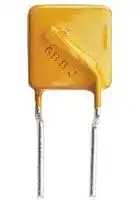


TRF250-120U
FUSE, PTC RESET, 60V, 120mA, RADIAL
- Manufacturer: LITTELFUSE
- Product type: Radial Leaded PPTCs
- Product Range:PolySwitch TR Series; Voltage Rating:60VDC; Holding Current:120mA; Tripping Current:240mA; Time to Trip:1s; Fuse Shape:Rectangular; Current Rating Max:
- Product Range: PolySwitch TR Series
| Delivery and price | |
|---|---|
| Units per pack | 2500 |
| Price | 0.366 € |
| Current stock | 10+ |
| Lead time | 30 days |

12

~~**PolySwitch Resettable Devices** Telecommunications & Networking Devices l -go SOO re~~ This family of telecommunication and networking 7 * - . devices was initially designed to meet the growing eope“wrNn De es <<awe : weesato. = >——sseed—_ demand for resettable overcurrent protection. These ~ a ys ~~ nm PR eg ee a "ee - ae product families help provide protection against - eB ce b= <'s <8 ee 4 + “ ‘A damage caused by power cross and power induction >a es ee teea ee ; Ga2>; -— mewee . a E~¢ surges as defined in ITU, Telcordia GR1089, and UL60950. Available in chip, surface-mount, and radialleaded configurations, TE’s PolySwitch devices help improve the reliability of customer premise and network equipment world wide.

## **Benefits**

- Many product choices give engineers more design flexibility

- Compatible with high volume electronics assembly

- Assist in meeting regulatory equipment requirements

- Improved line balance

- Applicable for legacy POTS and modern digital communications equipment

## **Features**

- RoHS compliant

- Resettable overcurrent protection

- Surface-mount, radial-leaded, and chip form factors

- Fast time-to-trip

- Agency recognition: UL, CSA, TÜV

- Resistance sorted and matched devices available

- Low parasitic capacitance/flat impedance with frequency

## **Applications**

- Modems

- Phone sets

- Fax machines

- Phone wall outlets

- Alarm systems

- PBX systems

- MDF modules

- Analog and digital line cards

- T1/E1 equipment

- xDSL modems and splitters

- Powered ethernet systems

- VoIP (Voice over Internet Protocol) equipment

- LAN, WAN equipment

- Customer premise equipment

- Access network hardware

**213**

12

## **Application Guide for Telecommunications and Networking Devices***

To use this guide, follow the steps below:

1. Select your equipment type from the guide below.

2. Select the type of protection depending on the agency and regional specifications in the second column.

3. Select the form factor for your application.

4. Use the Agency Specification/ PolySwitch Device Selection Guide on the next page to select a specific part number for each application based on the agency requirements.

5. Parts with fast time-to-trip or low resistance are available. Please consult a TE Circuit Protection representative.

|||**Overcurrent Protection**|||
|---|---|---|---|---|
||**Region/**|**Form Factor**|||
|**Application**|**Specification**|**Radial-leaded**|**Surface-mount**|**Chip**|
|**Customer Premises equipment**|**North America**|TRF600-150|TS600-170F||
|**IT equipment**|TIA-968-A,|TR600-150F-EX|TS600-200F||
|Analog modems, V.90 modems,|UL 60950,|TRF600-160|TSM600-250F||
|ISDN modems, xDSL modems,|GR1089 Port Type 3‡|TRF600-400|TSM600-400F||
|ADSL splitters, phone sets, fax machines,|**Europe/Asia/**|TRF250-120|TS250-130F||
|answering machines, caller ID, internet|**South America**|TRF250-120T|TSV250-130F||
|appliances, PBX systems, POS terminals,|ITU K.21|TRF250-145|||
|wall plugs||TRF250-183|||
|||TRF250-184|||
|**Access network equipment (†)**|**North America**|TRF600-160|TS600-170F||
|Remote terminals, line repeaters,|GR1089 Port Type 5‡|TRF600-400|TS600-200F||
|multiplexers, cross-connects,|||TS600-400F||
|WAN equipment|||TSM600-250F||
||||TSM600-400F||
||||FT600-1250**||
||**Europe/Asia/**|TRF250-120|TS250-130F||
||**South America**|TRF250-120T|TSV250-130F||
||ITU K.45|TRF250-145|||
|||TRF250-183|||
|||TRF250-184|||
|**Central office switching equipment (†)**|**North America**|TRF600-160|TS600-170F||
|Analog/POTS linecards, ISDN linecards,|GR1089 Port Type 1‡|TRF600-400|TS600-200F||
|xDSL modems, ADSL/VDSL splitters,|||TS600-400F||
|T1/E1 linecards, multiplexers,|||TSM600-250F||
|CSU/DSU, servers|||TSM600-400F||
||||FT600-1250**||
||**Europe/Asia/**|TRF250-120|TS250-130F|TCF250-180|
||**South America**|TRF250-120T|TSV250-130F||
||ITU K.20|TRF250-145|||
|||TRF250-183|||
|||TRF250-184|||
|**Primary protection modules (†)**|**North America**|TRF250-183|||
|MDF modules, Network Interface|Telcordia GR-974|TRF250-184|||
|Devices (NID)|**Europe/Asia/**|TRF250-055UT|TSL250-080F|TCF250-100T|
||**South America**|TRF250-080U|TS250-130F|TCF250-120T|
||ITU K.20|TRF250-110U|TSV250-130F|TCF250-145T|
|||TRF250-120||TCF250-180|
|||TRF250-120T|||
|||TRF250-145|||
|||TRF250-183|||
|||TRF250-184|||
|**Short-haul/intrabuilding communications**|**North America**|TRF250-080U|TSL250-080F||
|**equipment (†)**|GR1089 Port Type 2‡|TRF250-120|TS250-130F||
|LAN equipment, VoIP cards, cable|GR1089 Port Type 4‡|TRF250-120T|TSV250-130F||
|telephony NIUs, wireless local loop||TRF250-145|||
|handsets||TRF250-183|||
|||TRF250-184|||
||**Europe/Asia/**|TRF250-120|TS250-130F||
||**South America**|TRF250-120T|TSV250-130F||
||ITU K.21|TRF250-145|||
|||TRF250-183|||
|||TRF250-184|||


**214**

RoHS Compliant, ELV Compliant

**Protection Application Guide for Telecommunications and Networking Devices***

Cont’d

12

|||**Overcurrent Protection**|||
|---|---|---|---|---|
||**Region/**|**Form Factor**|||
|**Application**|**Specification**|**Radial-leaded**|**Surface-mount**|**Chip**|
|**LAN intrabuilding power cross protection**|**North America**|TRF250-080U|TSL250-080F||
|LAN equipment, VoIP cards, IP phones|GR1089 Port Type 4‡|TRF250-120|TS250-130F||
|||TRF250-120T|TSV250-130F||
|||TRF250-145|||
|||TRF250-183|||
|||TRF250-184|||
|**IEEE 802.3AF/AT Power over**|||decaSMDC050F/60-2††||
|**Ethernet protection**|||||
|Powered Ethernet switches and terminals,|||||
|IP phones, wireless LAN base stations,|||||
|microcellular base stations, VoIP cards|||||
|**Cable telephony powering system**|||||
|Power passing taps||BBRF550‡‡|||


- This list is not exhaustive. TE Circuit Protection welcomes our customers’ input for additional application ideas for PolySwitch resettable devices.

- For improved line balance in these applications, resistance-matched parts are recommended.

- ‡ May require additional impedance or coordination with primary protector.

- ** FT600-1250 are surface mount telecom fuse devices. FT600-0500 and FT600-2000 reference also available. See telecom fuses section.

- †† For details on decaSMDC050F/60-2, see surface-mount devices section.

- ‡‡ For details on BBRF series, see radial-leaded devices section.

## **Agency Specification/Selection Guide for Telecommunications and Networking Devices**

Use the guide below to select the PolySwitch devices which are typically used in your application. The following pages contain the specifications for the part numbers recommended below. PolySwitch devices assist telecommunication equipment in meeting the applicable protection requirements of these industry specifications. Refer to individual agency specifications for test procedures and circuit schematics. Users should independently evaluate the suitability of, and test each product for their application.

|**Family**|**Product***|**Lightning**|**Power Cross/Contact/Induction**|
|---|---|---|---|
|**TCF250**|**TCF250-100T**|ITU K.20 – 1.0kV 10/700µs|PRC YD/T694|
|||GR-1089 Port Types 2 & 4 – 1st Level|ITU K.20/21/45 – 0.2A2s|
||||ITU K.20/21/45 – 1A2s†|
||||GR-1089 Port Type 4 – 120VAC, 25Asc|
||**TCF250-120T**|ITU K.20/21/45 – 1.5kV 10/700µs|ITU K.20/21/45 – 230VAC, 10Ω|
||**TCF250-145T**|ITU K.20/21/45 – 4.0kV 10/700µs†|ITU K.20/21/45 – 0.2A2s|
||**TCF250-180**|GR-1089 Port Types 2 & 4 – 1st Level|ITU K.20/21/45 – 1A2s†|
||||ITU K.20/21/45 – 10A2s†|
||||GR-1089 Port Type 4 – 120VAC, 25Asc|


- Applies to all products which share the same prefix.

- Tested with 230V gas discharge tube primary protector.

**215**

RoHS Compliant, ELV Compliant

**Agency Specification/Selection Guide for Telecommunications and Networking Devices**

Cont’d

12

|**Family**|**Product***|**Lightning**|**Power Cross/Contact/Induction**|
|---|---|---|---|
|**TRF250**|**TRF250-055UT**|ITU K.20 – 1.0kV 10/700µs|ITU K.20 – 230VAC, 10Ω|
||**TRF250-080U**|ITU K.20 – 1.0kV 10/700µs|ITU K.20 – 230VAC, 10Ω|
|||GR-1089 Port Types 2 & 4 – 1st Level|ITU K.20 – 0.2A2s|
||||ITU K.20 – 1A2s†|
||||GR-1089 Port Type 4 – 120VAC, 25Asc|
||**TRF250-110U**|ITU K.20/21/45 – 1.5kV 10/700µs|ITU K.20/21/45 – 230VAC, 10Ω|
||**TRF250-120**|ITU K.20/21/45 – 4.0kV 10/700µs†|ITU K.20/21/45 – 0.2A2s|
||**TRF250-120T**|GR-1089 Port Types 2 & 4 – 1st Level|ITU K.20/21/45 – 1A2s†|
||**TRF250-120U**||ITU K.20/21/45 – 10A2s†|
||**TRF250-120UT**||GR-1089 Port Type 4 – 120VAC, 25Asc|
||**TRF250-145**|||
||**TRF250-145U**|||
||**TRF250-183**|||
||**TRF250-184**|ITU K.20/21/45 – 1.5kV 10/700µs|ITU K.20/21/45 – 230VAC, 10Ω**|
|||ITU K.20/21/45 – 4.0kV 10/700µs‡|ITU K.20/21/45 – 0.2A2s|
|||GR-1089 Port Types 2 & 4 – 1st Level|ITU K.20/21/45 – 1A2s‡|
||||ITU K.20/21/45 – 10A2s‡|
||||GR-1089 Port Type 4 – 120VAC, 25Asc|
|**TS250/TSV250**|**TSV250-130F**|ITU K.20/21/45 – 1.5kV 10/700µs|ITU K.20/21/45 – 230VAC, 10Ω|
||**TS250-130F**|ITU K.20/21/45 – 4.0kV 10/700µs†|ITU K.20/21/45 – 0.2A2s|
|||GR-1089 Port Types 2 & 4 – 1st Level|ITU K.20/21/45 – 1A2s†|
||||ITU K.20/21/45 – 10A2s†|
||||GR-1089 Port Type 4 – 120VAC, 25Asc|
||**TS250-130F-RB**|ITU K.20/21/45 – 1.5kV 10/700µs|ITU K.20/21/45 – 230VAC, 10Ω|
|||ITU K.20/21/45 – 4.0kV 10/700µs‡|ITU K.20/21/45 – 0.2A2s|
|||GR-1089 Port Types 2 & 4 – 1st Level|ITU K.20/21/45 – 1A2s‡|
||||ITU K.20/21/45 – 10A2s‡|
||||GR-1089 Port Type 4 – 120VAC, 25Asc|
|**TSL250**|**TSL250-080F**|GR-1089 Port Types 2 & 4 – 1st Level|GR-1089 Port Type 4 – 120VAC, 25Asc|
|||ITU K.20 – 1.0kV 10/700µs|ITU K.20/21/45 – 230VAC, 10Ω|
||||ITU K.20/21/45 – 0.2A2s|
||||ITU K.20/21/45 – 1A2s†|
|**TRF600**|**TRF600-150**|TIA-968-A Types A & B|UL60950 – 600VAC, 40Asc|
||**TR600-150F-EX**|GR-1089 Port Types 1, 3, & 5 – 1st & 2nd Level††|UL60950 – 600VAC, 40Asc|
||**TR600-150F-EX-RA-B-0.5**|GR-1089 Port Types 1, 3, & 5 – 1st & 2nd Level††|UL60950 – 600VAC, 40Asc|
||**TRF600-160**|GR-1089 Port Types 1, 3, & 5 – 1st & 2nd Level††|Telcordia GR-1089 – 600VAC, 60Asc|
||**TRF600-400**|GR-1089 Port Types 1, 3, & 5 – 1st & 2nd Level|Telcordia GR-1089 – 600VAC, 60Asc|
|**TS600**|**TS600-170F**|TIA-968-A Types A & B|UL60950 – 600VAC, 40Asc|
||**TS600-200F-RA**|GR-1089 Port Types 1, 3, & 5 – 1st & 2nd Level††|Telcordia GR-1089 – 600VAC, 60Asc|
||**TS600-400F**|||
|**TSM600**|**TSM600-250F**|TIA-968-A Types A & B|UL60950 – 600VAC, 40Asc|
||**TSM600-250F-RA**|GR-1089 Port Types 1, 3, & 5 – 1st & 2nd Level††|Telcordia GR-1089 – 600VAC, 60Asc|
||**TSM600-400F**|TIA-968-A Types A & B|UL60950 – 600VAC, 40Asc|
|||GR-1089 Port Types 1, 3, & 5 – 1st & 2nd Level|Telcordia GR-1089 – 600VAC, 60Asc|
|**FT600‡‡**|**FT600-0500**|TIA-968-A - Types A & B|UL60950 – 600VAC, 40Asc|
||**FT600-1250**|||
||**FT600-2000**|GR-1089 Port Types 1, 3, & 5 – 1st & 2nd Level|Telcordia GR-1089 – 600VAC, 60Asc|


- Applies to all products which share the same prefix.

- Tested with 230V gas discharge tube primary protector.

- Tested with 350V gas discharge tube primary protector.

** See SCD for additional application fault ratings.

- †† May require additional series resistor to help telecommunication equipment pass Surge 3 (1kV, 10/1000µs). ‡‡ See telecom fuses section.

**216**

RoHS Compliant, ELV Compliant

12

## **Product Series: Size, Current Rating, Voltage Rating, Typical Resistance for Table T1 Telecommunications and Networking Devices**

|||||||**TS600**||
|---|---|---|---|---|---|---|---|
||**TCF250**|**TRF250**|**TS250**|**TSV250**|**TSL250**|**TSM600**|**TRF600**|
|**Voltage Rating (VAC)***|250|250|250|250|250|600|600|
|**(Interrupt)**||||||||
||ITU|ITU|ITU|ITU||UL60950|UL60950|
||GR-1089|GR-1089|GR-1089|GR-1089|GR-1089|GR-1089|GR-1089|
|**Specification**|Ports 2 & 4|Ports 2 & 4|Ports 2 & 4|Ports 2 & 4|Ports 2 & 4|Ports 1, 3, & 5|Ports 1, 3, & 5|
|**Hold Current (A)**||||||||
|0.055|—|20.0Ω|—|—|—|—|—|
|0.080|—|17.0Ω|—|—|8.0Ω|—|—|
|0.100|11.0Ω|—|—|—|—|—|—|
|0.110|—|7.0Ω|—|—|—|—|—|
|0.120|10.5Ω|8.0Ω|—|—|—|—|—|
|0.130|—|—|9.0Ω|5.5Ω|—|—|—|
|0.145|7.0Ω|4.5Ω|—|—|—|—|—|
|0.150|—|—|—|—|—|—|8.0Ω|
|0.160|—|—|—|—|—|—|6.0Ω|
|0.170|—|—|—|—|—|11.0Ω|—|
|0.183|—|1.3Ω|—|—|—|—|—|
|0.184|—|1.9Ω|—|—|—|—|—|
|0.200|—|—|—|—|—|8.5Ω|—|
|0.250|—|—|—|—|—|3.5Ω|—|
|0.400|—|—|—|—|—|1.2Ω|1.2Ω|


## **Voltage Ratings forTelecommunications and Networking Devices**

For circuit protection telecommunications devices there are two applicable voltage ratings. These are **VMAX Operating** and **VMAX Interrupt** . To help understand the nature of these two different voltage ratings, the following definitions are provided:

- **VMAX Operating** : For telecommunications devices this is the voltage used to obtain component recognition under UL1434. Most circuit protection devices are certified at 60V but can withstand higher VMAX Interrupt conditions as noted above. See Table T3 for its VMAX Operating.

- ***VMAX Interrupt** : Under specified conditions this is the highest voltage that can be applied to the device at the maximum current. Devices have been designed to trip safely under higher power level cross conditions, as listed above, to assist equipment in meeting the appropriate industry conditions.

**217**

RoHS Compliant, ELV Compliant

| 12

## **Thermal Derating for Telecommunications and Networking Devices Table T2 [Hold Current (A) at Ambient Temperature (°C)]**

|||**Maximum AmbientTemperature**|**Maximum AmbientTemperature**|**Maximum AmbientTemperature**|||||||
|---|---|---|---|---|---|---|---|---|---|---|
||**Part Number**|**-40°C**|**-20°C**|**0°C**|**20°C**|**40°C**|**50°C**|**60°C**|**70°C**|**85°C**|
||**Chip* — 250VAC**||||||||||
||**TCF250**||||||||||
||TCF250-100T|0.155|0.138|0.119|0.100|0.083|0.073|0.064|0.055|0.042|
||TCF250-120T|0.186|0.165|0.143|0.120|0.099|0.088|0.077|0.066|0.050|
||TCF250-145T|0.225|0.199|0.172|0.145|0.119|0.106|0.093|0.080|0.060|
||TCF250-180‡|0.269|0.240|0.211|0.180|0.153|0.138|0.123|0.109|0.087|
||**Radial-leaded* — 250VAC**||||||||||
||**TRF250**||||||||||
|**NEW**|TRF250-055UT|0.085|0.076|0.065|0.055|0.045|0.041|0.035|0.030|0.023|
||TRF250-080U|0.124|0.110|0.095|0.080|0.066|0.059|0.051|0.044|0.033|
||TRF250-110U|0.171|0.151|0.131|0.110|0.091|0.081|0.071|0.061|0.046|
||TRF250-120|0.186|0.165|0.143|0.120|0.099|0.088|0.077|0.066|0.050|
||TRF250-145|0.225|0.199|0.172|0.145|0.119|0.106|0.093|0.080|0.060|
||TRF250-183‡|0.284|0.251|0.217|0.183|0.149|0.133|0.117|0.101|0.075|
|**NEW**|TRF250-184‡|0.286|0.252|0.218|0.184|0.150|0.134|0.118|0.102|0.075|
||**Surface-mount* — 250VAC**||||||||||
||**TS250/TSL250/TSV250**||||||||||
||TSL250-080F|0.124|0.110|0.095|0.080|0.066|0.059|0.051|0.044|0.033|
||TS250-130F|0.208|0.182|0.156|0.130|0.104|0.091|0.078|0.065|0.045|
||TSV250-130F|0.208|0.182|0.156|0.130|0.104|0.091|0.078|0.065|0.045|
||**Radial-leaded† — 600VAC**||||||||||
||**TRF600**||||||||||
||TRF600-150|0.239|0.209|0.180|0.150|0.121|0.107|0.093|0.079|0.057|
||TR600-150F-EX|0.239|0.209|0.180|0.150|0.121|0.107|0.093|0.079|0.057|
||TR600-150F-EX-RA|0.239|0.209|0.180|0.150|0.121|0.107|0.093|0.079|0.057|
||TRF600-160|0.255|0.223|0.192|0.160|0.129|0.114|0.099|0.084|0.061|
|**NEW**|TRF600-400|0.640|0.560|0.480|0.400|0.320|0.270|0.230|0.190|0.130|
||**Surface-mount† — 600VAC**||||||||||
||**TS600/TSM600**||||||||||
||TS600-170F|0.264|0.230|0.200|0.170|0.140|0.125|0.109|0.094|0.070|
||TS600-200F-RA-B-0.5|0.310|0.275|0.238|0.200|0.165|0.147|0.128|0.110|0.083|
||TS600-400F|0.640|0.560|0.480|0.400|0.320|0.270|0.230|0.190|0.130|
||TSM600-250F|0.400|0.350|0.300|0.250|0.198|0.170|0.140|0.117|0.083|
||TSM600-250F-RA|0.400|0.350|0.300|0.250|0.198|0.170|0.140|0.117|0.083|
||TSM600-400F|0.640|0.560|0.480|0.400|0.320|0.270|0.230|0.190|0.130|


- 250VAC interrupt products are designed to help equipment pass ITU K.20, K.21, & K.45 recommendations and Telcordia GR-1089 Port Type 2 & 4 requirements.

- 600VAC interrupt products are designed to help equipment pass UL60950, TIA-968-A and GR1089 Port Type 1, 3 & 5 requirements.

- Product is not currently available in a resistance matched or sorted option.

## **Figure T1 Thermal Derating [Hold Current (A) at Ambient Temperature (°C)]**

**==> picture [475 x 195] intentionally omitted <==**

**----- Start of picture text -----**<br>
A = TCF250-180 Figure T1<br>B = All other TCF, TRF, 200 a<br>TSx, TSM series devices a<br>a<br>Sa B<br>150 aa<br>a A<br>a<br>a<br>100 EEREETERS<br>a CEE eee<br>a<br>a<br>A<br>50 aa<br>a B<br>a<br>i<br>0 a<br>-40 -20 0 20 40 60 80<br>Device’s AmbientTemperature (˚C)<br>% of Rated Hold andTrip Current<br>**----- End of picture text -----**<br>


**218**

RoHS Compliant, ELV Compliant

12

## **Table T3 Electrical Characteristics for Telecommunications and Networking Devices**

|||||**VMAX**|**VMAX**|**IMAX*†**|||||||
|---|---|---|---|---|---|---|---|---|---|---|---|---|
||**Part**|**IH**|**IT**|**Operating**|**Interrupt**|**Interrupt**|**PDTyp**|**TypicalTime-to-trip**||**RMIN**|**RMAX**|**R1MAX**|
||**Number**|**(A)**|**(A)**|**(VDC)**|**(VRMS)**|**(A)**|**(W)**|**(A)**|**(s)**|**(**Ω**)**|**(**Ω**)**|**(**Ω**)**|
||**Chip* — 250VAC**||||||||||||
||**TCF250**||||||||||||
||TCF250-100T|0.100|0.150|60|250|3.0|0.6|1.0|0.2|14.0|18.0|24.0|
||TCF250-120T|0.120|0.240|60|250|3.0|1.0|1.0|0.6|6.3|12.0|18.0|
||TCF250-145T|0.145|0.290|60|250|3.0|1.0|1.0|1.5|5.0|9.0|14.0|
||TCF250-180‡|0.180|0.650|60|250|3.0|0.9|1.0|15.5|1.0|2.2|4.0|
||**Radial-leaded* — 250VAC**||||||||||||
||**TRF250**||||||||||||
|**NEW**|TRF250-055UT|0.055|0.170|60|250|3.0|0.6|0.28|3.0|15.0|25.0|35.0|
||TRF250-080T|0.080|0.160|60|250|3.0|0.6|0.35|2.5|15.0|22.0|33.0|
||TRF250-080U|0.080|0.160|60|250|3.0|0.6|0.35|2.5|14.0|20.0|33.0|
||TRF250-110U|0.110|0.220|60|250|3.0|1.0|1.00|0.8|5.0|9.0|16.0|
||TRF250-120|0.120|0.240|60|250|3.0|1.0|1.00|1.5|4.0|8.0|16.0|
||TRF250-120T|0.120|0.240|60|250|3.0|1.0|0.35|0.7|7.0|12.0|16.0|
||TRF250-120T-RA|0.120|0.240|60|250|3.0|1.0|1.00|1.2|7.0|9.0|16.0|
||TRF250-120T-RC|0.130|0.260|60|250|3.0|1.0|1.00|1.5|5.4|7.5|14.0|
||TRF250-120T-RF|0.120|0.240|60|250|3.0|1.0|1.00|0.9|6.0|10.5|16.0|
||TRF250-120T-R1|0.120|0.240|60|250|3.0|1.0|1.00|1.0|6.0|9.0|16.0|
||TRF250-120T-R2|0.120|0.240|60|250|3.0|1.0|1.00|0.8|8.0|10.5|16.0|
||TRF250-120U|0.120|0.240|60|250|3.0|1.0|1.00|1.0|6.0|10.0|16.0|
||TRF250-120UT|0.120|0.240|60|250|3.0|1.0|1.00|0.7|7.0|12.0|16.0|
||TRF250-145|0.145|0.290|60|250|3.0|1.0|1.00|2.5|3.0|6.0|14.0|
||TRF250-145-RA|0.145|0.290|60|250|3.0|1.0|1.00|2.5|3.0|5.5|12.0|
||TRF250-145-RB|0.145|0.290|60|250|3.0|1.0|1.00|2.0|4.5|6.0|14.0|
||TRF250-145T|0.145|0.290|60|250|3.0|1.0|1.00|1.5|5.4|7.5|14.0|
||TRF250-145U|0.145|0.290|60|250|3.0|1.0|1.00|2.0|3.5|6.5|14.0|
||TRF250-183‡|0.183|0.685|100|250|10.0|0.9|3.00|0.6|0.8|2.2|3.4|
|**NEW**|TRF250-184‡|0.184|1.000|100|250|10.0|0.9|3.00|0.5|1.2|2.4|3.1|
||**Surface-mount* — 250VAC**||||||||||||
||**TS250/TSL250/TSV250**||||||||||||
||TSL250-080F|0.080|0.240|80|250|3.0|1.2|1.0|0.8|5.0|11.0|20.0**|
||TS250-130F|0.130|0.260|60|250|3.0|1.1|1.0|0.9|6.5|12.0|20.0**|
|||—|—|60|600|1.0|—|—|—|—|—|—|
||TS250-130F-RA|0.130|0.260|60|250|3.0|1.1|1.0|1.4|6.5|9.0|15.0**|
|||—|—|60|600|1.0|—|—|—|—|—|—|
||TS250-130F-RB|0.130|0.260|60|250|3.0|1.1|1.0|0.7|9.0|12.0|20.0**|
|||—|—|60|600|1.0|—|—|—|—|—|—|
||TS250-130F-RC|0.130|0.260|60|250|3.0|1.1|1.0|1.1|7.0|10.0|17.0**|
|||—|—|60|600|1.0|—|—|—|—|—|—|
||TSV250-130F|0.130|0.260|60|250|3.0|1.5|1.0|2.0|4.0|7.0|12.0**|
||**Radial-leaded† — 600VAC**||||||||||||
||**TRF600**||||||||||||
||TRF600-150|0.150|0.300|250|600|3.0|1.0|1.0|1.4|6.0|10.0|17.0|
||TRF600-150-RB|0.130|0.260|250|600|3.0|1.0|1.0|1.0|9.0|12.0|22.0|
||TR600-150F-EX|0.150|0.300|250|600|3.0|1.4|1.0|5.0|6.0|12.0|22.0|
||TR600-150F-EX-RA-B-0.5|0.150|0.300|250|600|3.0|1.4|1.0|5.0|7.0|10.0|20.0|
||TRF600-160|0.160|0.320|250|600|3.0|1.7|1.0|7.5|4.0|10.0|18.0|
||TRF600-160-RA|0.160|0.320|250|600|3.0|1.7|1.0|9.5|4.0|7.0|16.0|
||TRF600-160-R1|0.160|0.320|250|600|3.0|1.7|1.0|9.0|4.0|8.0|17.0|
|**NEW**|TRF600-400|0.400|1.000|60|600|3.0|2.4|3.0|4.0|0.95|1.45|1.90|


* 250VAC interrupt products are designed to help equipment pass ITU K.20, K.21, & K.45 recommendations and Telcordia GR-1089 Port Type 2 & 4 requirements.

† 600VAC interrupt products are designed to help equipment pass UL60950, TIA-968-A and GR1089 Port Type 1, 3 & 5 requirements.

‡ Product is not currently available in a resistance matched or sorted option.

** R1MAX measured 1 hour post-trip, or 24 hours post-reflow at 20°C.

**219**

RoHS Compliant, ELV Compliant

Cont’d

12

## **Table T3 Electrical Characteristics for Telecommunications and Networking Devices** Mm

||||**VMAX**|**VMAX**|**IMAX*†**|||||||
|---|---|---|---|---|---|---|---|---|---|---|---|
|**Part**|**IH**|**IT**|**Operating**|**Interrupt**|**Interrupt**|**PDTyp**|**TypicalTime-to-trip**||**RMIN**|**RMAX**|**R1MAX**|
|**Number**|**(A)**|**(A)**|**(VDC)**|**(VRMS)**|**(A)**|**(W)**|**(A)**|**(s)**|**(**Ω**)**|**(**Ω**)**|**(**Ω**)**|
|**Surface-mount† — 600VAC**||||||||||||
|**TS600/TSM600**||||||||||||
|TS600-170F|0.170|0.400|60|600|3.0|2.5|1.0|10.0|4.0|9.0|18.0|
|TS600-200F-RA-B-0.5|0.200|0.400|60|600|3.0|2.5|1.0|12.0|4.0|7.5|13.5|
|TS600-400F|0.400|1.000|60|600|3.0|2.0|3.0|5.0|0.5|1.5|2.0|
|TSM600-250F|0.250|0.860|250|600|3.0|2.0|3.0|0.8|1.0|3.5|7.0|
|TSM600-250F-RA|0.250|0.860|250|600|3.0|2.0|3.0|1.0|1.0|3.0|5.0|
|TSM600-400F|0.400|1.000|250|600|3.0|2.0|3.0|5.0|0.5|1.5|2.0|


## **Notes:**

IH : Hold current: maximum current device will pass without interruption in 20°C still air. IT : Trip current: minimum current that will switch the device from low resistance to high resistance in 20°C still air.

- VMAX Operating : Maximum continuous voltage device can withstand without damage at rated current. This voltage is used for component recognition under UL1434. VMAX Interrupt : Maximum voltage that can be safely placed across a device in its tripped state. Devices have been designed to trip safely under higher level power cross conditions to assist equipment in meeting the appropriate ITU, UL60950, or GR1089 industry requirements.

IMAX Interrupt : Maximum fault current device can withstand without damage at rated operating voltage. This current is used for component recognition under UL1434. Devices have been designed to trip safely under higher level power cross conditions to assist equipment in meeting the appropriate ITU, UL60950, or GR1089 industry requirements.

PD : Power dissipated from device when in the tripped state in 20°C still air.

RMIN : Minimum resistance of device as supplied at 20°C unless otherwise specified.

RMAX : Maximum resistance of device as supplied at 20°C unless otherwise specified. R1MAX : Maximum resistance measured one hour post-trip or post-reflow at 20°C.

* 250VAC interrupt products are designed to help equipment pass ITU K.20, K.21, & K.45 recommendations and Telcordia GR-1089 Port Type 2 & 4 requirements. † 600VAC interrupt products are designed to help equipment pass UL60950, TIA-968-A and GR1089 Port Type 1, 3 & 5 requirements.

## **Warning :**

- Users should independently evaluate the suitability of and test each product selected for their own application.

- Operation beyond the maximum ratings or improper use may result in device damage and possible electrical arcing and flame.

- These devices are intended for protection against damage caused by occasional overcurrent or overtemperature fault conditions and should not be used when repeated fault conditions or prolonged trip events are anticipated.

- Contamination of the PPTC material with certain silicone-based oils or some aggressive solvents can adversely impact the performance of the devices.

- Device performance can be impacted negatively if devices are handled in a manner inconsistent with recommended electronic, thermal, and mechanical procedures for electronic components.

- PPTC devices are not recommended for installation in applications where the device is constrained such that its PTC properties are inhibited, for example in rigid potting materials or in rigid housings, which lack adequate clearance to accommodate device expansion.

- Operation in circuits with a large inductance can generate a circuit voltage (Ldi/dt) above the rated voltage of the device.

## ~~A~~ **Figure T2-T13 Dimension Figures for Telecommunications and Networking Devices**

**==> picture [517 x 144] intentionally omitted <==**

**----- Start of picture text -----**<br>
| — Figure T2 4 Figure T3 oo Figure T4<br>A C A C<br>A C<br>B<br>B<br>= h p a ) — -_<br>B<br>D D<br>E<br>- E - q — CL to CL +<br>CL to CL<br>**----- End of picture text -----**<br>


**220**

RoHS Compliant, ELV Compliant

**==> picture [556 x 509] intentionally omitted <==**

**----- Start of picture text -----**<br>
Figure T2-T13 Dimension Figures for Telecommunications and Networking Devices Cont’d<br>LS<br>Figure T5 Figure T6 Figure T7<br>A C<br>a = - a<br>C C<br>B<br>D<br>B<br>F E D D E<br>ee B A<br>D A E<br>Figure T8 Figure T9<br>C<br>= ||,<br>C B<br>F<br>B F D D E E<br>A G<br>E D<br>A<br>moa a Lod EE Sp<br>Figure T10 Figure T11 Figure T12<br>A C A C A C<br>aa P s rd : - i 1 F<br>B B B<br>D D D<br>ne We GE<br>E E E<br>CL to CL CL to CL CL to CL<br>PolySwitch<br>Resettable Devices<br> – Telecommunications & Networking Devices<br>**----- End of picture text -----**<br>


## **Figure T13**

**==> picture [86 x 97] intentionally omitted <==**

**----- Start of picture text -----**<br>
A C<br>B<br>Ay<br>D<br>E<br>CL to CL<br>**----- End of picture text -----**<br>


12

**221**

RoHS Compliant, ELV Compliant

12

**Table T4 Dimensions & Weights for Telecommunications and Networking Devices**

|||||||**Dimensions in Millimeters (Inches)**|**Dimensions in Millimeters (Inches)**|**Dimensions in Millimeters (Inches)**|**Dimensions in Millimeters (Inches)**|**Dimensions in Millimeters (Inches)**|**Dimensions in Millimeters (Inches)**|||||||||
|---|---|---|---|---|---|---|---|---|---|---|---|---|---|---|---|---|---|---|---|
|||**A**|||**B**||**C**||**D**||**E**||**F**|||**G**|||**Device Mass (g)**|
||**Part Number**|**Min.**|**Max.**|**Min.**|**Max.**|**Min.**|**Max.**|**Min.**|**Max.**|**Min.**|**Max.**|**Min.**||**Max.**|**Min.**||**Max.**|**Figure**|**(Only for reference)**|
||**TCF**|||||||||||||||||||
||**250V***|||||||||||||||||||
||TCF250-100T|4.6|4.9|4.6|4.9|2.0|2.3|—|—|—|—|—||—|—||—|T4|0.24|
|||(0.18)|(0.19)|(0.18)|(0.19)|(0.08)|(0.09)|||||||||||||
||TCF250-120T|5.4|5.6|5.4|5.6|2.0|2.3|—|—|—|—|—||—|—||—|T4|0.28|
|||(0.21)|(0.22)|(0.21)|(0.22)|(0.08)|(0.09)|||||||||||||
||TCF250-145T|5.4|5.6|5.4|5.6|2.0|2.5|—|—|—|—|—||—|—||—|T4|0.28|
|||(0.21)|(0.22)|(0.21)|(0.22)|(0.08)|(0.10)|||||||||||||
||TCF250-180|6.9|7.1|6.9|7.1|1.3|1.6|—|—|—|—|—||—|—||—|T4|0.35|
|||(0.27)|(0.28)|(0.27)|(0.28)|(0.05)|(0.06)|||||||||||||
||**TRF250**|||||||||||||||||||
||**250V***|||||||||||||||||||
|**NEW**|TRF250-055UT|—|4.8|—|9.3|—|3.8|4.7|—|5.0‡|—|—||—|—||—|T2|0.13|
||||(0.19)||(0.37)||(0.15)|(0.19)||(0.20)||||||||||
||TRF250-080T|—|5.8|—|9.9|—|4.6|4.7|—|5.0‡|—|—||—|—||—|T2|0.28|
||||(0.23)||(0.39)||(0.18)|(0.19)||(0.20)||||||||||
||TRF250-080U|—|4.8|—|9.3|—|3.8|4.7|—|5.0‡|—|—||—|—||—|T11|0.13|
||||(0.19)||(0.37)||(0.15)|(0.19)||(0.20)||||||||||
||TRF250-110U|—|5.3|—|9.4|—|3.8|4.7|—|5.0‡|—|—||—|—||—|T11|0.13|
||||(0.21)||(0.37)||(0.15)|(0.19)||(0.20)||||||||||
||TRF250-120|—|6.5|—|11.0|—|4.6|4.7|—|5.0‡|—|—||—|—||—|T3|0.38|
||||(0.26)||(0.43)||(0.18)|(0.19)||(0.20)||||||||||
||TRF250-120U|—|6.0|—|10.0|—|3.8|4.7|—|5.0‡|—|—||—|—||—|T10|0.19|
||||(0.24)||(0.39)||(0.15)|(0.19)||(0.20)||||||||||
||TRF250-145|—|6.5|—|11.0|—|4.6|4.7|—|5.0‡|—|—||—|—||—|T3|0.38|
||||(0.26)||(0.43)||(0.18)|(0.19)||(0.20)||||||||||
||TRF250-145U|—|6.0|—|10.0|—|3.8|4.7|—|5.0‡|—|—||—|—||—|T10|0.19|
||||(0.24)||(0.39)||(0.15)|(0.19)||(0.20)||||||||||
||TRF250-183|—|7.5|—|10.5|—|4.1|4.7|—|5.0‡|—|—||—|—||—|T2|0.30|
||||(0.29)||(0.41)||(0.16)|(0.19)||(0.20)||||||||||
|**NEW**|TRF250-184|—|7.7|—|10.5|—|4.6|4.7|—|5.0‡|—|—||—|—||—|T12|0.32|
||||(0.30)||(0.41)||(0.18)|(0.19)||(0.20)||||||||||
||**TS250/TSL250/TSV250**|||||||||||||||||||
||**250V***|||||||||||||||||||
||TSL250-080F|6.7|7.9|2.7|3.7|4.8|5.3|0.2|0.4|2.5|3.1|—||—|—||—|T7|2.80|
|||(0.27)|(0.31)|(0.11)|(0.15)|(0.19)|(0.21)|(0.01) (0.02)||(0.10)|(0.12)|||||||||
||TS250-130F|8.5|9.4|—|3.4|—|7.4|0.3‡|—|3.8‡|—|—||—|—||—|T5|3.60|
|||(0.34)|(0.37)||(0.14)||(0.29)|(0.01)||(0.15)||||||||||
||TSV250-130F|—|6.1|—|6.9|—|3.2|0.56|—|—|1.9|1.6||2.3|—||—|T6|2.80|
||||(0.24)||(0.27)||(0.13)|(0.02)|||(0.08)|(0.07)||(0.09)||||||
||**TRF600**|||||||||||||||||||
||**600V†**|||||||||||||||||||
||TRF600-150|—|9.0|—|12.5|—|4.6|4.7|—|5.0|—|—||9.0|—||—|T3|0.37|
||||(0.35)||(0.49)||(0.18)|(0.19)||(0.20)||||(0.35)||||||
||TR600-150F-EX|—|13.5|—|12.6|—|6.0|4.7|—|5.0|—|—||—|—||—|T3|0.80|
||||(0.53)||(0.50)||(0.18)|(0.19)||(0.20)||||||||||
||TR600-150F-EX-RA-B-0.5|—|13.5|—|12.6|—|6.0|4.7|—|5.0|—|—||—|—||—|T3|0.80|
||||(0.53)||(0.50)||(0.18)|(0.19)||(0.20)||||||||||
||TRF600-160|—|16.0|—|12.6|—|6.0|4.7|—|5.0‡|—|—||10.0|—||—|T3|0.90|
||||(0.63)||(0.50)||(0.24)|(0.19)||(0.20)||||(0.39)||||||
|**NEW**|TRF600-400|—|14.8|—|13.1|—|4.6|4.7|—|5.0‡|—|—||—|—||—|T13|0.85|
||||(0.58)||(0.52)||(0.18)|(0.19)||(0.20)||||||||||


* 250VAC interrupt products are designed to help equipment pass ITU K.20, K.21, & K.45 recommendations and Telcordia GR-1089 Port Type 2 & 4 requirements.

† 600VAC interrupt products are designed to help equipment pass UL60950, TIA-968-A and GR1089 Port Type 1, 3 & 5 requirements.

‡ Indicates dimension is typical, not minimum.

**222**

RoHS Compliant, ELV Compliant

12

## **Table T4 Dimensions & Weights for Telecommunications and Networking Devices**

## Cont’d

||||||**Dimensions in Millimeters (Inches)**|**Dimensions in Millimeters (Inches)**|**Dimensions in Millimeters (Inches)**|**Dimensions in Millimeters (Inches)**|**Dimensions in Millimeters (Inches)**|**Dimensions in Millimeters (Inches)**|||||||
|---|---|---|---|---|---|---|---|---|---|---|---|---|---|---|---|---|
|||**A**||**B**||**C**||**D**||**E**||**F**||**G**||**Device Mass (g)**|
|**Part Number**|**Min.**|**Max.**|**Min.**|**Max.**|**Min.**|**Max.**|**Min.**|**Max.**|**Min.**|**Max.**|**Min.**|**Max.**|**Min.**|**Max.**|**Figure**|**(Only for reference)**|
|**TS600/TSM600**|||||||||||||||||
|**600V†**|||||||||||||||||
|TS600-170F|18.3|19.4|11.6|12.3|7.2|8.3|1.7|2.4|9.9|10.4|1.5|2.3|—|—|T8|23.6|
||(0.72)|(0.77)|(0.46)|(0.49)|(0.29)|(0.33)|(0.07)|(0.10)|(0.39)|(0.41)|(0.06)|(0.09)|||||
|TS600-200F-RA|18.3|19.4|11.6|12.3|7.2|8.3|1.7|2.4|9.9|10.4|1.5|2.3|—|—|T8|23.6|
||(0.72)|(0.77)|(0.46)|(0.49)|(0.29)|(0.33)|(0.07)|(0.10)|(0.39)|(0.41)|(0.06)|(0.09)|||||
|TS600-400F|18.3|19.4|11.6|12.3|7.2|8.3|1.7|2.4|9.9|10.4|1.5|2.3|—|—|T8|19.8|
||(0.72)|(0.77)|(0.46)|(0.49)|(0.29)|(0.33)|(0.07)|(0.10)|(0.39)|(0.41)|(0.06)|(0.09)|||||
|TSM600-250F|17.00|17.60|11.20|11.70|10.40|11.20|4.80|5.20|2.50|2.80|0.60|1.0|2.2|3.1|T9|31.2|
||(0.67)|(0.69)|(0.44)|(0.46)|(0.41)|(0.44)|(0.19)|(0.20)|(0.10)|(0.11)|(0.02)|(0.04)|(0.09)|(0.12)|||
|TSM600-250F-RA|17.00|17.60|11.20|11.70|10.40|11.20|4.80|5.20|2.50|2.80|0.60|1.0|2.2|3.1|T9|31.2|
||(0.67)|(0.69)|(0.44)|(0.46)|(0.41)|(0.44)|(0.19)|(0.20)|(0.10)|(0.11)|(0.02)|(0.04)|(0.09)|(0.12)|||
|TSM600-400F|17.00|17.60|11.20|11.70|10.40|11.20|4.80|5.20|2.50|2.80|0.60|1.0|2.2|3.1|T9|31.2|
||(0.67)|(0.69)|(0.44)|(0.46)|(0.41)|(0.44)|(0.19)|(0.20)|(0.10)|(0.11)|(0.02)|(0.04)|(0.09)|(0.12)|||


† 600VAC interrupt products are designed to help equipment pass UL60950, TIA-968-A and GR1089 Port Type 1, 3 & 5 requirements.

## **Typical Time-to-trip Curves at 20°C for Figure T14-T17 Telecommunications and Networking Devices**

## **TCF250**

**==> picture [49 x 9] intentionally omitted <==**

**----- Start of picture text -----**<br>
Figure T14<br>**----- End of picture text -----**<br>


**==> picture [476 x 399] intentionally omitted <==**

**----- Start of picture text -----**<br>
A = TCF250-180 100 a a a a |<br>BC == TCF250-145TTCF250-120T SSSEEaPt | A SSKF NSfF SNtt LS SL SS SSa |<br>D = TCF250-100T B<br>10 _|Ne eee<br>C<br>SSS SS SS SS SS SS SS SS SS<br>a eS, a<br>a<br>Po D NR ee<br>1 PNRREO ese<br>a a,a A<br>PNR<br>PoESe<br>0.10 BEECem B<br>|aa aa aa a SS SS eS SS SS aa C<br>es D<br>0.01 Pi tT tT EE rE cE rT ct rE rT rT TT<br>0.00 0.20 0.40 0.60 0.80 1.00 1.20 1.40 1.60 1.80 2.00 2.20 2.40 2.60 2.80 3.00<br>Fault Current (A)<br>TRF250 Figure T15<br>A = TRF250-180/183/184 1000<br>B = TRF250-145/145U<br>a<br>C = TRF250-120/120U a A<br>D = TRF250-110U/120UT/120T 100 pota sO<br>SS B SS SS SSS SS SS SS SS SS SSS SS<br>E = TRF250-080T/080U/080US C<br>ee ee ee ee ee ee ee ee<br>10 E D<br>a ee<br>PNNSN<br>PN NNR ee<br>1<br>oS SSS A<br>B<br>0.10 ee C<br>pe D<br>a a a | E<br>0.01 LT | | | [ [ | | tT ft ft ft ft ft ft<br>0.00 0.20 0.40 0.60 0.80 1.00 1.20 1.40 1.60 1.80 2.00 2.20 2.40 2.60 2.80 3.00<br>Fault Current (A)<br>Time-to-trip (s)<br>Time-to-trip (s)<br>**----- End of picture text -----**<br>


**223**

RoHS Compliant, ELV Compliant

**Typical Time-to-trip Curves at 20°C for Figure T14-T17 Telecommunications and Networking Devices**

Cont’d

## **TS250/TSV250/TSL250**

A = TSV250-130F B = TS250-130F C = TSL250-080F

## **TRF600/TS600/TSM600**

A = TRF600-400/TS600-400/ TSM600-400F

- B = TSM600-250F/ TS600-170F/200F

- C = TRF600-160

- D = TR600-150F-EX

- E = TRF600-150

## **Figure T16**

**==> picture [288 x 393] intentionally omitted <==**

**----- Start of picture text -----**<br>
100<br>ee<br>a A OG<br>B<br>10 Ne C ee<br>a<br>ee ———————<br>1<br>po<br>a<br>a<br>A<br>B<br>0.10 eefeee C<br>Se<br>a<br>0.01 a<br>0.00 0.50 1.00 1.50 2.00 2.50 3.00<br>Fault Current (A)<br>T17<br>1000<br>a<br>a B OO<br>C<br>100 D<br>A<br>P E WN SN.COCUPSOSOSOC~CSSC(‘i‘ AN<br>10<br>PAS SS ——<br>1 NNOSS<br>A<br>ee B<br>0.1 C<br>a D<br>a E<br>0.01 ee<br>0 1 2 3 4 5 6 7<br>Fault Current (A)<br>Time-to-trip (s)<br>Time-to-trip (s)<br>**----- End of picture text -----**<br>


## **Figure T17**

## **Physical Characteristics and Environmental Specifications for Table T5 Telecommunications and Networking Devices**

**Operating temperature range for all listed products is -40°C to 85°C, except forTRF250-080T andTRF250-184 (0°C to 85°C)**

12

## **TCF250* Physical Characteristics**

Terminal material Nickel-plated copper foil

## **Environmental Specifications**

|**Test**|**Conditions**|
|---|---|
|Passive aging|60°C, 1000 hours|
||85°C, 1000 hours|
|Humidityaging|85°C, 85% RH, 1000 hours|
|Thermal shock|125°C, -55°C (10 times)|
|Solvent resistance|MIL-STD-202, Method 215F|


**Note:** Storage conditions: 40°C max., 70% RH max., devices should remain in original sealed bag prior to use. Devices may not meet specified values if these storage conditions are exceeded.

* 250VAC interrupt products are designed to help equipment pass ITU K.20, K.21, & K.45 recommendations and Telcordia GR-1089 Port Type 2 & 4 requirements.

**224**

RoHS compliant, ELV compliant

**Physical Characteristics and Environmental Specifications for Table T5 Telecommunications and Networking Devices**

Cont’d

12

**Operating temperature range for all listed products is -40°C to 85°C, except forTRF250-080T andTRF250-184 (0°C to 85°C)**

|Lead material<br>Tin-plated copper, 22AWG<br>Insulatingmaterial<br>Cured epoxy polymer<br>Flammability<br>per IEC 695-2-2 Needle Flame Test for 20s<br>Solderingcharacteristics<br>ANSI/J-STD-002, Category3<br>Solder heat withstand<br>IEC-STD 68-2-20, Test Tb, Section 5 Method 1A, Condition B: can withstand 10 seconds at 260°C±5°C<br>**TRF250***<br>**Physical Characteristics**<br>~~Ee~~|
|---|


**Note:** Devices are not designed to be placed through a reflow process.

## **Environmental Specifications**

|**Test**<br>Passive aging<br>Humidityaging<br>Thermal shock<br>Solvent resistance|**Conditions**<br>60°C, 1000 hours<br>85°C, 1000 hours<br>85°C, 85% RH, 1000 hours<br>125°C, -55°C (10 times)<br>MIL-STD-202, Method 215F|
|---|---|


**Note:** Storage conditions: 40°C max., 70% RH max., devices should remain in original sealed bag prior to use. Devices may not meet specified values if these storage conditions are exceeded.

|Terminal material<br>Tin-plated brass, Nickel under-plating<br>Solderingcharacteristics<br>EIC 60008-2-58<br>**Test**<br>**Conditions**<br>Passive aging<br>60°C, 1000 hours<br>85°C, 1000 hours<br>Humidityaging<br>85°C, 85% RH, 500 hours<br>Thermal shock<br>125°C, -55°C (10 times)<br>Solvent resistance<br>MIL-STD-202, Method 215F<br>**TS250/TSV250/TSL250***<br>**Physical Characteristics**<br>**Environmental Specifications**<br>~~ee~~<br>~~LT~~|
|---|


**Note:** Storage conditions: 40°C max., 70% RH max., devices should remain in original sealed bag prior to use. Devices may not meet specified values if these storage conditions are exceeded.

|**TRF600†**<br>**Physical Characteristics**<br>~~EEE~~<br>eeee|**TRF600†**<br>**Physical Characteristics**<br>~~EEE~~<br>eeee|
|---|---|
|Lead material|Tin-plated copper, 22AWG|
|Insulatingmaterial|Cured epoxy polymer‡|
|Flammability|per IEC 695-2-2 Needle flame test for 20s|
|Solderingcharacteristics|ANSI/J-STD-002, Category3|
|Solder heat withstand|IEC-STD 68-2-20, Test Tb, Section 5 Method 1A, Condition B: can withstand 10 seconds at 260°C±5°C|


**Note:** Devices are not designed to be placed through a reflow process.

|**Environmental Specifications**<br>~~Ld~~|**Environmental Specifications**<br>~~Ld~~|
|---|---|
|**Test**|**Conditions**|
|Passive aging|60°C, 1000 hours|
||85°C, 1000 hours|
|Humidityaging|85°C, 85% RH, 1000 hours‡|
|Thermal shock|125°C, -55°C (10 times)|
|Solvent resistance|MIL-STD-202, Method 215F|


**Note:** Storage conditions: 40°C max., 70% RH max., devices should remain in original sealed bag prior to use. Devices may not meet specified values if these storage conditions are exceeded.

- 250VAC interrupt products are designed to help equipment pass ITU K.20, K.21, & K.45 recommendations and Telcordia GR-1089 Port Type 2 & 4 requirements.

> † 600VAC interrupt products are designed to help equipment pass UL60950, TIA-968-A and GR1089 Port Type 1, 3 & 5 requirements.

‡ Excluding TRF600-150 and TRF600-400, which have a coating that is not rated for dielectric withstand and can withstand 500h at 85°C/85% RH or 1000h at 60°C/90% RH.

**225**

RoHS Compliant, ELV Compliant

**Physical Characteristics and Environmental Specifications for Table T5 Telecommunications and Networking Devices**

Cont’d

dl 12

**Operating temperature range for all listed products is -40°C to 85°C, except forTRF250-080T andTRF250-184 (0°C to 85°C)**

**TS600† Physical Characteristics** Terminal material Tin-plated brass Insulating material Nylon resin (UL94V-0), 1000V dielectric rating Flammability IEC 695-2-2 Needle Flame Test for 20s Soldering characteristics ANSI/J-STD-002, Category 3 Solder heat withstand IEC-STD 68-2-20, Test Tb, Section 5 Method 1A

## ~~ae~~ **Environmental Specifications**

**Test Conditions** Passive aging 60°C, 1000 hours 85°C, 1000 hours Humidity aging 85°C, 85% RH, 1000 hours Thermal shock 125°C, -55°C (10 times) Solvent resistance MIL-STD-202, Method 215F

**Note:** Storage conditions: 40°C max., 70% RH max., devices should remain in original sealed bag prior to use. Devices may not meet specified values if these storage conditions are exceeded.

**TSM600† Physical Characteristics**

Terminal material Tin-plated brass Insulating material Nylon resin (UL94V-0), 1000V dielectric rating Flammability IEC 695-2-2 Needle Flame Test for 20s Soldering characteristics EIC60068-2-58, Method 7 Solder heat withstand IEC-STD 68-2-20, Test Tb, Section 5 Method 1A

## ~~ae~~ **Environmental Specifications**

**Test Conditions** Passive aging 60°C, 1000 hours 85°C, 1000 hours Humidity aging 85°C, 85% RH, 1000 hours Storage humidity Per IPC/JEDEC J-STD-020A Level 2a Thermal shock 125°C, -55°C (10 times) Solvent resistance MIL-STD-202, Method 215J

**Note:** Storage conditions: 40°C max., 70% RH max., devices should remain in original sealed bag prior to use. Devices may not meet specified values if these storage conditions are exceeded.

† 600VAC interrupt products are designed to help equipment pass UL60950, TIA-968-A and GR1089 Port Type 1, 3 & 5 requirements.

**226**

RoHS Compliant, ELV Compliant

12

**Table T6 Packaging and Marking Information for Telecommunications and Networking Devices**

|||**Bag**|**Tape & Reel**|**Standard Package**|||
|---|---|---|---|---|---|---|
||**Part Number**|**Quantity**|**Quantity**|**Quantity**|**Part Marking**|**Agency Recognition**|
||**Chip* — 250VAC**||||||
||**TCF250**||||||
||TCF250-100T|2,500|—|10,000|—|—|
||TCF250-120T|2,500|—|10,000|—|—|
||TCF250-145T|2,500|—|10,000|—|—|
||TCF250-180|2,500|—|10,000|—|UL|
||**Radial-leaded* — 250VAC**||||||
||**TRF250**||||||
|**NEW**|TRF250-055UT|500|—|10,000|—|—|
||TRF250-080U|500|—|10,000|—|UL, CSA, TÜV|
||TRF250-080U-2|—|1,500|7,500|—|UL, CSA, TÜV|
||TRF250-080T|500|—|10,000|08F|UL, CSA, TÜV|
||TRF250-110U|500|—|10,000|—|UL, CSA, TÜV|
||TRF250-120|500|—|10,000|20F|UL, CSA, TÜV|
||TRF250-120-2|—|1,500|7,500|20F|UL, CSA, TÜV|
||TRF250-120T|500|—|10,000|20F|UL, CSA, TÜV|
||TRF250-120T-2|—|1,500|7,500|20F|UL, CSA, TÜV|
||TRF250-120U|500|—|10,000|20F|UL, CSA, TÜV|
||TRF250-120U-2|—|1,500|7,500|20F|UL, CSA, TÜV|
||TRF250-120UT|500|—|10,000|20F|UL, CSA, TÜV|
||TRF250-145|500|—|10,000|45F|UL, CSA, TÜV|
||TRF250-145-2|—|1,500|7,500|45F|UL, CSA, TÜV|
||TRF250-145-RA|500|—|10,000|45F|UL, CSA, TÜV|
||TRF250-145U|500|—|10,000|45F|UL, CSA, TÜV|
||TRF250-145U-2|—|1,500|7,500|45F|UL, CSA, TÜV|
||TRF250-183|500|—|10,000|83F|UL, CSA, TÜV|
||TRF250-183-2|—|1,500|7,500|83F|UL, CSA, TÜV|
|**NEW**|TRF250-184|500|—|10,000|84F|UL, CSA, TÜV|
||**Surface-mount* — 250VAC**||||||
||**TS250/TSL250/TSV250**||||||
||TSL250-080F-2|—|1,500|7,500|T08|UL, CSA,TÜV|
||TS250-130F-2|—|1,500|7,500|T13|UL, CSA, TÜV|
||TSV250-130F-2|—|1,200|6,000|T13V|UL, CSA, TÜV|
||**Radial-leaded† — 600VAC**||||||
||**TRF600**||||||
||TRF600-150|500|—|10,000|150F|UL, CSA, TÜV|
||TRF600-150-2|—|1,500|7,500|150F|UL, CSA, TÜV|
||TR600-150F-EX|500|—|10,000|150F|UL, CSA|
||TR600-150F-EX-2|—|600|3,000|150F|UL, CSA|
||TR600-150F-EX-RA-B-0.5|500|—|10,000|150F|UL, CSA|
||TRF600-160|500|—|10,000|160F|UL, CSA, TÜV|
||TRF600-160-2|—|600|3,000|160F|UL, CSA, TÜV|
|**NEW**|TRF600-400|500|—|10,000|400F|UL, CSA|
||**Surface-mount† — 600VAC**||||||
||**TS600/TSM600**||||||
||TS600-170F-2|—|300|900|T20|UL, CSA|
||TS600-200F-RA-2|—|300|900|T20|UL, CSA|
||TS600-400F-2|—|300|900|T40|UL, CSA|
||TSM600-250F-2|—|200|1,000|TSM600|UL, CSA|
||TSM600-250F-RA-2|—|200|1,000|TSM600|UL, CSA|
||TSM600-400F-2|—|200|1,000|TSM600|UL|


* 250VAC interrupt products are designed to help equipment pass ITU K.20, K.21, & K.45 recommendations and Telcordia GR-1089 Port Type 2 & 4 requirements. † 600VAC interrupt products are designed to help equipment pass UL60950, TIA-968-A and GR1089 Port Type 1, 3 & 5 requirements.

**227**

RoHS Compliant, ELV Compliant

12

## **Agency Recognition for Telecommunications and Networking Devices**

|UL|File # E74889||
|---|---|---|
|CSA|File #78165C||
|TÜV|Per IEC60730-1|Certificate # for individualproducts available upon request.|


## **Recommended Pad Layouts for Surface-mount Telecommunications and Networking Table T7 Devices in millimeters (inches) Nominal**

|**Device**|**A**|**B**|**C**|**D**|**E**|**F**|**G**|**Figure**|
|---|---|---|---|---|---|---|---|---|
|TS250 (All)|4.60|1.80|6.10|—|—|—|—|T18|
||(0.180)|(0.070)|(0.240)|—|—|—|—||
|TSV250 (All)|2.29|2.41|6.35|3.43|—|—|—|T19|
||(0.090)|(0.095)|(0.250)|(0.135)|—|—|—||
|TSL250 (All)|3.60|1.80|5.50|—|—|—|—|T18|
||(0.140)|(0.070)|(0.220)|—|—|—|—||
|TS600 (All)|10.42|3.30|3.35|—|—|—|—|T18|
||(0.410)|(0.130)|(0.132)|—|—|—|—||
|TSM600 (All)|5.20|17.80|5.54|6.75|2.08|3.12|8.39|T20|
||(0.205)|(0.701)|(0.218)|(0.266)|(0.082)|(0.123)|(0.331)||


**==> picture [491 x 91] intentionally omitted <==**

**----- Start of picture text -----**<br>
po Figure T18 [| Figure T19 po Figure T20<br>_ ;——__ B —__<br>A<br>A 7 ns A D —F<br>A E G<br>B B<br>| se o e F<br>B C B C<br>C D<br>ee oa el m.<br>**----- End of picture text -----**<br>


## **Solder Reflow and Rework Recommendations for Telecommunications Surface-mount Devices**

|||**Profile Feature**<br>**Pb-Free Assembly**<br>~~a~~|**Profile Feature**<br>**Pb-Free Assembly**<br>~~a~~|**Figure **|**Figure **|**Figure **|**Figure **|**T21**|**T21**|||||||||||
|---|---|---|---|---|---|---|---|---|---|---|---|---|---|---|---|---|---|---|---|
|||**Average ramp up rate (TsMAX toTp)**|3°C/second max.|||||||||||||||||
|||**Preheat**<br>• Temperature min. (TsMIN)|150°C|||Tp|Ramp up<br>tp<br>~~ae,~~||||||||||i|Critical Zone<br>TLto Tp||
|||• Temperature max. (TsMAX)<br>• Time (tsMINto tsMAX)|200°C<br>60-180 seconds|||TL|TsMAX|||||||||tL||||
|||**Time maintained above:**<br>• Temperature (TL)<br>• Time (tL)<br>**Peak/Classification temperature (Tp)**|217°C<br>60-150 seconds<br>260°C|**Temperature**|||TsMIN|||ts<br>Preheat|||||Ramp down|||||
|**Time within 5°C of actual peak temperature**<br>Time (tp)<br>20-40 seconds<br>**Ramp down rate**<br>6°C/second max.<br>~~Pe~~|||||Reflow Profile<br>25<br>~|||||t 25˚C to Peak||**Time**||~~_~~||||||
|||**Time 25°C to peak temperature**|8 minutes max.|||||||||||||||||


**Note:** All temperatures refer to topside of the package, measured on the package body surface.

## **Solder Reflow**

- Recommended reflow method: IR, vapor phase oven, hot air oven.

- Surface-mount devices are not designed to be wave soldered to the bottom side of the board.

- Recommended maximum paste thickness of 0.25mm (0.010 in).

- Devices can be cleaned using standard industry methods and solvents.

## **Rework**

- If a device is removed from the board, it should be discarded and replaced with a new device.

**228**

RoHS compliant, ELV compliant

12

## **Wave Soldering and Rework Recommendations for Telecommunications Radial-leaded Devices**

## **Recommended Wave Soldering**

- Soldering temperature profile Temperature characteristic at component terminal with dual wave soldering

## **Rework**

- If a device is removed from the board, it should be discarded and replaced with a new device.

## **Figure T22**

**==> picture [209 x 118] intentionally omitted <==**

**----- Start of picture text -----**<br>
300<br>10s<br>250 245˚C ... 260˚C<br>200<br>150<br>100˚C ... 130˚C<br>100<br>50 Forced cooling<br>0<br>0 50 100 150 200 250<br>Time (s)<br>Temperature (˚C)<br>**----- End of picture text -----**<br>


## **TRF250/TRF600 Tape and Reel Specifications for Table T8 Telecommunications and Networking Device**

TRF250/TRF600 devices are available in tape and reel packaging per EIA 468-B standard. See Figures T23 and T24 for details.

|**Dimension**|||||
|---|---|---|---|---|
|**Description**|**EIA Mark**|**IEC Mark**|**Dimension (mm)**|**Tolerance**|
|Carrier tape width|W|W|18|-0.5/+1.0|
|Hold down tape width|W4|W0|5|Minimum|
|Top distance between tape edges|W6|W2|3|Maximum|
|Sprocket hole position|W5|W1|9|-0.5/+0.75|
|Sprocket hole diameter|D0|D0|4|±0.2|
|Abcissa to plane (straight lead)|H|H|18.5|±3.0|
|Abcissa to plane (kinked lead)*|H0|H0|16|-0.5/+0.6|
|Abcissa to top|H1|H1|32.2|Maximum|
|Overall width with lead protrusion|—|C1|43.2|Maximum|
|Overall width without lead protrusion|—|C2|42.5|Maximum|
|Lead protrusion|L1|I1|1.0|Maximum|
|Protrusion of cut-out|L|L|11|Maximum|
|Protrusion beyond hold down tape|I2|I2|Not specified|—|
|Sprocket hole pitch|P0|P0|12.7|±0.3|
|Device pitch (TRF250 & TRF600-150)|—|—|12.7|—|
|Device pitch (TRF600-160/400)|—|—|25.4|—|
|Pitch tolerance|—|—|20 consecutive|±1|
|Tape thickness|t|t|0.9|Maximum|
|Tape thickness with splice*|t1|—|2.0|Maximum|
|Splice sprocket hole alignment|—|—|0|±0.3|
|Body lateral deviation|h<br>h<br>0<br>~~AA~~|||±1.0|
|Body tape plane deviation|p<br>p<br>~~A~~A||0|±1.3|
|Lead spacing plane deviation<br>Lead spacing*|P1<br>F<br>~~:~~|P1<br>F|0<br>5.08|±0.7<br>±0.6|
|Reel width|w2|w|56|Maximum|
|Reel diameter|a|d|370|Maximum|
|Space between flanges less device|w1|—|4.75|±3.25|
|Arbor hole diameter|c|f|26|±12.0|
|Core diameter|n|h|80|Maximum|
|Box|—|—|56/372/372|Maximum|
|Consecutive missing pieces*|—|—|3 maximum|—|
|Empty places per reel*|—|—|Not specified|—|


* Differs from EIA specification.

**229**

RoHS Compliant, ELV Compliant

**Figure T23 EIA Referenced Taped Component Dimensions for TRF Devices** ~~ee~~

~~—~~ **Figure T24 Reel Dimensions for TRF Devices**

**==> picture [375 x 168] intentionally omitted <==**

**----- Start of picture text -----**<br>
h h p p<br>s -{ | f s u r e<br>Reference plane<br>H1 P1 H1 C2<br>i | l ocal = | Wal<br>F H C1<br>L A B W4 H0 W5<br>coe W Lie<br>I2<br>a L1 P 0 D0 | DD Direction of unreelin ae g<br>Cross section A-B<br>t<br>**----- End of picture text -----**<br>


**==> picture [13 x 6] intentionally omitted <==**

**----- Start of picture text -----**<br>
Reel<br>**----- End of picture text -----**<br>


**==> picture [428 x 135] intentionally omitted <==**

**----- Start of picture text -----**<br>
ao Upper side<br>n<br>Type<br>a Direction of<br>unreeling<br>(oa \ ey - J<br>Lower side<br>c<br>w 1<br>Se Cross section 3 | |<br>w 2<br>Optional shape: Circular or polygonal<br>**----- End of picture text -----**<br>


12

**230**

RoHS Compliant, ELV Compliant

12

## **Table T9 TS Tape and Reel Specifications for Telecommunications and Networking Devices**

TS devices are packaged per EIA 481 and EIA 481-2 standards. See Figures T25 and T26 for details.

|Carrier tape width<br>W<br>16<br>±0.30<br>16.0<br>±0.30<br>16<br>±0.30<br>Sprocket hole pitch<br>P0<br>4.0<br>±0.10<br>4.0<br>±0.10<br>4.0<br>±0.10<br>P1<br>12.0<br>±0.10<br>8.0<br>±0.10<br>8.0<br>±0.10<br>P2<br>2.0<br>±0.10<br>2.0<br>±0.10<br>2.0<br>±0.10<br>A0<br>6.9<br>±0.23<br>5.5<br>±0.10<br>5.5<br>±0.10<br>B0<br>9.6<br>±0.15<br>6.2<br>±0.10<br>7.9<br>±0.10<br>B1max.<br>12.1<br>—<br>8.0<br>—<br>9.2<br>—<br>Sprocket hole diameter<br>D0<br>1.5<br>-0/+0.1<br>1.55<br>±0.05<br>1.55<br>±0.05<br>F<br>7.5<br>±0.10<br>7.5<br>±0.10<br>7.5<br>±0.10<br>E1<br>1.75<br>±0.10<br>1.75<br>±0.10<br>1.75<br>±0.10<br>E2min.<br>14.25<br>—<br>—<br>—<br>—<br>—<br>Tape thickness<br>T max.<br>0.4<br>—<br>0.45<br>—<br>0.35<br>—<br>Tape thickness with<br>T1max.<br>0.1<br>—<br>0.1<br>—<br>0.1<br>—<br>splice cover tape thickness<br>K0<br>3.4<br>±0.15<br>7.0<br>±0.10<br>3.70<br>±0.10<br>Leader min.<br>300<br>—<br>390<br>—<br>390<br>—<br>Trailer min.<br>300<br>—<br>160<br>—<br>160<br>—<br>**Reel dimensions**<br>Reel diameter<br>A max.<br>340<br>—<br>340<br>—<br>340<br>—<br>Core diameter<br>N min.<br>50<br>—<br>50<br>—<br>50<br>—<br>Space between flanges less device<br>W1<br>16.4<br>-0/+2.0<br>16.4<br>-0/+2.0<br>16.4<br>-0/+2.0<br>Reel width<br>W2max.<br>22.4<br>—<br>22.4<br>—<br>22.4<br>—<br>**EIA Mark**<br>**TS250**<br>**Dimension(mm) Tolerance(mm)**<br>**TSV250**<br>**Dimension(mm) Tolerance(mm)**<br>**TSL250**<br>**Dimension(mm) Tolerance(mm)**<br>**Dimension**<br>**Description**<br>**TS250/TSL250/TSV250**<br>**Dimension**<br>**Description**<br>**EIA Mark**<br>**Dimension (mm)**<br>**Tolerance**<br>**TS600**<br>~~|~~<br>~~|~~|Carrier tape width<br>W<br>16<br>±0.30<br>16.0<br>±0.30<br>16<br>±0.30<br>Sprocket hole pitch<br>P0<br>4.0<br>±0.10<br>4.0<br>±0.10<br>4.0<br>±0.10<br>P1<br>12.0<br>±0.10<br>8.0<br>±0.10<br>8.0<br>±0.10<br>P2<br>2.0<br>±0.10<br>2.0<br>±0.10<br>2.0<br>±0.10<br>A0<br>6.9<br>±0.23<br>5.5<br>±0.10<br>5.5<br>±0.10<br>B0<br>9.6<br>±0.15<br>6.2<br>±0.10<br>7.9<br>±0.10<br>B1max.<br>12.1<br>—<br>8.0<br>—<br>9.2<br>—<br>Sprocket hole diameter<br>D0<br>1.5<br>-0/+0.1<br>1.55<br>±0.05<br>1.55<br>±0.05<br>F<br>7.5<br>±0.10<br>7.5<br>±0.10<br>7.5<br>±0.10<br>E1<br>1.75<br>±0.10<br>1.75<br>±0.10<br>1.75<br>±0.10<br>E2min.<br>14.25<br>—<br>—<br>—<br>—<br>—<br>Tape thickness<br>T max.<br>0.4<br>—<br>0.45<br>—<br>0.35<br>—<br>Tape thickness with<br>T1max.<br>0.1<br>—<br>0.1<br>—<br>0.1<br>—<br>splice cover tape thickness<br>K0<br>3.4<br>±0.15<br>7.0<br>±0.10<br>3.70<br>±0.10<br>Leader min.<br>300<br>—<br>390<br>—<br>390<br>—<br>Trailer min.<br>300<br>—<br>160<br>—<br>160<br>—<br>**Reel dimensions**<br>Reel diameter<br>A max.<br>340<br>—<br>340<br>—<br>340<br>—<br>Core diameter<br>N min.<br>50<br>—<br>50<br>—<br>50<br>—<br>Space between flanges less device<br>W1<br>16.4<br>-0/+2.0<br>16.4<br>-0/+2.0<br>16.4<br>-0/+2.0<br>Reel width<br>W2max.<br>22.4<br>—<br>22.4<br>—<br>22.4<br>—<br>**EIA Mark**<br>**TS250**<br>**Dimension(mm) Tolerance(mm)**<br>**TSV250**<br>**Dimension(mm) Tolerance(mm)**<br>**TSL250**<br>**Dimension(mm) Tolerance(mm)**<br>**Dimension**<br>**Description**<br>**TS250/TSL250/TSV250**<br>**Dimension**<br>**Description**<br>**EIA Mark**<br>**Dimension (mm)**<br>**Tolerance**<br>**TS600**<br>~~|~~<br>~~|~~|Carrier tape width<br>W<br>16<br>±0.30<br>16.0<br>±0.30<br>16<br>±0.30<br>Sprocket hole pitch<br>P0<br>4.0<br>±0.10<br>4.0<br>±0.10<br>4.0<br>±0.10<br>P1<br>12.0<br>±0.10<br>8.0<br>±0.10<br>8.0<br>±0.10<br>P2<br>2.0<br>±0.10<br>2.0<br>±0.10<br>2.0<br>±0.10<br>A0<br>6.9<br>±0.23<br>5.5<br>±0.10<br>5.5<br>±0.10<br>B0<br>9.6<br>±0.15<br>6.2<br>±0.10<br>7.9<br>±0.10<br>B1max.<br>12.1<br>—<br>8.0<br>—<br>9.2<br>—<br>Sprocket hole diameter<br>D0<br>1.5<br>-0/+0.1<br>1.55<br>±0.05<br>1.55<br>±0.05<br>F<br>7.5<br>±0.10<br>7.5<br>±0.10<br>7.5<br>±0.10<br>E1<br>1.75<br>±0.10<br>1.75<br>±0.10<br>1.75<br>±0.10<br>E2min.<br>14.25<br>—<br>—<br>—<br>—<br>—<br>Tape thickness<br>T max.<br>0.4<br>—<br>0.45<br>—<br>0.35<br>—<br>Tape thickness with<br>T1max.<br>0.1<br>—<br>0.1<br>—<br>0.1<br>—<br>splice cover tape thickness<br>K0<br>3.4<br>±0.15<br>7.0<br>±0.10<br>3.70<br>±0.10<br>Leader min.<br>300<br>—<br>390<br>—<br>390<br>—<br>Trailer min.<br>300<br>—<br>160<br>—<br>160<br>—<br>**Reel dimensions**<br>Reel diameter<br>A max.<br>340<br>—<br>340<br>—<br>340<br>—<br>Core diameter<br>N min.<br>50<br>—<br>50<br>—<br>50<br>—<br>Space between flanges less device<br>W1<br>16.4<br>-0/+2.0<br>16.4<br>-0/+2.0<br>16.4<br>-0/+2.0<br>Reel width<br>W2max.<br>22.4<br>—<br>22.4<br>—<br>22.4<br>—<br>**EIA Mark**<br>**TS250**<br>**Dimension(mm) Tolerance(mm)**<br>**TSV250**<br>**Dimension(mm) Tolerance(mm)**<br>**TSL250**<br>**Dimension(mm) Tolerance(mm)**<br>**Dimension**<br>**Description**<br>**TS250/TSL250/TSV250**<br>**Dimension**<br>**Description**<br>**EIA Mark**<br>**Dimension (mm)**<br>**Tolerance**<br>**TS600**<br>~~|~~<br>~~|~~|Carrier tape width<br>W<br>16<br>±0.30<br>16.0<br>±0.30<br>16<br>±0.30<br>Sprocket hole pitch<br>P0<br>4.0<br>±0.10<br>4.0<br>±0.10<br>4.0<br>±0.10<br>P1<br>12.0<br>±0.10<br>8.0<br>±0.10<br>8.0<br>±0.10<br>P2<br>2.0<br>±0.10<br>2.0<br>±0.10<br>2.0<br>±0.10<br>A0<br>6.9<br>±0.23<br>5.5<br>±0.10<br>5.5<br>±0.10<br>B0<br>9.6<br>±0.15<br>6.2<br>±0.10<br>7.9<br>±0.10<br>B1max.<br>12.1<br>—<br>8.0<br>—<br>9.2<br>—<br>Sprocket hole diameter<br>D0<br>1.5<br>-0/+0.1<br>1.55<br>±0.05<br>1.55<br>±0.05<br>F<br>7.5<br>±0.10<br>7.5<br>±0.10<br>7.5<br>±0.10<br>E1<br>1.75<br>±0.10<br>1.75<br>±0.10<br>1.75<br>±0.10<br>E2min.<br>14.25<br>—<br>—<br>—<br>—<br>—<br>Tape thickness<br>T max.<br>0.4<br>—<br>0.45<br>—<br>0.35<br>—<br>Tape thickness with<br>T1max.<br>0.1<br>—<br>0.1<br>—<br>0.1<br>—<br>splice cover tape thickness<br>K0<br>3.4<br>±0.15<br>7.0<br>±0.10<br>3.70<br>±0.10<br>Leader min.<br>300<br>—<br>390<br>—<br>390<br>—<br>Trailer min.<br>300<br>—<br>160<br>—<br>160<br>—<br>**Reel dimensions**<br>Reel diameter<br>A max.<br>340<br>—<br>340<br>—<br>340<br>—<br>Core diameter<br>N min.<br>50<br>—<br>50<br>—<br>50<br>—<br>Space between flanges less device<br>W1<br>16.4<br>-0/+2.0<br>16.4<br>-0/+2.0<br>16.4<br>-0/+2.0<br>Reel width<br>W2max.<br>22.4<br>—<br>22.4<br>—<br>22.4<br>—<br>**EIA Mark**<br>**TS250**<br>**Dimension(mm) Tolerance(mm)**<br>**TSV250**<br>**Dimension(mm) Tolerance(mm)**<br>**TSL250**<br>**Dimension(mm) Tolerance(mm)**<br>**Dimension**<br>**Description**<br>**TS250/TSL250/TSV250**<br>**Dimension**<br>**Description**<br>**EIA Mark**<br>**Dimension (mm)**<br>**Tolerance**<br>**TS600**<br>~~|~~<br>~~|~~|Carrier tape width<br>W<br>16<br>±0.30<br>16.0<br>±0.30<br>16<br>±0.30<br>Sprocket hole pitch<br>P0<br>4.0<br>±0.10<br>4.0<br>±0.10<br>4.0<br>±0.10<br>P1<br>12.0<br>±0.10<br>8.0<br>±0.10<br>8.0<br>±0.10<br>P2<br>2.0<br>±0.10<br>2.0<br>±0.10<br>2.0<br>±0.10<br>A0<br>6.9<br>±0.23<br>5.5<br>±0.10<br>5.5<br>±0.10<br>B0<br>9.6<br>±0.15<br>6.2<br>±0.10<br>7.9<br>±0.10<br>B1max.<br>12.1<br>—<br>8.0<br>—<br>9.2<br>—<br>Sprocket hole diameter<br>D0<br>1.5<br>-0/+0.1<br>1.55<br>±0.05<br>1.55<br>±0.05<br>F<br>7.5<br>±0.10<br>7.5<br>±0.10<br>7.5<br>±0.10<br>E1<br>1.75<br>±0.10<br>1.75<br>±0.10<br>1.75<br>±0.10<br>E2min.<br>14.25<br>—<br>—<br>—<br>—<br>—<br>Tape thickness<br>T max.<br>0.4<br>—<br>0.45<br>—<br>0.35<br>—<br>Tape thickness with<br>T1max.<br>0.1<br>—<br>0.1<br>—<br>0.1<br>—<br>splice cover tape thickness<br>K0<br>3.4<br>±0.15<br>7.0<br>±0.10<br>3.70<br>±0.10<br>Leader min.<br>300<br>—<br>390<br>—<br>390<br>—<br>Trailer min.<br>300<br>—<br>160<br>—<br>160<br>—<br>**Reel dimensions**<br>Reel diameter<br>A max.<br>340<br>—<br>340<br>—<br>340<br>—<br>Core diameter<br>N min.<br>50<br>—<br>50<br>—<br>50<br>—<br>Space between flanges less device<br>W1<br>16.4<br>-0/+2.0<br>16.4<br>-0/+2.0<br>16.4<br>-0/+2.0<br>Reel width<br>W2max.<br>22.4<br>—<br>22.4<br>—<br>22.4<br>—<br>**EIA Mark**<br>**TS250**<br>**Dimension(mm) Tolerance(mm)**<br>**TSV250**<br>**Dimension(mm) Tolerance(mm)**<br>**TSL250**<br>**Dimension(mm) Tolerance(mm)**<br>**Dimension**<br>**Description**<br>**TS250/TSL250/TSV250**<br>**Dimension**<br>**Description**<br>**EIA Mark**<br>**Dimension (mm)**<br>**Tolerance**<br>**TS600**<br>~~|~~<br>~~|~~|Carrier tape width<br>W<br>16<br>±0.30<br>16.0<br>±0.30<br>16<br>±0.30<br>Sprocket hole pitch<br>P0<br>4.0<br>±0.10<br>4.0<br>±0.10<br>4.0<br>±0.10<br>P1<br>12.0<br>±0.10<br>8.0<br>±0.10<br>8.0<br>±0.10<br>P2<br>2.0<br>±0.10<br>2.0<br>±0.10<br>2.0<br>±0.10<br>A0<br>6.9<br>±0.23<br>5.5<br>±0.10<br>5.5<br>±0.10<br>B0<br>9.6<br>±0.15<br>6.2<br>±0.10<br>7.9<br>±0.10<br>B1max.<br>12.1<br>—<br>8.0<br>—<br>9.2<br>—<br>Sprocket hole diameter<br>D0<br>1.5<br>-0/+0.1<br>1.55<br>±0.05<br>1.55<br>±0.05<br>F<br>7.5<br>±0.10<br>7.5<br>±0.10<br>7.5<br>±0.10<br>E1<br>1.75<br>±0.10<br>1.75<br>±0.10<br>1.75<br>±0.10<br>E2min.<br>14.25<br>—<br>—<br>—<br>—<br>—<br>Tape thickness<br>T max.<br>0.4<br>—<br>0.45<br>—<br>0.35<br>—<br>Tape thickness with<br>T1max.<br>0.1<br>—<br>0.1<br>—<br>0.1<br>—<br>splice cover tape thickness<br>K0<br>3.4<br>±0.15<br>7.0<br>±0.10<br>3.70<br>±0.10<br>Leader min.<br>300<br>—<br>390<br>—<br>390<br>—<br>Trailer min.<br>300<br>—<br>160<br>—<br>160<br>—<br>**Reel dimensions**<br>Reel diameter<br>A max.<br>340<br>—<br>340<br>—<br>340<br>—<br>Core diameter<br>N min.<br>50<br>—<br>50<br>—<br>50<br>—<br>Space between flanges less device<br>W1<br>16.4<br>-0/+2.0<br>16.4<br>-0/+2.0<br>16.4<br>-0/+2.0<br>Reel width<br>W2max.<br>22.4<br>—<br>22.4<br>—<br>22.4<br>—<br>**EIA Mark**<br>**TS250**<br>**Dimension(mm) Tolerance(mm)**<br>**TSV250**<br>**Dimension(mm) Tolerance(mm)**<br>**TSL250**<br>**Dimension(mm) Tolerance(mm)**<br>**Dimension**<br>**Description**<br>**TS250/TSL250/TSV250**<br>**Dimension**<br>**Description**<br>**EIA Mark**<br>**Dimension (mm)**<br>**Tolerance**<br>**TS600**<br>~~|~~<br>~~|~~|Carrier tape width<br>W<br>16<br>±0.30<br>16.0<br>±0.30<br>16<br>±0.30<br>Sprocket hole pitch<br>P0<br>4.0<br>±0.10<br>4.0<br>±0.10<br>4.0<br>±0.10<br>P1<br>12.0<br>±0.10<br>8.0<br>±0.10<br>8.0<br>±0.10<br>P2<br>2.0<br>±0.10<br>2.0<br>±0.10<br>2.0<br>±0.10<br>A0<br>6.9<br>±0.23<br>5.5<br>±0.10<br>5.5<br>±0.10<br>B0<br>9.6<br>±0.15<br>6.2<br>±0.10<br>7.9<br>±0.10<br>B1max.<br>12.1<br>—<br>8.0<br>—<br>9.2<br>—<br>Sprocket hole diameter<br>D0<br>1.5<br>-0/+0.1<br>1.55<br>±0.05<br>1.55<br>±0.05<br>F<br>7.5<br>±0.10<br>7.5<br>±0.10<br>7.5<br>±0.10<br>E1<br>1.75<br>±0.10<br>1.75<br>±0.10<br>1.75<br>±0.10<br>E2min.<br>14.25<br>—<br>—<br>—<br>—<br>—<br>Tape thickness<br>T max.<br>0.4<br>—<br>0.45<br>—<br>0.35<br>—<br>Tape thickness with<br>T1max.<br>0.1<br>—<br>0.1<br>—<br>0.1<br>—<br>splice cover tape thickness<br>K0<br>3.4<br>±0.15<br>7.0<br>±0.10<br>3.70<br>±0.10<br>Leader min.<br>300<br>—<br>390<br>—<br>390<br>—<br>Trailer min.<br>300<br>—<br>160<br>—<br>160<br>—<br>**Reel dimensions**<br>Reel diameter<br>A max.<br>340<br>—<br>340<br>—<br>340<br>—<br>Core diameter<br>N min.<br>50<br>—<br>50<br>—<br>50<br>—<br>Space between flanges less device<br>W1<br>16.4<br>-0/+2.0<br>16.4<br>-0/+2.0<br>16.4<br>-0/+2.0<br>Reel width<br>W2max.<br>22.4<br>—<br>22.4<br>—<br>22.4<br>—<br>**EIA Mark**<br>**TS250**<br>**Dimension(mm) Tolerance(mm)**<br>**TSV250**<br>**Dimension(mm) Tolerance(mm)**<br>**TSL250**<br>**Dimension(mm) Tolerance(mm)**<br>**Dimension**<br>**Description**<br>**TS250/TSL250/TSV250**<br>**Dimension**<br>**Description**<br>**EIA Mark**<br>**Dimension (mm)**<br>**Tolerance**<br>**TS600**<br>~~|~~<br>~~|~~|Carrier tape width<br>W<br>16<br>±0.30<br>16.0<br>±0.30<br>16<br>±0.30<br>Sprocket hole pitch<br>P0<br>4.0<br>±0.10<br>4.0<br>±0.10<br>4.0<br>±0.10<br>P1<br>12.0<br>±0.10<br>8.0<br>±0.10<br>8.0<br>±0.10<br>P2<br>2.0<br>±0.10<br>2.0<br>±0.10<br>2.0<br>±0.10<br>A0<br>6.9<br>±0.23<br>5.5<br>±0.10<br>5.5<br>±0.10<br>B0<br>9.6<br>±0.15<br>6.2<br>±0.10<br>7.9<br>±0.10<br>B1max.<br>12.1<br>—<br>8.0<br>—<br>9.2<br>—<br>Sprocket hole diameter<br>D0<br>1.5<br>-0/+0.1<br>1.55<br>±0.05<br>1.55<br>±0.05<br>F<br>7.5<br>±0.10<br>7.5<br>±0.10<br>7.5<br>±0.10<br>E1<br>1.75<br>±0.10<br>1.75<br>±0.10<br>1.75<br>±0.10<br>E2min.<br>14.25<br>—<br>—<br>—<br>—<br>—<br>Tape thickness<br>T max.<br>0.4<br>—<br>0.45<br>—<br>0.35<br>—<br>Tape thickness with<br>T1max.<br>0.1<br>—<br>0.1<br>—<br>0.1<br>—<br>splice cover tape thickness<br>K0<br>3.4<br>±0.15<br>7.0<br>±0.10<br>3.70<br>±0.10<br>Leader min.<br>300<br>—<br>390<br>—<br>390<br>—<br>Trailer min.<br>300<br>—<br>160<br>—<br>160<br>—<br>**Reel dimensions**<br>Reel diameter<br>A max.<br>340<br>—<br>340<br>—<br>340<br>—<br>Core diameter<br>N min.<br>50<br>—<br>50<br>—<br>50<br>—<br>Space between flanges less device<br>W1<br>16.4<br>-0/+2.0<br>16.4<br>-0/+2.0<br>16.4<br>-0/+2.0<br>Reel width<br>W2max.<br>22.4<br>—<br>22.4<br>—<br>22.4<br>—<br>**EIA Mark**<br>**TS250**<br>**Dimension(mm) Tolerance(mm)**<br>**TSV250**<br>**Dimension(mm) Tolerance(mm)**<br>**TSL250**<br>**Dimension(mm) Tolerance(mm)**<br>**Dimension**<br>**Description**<br>**TS250/TSL250/TSV250**<br>**Dimension**<br>**Description**<br>**EIA Mark**<br>**Dimension (mm)**<br>**Tolerance**<br>**TS600**<br>~~|~~<br>~~|~~|
|---|---|---|---|---|---|---|---|
|Carrier tape width||W||32|±0.3|||
|Sprocket hole pitch||P0||4.0|±0.1|||
|||P1||16|±0.1|||
|||P2||2.0|±0.1|||
|||A0||10|±0.1|||
|||B0||19.2|±0.1|||
|||B1max.||21.6||||
|Sprocket hole diameter||D0||1.5|-0/+1.0|||
|||F||14.2|±0.1|||
|||E1||1.75|±0.1|||
|Tape thickness||E2min.<br>T max.||28.4<br>0.50|±0.1<br>±0.5|||
|Tape thickness with splice||T1max.||0.1||||
|||K0||13.2|±0.1|||
|||Leader min.||390||||
|||Trailer min.||160||||
|**Reel Dimensions**||||||||
|Reel diameter||A max.||360||||
|Core diameter||N min.||50||||
|Space between flanges less device||W1||32.4|-0/+2.0|||
|Reel width||W2max.||40||||


**231**

RoHS Compliant, ELV Compliant

**Table T9 TS Tape and Reel Specifications for Telecommunications and Networking Devices**

Cont’d

12

TS devices are packaged per EIA 481 and EIA 481-2 standards. See Figures T25 and T26 for details.

## **TSM600**

|**Dimension**||||
|---|---|---|---|
|**Description**|**EIA Mark**|**Dimension (mm)**|**Tolerance**|
|Carrier tape width|W|32|±0.3|
|Sprocket hole pitch|P0|4.0|±0.1|
||P1|24|±0.1|
||P2|2.0|±0.1|
||A0|11.2|±0.1|
||B0|17.8|±0.1|
||B1max.|23.45||
|Sprocket hole diameter|D|1.5|-0/+1.0|
||F|14.2|±0.1|
||E1|1.74|±0.1|
||E2max.|28.4|±0.1|
|Tape thickness|T max.|0.5|±0.5|
|Tape thickness with splice|T1max.|0.1||
||K0|11.9|±0.1|
||Leader min.|390||
||Trailer min.|160||
|**Reel Dimensions**||||
|Reel diameter|A max.|360||
|Core diameter|N min.|50||
|Space between flanges less device|W1|32.4|-0/+2.0|
|Reel width|W2max.|40||


## ~~a~~ **Figure T25 EIA Referenced Taped Component Dimensions for TS Devices**

**==> picture [546 x 328] intentionally omitted <==**

**----- Start of picture text -----**<br>
Embossment<br>P 0<br>T y pe D0 fa] P 2<br>E1<br>Cover tape<br>A 0 F<br>W<br>E2<br>B1 K0 B0<br>al T1 EVErot P 1 LFel EDfot |<br>Center lines<br>of cavity<br>Figure T26 EIA Referenced Reel Dimensions for TS Devices<br>| [OT<br>W2 (measured at hub)<br>Cover tape A N (hub dia.)<br>W1 (measured at hub)<br>Carrier tape<br>® oF<br>Embossed cavity<br>iN if<br>RoHS Compliant, ELV Compliant<br>**----- End of picture text -----**<br>


**232**

## **Resistance-sorted and Resistance-matched Devices**

Most TCF, TRF and TS devices are available in resistance-sorted and/or resistance-matched versions.

## **Resistance-sorted Devices**

Resistance-sorted devices (part number suffix “Rx”, where x = 1, 2, A, B, C, F etc.) are supplied with resistance values that are within specified segments of the device’s full range of resistance.

## **Feature**

- Narrow resistance range.

## **Benefits**

- Greater flexibility for design engineers.

- Lower resistance devices can allow for increased loop length on line card designs.

- Higher resistance devices may provide greater protection by offering faster time-to-trip.

## **Resistance-matched Devices**

Resistance-matched devices are supplied such that all parts in one particular package (or reel) are within 0.5Ω of each other

- (1.0Ω for TRF250-080T devices). Individual matched packages are supplied from the full resistance range of the specified device.

## **Feature**

- Tighter resistance balance between any two parts in a package.

## **Benefits**

- Resistance-matched devices may reduce the tip-ring resistance differential, reducing the possibility of line imbalance.

**Part Numbering System for Radial-leaded Telecommunications and Networking Devices TRF*250 -120   T -RA -B-0.5 -2 Packaging** 2 = Tape and Reel 0.130 = special lead length in inches (Blank) = Bulk **B-x.x = Resistance matched in bins of x.xΩ (optional) Rx = Resistance range (optional) Modifier (optional)** U = Uncoated S = Straight lead T = Fast Trip device **Hold Current (mA)** {IE **Product Series (TRF250, TRF600)** * F = RoHS compliant, ELV compliant **Part Numbering System for Surface-mount Telecommunications and Networking Devices TSx -200   F   -RA   -B-0.5 -2** 12 **Packaging** 2 = Tape and Reel (Blank) = Bulk **B-x.x = Resistance matched in bins of x.xΩ (optional) Rx = Resistance range (optional) F = RoHS Compliant, ELV Compliant Hold Current (mA) Product Series (TS250,TSV250,TSL250,TS600, TSM600)** ~~-~~ RoHS Compliant, ELV Compliant **233**

~~ee~~ **Part Numbering System for Chip Telecommunications and Networking Devices**

12

**==> picture [116 x 7] intentionally omitted <==**

**----- Start of picture text -----**<br>
TCF*250 -120   T -RA -B-0.5<br>**----- End of picture text -----**<br>


**==> picture [177 x 79] intentionally omitted <==**

**----- Start of picture text -----**<br>
B-x.x = Resistance matched in bins of x.xΩ (optional)<br>Rx = Resistance range (optional)<br>Modifier (optional)<br>T = Fast Trip device<br>Hold Current (mA)<br>Product Series<br>**----- End of picture text -----**<br>


**==> picture [101 x 7] intentionally omitted <==**

**----- Start of picture text -----**<br>
* F = RoHS compliant, ELV compliant<br>**----- End of picture text -----**<br>


**234**

RoHS Compliant, ELV Compliant
Updated at June 9, 2026
Founded in 1927 and headquartered in Chicago, Illinois, Littelfuse is a premier global manufacturer of circuit protection, power control, and sensing technologies. Widely recognized for pioneering the first small, fast-acting protective fuse, the company has grown into an industry leader whose highly reliable components are essential to modern industrial, transportation, and consumer electronics applications worldwide. At the core of the Littelfuse portfolio is an expansive and industry-leading range of circuit protection solutions. This encompasses a massive selection of traditional fuses, fuse holders, and resettable PTC thermistor fuses designed to safely interrupt overcurrent conditions. To defend against electrical overstress, Littelfuse also provides advanced transient voltage suppression (TVS) technologies, including thousands of specialized TVS diodes, TVS varistors, and gas discharge tubes (GDTs) that ensure robust defense against voltage spikes and environmental hazards. Beyond its foundational protection components, Littelfuse manufactures a diverse array of discrete semiconductors, sensors, and switching devices. Engineers rely on their high-performance thyristors, including TRIACs and SCRs, alongside power-efficient Schottky diodes and MOSFETs for demanding power control applications. Complemented by precision proximity sensors and highly reliable reed and solid-state relays, Littelfuse delivers the critical building blocks required for secure, efficient, and complete system design.
About Novapart
Novapart is a B2B electronic component broker specialising in stock shortages and cost reduction. We source hard-to-find parts and identify compliant alternatives across a catalogue of 410,000+ components from 500+ manufacturers.
Learn more →Stock Shortage Specialist
When a component is unavailable, discontinued or has an unacceptable lead time, we tap into our network of vetted European and Asian distributors to source what you need — without compromising on quality or traceability.
Request a quote →Compliant Alternatives
We identify pin-to-pin, electrically equivalent substitutes that meet the same certifications (RoHS, AEC-Q100, REACH) as your original specification — validated against datasheets, not just part numbers. Often at a lower cost.
BOM Analysis service →