
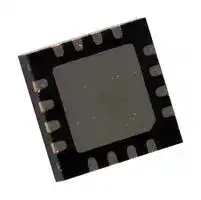


STMPE811QTR
I/O Expander, S-Touch®, 8bit, 400 kHz, I2C, SPI, 1.65 V, 3.6 V, QFN
- Manufacturer: STMICROELECTRONICS
- Product type: I/O Expanders
| Delivery and price | |
|---|---|
| Units per pack | 100 |
| Price | 1.41 € |
| Current stock | 10+ |
| Lead time | 30 days |

**STMPE811**

S-Touch[®] advanced resistive touchscreen controller with 8-bit GPIO expander

**==> picture [61 x 39] intentionally omitted <==**

## **Features**

- 8 GPIOs

- 1.8 - 3.3 V operating voltage

- Integrated 4-wire touchscreen controller

- Interrupt output pin

**==> picture [108 x 58] intentionally omitted <==**

- Wakeup feature on each I/O

- SPI and I[2] C interface

**==> picture [30 x 20] intentionally omitted <==**

**----- Start of picture text -----**<br>
QFN16<br>(3x3)<br>**----- End of picture text -----**<br>


- Up to 2 devices sharing the same bus in I[2] C mode (1 address line)

- 8-input 12-bit ADC

- 128-depth buffer touchscreen controller

- Touchscreen movement detection algorithm

- 25 kV air-gap ESD protection (system level)

- 4 kV HBM ESD protection (device level)

## **Applications**

- Portable media players

- Game consoles

- Mobile and smartphones

- GPS

## **Description**

The STMPE811 is a GPIO (general purpose input/output) port expander able to interface a main digital ASIC via the two-line bidirectional bus (I[2] C). A separate GPIO expander is often used in mobile multimedia platforms to solve the problems of the limited amount of GPIOs typically available on the digital engine.

The STMPE811 offers great flexibility, as each I/O can be configured as input, output or specific functions. The device has been designed with very low quiescent current and includes a wakeup feature for each I/O, to optimize the power consumption of the device.

A 4-wire touchscreen controller is built into the STMPE811. The touchscreen controller is enhanced with a movement tracking algorithm (to avoid excessive data), a 128 x 32 bit buffer and programmable active window feature.

## **Table 1. Device summary**

|**Table 1.**<br>**Device summary**|||
|---|---|---|
|**Order code**|**Package**|**Packaging**|
|STMPE811QTR|QFN16|Tape and reel|


September 2011 Doc ID 14489 Rev 6 1/65

_www.st.com_

**Contents**

**STMPE811**

|**Contents**|**Contents**||
|---|---|---|
|**1**|**STMPE811 functional overview . . . . . . . . . . . . . . . . . . . . . . . . . . . . . . . . 6**||
|**2**|**Pin**|**configuration and functions  . . . . . . . . . . . . . . . . . . . . . . . . . . . . . . . 7**|
||2.1|Pin functions . . . . . . . . . . . . . . . . . . . . . . . . . . . . . . . . . . . . . . . . . . . . . . . . 8|
|**3**|**I2C**|**and SPI interface . . . . . . . . . . . . . . . . . . . . . . . . . . . . . . . . . . . . . . . . . 9**|
||3.1|Interface selection  . . . . . . . . . . . . . . . . . . . . . . . . . . . . . . . . . . . . . . . . . . . 9|
|**4**|**I2C**|**interface . . . . . . . . . . . . . . . . . . . . . . . . . . . . . . . . . . . . . . . . . . . . . . . 10**|
||4.1|I2C features  . . . . . . . . . . . . . . . . . . . . . . . . . . . . . . . . . . . . . . . . . . . . . . . 12|
||4.2|Data input . . . . . . . . . . . . . . . . . . . . . . . . . . . . . . . . . . . . . . . . . . . . . . . . . 13|
||4.3|Read operation . . . . . . . . . . . . . . . . . . . . . . . . . . . . . . . . . . . . . . . . . . . . . 14|
||4.4|Write operations . . . . . . . . . . . . . . . . . . . . . . . . . . . . . . . . . . . . . . . . . . . . 14|
|**5**|**SPI**|**interface . . . . . . . . . . . . . . . . . . . . . . . . . . . . . . . . . . . . . . . . . . . . . . . 15**|
||5.1|SPI protocol definition  . . . . . . . . . . . . . . . . . . . . . . . . . . . . . . . . . . . . . . . 15|
|||5.1.1<br>Register reading  . . . . . . . . . . . . . . . . . . . . . . . . . . . . . . . . . . . . . . . . . . 15|
|||5.1.2<br>Register write . . . . . . . . . . . . . . . . . . . . . . . . . . . . . . . . . . . . . . . . . . . . . 16|
|||5.1.3<br>Termination of data transfer . . . . . . . . . . . . . . . . . . . . . . . . . . . . . . . . . . 16|
||5.2|SPI timing modes . . . . . . . . . . . . . . . . . . . . . . . . . . . . . . . . . . . . . . . . . . . 17|
|||5.2.1<br>SPI timing definition . . . . . . . . . . . . . . . . . . . . . . . . . . . . . . . . . . . . . . . . 17|
|**6**|**STMPE811 registers  . . . . . . . . . . . . . . . . . . . . . . . . . . . . . . . . . . . . . . . . 19**||
|**7**|**System and identification registers . . . . . . . . . . . . . . . . . . . . . . . . . . . . 22**||
|**8**|**Interrupt system  . . . . . . . . . . . . . . . . . . . . . . . . . . . . . . . . . . . . . . . . . . . 25**||
|**9**|**Analog-to-digital converter  . . . . . . . . . . . . . . . . . . . . . . . . . . . . . . . . . . 29**||
|**10**|**Touchscreen controller . . . . . . . . . . . . . . . . . . . . . . . . . . . . . . . . . . . . . . 33**||
||10.1|Driver and switch control unit . . . . . . . . . . . . . . . . . . . . . . . . . . . . . . . . . . 33|
||10.2|Touch detect delay . . . . . . . . . . . . . . . . . . . . . . . . . . . . . . . . . . . . . . . . . . 39|


2/65

Doc ID 14489 Rev 6

|**STMPE811**|**Contents**|
|---|---|
|**11**|**Touchscreen controller programming sequence . . . . . . . . . . . . . . . . . 46**|
|**12**|**Temperature sensor  . . . . . . . . . . . . . . . . . . . . . . . . . . . . . . . . . . . . . . . . 48**|
|**13**|**GPIO controller  . . . . . . . . . . . . . . . . . . . . . . . . . . . . . . . . . . . . . . . . . . . . 51**|
||13.0.1<br>Power supply . . . . . . . . . . . . . . . . . . . . . . . . . . . . . . . . . . . . . . . . . . . . . 53|
||13.0.2<br>Power-up reset (POR)  . . . . . . . . . . . . . . . . . . . . . . . . . . . . . . . . . . . . . . 53|
|**14**|**Maximum rating . . . . . . . . . . . . . . . . . . . . . . . . . . . . . . . . . . . . . . . . . . . . 54**|
||14.1<br>Recommended operating conditions  . . . . . . . . . . . . . . . . . . . . . . . . . . . . 55|
|**15**|**Electrical specifications . . . . . . . . . . . . . . . . . . . . . . . . . . . . . . . . . . . . . 56**|
|**16**|**Package mechanical data . . . . . . . . . . . . . . . . . . . . . . . . . . . . . . . . . . . . 58**|
|**17**|**Revision history  . . . . . . . . . . . . . . . . . . . . . . . . . . . . . . . . . . . . . . . . . . . 64**|


3/65

Doc ID 14489 Rev 6

**STMPE811**

**List of tables**

## **List of tables**

|Table|1.|Device summary . . . . . . . . . . . . . . . . . . . . . . . . . . . . . . . . . . . . . . . . . . . . . . . . . . . . . . . . . . 1|
|---|---|---|
|Table|2.|Pin assignments . . . . . . . . . . . . . . . . . . . . . . . . . . . . . . . . . . . . . . . . . . . . . . . . . . . . . . . . . . 7|
|Table|3.|Pin configuration for IN2, IN3 . . . . . . . . . . . . . . . . . . . . . . . . . . . . . . . . . . . . . . . . . . . . . . . . 8|
|Table|4.|Pin configuration for X+, Y+, X-, Y-. . . . . . . . . . . . . . . . . . . . . . . . . . . . . . . . . . . . . . . . . . . . 8|
|Table|5.|Interface selection pins . . . . . . . . . . . . . . . . . . . . . . . . . . . . . . . . . . . . . . . . . . . . . . . . . . . . . 9|
|Table|6.|I2C address  . . . . . . . . . . . . . . . . . . . . . . . . . . . . . . . . . . . . . . . . . . . . . . . . . . . . . . . . . . . . 10|
|Table|7.|I2C timing . . . . . . . . . . . . . . . . . . . . . . . . . . . . . . . . . . . . . . . . . . . . . . . . . . . . . . . . . . . . . . 11|
|Table|8.|Operating modes  . . . . . . . . . . . . . . . . . . . . . . . . . . . . . . . . . . . . . . . . . . . . . . . . . . . . . . . . 13|
|Table|9.|SPI timing modes . . . . . . . . . . . . . . . . . . . . . . . . . . . . . . . . . . . . . . . . . . . . . . . . . . . . . . . . 17|
|Table|10.|SPI timing specification. . . . . . . . . . . . . . . . . . . . . . . . . . . . . . . . . . . . . . . . . . . . . . . . . . . . 17|
|Table|11.|Register summary map table . . . . . . . . . . . . . . . . . . . . . . . . . . . . . . . . . . . . . . . . . . . . . . . 19|
|Table|12.|System and identification registers map . . . . . . . . . . . . . . . . . . . . . . . . . . . . . . . . . . . . . . . 22|
|Table|13.|ADC controller register summary table. . . . . . . . . . . . . . . . . . . . . . . . . . . . . . . . . . . . . . . . 29|
|Table|14.|ADC conversion time  . . . . . . . . . . . . . . . . . . . . . . . . . . . . . . . . . . . . . . . . . . . . . . . . . . . . . 31|
|Table|15.|Touchscreen controller register summary table . . . . . . . . . . . . . . . . . . . . . . . . . . . . . . . . . 35|
|Table|16.|Touchscreen controller DATA register . . . . . . . . . . . . . . . . . . . . . . . . . . . . . . . . . . . . . . . . 43|
|Table|17.|Touchscreen parameters . . . . . . . . . . . . . . . . . . . . . . . . . . . . . . . . . . . . . . . . . . . . . . . . . . 48|
|Table|18.|GPIO control registers  . . . . . . . . . . . . . . . . . . . . . . . . . . . . . . . . . . . . . . . . . . . . . . . . . . . . 51|
|Table|19.|Absolute maximum ratings . . . . . . . . . . . . . . . . . . . . . . . . . . . . . . . . . . . . . . . . . . . . . . . . . 54|
|Table|20.|Power consumption  . . . . . . . . . . . . . . . . . . . . . . . . . . . . . . . . . . . . . . . . . . . . . . . . . . . . . . 55|
|Table|21.|DC electrical characteristics (-40 °C to 85 °C) all GPIOs comply to JEDEC standard JESD-|
|||8-7) . . . . . . . . . . . . . . . . . . . . . . . . . . . . . . . . . . . . . . . . . . . . . . . . . . . . . . . . . . . . . . . . . . . 56|
|Table|22.|AC electrical characteristics (-40 °C to 85 °C) . . . . . . . . . . . . . . . . . . . . . . . . . . . . . . . . . . 56|
|Table|23.|ADC specification (-40 °C to 85 °C) . . . . . . . . . . . . . . . . . . . . . . . . . . . . . . . . . . . . . . . . . . 57|
|Table|24.|Switch drivers specification. . . . . . . . . . . . . . . . . . . . . . . . . . . . . . . . . . . . . . . . . . . . . . . . . 57|
|Table|25.|Package mechanical data for QFN16 (3 x 3 x 1 mm) - 0.50 pitch  . . . . . . . . . . . . . . . . . . . 60|
|Table|26.|Exposed pad variation  . . . . . . . . . . . . . . . . . . . . . . . . . . . . . . . . . . . . . . . . . . . . . . . . . . . . 60|
|Table|27.|Footprint dimensions  . . . . . . . . . . . . . . . . . . . . . . . . . . . . . . . . . . . . . . . . . . . . . . . . . . . . . 61|
|Table|28.|Document revision history  . . . . . . . . . . . . . . . . . . . . . . . . . . . . . . . . . . . . . . . . . . . . . . . . . 64|


4/65

Doc ID 14489 Rev 6

**STMPE811**

**List of figures**

## **List of figures**

|Figure|1.|STMPE811 functional block diagram . . . . . . . . . . . . . . . . . . . . . . . . . . . . . . . . . . . . . . . . . . 6|
|---|---|---|
|Figure|2.|STMPE811 pin configuration (top through view)  . . . . . . . . . . . . . . . . . . . . . . . . . . . . . . . . . 7|
|Figure|3.|STMPE811 interface. . . . . . . . . . . . . . . . . . . . . . . . . . . . . . . . . . . . . . . . . . . . . . . . . . . . . . . 9|
|Figure|4.|STMPE811 I2C interface  . . . . . . . . . . . . . . . . . . . . . . . . . . . . . . . . . . . . . . . . . . . . . . . . . . 10|
|Figure|5.|I2C timing diagram  . . . . . . . . . . . . . . . . . . . . . . . . . . . . . . . . . . . . . . . . . . . . . . . . . . . . . . . 10|
|Figure|6.|Read and write modes (random and sequential) . . . . . . . . . . . . . . . . . . . . . . . . . . . . . . . . 13|
|Figure|7.|SPI timing specification. . . . . . . . . . . . . . . . . . . . . . . . . . . . . . . . . . . . . . . . . . . . . . . . . . . . 18|
|Figure|8.|Interrupt system diagram  . . . . . . . . . . . . . . . . . . . . . . . . . . . . . . . . . . . . . . . . . . . . . . . . . . 25|
|Figure|9.|Touchscreen controller block diagram . . . . . . . . . . . . . . . . . . . . . . . . . . . . . . . . . . . . . . . . 33|
|Figure|10.|Window tracking . . . . . . . . . . . . . . . . . . . . . . . . . . . . . . . . . . . . . . . . . . . . . . . . . . . . . . . . . 34|
|Figure|11.|Sampling. . . . . . . . . . . . . . . . . . . . . . . . . . . . . . . . . . . . . . . . . . . . . . . . . . . . . . . . . . . . . . . 34|
|Figure|12.|Sampling time calculation . . . . . . . . . . . . . . . . . . . . . . . . . . . . . . . . . . . . . . . . . . . . . . . . . . 35|
|Figure|13.|Package outline for QFN16 (3 x 3 x 1 mm) - 0.50 pitch . . . . . . . . . . . . . . . . . . . . . . . . . . . 59|
|Figure|14.|Recommended footprint . . . . . . . . . . . . . . . . . . . . . . . . . . . . . . . . . . . . . . . . . . . . . . . . . . . 61|
|Figure|15.|Carrier tape for QFN16 (3 x 3 x 1 mm) - 0.50 pitch  . . . . . . . . . . . . . . . . . . . . . . . . . . . . . . 62|
|Figure|16.|Reel information for QFN16 (3 x 3 x 1 mm) - 0.50 pitch . . . . . . . . . . . . . . . . . . . . . . . . . . . 63|


5/65

Doc ID 14489 Rev 6

**STMPE811 functional overview**

**STMPE811**

## **1 STMPE811 functional overview**

The STMP811 consists of the following blocks:

- I[2] C and SPI interface

- Analog-to-digital converver (ADC)

- Touchscreen controller (TSC)

- Driver and switch control unit

- Temperature sensor

- GPIO controller

## **Figure 1. STMPE811 functional block diagram**

**==> picture [355 x 333] intentionally omitted <==**

**----- Start of picture text -----**<br>
GPIO 0-7<br>GPIO  /ADC IN 0-7<br>/MODE<br>controller<br>/REF-, REF+<br>Switches<br>and drivers<br>RC oscillator<br>INT ADC , TSC<br>I C / SPI2<br>Data in<br>interface<br>A0/Data out<br>SCLK/CLK  Thermal<br>VREF<br> SDAT/CS sense<br>GND  VCC  TSC: Touchscreen controller<br>**----- End of picture text -----**<br>


6/65

Doc ID 14489 Rev 6

**STMPE811**

**Pin configuration and functions**

## **2 Pin configuration and functions**

## **Figure 2. STMPE811 pin configuration (top through view)**

||||||||||||||
|---|---|---|---|---|---|---|---|---|---|---|---|---|
||||12||11||10||9||||
||||||||||||||
||13||||||||||8||
||||||||||||||
||15<br>14||||**STMPE811**||||||6<br>7||
||||||||||||||
||16||||||||||5||
||||||||||||||
||||1||2||3||4||||
||||||||||||||


**Table 2. Pin assignments**

|**Table 2.**|**Pin assignments**||
|---|---|---|
|**Pin**|**Name**|**Function**|
|1|Y-|Y-/GPIO-7|
|2|INT|Interrupt output (VCCdomain), open drain|
|3|A0/Data Out|I2C address in Reset, Data out in SPI mode (VCCdomain)|
|4|SCLK|I2C/SPI clock (VCCdomain)|
|5|SDAT|I2C data/SPI CS (VCCdomain)|
|6|VCC|1.8 −3.3 V supply voltage|
|7|Data in|SPI Data In (VCCdomain)|
|8|IN0|IN0/GPIO-0|
|9|IN1|IN1/GPIO-1/MODE<br>In RESET state, MODE selects the type of serial interface<br>"0" - I2C<br>"1" - SPI|
|10|GND|Ground|
|11|IN2|IN2/GPIO-2|
|12|IN3|IN3/GPIO-3|
|13|X+|X+/GPIO-4|
|14|Vio|Supply for touchscreen driver and GPIO|
|15|Y+|Y+/GPIO-5|
|16|X-|X-/GPIO-6|


7/65

Doc ID 14489 Rev 6

**STMPE811**

**Pin configuration and functions**

## **2.1 Pin functions**

The STMPE811 is designed to provide maximum features and flexibility in a very small pincount package. Most of the pins are multi-functional. _Table 3_ and _Table 4_ show how to select the pin’s function.

**Table 3. Pin configuration for IN2, IN3**

|**Pin / control**<br>**register**|**GPIO_AF = 1**|**GPIO_AF = 0**|**GPIO_AF = 0**|
|---|---|---|---|
||**ADC control 1 bit 1 =**<br>**don’t care**|**ADC control 1 bit 1 = 0**|**ADC control 1 bit 1 = 1**|
|IN0|GPIO-0|ADC||
|IN1|GPIO-1|ADC||
|IN2|GPIO-2|ADC|External reference +|
|IN3|GPIO-3|ADC|External reference -|


## **Table 4. Pin configuration for X+, Y+, X-, Y-**

|**Pin / control**<br>**register**|**GPIO_AF = 1**|**GPIO_AF = 0**|**GPIO_AF = 0**|
|---|---|---|---|
||**TSC control 1 bit 0 =**<br>**don’t care**|**TSC control 1 bit 0 = 0**|**TSC control 1 bit 0 = 1**|
|X+|GPIO-4|ADC|TSC X+|
|Y+|GPIO-5|ADC|TSC Y+|
|X-|GPIO-6|ADC|TSC X-|
|Y-|GPIO-7|ADC|TSC Y-|


8/65

Doc ID 14489 Rev 6

**STMPE811**

**I2C and SPI interface**

## **3 I[2] C and SPI interface**

## **3.1 Interface selection**

The STMPE811 interfaces with the host CPU via a I[2] C or SPI interface. The pin IN_1 allows the selection of interface protocol at reset state.

## **Figure 3. STMPE811 interface**

**==> picture [405 x 222] intentionally omitted <==**

**----- Start of picture text -----**<br>
DIN<br>DOUT<br>SPI I/F<br>CLK<br>module<br>CS<br>MUX<br>unit<br>SDAT<br>2<br>I  C I/F<br>SCLK<br>module<br>A0<br>**----- End of picture text -----**<br>


**Table 5. Interface selection pins**

|**Table 5.**<br>**Interface**|**selectionpins**|||
|---|---|---|---|
|**Pin**|**I2C function**|**SPI function**|**Reset state**|
|3|Address 0|Data out|CPHA for SPI|
|4|CLOCK|CLOCK|−|
|5|SDATA|CS|CPOL_N for SPI|
|7|−|Data in|−|
|9|MODE|I2C set to ‘0’|Set to ‘1’ for SPI|


9/65

Doc ID 14489 Rev 6

**I2C interface**

**STMPE811**

## **4 I[2] C interface**

The addressing scheme of STMPE811 is designed to allow up to 2 devices to be connected to the same I[2] C bus.

## **Figure 4. STMPE811 I[2] C interface**

**==> picture [23 x 51] intentionally omitted <==**

**----- Start of picture text -----**<br>
GND<br>VCC<br>SCLK<br>SDAT<br>**----- End of picture text -----**<br>


**==> picture [341 x 118] intentionally omitted <==**

**----- Start of picture text -----**<br>
SCLK<br>SDAT<br>STMPE811<br>ADDR0<br>**----- End of picture text -----**<br>


## **Table 6.**

## **I[2] C address**

|**Table 6.**<br>**I2C address**||
|---|---|
|**ADDR0**|**Address**|
|0|0 x 82|
|1|0 x 88|


For the bus master to communicate to the slave device, the bus master must initiate a Start condition and be followed by the slave device address. Accompanying the slave device address, is a read/write bit (R/W). The bit is set to 1 for read and 0 for write operation. If a match occurs on the slave device address, the corresponding device gives an acknowledge on the SDA during the 9[th] bit time. If there is no match, it deselects itself from the bus by not responding to the transaction.

## **Figure 5. I[2] C timing diagram**

**==> picture [400 x 142] intentionally omitted <==**

**----- Start of picture text -----**<br>
SDA<br>tBUF tHD:STA tHD:STA<br>tR tF<br>SCL<br>tHIGH<br>tSU:DAT tSU:STA tSU:STO<br>P S tLOW tHD:DAT SR P<br>AI00589<br>**----- End of picture text -----**<br>


10/65

Doc ID 14489 Rev 6

**STMPE811**

**I2C interface**

**Table 7. I[2] C timing**

|**Table 7.**<br>**I2 **|**C timing**|||||
|---|---|---|---|---|---|
|**Symbol**|**Parameter**|**Min**|**Typ**|**Max**|**Uni**|
|fSCL|SCL clock frequency|0|−|400|kHz|
|tLOW|Clock low period|1.3|−|−|µs|
|tHIGH|Clock high period|600|−|−|ns|
|tF|SDA and SCL fall time||−|300|ns|
|tHD:STA|START condition hold time (after this<br>period the first clock is generated)|600|−|−|ns|
|tSU:STA|START condition setup time (only relevant<br>for a repeated start period)|600|−|−|ns|
|tSU:DAT|Data setup time|100|−|−|ns|
|tHD:DAT|Data hold time|0|−|−|µs|
|tSU:STO|STOP condition setup time|600|−|−|ns|
|tBUF|Time the bus must be free before a new<br>transmission can start|1.3|−|−|µs|


11/65

Doc ID 14489 Rev 6

**I2C interface**

**STMPE811**

## **4.1 I[2] C features**

The features that are supported by the I[2] C interface are listed below:

- I[2] C slave device

- Operates at 1.8 V

- Compliant to Philips I[2] C specification version 2.1

- Supports standard (up to 100 Kbps) and fast (up to 400 Kbps) modes

## **Start condition**

A Start condition is identified by a falling edge of SDATA while SCLK is stable at high state. A Start condition must precede any data/command transfer. The device continuously monitors for a Start condition and does not respond to any transaction unless one is encountered.

## **Stop condition**

A Stop condition is identified by a rising edge of SDATA while SCLK is stable at high state. A Stop condition terminates communication between the slave device and the bus master. A read command that is followed by NoAck can be followed by a Stop condition to force the slave device into idle mode. When the slave device is in idle mode, it is ready to receive the next I[2] C transaction. A Stop condition at the end of a write command stops the write operation to registers.

## **Acknowledge bit**

The acknowledge bit is used to indicate a successful byte transfer. The bus transmitter releases the SDATA after sending eight bits of data. During the ninth bit, the receiver pulls the SDATA low to acknowledge the receipt of the eight bits of data. The receiver may leave the SDATA in high state if it does not acknowledge the receipt of the data.

12/65

Doc ID 14489 Rev 6

**STMPE811**

**I2C interface**

## **4.2 Data input**

The device samples the data input on SDATA on the rising edge of the SCLK. The SDATA signal must be stable during the rising edge of SCLK and the SDATA signal must change only when SCLK is driven low.

## **Table 8. Operating modes**

|**Mode**|**Byte**|**Programming sequence**|
|---|---|---|
|Read|≥1|Start, Device address, R/W<br>= 0, Register address to be read|
|||Restart, Device address, R/W<br>= 1, Data Read, Stop|
|||If no Stop is issued, the Data Read can be continuously performed. If<br>the register address falls within the range that allows an address auto-<br>increment, then the register address auto-increments internally after<br>every byte of data being read.|
|Write|≥1|Start, Device address, R/W<br>= 0, Register address to be written, Data<br>Write, Stop|
|||If no Stop is issued, the Data Write can be continuously performed. If<br>the register address falls within the range that allows address auto-<br>increment, then the register address auto-increments internally after<br>every byte of data being written in. For those register addresses that<br>fall within a non-incremental address range, the address is kept static<br>throughout the entire write operation. Refer to the memory map table<br>for the address ranges that are auto and non-increment.|


## **Figure 6. Read and write modes (random and sequential)**

||||||||||||||||||||||||||||
|---|---|---|---|---|---|---|---|---|---|---|---|---|---|---|---|---|---|---|---|---|---|---|---|---|---|---|
|One byte<br>Read|Start|Device<br>Address||R/W=0|Ack|Reg<br>Address|Ack|Device<br>Address|R/W=1|Ack||Data<br>Read|||No Ack||Stop||||||||||
||||||||||||||||||||||||||||
|More than one byte<br>Read|Start|Device<br>Address|R/W=0||Ack|Reg<br>Address|Ack|Restart<br>Device<br>Address||R/W=1|Ack|Data<br>Read|||||Ack||Data<br>Read + 1|||Ack|Data<br>Read + 2|No Ack|Stop||
||||||||||||||||||||||||||||
|One byte<br>Write|Start|Device<br>Address||R/W=0|Ack|Reg<br>Address|Ack|Data<br>to be<br>written|Ack|Stop|||||||||||||||||
||||||||||||||||||||||||||||
|More than one byte<br>Read|Start|Device<br>Address||R/W=0|Ack|Reg<br>Address|Ack|Data to<br>Write|Ack|Data to<br>Write + 1|||Ack|Data to<br>Write + 2|||||Ack|Stop|||||||
||||||||||||||||||||||||||||
|||Master|||||||||||||||||||||||||
|||Slave|||||||||||||||||||||||||
||||||||||||||||||||||||AM00775V1||||


13/65

Doc ID 14489 Rev 6

**I2C interface**

**STMPE811**

## **4.3 Read operation**

A write is first performed to load the register address into the Address Counter but without sending a Stop condition. Then, the bus master sends a reStart condition and repeats the Device Address with the R/W bit set to 1. The slave device acknowledges and outputs the content of the addressed byte. If no additional data is to be read, the bus master must not acknowledge the byte and terminates the transfer with a Stop condition.

If the bus master acknowledges the data byte, then it can continue to perform the data reading. To terminate the stream of data bytes, the bus master must not acknowledge the last output byte, and be followed by a Stop condition. If the address of the register written into the Address Counter falls within the range of addresses that has the auto-increment function, the data being read are coming from consecutive addresses, which the internal Address Counter automatically increments after each byte output. After the last memory address, the Address Counter 'rolls-over' and the device continues to output data from the memory address of 0x00. Similarly, for the register address that falls within a non-increment range of addresses, the output data byte comes from the same address (which is the address referred by the Address Counter).

## **Acknowledgement in read operation**

For the above read command, the slave device waits, after each byte read, for an acknowledgement during the ninth bit time. If the bus master does not drive the SDA to a low state, then the slave device terminates and switches back to its idle mode, waiting for the next command.

## **4.4 Write operations**

A write is first performed to load the register address into the Address Counter without sending a Stop condition. After the bus master receives an acknowledgement from the slave device, it may start to send a data byte to the register (referred by the Address Counter). The slave device again acknowledges and the bus master terminates the transfer with a Stop condition.

If the bus master needs to write more data, it can continue the write operation without issuing the Stop condition. Whether the Address Counter autoincrements or not after each data byte write depends on the address of the register written into the Address Counter. After the bus master writes the last data byte and the slave device acknowledges the receipt of the last data, the bus master may terminate the write operation by sending a Stop condition. When the Address Counter reaches the last memory address, it 'rolls-over' to the next data byte write.

14/65

Doc ID 14489 Rev 6

**STMPE811**

**SPI interface**

## **5 SPI interface**

The SPI (serial peripheral interface) in STMPE811 uses a 4-wire communication connection (DATA IN, DATA OUT, CLK, CS).  In the diagram, “Data in” is referred to as MOSI (master out slave in) and “DATA out” is referred to as MISO (master in slave out).

## **5.1 SPI protocol definition**

The SPI follows a byte-sized transfer protocol. All transfers begin with an assertion of CS_n signal (falling edge). The protocol for reading and writing is different and the selection between a read and a write cycle is dependent on the first captured bit on the slave device. A '1' denotes a read operation and a '0' denotes a write operation. The SPI protocol defined in this section is shown in _Figure 3_ .

The following are the main features supported by this SPI implementation.

- Support of 1 MHz maximum clock frequency.

- Support for autoincrement of address for both read and write.

- Full duplex support for read operation.

- Daisy chain configuration support for write operation.

- Robust implementation that can filter glitches of up to 50 ns on the CS_n and SCL pins.

- Support for all 4 modes of SPI as defined by the CPHA, CPOL bits on SPICON.

## **5.1.1**

## **Register reading**

The following steps need to be followed for the register read through the SPI.

1. Assert CS_n by driving a '0' on this pin.

2. Drive a '1' on the first SCL launch clock on MOSI to select a read operation.

3. The next 7 bits on MOSI denote the 7-bit register address (MSB first).

4. The next address byte can now be transmitted on the MOSI. If the autoincrement bit is set, the following address transmitted on the MOSI is ignored. Internally, the address is incremented. If the autoincrement bit is not set, then the following byte denotes the address of the register to be read next.

5. Read data is transmitted by the slave device on the MISO (MSB first), starting from the launch clock following the last address bit on the MOSI.

6. Full duplex read operation is achieved by transmitting the next address on MOSI while the data from the previous address is available on MISO.

7. To end the read operation, a dummy address of all 0's is sent on MOSI.

15/65

Doc ID 14489 Rev 6

**SPI interface**

**STMPE811**

## **5.1.2 Register write**

The following steps need to be followed for register write through SPI.

1. Assert CS_n by driving a '0' on this pin.

2. Drive a '0' on the first SCL launch clock on MOSI to select a write operation.

3. The next 7 bits on MOSI denote the 7-bit register address (MSB first).

4. The next byte on the MOSI denotes data to be written.

5. The following transmissions on MOSI are considered byte-sized data. The register address to which the following data is written depends on whether the autoincrement bit in the SPICON register is set. If this bit has been set previously, the register address is incremented for data writes.

## **5.1.3 Termination of data transfer**

A transfer can be terminated before the last launch edge by deasserting the CS_n signal. If the last launch clock is detected, it is assumed that the data transfer is successful.

16/65

Doc ID 14489 Rev 6

**STMPE811**

**SPI interface**

## **5.2 SPI timing modes**

The SPI timing modes are defined by CPHA and CPOL,CPHA and CPOL are read from the "SDAT" and "A0" pins during power-up reset. The following four modes are defined according to this setting.

**Table 9. SPI timing modes**

|**CPOL_N (SDAT pin)**|**CPOL**|**CPHA (ADDR pin)**|**Mode**|
|---|---|---|---|
|1|0|0|0|
|1|0|1|1|
|0|1|0|2|
|0|1|1|3|


The clocking diagrams of these modes are shown in ON reset. The device always operates in mode 0. Once the bits are set in the SPICON register, the mode change takes effect on the next transaction defined by the CS_n pin being deasserted and asserted.

## **5.2.1 SPI timing definition**

**Table 10. SPI timing specification**

|**Symbol**|**Description**|**Timing**|**Timing**|**Timing**|**Unit**|
|---|---|---|---|---|---|
|||**Min**|**Typ**|**Max**||
|tCSS|CS_n falling to<br>first capture<br>clock|1|−|−|µs|
|tCL|Clock low<br>period|500|−|−|ns|
|tCH|Clock high<br>period|500|−|−|ns|
|tLDI|Launch clock<br>to MOSI data<br>valid|−|−|20|ns|
|tLDO|Launch clock<br>to MISO data<br>valid|−|−|330|µs|
|tDI|Data on MOSI<br>valid|1|−|−|µs|
|tCCS|Last clock<br>edge to CS_n<br>high|1|−|−|µs|
|tCSH|CS_n high<br>period|2|−|−|µs|


17/65

Doc ID 14489 Rev 6

**SPI interface**

**STMPE811**

**Table 10. SPI timing specification (continued)**

|**Symbol**|**Description**|**Timing**|**Timing**|**Timing**|**Unit**|
|---|---|---|---|---|---|
|||**Min**|**Typ**|**Max**||
|tCSCL|CS_n high to<br>first clock edge|300|−|−|ns|
|tCSZ|CS_n high to<br>tri-state on<br>MISO|1|−|−|µs|


## **Figure 7. SPI timing specification**

18/65

Doc ID 14489 Rev 6

**STMPE811**

**STMPE811 registers**

## **6 STMPE811 registers**

This section lists and describes the registers of the STMPE811 device, starting with a register map and then provides detailed descriptions of register types.

**Table 11. Register summary map table**

|**Address**|**Register name**|**Bit**|**Type**|**Reset value**|**Function**|
|---|---|---|---|---|---|
|0x00|CHIP_ID|16|R|0x0811|Device identification|
|0x02|ID_VER|8|R|0x03|Revision number<br>0x01 for engineering sample<br>0x03 for final silicon|
|0x03|SYS_CTRL1|8|R/W|0x00|Reset control|
|0x04|SYS_CTRL2|8|R/W|0x0F|Clock control|
|0x08|SPI_CFG|8|R/W|0x01|SPI interface configuration|
|0x09|INT_CTRL|8|R/W|0x00|Interrupt control register|
|0x0A|INT_EN|8|R/W|0x00|Interrupt enable register|
|0x0B|INT_STA|8|R|0x10|interrupt status register|
|0x0C|GPIO_EN|8|R/W|0x00|GPIO interrupt enable<br>register|
|0x0D|GPIO_INT_STA|8|R|0x00|GPIO interrupt status<br>register|
|0x0E|ADC_INT_EN|8|R/W|0x00|ADC interrupt enable<br>register|
|0x0F|ADC_INT_STA|8|R|0x00|ADC interrupt status register|
|0x10|GPIO_SET_PIN|8|R/W|0x00|GPIO set pin register|
|0x11|GPIO_CLR_PIN|8|R/W|0x00|GPIO clear pin register|
|0x12|GPIO_MP_STA|8|R/W|0x00|GPIO monitor pin state<br>register|
|0x13|GPIO_DIR|8|R/W|0x00|GPIO direction register|
|0x14|GPIO_ED|8|R/W|0x00|GPIO edge detect register|
|0x15|GPIO_RE|8|R/W|0x00|GPIO rising edge register|
|0x16|GPIO_FE|8|R/W|0x00|GPIO falling edge register|
|0x17|GPIO_AF|8|R/W|0x00|Alternate function register|
|0x20|ADC_CTRL1|8|R/W|0x1C|ADC control|
|0x21|ADC_CTRL2|8|R/W|0x01|ADC control|
|0x22|ADC_CAPT|8|R/W|0xFF|To initiate ADC data<br>acquisition|
|0x30|ADC_DATA_CH0|16|R|0x0000|ADC channel 0|
|0x32|ADC_DATA_CH1|16|R|0x0000|ADC channel 1|


19/65

Doc ID 14489 Rev 6

**STMPE811 registers**

**STMPE811**

**Table 11. Register summary map table (continued)**

|**Address**|**Register name**|**Bit**|**Type**|**Reset value**|**Function**|
|---|---|---|---|---|---|
|0x34|ADC_DATA_CH2|16|R|0x0000|ADC channel 2|
|0x36|ADC_DATA_CH3|16|R|0x0000|ADC channel 3|
|0x38|ADC_DATA_CH4|16|R|0x0000|ADC channel 4|
|0x3A|ADC_DATA_CH5|16|R|0x0000|ADC channel 5|
|0x3C|ADC_DATA_CH6|16|R|0x0000|ADC channel 6|
|0x3E|ADC_DATA_CH7|16|R|0x0000|ADC channel 7|
|0x40|TSC_CTRL|8|R/W|0x90|4-wire touchscreen<br>controller setup|
|0x41|TSC_CFG|8|R/W|0x00|Touchscreen controller<br>configuration|
|0x42|WDW_TR_X|16|R/W|0x0FFF|Window setup for top right X|
|0x44|WDW_TR_Y|16|R/W|0x0FFF|Window setup for top right Y|
|0x46|WDW_BL_X|16|R/W|0x0000|Window setup for bottom left<br>X|
|0x48|WDW_BL_Y|16|R/W|0x0000|Window setup for bottom left<br>Y|
|0x4A|FIFO_TH|8|R/W|0x00|FIFO level to generate<br>interrupt|
|0x4B|FIFO_STA|8|R/W|0x20|Current status of FIFO|
|0x4C|FIFO_SIZE|8|R|0x00|Current filled level of FIFO|
|0x4D|TSC_DATA_X|16|R|0x0000|Data port for touchscreen<br>controller data access|
|0x4F|TSC_DATA_Y|16|R|0x0000|Data port for touchscreen<br>controller data access|
|0x51|TSC_DATA_Z|8|R|0x0000|Data port for touchscreen<br>controller data access|
|0x52|TSC_DATA_XYZ|32|R|0x00000000|Data port for touchscreen<br>controller data access|
|0x56|TSC_FRACTION<br>_Z|8||0x00|Touchscreen controller<br>FRACTION_Z|
|0x57|TSC_DATA|8|R|0x00|Data port for touchscreen<br>controller data access|
|0x58|TSC_I_DRIVE|8|R/W|0x00|Touchscreen controller drive<br>I|
|0x59|TSC_SHIELD|8|R/W|0x00|Touchscreen controller<br>shield|
|0x60|TEMP_CTRL|8|R/W|0x00|Temperature sensor setup|


20/65

Doc ID 14489 Rev 6

**STMPE811**

**STMPE811 registers**

## **Table 11. Register summary map table (continued)**

|**Address**|**Register name**|**Bit**|**Type**|**Reset value**|**Function**|
|---|---|---|---|---|---|
|0x61|TEMP_DATA|8|R|0x00|Temperature data access<br>port|
|0x62|TEMP_TH|8|R/W|0x00|Threshold for temperature<br>controlled interrupt|


21/65

Doc ID 14489 Rev 6

**System and identification registers**

**STMPE811**

## **7 System and identification registers**

## **Table 12. System and identification registers map**

|**Address**|**Register name**|**Bit**|**Type**|**Reset**|**Function**|
|---|---|---|---|---|---|
|0x00|CHIP_ID|16|R|0x0811|Device identification|
|0x02|ID_VER|8|R|0x03|Revision number<br>(0x03 for engineering sample)|
|0x03|SYS_CTRL1|8|R/W|0x00|Reset control|
|0x04|SYS_CTRL2|8|R/W|0x0F|Clock control|
|0x08|SPI_CFG|8|R/W|0x01|SPI interface configuration|


22/65

Doc ID 14489 Rev 6

**STMPE811**

**System and identification registers**

|**CHIP_ID**<br>**Device identification**<br>**Address:**<br>0x00<br>**Type:**<br>R<br>**Reset:**<br>0x0811<br>**Description:**<br>16-bit device identification<br>**ID_VER**<br>**Revision number**<br>**Address:**<br>0x02<br>**Type:**<br>R<br>**Reset:**<br>0x03 (0x01 for engineering samples)<br>**Description:**<br>16-bit revision number<br>**SYS_CTRL1**<br>**Reset control**<br>7<br>6<br>5<br>4<br>3<br>2<br>1<br>0|**CHIP_ID**<br>**Device identification**<br>**Address:**<br>0x00<br>**Type:**<br>R<br>**Reset:**<br>0x0811<br>**Description:**<br>16-bit device identification<br>**ID_VER**<br>**Revision number**<br>**Address:**<br>0x02<br>**Type:**<br>R<br>**Reset:**<br>0x03 (0x01 for engineering samples)<br>**Description:**<br>16-bit revision number<br>**SYS_CTRL1**<br>**Reset control**<br>7<br>6<br>5<br>4<br>3<br>2<br>1<br>0|**CHIP_ID**<br>**Device identification**<br>**Address:**<br>0x00<br>**Type:**<br>R<br>**Reset:**<br>0x0811<br>**Description:**<br>16-bit device identification<br>**ID_VER**<br>**Revision number**<br>**Address:**<br>0x02<br>**Type:**<br>R<br>**Reset:**<br>0x03 (0x01 for engineering samples)<br>**Description:**<br>16-bit revision number<br>**SYS_CTRL1**<br>**Reset control**<br>7<br>6<br>5<br>4<br>3<br>2<br>1<br>0|**CHIP_ID**<br>**Device identification**<br>**Address:**<br>0x00<br>**Type:**<br>R<br>**Reset:**<br>0x0811<br>**Description:**<br>16-bit device identification<br>**ID_VER**<br>**Revision number**<br>**Address:**<br>0x02<br>**Type:**<br>R<br>**Reset:**<br>0x03 (0x01 for engineering samples)<br>**Description:**<br>16-bit revision number<br>**SYS_CTRL1**<br>**Reset control**<br>7<br>6<br>5<br>4<br>3<br>2<br>1<br>0|**CHIP_ID**<br>**Device identification**<br>**Address:**<br>0x00<br>**Type:**<br>R<br>**Reset:**<br>0x0811<br>**Description:**<br>16-bit device identification<br>**ID_VER**<br>**Revision number**<br>**Address:**<br>0x02<br>**Type:**<br>R<br>**Reset:**<br>0x03 (0x01 for engineering samples)<br>**Description:**<br>16-bit revision number<br>**SYS_CTRL1**<br>**Reset control**<br>7<br>6<br>5<br>4<br>3<br>2<br>1<br>0|**CHIP_ID**<br>**Device identification**<br>**Address:**<br>0x00<br>**Type:**<br>R<br>**Reset:**<br>0x0811<br>**Description:**<br>16-bit device identification<br>**ID_VER**<br>**Revision number**<br>**Address:**<br>0x02<br>**Type:**<br>R<br>**Reset:**<br>0x03 (0x01 for engineering samples)<br>**Description:**<br>16-bit revision number<br>**SYS_CTRL1**<br>**Reset control**<br>7<br>6<br>5<br>4<br>3<br>2<br>1<br>0|**CHIP_ID**<br>**Device identification**<br>**Address:**<br>0x00<br>**Type:**<br>R<br>**Reset:**<br>0x0811<br>**Description:**<br>16-bit device identification<br>**ID_VER**<br>**Revision number**<br>**Address:**<br>0x02<br>**Type:**<br>R<br>**Reset:**<br>0x03 (0x01 for engineering samples)<br>**Description:**<br>16-bit revision number<br>**SYS_CTRL1**<br>**Reset control**<br>7<br>6<br>5<br>4<br>3<br>2<br>1<br>0|**CHIP_ID**<br>**Device identification**<br>**Address:**<br>0x00<br>**Type:**<br>R<br>**Reset:**<br>0x0811<br>**Description:**<br>16-bit device identification<br>**ID_VER**<br>**Revision number**<br>**Address:**<br>0x02<br>**Type:**<br>R<br>**Reset:**<br>0x03 (0x01 for engineering samples)<br>**Description:**<br>16-bit revision number<br>**SYS_CTRL1**<br>**Reset control**<br>7<br>6<br>5<br>4<br>3<br>2<br>1<br>0|
|---|---|---|---|---|---|---|---|
|RESERVED||||||SOFT_RESET|HIBERNATE|
|**Address:**<br>0x03<br>**Type:**<br>R/W<br>**Reset:**<br>0x00<br>**Description:**<br>The reset control register enables to reset the device<br>**SYS_CTRL2**<br>**Clock control**<br>[7:2] **RESERVED**<br>[1] **SOFT_RESET**: Reset the STMPE811 using the serial communication interface<br>[0] **HIBERNATE**: Force the device into hibernation mode.<br>Forcing the device into hibernation mode by writing ‘1’ to this bit would disable the hot-key<br>feature. If the hot-key feature is required, use the default auto-hibernation mode.<br>7<br>6<br>5<br>4<br>3<br>2<br>1<br>0||||||||
|-|-|-|-|TS_OFF|GPIO_OFF|TSC_OFF|ADC_OFF|
|**Address:**<br>0x04<br>**Type:**<br>R/W<br>**Reset:**<br>0x0F<br>**Description:**<br>This register enables to switch off the clock supply<br>[7:4] **RESERVED**<br>[3] **TS_OFF**: Switch off the clock supply to the temperature sensor<br>1: Switches off the clock supply to the temperature sensor<br>[2] **GPIO_OFF**: Switch off the clock supply to the GPIO<br>1: Switches off the clock supply to the GPIO||||||||


23/65

Doc ID 14489 Rev 6

**System and identification registers**

**STMPE811**

- [1] **TSC_OFF** : Switch off the clock supplyto the touchscreen controller

   - 1: Switches off the clock supply to the touchscreen controller

- [0] **ADC_OFF** : Switch off the clock supply to the ADC

   - 1: Switches off the clock supply to the ADC

|**SPI_CFG**<br>**SPI interface configuration**<br>7<br>6<br>5<br>4<br>3<br>2<br>1<br>0|**SPI_CFG**<br>**SPI interface configuration**<br>7<br>6<br>5<br>4<br>3<br>2<br>1<br>0|**SPI_CFG**<br>**SPI interface configuration**<br>7<br>6<br>5<br>4<br>3<br>2<br>1<br>0|**SPI_CFG**<br>**SPI interface configuration**<br>7<br>6<br>5<br>4<br>3<br>2<br>1<br>0|
|---|---|---|---|
|RESERVED|AUTO_INCR|SPI_CLK_MOD1|SPI_CLK_MOD0|
|**Address:**<br>0x08<br>**Type:**<br>R/W<br>**Reset:**<br>0x01<br>**Description:**<br>SPI interface configuration register<br>[7:3] **RESERVED**||||


## [2] **AUTO_INCR** :

This bit defines whether the SPI transaction follows an addressing scheme that internally autoincrements or not

## [1] **SPI_CLK_MOD1** :

This bit reflects the value of the SCAD/A0 pin during power-up reset

- [0] **SPI_CLK_MOD0** :

This bit reflects the value of the SCAD/A0 pin during power-up reset

24/65

Doc ID 14489 Rev 6

**STMPE811**

**Interrupt system**

## **8 Interrupt system**

The STMPE811 uses a 2-tier interrupt structure. The ADC interrupts and GPIO interrupts are ganged as a single bit in the “interrupt status register”. The interrupts from the touchscreen controller and temperature sensor can be seen directly in the interrupt status register.

## **Figure 8. Interrupt system diagram**

**==> picture [364 x 364] intentionally omitted <==**

**----- Start of picture text -----**<br>
FIFO status,<br>Interrupt<br>TSC touch,<br>status<br>Temp sensor<br>AND<br>GPIO<br>Interrupt<br>interrupt enable<br>status<br>AND<br>GPIO<br>interrupt<br>enable<br>ADC<br>interrupt<br>status<br>AND<br>ADC<br>interrupt<br>enable<br>**----- End of picture text -----**<br>


25/65

Doc ID 14489 Rev 6

**STMPE811**

**Interrupt system**

|**INT_CTRL**<br>**Interrupt control register**<br>7<br>6<br>5<br>4<br>3<br>2<br>1<br>0|**INT_CTRL**<br>**Interrupt control register**<br>7<br>6<br>5<br>4<br>3<br>2<br>1<br>0|**INT_CTRL**<br>**Interrupt control register**<br>7<br>6<br>5<br>4<br>3<br>2<br>1<br>0|**INT_CTRL**<br>**Interrupt control register**<br>7<br>6<br>5<br>4<br>3<br>2<br>1<br>0|**INT_CTRL**<br>**Interrupt control register**<br>7<br>6<br>5<br>4<br>3<br>2<br>1<br>0|**INT_CTRL**<br>**Interrupt control register**<br>7<br>6<br>5<br>4<br>3<br>2<br>1<br>0|**INT_CTRL**<br>**Interrupt control register**<br>7<br>6<br>5<br>4<br>3<br>2<br>1<br>0|**INT_CTRL**<br>**Interrupt control register**<br>7<br>6<br>5<br>4<br>3<br>2<br>1<br>0|
|---|---|---|---|---|---|---|---|
|RESERVED|||||INT_POLARITY|INT_TYPE|GLOBAL_INT|
|**Address:**<br>0x09<br>**Type:**<br>R/W<br>**Reset:**<br>0x00<br>**Description:**<br>The interrupt control register is used to enable the interruption from a system-related<br>interrupt source to the host.<br>**INT_EN**<br>**Interrupt enable register**<br>[7:3] **RESERVED**<br>[2] **INT_POLARITY**: This bit sets the INT pin polarity<br>1: Active high/rising edge<br>0: Active low/falling edge<br>[1] **INT_TYPE**: This bit sets the type of interrupt signal required by the host<br>1: Edge interrupt<br>0: Level interrupt<br>[0] **GLOBAL_INT**: This is master enable for the interrupt system<br>1: Global interrupt<br>0: Stops all interrupts<br>7<br>6<br>5<br>4<br>3<br>2<br>1<br>0||||||||
|GPIO|ADC|TEMP_SENS|FIFO_EMPTY|FIFO_FULL|FIFO_0FLOW|FIFO_TH|TOUCH_DET|
|**Address:**<br>0x0A<br>**Type:**<br>R/W<br>**Reset:**<br>0x00<br>**Description:**<br>The interrupt enable register is used to enable the interruption from a system related<br>interrupt source to the host.<br>**INT_STA**<br>**Interrupt status register**<br>[7] **GPIO**: Any enabled GPIO interrupts<br>[6] **ADC**: Any enabled ADC interrupts<br>[5] **TEMP_SENS**: Temperature threshold triggering<br>[4] **FIFO_EMPTY**: FIFO is empty<br>[3] **FIFO_FULL**: FIFO is full<br>[2] **FIFO_OFLOW**: FIFO is overflowed<br>[1] **FIFO_TH**: FIFO is equal or above threshold value.<br>[0] **TOUCH_DET**: Touch is detected<br>7<br>6<br>5<br>4<br>3<br>2<br>1<br>0||||||||
|GPIO|ADC|TEMP_SENS|FIFO_EMPTY|FIFO_FULL|FIFO_OFLOW|FIFO_TH|TOUCH_DET|


26/65

Doc ID 14489 Rev 6

**STMPE811**

**Interrupt system**

**Address:** 0x0B **Type:** R **Reset:** 0x10 **Description:** The interrupt status register monitors the status of the interruption from a particular interrupt source to the host.  Regardless of whether the INT_EN bits are enabled, the INT_STA bits are still updated.  Writing '1' to this register clears the corresponding bits. Writing '0' has no effect.

- [7] **GPIO** : Any enabled GPIO interrupts

- [6] **ADC** : Any enabled ADC interrupts

- [5] **TEMP_SENS** : Temperature threshold triggering

- [4] **FIFO_EMPTY** : FIFO is empty

- [3] **FIFO_FULL** : FIFO is full

- [2] **FIFO_OFLOW** : FIFO is overflowed

- [1] **FIFO_TH** : FIFO is equal or above threshold value.

   - This bit is set when FIFO level equals to threshold value. It will only be asserted again if FIFO level drops to < threshold value, and increased back to threshold value.

- [0] **TOUCH_DET** : Touch is detected

|**GPIO_INT_EN**|**GPIO_INT_EN**||||**GPIO interrupt enable register**|**GPIO interrupt enable register**|**GPIO interrupt enable register**|
|---|---|---|---|---|---|---|---|
|7|6|5|4|3|2|1|0|
|||||IEG[x]||||
|**Address:**||0x0C||||||
|**Type:**||R/W||||||
|**Reset:**||0x00||||||
|**Description:**||The GPIO interrupt register enables the GPIO interruption of a particular GPIO||||||
|||source to the host.||||||
||[7:0]|IEG[x]: Interrupt enable GPIO mask (where x = 7 to 0)||||||


1: Writing ‘1’ to the IE[x] bit enables the interruption to the host

## **GPIO_INT_STA GPIO interrupt status register**

|7|6|5<br>4<br>3<br>2<br>1<br>0|
|---|---|---|
|||ISG[x]|
|**Address:**||0x0D|
|**Type:**||R|
|**Reset:**||0x00|
|**Description:**||The GPIO interrupt status register monitors the status of the interruption from a|
|||particular GPIO pin interrupt source to the host.  Regardless of whether or not the|
|||GPIO_INT_STA bits are enabled, the corresponding GPIO_STA bits are still updated.|


27/65

Doc ID 14489 Rev 6

**STMPE811**

**Interrupt system**

The ISG[7:0] bits are the interrupt status bits corresponding to the GPIO[7:0] pins. Writing '1' to this register clears the corresponding bits. Writing '0' has no effect.

[7:0] **ISG[x]** : GPIO interrupt status (where x = 7 to 0)

## **Read:**

Interrupt status of the GPIO[x]. Reading the register clears any bits that have been set to '1' **Write:**

Writing to this register has no effect

|**ADC_INT_EN**|**ADC_INT_EN**||**ADC interrupt enable register**|**ADC interrupt enable register**|
|---|---|---|---|---|
|7|6|5<br>4|3<br>2<br>1|0|
||||IEAC[x]||
|**Address:**||0x0E|||
|**Type:**||R/W|||
|**Reset:**||0x00|||
|**Description:**||The ADC enable register|enables the interruption of a particular ADC|source to the|
|||host.|||
||[7:0]|IEAC[x]: Interrupt enable ADC mask (where x = 7 to 0)|||
|||1: Writing ‘1’ to the IE[x] bit enables the interruption to the host|||
|**ADC_INT_STA**|||**ADC interrupt status register**||
|7|6|5<br>4|3<br>2<br>1|0|
||||ISA[x]||
|**Address:**||0x0F|||
|**Type:**||R|||
|**Reset:**||0x00|||
|**Description:**||The ADC interrupt status|register monitors the status of the interruption from a||
|||particular ADC source to|the host.  Regardless of whether or not the ADC_INT_EN||
|||bits are enabled, the corresponding ADC_STA bits are still updated.  The ISA[7:0] bits|||
|||are the interrupt status bits corresponding to the ADC[7:0] pins. Writing '1' to this|||
|||register clears the corresponding bits. Writing '0' has no effect.|||
||[7:0]|**ISA[x]**: ADC interrupt status (where x = 7 to 0)|||
|||**Read:**|||


Interrupt status of the ADC[x]. Reading the register clears any bits that have been set to '1' **Write:** Writing to this register has no effect. Note: Refer to _Table 13_ for the associated ADC intput pins to each ADC channels.

28/65

Doc ID 14489 Rev 6

**STMPE811**

**Analog-to-digital converter**

## **9 Analog-to-digital converter**

An 8-input,12-bit analog-to-digital converter (ADC) is integrated in the STMPE811. The ADC can be used as a generic analog-to-digital converter, or as a touchscreen controller capable of controlling a 4-wire resistive touchscreen.

**Table 13. ADC controller register summary table**

|**Address**|**Register name**|**Size**|**Description**|
|---|---|---|---|
|0x20|ADC_CTRL1|8|ADC control|
|0x21|ADC_CTRL2|8|ADC control|
|0x22|ADC_CAPT|8|ADC channel data capture|
|0x30|ADC_DATA_CH0|8|ADC channel 0 (X+/GPIO-4)|
|0x32|ADC_DATA_CH1|8|ADC channel 1 (X-/GPIO-6)|
|0x34|ADC_DATA_CH2|8|ADC channel 2 (Y+/GPIO-5)|
|0x36|ADC_DATA_CH3|8|ADC channel 3 (Y-/GPIO-7)|
|0x38|ADC_DATA_CH4|8|ADC channel 4 (IN0/GPIO0)|
|0x3A|ADC_DATA_CH5|8|ADC channel 5 (IN1/GPIO-1)|
|0x3C|ADC_DATA_CH6|8|ADC channel 6 (IN2/GPIO-2)|
|0x3E|ADC_DATA_CH7|8|ADC channel 7 (IN3/GPIO-3)|


29/65

Doc ID 14489 Rev 6

**STMPE811**

**Analog-to-digital converter**

|**ADC_CTRL1**<br>**ADC control 1**<br>7<br>6<br>5<br>4<br>3<br>2<br>1<br>0|**ADC_CTRL1**<br>**ADC control 1**<br>7<br>6<br>5<br>4<br>3<br>2<br>1<br>0|**ADC_CTRL1**<br>**ADC control 1**<br>7<br>6<br>5<br>4<br>3<br>2<br>1<br>0|**ADC_CTRL1**<br>**ADC control 1**<br>7<br>6<br>5<br>4<br>3<br>2<br>1<br>0|**ADC_CTRL1**<br>**ADC control 1**<br>7<br>6<br>5<br>4<br>3<br>2<br>1<br>0|**ADC_CTRL1**<br>**ADC control 1**<br>7<br>6<br>5<br>4<br>3<br>2<br>1<br>0|**ADC_CTRL1**<br>**ADC control 1**<br>7<br>6<br>5<br>4<br>3<br>2<br>1<br>0|**ADC_CTRL1**<br>**ADC control 1**<br>7<br>6<br>5<br>4<br>3<br>2<br>1<br>0|**ADC_CTRL1**<br>**ADC control 1**<br>7<br>6<br>5<br>4<br>3<br>2<br>1<br>0|**ADC_CTRL1**<br>**ADC control 1**<br>7<br>6<br>5<br>4<br>3<br>2<br>1<br>0|
|---|---|---|---|---|---|---|---|---|---|
|RESERVED|SAMPLE_TIME2|SAMPLE_TIME1|SAMPLE_TIME0|MOD_12B|RESERVED||REF_SEL||RESERVED|
|**Address:**<br>0x20<br>**Type:**<br>R/W<br>**Reset:**<br>0x1C<br>**Description:**<br>ADC control register.<br>**ADC_CTRL2**<br>**ADC control 2**<br>[7] **RESERVED**<br>[6:4] **SAMPLE_TIMEn**: ADC conversion time in number of clock<br>000: 36<br>001: 44<br>010: 56<br>011: 64<br>100: 80<br>101: 96<br>110: 124<br>111: Not valid<br>[3] **MOD_12B**: Selects 10 or 12-bit ADC operation<br>1: 12 bit ADC<br>0: 10 bit ADC<br>[2] **RESERVED**<br>[1] **REF_SEL**: Selects between internal or external reference for the ADC<br>1: External reference<br>0: Internal reference<br>[0] **RESERVED**<br>7<br>6<br>5<br>4<br>3<br>2<br>1<br>0||||||||||
|RESERVED||||||ADC_FREQ_1||ADC_FREQ_0||
|**Address:**<br>0x21<br>**Type:**<br>R/W<br>**Reset:**<br>0x01<br>**Description:**<br>ADC control.<br>[7] **RESERVED**<br>[6] **RESERVED**<br>[5] **RESERVED**<br>[4] **RESERVED**<br>[3] **RESERVED**<br>[2] **RESERVED**||||||||||


30/65

Doc ID 14489 Rev 6

**STMPE811**

**Analog-to-digital converter**

[1:0] **ADC_FREQ** : Selects the clock speed of ADC

00: 1.625 MHz typ.

01: 3.25 MHz typ. 10: 6.5 MHz typ. 11: 6.5 MHz typ.

|**ADC_CAPT**||||||**ADC channel**|**data capture**|
|---|---|---|---|---|---|---|---|
|7|6|5|4|3|2|1|0|
|||||CH[7:0]||||


**Address:** 0x22 **Type:** R/W **Reset:** 0xFF **Description:** To initiate ADC data acquisition.

[7:0] **CH[7:0]** : ADC channel data capture

Write '1' to initiate data acquisition for the corresponding channel. Writing '0' has no effect. Reads '1' if conversion is completed. Reads '0' if conversion is in progress.

|**ADC_DATA_CHn**|**ADC_DATA_CHn**|**ADC_DATA_CHn**||||||**ADC**|**channel**|**data**|**registers**|
|---|---|---|---|---|---|---|---|---|---|---|---|
|11|10|9|8|7|6|5|4|3|2|1|0|
|||||||DATA[11:0]||||||
|**Address:**||Add address||||||||||
|**Type:**||R/W||||||||||
|**Reset:**||0x0000||||||||||
|**Description:**||ADC data register 0-7 (DATA_CHn=0 -7)||||||||||


[11:0] **DATA[11:0]** : ADC channel data

If TSC is enabled, CH3-0 is used for TSC and all readings to these channels give 0x0000

The ADC in STMPE811 operates on an internal RC clock with a typical frequency of 6.5 MHz. The total conversion time in ADC mode depends on the "SampleTime" setting, and the clock division field 'Freq'.

The following table shows the conversion time based on 6.5 MHz, 3.25 MHz and 1.625 MHz clock.

## **Table 14. ADC conversion time**

|**Table 14.**<br>**ADC**|**conversion time**||||
|---|---|---|---|---|
|**Sample time**<br>**setting**|**Conversion time**<br>**in ADC clock**|**6.5 MHz**<br>**(154 ns)**|**3.25 MHz**<br>**(308 ns)**|**1.625 MHz**<br>**(615 ns)**|
|000|36|5.5 µs (180 kHz)|11 µs (90 kHz)|22 µs (45 kHz)|
|001|44|6.8 µs (147 kHz)|13.6 µs (74 kHz)|27 µs (36 kHz)|
|010|56|8.6 µs (116 kHz)|17.2 µs (58 kHz)|34.4 µs (29 kHz)|
|011|64|9.9 µs (101 kHz)|19.8 µs (51 kHz)|39.6 µs (25 kHz)|


31/65

Doc ID 14489 Rev 6

**STMPE811**

**Analog-to-digital converter**

|**Table 14.**<br>**ADC conversion time**|**Table 14.**<br>**ADC conversion time**|**Table 14.**<br>**ADC conversion time**|**Table 14.**<br>**ADC conversion time**|**Table 14.**<br>**ADC conversion time**|
|---|---|---|---|---|
|**Sample time**<br>**setting**|**Conversion time**<br>**in ADC clock**|**6.5 MHz**<br>**(154 ns)**|**3.25 MHz**<br>**(308 ns)**|**1.625 MHz**<br>**(615 ns)**|
|100|80|12.3 µs(81.5 kHz)|24.6 µs (41 kHz)|49.2 µs (20 kHz)|
|101|96|14.8 µs (67.6 kHz)|28.8 µs (33 kHz)|59.2 µs (17 kHz)|
|110|124|19.1 µs (52.3 kHz)|38.2 µs (26 kHz)|56.4 µs (13 kHz)|


32/65

Doc ID 14489 Rev 6

**STMPE811**

**Touchscreen controller**

## **10 Touchscreen controller**

The STMPE811 is integrated with a hard-wired touchscreen controller for 4-wire resistive type touchscreen. The touchscreen controller is able to operate completely autonomously, and interrupt the connected CPU only when a pre-defined event occurs.

## **Figure 9. Touchscreen controller block diagram**

**==> picture [405 x 190] intentionally omitted <==**

**----- Start of picture text -----**<br>
Movement<br>Switch<br>&  10/12 bit<br>&<br>window tracking ADC<br>drivers<br>FIFO s<br>FIFO Driver<br> &   &<br>interrupt control switch control<br>**----- End of picture text -----**<br>


## **10.1 Driver and switch control unit**

The driver and switch control unit allows coordination of the ADC and the MUX/switch. With the coordination of this unit, a stream of data is produced at a selected frequency.

The touchscreen drivers can be configured with 2 current ratings: 20 mA or 50 mA. In the case where multiple touch-down on the screen is causing a short, the current from the driver is limited to these values. Tolerance of these current setting is +/- 25%.

## **Movement tracking**

The "Tracking Index" in the TSC_CTRL register specifies a value, which determines the distance between the current touch position and the previous touch position. If the distance is shorter than the tracking index, it is discarded.

The tracking is calculated by summation of the horizontal and vertical movement. Movement is only reported if:

(Current X - Previously Reported X) + (Current Y - Previously Reported Y) > Tracking Index

If pressure reporting is enabled (X/Y/Z), an increase in pressure override the movement tracking and report the new data set, even if X/Y is within the previous tracking index. This is to ensure that a slow touch is not discarded.

If pressure data is not used, select X/Y mode in touchscreen data acquisition. (Opmode field in TSCControl register).

33/65

Doc ID 14489 Rev 6

**STMPE811**

**Touchscreen controller**

## **Window tracking**

The -WDW_X and WDW_Y registers allow to pre-set a sub-window in the touchscreen such that any touch position that is outside the sub-window is discarded.

**==> picture [138 x 11] intentionally omitted <==**

**----- Start of picture text -----**<br>
Figure 10. Window tracking<br>**----- End of picture text -----**<br>


**==> picture [287 x 156] intentionally omitted <==**

**----- Start of picture text -----**<br>
Top right coordinates<br>Active window<br>Bottom left coordinates<br>**----- End of picture text -----**<br>


## **FIFO**

FIFO has a depth of 128 sectors. This is enough for 128 sets of touch data at maximum resolution (2 x 12 bits). FIFO can be programmed to generate an interrupt when it is filled to a pre-determined level.

## **Sampling**

The STMPE811 touchscreen controller has an internal 180 kHz, 12-bit ADC able to execute autonomous driving/sampling. Each "sample" consists of 4 ADC readings that provide the X and Y locations, as well as the touch pressure.

**Figure 11. Sampling**

**==> picture [384 x 195] intentionally omitted <==**

**----- Start of picture text -----**<br>
ADC ADC<br>takes X reading takes Y reading<br>Drive X Drive Y<br>Settling Settling<br>period period<br>**----- End of picture text -----**<br>


34/65

Doc ID 14489 Rev 6

**STMPE811**

**Touchscreen controller**

## **Sampling time calculation**

The equation for a complete sampling cycle is described below.

## **Figure 12. Sampling time calculation**

**==> picture [400 x 277] intentionally omitted <==**

**----- Start of picture text -----**<br>
-�<br>A complete sampling cycle<br>Time taken for sampling;<br>- Touch Detect Delay x 2 + Settling Time x 3 + (AVE_CTRL x ADC_SAMPLE_TIME) x 3 for X/Y/Z mode<br>- Touch Detect Delay x 2 + Settling Time x 2 + (AVE_CTRL x ADC_SAMPLE_TIME) x 2 for X/Y mode<br>AM08681V3<br>Sampling X Sampling Y Sampling Z<br>Settling Time Settling Time Settling Time<br>Touch Detect Delay Touch Detect Delay<br>**----- End of picture text -----**<br>


## **Oversampling and averaging function**

The STMPE811 touchscreen controller can be configured to oversample by 2/4/8 times and provide the averaged value as final output. This feature helps to reduce the effect of surrounding noise.

**Table 15. Touchscreen controller register summary table**

|**Address**|**Register name**|**Bit**|**Type**|**Function**|
|---|---|---|---|---|
|0x40|TSC_CTRL|8|R/W|4-wire touchscreen controller setup|
|0x41|TSC_CFG|8|R/W|TSC configuration register|
|0x42|WDW_TR_X|16|R/W|Window setup for top right X|
|0x44|WDW_TR_Y|16|R/W|Window setup for top right Y|
|0x46|WDW_TR_X|16|R/W|Window setup for bottom left X|
|0x48|WDW_TR_Y|16|R/W|Window setup for bottom left Y|
|0x4A|FIFO_TH|8|R/W|FIFO level to generate interrupt|
|0x4B|FIFO_STA|8|R/W|Current status of FIFO|
|0x4C|FIFO_SIZE|8|R|Current filled level of FIFO|
|0x4D|TSC_DATA_X|16|R|Data port for TSC data access|
|0x4F|TSC_DATA_Y|16|R|Data port for TSC data access|


35/65

Doc ID 14489 Rev 6

**STMPE811**

**Touchscreen controller**

**Table 15. Touchscreen controller register summary table**

|**Address**|**Register name**|**Bit**|**Type**|**Function**|
|---|---|---|---|---|
|0x51|TSC_DATA_Z|8|R|Data port for TSC data access|
|0x52|TSC_DATA_XYZ|32|R|Data port for TSC data access|
|0x56|TSC_FRACT_Z|8|R/W|Touchscreen controller FRACTION_Z|
|0x57|TSC_DATA|8|R|Touchscreen controller data access port|
|0x58|TSC_I_DRIVE|8|R/W|Touchscreen controller drive I|
|0x59|TSC_SHIELD|8|R/W|Touchscreen controller shield|


36/65

Doc ID 14489 Rev 6

**STMPE811**

**Touchscreen controller**

## **TSC_CTRL**

## **touchscreen controller control register**

7 6 5 4 3 2 1 0 TSC_STA TRACK OP_MOD EN **Address:** 0x40 **Type:** R/W **Reset:** 0x90 **Description:** 4-wire touchscreen controller (TSC) setup. [7] **TSC_STA** : TSC status Reads '1' when touch is detected Reads '0' when touch is not detected Writing to this register has no effect [6:4] **TRACK** : Tracking index 000: No window tracking 001: 4 010: 8 011: 16 100: 32 101: 64 110: 92 111: 127 [3:1] **OP_MOD** : TSC operating mode 000: X, Y, Z acquisition 001: X, Y only 010: X only 011: Y only 100: Z only This field cannot be written on, when EN = 1

[0] **EN** : Enable TSC

## **TSC_CFG Touchscreen controller configuration register**

|**TSC_CFG**<br>**Touchscreen controller configuration register**|**TSC_CFG**<br>**Touchscreen controller configuration register**|**TSC_CFG**<br>**Touchscreen controller configuration register**|**TSC_CFG**<br>**Touchscreen controller configuration register**|**TSC_CFG**<br>**Touchscreen controller configuration register**|**TSC_CFG**<br>**Touchscreen controller configuration register**|**TSC_CFG**<br>**Touchscreen controller configuration register**|**TSC_CFG**<br>**Touchscreen controller configuration register**|
|---|---|---|---|---|---|---|---|
|7<br>6<br>5<br>4<br>3<br>2<br>1<br>0||||||||
|AVE_CTRL_1|AVE_CTRL_0|TOUCH_DET<br>_DELAY_2|TOUCH_DET<br>_DELAY_1|TOUCH_DET<br>_DELAY_0|SETTLING_2|SETTLING_1|SETTLING_0|
|**Address:**<br>0x41<br>**Type:**<br>R/W<br>**Description:**<br>Touchscreen controller configuration register.<br>[7:6] [**AVE_CTRL_1/0**: Average control<br>00=1 sample<br>01=2 samples<br>10=4 samples<br>11=8 samples||||||||


37/65

Doc ID 14489 Rev 6

**STMPE811**

**Touchscreen controller**

[5:3] **TOUCH_DET_DELAY_2/1/0** : Touch detect delay 000 - 10 μs 001 - 50 μs 010 = 100 μs 011 = 500 μs 100 = 1 ms 101 = 5 ms 110 = 10 ms 111 = 50 ms [2:0] **SETTLING** : Panel driver settling time[(1)] 000 = 10 μs 001 = 100 μs 010 = 500 μS 011 =1 ms 100 = 5 ms 101 = 10 ms 110 = 50 ms 111 =100 ms

1. For large panels (> 6”), a capacitor of 10 nF is recommended at the touchscreen terminals for noise filtering. In this case, settling time of 1 ms or more is recommended.

38/65

Doc ID 14489 Rev 6

**STMPE811**

**Touchscreen controller**

## **10.2 Touch detect delay**

Touch Detect Delay is an additional method used to compensate for the time it takes for the panel voltage to be pulled high during a non-touch condition.

For example, the way it works to detect a touch:

X+ is pulled high and Y+ is driven low.  After Touch Detect Delay is expired the level of X+ is read.  If no touch, X+ is high.  If there is a touch, X+ is low.

If the initial voltage of X+ is low before being pulled high by the internal resistor, especially if a filtering capacitor is connected, this time needs to be compensated.  The Touch Delay setting provides time for the voltage to be pulled high in a non-touch condition and avoids a false report of a touch condition.

Normally the Touch Detect Delay needs to be long enough to allow the voltage to rise to V+ in a non-touch condition and this will depend on the presence of external filtering capacitors. For more details on recommendation of Touch Detect delay register setting, refer to STMPE811 Application Note (AN2825 ST document).

39/65

Doc ID 14489 Rev 6

**STMPE811**

**Touchscreen controller**

|**WDW_TR_X**||||**Window setup for top right X**|**Window setup for top right X**|**Window setup for top right X**|**Window setup for top right X**|
|---|---|---|---|---|---|---|---|
|7|6|5|4|3|2|1|0|
|||TR_X [11:0]||||||
|**Address:**|0x42|||||||
|**Type:**|R/W|||||||
|**Reset:**|0x0FFF|||||||
|**Description:**|Window setup for top right X coordinates.|||||||
|[11:0]|TR_X: Bit 11:0 of top right X coordinates|||||||
|**WDW_TR_Y**||||**Window setup for top right Y**||||
|7|6|5|4|3|2|1|0|
|||TR_Y [11:0]||||||
|**Address:**|0x44|||||||
|**Type:**|R/W|||||||
|**Reset:**|0x0FFF|||||||
|**Description:**|Window setup for top right Y coordinates.|||||||
|[11:0]|**TR_X**: Bit 11:0 of top right Y coordinates|||||||
|**WDW_BL_X**||||**Window**|**setup**|**for bottom left X**||
|7|6|5|4|3|2|1|0|
|||BL_X [11:0]||||||
|**Address:**|0x46|||||||
|**Type:**|R/W|||||||
|**Reset:**|0x0000|||||||
|**Description:**|Window setup for bottom left X coordinates.|||||||
|[11:0]|BL_X: Bit 11:0 of bottom left X coordinates|||||||
|**WDW_BL_Y**||||**Window**|**setup**|**for bottom left Y**||
|7|6|5|4|3|2|1|0|
|||BL_Y [11:0]||||||
|**Address:**|0x48|||||||
|**Type:**|R/W|||||||
|**Reset:**|0x0000|||||||
|**Description:**|Window setup for bottom left Y coordinates.|||||||
|[11:0]|**BL_X**: Bit 11:0 of bottom left Y coordinates|||||||


40/65

Doc ID 14489 Rev 6

**STMPE811**

**Touchscreen controller**

## **FIFO_TH**

## **FIFO threshold**

7 6 5 4 3 2 1 0 FIFO_TH

**Address:** 0x4A **Type:** R/W **Reset:** 0x00 **Description:** Triggers an interrupt upon reaching or exceeding the threshold value. This field must not be set as zero.

[7:0] **FIFO_TH** : touchscreen controller FIFO threshold

## **FIFO_STA**

## **FIFO status**

|7<br>6<br>5<br>4<br>3<br>2<br>1<br>0|7<br>6<br>5<br>4<br>3<br>2<br>1<br>0|7<br>6<br>5<br>4<br>3<br>2<br>1<br>0|7<br>6<br>5<br>4<br>3<br>2<br>1<br>0|7<br>6<br>5<br>4<br>3<br>2<br>1<br>0|7<br>6<br>5<br>4<br>3<br>2<br>1<br>0|
|---|---|---|---|---|---|
|FIFO_OFLOW|FIFO_FULL|FIFO_EMPTY|FIFO_TH_TRIG|RESERVED|FIFO_RESET|
|**Address:**<br>0x4B<br>**Type:**<br>R/W<br>**Reset:**<br>0x20<br>**Description:**<br>Current status of FIFO..<br>[7] **FIFO_OFLOW**:<br>Reads 1 if FIFO is overflow||||||


- [6] **FIFO_FULL** :

Reads 1 if FIFO is full

- [5] **FIFO_EMPTY:**

Reads 1 if FIFO is empty

## [4] **FIFO_TH_TRIG** :

0 = Current FIFO size is still below the threshold value

1 = Current FIFO size is at or beyond the threshold value

- [3:1] RESERVED

## [0] **FIFO_RESET** :

Write '0' : FIFO put out of reset mode

Write '1' : Resets FIFO. All data in FIFO are cleared.

When TSC is enabled, FIFO resets automatically.

41/65

Doc ID 14489 Rev 6

**STMPE811**

**Touchscreen controller**

|**FIFO_SIZE**<br>**FIFO size**<br>7<br>6<br>5<br>4<br>3<br>2<br>1<br>0|**FIFO_SIZE**<br>**FIFO size**<br>7<br>6<br>5<br>4<br>3<br>2<br>1<br>0|
|---|---|
|RESERVED|FIFO_SIZE|
|**Address:**<br>0x4C<br>**Type:**<br>R<br>**Reset:**<br>0x00<br>**Description:**<br>Current number of samples available.<br>**TSC_DATA_X**<br>**TSC_DATA_X**<br>[7:0] **FIFO_SIZE**: Number of samples available<br>11<br>10<br>9<br>8<br>7<br>6<br>5<br>4<br>3<br>2<br>1<br>0||
|DATAY[11:0]||
|**Address:**<br>0x4D<br>**Type:**<br>R<br>**Reset:**<br>0x0000<br>**Description:**<br>Bit 11:0 of X data.<br>**TSC_DATA_Y**<br>**TSC_DATA_Y**<br>[11:0] **DATAY[11:0**]: Bit 11:0 of X data<br>11<br>10<br>9<br>8<br>7<br>6<br>5<br>4<br>3<br>2<br>1<br>0||
|DATAY[11:0]||
|**Address:**<br>0x4F<br>**Type:**<br>R<br>**Reset:**<br>0x0000<br>**Description:**<br>Bit 11:0 of Y data.<br>**TSC_DATA_Z**<br>**TSC_DATA_Z**<br>[11:0] **DATAY[11:0]**: bit 11:0 of Y data<br>7<br>6<br>5<br>4<br>3<br>2<br>1<br>0||
|DATAZ[7:0]||
|**Address:**<br>0x51<br>**Type:**<br>R<br>**Reset:**<br>0x0000<br>**Description:**<br>Bit 7:0 of Z data.<br>[7:0] **DATAZ[7:0]**: bit 7:0 of Z data||


42/65

Doc ID 14489 Rev 6

**STMPE811**

**Touchscreen controller**

3

DATA

## **TSC_DATA_XYZ**

7 6

5

4

2

## **Touchscreen controller DATA**

1 0

**Address:** 0x57 (auto-increment), 0xD7 (non-auto-increment)

**Type:** R **Reset:** 0x00 **Description:** Data port for TSC data access

- [11:0] **DATA** : data bytes from TSC FIFO

The data format from the TSC_DATA register depends on the setting of "OpMode" field in TSC_CTRL register. The samples acquired are accessed in "packed samples". The size of each "packed sample" depends on which mode the touchscreen controller is operating in.

The TSC_DATA register can be accessed in 2 modes:

- Autoincrement

- Non autoincrement

To access the 128-sets buffer, the non autoincrement mode should be used.

**Table 16. Touchscreen controller DATA register**

|**TSC_CTRL in**<br>**operation**<br>**mode**|**Number of**<br>**bytes to read**<br>**from**<br>**TSC_DATA_XYZ**|**Byte0**|**Byte1**|**Byte2**|**Byte3**|
|---|---|---|---|---|---|
|000|4|[11:4] of X|[3:0] of X<br>[11:8] of Y|[7:0] of Y|[7:0] of Z|
|001|3|[11:4] of X|[3:0] of X<br>[11:8] of Y|[7:0] of Y|−|
|010|2|[11:4] of X|[3:0] of X|−|−|
|011|2|[11:4] of Y|[3:0] of Y|−|−|
|100|1|[7:0] of Z|-|−|−|


43/65

Doc ID 14489 Rev 6

**STMPE811**

**Touchscreen controller**

|**TSC_FRACTION_Z**<br>**Touchscreen controller FRACTION_Z**<br>7<br>6<br>5<br>4<br>3<br>2<br>1<br>0|**TSC_FRACTION_Z**<br>**Touchscreen controller FRACTION_Z**<br>7<br>6<br>5<br>4<br>3<br>2<br>1<br>0|**TSC_FRACTION_Z**<br>**Touchscreen controller FRACTION_Z**<br>7<br>6<br>5<br>4<br>3<br>2<br>1<br>0|**TSC_FRACTION_Z**<br>**Touchscreen controller FRACTION_Z**<br>7<br>6<br>5<br>4<br>3<br>2<br>1<br>0|**TSC_FRACTION_Z**<br>**Touchscreen controller FRACTION_Z**<br>7<br>6<br>5<br>4<br>3<br>2<br>1<br>0|
|---|---|---|---|---|
|RESERVED||FRACTION_Z|||
|**Address:**<br>0x56<br>**Type:**<br>R<br>**Reset:**<br>0x00<br>**Description:**<br>This register allows to select the range and accuracy of the pressure measurement<br>**TSC_I_DRIVE**<br>**Touchscreen controller drive I**<br>[7:3] **RESERVED**<br>[2:0] **FRACTION_Z**:<br>000: Fractional part is 0, whole part is 8<br>001: Fractional part is 1, whole part is 7<br>010: Fractional part is 2, whole part is 6<br>011: Fractional part is 3, whole part is 5<br>100: Fractional part is 4, whole part is 4<br>101: Fractional part is 5, whole part is 3<br>110: Fractional part is 6, whole part is 2<br>111: Fractional part is 7, whole part is 1<br>7<br>6<br>5<br>4<br>3<br>2<br>1<br>0|||||
|RESERVED||||DRIVE|
|**Address:**<br>0x58<br>**Type:**<br>R/W<br>**Reset:**<br>0x00<br>**Description:**<br>This register sets the current limit value of the touchscreen drivers<br>**TSC_SHIELD**<br>**Touchscreen controller shield**<br>[7:1] **RESERVED**<br>[0] **DRIVE**: maximum current on the touchscreen controller (TSC) driving channel<br>0: 20 mA typical, 35 mA max<br>1: 50 mA typical, 80 mA max<br>7<br>6<br>5<br>4<br>3<br>2<br>1<br>0|||||
|RESERVED|X+|X-|Y+|Y-|
|**Address:**<br>0x59<br>**Type:**<br>R<br>**Reset:**<br>0x00<br>**Description:**<br>Writing each bit would ground the corresponding touchscreen wire<br>[7:4] **RESERVED**|||||


44/65

Doc ID 14489 Rev 6

**STMPE811**

**Touchscreen controller**

## [3:0] **SHIELD[3:0]** :

Write 1 to GND X+, X-, Y+, Y- lines

45/65

Doc ID 14489 Rev 6

**STMPE811**

**Touchscreen controller programming sequence**

## **11 Touchscreen controller programming sequence**

The following are the steps to configure the touchscreen controller (TSC):

- a) Disable the clock gating for the touchscreen controller and ADC in the SYS_CFG2 register.

- b) Configure the touchscreen operating mode and the window tracking index.

- c) A touch detection status may also be enabled through enabling the corresponding interrupt flag.  With this interrupt, the user is informed through an interrupt when the touch is detected as well as lifted.

- d) Configure the TSC_CFG register to specify the “panel voltage settling time”, touch detection delays and the averaging method used.

- e) A windowing feature may also be enabled through TSCWdwTRX, TSCWdwTRY, TSCWdwBLX and TSCWdwBLY registers.  By default, the windowing covers the entire touch panel.

- f) Configure the TSC_FIFO_TH register to specify the threshold value to cause an interrupt.  The corresponding interrupt bit in the interrupt module must also be enabled.  This interrupt bit should be masked off during data fetching from the FIFO in order to prevent an unnecessary trigger of this interrupt.  Upon completion of the data fetching, this bit can be re-enabled

- g) By default, the FIFO_RESET bit in the TSC_FIFO_CTRL_STA register holds the FIFO in Reset mode.  Upon enabling the touchscreen controller (through the EN bit in TSC_CTRL), this FIFO reset is automatically deasserted.  The FIFO status may be observed from the TSC_FIFO_CTRL_STA register or alternatively through the interrupt.

- h) Once the data is filled beyond the FIFO threshold value, an interrupt is triggered (assuming the corresponding interrupt is being enabled).  The user is required to continuously read out the data set until the current FIFO size is below the threshold, then, the user may clear the interrupt flag.  As long as the current FIFO size exceeds the threshold value, an interrupt from the touchscreen controller is sent to the interrupt module.  Therefore, even if the interrupt flag is cleared, the interrupt flag is automatically asserted, as long as the FIFO size exceeds the threshold value.

- i) The current FIFO size can be obtained from the TSC_FIFO_Sz register.  This information may assists the user in how many data sets are to be read out from the FIFO, if the user intends to read all in one shot. The user may also read a data set by a data set.

- j) The TSC_DATA_X register holds the X-coordinates.  This register can be used in all touchscreen operating modes.

- k) The TSC_DATA_Y register holds the Y-coordinates. TSC_DATA_Y register holds the Y-coordinates.

- l) The TSC_DATA_Z register holds the Z value. TSC_DATA_Z register holds the Z- coordinates.

- m) The TSCDATA_XYZ register holds the X, Y and Z values.  These values are packed into 4 bytes.  This register can only be used when the touchscreen operating mode is 000 and 001.  This register is to facilitate less byte read.

- n) For the TSC_FRACT_Z register, the user may configure it based on the touchscreen panel resistance.  This allows the user to specify the resolution of the

46/65

Doc ID 14489 Rev 6

**STMPE811**

**Touchscreen controller programming sequence**

Z value.  With the Z value obtained from the register, the user simply needs to multiply the Z value with the touchscreen panel resistance to obtain the touch resistance.

- o) The TSC_DATA register allows facilitation of another reading format with minimum I[2] C transaction overhead by using the non autoincrement mode (or equivalent mode in SPI).  The data format is the same as TSC_DATA_XYZ, with the exception that all the data fetched are from the same address.

- p) Enable the EN bit of the TSC_CTRL register to start the touch detection and data acquisition.

- q) During the auto-hibernate mode, a touch detection can cause a wake-up to the device only when the TSC is enabled and the touch detect status interrupt mask is enabled.

- r) In order to prevent confusion, it is recommended that the user not mix the data fetching format (TSC_DATA_X, TSC_DATA_Y, TSC_DATA_Z, TSC_DATA_XYZ and TSC_DATA) between one reading and the next.

- s) It is also recommended that the user should perform a FIFO reset and TSC disabling when the ADC or TSC setting are reconfigured.

47/65

Doc ID 14489 Rev 6

**STMPE811**

**Temperature sensor**

## **12 Temperature sensor**

The STMPE811 internal temperature sensor can be used as a reference for compensation of the touchscreen parameters. Temperature measurement is optimised for temperature from 0 ° C to 85 ° C.

**Table 17. Touchscreen parameters**

|**Address**|**Register name**|**Bit**|**Function**|
|---|---|---|---|
|0x60|TEMP_CTRL|8|Temperature sensor setup|
|0x61|TEMP_DATA|16|Temperature data access port|
|0x63|TEMP_TH|16|Threshold for temperature controlled interrupt|


48/65

Doc ID 14489 Rev 6

**STMPE811**

**Temperature sensor**

|**TEMP_CTRL**<br>**Temperature sensor setup**<br>7<br>6<br>5<br>4<br>3<br>2<br>1<br>0|**TEMP_CTRL**<br>**Temperature sensor setup**<br>7<br>6<br>5<br>4<br>3<br>2<br>1<br>0|**TEMP_CTRL**<br>**Temperature sensor setup**<br>7<br>6<br>5<br>4<br>3<br>2<br>1<br>0|**TEMP_CTRL**<br>**Temperature sensor setup**<br>7<br>6<br>5<br>4<br>3<br>2<br>1<br>0|**TEMP_CTRL**<br>**Temperature sensor setup**<br>7<br>6<br>5<br>4<br>3<br>2<br>1<br>0|**TEMP_CTRL**<br>**Temperature sensor setup**<br>7<br>6<br>5<br>4<br>3<br>2<br>1<br>0|
|---|---|---|---|---|---|
|RESERVED|THRES_RANGE|THRES_EN|ACQ_MOD|ACQ|ENABLE|
|**Address:**<br>0x60<br>**Type:**<br>R/W<br>**Reset:**<br>0x00<br>**Description:**<br>Temperature sensor setup<br>**TEMP_DATA**<br>**Temperature data**<br>[7:5] RESERVED<br>[4] **THRES_RANGE**:<br>'0' assert interrupt if temperature is >= threshold<br>'1' assert interrupt if otherwise<br>[3] **THRES_EN**: temperature threshold enable<br>[2] **ACQ_MOD**:<br>'0' to acquire temperature for once only<br>'1' to acquire temperature every 10mS<br>[1] **ACQ**<br>[0] **ENABLE**<br>11<br>10<br>9<br>8<br>7<br>6<br>5<br>4<br>3<br>2<br>1<br>0||||||
|TEMPERATURE||||||
|**Address:**<br>0x61 is MSB, 0x62 is LSB<br>**Type:**<br>R<br>**Reset:**<br>0x00<br>**Description:**<br>Temperature data access port<br>[11:0] **TEMPERATURE**: Temperature reading<br>Absolute temperature<br>= ( VIO* temperature [11:0] ) / 7.51 (12-bit ADC)<br>= ( VIO* temperature [9:0] ) / 7.51 (10-bit ADC)<br>Note that VIOis used as a reference in temperature acquisition.<br>Variations in VIOdirectly affect the accuracy of temperature acquired.||||||


49/65

Doc ID 14489 Rev 6

**STMPE811**

**Temperature sensor**

**TEMP_TH Temperature threshold** 11 10 9 8 7 6 5 4 3 2 1 0 TEMP_TH

**Address:** 0x63 is MSB, 0x64 is LSB **Type:** R/W **Reset:** 0x00 **Description:** Threshold for temperature controlled interrupt [11:0] **TEMP_TH** : temperature threshold

50/65

Doc ID 14489 Rev 6

**GPIO controller**

**STMPE811**

## **13 GPIO controller**

A total of 8 GPIOs are available in the STMPE811 port expander device. Most of the GPIOs share physical pins with some alternate functions. The GPIO controller contains the registers that allow the host system to configure each of the pins into either a GPIO, or one of the alternate functions.  Unused GPIOs should be configured as outputs to minimize power consumption.

A group of registers are used to control the exact function of each of the 8 GPIOs. The registers and their respective addresses are listed in the following table.

**Table 18. GPIO control registers**

|**Address**|**Register name**|**Size**<br>**(bit)**|**Function**|
|---|---|---|---|
|0x10|GPIO_SET_PIN|8|Set pin register|
|0x11|GPIO_CLR_PIN|8|Clear pin state|
|0x12|GPIO_MP_STA|8|Monitor pin state|
|0x13|GPIO_DIR|8|Set pin direction|
|0x14|GPIO_ED|8|Edge detect status|
|0x15|GPIO_RE|8|Rising edge detection<br>enable|
|0x16|GPIO_FE|8|Falling edge detection<br>enable|
|0x17|GPIO_ALT_FUNCT|8|Alternate function register|


All GPIO registers are named as GPIO-x, where x represents the functional group.

|7<br>6<br>5<br>4<br>3<br>2<br>1<br>0|7<br>6<br>5<br>4<br>3<br>2<br>1<br>0|7<br>6<br>5<br>4<br>3<br>2<br>1<br>0|7<br>6<br>5<br>4<br>3<br>2<br>1<br>0|7<br>6<br>5<br>4<br>3<br>2<br>1<br>0|7<br>6<br>5<br>4<br>3<br>2<br>1<br>0|7<br>6<br>5<br>4<br>3<br>2<br>1<br>0|7<br>6<br>5<br>4<br>3<br>2<br>1<br>0|
|---|---|---|---|---|---|---|---|
|GPIO-7|GPIO-6|GPIO-5|GPIO-4|GPIO-3|GPIO-2|GPIO-1|GPIO-0|
|**T_PIN**<br>**GPIO set pin register**||||||||


## **GPIO_SET_PIN**

**Address:** 0x10 **Type:** R/W **Reset:** 0x00 **Description:** GPIO set pin register.

Writing 1 to this bit causes the corresponding GPIO to go to 1 state. Writing 0 has no effect.

51/65

Doc ID 14489 Rev 6

**GPIO controller**

**STMPE811**

|**GPIO_CLR_PIN**|**GPIO_CLR_PIN**|**Clear pin state register**|
|---|---|---|
|**Address:**|0x11||
|**Type:**|R/W||
|**Reset:**|0x00||
|**Description:**|GPIO clear pin state register.||
||Writing ‘1’ to this bit causes the corresponding GPIO to go to 0 state.||
||Writing ‘0’ has no effect.||
|**GPIO_MP_STA**||**GPIO monitor pin state register**|
|**Address:**|0x12||
|**Type:**|R/W||
|**Reset:**|0x00||
|**Description:**|GPIO monitor pin state.||
||Reading this bit yields the current state of the bit. Writing has no effect.||
|**GPIO_DIR**||**GPIO set pin direction**|
|**Address:**|0x13||
|**Type:**|R/W||
|**Reset:**|0x00||
|**Description:**|GPIO set pin direction register.||
||Writing ‘0’ sets the corresponding GPIO to input state, and ‘1’ sets it to output state.||
||All bits are ‘0’ on reset.||
|**GPIO_ED_STA**||**GPIO edge detect status**|
|**Address:**|0x14||
|**Type:**|R/W||
|**Reset:**|0x00||
|**Description:**|GPIO edge detect status register. An|edge transition has been detected.|


52/65

Doc ID 14489 Rev 6

**GPIO controller**

**STMPE811**

|**GPIO_RE**|**Rising edge register**|
|---|---|
|**Address:**|0x15|
|**Type:**|R/W|
|**Reset:**|0x00|
|**Description:**|GPIO rising edge detection enable register.|
||Setting this bit to ‘1’ would enable the detection of the rising edge transition.|
||The detection would be reflected in the GPIO edge detect status register.|
|**GPIO_FE**|**Falling edge detection enable register**|
|**Address:**|0x16|
|**Type:**|R/W|
|**Reset:**|0x00|
|**Description:**|Setting this bit to ‘1’ would enable the detection of the falling edge transition.|
||The detection would be reflected in the GPIO edge detect status register.|


|**GPIO_ALT_FUNCT**|**GPIO_ALT_FUNCT**|**Alternate function register**|
|---|---|---|
|**Address:**|0x17||
|**Type:**|R/W||
|**Reset:**|0x0F||
|**Description:**|Alternate function register. "‘0’ sets the corresponding pin to function as||
||touchscreen/ADC, and ‘1’ sets it into GPIO mode.||


## **13.0.1 Power supply**

The STMPE811 GPIO operates from a separate supply pin (VIO). This dedicated supply pin provides a level-shifting feature to the STMPE811. The GPIO remains valid until VIO is removed.

The host system may choose to turn off Vcc supply while keeping VIO supplied. However it is not allowed to turn off supply to VIO, while keeping the Vcc supplied.

The touchscreen is always powered by VIO. For better resolution and noise immunity, VIO above 2.8 V is advised.

## **13.0.2 Power-up reset (POR)**

The STMPE811 is equipped with an internal POR circuit that holds the device in reset state, until the VIO supply input is valid. The internal POR is tied to the VIO supply pin.

On power-up reset, all GPIOs are set as input.

53/65

Doc ID 14489 Rev 6

**STMPE811**

**Maximum rating**

## **14 Maximum rating**

Stressing the device above the ratings listed in the “Absolute maximum ratings” table may cause permanent damage to the device. These are stress ratings only, and operation of the device at these or any other conditions above those indicated in the operating sections of this specification is not implied. Exposure to absolute maximum rating conditions for extended periods may affect the device’s reliability.

**Table 19. Absolute maximum ratings**

|**Table 19.**|**Absolute maximum ratings**|||
|---|---|---|---|
|**Symbol**|**Parameter**|**Value**|**Unit**|
|VCC|Supply voltage|4.5|V|
|VIO|GPIO supply voltage|4.5|V|
|ESD|ESD protection on each GPIO pin (air discharge)|4|kV|
|T|Operating temperature|-40 - 85|°C|
|TSTG|Storage temperature|-65 - 155|°C|
|TJ|Thermal resistance junction-ambient|96|°C/W|


54/65

Doc ID 14489 Rev 6

**STMPE811**

**Maximum rating**

## **14.1 Recommended operating conditions**

## **Table 20. Power consumption**

|**Table 20.**|**Power consumption**||||||
|---|---|---|---|---|---|---|
|**Symbol**|**Parameter**|**Test condition**|**Value**|||**Unit**|
||||**Min**|**Typ**|**Max**||
|Vcc|I/O supply voltage|Vio >= Vcc|1.65|−|3.6|V|
|VIO|Core supply voltage||1.65|−|3.6|V|
|ICC-active|Core supply current|Touchscreen<br>controller at 100 Hz<br>sampling<br>VCC= 1.8−3.3 V|−|0.5|1.0|µA|
|IIO-active|I/O supply current|Touchscreen<br>controller at 100 Hz<br>sampling<br>VIO= 1.8 V|−|0.8|1.2|mA|
|IIO-active|I/O supply current|Touchscreen<br>controller at 100 Hz<br>sampling<br>VIO= 3.3 V|−|2.0|2.8|mA|
|ICC-<br>hibernate|Core supply current|Hibernate state, no<br>I2C/SPI activity<br>VCC= 1.8 V|−|0.5|1|µA|
|IIO-hibernate|I/O supply current|Hibernate state, no<br>I2C/SPI activity<br>VIO= 1.8−3.3 V|−|0.5|1|µA|
|||Hibernate state, no<br>I2C/SPI activity<br>VIO= 3.3 V|−|1.0|3.0|µA|


55/65

Doc ID 14489 Rev 6

**STMPE811**

**Electrical specifications**

## **15 Electrical specifications**

**Table 21. DC electrical characteristics (-40** ° **C to 85** ° **C) all GPIOs comply to JEDEC standard JESD-8-7)**

||**standard JESD-8-7)**||||||
|---|---|---|---|---|---|---|
|**Symbol**|**Parameter**|**Test condition**|**Value**|||**Unit**|
||||**Min**|**Typ**|**Max**||
|VIL|Input voltage low state|VIO= 1.8−3.3 V|-0.3 V|−|0.20 VIO|V|
|VIH|Input voltage high state|VIO= 1.8−3.3 V|0.80 VIO|−|VIO+ 0.3 V|V|
|VOL|Output voltage low state|VIO= 1.8 V,<br>IOL= 4 mA<br>VIO= 3.3 V,<br>IOL= 8 mA|-0.3 V|−|0.15 VIO|V|
|VOH|Output voltage high<br>state||0.85 VIO|−|−|V|
|VOL<br>(I2C/SPI)|Output voltage low state|VCC= 1.8 V,<br>IOL= 4 mA<br>VCC= 3.3 V,<br>IOL= 8 mA|-0.3 V|−|0.15 VCC|V|
|VOH<br>(I2C/SPI)|Output voltage high<br>state||0.85 VCC|−|VCC+0.3V|V|


## **Table 22. AC electrical characteristics (-40** ° **C to 85** ° **C)**

|**Symbol**|**Parameter**|**Test condition**|**Value**|**Value**|**Value**|**Unit**|
|---|---|---|---|---|---|---|
||||**Min**|**Typ**|**Max**||
|CLKI2Cmax|I2C maximum SCLK|VIO= 1.8 - 3.3 V|400|−|−|kHz|
|CLKSPImax|SPI maximum clock|VIO= 1.8 V|800|−|−|kHz|
|||VIO= 3.3 V|1000|−|−|kHz|


56/65

Doc ID 14489 Rev 6

**STMPE811**

**Electrical specifications**

## **Table 23. ADC specification (-40** ° **C to 85** ° **C)**

|**Table 23.**<br>**ADC specificat**|**ion(-40** °**C to 85** °**C)**|||||
|---|---|---|---|---|---|
|**Parameter**|**Test condition**|**Value**|||**Unit**|
|||**Min**|**Typ**|**Max**||
|Full-scale input span||0|−|Vref|V|
|Absolute input range||−|−|VCC+0.2|V|
|Input capacitance||−|25|−|pF|
|Leakage current||−|0.1|−|µA|
|Resolution||−|12|−|Bits|
|No missing codes||11||−|Bits|
|Integral linearity error||−|±4|−|Bits|
|Offset error||−|±5|−|LSB|
|Gain error||−|±14|±18|LSB|
|Noise|Including internal Vref|−|70|−|µVrms|
|Power supply rejection ratio||−|50|−|dB|
|Throughput rate||−|180|−|ksps|


## **Table 24. Switch drivers specification**

|**Table 24.**<br>**Switch drivers**|**specification**|||||
|---|---|---|---|---|---|
|**Parameter**|**Test condition**|**Value**|||**Unit**|
|||**Min**|**Typ**|**Max**||
|ON resistance X+, Y+||−|5.5|−|Ω|
|ON resistance X-, Y-||−|7.3|−|Ω|
|Drive current|Duration 100 ms|−|−|50|mA|


57/65

Doc ID 14489 Rev 6

**STMPE811**

**Package mechanical data**

## **16 Package mechanical data**

In order to meet environmental requirements, ST offers these devices in different grades of ECOPACK[®] packages, depending on their level of environmental compliance. ECOPACK[®] specifications, grade definitions and product status are available at: _www.st.com_ . ECOPACK[®] is an ST trademark.

58/65

Doc ID 14489 Rev 6

**STMPE811**

**Package mechanical data**

## **Figure 13. Package outline for QFN16 (3 x 3 x 1 mm) - 0.50 pitch**

**==> picture [405 x 553] intentionally omitted <==**

**----- Start of picture text -----**<br>
7185330_F<br>1. Drawing not to scale.<br>**----- End of picture text -----**<br>


59/65

Doc ID 14489 Rev 6

**STMPE811**

**Package mechanical data**

**Table 25. Package mechanical data for QFN16 (3 x 3 x 1 mm) - 0.50 pitch**

|**Table 25.**<br>**Package**|**mechanical data for QFN16(3 x 3 x 1 mm) - 0.50pitch**|**mechanical data for QFN16(3 x 3 x 1 mm) - 0.50pitch**|**mechanical data for QFN16(3 x 3 x 1 mm) - 0.50pitch**|
|---|---|---|---|
|**Symbol**|**Millimeters**|||
||**Min**|**Typ**|**Max**|
|A|0.80|0.90|1.00|
|A1|−|0.02|0.05|
|A3|−|0.20|−|
|b|0.18|0.25|0.30|
|D|2.85|3.00|3.15|
|D1|−|1.50|−|
|D2|See exposed pad variation|||
|E|2.85|3.00|3.15|
|E1|−|1.50|−|
|E2|See exposed pad variation|||
|e|0.45|0.50|0.55|
|L|0.30|0.40|0.50|
|ddd|−|−|0.05|


## **Table 26. Exposed pad variation**

|**Symbol**|**Millimeters**|**Millimeters**|**Millimeters**|
|---|---|---|---|
||**Min**|**Typ**|**Max**|
|D2|1.70|1.80|1.90|
|E2|1.70|1.80|1.90|


60/65

Doc ID 14489 Rev 6

**STMPE811**

**Package mechanical data**

**Figure 14. Recommended footprint**

1. Drawing not to scale.

## **Table 27. Footprint dimensions**

**==> picture [332 x 163] intentionally omitted <==**

**----- Start of picture text -----**<br>
|||||
|---|---|---|---|
|Millimeters|
|Symbol|
|Min|Typ|Max|
|A|−|3.8|−|
|B|−|3.8|−|
|C|−|0.5|−|
|D|−|0.3|−|
|E|−|0.8|−|
|F|−|1.5|−|
|G|−|0.35|−|

**----- End of picture text -----**<br>


61/65

Doc ID 14489 Rev 6

**STMPE811**

**Package mechanical data**

## **Figure 15. Carrier tape for QFN16 (3 x 3 x 1 mm) - 0.50 pitch**

**==> picture [405 x 486] intentionally omitted <==**

**----- Start of picture text -----**<br>
7875978<br>**----- End of picture text -----**<br>


**==> picture [90 x 8] intentionally omitted <==**

**----- Start of picture text -----**<br>
1. Drawing not to scale.<br>**----- End of picture text -----**<br>


62/65

Doc ID 14489 Rev 6

**STMPE811**

**Package mechanical data**

## **Figure 16. Reel information for QFN16 (3 x 3 x 1 mm) - 0.50 pitch**

**==> picture [405 x 333] intentionally omitted <==**

**----- Start of picture text -----**<br>
7875978_14<br>**----- End of picture text -----**<br>


**==> picture [90 x 9] intentionally omitted <==**

**----- Start of picture text -----**<br>
1. Drawing not to scale.<br>**----- End of picture text -----**<br>


63/65

Doc ID 14489 Rev 6

**STMPE811**

**Revision history**

## **17 Revision history**

**Table 28. Document revision history**

|**Date**|**Revision**|**Changes**|
|---|---|---|
|09-Jun-2008|1|Initial release.|
|22-Apr-2009|2|Document status promoted from preliminary data to datasheet.<br>Modified: title and package silhouette in the cover page.<br>_Section 6: STMPE811 registers_,_Section 7: System and identification_<br>_registers_,_Section 10: Touchscreen controller_and_Section 13: GPIO_<br>_controller_: content reworked to improve readability, no technical<br>changes.<br>Updated:_Figure 6_,_Table 3_,_Section 14: Maximum rating_and<br>_Section 16: Package mechanical data_.|
|22-Sep-2010|3|Modified:_Table 11: Register summary map table_and information<br>related to the TSC_DATA_X register.|
|10-Jan-2011|4|Updated:_Table 11: Register summary map table_and information<br>related to the ADC control register,_Table 13: ADC controller register_<br>_summary table_and removed Table 25.|
|18-Apr-2011|5|Updated: Temperature sensors registers information.|
|19-Sep-2011|6|Added new section:_Section 10.2: Touch detect delay_<br>Updated VCCparameter description:_Table 20_|


64/65

Doc ID 14489 Rev 6

**STMPE811**

## **Please Read Carefully:**

Information in this document is provided solely in connection with ST products. STMicroelectronics NV and its subsidiaries (“ST”) reserve the right to make changes, corrections, modifications or improvements, to this document, and the products and services described herein at any time, without notice.

All ST products are sold pursuant to ST’s terms and conditions of sale.

Purchasers are solely responsible for the choice, selection and use of the ST products and services described herein, and ST assumes no liability whatsoever relating to the choice, selection or use of the ST products and services described herein.

No license, express or implied, by estoppel or otherwise, to any intellectual property rights is granted under this document. If any part of this document refers to any third party products or services it shall not be deemed a license grant by ST for the use of such third party products or services, or any intellectual property contained therein or considered as a warranty covering the use in any manner whatsoever of such third party products or services or any intellectual property contained therein.

**UNLESS OTHERWISE SET FORTH IN ST’S TERMS AND CONDITIONS OF SALE ST DISCLAIMS ANY EXPRESS OR IMPLIED WARRANTY WITH RESPECT TO THE USE AND/OR SALE OF ST PRODUCTS INCLUDING WITHOUT LIMITATION IMPLIED WARRANTIES OF MERCHANTABILITY, FITNESS FOR A PARTICULAR PURPOSE (AND THEIR EQUIVALENTS UNDER THE LAWS OF ANY JURISDICTION), OR INFRINGEMENT OF ANY PATENT, COPYRIGHT OR OTHER INTELLECTUAL PROPERTY RIGHT.**

**UNLESS EXPRESSLY APPROVED IN WRITING BY TWO AUTHORIZED ST REPRESENTATIVES, ST PRODUCTS ARE NOT RECOMMENDED, AUTHORIZED OR WARRANTED FOR USE IN MILITARY, AIR CRAFT, SPACE, LIFE SAVING, OR LIFE SUSTAINING APPLICATIONS, NOR IN PRODUCTS OR SYSTEMS WHERE FAILURE OR MALFUNCTION MAY RESULT IN PERSONAL INJURY, DEATH, OR SEVERE PROPERTY OR ENVIRONMENTAL DAMAGE. ST PRODUCTS WHICH ARE NOT SPECIFIED AS "AUTOMOTIVE GRADE" MAY ONLY BE USED IN AUTOMOTIVE APPLICATIONS AT USER’S OWN RISK.**

Resale of ST products with provisions different from the statements and/or technical features set forth in this document shall immediately void any warranty granted by ST for the ST product or service described herein and shall not create or extend in any manner whatsoever, any liability of ST.

ST and the ST logo are trademarks or registered trademarks of ST in various countries.

Information in this document supersedes and replaces all information previously supplied.

The ST logo is a registered trademark of STMicroelectronics. All other names are the property of their respective owners.

© 2011 STMicroelectronics - All rights reserved

## STMicroelectronics group of companies

Australia - Belgium - Brazil - Canada - China - Czech Republic - Finland - France - Germany - Hong Kong - India - Israel - Italy - Japan - Malaysia - Malta - Morocco - Philippines - Singapore - Spain - Sweden - Switzerland - United Kingdom - United States of America

**www.st.com**

65/65

Doc ID 14489 Rev 6
Updated at February 9, 2023
STMicroelectronics is a global leader in the semiconductor industry, recognized for developing highly integrated, energy-efficient solutions that power modern electronics. With a strong focus on innovation, ST provides a comprehensive portfolio of microelectronics that address the demanding requirements of industrial, automotive, communications, and consumer applications. Our extensive selection of STMicroelectronics components is built around a robust lineup of discrete semiconductors and circuit protection devices. We offer a wide variety of single MOSFETs, Schottky diodes, and fast and ultrafast recovery rectifier diodes, designed to deliver exceptional efficiency and thermal performance in power management and conversion systems. For robust circuit protection, our inventory features hundreds of transient voltage suppressors and TVS diodes that safeguard sensitive electronic components against destructive voltage spikes. In addition to core power discretes like TRIACs, SCRs, bipolar transistors, and single IGBTs, our STMicroelectronics range includes specialized integrated passive filters and MEMS sensors. Furthermore, ST offers advanced integrated passive devices, such as baluns and RF filters, which utilize high-quality monolithic RF IPD processes on glass or high-resistance silicon substrates. These components provide competitive cost structures, reduced power losses, and simplified RFIC-to-antenna matching, ensuring optimal system performance and delivering the reliability required for next-generation wireless and power designs.
About Novapart
Novapart is a B2B electronic component broker specialising in stock shortages and cost reduction. We source hard-to-find parts and identify compliant alternatives across a catalogue of 410,000+ components from 500+ manufacturers.
Learn more →Stock Shortage Specialist
When a component is unavailable, discontinued or has an unacceptable lead time, we tap into our network of vetted European and Asian distributors to source what you need — without compromising on quality or traceability.
Request a quote →Compliant Alternatives
We identify pin-to-pin, electrically equivalent substitutes that meet the same certifications (RoHS, AEC-Q100, REACH) as your original specification — validated against datasheets, not just part numbers. Often at a lower cost.
BOM Analysis service →