
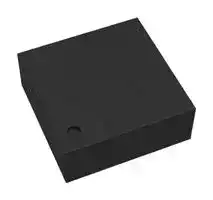


MAXM17632AME+T
Non Isolated POL DC/DC Converter, Industrial, uSLIC-16, Module, 900 mV, 12 V, 1 A
- Manufacturer: ANALOG DEVICES
- Product type: DC / DC Non Isolated Board Mount Converters - Adjustable Output
- MSL: MSL 3 - 168 hours
- SVHC: No SVHC (04-Feb-2026)
- Depth: 3mm
- Width: 3mm
- Height: 1.75mm
- Topology: Synchronous Buck (Step Down)
- No. of Pins: 16Pins
- Product Range: MAXM17632 Series
- No. of Outputs: 1 Output
- Output Current: 1A
- Output Power Max: -
- Input Voltage Max: 36V
- Input Voltage Min: 4.5V
- Output Current Max: 1A
- Output Voltage Max: 12V
- Output Voltage Min: 900mV
- Switching Frequency: 2.2MHz
- Input Voltage DC Max: 36V
- Input Voltage DC Min: 4.5V
- DC / DC Converter Type: uSLIC-16, Module
- DC / DC Converter IC Case: uSLIC-EP
- Operating Temperature Max: 125°C
- Power Supply Applications: Industrial
- DC / DC Converter Output Type: Adjustable
| Delivery and price | |
|---|---|
| Units per pack | 7500 |
| Price | 3.76 € |
| Current stock | 10+ |
| Lead time | 30 days |

**EVALUATION KIT AVAILABLE**

_Click_ _**here** for production status of specific part numbers._

## **MAXM17630/MAXM17631/ MAXM17632**

## **General Description**

The Himalaya series of voltage regulator ICs and power modules enable cooler, smaller, and simpler power supply solutions. The MAXM17630/MAXM17631/MAXM17632 are a family of high-efficiency, synchronous step-down DC-DC modules with integrated controller, MOSFETs, compensation components and inductor that operate over a wide input-voltage range. The modules operate from 4.5V to 36V and deliver up to 1A output current. The MAXM17630 and MAXM17631 are fixed 3.3V and 5V output modules, respectively. The MAXM17632 is an adjustable output (0.9V to 12V) module. The modules significantly reduce design complexity, manufacturing risks, and offer a true plug-and-play power-supply solution, reducing time-to-market. Built-in compensation across the output-voltage range eliminates the need for external compensation components.

These modules feature peak-current-mode control architecture. The modules can be operated in pulsewidth modulation (PWM), or pulse-frequency modulation (PFM), or discontinuous-conduction mode (DCM) to enable high efficiency under light-load conditions.

The feedback-voltage regulation accuracy over -40°C to +125°C for the module family is ±1.2%. These power modules are available in a low profile, compact 16-pin, 3mm x 3mm x 1.75mm, uSLIC™ package. Simulation Models are available.

## **Applications**

- Industrial Control Power Supplies

- General Purpose Point-of-Load

- Distributed Supply Regulation

## **4.5V to 36V, 1A Himalaya uSLIC Step-Down Power Module**

## **Benefits and Features**

   - Easy to Use

      - Wide 4.5V to 36V Input

      - Adjustable 0.9V to 12V Output (MAXM17632)

      - Fixed 3.3V and 5V output versions (MAXM17630 and MAXM17631)

      - 400kHz to 2.2MHz Adjustable Frequency with External Clock Synchronization

      - ±1.2% Feedback Accuracy

      - Up to 1A Output Current

      - Internally Compensated

      - All Ceramic Capacitors

   - High Efficiency

      - Selectable PWM-, PFM- or DCM-Mode of Operation

      - Auxiliary Bootstrap Supply (EXTVCC) for Improved Efficiency

      - Shutdown Current as Low as 2.8μA (typ)

   - Flexible Design

      - Adjustable and Monotonic Startup with Prebiased Output Voltage

      - Built-In Output-Voltage Monitoring with RESET Pin

      - Programmable EN/UVLO Threshold

   - Robust Operation

      - Hiccup-Mode Overload Protection

      - Overtemperature Protection

      - -40°C to +125°C Ambient Operating Temperature/ -40°C to +150°C Junction Temperature

   - Rugged

      - Complies with CISPR22(EN55022) Class B Conducted and Radiated Emissions

      - Passes Drop, Shock, and Vibration Standards: JESD22-B103, B104, B111

- Base Station Power Supplies

- High Voltage Single-Board Systems

- Programmable Logic Controller

_**Ordering Information appears at end of data sheet.**_

_uSLIC is a trademark of Maxim Integrated Products, Inc._

**==> picture [125 x 31] intentionally omitted <==**

_19-100596; Rev 1; 10/19_

## MAXM17630/MAXM17631/ MAXM17632

## 4.5V to 36V, 1A Himalaya uSLIC Step-Down Power Module

## **Typical Application Circuit**

**==> picture [506 x 552] intentionally omitted <==**

**----- Start of picture text -----**<br>
C5<br>0.1μ F<br>LX BST<br>VIN VIN OUT VOUT<br>7V TO 36V 5V/1A<br>C1 C4<br>4.7μ F 22µF<br>EN/UVLO FB<br>RESET MAXM17631 EXTVCC<br>MODE/SYNC<br>VCC SS<br>PGND EP RT SGND<br>C2 R1 C3<br>2.2μ F 15kΩ  5600pF<br>fSW: 1250kHz<br>C1: MURATA 4.7µF/X7R/50V/1206 (GRM31CR71H475KA12)<br>C4: MURATA 22µF/X7R/25V/1210 (GRM32ER71E226KE15)<br>C5<br>0.1μ F<br>LX BST<br>VIN VIN OUT VOUT<br>4.5V TO 36V 3.3V/1A<br>C1 R4 R2 C4<br>4.7μ F 3.32MΩ  229kΩ  22µF<br>EN/UVLO FB<br>R5 RESET MAXM17632 EXTVCC R3<br>1.05MΩ  88.7kΩ<br>MODE/SYNC<br>VCC SS<br>PGND EP RT SGND<br>C2 C3<br>R1<br>2.2μ F 21.5kΩ  5600pF<br>fSW : 900kHz<br>C1: MURATA 4.7µF/X7R/50V/1206 (GRM31CR71H475KA12)<br>C4: MURATA 22µF/X7R/25V/1210 (GRM32ER71E226KE15)<br>**----- End of picture text -----**<br>


Maxim Integrated │ 2

www.maximintegrated.com

## MAXM17630/MAXM17631/ MAXM17632

## 4.5V to 36V, 1A Himalaya uSLIC Step-Down Power Module

## **Absolute Maximum Ratings**

VIN to PGND .........................................................-0.3V to +40V EN/UVLO to SGND ....................................-0.3V to (VIN + 0.3V) LX, OUT to PGND ......................................-0.3V to (VIN + 0.3V) EXTVCC to SGND ...............................................-5.5V to +6.5V BST to PGND .....................................................-0.3V to +46.5V BST to LX .............................................................-0.3V to +6.5V BST to VCC ...........................................................-0.3V to +40V RESET , SS, MODE/SYNC, VCC, RT to SGND ...-0.3V to +6.5V FB to SGND(MAXM17630/MAXM17631) ............-5.5V to +6.5V

FB to SGND(MAXM17632) ..................................-0.3V to +6.5V PGND to SGND ....................................................-0.3V to +0.3V Output Short-Circuit Duration ....................................Continuous Operating Temperature Range (Note 1) ........... -40°C to +125°C Junction Temperature (Note 1) ........................................+150°C Storage Temperature Range ............................ -55°C to +125°C Lead Temperature (soldering,10s) ..................................+260°C Soldering Temperature (reflow) .......................................+260°C

_Stresses beyond those listed under “Absolute Maximum Ratings” may cause permanent damage to the device. These are stress ratings only, and functional operation of the device at these or any other conditions beyond those indicated in the operational sections of the specifications is not implied. Exposure to absolute maximum rating conditions for extended periods may affect device reliability._

## **Package Information**

|**Package Information**|**Package Information**|
|---|---|
|**PACKAGE TYPE: 16-Pin uSLIC**||
|Package Code|M1633+1|
|Outline Number|**21-100298**|
|Land Pattern Number|**90-100110**|
|**THERMAL RESISTANCE, FOUR-LAYER BOARD (Note 2)**||
|Junction to Ambient (θJA)|28°C/W|


For the latest package outline information and land patterns (footprints), go to **www.maximintegrated.com/packages** . Note that a “+”, “#”, or “-” in the package code indicates RoHS status only. Package drawings may show a different suffix character, but the drawing pertains to the package regardless of RoHS status.

**Note 1:** Junction temperature greater than +125°C degrades operating lifetimes.

**Note 2:** Package thermal resistance is measured on an evaluation board with natural convection.

## **Electrical Characteristics**

(VIN = VEN/UVLO = 24V, RRT = open (fSW = 400 kHz), CVCC = 2.2μF, VMODE/SYNC = VEXTVCC = VSGND = VPGND = 0V, VFB = 3.67V (MAXM17630), VFB = 5.5V (MAXM17631), VFB = 1V (MAXM17632), LX = SS = RESET = OUT = OPEN, VBST to VLX = 5V, TA = -40°C to +125°C, unless otherwise noted. Typical values are at TA = +25°C. All voltages are referenced to SGND, unless otherwise noted.) (Note 3)

|wise noted.) (Note 3)|||||
|---|---|---|---|---|
|**PARAMETER**|**SYMBOL**|**CONDITIONS**|**MIN**<br>**TYP**<br>**MAX**|**UNITS**|
|**INPUT SUPPLY (VIN)**|||||
|Input Voltage Range|VIN||4.5<br>36|V|
|Input Shutdown<br>Current|IIN-SH|VEN/UVLO= 0V, shutdown mode|2.8<br>4.5|μA|
|Input-Quiescent<br>Current|IQ-PFM|MODE/SYNC = Open, VEXTVCC= 5V,<br>RRT= 15kΩ|50|μA|
||IQ-DCM|MODE/SYNC = VCC, VEXTVCC= 5V,<br>RRT= 15kΩ|0.65|mA|
||IQ-PWM|MODE/SYNC = GND, VEXTVCC= 5V,<br>RRT= 15kΩ, fSW= 1250kHz|11||


Maxim Integrated │ 3

www.maximintegrated.com

## MAXM17630/MAXM17631/ MAXM17632

## 4.5V to 36V, 1A Himalaya uSLIC Step-Down Power Module

## **Electrical Characteristics (continued)**

(VIN = VEN/UVLO = 24V, RRT = open (fSW = 400 kHz), CVCC = 2.2μF, VMODE/SYNC = VEXTVCC = VSGND = VPGND = 0V, VFB = 3.67V (MAXM17630), VFB = 5.5V (MAXM17631), VFB = 1V (MAXM17632), LX = SS = RESET = OUT = OPEN, VBST to VLX = 5V, TA = -40°C to +125°C, unless otherwise noted. Typical values are at TA = +25°C. All voltages are referenced to SGND, unless otherwise noted.) (Note 3)

|wise noted.) (Note 3)|||||
|---|---|---|---|---|
|**PARAMETER**|**SYMBOL**|**CONDITIONS**|**MIN**<br>**TYP**<br>**MAX**|**UNITS**|
|**ENABLE/UVLO (EN/UVLO)**|||||
|EN/UVLO Threshold|VENR|VEN/UVLOrising|1.19<br>1.215<br>1.26|V|
||VENF|VEN/UVLOfalling|1.068<br>1.09<br>1.131||
|EN/UVLO Input<br>Leakage Current|IEN|VEN/UVLO= 0V, TA= +25°C|-50<br>+50|nA|
|**VCC (LDO)**|||||
|VCCOutput-Voltage<br>Range|VCC|6V < VIN< 36V, 0mA ≤ IVCC≤ 10mA|4.75<br>5<br>5.25|V|
|VCCCurrent Limit|IVCC(MAX)|VCC= 4.5V; VIN= 7.5V|25<br>50|mA|
|VCCDropout|VCC-DO|VIN= 4.5V, IVCC= 10mA|0.3|V|
|VCCUVLO|VCC-UVR|VCCrising|4.05<br>4.2<br>4.3|V|
|VCCUVLO|VCC-UVF|VCCfalling|3.65<br>3.8<br>3.9|V|
|**EXTVCC**|||||
|EXTVCC Switchover<br>Threshold||VEXTVCCrising|4.56<br>4.7<br>4.84|V|
|||VEXTVCCfalling|4.3<br>4.45<br>4.6||
|**SOFT-START (SS)**|||||
|Charging Current|ISS|VSS= 0.5V|4.7<br>5<br>5.3|μA|
|**FEEDBACK (FB)**|||||
|FB Regulation<br>Voltage|VFB-REG|MODE/SYNC = SGND or MODE/SYNC = VCC,<br>for MAXM17630|3.26<br>3.3<br>3.34|V|
|||MODE/SYNC = SGND or MODE/SYNC = VCC,<br>for MAXM17631|4.94<br>5<br>5.06||
|||MODE/SYNC = SGND or MODE/SYNC = VCC,<br>for MAXM17632|0.889<br>0.9<br>0.911||
|||MODE/SYNC = Open, for MAXM17630|3.26<br>3.36<br>3.43||
|||MODE/SYNC = Open, for MAXM17631|4.94<br>5.09<br>5.20||
|||MODE/SYNC = Open, for MAXM17632|0.89<br>0.915<br>0.936||
|FB Input-Bias<br>Current|IFB|For MAXM17630|11|μA|
|||For MAXM17631|17||
|||0 ≤ VFB≤ 1, TA= 25°C, For MAXM17632|-50<br>+50|nA|
|**MODE/SYNC**|||||
|MODE Threshold|VM-DCM|MODE/SYNC = VCC(DCM Mode)|VCC-<br>0.65|V|
||VM-PFM|MODE/SYNC = Open (PFM Mode)|VCC/2||
||VM-PWM|MODE/SYNC = SGND (PWM mode)|0.75||
|SYNC Frequency-<br>Capture Range|fSYNC|fSWset by RRT|1.1 ×<br>fSW<br>1.4 ×<br>fSW|kHz|


Maxim Integrated │ 4

www.maximintegrated.com

## MAXM17630/MAXM17631/ MAXM17632

## 4.5V to 36V, 1A Himalaya uSLIC Step-Down Power Module

## **Electrical Characteristics (continued)**

(VIN = VEN/UVLO = 24V, RRT = open (fSW = 400 kHz), CVCC = 2.2μF, VMODE/SYNC = VEXTVCC = VSGND = VPGND = 0V, VFB = 3.67V (MAXM17630), VFB = 5.5V (MAXM17631), VFB = 1V (MAXM17632), LX = SS = RESET = OUT = OPEN, VBST to VLX = 5V, TA = -40°C to +125°C, unless otherwise noted. Typical values are at TA = +25°C. All voltages are referenced to SGND, unless otherwise noted.) (Note 3)

|wise noted.) (Note 3)|||||
|---|---|---|---|---|
|**PARAMETER**|**SYMBOL**|**CONDITIONS**|**MIN**<br>**TYP**<br>**MAX**|**UNITS**|
|SYNC Pulse Width|||50|ns|
|SYNC Threshold|VIH||2.1|V|
||VIL||0.8||
|**RT**|||||
|Switching Frequency|fSW|RRT= 50.8kΩ|380<br>400<br>420|kHz|
|||RRT= 40.2kΩ|475<br>500<br>525||
|||RRT= 8.06kΩ|1950<br>2200<br>2450||
|||RRT= Open|370<br>400<br>430||
|VFBUndervoltage<br>Trip Level to Cause<br>Hiccup|VFB-HICF|For MAXM17630|2.05<br>2.13<br>2.2|V|
|||For MAXM17631|3.11<br>3.22<br>3.33||
|||For MAXM17632|0.56<br>0.58<br>0.6||
|Hiccup Timeout|||32678|Cycles|
|Minimum On-Time|tON(MIN)||52<br>80|ns|
|Minimum Of-Time|tOFF(MIN)||140<br>160|ns|
|**RESET**|||||
|RESETOutput<br>Level Low|VRESETLKG|IRESET=10mA|400|mV|
|RESETOutput-<br>Leakage Current|IRESETLKG|TA= TJ= 25°C, VRESET = 5.5V|-100<br>+100|nA|
|FB Threshold for<br>RESETDeassertion|VFB-OKR|VFBrising|93.8<br>95<br>97.8|%|
|FB Threshold for<br>RESETAssertion|VFB-OKF|VFBfalling|90.5<br>92<br>94.6|%|
|RESETDelay After<br>FB Reaches 95%<br>Regulation|||1024|Cycles|
|**THERMAL SHUTDOWN (TEMP)**|||||
|Thermal-Shutdown<br>Threshold||Temperature rising|165|°C|
|Thermal-Shutdown<br>Hysteresis|||10|°C|


> **Note 3:** Electrical specifications are production tested at TA = +25°C. Specifications over the entire operating temperature range are guaranteed by design and characterization.

Maxim Integrated │ 5

www.maximintegrated.com

## MAXM17630/MAXM17631/ MAXM17632

## 4.5V to 36V, 1A Himalaya uSLIC

## Step-Down Power Module

## **Typical Operating Characteristics**

(VEN/UVLO = VIN = 24V, VSGND = VPGND = 0V, CVCC = 2.2μF, CBST = 0.1μF, CSS = 5600pF, TA = -40°C to +125°C, unless otherwise noted. Typical values are at TA = +25°C. All voltages are referenced to SGND, unless otherwise noted.)

**==> picture [674 x 538] intentionally omitted <==**

**----- Start of picture text -----**<br>
MAXM17632 MAXM17632 MAXM17632<br>EFFICIENCY vs. LOAD CURRENT  EFFICIENCY vs. LOAD CURRENT  EFFICIENCY vs. LOAD CURRENT<br>100 VOUT = 0.9V, fSW = 400kHz, PWM MODE toc001 100 VOUT = 1.5V, fSW = 480kHz ,  PWM MODE toc002 100 VOUT = 2.5V, fSW = 700kHz ,  PWM MODE toc003<br>90 90 90<br>80 80 80<br>70 70 70 VIN = 5V<br>60 60 VIN = 5V 60<br>50 VIN = 5V 50 VIN = 12V 50 VIN = 12V<br>40 VIN = 12V 40 40<br>30 VIN = 24V 30 VIN = 24V 30 VIN = 24V<br>20 20 20 VIN = 36V<br>VIN = 36V<br>10 10 10<br>0 0 0<br>0.0 0.1 0.2 0.3 0.4 0.5 0.6 0.7 0.8 0.9 1.0 0.0 0.1 0.2 0.3 0.4 0.5 0.6 0.7 0.8 0.9 1.0 0.0 0.1 0.2 0.3 0.4 0.5 0.6 0.7 0.8 0.9 1.0<br>LOAD CURRENT (A) LOAD CURRENT (A) LOAD CURRENT (A)<br>MAXM17630/MAXM17632 MAXM17631/MAXM17632 MAXM17632<br>EFFICIENCY vs. LOAD CURRENT  EFFICIENCY vs. LOAD CURRENT  EFFICIENCY vs. LOAD CURRENT<br>100 VOUT = 3.3V, fSW = 900kHz, PWM MODE toc004 100 VOUT = 5V, fSW = 1250kHz, PWM MODE toc005 100 VOUT = 12V,fSW = 2150kHz ,  PWM MODE toc006<br>90 90 90<br>80 80 80<br>70 VIN = 5V 70 VIN = 7V 70 VIN = 20V<br>60 60 60<br>50 VIN = 12V 50 VIN = 12V 50 VIN = 24V<br>40 VIN = 24V 40 VIN = 24V 40 VIN = 36V<br>30 30 30<br>20 VIN = 36V 20 VIN = 36V 20<br>10 10 10<br>0 0 0<br>0.0 0.1 0.2 0.3 0.4 0.5 0.6 0.7 0.8 0.9 1.0 0.0 0.1 0.2 0.3 0.4 0.5 0.6 0.7 0.8 0.9 1.0 0.0 0.1 0.2 0.3 0.4 0.5 0.6 0.7 0.8 0.9 1.0<br>LOAD CURRENT (A) LOAD CURRENT (A) LOAD CURRENT (A)<br>MAXM17632<br>EFFICIENCY vs. LOAD CURRENT  MAXM17632 MAXM17632<br>10090 VOUT = 0.9V, fSW = 400kHz, PFM MODE toc007 100 VOUTEFFICIENCY vs = 1.5V, fSW = 480kHz. LOAD CURRENT ,  PFM MODE toc008 100 VOUTEFFICIENCY vs = 2.5V, fSW = 700kHz,PFM MODE. LOAD CURRENT toc009<br>80 90 90<br>70 80 80<br>60 70 70<br>50 60 60<br>VIN = 5V VIN = 12V VIN = 24V<br>4030 5040 VIN = 12V VIN = 36V 5040 VIN = 5VVIN = 12V VIN = 24V VIN = 36V<br>20 30 VIN = 5V VIN = 24V 30<br>10 20 20<br>0 10 10<br>0.01 0.1 1<br>0 0<br>LOAD CURRENT (A) 0.01 0.1 1 0.01 0.1 1<br>LOAD CURRENT (A) LOAD CURRENT (A)<br>EFFICIENCY (%) EFFICIENCY (%) EFFICIENCY (%)<br>EFFICIENCY (%) EFFICIENCY (%) EFFICIENCY (%)<br>EFFICIENCY (%)<br>EFFICIENCY (%) EFFICIENCY (%)<br>**----- End of picture text -----**<br>


Maxim Integrated │ 6

www.maximintegrated.com

## MAXM17630/MAXM17631/ MAXM17632

## 4.5V to 36V, 1A Himalaya uSLIC

## Step-Down Power Module

## **Typical Operating Characteristics (continued)**

(VEN/UVLO = VIN = 24V, VSGND = VPGND = 0V, CVCC = 2.2μF, CBST = 0.1μF, CSS = 5600pF, TA = -40°C to +125°C, unless otherwise noted. Typical values are at TA = +25°C. All voltages are referenced to SGND, unless otherwise noted.)

**==> picture [674 x 536] intentionally omitted <==**

**----- Start of picture text -----**<br>
MAXM17630/MAXM17632 MAXM17631/MAXM17632 MAXM17632<br>EFFICIENCY vs. LOAD CURRENT EFFICIENCY vs. LOAD CURRENT EFFICIENCY vs. LOAD CURRENT<br>100 VOUT = 3.3V, fSW = 900kHz, PFM MODE toc010 100 VOUT = 5V, fSW = 1250kHz, PFM MODE toc011 100 VOUT = 12V, fSW = 2150kHz, PFM MODE toc012<br>90 90 90<br>80 80 80<br>70 70 70<br>60 60 VIN = 12V VIN = 36V 60 VIN = 20V VIN = 36V<br>5040 VIN = 12V VIN = 36V 5040 VIN = 7V VIN = 24V 5040 VIN = 24V<br>VIN = 5V VIN = 24V<br>30 30 30<br>20 20 20<br>10 10 10<br>0 0 0<br>0.01 0.1 1 0.01 0.1 1 0.01 0.1 1<br>LOAD CURRENT (A) LOAD CURRENT (A) LOAD CURRENT (A)<br>MAXM17632 MAXM17632 MAXM17632<br>EFFICIENCY vs. LOAD CURRENT EFFICIENCY vs. LOAD CURRENT EFFICIENCY vs. LOAD CURRENT<br>100 VOUT = 0.9V, fSW = 400kHz, DCM MODE toc013 100 VOUT = 1.5V, fSW = 480kHz, DCM MODE toc014 100 VOUT = 2.5V, fSW = 700kHz, DCM MODE toc015<br>90 VIN = 5V 90 VIN = 5V 90 VIN = 5V<br>80 80 80<br>70 70 70<br>60 60 60<br>50 50 50 VIN = 36V<br>40 40 VIN = 36V 40 VIN = 24V<br>30 VIN = 24V 30 VIN = 12V VIN = 24V 30 VIN = 12V<br>20 VIN = 12V 20 20<br>10 10 10<br>0 0 0<br>0.01 0.1 1 0.01 0.1 1 0.01 0.1 1<br>LOAD CURRENT (A) LOAD CURRENT (A) LOAD CURRENT (A)<br>MAXM17630/MAXM17632 MAXM17631/MAXM17632 MAXM17632<br>EFFICIENCY vs. LOAD CURRENT EFFICIENCY vs. LOAD CURRENT EFFICIENCY vs. LOAD CURRENT<br>100 VOUT = 3.3V, fSW = 900kHz, DCM MODE toc016 100 VOUT = 5V, fSW = 1250kHz,DCM MODE toc017 100 VOUT = 12V, fSW = 2150kHz, DCM MODE toc018<br>VIN = 5V VIN = 7V<br>90 90 90 VIN = 20V<br>80 80 80<br>70 70 70<br>60 60 VIN = 36V 60<br>50 VIN = 36V 50 VIN = 24V 50 VIN = 36V<br>VIN = 24V VIN = 12V<br>40 40 40<br>30 VIN = 12V 30 30 VIN = 24V<br>20 20 20<br>10 10 10<br>0 0 0<br>0.01 0.1 1 0.01 0.1 1 0.01 0.1 1<br>LOAD CURRENT (A) LOAD CURRENT (A) LOAD CURRENT (A)<br>EFFICIENCY (%) EFFICIENCY (%) EFFICIENCY (%)<br>EFFICIENCY (%) EFFICIENCY (%) EFFICIENCY (%)<br>EFFICIENCY (%) EFFICIENCY (%) EFFICIENCY (%)<br>**----- End of picture text -----**<br>


Maxim Integrated │ 7

www.maximintegrated.com

## MAXM17630/MAXM17631/ MAXM17632

## 4.5V to 36V, 1A Himalaya uSLIC Step-Down Power Module

## **Typical Operating Characteristics (continued)**

(VEN/UVLO = VIN = 24V, VSGND = VPGND = 0V, CVCC = 2.2μF, CBST = 0.1μF, CSS = 5600pF, TA = -40°C to +125°C, unless otherwise noted. Typical values are at TA = +25°C. All voltages are referenced to SGND, unless otherwise noted.)

**==> picture [674 x 536] intentionally omitted <==**

**----- Start of picture text -----**<br>
MAXM17632 MAXM17632 MAXM17632<br>OUTPUT VOLTAGE vs. LOAD CURRENT OUTPUT VOLTAGE vs. LOAD CURRENT OUTPUT VOLTAGE vs. LOAD CURRENT<br>VOUT = 0.9V, fSW = 400kHz,PWM MODE toc019 1.495 VOUT = 1.5V, fSW = 480kHz, PWM MODE toc020 2.510 VOUT = 2.5V, fSW = 700kHz, PWM MODE toc021<br>0.907<br>0.904 1.494 2.508 VIN = 36V<br>VIN = 12V<br>0.901 1.493 VIN = 12V VIN = 24V  2.506<br>0.898<br>1.492 2.504<br>0.895 VIN = 12V VIN = 24V  VIN = 5V<br>0.892 VIN = 5V VIN = 24V 1.491 VIN = 5V VIN = 36V 2.502<br>0.889 1.490 2.500<br>0.0 0.1 0.2 0.3 0.4 0.5 0.6 0.7 0.8 0.9 1.0 0.0 0.1 0.2 0.3 0.4 0.5 0.6 0.7 0.8 0.9 1.0 0.0 0.1 0.2 0.3 0.4 0.5 0.6 0.7 0.8 0.9 1.0<br>LOAD CURRENT (A) LOAD CURRENT (A) LOAD CURRENT (A)<br>MAXM17630/MAXM17632 MAXM17631/MAXM17632 MAXM17632<br>OUTPUT VOLTAGE vs. LOAD CURRENT OUTPUT VOLTAGE vs. LOAD CURRENT OUTPUT VOLTAGE vs. LOAD CURRENT<br>VOUT = 3.3V, fSW = 900kHz, PWM MODE toc022 5.10 VOUT = 5V, fSW = 1250kHz, PWM MODE toc023 12.12 VOUT = 12V, fSW = 2150kHz, PWM MODE toc024<br>3.320<br>5.09 12.10<br>3.312 VIN = 12V 5.08 VIN = 24V   VIN = 36V VIN = 24V   VIN = 36V<br>12.08<br>5.07<br>3.304<br>12.06<br>5.06<br>3.296 VIN = 12V VIN = 7V 12.04<br>VIN = 5V VIN = 24V VIN = 36V 5.05 VIN = 20V<br>3.288 5.04 12.02<br>3.280 5.03 12.00<br>0.0 0.1 0.2 0.3 0.4 0.5 0.6 0.7 0.8 0.9 1.0 0.0 0.1 0.2 0.3 0.4 0.5 0.6 0.7 0.8 0.9 1.0 0.0 0.1 0.2 0.3 0.4 0.5 0.6 0.7 0.8 0.9 1.0<br>LOAD CURRENT (A) LOAD CURRENT (A) LOAD CURRENT (A)<br>MAXM17632 MAXM17632 MAXM17632<br>OUTPUT VOLTAGE vs. LOAD CURRENT  OUTPUT VOLTAGE vs. LOAD CURRENT  OUTPUT VOLTAGE vs. LOAD CURRENT<br>VOUT = 0.9V, fSW = 400kHz, PFM MODE VOUT = 1.5V, fSW = 480kHz, PFM MODE VOUT = 2.5V, fSW = 700kHz, PFM MODE<br>0.93 toc025 1.53 toc026 2.57 toc027<br>VIN =  5V 1.52 VIN = 5V 2.56 VIN = 5V<br>0.92 2.55<br>VIN = 12V 1.51 VIN = 24V 2.54 VIN = 24V<br>0.91 VIN = 12V 2.53 VIN = 12V<br>VIN = 24V 1.50 VIN = 36V 2.52 VIN = 36V<br>0.90 2.51<br>1.49<br>2.50<br>0.89 1.48 2.49<br>0.0 0.1 0.2 0.3 0.4 0.5 0.6 0.7 0.8 0.9 1.0 0.0 0.1 0.2 0.3 0.4 0.5 0.6 0.7 0.8 0.9 1.0 0.0 0.1 0.2 0.3 0.4 0.5 0.6 0.7 0.8 0.9 1.0<br>LOAD CURRENT (A) LOAD CURRENT (A) LOAD CURRENT (A)<br>OUTPUT  VOLTAGE  (V) OUTPUT  VOLTAGE  (V) OUTPUT  VOLTAGE  (V)<br>OUTPUT  VOLTAGE  (V) OUTPUT  VOLTAGE  (V)<br>OUTPUT  VOLTAGE  (V)<br>OUTPUT  VOLTAGE  (V)<br>OUTPUT  VOLTAGE  (V) OUTPUT  VOLTAGE  (V)<br>**----- End of picture text -----**<br>


Maxim Integrated │ 8

www.maximintegrated.com

## MAXM17630/MAXM17631/ MAXM17632

## 4.5V to 36V, 1A Himalaya uSLIC Step-Down Power Module

## **Typical Operating Characteristics (continued)**

(VEN/UVLO = VIN = 24V, VSGND = VPGND = 0V, CVCC = 2.2μF, CBST = 0.1μF, CSS = 5600pF, TA = -40°C to +125°C, unless otherwise noted. Typical values are at TA = +25°C. All voltages are referenced to SGND, unless otherwise noted.)

**==> picture [675 x 539] intentionally omitted <==**

**----- Start of picture text -----**<br>
MAXM17630/MAXM17632 MAXM17631/MAXM17632 MAXM17632<br>OUTPUT VOLTAGE vs. LOAD CURRENT  OUTPUT VOLTAGE vs. LOAD CURRENT  OUTPUT VOLTAGE vs. LOAD CURRENT<br>VOUT = 3.3V, fSW = 900kHz, PFM MODE VOUT = 5V, fSW = 1250kHz, PFM MODE VOUT = 12V, fSW = 2150kHz, PFM MODE<br>3.40 toc028 5.20 toc029 12.27 toc030<br>3.38 VIN = 36V 5.185.16 VIN = 7V 12.24<br>12.21<br>3.36 VIN = 5V 5.14 VIN = 36V VIN = 20V<br>5.12 12.18<br>3.34 5.10 VIN = 24V 12.15 VIN = 24V<br>3.32 VIN = 12V VIN = 24V 5.085.06 VIN = 12V 12.12 VIN = 36V<br>12.09<br>5.04<br>3.30<br>5.02 12.06<br>3.28 5.00 12.03<br>0.0 0.1 0.2 0.3 0.4 0.5 0.6 0.7 0.8 0.9 1.0 0.0 0.1 0.2 0.3 0.4 0.5 0.6 0.7 0.8 0.9 1.0 0.0 0.1 0.2 0.3 0.4 0.5 0.6 0.7 0.8 0.9 1.0<br>LOAD CURRENT (A) LOAD CURRENT (A) LOAD CURRENT (A)<br>MAXM17632 MAXM17632 MAXM17632<br>OUTPUT VOLTAGE vs. LOAD CURRENT OUTPUT VOLTAGE vs. LOAD CURRENT OUTPUT VOLTAGE vs. LOAD CURRENT<br>VOUT = 0.9V, fSW = 400kHz, DCM MODE VOUT = 1.5V, fSW = 480kHz, DCM MODE VOUT = 2.5V, fSW = 700kHz, DCM MODE<br>0.912 toc031 1.495 toc032 2.520 toc033<br>0.907 2.515<br>1.494<br>VIN = 24V VIN = 5V VIN = 36V<br>0.902 VIN = 24V  2.510<br>1.493 VIN = 5V VIN = 12V VIN = 36V<br>0.897 2.505<br>1.492<br>0.892 2.500<br>VIN = 12V VIN = 5V 1.491 VIN = 12V VIN = 24V<br>0.887 2.495<br>0.882 1.490 2.490<br>0.0 0.1 0.2 0.3 0.4 0.5 0.6 0.7 0.8 0.9 1.0 0.0 0.1 0.2 0.3 0.4 0.5 0.6 0.7 0.8 0.9 1.0 0.0 0.1 0.2 0.3 0.4 0.5 0.6 0.7 0.8 0.9 1.0<br>LOAD CURRENT (A) LOAD CURRENT (A) LOAD CURRENT (A)<br>MAXM17630/MAXM17632 MAXM17631/MAXM17632 MAXM17632<br>OUTPUT VOLTAGE vs. LOAD CURRENT OUTPUT VOLTAGE vs. LOAD CURRENT OUTPUT VOLTAGE vs. LOAD CURRENT<br>VOUT = 3.3V, fSW = 900kHz, DCM MODE toc034 5.09 VOUT = 5V, fSW = 1250kHz, DCM MODE toc035 12.12 VOUT = 12V, fSW = 2150kHz, DCM MODE toc036<br>3.320<br>VIN = 36V VIN = 5V 5.08 VIN = 36V VIN = 24V   12.10<br>3.312 VIN = 24V   VIN = 36V<br>12.08<br>5.07<br>3.304<br>12.06<br>5.06<br>3.296 VIN = 7V VIN = 12V 12.04 VIN = 20V<br>VIN = 24V VIN = 12V<br>3.288 5.05 12.02<br>3.280 5.04 12.00<br>0.0 0.1 0.2 0.3 0.4 0.5 0.6 0.7 0.8 0.9 1.0 0.0 0.1 0.2 0.3 0.4 0.5 0.6 0.7 0.8 0.9 1.0 0.0 0.1 0.2 0.3 0.4 0.5 0.6 0.7 0.8 0.9 1.0<br>LOAD CURRENT (A) LOAD CURRENT (A) LOAD CURRENT (A)<br>OUTPUT  VOLTAGE  (V)<br>OUTPUT  VOLTAGE  (V) OUTPUT  VOLTAGE  (V)<br>OUTPUT  VOLTAGE  (V) OUTPUT  VOLTAGE  (V) OUTPUT  VOLTAGE  (V)<br>OUTPUT  VOLTAGE  (V) OUTPUT  VOLTAGE  (V)<br>OUTPUT  VOLTAGE  (V)<br>**----- End of picture text -----**<br>


Maxim Integrated │ 9

www.maximintegrated.com

## MAXM17630/MAXM17631/ MAXM17632

## 4.5V to 36V, 1A Himalaya uSLIC Step-Down Power Module

## **Typical Operating Characteristics (continued)**

(VEN/UVLO = VIN = 24V, VSGND = VPGND = 0V, CVCC = 2.2μF, CBST = 0.1μF, CSS = 5600pF, TA = -40°C to +125°C, unless otherwise noted. Typical values are at TA = +25°C. All voltages are referenced to SGND, unless otherwise noted.)

**==> picture [490 x 499] intentionally omitted <==**

**----- Start of picture text -----**<br>
MAXM17632  MAXM17630/MAXM17632 MAXM17631/MAXM17632<br>STEADY-STATE OUTPUT-VOLTAGE RIPPLE STEADY-STATE OUTPUT-VOLTAGE RIPPLE STEADY-STATE OUTPUT-VOLTAGE RIPPLE<br>VOUT = 2.5V, fSW = 700kHz, FULL LOAD, PWM MODE toc037 VOUT = 3.3V, fSW = 900kHz, FULL LOAD, PWM MODE toc038 VOUT = 5V, fSW = 1250kHz, FULL LOAD, PWM MODE toc039<br>VOUT(AC) 10mV/div VOUT(AC) 10mV/div VOUT(AC) 10mV/div<br>1µs/div 1µs/div 1µs/div<br>MAXM17632  MAXM17632  MAXM17630/MAXM17632<br>STEADY-STATE OUTPUT-VOLTAGE RIPPLE STEADY-STATE OUTPUT-VOLTAGE RIPPLE STEADY-STATE OUTPUT-VOLTAGE RIPPLE<br>VOUT = 12V, fSW = 2150kHz, FULL LOAD, PWM MODE toc040 VOUT = 2.5V, fSW = 700kHz, 10mALOAD, PFM MODE toc041 VOUT = 3.3V, fSW = 900kHz, 10mALOAD, PFM MODE toc042<br>VOUT(AC) 20mV/div VOUT(AC) 20mV/div VOUT(AC) 50mV/div<br>400ns/div 40µs/div 40µs/div<br>MAXM17631/MAXM17632  MAXM17632 MAXM17632<br>STEADY-STATE OUTPUT-VOLTAGE RIPPLE STEADY-STATE OUTPUT-VOLTAGE RIPPLE STEADY-STATE OUTPUT-VOLTAGE RIPPLE<br>VOUT = 5V, fSW = 1250kHz, 10mA LOAD, PFM MODE toc043 VOUT = 12V, fSW = 2150kHz, 10mA LOAD, PFM MODE toc044 VOUT = 2.5V, fSW = 700kHz,10mALOAD, DCM MODE toc045<br>VOUT(AC) 50mV/div V0UT(AC) 100mV/div VOUT(AC) 10mV/div<br>40µs/div 40µs/div 10µs/div<br>**----- End of picture text -----**<br>


Maxim Integrated │ 10

www.maximintegrated.com

## MAXM17630/MAXM17631/ MAXM17632

## 4.5V to 36V, 1A Himalaya uSLIC Step-Down Power Module

## **Typical Operating Characteristics (continued)**

(VEN/UVLO = VIN = 24V, VSGND = VPGND = 0V, CVCC = 2.2μF, CBST = 0.1μF, CSS = 5600pF, TA = -40°C to +125°C, unless otherwise noted. Typical values are at TA = +25°C. All voltages are referenced to SGND, unless otherwise noted.)

**==> picture [498 x 508] intentionally omitted <==**

**----- Start of picture text -----**<br>
MAXM17630/MAXM17632  MAXM17631/MAXM17632  MAXM17632<br>STEADY-STATE OUTPUT-VOLTAGE RIPPLE STEADY-STATE OUTPUT-VOLTAGE RIPPLE STEADY-STATE OUTPUT-VOLTAGE RIPPLE<br>VOUT = 3.3V, fSW = 900kHz, 10mALOAD, DCM MODE toc046 VOUT = 5V, fSW = 1250kHz, 10mALOAD, DCM MODE toc047 VOUT = 12V, fSW = 2150kHz, 10mA LOAD, DCM MODE toc048<br>VOUT(AC) 10mV/div VOUT(AC) | 10mV/div VOUT(AC) 10mV/div<br>NAN —<br>10µs/div 4µs/div 400ns/div<br>MAXM17632 LOAD-TRANSIENT RESPONSE MAXM17632 LOAD-TRANSIENT RESPONSE MAXM17632 LOAD-TRANSIENT RESPONSE<br>VOUT = 2.5V, fSW = 700kHz, PWM MODE VOUT = 2.5V, fSW = 700kHz,PWM MODE VOUT = 2.5V, fSW = 700kHz,PFM MODE<br>(LOAD CURRENT STEPPED FROM 0A TO 0.5A) (LOAD CURRENT STEPPED FROM 0.5A TO 1A) (LOAD CURRENT STEPPED FROM 10mA TO 0.5A)<br>toc049 toc050 toc051<br>VOUT(AC) 50mV/div VOUT(AC) 50mV/div VOUT(AC) 100mV/div<br>ie<br>IOUT 500mA/div<br>IOUT 500mA/div IOUT 500mA/div<br>200µs/div 200µs/div 400µs/div<br>MAXM17632 LOAD-TRANSIENT RESPONSE MAXM17630/MAXM17632 LOAD-TRANSIENT RESPONSE MAXM17630/MAXM17632 LOAD-TRANSIENT RESPONSE<br>VOUT = 2.5V, fSW = 700kHz, DCM MODE   VOUT = 3.3V, fSW = 900kHz,PWM MODE VOUT = 3.3V, fSW = 900kHz, PWM MODE<br>(LOAD CURRENT STEPPED FROM 10mA TO 0.5A) (LOAD CURRENT STEPPED FROM 0A TO 0.5A) (LOAD CURRENT STEPPED FROM 0.5A TO 1A)<br>toc052 toc053 toc054<br>VOUT(AC) 100mV/div VOUT(AC) 100mV/div VOUT(AC) 100mV/div<br>IOUT 500mA/div IOUT 500mA/div<br>IOUT 500mA/div<br>200µs/div 200µs/div 200µs/div<br>**----- End of picture text -----**<br>


Maxim Integrated │ 11

www.maximintegrated.com

## MAXM17630/MAXM17631/ MAXM17632

## 4.5V to 36V, 1A Himalaya uSLIC Step-Down Power Module

## **Typical Operating Characteristics (continued)**

(VEN/UVLO = VIN = 24V, VSGND = VPGND = 0V, CVCC = 2.2μF, CBST = 0.1μF, CSS = 5600pF, TA = -40°C to +125°C, unless otherwise noted. Typical values are at TA = +25°C. All voltages are referenced to SGND, unless otherwise noted.)

**==> picture [498 x 506] intentionally omitted <==**

**----- Start of picture text -----**<br>
MAXM17630/MAXM17632 LOAD-TRANSIENT RESPONSE MAXM17630/MAXM17632 LOAD-TRANSIENT RESPONSE<br>MAXM17631/MAXM17632 LOAD-TRANSIENT RESPONSE<br>(LOAD CURRENT STEPPED FROM 10mA TO 0.5A)VOUT = 3.3V, fSW = 900kHz, PFM MODE (LOAD CURRENT STEPPED FROM 10mA TO 0.5A)VOUT = 3.3V, fSW = 900kHz, DCM MODE  VOUT = 5V, fSW = 1250kHz, PWM MODE<br>toc055 toc056 (LOAD CURRENT STEPPED FROM 0A TO 0.5A)<br>toc057<br>VOUT(AC) 100mV/div VOUT(AC) 200mV/div VOUT(AC) 100mV/div<br>IOUT 500mA/div<br>IOUT 500mA/div IOUT 500mA/div<br>400µs/div 200µs/div 200µs/div<br>MAXM17631/MAXM17632 LOAD-TRANSIENT RESPONSE MAXM17631/MAXM17632 LOAD-TRANSIENT RESPONSE MAXM17631/MAXM17632 LOAD-TRANSIENT RESPONSE<br>(LOAD CURRENT STEPPED FROM 0.5A TO 1A)VOUT = 5V, fSW = 1250kHz, PWM MODE (LOAD CURRENT STEPPED FROM 10mA TO 0.5A)VOUT = 5V, fSW = 1250kHz, PFM MODE  toc059 (LOAD CURRENT STEPPED FROM 10mA TO 0.5A)VOUT = 5V, fSW = 1250kHz, DCM MODE  toc060<br>toc058<br>VOUT(AC) 100mV/div VOUT(AC) 200mV/div VOUT(AC) 200mV/div<br>500mA/div IOUT 500mA/div<br>IOUT IOUT 500mA/div<br>200µs/div 400µs/div 200µs/div<br>MAXM17632 LOAD-TRANSIENT RESPONSE MAXM17632 LOAD-TRANSIENT RESPONSE MAXM17632 LOAD-TRANSIENT RESPONSE<br>VOUT = 12V, fSW = 2150kHz, PWM MODE VOUT = 12V, fSW = 2150kHz, PWM MODE VOUT = 12V, fSW = 2150kHz, PFM MODE<br>(LOAD CURRENT STEPPED FROM 0A TO 0.5A) (LOAD CURRENT STEPPED FROM 0.5A TO 1A) (LOAD CURRENT STEPPED FROM 10mA TO 0.5A)<br>toc061 toc062 toc063<br>VOUT(AC) 200mV/div VOUT(AC) 200mV/div VOUT(AC) 500mV/div<br>IOUT 500mA/div<br>IOUT 500mA/div IOUT 500mA/div<br>200µs/div 200µs/div 400µs/div<br>**----- End of picture text -----**<br>


Maxim Integrated │ 12

www.maximintegrated.com

## MAXM17630/MAXM17631/ MAXM17632

## 4.5V to 36V, 1A Himalaya uSLIC Step-Down Power Module

## **Typical Operating Characteristics (continued)**

(VEN/UVLO = VIN = 24V, VSGND = VPGND = 0V, CVCC = 2.2μF, CBST = 0.1μF, CSS = 5600pF, TA = -40°C to +125°C, unless otherwise noted. Typical values are at TA = +25°C. All voltages are referenced to SGND, unless otherwise noted.)

**==> picture [504 x 567] intentionally omitted <==**

**----- Start of picture text -----**<br>
MAXM17632 LOAD-TRANSIENT RESPONSE<br>VOUT = 12V, fSW = 2150kHz, DCM MODE MAXM17632 STARTUP THROUGH ENABLE MAXM17632 SHUTDOWN THROUGH ENABLE<br>(LOAD CURRENT STEPPED FROM 10mA TO 0.5A) VOUT = 2.5V, fSW = 700kHz, FULL LOAD, PWM MODE VOUT = 2.5V, fSW = 700kHz, FULL LOAD, PWM MODE<br>toc064 toc065 toc066<br>5V/div<br>EN/UVLO  EN/UVLO  5V/div<br>VOUT(AC) 200mV/div LX 20V/div LX 20V/div<br>1V/div VOUT<br>IOUT 500mA/div VOUT 5V/div RESET 1V/div<br>RESET 5V/div<br>AE<br>200µs/div 1ms/div 100µs/div<br>MAXM17632 STARTUP THROUGH ENABLE MAXM17632 SHUTDOWN THROUGH ENABLE MAXM17630/MAXM17632 STARTUP THROUGH ENABLE<br>VOUT = 2.5V, fSW = 700kHz, 10mA LOAD, PFM MODE VOUT = 2.5V, fSW = 700kHz, 10mA LOAD, PFM MODE VOUT = 3.3V, fSW = 900kHz, FULL LOAD, PWM MODE<br>toc067 toc068 toc069<br>5V/div 5V/div<br>EN/UVLO  EN/UVLO  5V/div EN/UVLO<br>LX 20V/div LX 20V/div LX 20V/div<br>1V/div VOUT<br>2V/div<br>VOUT 5V/div RESET 1V/div VOUT 5V/div<br>RESET 5V/div RESET<br>Fee<br>1ms/div 10ms/div 1ms/div<br>MAXM17630/MAXM17632 SHUTDOWN THROUGH ENABLE MAXM17630/MAXM17632 STARTUP THROUGH ENABLE MAXM17630/MAXM17632 SHUTDOWN THROUGH ENABLE<br>VOUT = 3.3V, fSW = 900kHz, FULL LOAD, PWM MODE toc070 VOUT = 3.3V, fSW = 900kHz, 10mA LOAD, PFM MODE toc071 VOUT = 3.3V, fSW = 900kHz, 10mA LOAD, PFM MODE toc072<br>5V/div<br>EN/UVLO 5V/div EN/UVLO  EN/UVLO 5V/div<br>LX 20V/div LX 20V/div LX 20V/div<br>VOUT 2V/div VOUT<br>RESET 2V/div VOUT 5V/div RESET 2V/div<br>5V/div RESET   5V/div<br>=<br>100µs/div 1ms/div 10ms/div<br>www.maximintegrated.com Maxim Integrated │ 13<br>**----- End of picture text -----**<br>


www.maximintegrated.com

## MAXM17630/MAXM17631/ MAXM17632

## 4.5V to 36V, 1A Himalaya uSLIC Step-Down Power Module

## **Typical Operating Characteristics (continued)**

(VEN/UVLO = VIN = 24V, VSGND = VPGND = 0V, CVCC = 2.2μF, CBST = 0.1μF, CSS = 5600pF, TA = -40°C to +125°C, unless otherwise noted. Typical values are at TA = +25°C. All voltages are referenced to SGND, unless otherwise noted.)

**==> picture [488 x 500] intentionally omitted <==**

**----- Start of picture text -----**<br>
MAXM17631/MAXM17632 STARTUP THROUGH ENABLE MAXM17631/MAXM17632 SHUTDOWN THROUGH ENABLE MAXM17631/MAXM17632 STARTUP THROUGH ENABLE<br>VOUT = 5V, fSW = 1250kHz, FULL LOAD, PWM MODE VOUT = 5V,fSW = 1250kHz, FULL LOAD, PWM MODE VOUT = 5V, fSW = 1250kHz, 10mA LOAD, PFM MODE<br>toc073 toc074 toc075<br>5V/div 5V/div<br>EN/UVLO  EN/UVLO 5V/div EN/UVLO<br>LX<br>LX 20V/div 20V/div LX 20V/div<br>2V/div VOUT 2V/div<br>VOUT 5V/div RESET 2V/div VOUT 5V/div<br>RESET   5V/div RESET<br>=<br>1ms/div 100µs/div 1ms/div<br>MAXM17631/MAXM17632 SHUTDOWN THROUGH ENABLE MAXM17632 STARTUP THROUGH VIN MAXM17632 SHUTDOWN THROUGH VIN<br>VOUT = 5V, fSW = 1250kHz, 10mA LOAD, PFM MODE toc076 VOUT = 2.5V, fSW = 700kHz, FULL LOAD, PWM MODE toc077 VOUT = 2.5V, fSW = 700kHz, FULL LOAD, PWM MODE toc078<br>EN/UVLO 20V/div VIN<br>5V/div VIN LX 20V/div<br>LX 20V/div LX 20V/div 20V/div<br>VOUT 2V/div VCC<br>1V/div VOUT<br>RESET 2V/div VCC 2V/div<br>5V/div VOUT 1V/div<br>SRE 10ms/div 1ms/div<br>2ms/div<br>MAXM17632 STARTUP THROUGH VIN MAXM17632 SHUTDOWN THROUGH VIN MAXM17630/MAXM17632 STARTUP THROUGH VIN<br>VOUT = 2.5V, fSW = 700kHz, 10mA LOAD, PFM MODE VOUT = 2.5V, fSW = 700kHz, 10mA LOAD, PFM MODE toc080 VOUT = 3.3V, fSW = 900kHz, FULL LOAD, PWM MODE toc081<br>toc079<br>20V/div VIN 20V/div<br>VIN 20V/div VIN<br>LX 20V/div LX 20V/div LX 20V/div<br>2V/div VCC 2V/div<br>1V/div VOUT<br>2V/div<br>VCC 2V/div VCC<br>VOUT 1V/div VOUT<br>=e 1ms/div<br>1ms/div<br>10ms/div<br>**----- End of picture text -----**<br>


Maxim Integrated │ 14

www.maximintegrated.com

## MAXM17630/MAXM17631/ MAXM17632

## 4.5V to 36V, 1A Himalaya uSLIC Step-Down Power Module

## **Typical Operating Characteristics (continued)**

(VEN/UVLO = VIN = 24V, VSGND = VPGND = 0V, CVCC = 2.2μF, CBST = 0.1μF, CSS = 5600pF, TA = -40°C to +125°C, unless otherwise noted. Typical values are at TA = +25°C. All voltages are referenced to SGND, unless otherwise noted.)

**==> picture [483 x 498] intentionally omitted <==**

**----- Start of picture text -----**<br>
MAXM17630/MAXM17632 SHUTDOWN THROUGH VIN MAXM17630/MAXM17632 STARTUP THROUGH VIN MAXM17630/MAXM17632 SHUTDOWN THROUGH VIN<br>VOUT = 3.3V, fSW = 900kHz, FULL LOAD, PWM MODE toc082 VOUT = 3.3V, fSW = 900kHz, 10mA LOAD, PFM MODE toc083 VOUT = 3.3V, fSW = 900kHz,10mA LOAD, PFM MODE toc084<br>VIN 20V/div VIN<br>20V/div VIN 20V/div<br>LX<br>20V/div LX 20V/div LX 20V/div<br>VCC 2V/div VCC<br>VOUT 2V/div VOUT<br>2V/div VCC 2V/div<br>2V/div VOUT 2V/div<br>2ms/div 1ms/div 10ms/div<br>a GS RE<br>MAXM17631/MAXM17632 STARTUP THROUGH VIN MAXM17631/MAXM17632 SHUTDOWN THROUGH VIN MAXM17631/MAXM17632 STARTUP THROUGH VIN<br>VOUT = 5V, fSW = 1250kHz, FULL LOAD, PWM MODE toc085 VOUT = 5V, fSW = 1250kHz, FULL LOAD, PWM MODE toc086 VOUT = 5V, fSW = 1250kHz, 10mA LOAD, PWM MODE toc087<br>20V/div VIN 20V/div<br>VIN 20V/div VIN<br>LX 20V/div LX 20V/div LX 20V/div<br>2V/div VCC 2V/div<br>2V/div VOUT 2V/div<br>VCC 2V/div VCC<br>VOUT 2V/div VOUT<br>Ae<br>1ms/div 2ms/div 1ms/div<br>MAXM17630/MAXM17632  MAXM17631/MAXM17632<br>MAXM17631/MAXM17632 SHUTDOWN THROUGH VIN STARTUP THROUGH ENABLE (2.5V PREBIAS) STARTUP THROUGH ENABLE (3.3V PREBIAS)<br>VOUT = 5V, fSW = 1250kHz, 10mA LOAD, PFM MODE toc088 VOUT = 3.3V, fSW = 900kHz, 10mA LOAD, PWM MODE toc089 VOUT = 5V, fSW = 1250kHz, 10mA LOAD, PWM MODE toc090<br>VIN<br>5V/div 5V/div<br>20V/div EN/UVLO  EN/UVLO<br>LX 20V/div LX 20V/div LX 20V/div<br>VCC 2V/div<br>VOUT 2V/div VOUT<br>2V/div VOUT 5V/div 5V/div<br>2V/div RESET RESET<br>s ai<br>10ms/div 1ms/div 1ms/div<br>**----- End of picture text -----**<br>


Maxim Integrated │ 15

www.maximintegrated.com

## MAXM17630/MAXM17631/ MAXM17632

## 4.5V to 36V, 1A Himalaya uSLIC Step-Down Power Module

## **Typical Operating Characteristics (continued)**

(VEN/UVLO = VIN = 24V, VSGND = VPGND = 0V, CVCC = 2.2μF, CBST = 0.1μF, CSS = 5600pF, TA = -40°C to +125°C, unless otherwise noted. Typical values are at TA = +25°C. All voltages are referenced to SGND, unless otherwise noted.)

**==> picture [489 x 143] intentionally omitted <==**

**----- Start of picture text -----**<br>
MAXM17632  MAXM17632  MAXM17632<br>STARTUP THROUGH ENABLE (5V PREBIAS) OUTPUT SHORT IN STEADY STATE OUTPUT SHORT DURING STARTUP<br>VOUT = 12V, fSW = 2150kHz, 10mA LOAD, PWM MODE toc091 VOUT = 2.5V, fSW = 700kHz, FULL LOAD, PWM MODE toc092 VOUT = 2.5V, fSW = 700kHz, FULL LOAD, PWM MODE toc093<br>5V/div 5V/div 20V/div<br>EN/UVLO  SHORT VIN<br>LX 20V/div VOUT<br>5V/div<br>2V/div VOUT 50mV/div<br>eeertaria<br>LX 20V/div<br>VOUT 5V/div IOUT LX 20V/div<br>RESET 1A/div IOUT 20mA/div<br>a H FES e e<br>1ms/div 20ms/div 20ms/div<br>**----- End of picture text -----**<br>


**==> picture [487 x 320] intentionally omitted <==**

**----- Start of picture text -----**<br>
MAXM17630/MAXM17632  MAXM17630/MAXM17632  MAXM17631/MAXM17632<br>OUTPUT SHORT IN STEADY STATE OUTPUT SHORT DURING STARTUP OUTPUT SHORT IN STEADY STATE<br>VOUT = 3.3V, fSW = 900kHz, FULL LOAD, PWM MODE toc094 VOUT = 3.3V, fSW = 900kHz, FULL LOAD, PWM MODE toc095 VOUT = 5V, fSW = 1250kHz, FULL LOAD, PWM MODE toc096<br>5V/div 20V/div<br>5V/div<br>SHORT VIN SHORT<br>VOUT<br>VOUT<br>2V/div VOUT 50mV/div 5V/div<br>LX 20V/div LX 20V/div<br>IOUT LX 20V/div IOUT<br>1A/div IOUT 20mA/div 1A/div<br>—— ae ee ne—<br>10ms/div 10ms/div 10ms/div<br>MAXM17631/MAXM17632  MAXM17631/MAXM17632 EXT CLOCK SYNC MAXM17631/MAXM17632 EXT CLOCK SYNC<br>OUTPUT SHORT DURING STARTUP VOUT = 5V, fSW = 1.25MHz, fSYNC = 1.75MHz,  VOUT = 5V, fSW = 1.25MHz, fSYNC = 1.75MHz,<br>VOUT = 5V, fSW = 1250kHz, FULL LOAD, PWM MODE toc097 FULL LOAD, PWM MODE toc098 FULL LOAD, PWM MODE toc099<br>20V/div<br>VIN VSYNC 5V/div VSYNC 5V/div<br>VOUT 50mV/div VOUT(AC) 50mV/div<br>LX 20V/div<br>IOUT 20mA/div LX 20V/div LX 20V/div<br>a<br>10ms/div 2µs/div 20µs/div<br>**----- End of picture text -----**<br>


Maxim Integrated │ 16

www.maximintegrated.com

## MAXM17630/MAXM17631/ MAXM17632

## 4.5V to 36V, 1A Himalaya uSLIC Step-Down Power Module

## **Typical Operating Characteristics (continued)**

(VEN/UVLO = VIN = 24V, VSGND = VPGND = 0V, CVCC = 2.2μF, CBST = 0.1μF, CSS = 5600pF, TA = -40°C to +125°C, unless otherwise noted. Typical values are at TA = +25°C. All voltages are referenced to SGND, unless otherwise noted.)

**==> picture [490 x 146] intentionally omitted <==**

**----- Start of picture text -----**<br>
MAXM17632 BODE PLOT MAXM17630/MAXM17632 BODE PLOT MAXM17631/MAXM17632 BODE PLOT<br>V 40 OUT = 2.5V, fSW = 700kHz, FULL LOAD, PWM MODE toc100 120 V 40 OUT = 3.3V, fSW = 900kHz, FULL LOAD, PWM MODE toc101 120 40 VOUT = 5V, fSW = 1250kHz, FULL LOAD, PWM MODE toc102 120<br>PHASE PHASE<br>30 100 30 PHASE 100 30 100<br>20 SE || 80 20 Sect EH 80 20 NTI EH 80<br>sce SM S SS hal 1 NU IT<br>10 PTI 60 10 60 10 ey 60<br>0 40 0 40 0 40<br>PTI PAU TT A SNe PEON GAIN TI |<br>-10 GAIN 20 -10 GAIN 20 -10 20<br>-20 |p o ANEIN 0 -20 PTp ES ASIN, 0 -20 e SNT  TING| 0<br>-30 CROSSOVER FREQUENCY = 58.39kHzPHASE MARGIN = 65.979° || OTL N -20 -30 mall CROSSOVER FREQUENCY = 70.472kHzPHASE MARGIN = 68.213° aia, -20 -30 pH CROSSOVER FREQUENCY = 67.974kHzPHASE MARGIN = 72.884° ch 9 -20<br>-40 -40 -40 -40 -40 -40<br>1k 10k 100k 1k 10k 100k 1k 10k 100k<br>FREQUENCY (Hz) FREQUENCY (Hz) FREQUENCY (Hz)<br>) °<br>)° ) °<br>PHASE  (<br>GAIN (dB) PHASE ( GAIN (dB) GAIN (dB) PHASE  (<br>**----- End of picture text -----**<br>


**==> picture [484 x 330] intentionally omitted <==**

**----- Start of picture text -----**<br>
MAXM17632 BODE PLOT MAXM17630/MAXM17631/MAXM17632 MAXM17630/MAXM17632 CONDUCTED EMISSIONS<br>OUTPUT CURRENT vs. AMBIENT TEMPERATURE<br>V 40 OUT = 12V, fSW = 1250kHz, FULL LOAD, PWM MODE toc103 120 1.25 toc104 Vour = 3.3V, fsw = 900kHz, FULL LOAD, PWM MODE<br>PHASE<br>30 100<br>oor 1 TTT L. = =<br>20 PN A 80 a yp foe csPR ass Lm<br>VOUT = 3.3V<br>10 mail| NTA EE 60 0.75 ad \ a 50 (uu CISPR22 CLASS<br>0 GAIN 40 VOUT = 5V<br>-10 poPTET Hie FEB|LUIS RONIN 20 0.5 PEE) VOUT = 12V ETall Sotale | B AVG LIMITdtuh |<br>-20 | 2 0 *|| | g 30 fps PEAK tH<br>0.25<br>-30 CROSSOVER FREQUENCY = 89.832kHzPHASE MARGIN = 70.697° | -20 i wo |,i sarE88"nmeney oth al Pail.<br>-40 -40 0 0 AVERAGE EMISSION<br>1k 10k 100k 25 35 45 55 65 75 85 95 105 115 125<br>AMBIENT TEMPERATURE (°C) 150k 1M 10M<br>FREQUENCY (Hz) MEASURED ON MAXM17630/MAXM17631/MAXM17632 EV KIT  FREQUENCY (Hz)<br>MEASURED ON MAXM17630 EV KIT WITH C = 0.22uF, L= 10uH, C =<br>MAXM17631/MAXM17632 CONDUCTED EMISSIONS PLOT MAXM17630/MAXM17632 RADIATED EMI SS IONS PLOT MAXM17631/MAXM17632 RADIATED EMI SS IONS PLOT<br>Vout = 5V, fsw = 1250kHz, FULL LOAD, PWM MODE VOUT = 3.3V, fSW = 900kHz, FULL LOAD,  P WM MODE toc107 VOUT = 5V, fSW = 1250kHz, FULL LOAD,  PW M MODE toc108<br>70 70<br>~~<br>70 proce 60 60<br>bse CISPR-22 CLASS B QP LIMIT<br>60 json — 50 50<br>“20 CISPR-22 CLASS 40 CISPR-22 CLASS B QP LIMIT 40 CISPR-22 CLASS B QP LIMIT<br>40 | B AVG LIMIT 5 30 = 30 —<br>VERTICAL SCAN<br>30 Jace eet al 20 VERTICAL SCAN ee 20 4<br>20 ae,PEAK EMISSION | - i | lid| ” wif)<br>10 10<br>10 Jee J ealhved Wiad dL 0 0<br>HORIZONTAL SCAN HORIZONTAL SCAN<br>150k 1M 10M -10 -10 OO<br>FREQUENCY (Hz) 30M 100M 1G 30M 100M 1G<br>FREQUENCY (Hz) FREQUENCY (Hz)<br>ON MAXM17631 EV KIT WITH C = 0.22uF, L = 10uH, C = 0.22 MEASURED ON MAXM17630 EV KIT  MEASURED ON MAXM17631 EV KIT<br>GAIN (dB) ) ° PHASE  ( OUTPUT CURRENT (A)<br>V/m) V/m)<br>µ µ<br>MAGNITUDE (dB MAGNITUDE (dB<br>**----- End of picture text -----**<br>


Maxim Integrated │ 17

www.maximintegrated.com

## MAXM17630/MAXM17631/ MAXM17632

## 4.5V to 36V, 1A Himalaya uSLIC Step-Down Power Module

## **Pin Configuration**

**==> picture [504 x 300] intentionally omitted <==**

**----- Start of picture text -----**<br>
TOP VIEW<br>PGND VIN<br>16 15<br>LX 1 14 EN<br>PGND<br>(EP)<br>BST 2 13 VCC<br>EXTVCC 3 MAXM17630 12 MODE/SYNC<br>MAXM17631<br>MAXM17632<br>OUT 4 11 RESET<br>OUT 5 10 SS<br>FB 6 9 RT<br>7 8<br>SGND SGND<br>‘    ‘ INDICATES PIN 1 OF THE MODULE<br>**----- End of picture text -----**<br>


## **Pin Description**

|**PIN**|**NAME**|**FUNCTION**|
|---|---|---|
|1|LX|Switching node of the inductor. No external connection to this pin.|
|2|BST|Bootstrap Capacitor. Connect a 0.1μF ceramic capacitor between BST and LX.|
|3|EXTVCC|External Power Supply Input Reduces the Internal-LDO loss. Connect it to output when OUT is<br>programmed to 5V only. When EXTVCC is not used, connect it to SGND.|
|4, 5|OUT|Module Output Pin. Connect a capacitor from OUT to GND. See the _PCB Layout Guidelines_ section<br>for more details.|
|6|FB|Feedback Input. Connect the output voltage node (VOUT) to FB for MAXM17630 and MAXM17631.<br>Connect FB to the center node of an external resistor-divider from the output to SGND to set the<br>output voltage for MAXM17632. See the_Output Voltage Setting_ section for more details.|
|7, 8|SGND|Analog Ground|
|9|RT|Switching Frequency Settings. Connect a resistor from RT to SGND to set the regulator’s switching<br>frequency between 400kHz and 2.2MHz. Leave RT open for the default 400kHz frequency. See the<br>_Setting the Switching Frequency (RT)_ section for more details.|
|10|SS|Soft-Start Input. Connect a capacitor from SS to SGND to set the soft-start time.|


Maxim Integrated │ 18

www.maximintegrated.com

## MAXM17630/MAXM17631/ MAXM17632

## 4.5V to 36V, 1A Himalaya uSLIC Step-Down Power Module

## **Pin Description (continued)**

|**PIN**|**NAME**|**FUNCTION**|
|---|---|---|
|11|RESET|Open-Drain Power Good Output. TheRESEToutput is driven low if FB drops below 92% of its set<br>value.RESETgoes high 1024 cycles after FB rises above 95% of its set value. See the_Electrical_<br>_Characteristics_ table for threshold values|
|12|MODE/SYNC|MODE/SYNC Pin Confgures the Device to Operate either in PWM, PFM or DCM Modes of Opera-<br>tion. Leave MODE/SYNC open for PFM operation (pulse skipping at light loads). Connect MODE/<br>SYNC to SGND for constant-frequency PWM operation at all loads. Connect MODE/SYNC to VCC<br>for DCM operation at light loads. The device can be synchronized to an external clock using this pin.|
|13|VCC|5V LDO Output. Bypass VCCwith a 2.2μF ceramic capacitor to SGND.|
|14|EN/UVLO|Enable/Undervoltage Lockout Pin. Drive EN/UVLO high to enable the output. Connect to the center<br>of the resistor-divider between VINand SGND to set the input voltage at which the part turns on.<br>Connect to the VINpin for always on operation. Pull low for disabling the device.|
|15|VIN|Power-Supply Input Pin. 4.5V to 36V input-supply range. Decouple to PGND with a capacitor; place<br>the capacitor close to the VINand PGND pins.|
|16|PGND|Power Ground Pin of the module. Connect externally to the power ground plane. Refer to the<br>MAXM17630 Evaluation Kit (EV kit) data sheet for a layout example.|
|-|EP|Exposed Pad. Always connect EP to the PGND pin of the module. Also, connect EP to a large<br>PGND plane with several thermal vias for best thermal performance. Refer to the MAXM17630 EV<br>kit data sheet for an example of the correct method for EP connection and thermal vias.|


Maxim Integrated │ 19

www.maximintegrated.com

## MAXM17630/MAXM17631/ MAXM17632

## 4.5V to 36V, 1A Himalaya uSLIC Step-Down Power Module

## **Functional Diagrams**

**==> picture [506 x 572] intentionally omitted <==**

**----- Start of picture text -----**<br>
MAXM17630/MAXM17631/MAXM17632<br>EXTVCC BST<br>VCC VIN<br>LDO<br>SGND<br>HIGH-SIDE<br>DRIVER<br>LX<br>EN/UVLO +<br>-<br>1.215V 2.2µH<br>OUT<br>PEAK LOW-SIDE<br>RT OSCILLATOR CURRENT-MODE DRIVER<br>CONTROLLER<br>SYNC<br>MODE/ MODE PGND<br>SYNC SELECTION<br>LOGIC<br>SYNC<br>ERROR AMPLIFIER/ SLOPE<br>SS SOFT-START<br>LOOP COMPENSATION COMPENSATION<br>ENOK<br>RESET<br>*S1 RESET<br>FB<br>LOGIC<br>*S3<br>*S2 RT<br>RB<br>* REFER TO TABLE A<br>TABLE A<br>MODULE PART NUMBER S1 S2 S3 RT (kΩ) RB (kΩ)<br>MAXM17630 OPEN CLOSED CLOSED 229 86<br>MAXM17631 OPEN CLOSED CLOSED 241.6 53<br>MAXM17632 CLOSED OPEN OPEN OPEN OPEN<br>**----- End of picture text -----**<br>


Maxim Integrated │ 20

www.maximintegrated.com

## MAXM17630/MAXM17631/ MAXM17632

## **Detailed Description**

The MAXM17630/MAXM17631/MAXM17632 are a family of high-efficiency, high voltage, synchronous step-down DC-DC modules with integrated controller, MOSFETs, compensation components, and inductor that operate over a wide input-voltage range of 4.5V to 36V. The modules can deliver up to 1A current. MAXM17630 and MAXM17631 are fixed 3.3V and fixed 5V output parts, respectively. MAXM17632 is the adjustable output voltage (0.9V to 12V) part. Built-in compensation across the output-voltage range eliminates the need for external compensation components. The feedback-voltage regulation accuracy over -40°C to +125°C is ±1.2% for MAXM17630/ MAXM17631/MAXM17632.

The modules feature a peak-current-mode control architecture. An internal transconductance error amplifier produces an integrated error voltage at an internal node, which sets the duty cycle using a PWM comparator, a high-side current-sense amplifier, and a slope-compensation generator. At each rising edge of the clock, the high-side MOSFET turns on and remains on until either the appropriate or maximum duty cycle is reached, or the peak current limit is detected. During the high-side MOSFET on-time, the inductor current ramps up. During the second half of the switching cycle, the high-side MOSFET turns off and the low-side MOSFET turns on. The inductor releases the stored energy as its current ramps down and provides current to the output.

The module features a MODE/SYNC pin that can be used to operate the device in PWM, or PFM, or DCM control modes. The module integrates adjustable-input undervoltage lockout, adjustable soft-start, open-drain RESET , and external frequency synchronization features.

## **Mode Selection and External Synchronization (MODE/SYNC)**

The MAXM17630/MAXM17631/MAXM17632 support PWM, PFM, and DCM mode of operation. The device enters the required mode of operation based on the setting of the MODE/SYNC pin as detected within 1.5ms after VCC and EN/UVLO voltages exceed their respective UVLO rising thresholds (VCC-UVR, and VENR). If the MODE/SYNC pin is open, the module operates in PFM mode at light loads. If the state of the MODE/SYNC pin is low (< VM-PWM), the module operates in constant-frequency PWM mode at all loads. If the state of the MODE/ SYNC pin is high (> VM-DCM), the module operates in DCM mode at light loads.

## 4.5V to 36V, 1A Himalaya uSLIC Step-Down Power Module

During external clock synchronization, the module operates in PWM mode irrespective of the mode of operation detected. When 16 external clock rising edges are detected on the MODE/SYNC pin, the internal oscillator frequency set by the RT pin (fSW) changes to the external clock frequency, and the device transitions to PWM mode. The device remains in PWM mode until EN/UVLO or input power is cycled. The external clock frequency must be between 1.1 x fSW and 1.4 x fSW. The minimum external clock pulse width should be greater than 50ns. The off-time duration of the external clock should be at least 160ns. See the MODE/SYNC section in the _Electrical Characteristics_ table for details.

## **PWM Operation**

In PWM mode, the internal inductor current is allowed to go negative. PWM operation is useful in frequency sensitive applications and provides fixed switching frequency operation at all loads. However, PWM mode gives lower efficiency at light loads compared to PFM and DCM modes of operation.

## **PFM Operation**

PFM mode disables negative output current in the inductor, and additionally skips pulses at light loads for better efficiency. In PFM mode, the inductor current is forced to a fixed peak of 700mA in every clock cycle until the output voltage rises to 102.3% of the nominal value. Once the output voltage reaches 102.3% of the nominal value, the high-side switch is turned OFF and the low-side switch is turned ON. Once the inductor current hits zero cross, LX goes to a high impedance state and the module enters hibernate operation until the load current discharges the output voltage to 101.1% of the nominal value. Most of the internal blocks are turned OFF in hibernate operation to save quiescent current. When the output voltage falls below 101.1% of the nominal value, the module comes out of hibernate operation, turns on all internal blocks, and commences the process of delivering pulses of energy until the output voltage reaches 102.3% of the nominal value. The module naturally comes out of PFM mode and serves load requirements when the module output demands more than 700mA peak. The advantage of PFM mode is higher efficiency at light loads because of lower quiescent current drawn from supply. The disadvantage is that the output-voltage ripple is higher compared to PWM or DCM modes of operation and switching frequency is not constant at light loads.

Maxim Integrated │ 21

www.maximintegrated.com

## MAXM17630/MAXM17631/ MAXM17632

## **DCM Operation**

DCM mode of operation features constant frequency operation down to lighter loads than PFM mode by disabling negative inductor current at light loads. DCM operation offers efficiency performance that lies between PWM and PFM modes. The output-voltage ripple in DCM mode is comparable to PWM mode and relatively lower compared to PFM mode.

## **Linear Regulator (VCC and EXTVCC)**

The module has an internal low dropout (LDO) regulator that powers VCC from VIN. This LDO is enabled during power-up or when EN/UVLO is recycled. When VCC is above its UVLO, if EXTVCC is greater than 4.7V (typ), internal VCC is powered by EXTVCC and LDO is disabled from VIN. Powering VCC from EXTVCC increases efficiency at higher input voltages. The typical VCC output voltage is 5V. Bypass VCC to SGND with a 2.2μF lowESR ceramic capacitor. VCC powers the internal blocks and the low-side MOSFET driver and recharges the external bootstrap capacitor.

The module employs an undervoltage-lockout circuit that forces the regulator off when VCC falls below VCC_UVF. The regulator can be immediately enabled again when VCC > VCC_UVR. The 400mV UVLO hysteresis prevents chattering on power-up/power-down.

In applications where the buck-converter output is connected to the EXTVCC pin, if the output is shorted to ground, then the transfer from EXTVCC to internal LDO happens seamlessly without any impact to the normal functionality. Connect the EXTVCC pin to SGND when not in use.

## **Setting the Switching Frequency (RT)**

The switching frequency of the module can be programmed from 400kHz to 2.2MHz by using a resistor connected from the RT pin to SGND. The switching frequency (fSW) is related to the resistor connected at the RT pin (RRT) by the following equation:

**==> picture [92 x 20] intentionally omitted <==**

Where RRT is in kΩ and fSW is in kHz. Leaving the RT pin open makes the module operate at the default switching frequency of 400kHz. See Table 1 for RT resistor values for a few common switching frequencies.

## 4.5V to 36V, 1A Himalaya uSLIC Step-Down Power Module

**Table 1. Switching Frequency vs. RT Resistor**

|<br>**vs. RT Resistor**||
|---|---|
|**SWITCHING FREQUENCY**<br>**(kHz)**|**RT RESISTOR**<br>**(kΩ)**|
|400|OPEN|
|400|50.8|
|500|40.2|
|2200|8.06|


## **RESET Output ( RESET )**

The module includes an open-drain RESET output to monitor the output voltage. The open-drain RESET output requires an external pullup resistor. RESET goes high (high impedance) 1024 switching cycles after the regulator output increases above 95% of the designed nominal regulated voltage. RESET goes low when the regulator output voltage drops below 92% of the nominal regulated voltage. RESET also goes low during thermal shutdown or when the EN/UVLO pin goes below VENF.

## **Prebiased Output**

When the module starts into a prebiased output, both the high-side and the low-side switches are turned off so that the module does not sink current from the output. Highside and low-side switches do not start switching until the PWM comparator commands the first PWM pulse, at which point switching commences. The output voltage is then smoothly ramped up to the target value in alignment with the internal reference.

## **Overcurrent Protection (OCP)/Hiccup Mode**

The MAXM17630/MAXM17631/MAXM17632 are provided with a robust overcurrent protection (OCP) scheme that protects the modules under overload and output short-circuit conditions. The power module measures and limits peak inductor current. When overcurrent is detected in the inductor, or if the feedback voltage drops to VFB-HICF any time after soft-start is complete, the module enters hiccup mode of operation. In hiccup mode, the converter is protected by suspending switching for a hiccup timeout period of 32,768 clock cycles of half the programmed switching frequency. Once the hiccup timeout period expires, soft-start is attempted again. Note that when soft-start is attempted under overload condition, if feedback voltage does not exceed VFB-HICF, the device continues to switch at half the programmed switching frequency for the time duration of the programmed soft-start time and 1024 clock cycles. Hiccup mode of operation ensures low power dissipation under output overload or short-circuit conditions.

Maxim Integrated │ 22

www.maximintegrated.com

## MAXM17630/MAXM17631/ MAXM17632

The MAXM17630/MAXM17631/MAXM17632 are designed to support a maximum load current of 1A. The inductor ripple current is calculated as follows:

**==> picture [189 x 25] intentionally omitted <==**

where:

VOUT = Steady-state output voltage

VIN = Operating input voltage for given VOUT

fSW = Switching Frequency in Hz

L = Power module output inductance (2.2μH ±30%) in μH

IOUT = Required output (load) current

The following condition should be satisfied at the desired load current, IOUT.

**==> picture [23 x 9] intentionally omitted <==**

## 4.5V to 36V, 1A Himalaya uSLIC Step-Down Power Module

Also, for duty cycle > 0.5

**==> picture [148 x 20] intentionally omitted <==**

where fSW = Switching frequency in Hz

## **Selection of Input Capacitor**

The input filter capacitor reduces peak currents drawn from the power source and reduces noise and voltage ripple on the input caused by the converter switching.

The input capacitor RMS current requirement (IRMS) is defined by the following equation:

**==> picture [88 x 29] intentionally omitted <==**

where IOUT(MAX) is the maximum load current. IRMS has a maximum value when the input voltage equals twice the output voltage (VIN = 2 x VOUT).

## **Thermal Overload Protection**

Thermal overload protection limits the total power dissipation in the device. When the junction temperature exceeds +165°C, an on-chip thermal sensor shuts down the device, turns off the internal power MOSFETs, allowing the device to cool down. The thermal sensor turns the device on after the junction temperature cools by 10°C. Soft-start resets during thermal shutdown.

## **Applications Information**

**==> picture [116 x 19] intentionally omitted <==**

Choose an input capacitor that exhibits less than +10°C temperature rise at the RMS input current for optimal long-term reliability. Use low-ESR ceramic capacitors with high-ripple-current capability at the input. X7R capacitors are recommended in industrial applications for their temperature stability. Calculate the input capacitance using the following equation:

## **Input-Voltage Range**

The minimum and maximum operating input voltages for a given output voltage is calculated as follows:

**==> picture [169 x 25] intentionally omitted <==**

**==> picture [120 x 24] intentionally omitted <==**

where

DMAX = Maximum duty cycle

fSW = Switching frequency

**==> picture [5 x 5] intentionally omitted <==**

where:

VOUT = Steady-state output voltage

IOUT = Maximum load current

fSW(MAX) = Maximum switching frequency in Hz

∆VIN = Allowable input voltage ripple

In applications where the source is located distant from the device input, an appropriate electrolytic capacitor should be added in parallel to the ceramic capacitor to provide necessary damping for potential oscillations caused by the inductance of the longer input power path and input ceramic capacitor.

tOFF-MIN(MAX) = Worst Case minimum switch off-time (160ns)

tON-MIN(MAX) = Worst case minimum switch on-time (80ns).

Maxim Integrated │ 23

www.maximintegrated.com

## MAXM17630/MAXM17631/ MAXM17632

## **Selection of Output Capacitor**

X7R ceramic output capacitors are preferred due to their stability over temperature in industrial applications. The output capacitor has two functions. It provides smooth voltage and, stores sufficient energy to support the output voltage under load transient conditions and stabilizes the device’s internal control loop. Usually the output capacitor is sized to support a step load of 50% of the maximum output current in the application, such that the outputvoltage deviation is less than 3%. The minimum required output capacitance can be calculated as follows:

**==> picture [121 x 56] intentionally omitted <==**

where:

ISTEP = Load current step

tRESPONSE = Response time of the controller

∆VOUT = Allowable output-voltage deviation

fC = Target closed-loop crossover frequency

fSW = Switching frequency.

Select fC to be 1/10th of fSW if the switching frequency is less than or equal to 800kHz. If the switching frequency is more than 800kHz, select fC to be 80kHz. Actual derating of ceramic capacitors with DC-voltage must be considered while selecting the output capacitor. Derating curves are available from all major ceramic capacitor vendors.

## **Selection of Soft-Start Capacitor**

The device implements adjustable soft-start operation to reduce inrush current. A capacitor connected from the SS pin to SGND programs the soft-start time. The selected output capacitance (CSEL) and the output voltage (VOUT) determine the minimum required soft-start capacitor as follows:

**==> picture [61 x 14] intentionally omitted <==**

## 4.5V to 36V, 1A Himalaya uSLIC Step-Down Power Module

The soft-start time (tSS) is related to the capacitor connected at SS (CSS) by the following equation:

**==> picture [43 x 24] intentionally omitted <==**

For example, to program a 1ms soft-start time, a 5.6nF capacitor should be connected from the SS pin to SGND. Note that during startup, the device operates at half the programmed switching frequency until the output voltage reaches 64.4% of output nominal voltage.

## **Setting the Input Undervoltage-Lockout Level**

The devices offer an adjustable input undervoltage lockout level. Set the voltage at which the device turns on with a resistive voltage-divider connected from VIN to SGND (see Figure 1). Connect the center node of the divider to EN/UVLO.

Choose R4 to be 3.3MΩ (max) and then calculate R5 as follows:

**==> picture [84 x 30] intentionally omitted <==**

where VINU is the voltage at which the device is required to turn on. Ensure that VINU is higher than 0.8 x VOUT.

If the EN/UVLO pin is driven from an external signal source, a series resistance of minimum 1kΩ is recommended to be placed between the signal source output and the EN/UVLO pin to reduce voltage ringing on the line.

**==> picture [242 x 123] intentionally omitted <==**

**----- Start of picture text -----**<br>
MAXM17630<br>VIN MAXM17631<br>R4 MAXM17632<br>EN/UVLO<br>R5<br>**----- End of picture text -----**<br>


_Figure 1. Adjustable EN/UVLO Network_

Maxim Integrated │ 24

www.maximintegrated.com

## MAXM17630/MAXM17631/ MAXM17632

## 4.5V to 36V, 1A Himalaya uSLIC Step-Down Power Module

## **Output Voltage Setting**

Set the output voltage with a resistive voltage-divider connected from the output-voltage node OUT to SGND (see Figure 2). Connect the center node of the divider to the FB pin for MAXM17632. Connect the output voltage node (OUT) to the FB pin for MAXM17630 and MAXM17631 (see Figure 3). Use the following procedure to choose the resistive voltage-divider values.

Calculate resistor R2 from the output to the FB pin as follows:

**==> picture [63 x 20] intentionally omitted <==**

where:

R2 is in kΩ

fC = Crossover frequency is in Hz

COUT = Actual capacitance of selected output capacitor at DC-bias voltage in F.

Calculate resistor R3 from FB pin to SGND as follows:

**==> picture [66 x 23] intentionally omitted <==**

where, R3 is in kΩ and VOUT equals the target output voltage.

**==> picture [242 x 124] intentionally omitted <==**

**----- Start of picture text -----**<br>
OUT<br>R2<br>MAXM17632<br>FB<br>R3<br>**----- End of picture text -----**<br>


_Figure 2. Setting Adjustable Output Voltage_

**==> picture [242 x 124] intentionally omitted <==**

**----- Start of picture text -----**<br>
OUT<br>MAXM17630<br>MAXM17631<br>FB<br>**----- End of picture text -----**<br>


_Figure 3. Setting Fixed Output Voltage_

## **Table 2. Components selection for MAXM17630/MAXM17631/MAXM17632**

|**PART**<br>**NUMBER**|**VIN(MIN)**<br>**(V)**|**VIN(MAX)**<br>**(V)**|**VOUT**<br>**(V)**|**CIN**|**COUT**|**RT**<br>**(kΩ)**|**R2**<br>**(kΩ)**|**R3**<br>**(kΩ)**|**fSW**<br>**(kHz)**|
|---|---|---|---|---|---|---|---|---|---|
|MAXM17630|4.5|36|3.3|1 x 4.7µF 1206 50V<br>(Murata GRM-<br>31CR71H475KA12#)|1 x 22µF 1210 25V<br>(Murata GRM32ER-<br>71E226KE15#)|21.5|N/A|N/A|900|
|MAXM17631|7|36|5|1 x 4.7µF 1206 50V<br>(Murata GRM-<br>31CR71H475KA12#)|1 x 22µF 1210 25V<br>(Murata GRM32ER-<br>71E226KE15#)|15.00|N/A|N/A|1250|


Maxim Integrated │ 25

www.maximintegrated.com

## MAXM17630/MAXM17631/ MAXM17632

## 4.5V to 36V, 1A Himalaya uSLIC Step-Down Power Module

**Table 2. Components selection for MAXM17630/MAXM17631/MAXM17632 (continued)**

|**PART**<br>**NUMBER**|**VIN(MIN)**<br>**(V)**|**VIN(MAX)**<br>**(V)**|**VOUT**<br>**(V)**|**CIN**|**COUT**|**RT**<br>**(kΩ)**|**R2**<br>**(kΩ)**|**R3**<br>**(kΩ)**|**fSW**<br>**(kHz)**|
|---|---|---|---|---|---|---|---|---|---|
|MAXM17632|4.5|26.5|0.9|1 x 4.7µF 1206 50V<br>(Murata GRM-<br>31CR71H475KA12#)|3 x 47µF 1210 10V<br>(Murata GRM32ER-<br>71A476KE15#)|OPEN|69.8|OPEN|400|
||4.5|35.5|1.2|1 x 4.7µF 1206 50V<br>(Murata GRM-<br>31CR71H475KA12#)|3 x 47µF 1210 10V<br>(Murata GRM32ER-<br>71A476KE15#)|OPEN|69.8|210|400|
||4.5|36|1.5|1 x 4.7µF 1206 50V<br>(Murata GRM-<br>31CR71H475KA12#)|2 x 47µF 1210 10V<br>(Murata GRM32ER-<br>71A476KE15#)|42.20|90.9|137|480|
||4.5|36|1.8|1 x 4.7µF 1206 50V<br>(Murata GRM-<br>31CR71H475KA12#)|2 x 47µF 1210 10V<br>(Murata GRM32ER-<br>71A476KE15#)|40.2|90.9|90.9|500|
||4.5|36|2.5|1 x 4.7µF 1206 50V<br>(Murata GRM-<br>31CR71H475KA12#)|1 x 47µF 1210 10V<br>(Murata GRM32ER-<br>71A476KE15#)|28.40|137|76.8|700|
||4.5|36|3.3|1 x 4.7µF 1206 50V<br>(Murata GRM-<br>31CR71H475KA12#)|1 x 22µF 1210 25V<br>(Murata GRM32ER-<br>71E226KE15#)|21.5|229|88.7|900|
||7|36|5|1 x 4.7µF 1206 50V<br>(Murata GRM-<br>31CR71H475KA12#)|1 x 22µF 1210 25V<br>(Murata GRM32ER-<br>71E226KE15#)|15.00|261|56|1250|
||20|36|12|1 x 4.7µF 1206 50V<br>(Murata GRM-<br>31CR71H475KA12#)|1 x 10µF 1210 50V<br>(Murata GRM32ER-<br>71H106KA12#)|8.20|634|51|2150|


_The MAXM17630/MAXM17631/MAXM17632 has a pulse skip algorithm that allows VOUT to be regulated when the operating input voltage is beyond the VIN(MAX) specified in the above table up to 36V._

## **Power dissipation**

The power dissipation inside the module leads to an increase in the junction temperature of the MAXM17630/ MAXM17631/MAXM17632. The power loss inside the module at full load can be estimated as follows:

**==> picture [90 x 11] intentionally omitted <==**

Where η is the efficiency of the power module at the desired operating conditions. The junction temperature (TJ) of the module can be estimated at any given maximum ambient temperature (TA) from the following equation:

**==> picture [22 x 8] intentionally omitted <==**

For the MAXM17630/MAXM17631/MAXM17632 evaluation board, the thermal resistance from junction-to-ambient (θJA) is 28°C/W. Operating the module at junction temperatures greater than +125°C degrades operating lifetimes. See the _Typical Operating Characteristics_ for

the power-conversion efficiency, or measure the efficiency to determine the total power dissipation. An EE-SIM model is available for the MAXM17630/MAXM17631/ MAXM17632 to simulate efficiency and power loss for the desired operating conditions.

## **PCB Layout Guidelines**

Use the following guidelines for good PCB layout:

- Keep the input capacitors as close as possible to the IN and GND pins.

- Keep the output capacitors as close as possible to the OUT and GND pins.

- Keep the resistive feedback dividers as close as possible to the FB pin.

- Keep the power traces and load connections short.

Refer to the MAXM17630/MAXM17631/MAXM17632 EV kit layout for first pass success.

Maxim Integrated │ 26

www.maximintegrated.com

## MAXM17630/MAXM17631/ MAXM17632

## 4.5V to 36V, 1A Himalaya uSLIC Step-Down Power Module

**==> picture [504 x 572] intentionally omitted <==**

**----- Start of picture text -----**<br>
C5<br>LX BST<br>VIN VIN OUT VOUT<br>C1 R4 R2 C4<br>EN/UVLO FB<br>R5 RESET MAXM17632 EXTVCC R3<br>MODE/SYNC<br>VCC SS<br>PGND EP RT SGND<br>C2 C3<br>R1<br>C1<br>PGND PLANE IN PLANE<br>R4<br>LX PGND VIN EN/ R5<br>UVLO C2<br>C5<br>EP<br>BST VCC<br>EXTVCC MODE/<br>C4 MAXM17632 SYNC<br>OUT RESET<br>C3<br>OUT PLANE OUT SS<br>R1<br>FB SGND SGND RT<br>SGND PLANE<br>R2 R3<br>VIA FOR ROUTING EXTVCC TO SGND PLANE<br>**----- End of picture text -----**<br>


_Figure 4. Adjustable Output Layout Guidelines_

Maxim Integrated │ 27

www.maximintegrated.com

## MAXM17630/MAXM17631/ MAXM17632

## 4.5V to 36V, 1A Himalaya uSLIC Step-Down Power Module

**==> picture [504 x 573] intentionally omitted <==**

**----- Start of picture text -----**<br>
C5<br>LX BST<br>VIN VIN OUT VOUT<br>C1 R2 C4<br>EN/UVLO FB<br>R3 RESET MAXM17630 EXTVCC<br>MAXM17631<br>MODE/SYNC<br>VCC SS<br>PGND EP RT SGND<br>C2 C3<br>R1<br>C1<br>PGND PLANE IN PLANE<br>R2<br>LX PGND VIN EN/ R3<br>UVLO C2<br>C5<br>EP<br>BST VCC<br>EXTVCC MODE/<br>MAXM17630 SYNC<br>C4 MAXM17631<br>OUT RESET<br>C3<br>OUT PLANE OUT SS<br>R1<br>FB SGND SGND RT<br>SGND PLANE<br>VIA FOR ROUTING EXTVCC TO SGND PLANE<br>**----- End of picture text -----**<br>


_Figure 5. Fixed Output Layout Guidelines_

Maxim Integrated │ 28

www.maximintegrated.com

## MAXM17630/MAXM17631/ MAXM17632

## 4.5V to 36V, 1A Himalaya uSLIC Step-Down Power Module

## **Typical Application Circuits**

## **Typical Application Circuit for Fixed 3.3V Output**

**==> picture [504 x 242] intentionally omitted <==**

**----- Start of picture text -----**<br>
C5<br>0.1μ F<br>LX BST<br>VIN VIN OUT VOUT<br>4.5V TO 36V 3.3V/1A<br>C1 C4<br>4.7μ F 22µF<br>EN/UVLO FB<br>RESET MAXM17630 EXTVCC<br>MODE/SYNC C1: MURATA 4.7µF/X7R/50V/1206 (GRM31CR71H475KA12)<br>C2: TDK 2.2µF/X7R/6.3V/0603 (CGA3E1X7R0J225K080AC)<br>C3: MURATA 5600pF/X7R/25V/0402 (GRM155R71E562KA01)<br>C4: MURATA 22µF/X7R/25V/1210 (GRM32ER71E226KE15)<br>VCC SS C5: TDK 0.1µF/X7R/16V/0402 (CGA2B1X7R1C104K050BC)<br>PGND EP RT SGND fSW: 900kHz<br>MODE/SYNC = SGND for PWM mode<br>C2 R1 C3 MODE/SYNC = VCC for DCM mode<br>2.2μ F 21.5kΩ  5600pF MODE/SYNC = OPEN for PFM mode<br>**----- End of picture text -----**<br>


## **Typical Application Circuit for Fixed 5V output**

**==> picture [504 x 242] intentionally omitted <==**

**----- Start of picture text -----**<br>
C5<br>0.1μ F<br>LX BST<br>VIN VIN OUT VOUT<br>7V TO 36V 5V/1A<br>C1 C4<br>4.7μ F 22µF<br>EN/UVLO FB<br>RESET MAXM17631 EXTVCC<br>MODE/SYNC C1: MURATA 4.7µF/X7R/50V/1206 (GRM31CR71H475KA12)<br>C2: TDK 2.2µF/X7R/6.3V/0603 (CGA3E1X7R0J225K080AC)<br>C3: MURATA 5600pF/X7R/25V/0402 (GRM155R71E562KA01)<br>C4: MURATA 22µF/X7R/25V/1210 (GRM32ER71E226KE15)<br>VCC SS C5: TDK 0.1µF/X7R/16V/0402 (CGA2B1X7R1C104K050BC)<br>PGND EP RT SGND fSW : 1250kHz<br>MODE/SYNC = SGND FOR PWM MODE<br>C2 R1 C3 MODE/SYNC = VCC FOR DCM MODE<br>2.2μ F 15kΩ  5600pF MODE/SYNC = OPEN FOR PFM MODE<br>**----- End of picture text -----**<br>


Maxim Integrated │ 29

www.maximintegrated.com

## MAXM17630/MAXM17631/ MAXM17632

## 4.5V to 36V, 1A Himalaya uSLIC Step-Down Power Module

## **Typical Application Circuits (continued)**

## **Typical Application Circuit for Adjustable 2.5V OUTPUT**

**==> picture [504 x 243] intentionally omitted <==**

**----- Start of picture text -----**<br>
C5<br>0.1μ F<br>LX BST<br>VIN VIN OUT VOUT<br>4.5V TO 36V R2 2.5V/1A<br>C1 C4<br>137kΩ<br>4.7μ F 47µF<br>EN/UVLO FB<br>RESET MAXM17632 EXTVCC R3<br>76.8kΩ<br>MODE/SYNC C1: MURATA 4.7µF/X7R/50V/1206 (GRM31CR71H475KA12)<br>C2: TDK 2.2µF/X7R/6.3V/0603 (CGA3E1X7R0J225K080AC)<br>C3: MURATA 5600pF/X7R/25V/0402 (GRM155R71E562KA01)<br>C4: MURATA 47µF/X7R/10V/1210 (GRM32ER71A476KE15)<br>VCC SS C5: TDK 0.1µF/X7R/16V/0402 (CGA2B1X7R1C104K050BC)<br>PGND EP RT SGND fSW: 700kHz<br>MODE/SYNC = SGND for PWM mode<br>C2 C3<br>R1 MODE/SYNC = VCC for DCM mode<br>2.2μ F 28.4kΩ  5600pF MODE/SYNC = OPEN for PFM mode<br>**----- End of picture text -----**<br>


## **Typical Application Circuit for Adjustable 12V Output**

**==> picture [504 x 242] intentionally omitted <==**

**----- Start of picture text -----**<br>
C5<br>0.1μ F<br>LX BST<br>VIN VIN OUT VOUT<br>20V TO 36V 12V/1A<br>C1 R2 C4<br>4.7μ F 634kΩ  10µF<br>EN/UVLO FB<br>RESET MAXM17632 EXTVCC R3<br>51kΩ<br>C1: MURATA 4.7µF/X7R/50V/1206 (GRM31CR71H475KA12)<br>MODE/SYNC C2: TDK 2.2µF/X7R/6.3V/0603 (CGA3E1X7R0J225K080AC)<br>C3: MURATA 5600pF/X7R/25V/0402 (GRM155R71E562KA01)<br>C4: MURATA 10µF/X7R/25V/1210 (GRM32ER71H106KA12)<br>VCC SS C5: TDK 0.1µF/X7R/16V/0402 (CGA2B1X7R1C104K050BC)<br>PGND EP RT SGND fSW: 2150kHz<br>MODE/SYNC = SGND for PWM mode<br>C2 R1 C3 MODE/SYNC = VCC for DCM mode<br>2.2μ F 8.2kΩ  5600pF MODE/SYNC = OPEN for PFM mode<br>**----- End of picture text -----**<br>


Maxim Integrated │ 30

www.maximintegrated.com

## MAXM17630/MAXM17631/ MAXM17632

## 4.5V to 36V, 1A Himalaya uSLIC Step-Down Power Module

## **Ordering Information**

|**PART NUMBER**|**TEMP RANGE**|**OUTPUT VOLTAGE (V)**|**PIN-PACKAGE**|
|---|---|---|---|
|MAXM17630AME+|-40°C to +125°C|3.3|16-pin uSLIC|
|MAXM17630AME+T|-40°C to +125°C|3.3|16-pin uSLIC|
|MAXM17631AME+|-40°C to +125°C|5|16-pin uSLIC|
|MAXM17631AME+T|-40°C to +125°C|5|16-pin uSLIC|
|MAXM17632AME+|-40°C to +125°C|Adjustable|16-pin uSLIC|
|MAXM17632AME+T|-40°C to +125ºC|Adjustable|16-pin uSLIC|


_+ Denotes a lead(Pb)-free/RoHS-compliant package. T = Tape and reel._

Maxim Integrated │ 31

www.maximintegrated.com

## MAXM17630/MAXM17631/ MAXM17632

## 4.5V to 36V, 1A Himalaya uSLIC Step-Down Power Module

## **Revision History**

|**Revision**|**History**|||
|---|---|---|---|
|**REVISION**<br>**NUMBER**|**REVISION**<br>**DATE**|**DESCRIPTION**|**PAGES**<br>**CHANGED**|
|0|7/19|Initial release|—|
|1|10/19|Removed future product designation from MAXM17632AME+ and<br>MAXM17632AME+T in the_Ordering Information_table|31|
|1.1||Corrected typo in the_General Description_section|1|


For pricing, delivery, and ordering information, please visit Maxim Integrated’s online storefront at https://www.maximintegrated.com/en/storefront/storefront.html.

_Maxim Integrated cannot assume responsibility for use of any circuitry other than circuitry entirely embodied in a Maxim Integrated product. No circuit patent licenses are implied. Maxim Integrated reserves the right to change the circuitry and specifications without notice at any time. The parametric values (min and max limits) shown in the Electrical Characteristics table are guaranteed. Other parametric values quoted in this data sheet are provided for guidance._

© 2019 Maxim Integrated Products, Inc. │ 32

Maxim Integrated and the Maxim Integrated logo are trademarks of Maxim Integrated Products, Inc.
Updated at April 10, 2026
Since its inception in 1965, Analog Devices has established itself as a global leader in the design and manufacturing of high-performance analog, mixed-signal, and digital signal processing (DSP) integrated circuits. The company is renowned for solving complex engineering challenges by providing critical technologies that seamlessly convert real-world phenomena into precise electrical signals for the industrial, automotive, communications, and consumer markets. Within its extensive portfolio, Analog Devices provides highly reliable clock, timing, and frequency management solutions, featuring a comprehensive array of precision timers, oscillators, and pulse generators. Complementing this core lineup is a robust offering of driver and interface ICs, particularly high-performance I/O expanders that enable seamless connectivity and streamline complex electronic system architectures. Beyond these foundational integrated circuits, Analog Devices leads the industry in sensor innovation, delivering advanced MEMS accelerometers and integrated MEMS modules designed for exceptional precision in motion sensing. To support complete hardware designs, the company's specialized offerings also encompass discrete bipolar transistors, sub-2.4GHz RF transceivers, temperature-compensated oscillators, and dedicated power management components such as DC/DC converters and LED driver ICs.
About Novapart
Novapart is a B2B electronic component broker specialising in stock shortages and cost reduction. We source hard-to-find parts and identify compliant alternatives across a catalogue of 410,000+ components from 500+ manufacturers.
Learn more →Stock Shortage Specialist
When a component is unavailable, discontinued or has an unacceptable lead time, we tap into our network of vetted European and Asian distributors to source what you need — without compromising on quality or traceability.
Request a quote →Compliant Alternatives
We identify pin-to-pin, electrically equivalent substitutes that meet the same certifications (RoHS, AEC-Q100, REACH) as your original specification — validated against datasheets, not just part numbers. Often at a lower cost.
BOM Analysis service →