
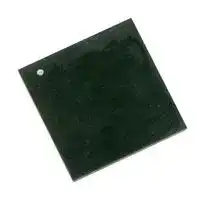


M2S005-1FGG484
FPGA, SmartFusion2 SoC, PLL, 166 MHz, 1.14 V to 1.26 V, FPBGA-484
- Manufacturer: MICROCHIP
- Product type: FPGAs
- MSL: MSL 3 - 168 hours
- SVHC: No SVHC (04-Feb-2026)
- FPGA Type: Flash based FPGA
- FPGA Family: SmartFusion2 SoC
- IC Mounting: Surface Mount
- No. of Pins: 484Pins
- Speed Grade: 1
- No. of I/O's: 209I/O's
- Product Range: SmartFusion2 SoC M2S005
- Qualification: -
- Total RAM Bits: 191Kbit
- No.of User I/Os: 209I/O's
- Clock Management: PLL
- Logic Case Style: FPBGA
- IC Case / Package: FPBGA
- I/O Supply Voltage: 3.3V
- No. of Logic Cells: -
- Process Technology: 65nm
- No. of Speed Grades: 1
- Core Supply Voltage Max: 1.26V
- Core Supply Voltage Min: 1.14V
- Operating Frequency Max: 166MHz
- Operating Temperature Max: 85°C
- Operating Temperature Min: 0°C
| Delivery and price | |
|---|---|
| Units per pack | 25 |
| Price | 16.88 € |
| Current stock | 50+ |
| Lead time | 30 days |

# **PB0115 Product Brief SmartFusion2 SoC FPGA** **Microsemi Corporate Headquarters** One Enterprise, Aliso Viejo, CA 92656 USA Within the USA: +1 (800) 713-4113 Outside the USA: +1 (949) 380-6100 Fax: +1 (949) 215-4996 Email: sales.support@microsemi.com www.microsemi.com © 2016 Microsemi Corporation. All rights reserved. Microsemi and the Microsemi logo are trademarks of Microsemi Corporation. All other trademarks and service marks are the property of their respective owners. Microsemi makes no warranty, representation, or guarantee regarding the information contained herein or the suitability of its products and services for any particular purpose, nor does Microsemi assume any liability whatsoever arising out of the application or use of any product or circuit. The products sold hereunder and any other products sold by Microsemi have been subject to limited testing and should not be used in conjunction with mission-critical equipment or applications. Any performance specifications are believed to be reliable but are not verified, and Buyer must conduct and complete all performance and other testing of the products, alone and together with, or installed in, any end-products. Buyer shall not rely on any data and performance specifications or parameters provided by Microsemi. It is the Buyer's responsibility to independently determine suitability of any products and to test and verify the same. The information provided by Microsemi hereunder is provided “as is, where is” and with all faults, and the entire risk associated with such information is entirely with the Buyer. Microsemi does not grant, explicitly or implicitly, to any party any patent rights, licenses, or any other IP rights, whether with regard to such information itself or anything described by such information. Information provided in this document is proprietary to Microsemi, and Microsemi reserves the right to make any changes to the information in this document or to any products and services at any time without notice. ## **About Microsemi** Microsemi Corporation (Nasdaq: MSCC) offers a comprehensive portfolio of semiconductor and system solutions for aerospace & defense, communications, data center and industrial markets. Products include high-performance and radiation-hardened analog mixed-signal integrated circuits, FPGAs, SoCs and ASICs; power management products; timing and synchronization devices and precise time solutions, setting the world's standard for time; voice processing devices; RF solutions; discrete components; enterprise storage and communication solutions, security technologies and scalable anti-tamper products; Ethernet solutions; Power-over-Ethernet ICs and midspans; as well as custom design capabilities and services. Microsemi is headquartered in Aliso Viejo, California, and has approximately 4,800 employees globally. Learn more at www.microsemi.com. 51700115. 25.0 11/16 ## **Contents** |1|Revision History . . . . . . . . . . . . . . . . . . . . . . . . . . . . . . . . . . . . . . . . . . . . . . . . . . . . . 1|Revision History . . . . . . . . . . . . . . . . . . . . . . . . . . . . . . . . . . . . . . . . . . . . . . . . . . . . . 1|Revision History . . . . . . . . . . . . . . . . . . . . . . . . . . . . . . . . . . . . . . . . . . . . . . . . . . . . . 1| |---|---|---|---| ||1.1|Revision 25.0 . . . . . . . . . . . . . . . . . . . . . . . . . . . . . . . . . . . . . . . . . . . . . . . . . . . . . . . . . . . . . . . . . . . . . . 1|Revision 25.0 . . . . . . . . . . . . . . . . . . . . . . . . . . . . . . . . . . . . . . . . . . . . . . . . . . . . . . . . . . . . . . . . . . . . . . 1| ||1.2|Revision 24.0 . . . . . . . . . . . . . . . . . . . . . . . . . . . . . . . . . . . . . . . . . . . . . . . . . . . . . . . . . . . . . . . . . . . . . . 1|Revision 24.0 . . . . . . . . . . . . . . . . . . . . . . . . . . . . . . . . . . . . . . . . . . . . . . . . . . . . . . . . . . . . . . . . . . . . . . 1| ||1.3|Revision 23.0 . . . . . . . . . . . . . . . . . . . . . . . . . . . . . . . . . . . . . . . . . . . . . . . . . . . . . . . . . . . . . . . . . . . . . . 1|Revision 23.0 . . . . . . . . . . . . . . . . . . . . . . . . . . . . . . . . . . . . . . . . . . . . . . . . . . . . . . . . . . . . . . . . . . . . . . 1| ||1.4|Revision 22.0 . . . . . . . . . . . . . . . . . . . . . . . . . . . . . . . . . . . . . . . . . . . . . . . . . . . . . . . . . . . . . . . . . . . . . . 1|Revision 22.0 . . . . . . . . . . . . . . . . . . . . . . . . . . . . . . . . . . . . . . . . . . . . . . . . . . . . . . . . . . . . . . . . . . . . . . 1| ||1.5|Revision 21.0 . . . . . . . . . . . . . . . . . . . . . . . . . . . . . . . . . . . . . . . . . . . . . . . . . . . . . . . . . . . . . . . . . . . . . . 1|Revision 21.0 . . . . . . . . . . . . . . . . . . . . . . . . . . . . . . . . . . . . . . . . . . . . . . . . . . . . . . . . . . . . . . . . . . . . . . 1| ||1.6|Revision 20.0 . . . . . . . . . . . . . . . . . . . . . . . . . . . . . . . . . . . . . . . . . . . . . . . . . . . . . . . . . . . . . . . . . . . . . . 1|Revision 20.0 . . . . . . . . . . . . . . . . . . . . . . . . . . . . . . . . . . . . . . . . . . . . . . . . . . . . . . . . . . . . . . . . . . . . . . 1| ||1.7|Revision 19.0 . . . . . . . . . . . . . . . . . . . . . . . . . . . . . . . . . . . . . . . . . . . . . . . . . . . . . . . . . . . . . . . . . . . . . . 1|Revision 19.0 . . . . . . . . . . . . . . . . . . . . . . . . . . . . . . . . . . . . . . . . . . . . . . . . . . . . . . . . . . . . . . . . . . . . . . 1| ||1.8|Revision 18.0 . . . . . . . . . . . . . . . . . . . . . . . . . . . . . . . . . . . . . . . . . . . . . . . . . . . . . . . . . . . . . . . . . . . . . . 2|Revision 18.0 . . . . . . . . . . . . . . . . . . . . . . . . . . . . . . . . . . . . . . . . . . . . . . . . . . . . . . . . . . . . . . . . . . . . . . 2| ||1.9|Revision 17.0 . . . . . . . . . . . . . . . . . . . . . . . . . . . . . . . . . . . . . . . . . . . . . . . . . . . . . . . . . . . . . . . . . . . . . . 2|Revision 17.0 . . . . . . . . . . . . . . . . . . . . . . . . . . . . . . . . . . . . . . . . . . . . . . . . . . . . . . . . . . . . . . . . . . . . . . 2| ||1.10|Revision 16.0 . . . . . . . . . . . . . . . . . . . . . . . . . . . . . . . . . . . . . . . . . . . . . . . . . . . . . . . . . . . . . . . . . . . . . . 2|Revision 16.0 . . . . . . . . . . . . . . . . . . . . . . . . . . . . . . . . . . . . . . . . . . . . . . . . . . . . . . . . . . . . . . . . . . . . . . 2| ||1.11|Revision 15.0 . . . . . . . . . . . . . . . . . . . . . . . . . . . . . . . . . . . . . . . . . . . . . . . . . . . . . . . . . . . . . . . . . . . . . . 2|Revision 15.0 . . . . . . . . . . . . . . . . . . . . . . . . . . . . . . . . . . . . . . . . . . . . . . . . . . . . . . . . . . . . . . . . . . . . . . 2| ||1.12|Revision 14.0 . . . . . . . . . . . . . . . . . . . . . . . . . . . . . . . . . . . . . . . . . . . . . . . . . . . . . . . . . . . . . . . . . . . . . . 2|Revision 14.0 . . . . . . . . . . . . . . . . . . . . . . . . . . . . . . . . . . . . . . . . . . . . . . . . . . . . . . . . . . . . . . . . . . . . . . 2| ||1.13|Revision 13.0 . . . . . . . . . . . . . . . . . . . . . . . . . . . . . . . . . . . . . . . . . . . . . . . . . . . . . . . . . . . . . . . . . . . . . . 2|Revision 13.0 . . . . . . . . . . . . . . . . . . . . . . . . . . . . . . . . . . . . . . . . . . . . . . . . . . . . . . . . . . . . . . . . . . . . . . 2| ||1.14|Revision 12.0 . . . . . . . . . . . . . . . . . . . . . . . . . . . . . . . . . . . . . . . . . . . . . . . . . . . . . . . . . . . . . . . . . . . . . . 2|Revision 12.0 . . . . . . . . . . . . . . . . . . . . . . . . . . . . . . . . . . . . . . . . . . . . . . . . . . . . . . . . . . . . . . . . . . . . . . 2| ||1.15|Revision 11.0 . . . . . . . . . . . . . . . . . . . . . . . . . . . . . . . . . . . . . . . . . . . . . . . . . . . . . . . . . . . . . . . . . . . . . . 2|Revision 11.0 . . . . . . . . . . . . . . . . . . . . . . . . . . . . . . . . . . . . . . . . . . . . . . . . . . . . . . . . . . . . . . . . . . . . . . 2| ||1.16|Revision 10.0 . . . . . . . . . . . . . . . . . . . . . . . . . . . . . . . . . . . . . . . . . . . . . . . . . . . . . . . . . . . . . . . . . . . . . . 2|Revision 10.0 . . . . . . . . . . . . . . . . . . . . . . . . . . . . . . . . . . . . . . . . . . . . . . . . . . . . . . . . . . . . . . . . . . . . . . 2| ||1.17|Revision 9.0 . . . . . . . . . . . . . . . . . . . . . . . . . . . . . . . . . . . . . . . . . . . . . . . . . . . . . . . . . . . . . . . . . . . . . . . 3|Revision 9.0 . . . . . . . . . . . . . . . . . . . . . . . . . . . . . . . . . . . . . . . . . . . . . . . . . . . . . . . . . . . . . . . . . . . . . . . 3| ||1.18|Revision 8.0 . . . . . . . . . . . . . . . . . . . . . . . . . . . . . . . . . . . . . . . . . . . . . . . . . . . . . . . . . . . . . . . . . . . . . . . 3|Revision 8.0 . . . . . . . . . . . . . . . . . . . . . . . . . . . . . . . . . . . . . . . . . . . . . . . . . . . . . . . . . . . . . . . . . . . . . . . 3| ||1.19|Revision 7.0 . . . . . . . . . . . . . . . . . . . . . . . . . . . . . . . . . . . . . . . . . . . . . . . . . . . . . . . . . . . . . . . . . . . . . . . 3|Revision 7.0 . . . . . . . . . . . . . . . . . . . . . . . . . . . . . . . . . . . . . . . . . . . . . . . . . . . . . . . . . . . . . . . . . . . . . . . 3| ||1.20|Revision 6.0 . . . . . . . . . . . . . . . . . . . . . . . . . . . . . . . . . . . . . . . . . . . . . . . . . . . . . . . . . . . . . . . . . . . . . . . 3|Revision 6.0 . . . . . . . . . . . . . . . . . . . . . . . . . . . . . . . . . . . . . . . . . . . . . . . . . . . . . . . . . . . . . . . . . . . . . . . 3| ||1.21|Revision 5.0 . . . . . . . . . . . . . . . . . . . . . . . . . . . . . . . . . . . . . . . . . . . . . . . . . . . . . . . . . . . . . . . . . . . . . . . 3|Revision 5.0 . . . . . . . . . . . . . . . . . . . . . . . . . . . . . . . . . . . . . . . . . . . . . . . . . . . . . . . . . . . . . . . . . . . . . . . 3| ||1.22|Revision 4.0 . . . . . . . . . . . . . . . . . . . . . . . . . . . . . . . . . . . . . . . . . . . . . . . . . . . . . . . . . . . . . . . . . . . . . . . 3|Revision 4.0 . . . . . . . . . . . . . . . . . . . . . . . . . . . . . . . . . . . . . . . . . . . . . . . . . . . . . . . . . . . . . . . . . . . . . . . 3| ||1.23|Revision 3.0 . . . . . . . . . . . . . . . . . . . . . . . . . . . . . . . . . . . . . . . . . . . . . . . . . . . . . . . . . . . . . . . . . . . . . . . 4|Revision 3.0 . . . . . . . . . . . . . . . . . . . . . . . . . . . . . . . . . . . . . . . . . . . . . . . . . . . . . . . . . . . . . . . . . . . . . . . 4| ||1.24|Revision 2.0 . . . . . . . . . . . . . . . . . . . . . . . . . . . . . . . . . . . . . . . . . . . . . . . . . . . . . . . . . . . . . . . . . . . . . . . 4|Revision 2.0 . . . . . . . . . . . . . . . . . . . . . . . . . . . . . . . . . . . . . . . . . . . . . . . . . . . . . . . . . . . . . . . . . . . . . . . 4| ||1.25|Revision 1.0 . . . . . . . . . . . . . . . . . . . . . . . . . . . . . . . . . . . . . . . . . . . . . . . . . . . . . . . . . . . . . . . . . . . . . . . 4|Revision 1.0 . . . . . . . . . . . . . . . . . . . . . . . . . . . . . . . . . . . . . . . . . . . . . . . . . . . . . . . . . . . . . . . . . . . . . . . 4| |2|SmartFusion2 SoC FPGAs Product Brief . . . . . . . . . . . . . . . . . . . . . . . . . . . . . . . . . 5||| ||2.1|SmartFusion2 SoC FPGA Features . . . . . . . . . . . . . . . . . . . . . . . . . . . . . . . . . . . . . . . . . . . . . . . . . . . . . 5|| |||2.1.1|Reliability . . . . . . . . . . . . . . . . . . . . . . . . . . . . . . . . . . . . . . . . . . . . . . . . . . . . . . . . . . . . . . . . . . 5| |||2.1.2|Security . . . . . . . . . . . . . . . . . . . . . . . . . . . . . . . . . . . . . . . . . . . . . . . . . . . . . . . . . . . . . . . . . . . 5| |||2.1.3|Low Power . . . . . . . . . . . . . . . . . . . . . . . . . . . . . . . . . . . . . . . . . . . . . . . . . . . . . . . . . . . . . . . . 6| |||2.1.4|High-Performance FPGA . . . . . . . . . . . . . . . . . . . . . . . . . . . . . . . . . . . . . . . . . . . . . . . . . . . . . 6| |||2.1.5|Microcontroller Subsystem . . . . . . . . . . . . . . . . . . . . . . . . . . . . . . . . . . . . . . . . . . . . . . . . . . . . 6| |||2.1.6|Clocking Resources . . . . . . . . . . . . . . . . . . . . . . . . . . . . . . . . . . . . . . . . . . . . . . . . . . . . . . . . . . 6| |||2.1.7|High-Speed Serial Interfaces . . . . . . . . . . . . . . . . . . . . . . . . . . . . . . . . . . . . . . . . . . . . . . . . . . . 7| |||2.1.8|High-Speed Memory Interfaces . . . . . . . . . . . . . . . . . . . . . . . . . . . . . . . . . . . . . . . . . . . . . . . . . 7| |||2.1.9|Operating Voltage and I/Os . . . . . . . . . . . . . . . . . . . . . . . . . . . . . . . . . . . . . . . . . . . . . . . . . . . . 7| ||2.2|SmartFusion2 SoC FPGA Block Diagram . . . . . . . . . . . . . . . . . . . . . . . . . . . . . . . . . . . . . . . . . . . . . . . . 8|| ||2.3|I/Os Per Package . . . . . . . . . . . . . . . . . . . . . . . . . . . . . . . . . . . . . . . . . . . . . . . . . . . . . . . . . . . . . . . . . . 10|I/Os Per Package . . . . . . . . . . . . . . . . . . . . . . . . . . . . . . . . . . . . . . . . . . . . . . . . . . . . . . . . . . . . . . . . . . 10| ||2.4|Acronyms . . . . . . . . . . . . . . . . . . . . . . . . . . . . . . . . . . . . . . . . . . . . . . . . . . . . . . . . . . . . . . . . . . . . . . . . 14|| ||2.5|SmartFusion2 Ordering Information . . . . . . . . . . . . . . . . . . . . . . . . . . . . . . . . . . . . . . . . . . . . . . . . . . . . 14|| ||2.6|SmartFusion2 Commercial and Industrial Temperature Grade Devices . . . . . . . . . . . . . . . . . . . . . . . . 15|| |||2.6.1|SmartFusion2 Military Temperature Grade Devices . . . . . . . . . . . . . . . . . . . . . . . . . . . . . . . . 16| ||2.7|SmartFusion2 Device Status . . . . . . . . . . . . . . . . . . . . . . . . . . . . . . . . . . . . . . . . . . . . . . . . . . . . . . . . . 16|| ||2.8|SmartFusion2 Datasheet and Pin Descriptions . . . . . . . . . . . . . . . . . . . . . . . . . . . . . . . . . . . . . . . . . . . 16|| PB0115 Product Brief Revision 25.0 i ||2.9|Marking Specification Details . . . . . . . . . . . . . . . . . . . . . . . . . . . . . . . . . . . . . . . . . . . . . . . . . . . . . . . . . 16|Marking Specification Details . . . . . . . . . . . . . . . . . . . . . . . . . . . . . . . . . . . . . . . . . . . . . . . . . . . . . . . . . 16| |---|---|---|---| |||2.9.1|Description . . . . . . . . . . . . . . . . . . . . . . . . . . . . . . . . . . . . . . . . . . . . . . . . . . . . . . . . . . . . . . . . 17| |3|SmartFusion2 Device Family Overview . . . . . . . . . . . . . . . . . . . . . . . . . . . . . . . . . . 18||| ||3.1|SmartFusion2 Chip Layout . . . . . . . . . . . . . . . . . . . . . . . . . . . . . . . . . . . . . . . . . . . . . . . . . . . . . . . . . . 18|| ||3.2|Reliability . . . . . . . . . . . . . . . . . . . . . . . . . . . . . . . . . . . . . . . . . . . . . . . . . . . . . . . . . . . . . . . . . . . . . . . . 18|| ||3.3|Highest Security Devices . . . . . . . . . . . . . . . . . . . . . . . . . . . . . . . . . . . . . . . . . . . . . . . . . . . . . . . . . . . . 19|Highest Security Devices . . . . . . . . . . . . . . . . . . . . . . . . . . . . . . . . . . . . . . . . . . . . . . . . . . . . . . . . . . . . 19| |||3.3.1|Design Security vs. Data Security . . . . . . . . . . . . . . . . . . . . . . . . . . . . . . . . . . . . . . . . . . . . . . 19| |||3.3.2|Design Security . . . . . . . . . . . . . . . . . . . . . . . . . . . . . . . . . . . . . . . . . . . . . . . . . . . . . . . . . . . 19| |||3.3.3|Data Security . . . . . . . . . . . . . . . . . . . . . . . . . . . . . . . . . . . . . . . . . . . . . . . . . . . . . . . . . . . . . . 20| ||3.4|Low Power . . . . . . . . . . . . . . . . . . . . . . . . . . . . . . . . . . . . . . . . . . . . . . . . . . . . . . . . . . . . . . . . . . . . . . . 21|| ||3.5|High-Performance FPGA Fabric . . . . . . . . . . . . . . . . . . . . . . . . . . . . . . . . . . . . . . . . . . . . . . . . . . . . . . 21|| |||3.5.1|Dual-Port Large SRAM . . . . . . . . . . . . . . . . . . . . . . . . . . . . . . . . . . . . . . . . . . . . . . . . . . . . . . 21| |||3.5.2|Three-Port Micro SRAM . . . . . . . . . . . . . . . . . . . . . . . . . . . . . . . . . . . . . . . . . . . . . . . . . . . . . 21| |||3.5.3|Mathblocks for DSP Applications . . . . . . . . . . . . . . . . . . . . . . . . . . . . . . . . . . . . . . . . . . . . . . 21| ||3.6|Microcontroller Subsystem . . . . . . . . . . . . . . . . . . . . . . . . . . . . . . . . . . . . . . . . . . . . . . . . . . . . . . . . . . 22|| |||3.6.1|ARM Cortex-M3 Processor . . . . . . . . . . . . . . . . . . . . . . . . . . . . . . . . . . . . . . . . . . . . . . . . . . . 22| |||3.6.2|Cache Controller . . . . . . . . . . . . . . . . . . . . . . . . . . . . . . . . . . . . . . . . . . . . . . . . . . . . . . . . . . . 22| |||3.6.3|DDR Bridge . . . . . . . . . . . . . . . . . . . . . . . . . . . . . . . . . . . . . . . . . . . . . . . . . . . . . . . . . . . . . . . 22| |||3.6.4|AHB Bus Matrix . . . . . . . . . . . . . . . . . . . . . . . . . . . . . . . . . . . . . . . . . . . . . . . . . . . . . . . . . . . . 22| |||3.6.5|System Registers . . . . . . . . . . . . . . . . . . . . . . . . . . . . . . . . . . . . . . . . . . . . . . . . . . . . . . . . . . 22| |||3.6.6|Fabric Interface Controller . . . . . . . . . . . . . . . . . . . . . . . . . . . . . . . . . . . . . . . . . . . . . . . . . . . . 23| |||3.6.7|Embedded SRAM . . . . . . . . . . . . . . . . . . . . . . . . . . . . . . . . . . . . . . . . . . . . . . . . . . . . . . . . . . 23| |||3.6.8|Embedded NVM . . . . . . . . . . . . . . . . . . . . . . . . . . . . . . . . . . . . . . . . . . . . . . . . . . . . . . . . . . . 23| |||3.6.9|DMA Engines . . . . . . . . . . . . . . . . . . . . . . . . . . . . . . . . . . . . . . . . . . . . . . . . . . . . . . . . . . . . . . 23| |||3.6.10|APB Configuration Bus . . . . . . . . . . . . . . . . . . . . . . . . . . . . . . . . . . . . . . . . . . . . . . . . . . . . . . 23| |||3.6.11|Peripherals . . . . . . . . . . . . . . . . . . . . . . . . . . . . . . . . . . . . . . . . . . . . . . . . . . . . . . . . . . . . . . . 23| ||3.7|Clock Sources: On-Chip Oscillators, PLLs, and CCCs . . . . . . . . . . . . . . . . . . . . . . . . . . . . . . . . . . . . . 25|| ||3.8|High-Speed Serial Interfaces . . . . . . . . . . . . . . . . . . . . . . . . . . . . . . . . . . . . . . . . . . . . . . . . . . . . . . . . . 25|| |||3.8.1|SerDes Interface . . . . . . . . . . . . . . . . . . . . . . . . . . . . . . . . . . . . . . . . . . . . . . . . . . . . . . . . . . . 25| |||3.8.2|PCI Express . . . . . . . . . . . . . . . . . . . . . . . . . . . . . . . . . . . . . . . . . . . . . . . . . . . . . . . . . . . . . . . 25| |||3.8.3|XAUI/XGXS Extension . . . . . . . . . . . . . . . . . . . . . . . . . . . . . . . . . . . . . . . . . . . . . . . . . . . . . . 25| ||3.9|High-Speed Memory Interfaces: DDRx Memory Controllers . . . . . . . . . . . . . . . . . . . . . . . . . . . . . . . . 25|| |||3.9.1|MDDR Subsystem . . . . . . . . . . . . . . . . . . . . . . . . . . . . . . . . . . . . . . . . . . . . . . . . . . . . . . . . . . 26| |||3.9.2|FDDR Subsystem . . . . . . . . . . . . . . . . . . . . . . . . . . . . . . . . . . . . . . . . . . . . . . . . . . . . . . . . . . 26| ||3.10|SmartFusion2 Development Tools . . . . . . . . . . . . . . . . . . . . . . . . . . . . . . . . . . . . . . . . . . . . . . . . . . . . . 26|| |||3.10.1|Design Software . . . . . . . . . . . . . . . . . . . . . . . . . . . . . . . . . . . . . . . . . . . . . . . . . . . . . . . . . . . 26| |||3.10.2|Design Hardware . . . . . . . . . . . . . . . . . . . . . . . . . . . . . . . . . . . . . . . . . . . . . . . . . . . . . . . . . . . 27| |||3.10.3|IP Cores . . . . . . . . . . . . . . . . . . . . . . . . . . . . . . . . . . . . . . . . . . . . . . . . . . . . . . . . . . . . . . . . . 28| PB0115 Product Brief Revision 25.0 ii ## **Tables** |Table 1|Table 1|SmartFusion2 SoC FPGA Product Family . . . . . . . . . . . . . . . . . . . . . . . . . . . . . . . . . . . . . . . . . . . . 9| |---|---|---| |Table 2|Table 2|Package Options . . . . . . . . . . . . . . . . . . . . . . . . . . . . . . . . . . . . . . . . . . . . . . . . . . . . . . . . . . . . . . 10| |Table 3|Table 3|I/Os per Package . . . . . . . . . . . . . . . . . . . . . . . . . . . . . . . . . . . . . . . . . . . . . . . . . . . . . . . . . . . . . . 10| |Table 4|Table 4|Features per Device/Package Combination . . . . . . . . . . . . . . . . . . . . . . . . . . . . . . . . . . . . . . . . . . 11| |Table 5|Table 5|Available Programming Interfaces . . . . . . . . . . . . . . . . . . . . . . . . . . . . . . . . . . . . . . . . . . . . . . . . . 12| |Table 6|Table 6|Chip Resources Needed for Programming Modes . . . . . . . . . . . . . . . . . . . . . . . . . . . . . . . . . . . . . 13| |Table 7|Table 7|SmartFusion2 Devices without Data Security (All Speed Grades, C, and I Temperature) . . . . . . . 15| |Table 8|Table 8|SmartFusion2 Data Security S Devices (All Speed Grades, C, and I Temperature) . . . . . . . . . . . 15| |Table 9|Table 9|Design Security Features . . . . . . . . . . . . . . . . . . . . . . . . . . . . . . . . . . . . . . . . . . . . . . . . . . . . . . . . 19| |Table 10|Table 10|Data Security Features . . . . . . . . . . . . . . . . . . . . . . . . . . . . . . . . . . . . . . . . . . . . . . . . . . . . . . . . . . 20| |Table 11|Table 11|SmartFusion2 Kits . . . . . . . . . . . . . . . . . . . . . . . . . . . . . . . . . . . . . . . . . . . . . . . . . . . . . . . . . . . . . 27| PB0115 Product Brief Revision 25.0 iii ## **Figures** |Figure 1|Figure 1|SmartFusion2 Block Diagram . . . . . . . . . . . . . . . . . . . . . . . . . . . . . . . . . . . . . . . . . . . . . . . . . . . . . . 8| |---|---|---| |Figure 2|Figure 2|M2S050 Ordering Information . . . . . . . . . . . . . . . . . . . . . . . . . . . . . . . . . . . . . . . . . . . . . . . . . . . . 14| |Figure 3|Figure 3|SmartFusion2 Chip Layout . . . . . . . . . . . . . . . . . . . . . . . . . . . . . . . . . . . . . . . . . . . . . . . . . . . . . . . 18| PB0115 Product Brief Revision 25.0 iv Revision History ## **1 Revision History** The revision history describes the changes that were implemented in the document. The changes are listed by revision, starting with the most current publication. ## **1.1 Revision 25.0** Name change from native SerDes interface to native EPCS SerDes interface in the High-Speed Serial Interfaces, page 25 was updated in revision 25.0. ## **1.2** ## **Revision 24.0** Following was a summary of changes made in revision 24.0: - Updated Table 1, page 9 for Automotive grade 2 (SAR 80232). - Added a note on Automotive grade 2 in the I/Os Per Package, page 10 (SAR 80232) - Added Automotive grade 2 information in the SmartFusion2 Ordering Information, page 14 (SAR 80232) ## **1.3** ## **Revision 23.0** Updated Table 1, page 9 with more footnotes. (SAR 66079, SAR 77444, and SAR 73335). ## **1.4** ## **Revision 22.0** Following was a summary of changes made in revision 22.0: - Updated Table 1, page 9 (SAR 71992). - Updated Marking Specification Details, page 16 (SAR 71992). - Updated Low Power, page 21 (SAR 71992). - Updated Table 11, page 27 (SAR 71992). ## **1.5** ## **Revision 21.0** Following was a summary of changes made in revision 21.0: - Updated Table 3, page 10 - Added Table 6, page 13, Table 7, page 15, Table 8, page 15 - Updated Marking Specification Details, page 16 - Updated Table 11, page 27 ## **1.6** ## **Revision 20.0** Following was a summary of changes made in revision 20.0: - Updated Table 1, page 9, Table 3, page 10, Table 4, page 11, Table 5, page 12, and Table 10, page 20 - Updated SmartFusion2 Ordering Information, page 14 - Updated Marking Specification Details, page 16 - Updated Table 9, page 19, Table , page 20 - Updated SmartFusion2 Development Tools, page 26 ## **1.7 Revision 19.0** Following was a summary of changes made in revision 19.0: - Updated Table 1, page 9, Table 3, page 10, Table 4, page 11, Table 5, page 12, and Table 10, page 20 - Removed all instances of and references to M2S100. VQ144 is replaced with TQ144 (SAR 62858). - • Updated SmartFusion2 Ordering Information, page 14 - Updated Table 9, page 19 and Table 10, page 20 PB0115 Product Brief Revision 25.0 1 Revision History - Updated Table 11, page 27 ## **1.8 Revision 18.0** Following was a summary of changes made in revision 18.0: - Ordering information added to Table 2, page 10 and Table 3, page 10 for the M2S090(T) device in the FCS/FCSG325 package. - Trademark changed to the Register mark for ARM Cortex-M3. ## **1.9 Revision 17.0** Updated Device Packages 005-VF256 and 150-FCS536 in Table 2, page 10 and Table 5, page 12. ## **1.10 Revision 16.0** Updated Table 3, page 10, Table 4, page 11, and Table 5, page 12. ## **1.11 Revision 15.0** Following was a summary of changes made in revision 15.0: - Table 1, page 9 to Table 10, page 20 and SmartFusion2 Ordering Information, page 14 were updated with Military device data. - Table 10, page 20 and the Marking Specification Details, page 16 were added. ## **1.12** ## **Revision 14.0** Following was a summary of changes made in revision 14.0: - Tables 3-6 were combined into Table 4, page 11. - Fabric Interface Controller features were added to Table 1, page 9. - Packages VQ144 and FCV484 were added to Table 2, page 10 and Table 4, page 11. ## **1.13 Revision 13.0** Following was a summary of changes made in revision 13.0: - Data Security Feature sections and Device Status table were removed. - Figure 1, page 8 was updated. ## **1.14** ## **Revision 12.0** Following was a summary of changes made in revision 12.0: - Packages FCS325 and VF256 were added to Table 2, page 10. - SmartFusion2 Ordering Information, page 14 was updated. - Typo fixed on Figure 1, page 8. ## **1.15 Revision 11.0** Following was a summary of changes made in revision 11.0: - LSRAM x32/36 widths added. In Table 1, page 9, notes are added referring to updates in Table 3, page 10 –Table 5, page 12 and Table 6. - SmartFusion2 Ordering Information, page 14 was updated. Part Numbers (tables 7 and 8) were removed. SmartFusion2 Device Status, page 16 was updated. - M2S090-FG676 and M2S005-VF400 package pinouts finalized. ## **1.16 Revision 10.0** M2S005-FG484 package pinout I/O count finalized. Typos were corrected. PB0115 Product Brief Revision 25.0 2 Revision History ## **1.17 Revision 9.0** Following was a summary of changes made in revision 9.0: - A note regarding total logic was added to Table 1, page 9. - Design Security Features, page 19 and Data Security Features, page 20 were added to show the security features supported. ## **1.18 Revision 8.0** Following was a summary of changes made in revision 8.0: - Figure 1, page 8 was revised to clarify the connections between the Cortex-M3 processor and cache (SAR 45967). - I/O counts were updated in Table 1, page 9 (SAR 46000). - I/O counts and devices were updated. The FG676 package was added to Table 3, page 10 (SAR 46000). - Features per Device/Package Combination was divided into four new tables, Table 3 through Table 6 to accommodate new features for package/device combinations for the FG676 package, for T and non-T devices (SAR 46000). - The status for M2S050T was changed from Advance to Preliminary in the SmartFusion2 Device Status, page 16 (SAR 46967). ## **1.19 Revision 7.0** Following was a summary of changes made in revision 7.0: - The SmartFusion2 product brief has been separated from the rest of the SmartFusion2 datasheet. The SmartFusion2 Development Tools, page 26 has been updated and is now part of the product brief (SAR 45184). - The M2S090 device is new. The product family tables and ordering information have been updated (SAR 45127). ## **1.20 Revision 6.0** The number of PLLs and CCCs for MS2025 was corrected from 4 to 6 (SAR 44480). ## **1.21 Revision 5.0** Following was a summary of changes made in revision 5.0: - Table 1, page 9 and Table 3, page 10 were revised to correct I/O counts for M2S005/M2S025 and the VF400 and FG484 packages (SAR 42618). - Junction temperature for military, industrial, and commercial SmartFusion2 SoC FPGAs was added to the Reliability section. In the Operating Voltage and I/Os section, market leading number of user I/Os with 5G SerDes was added to the (SAR 42618). LVTTL/LVCMOS 3.3 V was qualified as MSIO only and DDR was removed from the list under DDRIOs (SAR 44652). - Table 4, page 11 is new (SARs 42618, 44414). - RMII was removed from as a supported PHY interface in the Triple Speed Ethernet MAC, page 23 (SAR 42618). ## **1.22 Revision 4.0** Following was a summary of changes made in revision 4.0: - The SmartFusion2 Ordering Information, page 14 was revised to add Pre-Production as a temperature range. Ambient temperature was corrected to junction temperature in the defined temperature ranges. Speed grades were defined. Table 8 SmartFusion2 Valid Lead-Free Part Numbers for Devices with Design Security is new (SAR 43648). - The maximum payload size for PCIe was corrected from 256 bytes to up to 2 kbytes. (SAR 42215). - More information was included on SDRAM Support in the High-Speed Memory Interfaces, page 7 (SAR 42594). PB0115 Product Brief Revision 25.0 3 Revision History - The phrase, with 16-bit PIPE interface (Gen1/Gen2), was removed from the PCIe bullet in the High-Speed Serial Interfaces, page 25 (SAR 43851). - In Table 1, page 9, PCIe Endpoint x4 was corrected to PCIe Endpoint ×1, ×2, ×4 (SAR 43851). - The number of I/Os for M2S025 in the FG484 package was corrected from 267 to 289 in Table 2, page 10 and Table 3, page 10 (SAR 42618). - The Y security designator was removed from SmartFusion2 Ordering Information (SAR 42231). - The SGMII PHY Interface, page 24 was revised to change from allocating one of the high-speed serial channels to SGMII and by implementing custom logic in the fabric to allocating one of the high-speed serial channels to and utilizing the CoreTBI soft IP block (SAR 43851). - The PCI Express, page 25 was corrected to state the SmartFusion2 family has up to four high-speed serial interface blocks rather than two. The following bullets were removed (SAR 43851): - Intel’s PIPE interface (8-bit/16-bit) to interface between the PHY MAC and PHY (SerDes) - • Fully compliant PHY PCS sub-layer (125/250 MHz) - Support for SDRAM memories was removed from the High-Speed Memory Interfaces: DDRx Memory Controllers , page 25 (SAR 42594). The text was corrected to state there are up to three, rather than two, DDR subsystems (SAR 43851). - The MDDR Subsystem, page 26 was revised to explain that support for 3.3 V Single Data Rate DRAMs (SDRAM) can be obtained by using the SMC_FIC interface (SAR 42594). - The FDDR Subsystem, page 26 was revised to remove the statement that the APB configuration bus can be mastered by the MSS directly (SAR 42594). - The SmartFusion2 Development Tools, page 26chapter was revised to indicate that Libero SoC includes SoftConsole (GNU/Eclipse) (SAR 41972). ## **1.23 Revision 3.0** Following was a summary of changes made in revision 3.0: - Figure 1, page 8 was updated. - Table 7, page 15 was added. ## **1.24 Revision 2.0** Information was updated based on ongoing development of specifications. ## **1.25 Revision 1.0** Information was reorganized and updated based on ongoing development of specifications. PB0115 Product Brief Revision 25.0 4 SmartFusion2 SoC FPGAs Product Brief ## **2 SmartFusion2 SoC FPGAs Product Brief** Microsemi SmartFusion[®] 2 SoC FPGAs integrate the fourth generation flash-based FPGA fabric, an ARM Cortex-M3 processor, and high-performance communications interfaces on a single chip. The SmartFusion2 family is the industry’s lowest power, most reliable, and highest security programmable logic solution. SmartFusion2 FPGAs offer up to 3.6X the gate density, up to 2X the performance of previous flash-based FPGA families, and also include multiple memory blocks and multiply accumulate blocks for DSP processing. The 166 MHz ARM Cortex-M3 processor is enhanced with an embedded trace macrocell (ETM), memory protection unit (MPU), 8 Kbyte instruction cache, and additional peripherals, including controller area network (CAN), Gigabit Ethernet, and high-speed universal serial bus (USB). High-speed serial interfaces include PCI Express (PCIe), 10 Gbps attachment unit interface (XAUI) / XGMII extended sublayer (XGXS) plus native serialization/deserialization (SerDes) communication, while DDR2/DDR3 memory controllers provide high-speed memory interfaces. ## **2.1 SmartFusion2 SoC FPGA Features** ## **2.1.1 Reliability** - Single event upset (SEU) immune - Zero FIT FPGA configuration cells - Junction temperature - 125 °C—military temperature - 100 °C—industrial temperature - 85 °C—commercial temperature - 125 °C—automotive - Single error correct double error detect (SECDED) protection on the following: - Ethernet buffers - CAN message buffers - Cortex-M3 embedded scratch pad memory (eSRAMs) - • USB buffers - PCIe buffer - DDR memory controllers with optional SECDED modes - Buffers implemented with SEU resistant latches on the following: - DDR bridges (MSS, MDDR, and FDDR) - Instruction cache - MMUART FIFOs - SPI FIFOs - NVM integrity check at power-up and on-demand - No external configuration memory required—instant-on, retains configuration when powered off ## **2.1.2 Security** - Design security features (available on all devices) - Intellectual property (IP) protection through unique security features and use models new to the PLD industry - Encrypted user key and bitstream loading, enabling programming in less-trusted locations - • Supply-chain assurance device certificate - Enhanced anti-tamper features - Zeroization - Data security features - Non-deterministic random bit generator (NRBG) - User cryptographic services (AES-256, SHA-256, and elliptical curve cryptographic (ECC) engine) PB0115 Product Brief Revision 25.0 5 SmartFusion2 SoC FPGAs Product Brief - User physically unclonable function (PUF) key enrollment and regeneration - CRI pass-through DPA patent portfolio license - Hardware firewalls protecting microcontroller subsystem (MSS) memories ## **2.1.3** ## **Low Power** - Low static and dynamic power - Flash*Freeze (F*F) mode for fabric - Power as low as 13 mW/Gbps per lane for SerDes devices - Up to 50% lower total power than competing SoC devices ## **2.1.4** ## **High-Performance FPGA** - Efficient 4-input look-up tables (LUTs) with carry chains for high-performance and low power - • Up to 236 blocks of dual-port 18 Kbit SRAM (Large SRAM) with 400 MHz synchronous performance (512 x 36, 512 x 32, 1 kbit x 18, 1 kbit x 16, 2 kbit x 9, 2 kbit x 8, 4 kbit x 4, 8 kbit x 2, or 16 kbit x 1) - Up to 240 blocks of three-port 1 Kbit SRAM with 2 read ports and 1 write port (micro SRAM) - • High-performance DSP signal processing - Up to 240 fast mathblocks with 18 x 18 signed multiplication, 17 x 17 unsigned multiplication and 44-bit accumulator ## **2.1.5** ## **Microcontroller Subsystem** - Hard 166 MHz 32-Bit ARM Cortex-M3 processor - 1.25 DMIPS/MHz - 8 Kbyte instruction cache - Embedded trace macrocell (ETM) - Memory protection unit (MPU) - Single cycle multiplication, hardware divide - JTAG debug (4 wires), serial wire debug (SWD, 2 wires), and serial wire viewer (SWV) interfaces - 64 KB embedded SRAM (eSRAM) - Up to 512 KB embedded nonvolatile memory (eNVM) - Triple speed Ethernet (TSE) 10/100/1000 Mbps MAC - USB 2.0 high speed on-the-go (OTG) controller with ULPI interface - CAN controller, 2.0B compliant, conforms to ISO11898-1, 32 transmit and 32 receive buffers - Two each: SPI, I[2] C, and multi-mode UARTs (MMUART) peripherals - Hardware based watchdog timer - One general purpose 64-bit (or two 32-bit) timer(s) - Real-time calendar/counter (RTC) - DDR bridge (4 port data R/W buffering bridge to DDR memory) with 64-bit AXI interface - Non-blocking, multi-layer AHB bus matrix allowing multi-master scheme supporting 10 masters and 7 slaves - Two AHB-Lite/APB3 interfaces to FPGA fabric (master/slave capable) - Two DMA controllers to offload data transactions from the Cortex-M3 processor - 8-channel peripheral DMA (PDMA) for data transfer between MSS peripherals and memory - High-performance DMA (HPDMA) for data transfer between eSRAM and DDR memories ## **2.1.6 Clocking Resources** - Clock sources - Up to two high precision 32 KHz to 20 MHz main crystal oscillator - 1 MHz embedded RC oscillator - 50 MHz embedded RC oscillator - Up to 8 clock conditioning circuits (CCCs) with up to 8 integrated analog PLLs - Output clock with 8 output phases and 45° phase difference (multiply/divide, and delay capabilities) - Frequency: input 1 MHz to 200 MHz, output 20 MHz to 400 MHz PB0115 Product Brief Revision 25.0 6 SmartFusion2 SoC FPGAs Product Brief ## **2.1.7 High-Speed Serial Interfaces** - Up to 16 SerDes lanes, each supporting - XGXS/XAUI extension (to implement a 10 Gbps (XGMII) Ethernet PHY interface) - Native EPCS SerDes interface facilitates implementation of serial rapidIO (SRIO) in fabric or an SGMII interface to the Ethernet MAC in MSS - PCI express (PCIe) endpoint controller - ×1, ×2, and ×4 lane PCI express core - Up to 2 Kbytes maximum payload size - 64-Bit/32-Bit AXI and 64-Bit/32-Bit AHB master and slave interfaces to the application layer ## **2.1.8 High-Speed Memory Interfaces** - Up to 2 high-speed DDRx memory controllers - MSS DDR (MDDR) and fabric DDR (FDDR) controllers - Supports LPDDR/DDR2/DDR3 - Maximum 333 MHz DDR clock rate - SECDED enable/disable feature - Supports various DRAM bus width modes, ×8, ×9, ×16, ×18, ×32, ×36 - Supports command reordering to optimize memory efficiency - Supports data reordering, returning critical word first for each command - SDRAM support through the SMC_FIC and additional soft SDRAM memory controller ## **2.1.9 Operating Voltage and I/Os** - 1.2 V core voltage - Multi-standard user I/Os (MSIO/MSIOD) - LVTTL/LVCMOS 3.3 V (MSIO Only) - LVCMOS 1.2 V, 1.5 V, 1.8 V, 2.5 V - DDR (SSTL2_1, SSTL2_2) - LVDS, MLVDS, Mini-LVDS, RSDS differential standards - PCI - LVPECL (receiver only) - DDR I/Os (DDRIO) - DDR2, DDR3, LPDDR, SSTL2, SSTL18, HSTL - LVCMOS 1.2 V, 1.5 V, 1.8 V, 2.5 V - Market leading number of user I/Os with 5G SerDes PB0115 Product Brief Revision 25.0 7 SmartFusion2 SoC FPGAs Product Brief ## **2.2 SmartFusion2 SoC FPGA Block Diagram** The following figure shows the various available blocks in SmartFusion2 such as MSS, system controller, FPGA fabric LEs, and user I/Os. ## _**Figure 1 •**_ **SmartFusion2 Block Diagram** PB0115 Product Brief Revision 25.0 8 SmartFusion2 SoC FPGAs Product Brief The following table lists features and devices that are supported in the SmartFusion2 SoC FPGA family. _**Table 1 •**_ **SmartFusion2 SoC FPGA Product Family[1][, ][2]** |||**M2S005**|**M2S010**|**M2S025**|**M2S050**|**M2S060**|**M2S090**|**M2S150**| |---|---|---|---|---|---|---|---|---| |**Peripherals **|**Features**|**(S)**|**(S/T/TS)**|**(T/TS)**|**(T/TS)**|**(T/TS)**|**(T/TS)**|**(T/TS)**| |Logic/DSP|Maximum Logic|6,060|12,084|27,696|56,340|56,520|86,184|146,124| ||Elements|||||||| ||(4 LUT + DFF)3|||||||| ||Mathblocks|11|22|34|72|72|84|240| ||(18 × 18)|||||||| ||Fabric Interface|1|1|1|2|1|1|2| ||Controllers|||||||| ||PLLs and CCCs|2|2|6|6|6|6|8| ||Data Security|AES256,|AES256,|AES256,|AES256,|AES256,|AES256,|AES256,| |||SHA256,|SHA256,|SHA256,|SHA256,|SHA256,|SHA256,|SHA256,| |||and RNG|and RNG|and RNG|and RNG|RNG,|RNG,|RNG,| |||||||ECC, and|ECC, and|ECC, and| |||||||PUF|PUF|PUF| |MSS|Cortex-M3 +|Yes|Yes|Yes|Yes|Yes|Yes|Yes| ||Instruction Cache|||||||| ||eNVM (K Bytes)|128|256|256|256|256|512|512| ||eSRAM (K Bytes)|64|64|64|64|64|64|64| ||eSRAM (K Bytes)|80|80|80|80|80|80|80| ||Non SECDED|||||||| ||CAN, 10/100/1000|1 each|1 each|1 each|1 each|1 each|1 each|1 each| ||Ethernet, HS USB|||||||| ||Multi-Mode UART,|2 each|2 each|2 each|2 each|2 each|2 each|2 each| ||SPI, I2C, Timer|||||||| |Fabric|LSRAM 18 K|10|21|31|69|69|109|236| |Memory|Blocks|||||||| ||uSRAM 1 K Blocks|11|22|34|72|72|112|240| ||Total RAM (K bits)|191|400|592|1314|1314|2074|4488| |High Speed DDR Controllers|High Speed DDR Controllers|1 × 18|1 × 18|1 × 18|2 × 36|1 × 18|1 × 18|2 × 36| ||(Count x Width)|||||||| ||SerDes Lanes (T)|0|4|4|8|4|4|16| ||PCIe End Points|0|1|1|2|2|2|4| |User I/Os|MSIO (3.3 V)|119|123|157|139|271|309|292| ||MSIOD (2.5 V)|28|40|40|62|40|40|106| ||DDRIO (2.5 V)|66|70|70|176|76|76|176| ||Total User I/Os|209|233|267|377|387|425|574| |Grades|Commercial (C),|C, I, T2|C, I, M, T2|C, I, M, T2 C, I, M, T2 C, I, M, T2 C, I, M, T2 C, I, M|C, I, M, T2 C, I, M, T2 C, I, M, T2 C, I, M, T2 C, I, M|C, I, M, T2 C, I, M, T2 C, I, M, T2 C, I, M, T2 C, I, M|C, I, M, T2 C, I, M, T2 C, I, M, T2 C, I, M, T2 C, I, M|C, I, M, T2 C, I, M, T2 C, I, M, T2 C, I, M, T2 C, I, M| ||Industrial (I),|||||||| ||Military (M), and|||||||| ||Automotive (T2)|||||||| _1. Feature availability is package dependent._ _2. Data security features are only available in S and TS devices._ PB0115 Product Brief Revision 25.0 9 SmartFusion2 SoC FPGAs Product Brief _3. Total logic may vary based on utilization of DSP and memories in the design. See UG0445: IGLOO2 FPGA and SmartFusion2 SoC FPGA Fabric User Guide for details._ ## **2.3 I/Os Per Package** The following tables list the package options and I/Os per package. _**Table 2 •**_ **Package Options** |**Packages1**|**Pitch (mm)**|**Length × Width (mm)**| |---|---|---| |FCS(G)3252|0.5|11 × 11| |VF(G)2561, 3|0.8|14 × 14| |FCS(G)5361|0.5|16 × 16| |VF(G)4001, 2|0.8|17 × 17| |FCV(G)4841, 2|0.8|19 × 19| |TQ(G)1441, 4|0.5|20 × 20| |FG(G)4841|1.0|23 × 23| |FG(G)6761, 2|1.0|27 × 27| |FG(G)8961|1.0|31 × 31| |FC(G)11521|1.0|35 × 35| 1. All the packages mentioned above are available with lead and lead free. 2. (G) indicates that the package is RoHS 6/6 Compliant/Pb-free. 3. Automotive T2 grade devices are only available in the VF(G)256, VF(G)400, FG(G)484, and FG(G)676 packages. 4. The TQ(G)144 package will be available in T2 grade by end of February, 2017. ## _**Table 3 •**_ **I/Os per Package** |||**M2S005**|**M2S010**|**M2S025**|**M2S050**|**M2S060**|**M2S090**|**M2S150**| |---|---|---|---|---|---|---|---|---| |**Packages**||**(S)**|**(S/T/TS)1,2**|**(T/TS)1**|**(T/TS)1**|**(T/TS)1**|**(T/TS)1, 3, 4**|**(T/TS)5**| |FCS(G)325|I/Os|||180|200|200|180|| ||Lanes|||2|2|2|4|| |VF(G)256|I/Os|161|138|138||||| ||Lanes||2|2||||| |FCS(G)536|I/Os|||||||293| ||Lanes|||||||4| |VF(G)400|I/Os|171|195|207|207|207||| ||Lanes||4|4|4|4||| |FCV(G)484|I/Os|||||||248| ||Lanes|||||||4| |TQ(G)144|I/Os|84|84|||||| ||Lanes|||||||| |FG(G)484|I/Os|209|233|267|267|267|267|| ||Lanes||4|4|4|4|4|| |FG(G)676|I/Os|||||387|425|| ||Lanes|||||4|4|| PB0115 Product Brief Revision 25.0 10 SmartFusion2 SoC FPGAs Product Brief _**Table 3 •**_ **I/Os per Package** _**(continued)**_ |||**M2S005**|**M2S010**|**M2S025**|**M2S050**|**M2S060**|**M2S090**|**M2S150**| |---|---|---|---|---|---|---|---|---| |**Packages**||**(S)**|**(S/T/TS)1,2**|**(T/TS)1**|**(T/TS)1**|**(T/TS)1**|**(T/TS)1, 3, 4**|**(T/TS)5**| |FG(G)896|I/Os||||377|||| ||Lanes||||8|||| |FC(G)1152|I/Os|||||||574| ||Lanes|||||||16| 1. Military temperature 010/025/050/060/090 are only available in the FG(G)484 package. 2. M2S010S device is only available in TQ(G)144 package. 3. 090 FCSG325 is 11 × 13.5 package dimension. 4. The M2S090 (T/TS) device in the FCS(G)325 package is available with an ordering code of XZ48. The XZ48 ordering code pre-configures the device for Auto Update mode. Minimum Order quantities apply, contact your local Microsemi sales office for details. 5. Military temperature 150 devices are only available in the FC(G)1152 package. **Note:** Shaded cells indicate that the device packages have vertical migration capability. The following table lists the package details along with the supported devices and their features. ## _**Table 4 •**_ **Features per Device/Package Combination** ||||||||**Features**|**Features**|||||| |---|---|---|---|---|---|---|---|---|---|---|---|---|---| |||||||**5G**||||**MSIO**|**MSIOD**|**DDRIO**|| |**Package**|**Devices**||**MDDR**|**FDDR**|**Crystal**<br>**Oscillators**|**SerDes**<br>**Lanes1**|**PCIe**<br>**Endpoints**|**ULPI**|**UTMI**|**(3.3 V**<br>**max)2**|**(2.5 V**<br>**max)3**|**(2.5 V**<br>**max)**|**Total User**<br>**I/Os**| |TQ(G)1444|M2S005 (S)|M2S005 (S)|||2|||1|1|52|9|23|84| ||M2S010 (S)|M2S010 (S)|||2|||1|1|50|11|23|84| |VF(G)2564|M2S005 (S)|M2S005 (S)|||2|||1|1|119|12|30|161| ||M2S010 (T/TS)|M2S010 (T/TS)|×185||2|2|1|1|1|66|8|64|138| ||M2S025 (T/TS)|M2S025 (T/TS)|×185||2|2|1|1|1|66|8|64|138| |FCS(G)3254|M2S025 (T/TS)|M2S025 (T/TS)|×185||2|2|1|1|1|94|22|64|180| ||M2S050 (T/TS)|M2S050 (T/TS)|×186||1|2|1|0|1|90|22|88|200| ||M2S060 (T/TS)|M2S060 (T/TS)|×185||2|2|2|1|1|114|22|64|200| ||M2S090 (T/TS)|M2S090 (T/TS)|×185||2|4|2|1|1|104|12|64|180| |VF(G)4004|M2S005 (S)|M2S005 (S)|×185||2|||1|1|79|28|64|171| ||M2S010 (T/TS)|M2S010 (T/TS)|×185||2|4|1|1|1|99|32|64|195| ||M2S025 (T/TS)|M2S025 (T/TS)|×185||2|4|1|1|1|111|32|64|207| ||M2S050 (T/TS)|M2S050 (T/TS)|×186||1|4|1|0|1|87|32|88|207| ||M2S060 (T/TS)|M2S060 (T/TS)|×185||2|4|2|1|1|111|32|64|207| |FCV(G)4844|M2S150 (T/TS)|M2S150 (T/TS)|×185|×185|2|4|47|1|1|91|34|123|273| |FG(G)4844|M2S005 (S)|M2S005 (S)|×185||2|||1|1|115|28|66|209| ||M2S010 (T/TS)|M2S010 (T/TS)|×185||2|4|1|1|1|123|40|70|233| ||M2S025 (T/TS)|M2S025 (T/TS)|×185||2|4|1|1|1|157|40|70|267| ||M2S050 (T/TS)|M2S050 (T/TS)|×186||1|4|1|0|1|105|40|122|267| ||M2S060 (T/TS)|M2S060 (T/TS)|×185||2|4|2|1|1|157|40|70|267| ||M2S090 (T/TS)|M2S090 (T/TS)|×185||2|4|2|1|1|157|40|70|267| PB0115 Product Brief Revision 25.0 11 SmartFusion2 SoC FPGAs Product Brief _**Table 4 •**_ **Features per Device/Package Combination** _**(continued)**_ |||||||**Features**|**Features**|||||| |---|---|---|---|---|---|---|---|---|---|---|---|---| ||||||**5G**||||**MSIO**|**MSIOD**|**DDRIO**|| |**Package**|**Devices**|**MDDR**|**FDDR**|**Crystal**<br>**Oscillators**|**SerDes**<br>**Lanes1**|**PCIe**<br>**Endpoints**|**ULPI**|**UTMI**|**(3.3 V**<br>**max)2**|**(2.5 V**<br>**max)3**|**(2.5 V**<br>**max)**|**Total User**<br>**I/Os**| |FCS(G)5364|M2S150 (T/TS)|×185|×185|2|4|47|1|1|151|16|126|293| |FG(G)6764|M2S060 (T/TS)|×185||2|4|2|1|1|271|40|76|387| ||M2S090 (T/TS)|×185||2|4|2|1|1|309|40|76|425| |FG(G)8964, 8|M2S050 (T/TS)|×369|×369|1|8|2|1|1|139|62|176|377| |FC(G)11524|M2S150 (T/TS)|×3610|×3610|2|16|4|1|1|292|106|176|574| _1. Maximum SerDes rate for Military temperature devices is 3.125 Gbps._ _2. Number of differential MSIO is Number of MSIOs/2 for even and (Number of MSIOs-1)/2 for odd MSIO supports LVDS 3.3/2.5 standard._ _3. Number of differential MSIOD is Number of MSIODs/2 for even and (Number of MSIODs-1)/2 for odd MSIOD supports only LVDS 2.5 standard._ _4. All the packages mentioned above are available with lead and lead free. (G) indicates that the package is RoHS 6/6 Compliant/Pb-free._ _5. DDR supports ×18, ×16, ×9, and ×8 modes._ _6. DDR supports ×18 and ×16 modes._ _7. 4 PCIe Gen1/Gen2 endpoints ×1 lane configuration._ _8. DDR3 is non-compliant. Call technical support for details._ _9. DDR supports ×36, ×32, ×18, and ×16 modes._ _10. DDR supports ×36, ×32, ×18, ×16, ×9, and ×8 modes._ The following table lists the available programming interfaces. _**Table 5 •**_ **Available Programming Interfaces** |||||||**System**| |---|---|---|---|---|---|---| |||||||**Controller SPI**| |**Package**|**Devices**||**JTAG**|**SPI_0**|**Flash_GOLDEN_N**|**Port**| |TQ(G)1441|M2S005 (S)|M2S005 (S)|Yes|Yes|No|No| ||M2S010 (S)|M2S010 (S)|Yes|Yes|No|No| |VF(G)2561|M2S005 (S)|M2S005 (S)|Yes|Yes|Yes|Yes| ||M2S010 (T/TS)|M2S010 (T/TS)|Yes|Yes|Yes|No| ||M2S025 (T/TS)|M2S025 (T/TS)|Yes|Yes|Yes|No| |FCS(G)3251|M2S025 (T/TS)|M2S025 (T/TS)|Yes|Yes|No|No| ||M2S050 (T/TS)|M2S050 (T/TS)|Yes|Yes|No|No| ||M2S060 (T/TS)|M2S060 (T/TS)|Yes|Yes|No|No| ||M2S090 (T/TS)|M2S090 (T/TS)|Yes|Yes|No|No| |VF(G)4001|M2S005 (S)|M2S005 (S)|Yes|Yes|Yes|Yes| ||M2S010 (T/TS)|M2S010 (T/TS)|Yes|Yes|Yes|Yes| ||M2S025 (T/TS)|M2S025 (T/TS)|Yes|Yes|Yes|Yes| ||M2S050 (T/TS)|M2S050 (T/TS)|Yes|Yes|Yes|Yes| ||M2S060 (T/TS)|M2S060 (T/TS)|Yes|Yes|Yes|Yes| |FCV(G)4841|M2S150 (T/TS)|M2S150 (T/TS)|Yes|Yes|Yes|Yes| PB0115 Product Brief Revision 25.0 12 SmartFusion2 SoC FPGAs Product Brief _**Table 5 •**_ **Available Programming Interfaces** _**(continued)**_ |||||||**System**| |---|---|---|---|---|---|---| |||||||**Controller SPI**| |**Package**|**Devices**||**JTAG**|**SPI_0**|**Flash_GOLDEN_N**|**Port**| |FG(G)4841|M2S005 (S)|M2S005 (S)|Yes|Yes|Yes|Yes| ||M2S010 (T/TS)|M2S010 (T/TS)|Yes|Yes|Yes|Yes| ||M2S025 (T/TS)|M2S025 (T/TS)|Yes|Yes|Yes|Yes| ||M2S050 (T/TS)|M2S050 (T/TS)|Yes|Yes|Yes|Yes| ||M2S060 (T/TS)|M2S060 (T/TS)|Yes|Yes|Yes|Yes| ||M2S090 (T/TS)|M2S090 (T/TS)|Yes|Yes|Yes|Yes| |FCS(G)5361|M2S150 (T/TS)|M2S150 (T/TS)|Yes|Yes|Yes|Yes| |FG(G)6761|M2S060 (T/TS)|M2S060 (T/TS)|Yes|Yes|Yes|Yes| ||M2S090 (T/TS)|M2S090 (T/TS)|Yes|Yes|Yes|Yes| |FG(G)8961|M2S050 (T/TS)|M2S050 (T/TS)|Yes|No|Yes|Yes| |FC(G)11521|M2S150 (T/TS)|M2S150 (T/TS)|Yes|Yes|Yes|Yes| 1. _All the packages mentioned above are available with lead and lead free. (G) indicates that the package is RoHS 6/6 Compliant/Pb-free._ The following table lists the programming modes that are required for chip resources. _**Table 6 •**_ **Chip Resources Needed for Programming Modes** |||||**System**| |---|---|---|---|---| |||||**Controller SPI**| |**Programming Mode**|**JTAG**|**SPI_0**|**Flash_GOLDEN_N**|**Port**| |External FlashPro4/5|Yes|No|No|No| |External uP – JTAG slave|Yes|No|No|No| |External uP – SPI Slave|No|No|No|Yes| |Auto Programming|No|Yes|Yes|No| |2-Step IAP|No|Yes|No|No| |Programming Recovery|No|Yes|No|No| PB0115 Product Brief Revision 25.0 13 SmartFusion2 SoC FPGAs Product Brief ## **2.4 Acronyms** |AES|Advanced Encryption Standard|MMUART|multi-mode UART| |---|---|---|---| |AHB|advanced high-performance bus|MPU|memory protection unit| |APB|advanced peripheral bus|MSIO|multi-standard I/O| |AXI|advanced eXtensible interface|MSS|microcontroller subsystem| |COMM_BLK|communication block|PUF|physically unclonable function| |DDR|double data rate|SECDED|single error correct double error detect| |DPA|differential power analysis|SEU|single event upset| |ECC|elliptic curve cryptography|SHA|Secure Hashing Algorithm| |EDAC|error detection and correction|SMC_FIC|soft memory controller| |ETM|embedded trace macrocell|TSE|triple speed Ethernet (10/100/1000 Mbps)| |FDDR|DDR2/3 controller in FPGA fabric|ULPI|UTMI + low pin interface| |FIC|fabric interface controller|UTMI|USB 2.0 transceiver macrocell interface| |FIIC|fabric interface interrupt controller|WDT|watchdog timer| |HS USB OTG|high-speed USB 2.0 on-the-go|XAUI|10-gigabit attachment unit interface| |IAP|in-application programming|XGMII|10-gigabit media independent interface| |MACC|multiply accumulate|XGXS|XGMII extended sublayer| |MDDR|DDR2/3 controller in MSS||| ## **2.5 SmartFusion2 Ordering Information** The M2S050 device is taken as an example and is explained each part of the device and its purpose. ## _**Figure 2 •**_ **M2S050 Ordering Information** |M2S050|TS|1||FG||G|||896|I||| |---|---|---|---|---|---|---|---|---|---|---|---|---| ||||||||||||Application (Temperature Range)|| |||||||||||Blank =||=Commercial (0 °C to 85 °C Junction Temperature)| ||||||||||||I =|=Industrial (–40 °C to 100 °C Junction Temperature)| |||||||||||M=||=Military (–55 °C to 125 °C Junction Temperature)| |||||||||||T2=||AEC-Q100 Automotive Grade 2<br>=| |||||||||||||(–40 °C to 125 °C Junction Temperature)| ||||||||||Package Lead Count|||| ||||||||RoHS Status|||||| ||||||||||Blank =RoHs 5/6 Compliant / Package contains Pb (Lead)||RoHs 5/6 Compliant / Package contains Pb (Lead)|| ||||||Package Type||Package Type||G =RoHS 6/6 Compliant / Pb-free packaging||RoHS 6/6 Compliant / Pb-free packaging|| |||||||FG|=|=Fine Pitch Ball Grid Array (1.0 mm pitch)||||Fine Pitch Ball Grid Array (1.0 mm pitch)| |||||||VF|=|=<br>Very Fine Pitch Ball Grid Array (0.8 mm pitch)||||| |||||||FC|=<br>FC|=<br>Flip Chip Ball Grid Array (1.0 mm pitch)||||| |||||||FCS|=<br>FCS|=<br>Flip Chip Ball Grid Array (0.5 mm pitch)||||| |||||||FCV|FCV=|=Very Fine Pitch Flip Chip Ball Grid Array (0.8 mm pitch)||||| |||||Speed Grade||TQ|TQ=|=Thin Quad Flat Pack Rectangular Package (0.5 mm pitch)||||| |||||Blank|=PCIe Gen 1 Support Only Standard Speed Grade|||||||| |||||1|=15 % Faster than STD, PCIe Gen 1 and Gen 2|15 % Faster than STD, PCIe Gen 1 and Gen 2||||15 % Faster than STD, PCIe Gen 1 and Gen 2|15 % Faster than STD, PCIe Gen 1 and Gen 2|| |||Prefix||||||||||| |||Blank|=|=<br>Design Security||||||||| |||TS<br>|=Transceiver, Design, and Data Security|Transceiver, Design, and Data Security|||Transceiver, Design, and Data Security||Transceiver, Design, and Data Security|||| |||T|T=<br>Transceiver and Design Security|=<br>Transceiver and Design Security||Transceiver and Design Security||||||| |||S|S=|=Designand DataSecurity||||||||| ||Part Number (Digits indicate approximate number of LUTs in Thousands)||||||||Part Number (Digits indicate approximate number of LUTs in Thousands)|||| ||M2S005|||||||||||| ||M2S010|||||||||||| ||M2S025|||||||||||| ||M2S050|||||||||||| ||M2S060|||||||||||| ||M2S090|||||||||||| ||M2S150|||||||||||| **Note:** M2S005 devices are not available with transceivers or in the military temperature grade. **Note:** Automotive grade devices are available with S and TS. PB0115 Product Brief Revision 25.0 14 SmartFusion2 SoC FPGAs Product Brief ## **2.6 SmartFusion2 Commercial and Industrial Temperature Grade Devices** The following table lists SmartFusion2 devices and device ranges that are supported without data security. _**Table 7 •**_ **SmartFusion2 Devices without Data Security (All Speed Grades, C, and I Temperature)[1]** ## **M2S FCS(G)325 VF(G)256 FCS(G)536 VF(G)400 FCV(G)484 TQ(G)144 FG(G)484 FG(G)676 FG(G)896 FC(G)1152** |**M2S**|**FCS(G)325 **|**VF(G)256 **|**FCS(G)536 **|**VF(G)400 **|**FCV(G)484 TQ(G)144 **|**FG(G)484 FG(G)676**|**FG(G)484 FG(G)676 **|**FG(G)896 FC(G)1152**|**FG(G)896 FC(G)1152**| |---|---|---|---|---|---|---|---|---|---| |005|||||||||| |010||T||T||T|||| |025|T|T||T||T|||| |050|T|||T||T||T|| |060|T|||T||T|T||| |090|T|||||T|T||| |150|||T||T||||T| 1. _All the packages mentioned above are available with lead and lead free. (G) indicates that the package is RoHS 6/6 Compliant/Pb-free._ **Note:** T indicates that the devices are available with Transceiver. Example ordering code: M2S025T-FCSG325 **Note:** Shaded cells indicate that the devices are available without Transceiver. Example ordering code: M2S025-FCSG325 The following table lists SmartFusion2 devices and device ranges that are supported with data security. _**Table 8 •**_ **SmartFusion2 Data Security S Devices (All Speed Grades, C, and I Temperature)[1]** ## **M2S FCS(G)325 VF(G)256 FCS(G)536 VF(G)400 FCV(G)484 TQ(G)144 FG(G)484 FG(G)676 FG(G)896 FC(G)1152** |005||S||S||S|S|||| |---|---|---|---|---|---|---|---|---|---|---| |010||TS||TS||S|TS|||| |025|TS|TS||TS|||TS|||| |050|TS|||TS|||TS||TS|| |060|TS|||TS|||TS|TS||| |090|TS||||||TS|TS||| |150|||TS||TS|||||TS| _1. All the packages mentioned above are available with lead and lead free. (G) indicates that the package is RoHS 6/6 Compliant/Pb-free._ **Note:** S indicates that the devices are available with Data Security. Example ordering code: M2S005S-VFG400. - **Note:** TS indicates that the devices are available with Transceiver and Data Security. Example ordering code: M2S025TS-FCSG325. PB0115 Product Brief Revision 25.0 15 SmartFusion2 SoC FPGAs Product Brief ## **2.6.1 SmartFusion2 Military Temperature Grade Devices** Following are the SmartFusion2 military temperature grade devices: - M2S010 (T/TS)-1FG(G)484M - M2S025 (T/TS)-1FG(G)484M - M2S050 (T/TS)-1FG(G)484M - M2S060 (T/TS)-1FG(G)484M - M2S090 (T/TS)-1FG(G)484M - M2S150 (T/TS)-1FC(G)1152M - **Note:** Gold Wire bonds are available for the FG484 package by appending X399 to the part number when ordering, for example: M2S090 (T/TS)-1FG484MX399. - **Note:** All the packages mentioned above are available with lead and lead free. (G) indicates that the package is RoHS 6/6 Compliant/Pb-free. ## **2.7 SmartFusion2 Device Status** See _DS0128: IGLOO2 and SmartFusion2 Datasheet_ for device status. ## **2.8 SmartFusion2 Datasheet and Pin Descriptions** The datasheet and pin descriptions are published separately: - _DS0128: IGLOO2 and SmartFusion2 Datasheet_ - _DS0134: SmartFusion2 and IGLOO2 Automotive Grade 2 Datasheet_ - _PB0136: Automotive Grade 2 SmartFusion2 SoC FPGAs Product Brief_ - _DS0115: SmartFusion2 Pin Descriptions Datasheet_ ## **2.9 Marking Specification Details** Microsemi normally topside marks the full ordering part number on each device. The following figure provides the details for each character code present on Microsemi’s SmartFusion2 SoC FPGA devices. **==> picture [337 x 134] intentionally omitted <==** **----- Start of picture text -----**<br> Device Name Date Code<br>( ) Ge Microsemi® r+”<br>PRODUCT LOGO<br>Package Customer Type<br>220% Number<br>PK#HHSSY YWWSS%<br>Wafer Lot#<br>(Ge | BLANKLINE?AAAAAASSX Part Number Prefix<br>Speed Grade<br>Cd] BLANKLINE? ( Country of Origin<br>BLANKLINES CCS”?<br>Product Grade<br>ile<br>**----- End of picture text -----**<br> PB0115 Product Brief Revision 25.0 16 SmartFusion2 SoC FPGAs Product Brief ## **2.9.1 Description** - Device Name (M2XXXX): M2S for SmartFusion2 Devices - Example: M2S050TS - Package (PK###): Available Package as below - _PK: Package code_[1] _:_ - FG(G): Fine Pitch BGA, 1.00 mm pitch - FC(G): Flip Chip Fine Pitch BGA with Metal LID on top, 1.00 mm pitch - FCV(G): Flip Chip Very Fine Pitch BGA with Metal LID on top, 0.8 mm pitch - FCS(G): Flip Chip Ultra Fine Pitch BGA with Metal LID on top, 0.5 mm pitch - VF(G): Very Fine Pitch BGA, 0.8 mm pitch - TQ(G): Ultra Fine Pitch Thin Quad Flat Pack Package, 0.5 mm pitch - ###: Number of Pins: Can be three or four digits. For example,144, 256, or 1152 - • Wafer Lot (AAAAAASSX): Microsemi Wafer lot # - AAAAAA: Wafer lot number - X: One digit die revision code - SS: Two blank spaces - Speed Grade (-##): Speed Binning Number - Blank: Standard speed grade - -1: -1 Speed grade - Product grade (Z): Product Grade; assigned as follows - Blank/C: Commercial - ES: Engineering Samples - I: Industrial - M: Military Temperature - PP: Pre Production - T2: AEC-Q100 Automotive Grade 2 - Date Code (YYWWSS%): Assembly Date Code • YY: Last two digits for seal year - WW: Work week the part was sealed - SS: Two blank spaces - %: Can be digital number or character for new product - • Customer Type Number: As specified on lot traveler - GW: Gold Wire bond - Part number Prefix: Part number prefix, assigned as below - Blank: Design Security - T: Transceivers and Design Security - S: Design and Data Security - TS: Transceiver, Design, and Data Security - Country of Origin (CCD): Assembly house country location - _Country name: Country Code_ - China: CHN - Hong Kong: HKG - Japan: JPN - Korea, South: KOR - Philippines: PHL - Taiwan: TWN - Singapore: SGP - United States: USA - Malaysia: MYS > _1. All the packages mentioned above are available with lead and lead free. (G) indicates that the package is RoHS 6/6 Compliant/Pb-free._ PB0115 Product Brief Revision 25.0 17 SmartFusion2 Device Family Overview ## **3** ## **SmartFusion2 Device Family Overview** Microsemi’s SmartFusion2 SoC FPGAs integrate the fourth generation flash-based FPGA fabric, an ARM Cortex-M3 processor, and high-performance communication interfaces on a single chip. The SmartFusion2 FPGA is the industry’s lowest power, the most secure, and has the highest reliability of any programmable logic solution. SmartFusion2 FPGAs offer up to 3.6X the gate density, up to 2X the performance of previous flash-based FPGA families, and include multiple memory blocks and multiply accumulate blocks for DSP processing. The 166 MHz ARM Cortex-M3 processor is enhanced with ETM and 8 Kbyte instruction cache, and additional peripherals including CAN, Gigabit Ethernet, and high-speed USB. High-speed serial interfaces enable PCIe, XAUI/XGXS plus native SerDes communication while DDR2/DDR3 memory controllers provide high-speed memory interfaces. ## **3.1 SmartFusion2 Chip Layout** The following figure shows the SmartFusion2 chip layout and its various parts highlighted. ## _**Figure 3 •**_ **SmartFusion2 Chip Layout** **==> picture [411 x 291] intentionally omitted <==** **----- Start of picture text -----**<br> PLLs<br>PLLs<br>SERDES<br>= ————=== ====e > =<br>MSS and<br>uSRAM DDR<br>(1 Kb)<br>East I/Os<br>West I/Os<br>FPGA<br>Fabric<br>eNVM<br>Math<br>Blocks<br>|.| =<br>LSRAM<br>(18 Kb)<br>Oscillators<br>System<br>Controller<br>Seoees eeeBee see| =<br>Fabric DDR<br>SERDES<br>PLLs Crystal<br>**----- End of picture text -----**<br> ## **3.2 Reliability** SmartFusion2 flash-based fabric has zero FIT configuration rate due to its SEU immunity, which is critical in reliability applications. The flash fabric also has the advantage that no external configuration memory is required, making the device instant-on; it retains configuration when powered off. To complement this unique FPGA capability, SmartFusion2 devices add reliability to many other aspects of the device. Single error correct double error detect (SECDED) protection is implemented on the Cortex-M3 embedded scratch pad memory, Ethernet, CAN, and USB buffers, and is optional on the DDR memory controllers. This means that if a one-bit error is detected, the error is corrected automatically. If errors of more than PB0115 Product Brief Revision 25.0 18 SmartFusion2 Device Family Overview one bit are detected, they are not corrected. SECDED error signals are brought to the FPGA fabric to allow the user to monitor the status of these protected internal memories. Other areas of the architecture are implemented with latches, which are more resistant to SEUs. Therefore, no correction is needed in DDR bridges (MSS, MDDR, and FDDR), instruction cache and MMUART, SPI, and PCIe FIFOs. ## **3.3 Highest Security Devices** Building further on the intrinsic security benefits of flash nonvolatile memory technology, the SmartFusion2 family incorporates essentially all the legacy security features that made the original SmartFusion[®] , Fusion[®] , IGLOO[®] , and ProASIC[®] 3 third-generation flash FPGAs and cSoCs the gold standard for secure devices in the PLD industry. In addition, the fourth-generation flash-based SmartFusion2 SoC FPGAs add many unique design, data security features, and use models new to the PLD industry. ## **3.3.1 Design Security vs. Data Security** When classifying the security attributes of programmable logic devices (PLDs), a useful distinction is made between design security and data security. ## **3.3.2 Design Security** Design security protects the intent of the owner of the design such as keeping the design and associated bitstream keys confidential, preventing design changes (for example, insertion of Trojan Horses), and controlling the number of copies made throughout the device life cycle. Design security may also be known as intellectual property (IP) protection. It is one aspect of anti-tamper (AT) protection. Design security applies to the device from initial production, includes any updates such as in-the-field upgrades, and can include decommissioning of the device at the end of its life, if desired. Good design security is a prerequisite for good data security. The following are the main design security features supported. ## _**Table 9 •**_ **Design Security Features** |**Features (all devices)**|**M2S005,**|**M2S060,**| |---|---|---| ||**M2S010,**|**M2S090, and**| ||**M2S025, and**|**M2S150**| ||**M2S050**|| |Software memory protection unit (MPU)||| |FlashLock®passcode security (256-bit)||| |Flexible security settings using flash lock-bits||| |Encrypted/authenticated design key loading||| |Symmetric key design security (256-bit)||| |Design key verification protocol||| |Encrypted/authenticated configuration loading||| |Certificate-of-conformance (C-of-C)||| |Back-tracking prevention (also known as, versioning)||| |Device certificate(s) (anti-counterfeiting)||| |Support for configuration variations||| |Fabric NVM and eNVM integrity tests||| |Information services (S/N, Cert., USERCODE, and others)||| PB0115 Product Brief Revision 25.0 19 SmartFusion2 Device Family Overview _**Table 9 •**_ **Design Security Features** _**(continued)**_ |**Features (all devices)**|**M2S005,**|**M2S060,**| |---|---|---| ||**M2S010,**|**M2S090, and**| ||**M2S025, and**|**M2S150**| ||**M2S050**|| |Tamper detection||| |Tamper response (includes Zeroization)||| |ECC public key design security (384-bit)||| |Hardware intrinsic design key (SRAM-PUF)||| ## **3.3.3 Data Security** Data security is protecting the information the FPGA is storing, processing, or communicating in its role in the end application. If, for example, the configured design is implementing the key management and encryption portion of a secure military radio, data security could entail encrypting and authenticating the radio traffic, and protecting the associated application-level cryptographic keys. Data security is closely related to the terms information assurance (IA) and information security. All SmartFusion2 devices incorporate enhanced design security, making them the most secure programmable logic devices ever made. Select SmartFusion2 models also include an advanced set of on-chip data security features that make designing secure information assurance applications easier and better than ever before. The following table lists the data security features and the supported devices. ## _**Table 10 •**_ **Data Security Features** |**Features (S devices)**|**M2S005S,**|**M2S060TS,**| |---|---|---| ||**M2S010S,**|**M2S090TS, and**| ||**M2S010TS,**|**M2S150TS**| ||**M2S025TS, and**|| ||**M2S050TS**|| |CRI pass-through DPA patent license||| |Hardware firewalls protecting access to memories||| |Non-deterministic random bit generator service||| |AES-128/256 service (ECB, OFB, CTR, CBC modes)||| |SHA-256 service||| |HMAC-SHA-256 service||| |Key tree service||| |PUF emulation (Pseudo-PUF)||| |PUF emulation (SRAM-PUF)||| |ECC point-multiplication service||| |ECC point-addition service||| |User SRAM-PUF enrollment service||| |User SRAM-PUF activation code export service||| |SRAM-PUF intrinsic key generation and enrollment service||| PB0115 Product Brief Revision 25.0 20 SmartFusion2 Device Family Overview ## _**Table 10 •**_ **Data Security Features** _**(continued)**_ |**Features (S devices)**|**M2S005S,**|**M2S060TS,**| |---|---|---| ||**M2S010S,**|**M2S090TS, and**| ||**M2S010TS,**|**M2S150TS**| ||**M2S025TS, and**|| ||**M2S050TS**|| |SRAM-PUF key importance and enrollment service||| |SRAM-PUF key regeneration service||| ## **3.4 Low Power** Microsemi’s flash-based FPGA fabric results in extremely low-power design implementation with static power as low as 7.5 mW for 6,060 LE devices. Flash*Freeze (F*F) technology provides an ultra-low power static mode (Flash*Freeze mode) for SmartFusion2 devices with power less than 11 mW for the largest device that contains146,124 LEs. Flash*Freeze mode entry retains all the SRAM and register information, and the exit from Flash*Freeze mode achieves rapid recovery to active mode. ## **3.5 High-Performance FPGA Fabric** Built on 65 nm process technology, the SmartFusion2 FPGA fabric is composed of four building blocks such as the logic module, the large SRAM, the micro SRAM, and the mathblock. The logic module is the basic logic element and has advanced features: - A fully permutable 4-input LUT optimized for lowest power - A dedicated carry chain based on carry look-ahead technique - A separate flip-flop which can be used independently from the LUT The 4-input LUT can be configured either to implement any 4-input combinatorial function or to implement an arithmetic function where the LUT output is XORed with carry input to generate the sum output. ## **3.5.1 Dual-Port Large SRAM** Large SRAM (LSRAM) (RAM1Kx18) is targeted for storing large memory for use with various operations. Each LSRAM block can store up to 18,432 bits. Each RAM1Kx18 block contains two independent data ports such as Port A and Port B. LSRAM is synchronous for both read and write operations. Operations are triggered on the rising edge of the clock. The data output ports of the LSRAM have pipeline registers which have control signals that are independent of the SRAM’s control signals. ## **3.5.2 Three-Port Micro SRAM** SRAM(RAM64x18) is the second type of SRAM, which is embedded in the fabric of SmartFusion2 devices. RAM64x18 uSRAM is a 3-port SRAM; Port A and Port B are used as read ports and Port C is used as write port. The two read ports are independent of each other and can perform read operations in both synchronous and asynchronous modes. The write port is always synchronous. The uSRAM block is approximately 1 KB (1,152 bits) in size. These uSRAM blocks are primarily targeted for building embedded FIFOs to be used by any embedded fabric masters. ## **3.5.3 Mathblocks for DSP Applications** The fundamental building block in any digital signal processing algorithm is the MACC function. SmartFusion2 FPGAs implement a custom 18 x 18 MACC block for efficient implementation of complex DSP algorithms such as finite impulse response (FIR) filters, infinite impulse response (IIR) filters, and fast fourier transform (FFT) for filtering and image processing applications. Each mathblock has the following capabilities: - Supports 18 x 18 signed multiplications natively (A[17:0] x B[17:0]) - Supports dot product; the multiplier computes: - (A[8:0] x B[17:9] + A[17:9] x B[8:0]) x 2[9] - Built-in addition, subtraction, and accumulation units to combine multiplication results efficiently PB0115 Product Brief Revision 25.0 21 SmartFusion2 Device Family Overview In addition to the basic MACC function, DSP algorithms typically need small amounts of RAM for coefficients and larger RAMs for data storage. SmartFusion2 micro RAMs are ideally suited to serve the needs of coefficient storage while the large RAMs are used for data storage. ## **3.6 Microcontroller Subsystem** The microcontroller subsystem (MSS) contains a high-performance integrated Cortex-M3 processor, running at up to 166 MHz. The MSS contains an 8 Kbyte instruction cache to provide low latency access to internal eNVM and external DDR memory. The MSS provides multiple interface options to the FPGA fabric in order to facilitate tight integration between the MSS and user logic in the fabric. ## **3.6.1** ## **ARM Cortex-M3 Processor** The MSS uses the latest revision (r2p1) of the ARM Cortex-M3 processor. Microsemi’s implementation includes the optional embedded trace macrocell (ETM) features for easier development and debug and the memory protection unit (MPU) for real-time operating system support. ## **3.6.2 Cache Controller** To minimize latency for instruction fetches when executing firmware out of off-chip DDR or on-chip eNVM, an 8 Kbyte, 4-way set associative instruction cache is implemented. This provides zero wait state access for cache hits and is shared by both I and D code buses of the Cortex-M3 processor. In the event of cache misses, cache lines are filled, replacing existing cache entries based on a least recently used (LRU) algorithm. There is a configurable option available to operate the cache in a locked mode, whereby a fixed segment of code from either the DDR or eNVM is copied into the cache and locked there, so that it is not replaced when cache misses occur. This would be used for performance-critical code. It is also possible to disable the cache altogether, which is desirable in systems requiring very deterministic execution times. The cache is implemented with SEU tolerant latches. ## **3.6.3 DDR Bridge** The DDR bridge is a data bridge between four AHB bus masters and a single AXI bus slave. The DDR bridge accumulates AHB writes into write combining buffers prior to bursting out to external DDR memory. The DDR bridge also includes read combining buffers, allowing AHB masters to efficiently read data from the external DDR memory from a local buffer. The DDR bridge optimizes reads and writes from multiple masters to a single external DDR memory. Data coherency rules between the four masters and the external DDR memory are implemented in hardware. The DDR bridge contains three write combining / read buffers and one read buffer. All buffers within the DDR bridge are implemented with SEU tolerant latches and are not subject to the single event upsets (SEUs) that SRAM exhibits. SmartFusion2 devices implement three DDR bridges in the MSS, FDDR, and MDDR subsystems. ## **3.6.4 AHB Bus Matrix** The AHB bus matrix (ABM) is a non-blocking, AHB-Lite multi-layer switch, supporting 10 master interfaces and 7 slave interfaces. The switch decodes access attempts by masters to various slaves, according to the memory map and security configurations. When multiple masters are attempting to access a particular slave simultaneously, an arbiter associated with that slave decides which master gains access, according to a configurable set of arbitration rules. These rules can be configured by the user to provide different usage patterns to each slave. For example, a number of consecutive access opportunities to the slave can be allocated to one particular master, to increase the likelihood of same type accesses (all reads or all writes), which makes more efficient usage of the bandwidth to the slave. ## **3.6.5 System Registers** The MSS system registers are implemented as an AHB slave on the AHB bus matrix. This means the Cortex-M3 processor or a soft master in the FPGA fabric may access the registers and therefore control the MSS. The system registers can be initialized by user-defined flash configuration bits on power-up. Each register also has a flash bit to enable write protecting the contents of the registers. This allows the MSS system configuration to be reliably fixed for a given application. PB0115 Product Brief Revision 25.0 22 SmartFusion2 Device Family Overview ## **3.6.6 Fabric Interface Controller** (FIC_0 and FIC_1) present in the MSS. **3.6.7 Embedded SRAM** stack, could be located in the other. **3.6.8 Embedded NVM** The fabric interface controller (FIC) block provides two separate interfaces between the MSS and the FPGA fabric such as the MSS master (MM) and fabric master (FM). Each of these interfaces can be configured to operate as AHB-Lite or APB3. Depending on device density, there are up to two FIC blocks (FIC_0 and FIC_1) present in the MSS. The MSS contains two blocks of 32 KB embedded SRAM (eSRAM), giving a total of 64 KB. Having the eSRAM arranged as two separate blocks allows the user to take advantage of the Harvard architecture of the Cortex-M3 processor. For example, code could be located in one eSRAM, while data, such as the stack, could be located in the other. The eSRAM is designed for SECDED protection. When SECDED is disabled, the SRAM usually used to store SECDED data may be reused as an extra 16 KB of eSRAM. The MSS contains up to 512 KB of embedded NVM (eNVM) (64 bits wide). Accesses to the eNVM from the Cortex-M3 processor are cacheable. **3.6.9 DMA Engines** Two DMA engines are present in the MSS such as high-performance DMA and peripheral DMA. **3.6.9.1 High-Performance DMA** The high-performance DMA (HPDMA) engine provides efficient memory to memory data transfers between an external DDR memory and internal eSRAM. This engine has two separate AHB-Lite interfaces—one to the MDDR bridge and the other to the AHB bus matrix. All transfers by the HPDMA are full word transfers. **3.6.9.2 Peripheral DMA** The peripheral DMA engine (PDMA) is tuned for offloading byte-intensive operations, involving MSS peripherals, to and from the internal eSRAMs. Data transfers can also be targeted to user logic/RAM in the FPGA fabric. **3.6.10 APB Configuration Bus** Each SmartFusion2 device has an APB configuration bus that allow the user to initialize the SerDes ASIC blocks, the fabric DDR memory controller, and user instantiated peripherals in the FPGA fabric. **3.6.11 Peripherals** A large number of communications and general purpose peripherals are implemented in the MSS. ## **3.6.11.1 USB Controller** The MSS contains a high speed USB 2.0 on-the-go (OTG) controller with the following features: - Operates either as the function controller of a high-speed / full-speed USB peripheral or as the host/peripheral in point-to-point or multi-point communications with other USB functions. - Complies with the USB 2.0 standard for high-speed functions and with the _On-The-Go_ supplement to the USB 2.0 specification. - Supports OTG communications with one or more high-speed, full-speed, or low-speed devices. ## **3.6.11.2 Triple Speed Ethernet MAC** The triple speed Ethernet (TSE) MAC supports IEEE 802.3 10/100/1000 Mbps Ethernet operation. The following PHY interfaces are directly supported by the MAC: - GMII - MII - TBI PB0115 Product Brief Revision 25.0 23 SmartFusion2 Device Family Overview The Ethernet MAC hardware implements the following functions: - 4 KB internal transmit FIFO and 8 KB internal receive FIFO - IEEE 802.3X full-duplex flow control - DMA of Ethernet frames between internal FIFOs and system memory (such as eSRAM or DDR) - Cut-through operation - SECDED protection on internal buffers ## **3.6.11.3 SGMII PHY Interface** SGMII mode is implemented by means of configuring the MAC for 10-bit interface (TBI) operation, allocating one of the high-speed serial channels to SGMII, and by implementing custom logic in the fabric. ## **3.6.11.4 10 Gbps Ethernet** Support for 10 Gbps Ethernet is achieved by programming the SerDes interface to XAUI mode. In this mode, a soft 10G EMAC with XGMII interface can be directly connected to the SerDes interface. ## **3.6.11.5 Communication Block** The communication block (COMM_BLK) provides a UART-like communications channel between the MSS and the system controller. System services are initiated through the COMM_BLK. ## **3.6.11.6 Serial Peripheral Interface** The serial peripheral interface (SPI) controller is compliant with the Motorola SPI, Texas Instruments synchronous serial, and National Semiconductor MICROWIRE formats. In addition, the SPI supports interfacing to large SPI flash and EEPROM devices by way of the slave protocol engine. The SPI controller supports both master and slave modes of operation. The SPI controller embeds two 4 x 32 (depth x width) FIFOs for receive (Rx) and transmit (Tx) data. These FIFOs are accessible through Rx data and Tx data registers. Writing to the Tx data register causes the data to be written to the transmit FIFO. This is emptied by transmit logic. Similarly, reading from the Rx data register causes data to be read from the receive FIFO. ## **3.6.11.7 Multi-Mode UART** SmartFusion2 devices contain two identical multi-mode universal asynchronous/synchronous receiver/transmitter (MMUART) peripherals that provide software compatibility with the popular 16550 device. They perform serial-to-parallel conversion on data originating from modems or other serial devices, and perform parallel-to-serial conversion on data from the Cortex-M3 processor to these devices. The following are the main features supported: - Fractional baud rate capability - Asynchronous and synchronous operation - Full programmable serial interface characteristics - Data width is programmable to 5, 6, 7, or 8 bits - Even, odd, or no-parity bit generation/detection - 1,1½, and 2 stop bit generation - 9-bit address flag capability used for multidrop addressing topologies ## **3.6.11.8 I[2] C** SmartFusion2 devices contain two identical master/slave I[2] C peripherals that perform serial-to-parallel conversion on data originating from serial devices, and perform parallel-to-serial conversion on data from the ARM Cortex-M3 processor, or any other bus master, to these devices. The following are the main features supported: - I[2] C v2.1 - 100 Kbps - 400 Kbps - Dual-slave addressing - SMBus v2.0 - PMBus v1.1 PB0115 Product Brief Revision 25.0 24 SmartFusion2 Device Family Overview ## **3.7 Clock Sources: On-Chip Oscillators, PLLs, and CCCs** SmartFusion2 devices have two on-chip RC oscillators—a 1 MHz RC oscillator and a 50 MHz RC oscillator—and up to two main crystal oscillators (32 kHz–20 MHz). These are available to the user for generating clocks to the on-chip resources and the logic built on the FPGA fabric array. The second crystal oscillator available on the SmartFusion2 devices is dedicated for RTC clocking. These oscillators (except the RTC crystal oscillator) can be used in conjunction with the integrated user phase-locked loops (PLLs) and fabric clock conditioning circuits (FAB_CCC) to generate clocks of varying frequency and phase. In addition to being available to the user, these oscillators are also used by the system controller, power-on reset circuitry, MSS during Flash*Freeze mode, and the RTC. SmartFusion2 devices have up to eight fabric CCC (FAB_CCC) blocks and a dedicated PLL associated with each CCC to provide flexible clocking to the FPGA fabric portion of the device. The user has the freedom to use any of the eight PLLs and CCCs to generate the fabric clocks and the internal MSS clock from the base fabric clock (CLK_BASE). There is also a dedicated CCC block for the MSS (MSS_CCC) and an associated PLL (MPLL) for MSS clocking and de-skewing the CLK_BASE clock. The fabric alignment clock controller (FACC), part of the MSS CCC, is responsible for generating various aligned clocks required by the MSS for correct operation of the MSS blocks and synchronous communication with the user logic in the FPGA fabric. ## **3.8 High-Speed Serial Interfaces** ## **3.8.1 SerDes Interface** SmartFusion2 has up to four 5 Gbps SerDes transceivers, each supporting the following: - Four SerDes lanes - The native EPCS SerDes interface facilitates implementation of SRIO in fabric or an SGMII interface for the Ethernet MAC in MSS. In EPCS mode, the SerDes runs at a maximum rate of 3.2 Gbps. ## **3.8.2 PCI Express** PCI express (PCIe) is a high speed, packet-based, point-to-point, low pin count, and serial interconnect bus. The SmartFusion2 family has two hard high-speed serial interface blocks. Each SerDes block contains a PCIe system block. The PCIe system is connected to the SerDes block and following are the main features supported: - Supports ×1, ×2, and ×4 lane configuration - Endpoint configuration only - PCI Express Base Specification Revision 2.0 - 2.5 and 5.0 Gbps compliant - Embedded receive (2 KB), transmit (1 KB) and retry (1 KB) buffer dual-port RAM implementation - Up to 2 Kbytes maximum payload size - 64-bit AXI or 32-bit AHB-Lite Master and Slave interface to the application layer - 32-bit APB interface to access configuration and status registers of PCIe system - Up to 3 × 64 bit base address registers - 1 virtual channel (VC) ## **3.8.3 XAUI/XGXS Extension** The XAUI/XGXS extension allows the user to implement a 10 Gbps (XGMII) Ethernet PHY interface by connecting the Ethernet MAC fabric interface through an appropriate soft IP block in the fabric. ## **3.9 High-Speed Memory Interfaces: DDRx Memory Controllers** There are up to three DDR subsystems, MDDR (MSS DDR), and FDDR (fabric DDR) present in SmartFusion2 devices. Each subsystem consists of a DDR controller, PHY, and a wrapper. The MDDR has an interface from the MSS and fabric, and FDDR provides an interface from the fabric. PB0115 Product Brief Revision 25.0 25 SmartFusion2 Device Family Overview The following are the main features supported by the FDDR and MDDR: - Support for LPDDR, DDR2, and DDR3 memories - Simplified DDR command interface to standard AMBA AXI/AHB interface - Up to 667 Mbps (333 MHz double data rate) performance - Supports 1, 2, or 4 ranks of memory - Supports different DRAM bus width modes: x8, x9, x16, x18, x32, and x36 - Supports DRAM burst length of 2, 4, or 8 in full bus-width mode; supports DRAM burst length of 2, 4, 8, or 16 in half bus-width mode - Supports memory densities up to 4 GB - Supports a maximum of 8 memory banks - SECDED enable/disable feature - Embedded physical interface (PHY) - Read and Write buffers in fully associative CAMs, configurable in powers of 2, up to 64 Reads plus 64 Writes - Support for dynamically changing clock frequency while in self-refresh - Supports command reordering to optimize memory efficiency - Supports data reordering, returning critical word first for each command ## **3.9.1** ## **MDDR Subsystem** The MDDR subsystem has two interfaces to the DDR. One is an AXI 64-bit bus from the DDR bridge within the MSS. The other is a multiplexed interface from the FPGA fabric, which can be configured as either a single AXI 64-bit bus or two 32-bit AHB-Lite buses. There is also a 16-bit APB configuration bus, which is used to initialize the majority of the internal registers within the MDDR subsystem after reset. This APB configuration bus can be mastered by the MSS directly or by a master in the FPGA fabric. Support for 3.3 V Single Data Rate DRAMs (SDRAM) can be obtained by using the SMC_FIC interface in the MDDR subsystem. Users would then instantiate a soft AHB or AXI SDRAM memory controller in the FPGA fabric and connect I/O ports to 3.3 V MSIO. ## **3.9.2** ## **FDDR Subsystem** The FDDR subsystem has one interface to the DDR. This is a multiplexed interface from the FPGA fabric, which can be configured as either a single AXI 64-bit bus or two 32-bit AHB-Lite buses. There is also a 16-bit APB configuration bus, which is used to initialize the majority of the internal registers within the FDDR subsystem after reset. This APB configuration bus can be mastered by the MSS or a master in the FPGA fabric. ## **3.10** ## **3.10.1** ## **SmartFusion2 Development Tools** ## **Design Software** Microsemi's Libero[®] SoC is a comprehensive software toolset to design applications using the SmartFusion2 device. Libero SoC manages the entire design flow from design entry, synthesis and simulation, place and route, timing and power analysis, with enhanced integration of the embedded design flow. System designers can leverage the easy-to-use Libero SoC that includes the following features: - System Builder for creation of system-level architecture - Synthesis, DSP, and debug support from Synopsys - Simulation from mentor graphics - Push-button design flow with power analysis and timing analysis - SmartDebug for access to non-invasive probes within the SmartFusion2 devices - Integrated firmware flows for SoftConsole (GNU/Eclipse), IAR, and Keil - Operating system support includes uClinux from Emcraft Systems, FreeRTOS, SAFERTOS and uc/OS-III from Micrium See _Libero SoC_ for more information about Libero. PB0115 Product Brief Revision 25.0 26 SmartFusion2 Device Family Overview ## **3.10.2 Design Hardware** Several SmartFusion2 kits are available for quick evaluation of the device features and prototyping. The demo designs ensure faster learning for the users. See _SmartFusion2 Kits_ page for more information about various kits available in SmartFusion2. The following table lists the available SmartFusion2 kits. ## _**Table 11 •**_ **SmartFusion2 Kits** **Kit** ## **Board Image** ## **SmartFusion2 Starter Kit** The SmartFusion2 Starter Kit provides a cost effective platform for evaluation and development of a SmartFusion2 SoC FPGA based solution. The kit utilizes a miniature mezzanine form factor system-on-module, which integrates the SmartFusion2 device with 64 MB LPDDR, 16 MB SPI flash, and Ethernet PHY. The baseboard provides easy to use benchtop access to the SmartFusion2 SoC and interfaces. ## **SmartFusion2 Security Evaluation Kit** The SmartFusion2 Security Evaluation Kit is a low cost platform to evaluate the security, low-power consumption, reliability, and high integration capabilities of the SmartFusion2 device. This kit has a 90K LE device that allows a larger system to be implemented on the kit. The board contains 512 Mb LPDDR, 64 Mb SPI flash, X1 PCIe Edge connector, 4-SMA connectors, 10/100/1000 Ethernet and GPIO connector. ## **SmartFusion2 Advanced Development Kit** The SmartFusion2 Advanced Development Kit offers a full featured 150K LE device. This kit has several standards and advanced peripherals such as PCIe x4 edge connector, two FMC connectors for using several off the shelf daughter cards, USB, Philips I[2] C, two Gigabit Ethernet ports, SPI, and UART. A high precision operational amplifier circuitry on the board measures the core power consumed by the device. The kit has 1 GB of on-board DDR3 memory and 2 Gb SPI flash. ## **SmartFusion2 Motor Control Kit** The SmartFusion2 Motor Control Kit is used for quick evaluation of the motor control solution using the SmartFusion2 device. This kit supports two axis motor control (one BLDC motor and one stepper motor). PB0115 Product Brief Revision 25.0 27 SmartFusion2 Device Family Overview ## **3.10.3 IP Cores** SmartFusion2 SoC FPGAs contain an ARM Cortex-M3 processor and multiple peripherals hardcoded into the device. In addition to these, Microsemi offers many soft peripherals that can be placed in the FPGA fabric of the device. These include Core429, Core1553, CoreJESD204BRX/TX, CoreFRI, CoreFFT, and many other DirectCores. See _IP Cores_ for more information. PB0115 Product Brief Revision 25.0 28
Updated at June 9, 2026
Microchip Technology Inc. is a leading global provider of smart, connected, and secure embedded control solutions. Known for enabling engineers to design with confidence, the company delivers a comprehensive product portfolio that reduces total system costs and accelerates time to market across the industrial, automotive, communications, and computing sectors. Our extensive selection of Microchip components highlights the manufacturer's strength in both discrete semiconductors and advanced wireless connectivity. We carry a robust lineup of highly efficient single MOSFETs and Schottky diodes tailored for demanding power management and switching applications. Alongside these essential discretes, engineers can source a wide array of ready-to-use networking modules, prominently featuring Bluetooth and WLAN adapters that streamline the development of modern IoT and connected devices. Rounding out the offering is a diverse range of Microchip integrated circuits and specialized components. This includes versatile I/O expanders for simplified system integration, precision timing solutions such as MEMS oscillators and pulse generators, as well as AC/DC LED driver ICs and sub-2.4GHz RF transceivers. Backed by Microchip's renowned commitment to exceptional quality and reliable performance, these components provide scalable, dependable building blocks for complex electronic designs.
About Novapart
Novapart is a B2B electronic component broker specialising in stock shortages and cost reduction. We source hard-to-find parts and identify compliant alternatives across a catalogue of 410,000+ components from 500+ manufacturers.
Learn more →Stock Shortage Specialist
When a component is unavailable, discontinued or has an unacceptable lead time, we tap into our network of vetted European and Asian distributors to source what you need — without compromising on quality or traceability.
Request a quote →Compliant Alternatives
We identify pin-to-pin, electrically equivalent substitutes that meet the same certifications (RoHS, AEC-Q100, REACH) as your original specification — validated against datasheets, not just part numbers. Often at a lower cost.
BOM Analysis service →