
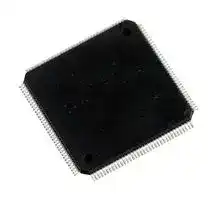


LCMXO2280C-3TN144C
FPGA, 2280 LOGIC CELL, TQFP-144, 85DEG C
- Manufacturer: LATTICE SEMICONDUCTOR
- Product type: FPGAs
- CPLD Type:FLASH; No. of Macrocells:1140; No. of I/O's:113I/O's; Logic Case Style:TQFP; No. of Pins:144Pins; Frequency:500MHz; Supply Voltage Min:1.71V; Supply Voltage Max:3.465V;
- MSL: MSL 3 - 168 hours
- SVHC: No SVHC (25-Jun-2025)
- CPLD Type: FLASH
- FPGA Type: SRAM based FPGA
- IC Mounting: Surface Mount
- No. of Pins: 144Pins
- Speed Grade: 3
- No. of I/O's: 113I/O's
- Product Range: -
- Qualification: -
- No.of User I/Os: 113I/O's
- Logic Case Style: TQFP
- IC Case / Package: TQFP
- No. of Macrocells: 1140Macrocells
- No. of Logic Cells: 2280Logic Cells
- Process Technology: -
- Operating Temperature Max: 85°C
- Operating Temperature Min: 0°C
| Delivery and price | |
|---|---|
| Units per pack | 50 |
| Price | 25.09 € |
| Current stock | 10+ |
| Lead time | 30 days |

**==> picture [131 x 55] intentionally omitted <==**

## **MachXO Family Data Sheet**

Version 02.3_4W February 2007

**==> picture [126 x 50] intentionally omitted <==**

## **MachXO Family Data Sheet Introduction**

**April 2006**

## **Features**

## ■ **Non-volatile, Infinitely Reconfigurable**

- Instant-on – powers up in microseconds

- Single chip, no external configuration memory required

- Excellent design security, no bit stream to intercept

- Reconfigure SRAM based logic in milliseconds

- SRAM and non-volatile memory programmable through JTAG port

- Supports background programming of non-volatile memory

## ■ **Sleep Mode**

- Allows up to 100x static current reduction

## ■ **TransFR™ Reconfiguration (TFR)**

- In-field logic update while system operates

## ■ **High I/O to Logic Density**

- 256 to 2280 LUT4s

- 73 to 271 I/Os with extensive package options

- Density migration supported

- Lead free/RoHS compliant packaging

## ■ **Embedded and Distributed Memory**

- Up to 27.6 Kbits sysMEM™ Embedded Block RAM

## **Data Sheet**

## ■ **Flexible I/O Buffer**

- Programmable sysIO™ buffer supports wide range of interfaces:

   - LVCMOS 3.3/2.5/1.8/1.5/1.2

   - LVTTL

   - PCI

   - LVDS, Bus-LVDS, LVPECL, RSDS

## ■ **sysCLOCK™ PLLs**

- Up to two analog PLLs per device

- Clock multiply, divide, and phase shifting

## ■ **System Level Support**

- IEEE Standard 1149.1 Boundary Scan

- Onboard oscillator

- Devices operate with 3.3V, 2.5V, 1.8V or 1.2V power supply

- IEEE 1532 compliant in-system programming

## **Introduction**

The MachXO is optimized to meet the requirements of applications traditionally addressed by CPLDs and low capacity FPGAs: glue logic, bus bridging, bus interfacing, power-up control, and control logic. These devices bring together the best features of CPLD and FPGA devices on a single chip.

- Up to 7.5 Kbits distributed RAM

- Dedicated FIFO control logic

_**Table 1-1. MachXO Family Selection Guide**_

|**Device**|**LCMXO256**|**LCMXO640**|**LCMXO1200**|**LCMXO2280**|
|---|---|---|---|---|
|LUTs|256|640|1200|2280|
|Dist. RAM (Kbits)|2.0|6.0|6.25|7.5|
|EBR SRAM (Kbits)|0|0|9.2|27.6|
|Number of EBR SRAM Blocks (9 Kbits)|0|0|1|3|
|V<br>CC<br>Voltage|1.2/1.8/2.5/3.3V|1.2/1.8/2.5/3.3V|1.2/1.8/2.5/3.3V|1.2/1.8/2.5/3.3V|
|Number of PLLs|0|0|1|2|
|Max. I/O|78|159|211|271|
|**Packages**|||||
|100-pin TQFP (14x14 mm)|78|74|73|73|
|144-pin TQFP (20x20 mm)||113|113|113|
|100-ball csBGA (8x8 mm)|78|74|||
|132-ball csBGA (8x8 mm)||101|101|101|
|256-ball ftBGA/fpBGA (17x17 mm)||159<br>1|211|211|
|324-ball ftBGA (19x19 mm)||||271|
|1. fpBGA package|||||


© 2006 Lattice Semiconductor Corp. All Lattice trademarks, registered trademarks, patents, and disclaimers are as listed at www.latticesemi.com/legal. All other brand or product names are trademarks or registered trademarks of their respective holders. The specifications and information herein are subject to change without notice.

**www.latticesemi.com**

1-1

Introduction_01.2

**Introduction MachXO Family Data Sheet**

## **Lattice Semiconductor**

The devices use look-up tables (LUTs) and embedded block memories traditionally associated with FPGAs for flexible and efficient logic implementation. Through non-volatile technology, the devices provide the single-chip, highsecurity, instant-on capabilities traditionally associated with CPLDs. Finally, advanced process technology and careful design will provide the high pin-to-pin performance also associated with CPLDs.

The ispLEVER® design tools from Lattice allow complex designs to be efficiently implemented using the MachXO family of devices. Popular logic synthesis tools provide synthesis library support for MachXO. The ispLEVER tools use the synthesis tool output along with the constraints from its floor planning tools to place and route the design in the MachXO device. The ispLEVER tool extracts the timing from the routing and back-annotates it into the design for timing verification.

1-2

**==> picture [126 x 50] intentionally omitted <==**

## **MachXO Family Data Sheet Architecture**

**February 2007**

**Data Sheet**

## **Architecture Overview**

The MachXO family architecture contains an array of logic blocks surrounded by Programmable I/O (PIO). Some devices in this family have sysCLOCK PLLs and blocks of sysMEM™ Embedded Block RAM (EBRs). Figures 2-1, 2-2, and 2-3 show the block diagrams of the various family members.

The logic blocks are arranged in a two-dimensional grid with rows and columns. The EBR blocks are arranged in a column to the left of the logic array. The PIO cells are located at the periphery of the device, arranged into Banks. The PIOs utilize a flexible I/O buffer referred to as a sysIO interface that supports operation with a variety of interface standards. The blocks are connected with many vertical and horizontal routing channel resources. The place and route software tool automatically allocates these routing resources.

There are two kinds of logic blocks, the Programmable Functional Unit (PFU) and the Programmable Functional unit without RAM (PFF). The PFU contains the building blocks for logic, arithmetic, RAM, ROM, and register functions. The PFF block contains building blocks for logic, arithmetic, ROM, and register functions. Both the PFU and PFF blocks are optimized for flexibility, allowing complex designs to be implemented quickly and effectively. Logic blocks are arranged in a two-dimensional array. Only one type of block is used per row.

In the MachXO family, the number of sysIO Banks varies by device. There are different types of I/O Buffers on different Banks. See the details in later sections of this document. The sysMEM EBRs are large, dedicated fast memory blocks; these blocks are found only in the larger devices. These blocks can be configured as RAM, ROM or FIFO. FIFO support includes dedicated FIFO pointer and flag “hard” control logic to minimize LUT use.

The MachXO architecture provides up to two sysCLOCK™ Phase Locked Loop (PLL) blocks on larger devices. These blocks are located at either end of the memory blocks. The PLLs have multiply, divide, and phase shifting capabilities that are used to manage the frequency and phase relationships of the clocks.

Every device in the family has a JTAG Port that supports programming and configuration of the device as well as access to the user logic. The MachXO devices are available for operation from 3.3V, 2.5V, 1.8V, and 1.2V power supplies, providing easy integration into the overall system.

> © 2007 Lattice Semiconductor Corp. All Lattice trademarks, registered trademarks, patents, and disclaimers are as listed at www.latticesemi.com/legal. All other brand or product names are trademarks or registered trademarks of their respective holders. The specifications and information herein are subject to change without notice.

**www.latticesemi.com**

2-1

Architecture_01.4

**Architecture MachXO Family Data Sheet**

**Lattice Semiconductor**

## _**Figure 2-1. Top View of the MachXO1200 Device1**_

**==> picture [387 x 293] intentionally omitted <==**

**----- Start of picture text -----**<br>
PIOs Arranged into<br>sysIO Banks<br>Programmable<br>Functional Units<br>with RAM (PFUs)<br>sysMEM Embedded<br>Block RAM (EBR)<br>Programmable<br>Functional Units<br>without RAM (PFFs)<br>sysCLOCK<br>PLL<br>JTAG Port<br>**----- End of picture text -----**<br>


1. Top view of the MachXO2280 device is similar but with higher LUT count, two PLLs, and three EBR blocks.

## _**Figure 2-2. Top View of the MachXO640 Device**_

**==> picture [313 x 229] intentionally omitted <==**

**----- Start of picture text -----**<br>
PIOs Arranged into<br>sysIO Banks<br>Programmable<br>Function Units<br>without RAM (PFFs)<br>Programmable<br>Function Units<br>with RAM (PFUs)<br>JTAG Port<br>**----- End of picture text -----**<br>


2-2

**Architecture MachXO Family Data Sheet**

**Lattice Semiconductor**

_**Figure 2-3. Top View of the MachXO256 Device**_

**==> picture [265 x 174] intentionally omitted <==**

**----- Start of picture text -----**<br>
Programmable Function<br>Units without RAM (PFFs)<br>JTAG Port<br>PIOs Arranged<br>into sysIO Banks<br>Programmable<br>Function<br>Units with<br>RAM (PFUs)<br>**----- End of picture text -----**<br>


## **PFU Blocks**

The core of the MachXO devices consists of PFU and PFF blocks. The PFUs can be programmed to perform Logic, Arithmetic, Distributed RAM, and Distributed ROM functions. PFF blocks can be programmed to perform Logic, Arithmetic, and Distributed ROM functions. Except where necessary, the remainder of this data sheet will use the term PFU to refer to both PFU and PFF blocks.

Each PFU block consists of four interconnected Slices, numbered 0-3 as shown in Figure 2-4. There are 53 inputs and 25 outputs associated with each PFU block.

_**Figure 2-4. PFU Diagram**_

**==> picture [365 x 195] intentionally omitted <==**

**----- Start of picture text -----**<br>
From<br> Routing<br>LUT4 & LUT4 & LUT4 & LUT4 & LUT4 & LUT4 & LUT4 & LUT4 &<br>FCIN CARRY CARRY CARRY CARRY CARRY CARRY CAR RY CA RRY FCO<br>Slice 0 Slice 1 Slice 2 Slice 3<br>D D D D D D D D<br>FF/ FF/ FF/ FF/ FF/ FF/ FF/ FF/<br>Latch Latch Latch Latch Latch Latch Latch Latch<br>To<br> Routing<br>**----- End of picture text -----**<br>


## **Slice**

Each Slice contains two LUT4 lookup tables feeding two registers (programmed to be in FF or Latch mode), and some associated logic that allows the LUTs to be combined to perform functions such as LUT5, LUT6, LUT7, and LUT8. There is control logic to perform set/reset functions (programmable as synchronous/asynchronous), clock select, chip-select, and wider RAM/ROM functions. Figure 2-5 shows an overview of the internal logic of the Slice. The registers in the Slice can be configured for positive/negative and edge/level clocks.

2-3

**Architecture MachXO Family Data Sheet**

**Lattice Semiconductor**

There are 14 input signals: 13 signals from routing and one from the carry-chain (from the adjacent Slice/PFU). There are 7 outputs: 6 to the routing and one to the carry-chain (to the adjacent Slice/PFU). Table 2-1 lists the signals associated with each Slice.

_**Figure 2-5. Slice Diagram**_

**==> picture [436 x 349] intentionally omitted <==**

**----- Start of picture text -----**<br>
To Adjacent Slice/PFU<br>Slice<br>OFX1<br>A1  CO  F1<br>B1  F<br>C1  Fast Connection<br>D1  LUT4 &  D  to I/O Cell*<br>CARRY  SUM  FF/<br>Latch  Q1<br>CI<br>To<br>From<br>M1   Routing<br>Routing  M0<br>LUT  OFX0<br>Expansion Mux  Fast Connection<br>A0  CO  to I/O Cell*<br>B0<br>C0  LUT4 &  F  F0<br>D0<br>CARRY<br>SUM  OFX0  D<br>FF/<br>CI  Latch  Q0<br>Control Signals  CE<br>selected and  CLK<br>inverted per  LSR<br>Slice in routing<br>From Adjacent Slice/PFU<br>Notes:<br>Some inter-Slice signals are not shown.<br>* Only PFUs at the edges have fast connections to the I/O cell.<br>**----- End of picture text -----**<br>


_**Table 2-1. Slice Signal Descriptions**_

|**Function**|**Type**|**Signal Names**|**Description**|
|---|---|---|---|
|Input|Data signal|A0, B0, C0, D0|Inputs to LUT4|
|Input|Data signal|A1, B1, C1, D1|Inputs to LUT4|
|Input|Multi-purpose|M0/M1|Multipurpose Input|
|Input|Control signal|CE|Clock Enable|
|Input|Control signal|LSR|Local Set/Reset|
|Input|Control signal|CLK|System Clock|
|Input|Inter-PFU signal|FCIN|Fast Carry In<br>1|
|Output|Data signals|F0, F1|LUT4 output register bypass signals|
|Output|Data signals|Q0, Q1|Register Outputs|
|Output|Data signals|OFX0|Output of a LUT5 MUX|
|Output|Data signals|OFX1|Output of a LUT6, LUT7, LUT8<br>2<br>MUX depending on the Slice|
|Output|Inter-PFU signal|FCO|Fast Carry Out<br>1|


1. See Figure 2-4 for connection details.

2. Requires two PFUs.

2-4

**Architecture MachXO Family Data Sheet**

**Lattice Semiconductor**

## **Modes of Operation**

Each Slice is capable of four modes of operation: Logic, Ripple, RAM, and ROM. The Slice in the PFF is capable of all modes except RAM. Table 2-2 lists the modes and the capability of the Slice blocks.

## _**Table 2-2. Slice Modes**_

|**_Slice Modes_**|||||
|---|---|---|---|---|
||**Logic**|**Ripple**|**RAM**|**ROM**|
|PFU Slice|LUT 4x2 or LUT 5x1|2-bit Arithmetic Unit|SP 16x2|ROM 16x1 x 2|
|PFF Slice|LUT 4x2 or LUT 5x1|2-bit Arithmetic Unit|N/A|ROM 16x1 x 2|


**Logic Mode:** In this mode, the LUTs in each Slice are configured as 4-input combinatorial lookup tables (LUT4). A LUT4 can have 16 possible input combinations. Any logic function with four inputs can be generated by programming this lookup table. Since there are two LUT4s per Slice, a LUT5 can be constructed within one Slice. Larger lookup tables such as LUT6, LUT7, and LUT8 can be constructed by concatenating other Slices.

**Ripple Mode:** Ripple mode allows the efficient implementation of small arithmetic functions. In ripple mode, the following functions can be implemented by each Slice:

- Addition 2-bit

- Subtraction 2-bit

- Add/Subtract 2-bit using dynamic control

- Up counter 2-bit

- Down counter 2-bit

- Ripple mode multiplier building block

- Comparator functions of A and B inputs

- A greater-than-or-equal-to B

- A not-equal-to B

- A less-than-or-equal-to B

Two additional signals, Carry Generate and Carry Propagate, are generated per Slice in this mode, allowing fast arithmetic functions to be constructed by concatenating Slices.

**RAM Mode:** In this mode, distributed RAM can be constructed using each LUT block as a 16x2-bit memory. Through the combination of LUTs and Slices, a variety of different memories can be constructed.

The ispLEVER design tool supports the creation of a variety of different size memories. Where appropriate, the software will construct these using distributed memory primitives that represent the capabilities of the PFU. Table 2-3 shows the number of Slices required to implement different distributed RAM primitives. Figure 2-6 shows the distributed memory primitive block diagrams. Dual port memories involve the pairing of two Slices. One Slice functions as the read-write port, while the other companion Slice supports the read-only port. For more information on RAM mode in MachXO devices, please see details of additional technical documentation at the end of this data sheet.

_**Table 2-3. Number of Slices Required For Implementing Distributed RAM**_

||**SPR16x2**|**DPR16x2**|
|---|---|---|
|Number of Slices|1|2|


Note: SPR = Single Port RAM, DPR = Dual Port RAM

2-5

**Architecture MachXO Family Data Sheet**

**Lattice Semiconductor**

## _**Figure 2-6. Distributed Memory Primitives**_

**==> picture [300 x 287] intentionally omitted <==**

**----- Start of picture text -----**<br>
SPR16x2 DPR16x2<br>AD0<br>AD1 WAD0 RAD0<br>AD2 WAD1 RAD1<br>DO0<br>AD3 WAD2 RAD2<br>DI0 DO1 WAD3 RAD3<br>DI1<br>DI0 RDO0<br>WRE<br>DI1 RDO1<br>CK<br>WCK WDO0<br>WRE WDO1<br>ROM16x1<br>AD0<br>AD1<br>AD2 DO0<br>AD3<br>**----- End of picture text -----**<br>


**ROM Mode:** The ROM mode uses the same principal as the RAM modes, but without the Write port. Pre-loading is accomplished through the programming interface during configuration.

## **PFU Modes of Operation**

Slices can be combined within a PFU to form larger functions. Table 2-4 tabulates these modes and documents the functionality possible at the PFU level.

_**Table 2-4. PFU Modes of Operation**_

|**Logic**|**Ripple**|**RAM**|**ROM**|
|---|---|---|---|
|LUT 4x8 or<br>MUX 2x1 x 8|2-bit Add x 4|SPR16x2 x 4<br>DPR16x2 x 2|ROM16x1 x 8|
|LUT 5x4 or<br>MUX 4x1 x 4|2-bit Sub x 4|SPR16x4 x 2<br>DPR16x4 x 1|ROM16x2 x 4|
|LUT 6x 2 or<br>MUX 8x1 x 2|2-bit Counter x 4|SPR16x8 x 1|ROM16x4 x 2|
|LUT 7x1 or<br>MUX 16x1 x 1|2-bit Comp x 4||ROM16x8 x 1|


## **Routing**

There are many resources provided in the MachXO devices to route signals individually or as buses with related control signals. The routing resources consist of switching circuitry, buffers and metal interconnect (routing) segments.

The inter-PFU connections are made with three different types of routing resources: x1 (spans two PFUs), x2 (spans three PFUs) and x6 (spans seven PFUs). The x1, x2, and x6 connections provide fast and efficient connections in the horizontal and vertical directions.

2-6

**Architecture MachXO Family Data Sheet**

**Lattice Semiconductor**

The ispLEVER design tool takes the output of the synthesis tool and places and routes the design. Generally, the place and route tool is completely automatic, although an interactive routing editor is available to optimize the design.

## **Clock/Control Distribution Network**

The MachXO family of devices provides global signals that are available to all PFUs. These signals consist of four primary clocks and four secondary clocks. Primary clock signals are generated from four 16:1 muxes as shown in Figure 2-7 and Figure 2-8. The available clock sources for the MachXO256 and MachXO640 devices are four dual function clock pins and 12 internal routing signals. The available clock sources for the MachXO1200 and MachXO2280 devices are four dual function clock pins, up to nine internal routing signals and up to six PLL outputs.

## _**Figure 2-7. Primary Clocks for MachXO256 and MachXO640 Devices**_

**==> picture [192 x 225] intentionally omitted <==**

**----- Start of picture text -----**<br>
12 4<br>Primary Clock 0<br>16: 1<br>16:1 Primary Clock 1<br>16: 1 Primary Clock 2<br>16: 1 Primary Clock 3<br>Routing Clock<br>Pads<br>**----- End of picture text -----**<br>


2-7

**Architecture MachXO Family Data Sheet**

**Lattice Semiconductor**

## _**Figure 2-8. Primary Clocks for MachXO1200 and MachXO2280 Devices**_

**==> picture [240 x 254] intentionally omitted <==**

**----- Start of picture text -----**<br>
Up to 9 Up to 6<br>4<br>Primary Clock 0<br>16: 1<br>Primary Clock 1<br>16: 1<br>Primary Clock 2<br>16: 1<br>Primary Clock 3<br>16: 1<br>Routing Clock PLL<br>Pads Outputs<br>**----- End of picture text -----**<br>


Four secondary clocks are generated from four 16:1 muxes as shown in Figure 2-9. Four of the secondary clock sources come from dual function clock pins and 12 come from internal routing.

## _**Figure 2-9. Secondary Clocks for MachXO Devices**_

**==> picture [252 x 246] intentionally omitted <==**

**----- Start of picture text -----**<br>
12 4<br>16:1<br>16:1<br>Secondary (Control)<br>Clocks<br>16:1<br>16:1<br>Routing Clock<br>Pads<br>**----- End of picture text -----**<br>


2-8

**Architecture MachXO Family Data Sheet**

**Lattice Semiconductor**

## **sysCLOCK Phase Locked Loops (PLLs)**

The MachXO1200 and MachXO2280 provide PLL support. The source of the PLL input divider can come from an external pin or from internal routing. There are four sources of feedback signals to the feedback divider: from CLKINTFB (internal feedback port), from the global clock nets, from the output of the post scalar divider, and from the routing (or from an external pin). There is a PLL_LOCK signal to indicate that the PLL has locked on to the input clock signal. Figure 2-10 shows the sysCLOCK PLL diagram.

The setup and hold times of the device can be improved by programming a delay in the feedback or input path of the PLL which will advance or delay the output clock with reference to the input clock. This delay can be either programmed during configuration or can be adjusted dynamically. In dynamic mode, the PLL may lose lock after adjustment and not relock until the tLOCK parameter has been satisfied. Additionally, the phase and duty cycle block allows the user to adjust the phase and duty cycle of the CLKOS output.

The sysCLOCK PLLs provide the ability to synthesize clock frequencies. Each PLL has four dividers associated with it: input clock divider, feedback divider, post scalar divider, and secondary clock divider. The input clock divider is used to divide the input clock signal, while the feedback divider is used to multiply the input clock signal. The post scalar divider allows the VCO to operate at higher frequencies than the clock output, thereby increasing the frequency range. The secondary divider is used to derive lower frequency outputs.

_**Figure 2-10. PLL Diagram**_

**==> picture [458 x 183] intentionally omitted <==**

**----- Start of picture text -----**<br>
Dynamic Delay Adjustment<br>LOCK<br>RST<br>Input Clock  Post Scalar  Phase/Duty<br>Divider Delay  Voltage  Divider Select  CLKOS<br>CLKI  (CLKI)  Adjust  Controlled Oscillator  VCO  (CLKOP)<br>(from routing or<br>external pin)<br>CLKOP<br>Feedback  Secondary<br>CLKFB(from Post Scalar  (CLKFB) Divider Divider Clock  CLKOK<br>(CLKOK)<br>Divider output,<br>clock net,<br>routing/external CLKINTFB<br>pin or CLKINTFB (internal feedback)<br>port<br>**----- End of picture text -----**<br>


Figure 2-11 shows the available macros for the PLL. Table 2-5 provides signal description of the PLL Block.

_**Figure 2-11. PLL Primitive**_

**==> picture [194 x 146] intentionally omitted <==**

**----- Start of picture text -----**<br>
RST<br>CLKI CLKOP<br>CLKFB CLKOS<br>DDA MODE EHXPLLC CLKOK<br>DDAIZR LOCK<br>DDAILAG CLKINTFB<br>DDAIDEL[2:0]<br>**----- End of picture text -----**<br>


2-9

**Architecture MachXO Family Data Sheet**

**Lattice Semiconductor**

_**Table 2-5. PLL Signal Descriptions**_

|**Signal**|**I/O**|**Description**|
|---|---|---|
|CLKI|I|Clock input from external pin or routing|
|CLKFB|I|PLL feedback input from PLL output, clock net, routing/external pin or internal feedback from<br>CLKINTFB port|
|RST|I|“1” to reset the input clock divider|
|CLKOS|O|PLL output clock to clock tree (phase shifted/duty cycle changed)|
|CLKOP|O|PLL output clock to clock tree (No phase shift)|
|CLKOK|O|PLL output to clock tree through secondary clock divider|
|LOCK|O|“1” indicates PLL LOCK to CLKI|
|CLKINTFB|O|Internal feedback source, CLKOP divider output before CLOCKTREE|
|DDAMODE|I|Dynamic Delay Enable. “1”: Pin control (dynamic), “0”: Fuse Control (static)|
|DDAIZR|I|Dynamic Delay Zero. “1”: delay = 0, “0”: delay = on|
|DDAILAG|I|Dynamic Delay Lag/Lead. “1”: Lag, “0”: Lead|
|DDAIDEL[2:0]|I|Dynamic Delay Input|


For more information on the PLL, please see details of additional technical documentation at the end of this data sheet.

## **sysMEM Memory**

The MachXO1200 and MachXO2280 devices contain sysMEM Embedded Block RAMs (EBRs). The EBR consists of a 9-Kbit RAM, with dedicated input and output registers.

## **sysMEM Memory Block**

The sysMEM block can implement single port, dual port, pseudo dual port, or FIFO memories. Each block can be used in a variety of depths and widths as shown in Table 2-6.

## _**Table 2-6. sysMEM Block Configurations**_

|**_urations_**||
|---|---|
|**Memory Mode**|**Confgurations**|
|Single Port|8,192 x 1<br>4,096 x 2<br>2,048 x 4<br>1,024 x 9<br>512 x 18<br>256 x 36|
|True Dual Port|8,192 x 1<br>4,096 x 2<br>2,048 x 4<br>1,024 x 9<br>512 x 18|
|Pseudo Dual Port|8,192 x 1<br>4,096 x 2<br>2,048 x 4<br>1,024 x 9<br>512 x 18<br>256 x 36|
|FIFO|8,192 x 1<br>4,096 x 2<br>2,048 x 4<br>1,024 x 9<br>512 x 18<br>256 x 36|


2-10

**Architecture MachXO Family Data Sheet**

**Lattice Semiconductor**

## **Bus Size Matching**

All of the multi-port memory modes support different widths on each of the ports. The RAM bits are mapped LSB word 0 to MSB word 0, LSB word 1 to MSB word 1 and so on. Although the word size and number of words for each port varies, this mapping scheme applies to each port.

## **RAM Initialization and ROM Operation**

If desired, the contents of the RAM can be pre-loaded during device configuration. By preloading the RAM block during the chip configuration cycle and disabling the write controls, the sysMEM block can also be utilized as a ROM.

## **Memory Cascading**

Larger and deeper blocks of RAMs can be created using EBR sysMEM Blocks. Typically, the Lattice design tools cascade memory transparently, based on specific design inputs.

## **Single, Dual, Pseudo-Dual Port and FIFO Modes**

Figure 2-12 shows the five basic memory configurations and their input/output names. In all the sysMEM RAM modes, the input data and address for the ports are registered at the input of the memory array. The output data of the memory is optionally registered at the memory array output.

## _**Figure 2-12. sysMEM Memory Primitives**_

**==> picture [300 x 113] intentionally omitted <==**

**----- Start of picture text -----**<br>
AD[12:0] ADA[12:0] ADB[12:0]<br>DIA[17:0] DIB[17:0]<br>DI[35:0]<br>CLKA CEB<br>CLK<br>CEA CLKB<br>CE EBR DO[35:0] RSTA EBR RSTB<br>RST WEA WEB<br>WE CSA[2:0] CSB[2:0]<br>CS[2:0] DOA[17:0] DOB[17:0]<br>Single Port RAM True Dual Port  RAM<br>**----- End of picture text -----**<br>


**==> picture [299 x 242] intentionally omitted <==**

**----- Start of picture text -----**<br>
ADW[12:0]<br>AD[12:0] DI[35:0] ADR[12:0]<br>CLK CLKW<br>CE EBR DO[35:0] CEW EBR DO[35:0]<br>RST WE CER<br>RST<br>CS[2:0] CLKR<br>CS[2:0]<br>ROM Pseudo-Dual Port  RAM<br>DO[35:0]<br>CLKR<br>DI[35:0]<br>RSTB<br>CLKW<br>RE<br>RSTA EBR<br>RCE<br>WE<br>FF<br>CEW<br>AF<br>EF<br>AE<br>FIFO<br>**----- End of picture text -----**<br>


2-11

**Architecture MachXO Family Data Sheet**

**Lattice Semiconductor**

The EBR memory supports three forms of write behavior for single or dual port operation:

1. **Normal** – data on the output appears only during the read cycle. During a write cycle, the data (at the current address) does not appear on the output. This mode is supported for all data widths.

2. **Write Through** – a copy of the input data appears at the output of the same port. This mode is supported for all data widths.

3. **Read-Before-Write** – when new data is being written, the old contents of the address appears at the output. This mode is supported for x9, x18 and x36 data widths.

## **FIFO Configuration**

The FIFO has a write port with Data-in, CEW, WE and CLKW signals. There is a separate read port with Data-out, RCE, RE and CLKR signals. The FIFO internally generates Almost Full, Full, Almost Empty and Empty Flags. The Full and Almost Full flags are registered with CLKW. The Empty and Almost Empty flags are registered with CLKR. The range of programming values for these flags are in Table 2-7.

_**Table 2-7. Programmable FIFO Flag Ranges**_

|**_ble FIFO Flag Ranges_**||
|---|---|
|**Flag Name**|**Programming Range**|
|Full (FF)|1 to (up to 2N-1)|
|Almost Full (AF)|1 to Full-1|
|Almost Empty (AE)|1 to Full-1|
|Empty (EF)|0|
|N = Address bit width||


The FIFO state machine supports two types of reset signals: RSTA and RSTB. The RSTA signal is a global reset that clears the contents of the FIFO by resetting the read/write pointer and puts the FIFO flags in their initial reset state. The RSTB signal is used to reset the read pointer. The purpose of this reset is to retransmit the data that is in the FIFO. In these applications it is important to keep careful track of when a packet is written into or read from the FIFO.

## **Memory Core Reset**

The memory array in the EBR utilizes latches at the A and B output ports. These latches can be reset asynchronously. RSTA and RSTB are local signals, which reset the output latches associated with Port A and Port B respectively. The Global Reset (GSRN) signal resets both ports. The output data latches and associated resets for both ports are as shown in Figure 2-13.

2-12

**Architecture MachXO Family Data Sheet**

**Lattice Semiconductor**

_**Figure 2-13. Memory Core Reset**_

**==> picture [290 x 200] intentionally omitted <==**

**----- Start of picture text -----**<br>
Memory Core D SET Q Port A[17:0]<br>LCLR<br>Output Data<br> Latches<br>D SET Q Port B[17:0]<br>LCLR<br>RSTA<br>RSTB<br>GSRN<br>Programmable Disable<br>**----- End of picture text -----**<br>


For further information on the sysMEM EBR block, see the details of additional technical documentation at the end of this data sheet.

## **EBR Asynchronous Reset**

EBR asynchronous reset or GSR (if used) can only be applied if all clock enables are low for a clock cycle before the reset is applied and released a clock cycle after the reset is released, as shown in Figure 2-14.  The GSR input to the EBR is always asynchronous.

_**Figure 2-14. EBR Asynchronous Reset (Including GSR) Timing Diagram**_

**==> picture [192 x 120] intentionally omitted <==**

**----- Start of picture text -----**<br>
Reset<br>Clock<br>Clock<br>Enable<br>**----- End of picture text -----**<br>


If all clock enables remain enabled, the EBR asynchronous reset or GSR may only be applied and released after the EBR read and write clock inputs are in a steady state condition for a minimum of 1/fMAX (EBR clock).  The reset release must adhere to the EBR synchronous reset setup time before the next active read or write clock edge.

These instructions apply to all EBR RAM, ROM and FIFO implementations. For the EBR FIFO mode, the GSR signal is always enabled and the WE and RE signals act like the clock enable signals in Figure 2-14.  The reset timing rules apply to the RPReset input vs the RE input and the RST input vs. the WE and RE inputs.  Both RST and RPReset are always asynchronous EBR inputs.

These instructions apply to all EBR RAM, ROM and FIFO implementations.

Note that there are no reset restrictions if the EBR synchronous reset is used and the EBR GSR input is disabled

2-13

**Architecture MachXO Family Data Sheet**

**Lattice Semiconductor**

## **PIO Groups**

On the MachXO devices, PIO cells are assembled into two different types of PIO groups, those with four PIO cells and those with six PIO cells. PIO groups with four IOs are placed on the left and right sides of the device while PIO groups with six IOs are placed on the top and bottom. The individual PIO cells are connected to their respective sysIO buffers and PADs.

On all MachXO devices, two adjacent PIOs can be joined to provide a complementary Output driver pair. The I/O pin pairs are labeled as "T" and "C" to distinguish between the true and complement pins.

The MachXO1200 and MachXO2280 devices contain enhanced I/O capability. All PIO pairs on these larger devices can implement differential receivers. In addition, half of the PIO pairs on the left and right sides of these devices can be configured as LVDS transmit/receive pairs. PIOs on the top of these larger devices also provide PCI support.

## _**Figure 2-15. Group of Four Programmable I/O Cells**_

**==> picture [262 x 150] intentionally omitted <==**

**----- Start of picture text -----**<br>
This structure is used on the<br>left and right of MachXO devices<br>PIO A PADA "T"<br>PIO B PADB "C"<br>Four PIOs<br>PIO C PADC "T"<br>PIO D PADD "C"<br>**----- End of picture text -----**<br>


_**Figure 2-16. Group of Six Programmable I/O Cells**_

**==> picture [259 x 206] intentionally omitted <==**

**----- Start of picture text -----**<br>
This structure is used on the top<br>and bottom of MachXO devices<br>PIO A PADA "T"<br>PIO B PADB "C"<br>PIO C PADC "T"<br>Six PIOs<br>PIO D PADD "C"<br>PIO E PADE "T"<br>PIO F PADF "C"<br>**----- End of picture text -----**<br>


## **PIO**

The PIO blocks provide the interface between the sysIO buffers and the internal PFU array blocks. These blocks receive output data from the PFU array and a fast output data signal from adjacent PFUs. The output data and fast

2-14

**Architecture MachXO Family Data Sheet**

**Lattice Semiconductor**

output data signals are multiplexed and provide a single signal to the I/O pin via the sysIO buffer. Figure 2-17 shows the MachXO PIO logic.

The tristate control signal is multiplexed from the output data signals and their complements. In addition a global signal (TSALL) from a dedicated pad can be used to tristate the sysIO buffer.

The PIO receives an input signal from the pin via the sysIO buffer and provides this signal to the core of the device. In addition there are programmable elements that can be utilized by the design tools to avoid positive hold times.

## _**Figure 2-17. MachXO PIO Block Diagram**_

**==> picture [330 x 289] intentionally omitted <==**

**----- Start of picture text -----**<br>
From Routing  TS<br>TSALL<br>From Routing<br>sysIO  TO<br>Buffer<br>Fast Output<br>Data signal  DO<br>PAD<br>1<br>Input<br> Data Signal<br>2<br>3<br>Programmable<br>  Delay Elements +<br>4  -<br>Note: Buffer 1 tracks with VCCAUX<br>Buffer 2 tracks with VCCIO. From Complementary<br>Buffer 3 tracks with internal 1.2V VREF. Pad<br>Buffer 4 is available in MachXO1200 and MachXO2280 devices only.<br>**----- End of picture text -----**<br>


## **sysIO Buffer**

Each I/O is associated with a flexible buffer referred to as a sysIO buffer. These buffers are arranged around the periphery of the device in groups referred to as Banks. The sysIO buffers allow users to implement the wide variety of standards that are found in today’s systems including LVCMOS, TTL, BLVDS, LVDS and LVPECL.

In the MachXO devices, single-ended output buffers and ratioed input buffers (LVTTL, LVCMOS and PCI) are powered using VCCIO. In addition to the Bank VCCIO supplies, the MachXO devices have a VCC core logic power supply, and a VCCAUX supply that powers up a variety of internal circuits including all the differential and referenced input buffers.

MachXO256 and MachXO640 devices contain single-ended input buffers and single-ended output buffers with complementary outputs on all the I/O Banks.

MachXO1200 and MachXO2280 devices contain two types of sysIO buffer pairs.

1. **Top and Bottom sysIO Buffer Pairs**

The sysIO buffer pairs in the top and bottom Banks of the device consist of two single-ended output drivers and two sets of single-ended input buffers (for ratioed or absolute input levels). The I/O pairs on the top and bottom

2-15

**Architecture MachXO Family Data Sheet**

**Lattice Semiconductor**

of the devices also support differential input buffers. PCI clamps are available on the top Bank I/O buffers. The PCI clamp is enabled after VCC, VCCAUX, and VCCIO are at valid operating levels and the device has been configured.

The two pads in the pair are described as “true” and “comp”, where the true pad is associated with the positive side of the differential input buffer and the comp (complementary) pad is associated with the negative side of the differential input buffer.

2. **Left and Right sysIO Buffer Pairs**

   - The sysIO buffer pairs in the left and right Banks of the device consist of two single-ended output drivers and two sets of single-ended input buffers (supporting ratioed and absolute input levels). The devices also have a differential driver per output pair. The referenced input buffer can also be configured as a differential input buffer. In these Banks the two pads in the pair are described as “true” and “comp”, where the true pad is associated with the positive side of the differential I/O, and the comp (complementary) pad is associated with the negative side of the differential I/O.

## **Typical I/O Behavior During Power-up**

The internal power-on-reset (POR) signal is deactivated when VCC and VCCAUX have reached satisfactory levels. After the POR signal is deactivated, the FPGA core logic becomes active. It is the user’s responsibility to ensure that all VCCIO Banks are active with valid input logic levels to properly control the output logic states of all the I/O Banks that are critical to the application. The default configuration of the I/O pins in a blank device is tri-state with a weak pull-up to VCCIO. The I/O pins will maintain the blank configuration until VCC, VCCAUX and VCCIO have reached satisfactory levels at which time the I/Os will take on the user-configured settings.

The VCC and VCCAUX supply the power to the FPGA core fabric, whereas the VCCIO supplies power to the I/O buffers. In order to simplify system design while providing consistent and predictable I/O behavior, the I/O buffers should be powered up along with the FPGA core fabric. Therefore, VCCIO supplies should be powered up before or together with the VCC and VCCAUX supplies

## **Supported Standards**

The MachXO sysIO buffer supports both single-ended and differential standards. Single-ended standards can be further subdivided into LVCMOS and LVTTL. The buffer supports the LVTTL, LVCMOS 1.2, 1.5, 1.8, 2.5, and 3.3V standards. In the LVCMOS and LVTTL modes, the buffer has individually configurable options for drive strength, bus maintenance (weak pull-up, weak pull-down, bus-keeper latch or none) and open drain. BLVDS and LVPECL output emulation is supported on all devices. The MachXO1200 and MachXO2280 support on-chip LVDS output buffers on approximately 50% of the I/Os on the left and right Banks. Differential receivers for LVDS, BLVDS and LVPECL are supported on all Banks of MachXO1200 and MachXO2280 devices. PCI support is provided in the top Banks of the MachXO1200 and MachXO2280 devices. Table 2-8 summarizes the I/O characteristics of the devices in the MachXO family.

Tables 2-9 and 2-10 show the I/O standards (together with their supply and reference voltages) supported by the MachXO devices. For further information on utilizing the sysIO buffer to support a variety of standards please see the details of additional technical documentation at the end of this data sheet.

2-16

**Architecture MachXO Family Data Sheet**

**Lattice Semiconductor**

## _**Table 2-8. I/O Support Device by Device**_

|||**MachXO256**|**MachXO640**|**MachXO640**|**MachXO640**|**MachXO1200**|**MachXO1200**|**MachXO1200**|**MachXO1200**|**MachXO2280**|
|---|---|---|---|---|---|---|---|---|---|---|
|Number of I/O Banks||2|4|||8||||8|
|Type of Input Buffers||Single-ended<br>(all I/O Banks)|Single-ended<br>(all I/O Banks)|||Single-ended<br>(all I/O Banks)<br>Differential Receivers<br>(all I/O Banks)||||Single-ended<br>(all I/O Banks)<br>Differential Receivers<br>(all I/O Banks)|
|Types of Output Buffers||Single-ended buffers<br>with complementary<br>outputs (all I/O Banks)|Single-ended buffers<br>with complementary<br>outputs (all I/O Banks)|||Single-ended buffers<br>with complementary<br>outputs (all I/O Banks)<br>Differential buffers with<br>true LVDS outputs (50%<br>on left and right side)||||Single-ended buffers<br>with complementary<br>outputs (all I/O Banks)<br>Differential buffers with<br>true LVDS outputs (50%<br>on left and right side)|
|Differential Output<br>Emulation Capability||All I/O Banks|All I/O Banks|||All I/O Banks||||All I/O Banks|
|PCI Support||No|No|||Top side only||||Top side only|
|**_Table 2-9. Supported Input Standards_**<br>**Input Standard**<br>**Single Ended Interfaces**<br>LVTTL<br>LVCMOS33<br>LVCMOS25<br>LVCMOS18<br>LVCMOS15<br>LVCMOS12<br>PCI1<br>**Differential Interfaces**<br>BLVDS2, LVDS2, LVPECL2, RSDS2||**_Input Standards_**||**VCCIO (Typ.)**<br>**3.3V**<br>**2.5V**<br>**1.8V**<br>**1.5V**<br>**1.2V**<br>√<br>√<br>√<br>√<br>√<br>√<br>√<br>√<br>√<br>√<br>√<br>√<br>√<br>√<br>√<br>√<br>√<br>√<br>√<br>√<br>√<br>√<br>√<br>√<br>√<br>√<br>√<br>√|||||||
|||||**VCCIO (Typ.)**|||||||
|||**Input Standard**||**3.3V**|**2.5V**||**1.8V**|**1.5V**|**1.2V**||
||**Single Ended Interfaces**||||||||||
||LVTTL|||√|√||√|√|√||
||LVCMOS33|||√|√||√|√|√||
||LVCMOS25|||√|√||√|√|√||
||LVCMOS18||||||√||||
||LVCMOS15|||||||√|||
||LVCMOS12|||√|√||√|√|√||
||PCI1|||√|||||||
||**Differential Interfaces**||||||||||
||BLVDS2, LVDS2, LVPECL2, RSDS2|||√|√||√|√|√||


1. Top Banks of MachXO1200 and MachXO2280 devices only.

2. MachXO1200 and MachXO2280 devices only.

2-17

**Architecture MachXO Family Data Sheet**

**Lattice Semiconductor**

## _**Table 2-10. Supported Output Standards**_

|**_2-10. Supported Output Standards_**|||
|---|---|---|
|**Output Standard**|**Drive**|**VCCIO (Typ.)**|
|**Single-ended Interfaces**|||
|LVTTL|4mA, 8mA, 12mA, 16mA|3.3|
|LVCMOS33|4mA, 8mA, 12mA, 14mA|3.3|
|LVCMOS25|4mA, 8mA, 12mA, 14mA|2.5|
|LVCMOS18|4mA, 8mA, 12mA, 14mA|1.8|
|LVCMOS15|4mA, 8mA|1.5|
|LVCMOS12|2mA, 6mA|1.2|
|LVCMOS33, Open Drain|4mA, 8mA, 12mA, 14mA|—|
|LVCMOS25, Open Drain|4mA, 8mA, 12mA, 14mA|—|
|LVCMOS18, Open Drain|4mA, 8mA, 12mA, 14mA|—|
|LVCMOS15, Open Drain|4mA, 8mA|—|
|LVCMOS12, Open Drain|2mA, 6mA|—|
|PCI333|N/A|3.3|
|**Differential Interfaces**|||
|LVDS1, 2|N/A|2.5|
|BLVDS, RSDS2|N/A|2.5|
|LVPECL2|N/A|3.3|


1. MachXO1200 and MachXO2280 devices have dedicated LVDS buffers.

2. These interfaces can be emulated with external resistors in all devices.

3. Top Banks of MachXO1200 and MachXO2280 devices only.

## **sysIO Buffer Banks**

The number of Banks vary between the devices of this family. Eight Banks surround the two larger devices, the MachXO1200 and MachXO2280 (two Banks per side). The MachXO640 has four Banks (one Bank per side). The smallest member of this family, the MachXO256, has only two Banks.

Each sysIO buffer Bank is capable of supporting multiple I/O standards. Each Bank has its own I/O supply voltage (VCCIO) which allows it to be completely independent from the other Banks. Figure 2-18, Figure 2-18, Figure 2-20 and Figure 2-21 shows the sysIO Banks and their associated supplies for all devices.

2-18

**Architecture MachXO Family Data Sheet**

**Lattice Semiconductor**

## _**Figure 2-18. MachXO2280 Banks**_

**==> picture [264 x 285] intentionally omitted <==**

**----- Start of picture text -----**<br>
1 35 1 36<br>1 Bank 0 Bank 1 1<br>VCCIO7 VCCIO2<br>GND GND<br>34 34<br>1 1<br>VCCIO6 VCCIO3<br>GND GND<br>33 33<br>Bank 5 Bank 4<br>1 31 1 35<br>Bank 7<br>Bank 6<br>CCIO5 CCIO4<br>V GND V GND<br>V GND V GND<br>CCIO0 CCIO1<br>Bank 2<br>Bank 3<br>**----- End of picture text -----**<br>


_**Figure 2-19. MachXO1200 Banks**_

**==> picture [264 x 285] intentionally omitted <==**

**----- Start of picture text -----**<br>
1 24 1 30<br>1 Bank 0 Bank 1 1<br>VCCIO7 VCCIO2<br>GND GND<br>26 26<br>1 1<br>VCCIO6 VCCIO3<br>GND GND<br>28 28<br>Bank 5 Bank 4<br>1 20 1 29<br>Bank 7<br>Bank 6<br>CCIO5 CCIO4<br>V GND V GND<br>V GND V GND<br>CCIO0 CCIO1<br>Bank 2<br>Bank 3<br>**----- End of picture text -----**<br>


2-19

**Architecture MachXO Family Data Sheet**

**Lattice Semiconductor**

_**Figure 2-20. MachXO640 Banks**_

**==> picture [264 x 288] intentionally omitted <==**

**----- Start of picture text -----**<br>
1 42<br>1 Bank 0 1<br>V CCO3 V CCO1<br>GND GND<br>40 40<br>Bank 2<br>1 37<br>Bank 3<br>VCCO2 GND<br>V<br> CCO0 GND<br>Bank 1<br>**----- End of picture text -----**<br>


_**Figure 2-21. MachXO256 Banks**_

**==> picture [268 x 233] intentionally omitted <==**

**----- Start of picture text -----**<br>
V CCO0<br>1<br>1 Bank 0 GND<br>Bank 1 41<br>GND 37<br>V CCO1<br>**----- End of picture text -----**<br>


## **Hot Socketing**

The MachXO devices have been carefully designed to ensure predictable behavior during power-up and powerdown. Leakage into I/O pins is controlled to within specified limits. This allows for easy integration with the rest of

2-20

**Architecture MachXO Family Data Sheet**

**Lattice Semiconductor**

the system. These capabilities make the MachXO ideal for many multiple power supply and hot-swap applications.

## **Sleep Mode**

The MachXO “C” devices (VCC = 1.8/2.5/3.3V) have a sleep mode that allows standby current to be reduced dramatically during periods of system inactivity. Entry and exit to Sleep mode is controlled by the SLEEPN pin.

During Sleep mode, the logic is non-operational, registers and EBR contents are not maintained, and I/Os are tristated. Do not enter Sleep mode during device programming or configuration operation. In Sleep mode, power supplies are in their normal operating range, eliminating the need for external switching of power supplies. Table 2-11 compares the characteristics of Normal, Off and Sleep modes.

_**Table 2-11. Characteristics of Normal, Off and Sleep Modes**_

|**Characteristic**|**Normal**|**Off**|**Sleep**|
|---|---|---|---|
|SLEEPN Pin|High|—|Low|
|Static Icc|Typical <10mA|0|Typical <100uA|
|I/O Leakage|<10µA|<1mA|<10µA|
|Power Supplies VCC/VCCIO/VCCAUX|Normal Range|0|Normal Range|
|Logic Operation|User Defned|Non Operational|Non operational|
|I/O Operation|User Defned|Tri-state|Tri-state|
|JTAG and Programming circuitry|Operational|Non-operational|Non-operational|
|EBR Contents and Registers|Maintained|Non-maintained|Non-maintained|


## **SLEEPN Pin Characteristics**

The SLEEPN pin behaves as an LVCMOS input with the voltage standard appropriate to the VCC supply for the device. This pin also has a weak pull-up, along with a Schmidt trigger and glitch filter to prevent false triggering. An external pull-up to VCC is recommended when Sleep Mode is not used to ensure the device stays in normal operation mode. Typically, the device enters sleep mode several hundred nanoseconds after SLEEPN is held at a valid low and restarts normal operation as specified in the Sleep Mode Timing table. The AC and DC specifications portion of this data sheet shows a detailed timing diagram.

## **Oscillator**

Every MachXO device has an internal CMOS oscillator. The oscillator can be routed as an input clock to the clock tree or to general routing resources. The oscillator frequency can be divided by internal logic. There is a dedicated programming bit to enable/disable the oscillator. The oscillator frequency ranges from 18MHz to 26MHz.

## **Configuration and Testing**

The following section describes the configuration and testing features of the MachXO family of devices.

## **IEEE 1149.1-Compliant Boundary Scan Testability**

All MachXO devices have boundary scan cells that are accessed through an IEEE 1149.1 compliant test access port (TAP). This allows functional testing of the circuit board, on which the device is mounted, through a serial scan path that can access all critical logic nodes. Internal registers are linked internally, allowing test data to be shifted in and loaded directly onto test nodes, or test data to be captured and shifted out for verification. The test access port consists of dedicated I/Os: TDI, TDO, TCK and TMS. The test access port shares its power supply with one of the VCCIO Banks (MachXO256: VCCIO1; MachXO640: VCCIO2; MachXO1200 and MachXO2280: VCCIO5) and can operate with LVCMOS3.3, 2.5, 1.8, 1.5, and 1.2 standards.

For more details on boundary scan test, please see information regarding additional technical documentation at the end of this data sheet.

2-21

**Architecture MachXO Family Data Sheet**

**Lattice Semiconductor**

## **Device Configuration**

All MachXO devices contain a test access port that can be used for device configuration and programming.

The non-volatile memory in the MachXO can be configured in two different modes:

- In IEEE 1532 mode via the IEEE 1149.1 port. In this mode, the device is off-line and I/Os are controlled by BSCAN registers.

- In background mode via the IEEE 1149.1 port. This allows the device to remain operational in user mode while reprogramming takes place.

The SRAM configuration memory can be configured in three different ways:

- At power-up via the on-chip non-volatile memory.

- After a refresh command is issued via the IEEE 1149.1 port.

- In IEEE 1532 mode via the IEEE 1149.1 port.

Figure 2-22 provides a pictorial representation of the different programming modes available in the MachXO devices. On power-up, the SRAM is ready to be configured with IEEE 1149.1 serial TAP port using IEEE 1532 protocols.

## **Leave Alone I/O**

When using IEEE 1532 mode for non-volatile memory programming, SRAM configuration, or issuing a refresh command, users may specify I/Os as high, low, tristated or held at current value. This provides excellent flexibility for implementing systems where reconfiguration or reprogramming occurs on-the-fly.

## **TransFR (Transparent Field Reconfiguration)**

TransFR (TFR) is a unique Lattice technology that allows users to update their logic in the field without interrupting system operation using a single ispVM command. See Lattice technical note #TN1087, _Minimizing System Interruption During Configuration Using TransFR Technology,_ for details.

## **Security**

The MachXO devices contain security bits that, when set, prevent the readback of the SRAM configuration and non-volatile memory spaces. Once set, the only way to clear the security bits is to erase the memory space.

For more information on device configuration, please see details of additional technical documentation at the end of this data sheet.

2-22

**Architecture MachXO Family Data Sheet**

**Lattice Semiconductor**

## _**Figure 2-22. MachXO Configuration and Programming**_

**==> picture [432 x 264] intentionally omitted <==**

**----- Start of picture text -----**<br>
ISP 1149.1 TAP Port<br>Port<br>Background 1532<br>Mode<br>Program in seconds  Power-up Configure in milliseconds<br>Non-Volatile  SRAM Memory<br>Memory Space  Space<br>Refresh<br>Download in<br>microseconds<br>**----- End of picture text -----**<br>


## **Density Shifting**

The MachXO family has been designed to enable density migration in the same package. Furthermore, the architecture ensures a high success rate when performing design migration from lower density parts to higher density parts. In many cases, it is also possible to shift a lower utilization design targeted for a high-density device to a lower density device. However, the exact details of the final resource utilization will impact the likely success in each case.

2-23

**Data Sheet**

**==> picture [126 x 50] intentionally omitted <==**

## **MachXO Family Data Sheet DC and Switching Characteristics**

**November 2006**

## **Absolute Maximum Ratings[1,][2,][3]**

|**LCMXO E (1.2V)**<br>**LCMXO C (1.8V/2.5V/3.3V)**|
|---|
|Supply Voltage VCC. . . . . . . . . . . . . . . . . . . . . . . . -0.5 to 1.32V . . . . . . . . . . . . . . . -0.5 to 3.75V|
|Supply Voltage VCCAUX. . . . . . . . . . . . . . . . . . . . . -0.5 to 3.75V . . . . . . . . . . . . . . . -0.5 to 3.75V|
|Output Supply Voltage VCCIO. . . . . . . . . . . . . . . . -0.5 to 3.75V . . . . . . . . . . . . . . . -0.5 to 3.75V|
|I/O Tristate Voltage Applied4 . . . . . . . . . . . . . . . . . -0.5 to 3.75V . . . . . . . . . . . . . . . -0.5 to 3.75V|
|Dedicated Input Voltage Applied4 . . . . . . . . . . . . . -0.5 to 3.75V . . . . . . . . . . . . . . . -0.5 to 4.25V|
|Storage Temperature (ambient). . . . . . . . . . . . . . . -65 to 150°C . . . . . . . . . . . . . . . -65 to 150°C|
|Junction Temp. (Tj)  . . . . . . . . . . . . . . . . . . . . . . . . . . +125°C . . . . . . . . . . . . . . . . . . . +125°C|


1. Stress above those listed under the “Absolute Maximum Ratings” may cause permanent damage to the device. Functional operation of the device at these or any other conditions above those indicated in the operational sections of this specification is not implied.

2. Compliance with the Lattice _Thermal Management_ document is required.

3. All voltages referenced to GND.

4. Overshoot and undershoot of -2V to (VIHMAX + 2) volts is permitted for a duration of <20ns.

## **Recommended Operating Conditions[1]**

|**Symbol**|**Parameter**|**Parameter**|**Parameter**|**Min.**|**Max.**|**Units**|
|---|---|---|---|---|---|---|
|VCC|Core Supply Voltage for 1.2V Devices|||1.14|1.26|V|
||Core Supply Voltage for 1.8V/2.5V/3.3V Devices|||1.71|3.465|V|
|VCCAUX<br>3|Auxiliary Supply Voltage|||3.135|3.465|V|
|VCCIO<br>2|I/O Driver Supply Voltage|||1.14|3.465|V|
|tJCOM|Junction Temperature Commercial Operation|||0|+85|oC|
|tJIND|Junction Temperature Industrial Operation|||-40|100|oC|
|tJFLASHCOM|Junction Temperature, Flash Programming, Commercial|||0|+85|oC|
|tJFLASHIND|Junction Temperature, Flash Programming, Industrial|||-40|100|oC|
|1. Like power supplies must be tied together. For example, if VCCIOand VCCare both 2.5V, they must also be the same supply. 3.3V VCCIO<br>and 1.2V VCCIOshould be tied to VCCAUXor 1.2V VCCrespectively.<br>2. See recommended voltages by I/O standard in subsequent table.<br>3. VCCmust reach minimum VCCvalue before VCCAUXreaches 2.5V.<br>**MachXO256 and MachXO640 Hot Socketing Specifcations1, 2, 3**|||||||
|**Symbol**|**Parameter**|**Condition**|**Min.**|**Typ.**|**Max**|**Units**|
|IDK|Input or I/O leakage Current|0≤VIN ≤VIH(MAX)|—|—|+/-1000|µA|


1. Insensitive to sequence of VCC, VCCAUX, and VCCIO. However, assumes monotonic rise/fall rates for VCC, VCCAUX, and VCCIO.

2. 0 ≤ VCC ≤ VCC (MAX), 0 ≤ VCCIO ≤ VCCIO (MAX) and 0 ≤ VCCAUX ≤ VCCAUX (MAX).

3. IDK is additive to IPU, IPD or IBH.

© 2006 Lattice Semiconductor Corp. All Lattice trademarks, registered trademarks, patents, and disclaimers are as listed at www.latticesemi.com/legal. All other brand or product names are trademarks or registered trademarks of their respective holders. The specifications and information herein are subject to change without notice.

**www.latticesemi.com**

3-1

DC and Switching_01.4

**DC and Switching Characteristics MachXO Family Data Sheet**

**Lattice Semiconductor**

## **MachXO1200 and MachXO2280 Hot Socketing Specifications[1, 2, 3,][4]**

|**Symbol**|**Parameter**|**Condition**|**Min.**|**Typ.**|**Max.**|**Units**|
|---|---|---|---|---|---|---|
|**Non-LVDS General Purpose sysIOs**|||||||
|IDK|Input or I/O Leakage Current|0≤VIN ≤VIH(MAX.)|—|—|+/-1000|µA|
|**LVDS General Purpose sysIOs**|||||||
|IDK_LVDS|Input or I/O Leakage Current|VIN ≤VCCIO|—|—|+/-1000|µA|
|||VIN> VCCIO|—|35|—|mA|


1. Insensitive to sequence of VCC, VCCAUX, and VCCIO. However, assumes monotonic rise/fall rates for VCC, VCCAUX, and VCCIO.

2. 0 ≤ VCC ≤ VCC (MAX), 0 ≤ VCCIO ≤ VCCIO (MAX), and 0 ≤ VCCAUX ≤ VCCAUX (MAX).

3. IDK is additive to IPU, IPW or IBH.

4. LVCMOS and LVTTL only.

## **DC Electrical Characteristics**

## **Over Recommended Operating Conditions**

|**Symbol**|**Parameter**|**Condition**|**Min.**|**Typ.**|**Max.**|**Units**|
|---|---|---|---|---|---|---|
|IIL,IIH<br>1, 4, 5|Input or I/O Leakage|0≤VIN ≤(VCCIO- 0.2V)|—|—|10|µA|
|||(VCCIO- 0.2V) < VIN ≤3.6V|—|—|40|µA|
|IPU|I/O Active Pull-up Current|0≤VIN ≤0.7 VCCIO|-30|—|-150|µA|
|IPD|I/O Active Pull-down Current|VIL(MAX)≤VIN ≤VIH(MAX)|30|—|150|µA|
|IBHLS|Bus Hold Low sustaining current|VIN= VIL(MAX)|30|—|—|µA|
|IBHHS|Bus Hold High sustaining current|VIN= 0.7VCCIO|-30|—|—|µA|
|IBHLO|Bus Hold Low Overdrive current|0≤VIN ≤VIH(MAX)|—|—|150|µA|
|IBHHO|Bus Hold High Overdrive current|0≤VIN ≤VIH(MAX)|—|—|-150|µA|
|VBHT<br>3|Bus Hold trip Points|0≤VIN ≤VIH(MAX)|VIL(MAX)|—|VIH(MIN)|V|
|C1|I/O Capacitance2|VCCIO= 3.3V, 2.5V, 1.8V, 1.5V, 1.2V,<br>VCC= Typ., VIO= 0 to VIH(MAX)|—|8|—|pf|
|C2|Dedicated Input Capacitance2|VCCIO= 3.3V, 2.5V, 1.8V, 1.5V, 1.2V,<br>VCC= Typ., VIO= 0 to VIH(MAX)|—|8|—|pf|


1. Input or I/O leakage current is measured with the pin configured as an input or as an I/O with the output driver tri-stated. It is not measured with the output driver active. Bus maintenance circuits are disabled.

2. TA 25°C, f = 1.0MHz

3. Please refer to VIL and VIH in the sysIO Single-Ended DC Electrical Characteristics table of this document.

4. Not applicable to SLEEPN pin.

5. When VIH is higher than VCCIO, a transient current typically of 30ns in duration or less with a peak current of 6mA can occur on the high-tolow transition. For MachXO1200 and MachXO2280 true LVDS output pins, VIH must be less than or equal to VCCIO.

3-2

**DC and Switching Characteristics MachXO Family Data Sheet**

## **Lattice Semiconductor**

## **Supply Current (Sleep Mode)[1, 2]**

|**Symbol**|**Parameter**|**Device**|**Typ.3**|**Max.**|**Units**|
|---|---|---|---|---|---|
|ICC|Core Power Supply|LCMXO256C|12|25|µA|
|||LCMXO640C|12|25|µA|
|||LCMXO1200C|12|25|µA|
|||LCMXO2280C|12|25|µA|
|ICCAUX|Auxiliary Power Supply|LCMXO256C|1|15|µA|
|||LCMXO256C-4W4|450|900|µA|
|||LCMXO640C|1|25|µA|
|||LCMXO640C-4W4|450|900|µA|
|||LCMXO1200C|1|45|µA|
|||LCMXO2280C|1|85|µA|
|||LCMXO2280C-4W4|450|900|µA|
|ICCIO|Bank Power Supply5|All LCMXO ‘C’ Devices|2|30|µA|


1. Assumes all inputs are configured as LVCMOS and held at the VCCIO or GND.

2. Frequency = 0MHz.

3. TA = 25°C, power supplies at nominal voltage.

4. Initial production device.

5. Per Bank.

Note: Specifications for the LCMXO256C ‘4W’, LCMXO640C ‘4W’, and LCMXO2280C ‘4W’ are the same as the LCMXO256C, LCMXO640C and LCMXO2280C respectively, except as specified above in the Supply Current (Sleep Mode) table.

## **Supply Current (Standby)[1,][2,][3, 4]**

## **Over Recommended Operating Conditions**

|**Symbol**|**Parameter**|**Device**|**Typ.5**|**Units**|
|---|---|---|---|---|
|ICC|Core Power Supply|LCMXO256C|7|mA|
|||LCMXO640C|9|mA|
|||LCMXO1200C|14|mA|
|||LCMXO2280C|20|mA|
|||LCMXO256E|4|mA|
|||LCMXO640E|6|mA|
|||LCMXO1200E|10|mA|
|||LCMXO2280E|12|mA|
|ICCAUX|Auxiliary Power Supply<br>VCCAUX= 3.3V|LCMXO256E/C|5|mA|
|||LCMXO640E/C|7|mA|
|||LCMXO1200E/C|12|mA|
|||LCMXO2280E/C|13|mA|
|ICCIO|Bank Power Supply6|All devices|2|mA|


1. For further information on supply current, please see details of additional technical documentation at the end of this data sheet.

2. Assumes all outputs are tristated, all inputs are configured as LVCMOS and held at VCCIO or GND.

3. Frequency = 0MHz.

4. User pattern = blank.

5. TJ = 25[o] C, power supplies at nominal voltage.

6. Per Bank. VCCIO = 2.5V. Does not include pull-up/pull-down.

3-3

**DC and Switching Characteristics MachXO Family Data Sheet**

**Lattice Semiconductor**

## **Initialization Supply Current[1, 2, 3, 4]**

## **Over Recommended Operating Conditions**

|**Symbol**|**Parameter**|**Device**|**Typ.5**|**Units**|
|---|---|---|---|---|
|ICC|Core Power Supply|LCMXO256C|13|mA|
|||LCMXO640C|17|mA|
|||LCMXO1200C|21|mA|
|||LCMXO2280C|23|mA|
|||LCMXO256E|10|mA|
|||LCMXO640E|14|mA|
|||LCMXO1200E|18|mA|
|||LCMXO2280E|20|mA|
|ICCAUX|Auxiliary Power Supply<br>VCCAUX= 3.3V|LCMXO256E/C|10|mA|
|||LCMXO640E/C|13|mA|
|||LCMXO1200E/C|24|mA|
|||LCMXO2280E/C|25|mA|
|ICCIO|Bank Power Supply6|All devices|2|mA|


1. For further information on supply current, please see details of additional technical documentation at the end of this data sheet.

2. Assumes all I/O pins are held at VCCIO or GND.

3. Frequency = 0MHz.

4. Typical user pattern.

5. TJ = 25[o] C, power supplies at nominal voltage.

6. Per Bank, VCCIO = 2.5V. Does not include pull-up/pull-down.

3-4

**DC and Switching Characteristics MachXO Family Data Sheet**

## **Lattice Semiconductor**

## **Programming and Erase Flash Supply Current[1, 2, 3, 4]**

|**Symbol**|**Parameter**|**Device**|**Typ.5**|**Units**|
|---|---|---|---|---|
|ICC|Core Power Supply|LCMXO256C|9|mA|
|||LCMXO640C|11|mA|
|||LCMXO1200C|16|mA|
|||LCMXO2280C|22|mA|
|||LCMXO256E|6|mA|
|||LCMXO640E|8|mA|
|||LCMXO1200E|12|mA|
|||LCMXO2280E|14|mA|
|ICCAUX|Auxiliary Power Supply<br>VCCAUX= 3.3V|LCMXO256C/E|8|mA|
|||LCMXO640C/E|10|mA|
|||LCMXO1200/E|15|mA|
|||LCMXO2280C/E|16|mA|
|ICCIO|Bank Power Supply6|All devices|2|mA|


1. For further information on supply current, please see details of additional technical documentation at the end of this data sheet.

2. Assumes all I/O pins are held at VCCIO or GND.

3. Typical user pattern.

4. JTAG programming is at 25MHz.

5. TJ = 25°C, power supplies at nominal voltage.

6. Per Bank. VCCIO = 2.5V. Does not include pull-up/pull-down.

3-5

**DC and Switching Characteristics MachXO Family Data Sheet**

**Lattice Semiconductor**

## **sysIO Recommended Operating Conditions**

|**Standard**|**VCCIO (V)**|**VCCIO (V)**|**VCCIO (V)**|
|---|---|---|---|
||**Min.**|**Typ.**|**Max.**|
|LVCMOS 3.3|3.135|3.3|3.465|
|LVCMOS 2.5|2.375|2.5|2.625|
|LVCMOS 1.8|1.71|1.8|1.89|
|LVCMOS 1.5|1.425|1.5|1.575|
|LVCMOS 1.2|1.14|1.2|1.26|
|LVTTL|3.135|3.3|3.465|
|PCI3|3.135|3.3|3.465|
|LVDS1, 2|2.375|2.5|2.625|
|LVPECL1|3.135|3.3|3.465|
|BLVDS1|2.375|2.5|2.625|
|RSDS1|2.375|2.5|2.625|


1. Inputs on chip. Outputs are implemented with the addition of external resistors.

2. MachXO1200 and MachXO2280 devices have dedicated LVDS buffers

3. Input on the top bank of the MachXO1200 and MachXO2280 only.

3-6

**DC and Switching Characteristics MachXO Family Data Sheet**

**Lattice Semiconductor**

## **sysIO Single-Ended DC Electrical Characteristics**

|**Input/Output**<br>**Standard**|**VIL**|**VIL**|**VIH**|**VIH**|**VOL Max.**<br>**(V)**|**VOH Min.**<br>**(V)**|**IOL**<br>**1**<br>**(mA)**|**IOH**<br>**1**<br>**(mA)**|
|---|---|---|---|---|---|---|---|---|
||**Min. (V)**|**Max. (V)**|**Min. (V)**|**Max. (V)**|||||
|LVCMOS 3.3|-0.3|0.8|2.0|3.6|0.4|VCCIO- 0.4|16, 12, 8, 4|-14, -12, -8, -4|
||||||0.2|VCCIO- 0.2|0.1|-0.1|
|LVTTL|-0.3|0.8|2.0|3.6|0.4|2.4|16|-16|
||||||0.4|VCCIO- 0.4|12, 8, 4|-12, -8, -4|
||||||0.2|VCCIO- 0.2|0.1|-0.1|
|LVCMOS 2.5|-0.3|0.7|1.7|3.6|0.4|VCCIO- 0.4|16, 12, 8, 4|-14, -12, -8, -4|
||||||0.2|VCCIO- 0.2|0.1|-0.1|
|LVCMOS 1.8|-0.3|0.35VCCIO|0.65VCCIO|3.6|0.4|VCCIO- 0.4|16, 12, 8, 4|-14, -12, -8, -4|
||||||0.2|VCCIO- 0.2|0.1|-0.1|
|LVCMOS 1.5|-0.3|0.35VCCIO|0.65VCCIO|3.6|0.4|VCCIO- 0.4|8, 4|-8, -4|
||||||0.2|VCCIO- 0.2|0.1|-0.1|
|LVCMOS 1.2|-0.3|0.35VCCIO|0.65VCCIO|3.6|0.4|VCCIO- 0.4|6, 2|-6, -2|
||||||0.2|VCCIO- 0.2|0.1|-0.1|
|PCI|-0.3|0.3VCCIO|0.5VCCIO|3.6|0.1VCCIO|0.9VCCIO|1.5|-0.5|


1. The average DC current drawn by I/Os between GND connections, or between the last GND in an I/O Bank and the end of an I/O Bank, as shown in the logic signal connections table shall not exceed n * 8mA. Where n is the number of I/Os between Bank GND connections or between the last GND in a Bank and the end of a Bank.

3-7

**DC and Switching Characteristics MachXO Family Data Sheet**

**Lattice Semiconductor**

## **sysIO Differential Electrical Characteristics**

## **LVDS**

## **Over Recommended Operating Conditions**

|**Parameter**<br>**Symbol**|**Parameter Description**|**Test Conditions**|**Min.**|**Typ.**|**Max.**|**Units**|
|---|---|---|---|---|---|---|
|VINP,VINM|Input Voltage||0|—|2.4|V|
|VTHD|Differential Input Threshold||+/-100|—|—|mV|
|VCM|Input Common Mode Voltage|100mV≤VTHD|VTHD/2|1.2|1.8|V|
|||200mV≤VTHD|VTHD/2|1.2|1.9|V|
|||350mV≤VTHD|VTHD/2|1.2|2.0|V|
|IIN|Input current|Power on|—|—|+/-10|µA|
|VOH|Output high voltage for VOPor VOM|RT= 100 Ohm|—|1.38|1.60|V|
|VOL|Output low voltage for VOPor VOM|RT= 100 Ohm|0.9V|1.03|—|V|
|VOD|Output voltage differential|(VOP- VOM), RT= 100 Ohm|250|350|450|mV|
|ΔVOD|Change in VODbetween high and<br>low||—|—|50|mV|
|VOS|Output voltage offset|(VOP- VOM)/2, RT= 100 Ohm|1.125|1.25|1.375|V|
|ΔVOS|Change in VOSbetween H and L||—|—|50|mV|
|IOSD|Output short circuit current|VOD= 0V Driver outputs<br>shorted|—|—|6|mA|


## **LVDS Emulation**

MachXO devices can support LVDS outputs via emulation (LVDS25E), in addition to the LVDS support that is available on-chip on certain devices. The output is emulated using complementary LVCMOS outputs in conjunction with resistors across the driver outputs on all devices. The scheme shown in Figure 3-1 is one possible solution for LVDS standard implementation. Resistor values in Figure 3-1 are industry standard values for 1% resistors.

_**Figure 3-1. LVDS Using External Resistors (LVDS25E)**_

**==> picture [402 x 152] intentionally omitted <==**

**----- Start of picture text -----**<br>
VCCIO = 2.5<br>158<br>8mA<br>Zo = 100<br>+<br>VCCIO = 2.5  158 140 100 -<br>8mA<br>On-chip Off-chip Off-chip On-chip<br>Emulated<br>LVDS<br>Buffer<br>Note: All resistors are ±1%.<br>**----- End of picture text -----**<br>


The LVDS differential input buffers are available on certain devices in the MachXO family.

3-8

**DC and Switching Characteristics MachXO Family Data Sheet**

**Lattice Semiconductor**

## _**Table 3-1. LVDS DC Conditions**_

## **Over Recommended Operating Conditions**

|**Parameter**|**Description**|**Typical**|**Units**|
|---|---|---|---|
|ZOUT|Output impedance|20|Ω|
|RS|Driver series resistor|294|Ω|
|RP|Driver parallel resistor|121|Ω|
|RT|Receiver termination|100|Ω|
|VOH|Output high voltage|1.43|V|
|VOL|Output low voltage|1.07|V|
|VOD|Output differential voltage|0.35|V|
|VCM|Output common mode voltage|1.25|V|
|ZBACK|Back impedance|100|Ω|
|IDC|DC output current|3.66|mA|


## **BLVDS**

The MachXO family supports the BLVDS standard through emulation. The output is emulated using complementary LVCMOS outputs in conjunction with a parallel external resistor across the driver outputs. The input standard is supported by the LVDS differential input buffer on certain devices. BLVDS is intended for use when multi-drop and bi-directional multi-point differential signaling is required. The scheme shown in Figure 3-2 is one possible solution for bi-directional multi-point differential signals.

## _**Figure 3-2. BLVDS Multi-point Output Example**_

**==> picture [436 x 211] intentionally omitted <==**

**----- Start of picture text -----**<br>
Heavily loaded backplane, effective Zo ~ 45 to 90 ohms differential<br>2.5V 2.5V<br>80 45-90 ohms 45-90 ohms<br>16mA 16mA<br>80<br>2.5V 2.5V<br>80<br>16mA 16mA<br>80 80 80 80<br>. . .<br>+<br>-<br>- -<br>2.5V 2.5V 2.5V 2.5V<br>16mA 16mA 16mA 16mA<br>+ +<br>+<br>-<br>**----- End of picture text -----**<br>


3-9

**DC and Switching Characteristics MachXO Family Data Sheet**

**Lattice Semiconductor**

## _**Table 3-2. BLVDS DC Conditions[1]**_

## **Over Recommended Operating Conditions**

|**Description**|**Nominal**|**Nominal**|**Units**|
|---|---|---|---|
||**Zo = 45**|**Zo = 90**||
|Output impedance|100|100|ohm|
|Left end termination|45|90|ohm|
|Right end termination|45|90|ohm|
|Output high voltage|1.375|1.48|V|
|Output low voltage|1.125|1.02|V|
|Output differential voltage|0.25|0.46|V|
|Output common mode voltage|1.25|1.25|V|
|DC output current|11.2|10.2|mA|


1. For input buffer, see LVDS table.

## **LVPECL**

The MachXO family supports the differential LVPECL standard through emulation. This output standard is emulated using complementary LVCMOS outputs in conjunction with a parallel resistor across the driver outputs on all the devices. The LVPECL input standard is supported by the LVDS differential input buffer on certain devices. The scheme shown in Figure 3-3 is one possible solution for point-to-point signals.

_**Figure 3-3. Differential LVPECL**_

**==> picture [456 x 153] intentionally omitted <==**

**----- Start of picture text -----**<br>
VCCIO = 3.3V<br>100 ohms<br>16mA<br>VCCIO = 3.3V +<br>150 ohms 100 ohms -<br>100 ohms<br>16mA<br>Transmission line, Zo = 100 ohm differential<br>On-chip Off-chip Off-chip On-chip<br>**----- End of picture text -----**<br>


_**Table 3-3. LVPECL DC Conditions[1]**_

**Over Recommended Operating Conditions**

|**Symbol**|**Description**|**Nominal**|**Units**|
|---|---|---|---|
|ZOUT|Output impedance|100|ohm|
|RP|Driver parallel resistor|150|ohm|
|RT|Receiver termination|100|ohm|
|VOH|Output high voltage|2.03|V|
|VOL|Output low voltage|1.27|V|
|VOD|Output differential voltage|0.76|V|
|VCM|Output common mode voltage|1.65|V|
|ZBACK|Back impedance|85.7|ohm|
|IDC|DC output current|12.7|mA|


1. For input buffer, see LVDS table.

3-10

**DC and Switching Characteristics MachXO Family Data Sheet**

**Lattice Semiconductor**

For further information on LVPECL, BLVDS and other differential interfaces please see details of additional technical documentation at the end of the data sheet.

## **RSDS**

The MachXO family supports the differential RSDS standard. The output standard is emulated using complementary LVCMOS outputs in conjunction with a parallel resistor across the driver outputs on all the devices. The RSDS input standard is supported by the LVDS differential input buffer on certain devices. The scheme shown in Figure 3- 4 is one possible solution for RSDS standard implementation. Use LVDS25E mode with suggested resistors for RSDS operation. Resistor values in Figure 3-4 are industry standard values for 1% resistors.

_**Figure 3-4. RSDS (Reduced Swing Differential Standard)**_

**==> picture [456 x 162] intentionally omitted <==**

**----- Start of picture text -----**<br>
VCCIO = 2.5V<br>294<br>8mA<br>Zo = 100<br>VCCIO = 2.5V +<br>121 100<br>-<br>294<br>8mA<br>On-chip Off-chip Off-chip On-chip<br>Emulated<br>RSDS Buffer<br>**----- End of picture text -----**<br>


## _**Table 3-4. RSDS DC Conditions**_

|**_Conditions_**||||
|---|---|---|---|
|**Parameter**|**Description**|**Typical**|**Units**|
|ZOUT|Output impedance|20|ohm|
|RS|Driver series resistor|294|ohm|
|RP|Driver parallel resistor|121|ohm|
|RT|Receiver termination|100|ohm|
|VOH|Output high voltage|1.35|V|
|VOL|Output low voltage|1.15|V|
|VOD|Output differential voltage|0.20|V|
|VCM|Output common mode voltage|1.25|V|
|ZBACK|Back impedance|101.5|ohm|
|IDC|DC output current|3.66|mA|


3-11

**DC and Switching Characteristics MachXO Family Data Sheet**

**Lattice Semiconductor**

## **Typical Building Block Function Performance[1]**

## **Pin-to-Pin Performance (LVCMOS25 12mA Drive)**

|**Function**|**-5 Timing**|**Units**|
|---|---|---|
|**Basic Functions**|||
|16-bit decoder|6.7|ns|
|4:1 MUX|4.5|ns|
|16:1 MUX|5.1|ns|


## **Register-to-Register Performance**

|**Function**|**-5 Timing**|**Units**|
|---|---|---|
|**Basic Functions**|||
|16:1 MUX|487|MHz|
|16-bit adder|292|MHz|
|16-bit counter|388|MHz|
|64-bit counter|200|MHz|
|**Embedded Memory Functions (1200 and 2280 Devices Only)**|||
|256x36 Single Port RAM|284|MHz|
|512x18 True-Dual Port RAM|284|MHz|
|**Distributed Memory Functions**|||
|16x2 Single Port RAM|434|MHz|
|64x2 Single Port RAM|320|MHz|
|128x4 Single Port RAM|261|MHz|
|32x2 Pseudo-Dual Port RAM|314|MHz|
|64x4 Pseudo-Dual Port RAM|271|MHz|


1.  The above timing numbers are generated using the ispLEVER design tool. Exact performance may vary with device and tool version. The tool uses internal parameters that have been characterized but are not tested on every device.

Rev. A 0.19

## **Derating Logic Timing**

Logic Timing provided in the following sections of the data sheet and the ispLEVER design tools are worst case numbers in the operating range. Actual delays may be much faster. The ispLEVER design tool from Lattice can provide logic timing numbers at a particular temperature and voltage.

3-12

**DC and Switching Characteristics MachXO Family Data Sheet**

**Lattice Semiconductor**

## **MachXO External Switching Characteristics[1]**

## **Over Recommended Operating Conditions**

|**Parameter**|**Description**|**Device**|**-5**|**-5**|**-4**|**-4**|**-3**|**-3**|**Units**|
|---|---|---|---|---|---|---|---|---|---|
||||**Min.**|**Max.**|**Min.**|**Max.**|**Min.**|**Max.**||
|**General I/O Pin Parameters (Using Global Clock without PLL)1**||||||||||
|tPD|Best Case tPDThrough 1 LUT|LCMXO256|—|3.5|—|4.2|—|4.9|ns|
|||LCMXO640|—|3.5|—|4.2|—|4.9|ns|
|||LCMXO1200|—|3.6|—|4.4|—|5.1|ns|
|||LCMXO2280|—|3.6|—|4.4|—|5.1|ns|
|tCO|Best Case Clock to Output - From PFU|LCMXO256|—|4.0|—|4.8|—|5.6|ns|
|||LCMXO640|—|4.0|—|4.8|—|5.7|ns|
|||LCMXO1200|—|4.3|—|5.2|—|6.1|ns|
|||LCMXO2280|—|4.3|—|5.2|—|6.1|ns|
|tSU|Clock to Data Setup - To PFU|LCMXO256|1.3|—|1.6|—|1.8|—|ns|
|||LCMXO640|1.1|—|1.3|—|1.5|—|ns|
|||LCMXO1200|1.1|—|1.3|—|1.6|—|ns|
|||LCMXO2280|1.1|—|1.3|—|1.5|—|ns|
|tH|Clock to Data Hold - To PFU|LCMXO256|-0.3|—|-0.3|—|-0.3|—|ns|
|||LCMXO640|-0.1|—|-0.1|—|-0.1|—|ns|
|||LCMXO1200|0.0|—|0.0|—|0.0|—|ns|
|||LCMXO2280|-0.4|—|-0.4|—|-0.4|—|ns|
|fMAX_IO|Clock Frequency of I/O and PFU Register|LCMXO256|—|600|—|550|—|500|MHz|
|||LCMXO640|—|600|—|550|—|500|MHz|
|||LCMXO1200|—|600|—|550|—|500|MHz|
|||LCMXO2280|—|600|—|550|—|500|MHz|
|tSKEW_PRI|Global Clock Skew Across Device|LCMXO256|—|200|—|220|—|240|ps|
|||LCMXO640|—|200|—|220|—|240|ps|
|||LCMXO1200|—|220|—|240|—|260|ps|
|||LCMXO2280|—|220|—|240|—|260|ps|


1. General timing numbers based on LVCMOS2.5V, 12 mA. Rev. A 0.19

3-13

**DC and Switching Characteristics MachXO Family Data Sheet**

**Lattice Semiconductor**

## **MachXO Internal Timing Parameters[1]**

## **Over Recommended Operating Conditions**

|**Parameter**|**Description**|**-5**|**-5**|**-4**|**-4**|**-3**|**-3**|**Units**|
|---|---|---|---|---|---|---|---|---|
|||**Min.**|**Max.**|**Min.**|**Max.**|**Min.**|**Max.**||
|**PFU/PFF Logic Mode Timing**|||||||||
|tLUT4_PFU|LUT4 delay (A to D inputs to F output)|—|0.28|—|0.34|—|0.39|ns|
|tLUT6_PFU|LUT6 delay (A to D inputs to OFX output)|—|0.44|—|0.53|—|0.62|ns|
|tLSR_PFU|Set/Reset to output of PFU|—|0.90|—|1.08|—|1.26|ns|
|tSUM_PFU|Clock to Mux (M0,M1) input setup time|0.10|—|0.13|—|0.15|—|ns|
|tHM_PFU|Clock to Mux (M0,M1) input hold time|-0.05|—|-0.06|—|-0.07|—|ns|
|tSUD_PFU|Clock to D input setup time|0.13|—|0.16|—|0.18|—|ns|
|tHD_PFU|Clock to D input hold time|-0.03|—|-0.03|—|-0.04|—|ns|
|tCK2Q_PFU|Clock to Q delay, D-type register confguration|—|0.40|—|0.48|—|0.56|ns|
|tLE2Q_PFU|Clock to Q delay latch confguration|—|0.53|—|0.64|—|0.74|ns|
|tLD2Q_PFU|D to Q throughput delay when latch is enabled|—|0.55|—|0.66|—|0.77|ns|
|**PFU Dual Port Memory Mode Timing**|||||||||
|tCORAM_PFU|Clock to Output|—|0.40|—|0.48|—|0.56|ns|
|tSUDATA_PFU|Data Setup Time|-0.18|—|-0.22|—|-0.25|—|ns|
|tHDATA_PFU|Data Hold Time|0.28|—|0.34|—|0.39|—|ns|
|tSUADDR_PFU|Address Setup Time|-0.46|—|-0.56|—|-0.65|—|ns|
|tHADDR_PFU|Address Hold Time|0.71|—|0.85|—|0.99|—|ns|
|tSUWREN_PFU|Write/Read Enable Setup Time|-0.22|—|-0.26|—|-0.30|—|ns|
|tHWREN_PFU|Write/Read Enable Hold Time|0.33|—|0.40|—|0.47|—|ns|
|**PIO Input/Output Buffer Timing**|||||||||
|tIN_PIO|Input Buffer Delay|—|0.75|—|0.90|—|1.06|ns|
|tOUT_PIO|Output Buffer Delay|—|1.29|—|1.54|—|1.80|ns|
|**EBR Timing (1200 and 2280 Devices Only)**|||||||||
|tCO_EBR|Clock to output from Address or Data with no output<br>register|—|2.24|—|2.69|—|3.14|ns|
|tCOO_EBR|Clock to output from EBR output Register|—|0.54|—|0.64|—|0.75|ns|
|tSUDATA_EBR|Setup Data to EBR Memory|-0.26|—|-0.31|—|-0.37|—|ns|
|tHDATA_EBR|Hold Data to EBR Memory|0.41|—|0.49|—|0.57|—|ns|
|tSUADDR_EBR|Setup Address to EBR Memory|-0.26|—|-0.31|—|-0.37|—|ns|
|tHADDR_EBR|Hold Address to EBR Memory|0.41|—|0.49|—|0.57|—|ns|
|tSUWREN_EBR|Setup Write/Read Enable to EBR Memory|-0.17|—|-0.20|—|-0.23|—|ns|
|tHWREN_EBR|Hold Write/Read Enable to EBR Memory|0.26|—|0.31|—|0.36|—|ns|
|tSUCE_EBR|Clock Enable Setup Time to EBR Output Register|0.19|—|0.23|—|0.27|—|ns|
|tHCE_EBR|Clock Enable Hold Time to EBR Output Register|-0.13|—|-0.16|—|-0.18|—|ns|
|tRSTO_EBR|Reset To Output Delay Time from EBR Output Regis-<br>ter|—|1.03|—|1.23|—|1.44|ns|
|**PLL Parameters (1200 and 2280 Devices Only)**|||||||||
|tRSTREC|Reset Recovery to Rising Clock|—|1.00|—|1.00|—|1.00|ns|
|tRSTSU|Reset Signal Setup Time|1.00|—|1.00|—|1.00|—|ns|


1. Internal parameters are characterized but not tested on every device. Rev. A 0.19

3-14

**DC and Switching Characteristics MachXO Family Data Sheet**

**Lattice Semiconductor**

## **MachXO Family Timing Adders[1, 2, 3]**

## **Over Recommended Operating Conditions**

|**Buffer Type**|**Description**|**-5**|**-4**|**-3**|**Units**|
|---|---|---|---|---|---|
|**Input Adjusters**||||||
|LVDS254|LVDS|0.44|0.53|0.61|ns|
|BLVDS254|BLVDS|0.44|0.53|0.61|ns|
|LVPECL334|LVPECL|0.42|0.50|0.59|ns|
|LVTTL33|LVTTL|0.01|0.01|0.01|ns|
|LVCMOS33|LVCMOS 3.3|0.01|0.01|0.01|ns|
|LVCMOS25|LVCMOS 2.5|0.00|0.00|0.00|ns|
|LVCMOS18|LVCMOS 1.8|0.07|0.08|0.10|ns|
|LVCMOS15|LVCMOS 1.5|0.14|0.17|0.19|ns|
|LVCMOS12|LVCMOS 1.2|0.40|0.48|0.56|ns|
|PCI334|PCI|0.01|0.01|0.01|ns|
|**Output Adjusters**||||||
|LVDS25E|LVDS 2.5 E|-0.13|-0.15|-0.18|ns|
|LVDS254|LVDS 2.5|-0.21|-0.26|-0.30|ns|
|BLVDS25|BLVDS 2.5|-0.03|-0.03|-0.04|ns|
|LVPECL33|LVPECL 3.3|0.04|0.04|0.05|ns|
|LVTTL33_4mA|LVTTL 4mA drive|0.04|0.04|0.05|ns|
|LVTTL33_8mA|LVTTL 8mA drive|0.06|0.07|0.08|ns|
|LVTTL33_12mA|LVTTL 12mA drive|-0.01|-0.01|-0.01|ns|
|LVTTL33_16mA|LVTTL 16mA drive|0.50|0.60|0.70|ns|
|LVCMOS33_4mA|LVCMOS 3.3 4mA drive|0.04|0.04|0.05|ns|
|LVCMOS33_8mA|LVCMOS 3.3 8mA drive|0.06|0.07|0.08|ns|
|LVCMOS33_12mA|LVCMOS 3.3 12mA drive|-0.01|-0.01|-0.01|ns|
|LVCMOS33_14mA|LVCMOS 3.3 14mA drive|0.50|0.60|0.70|ns|
|LVCMOS25_4mA|LVCMOS 2.5 4mA drive|0.05|0.06|0.07|ns|
|LVCMOS25_8mA|LVCMOS 2.5 8mA drive|0.10|0.12|0.13|ns|
|LVCMOS25_12mA|LVCMOS 2.5 12mA drive|0.00|0.00|0.00|ns|
|LVCMOS25_14mA|LVCMOS 2.5 14mA drive|0.34|0.40|0.47|ns|
|LVCMOS18_4mA|LVCMOS 1.8 4mA drive|0.11|0.13|0.15|ns|
|LVCMOS18_8mA|LVCMOS 1.8 8mA drive|0.05|0.06|0.06|ns|
|LVCMOS18_12mA|LVCMOS 1.8 12mA drive|-0.06|-0.07|-0.08|ns|
|LVCMOS18_14mA|LVCMOS 1.8 14mA drive|0.06|0.07|0.09|ns|
|LVCMOS15_4mA|LVCMOS 1.5 4mA drive|0.15|0.19|0.22|ns|
|LVCMOS15_8mA|LVCMOS 1.5 8mA drive|0.05|0.06|0.07|ns|
|LVCMOS12_2mA|LVCMOS 1.2 2mA drive|0.26|0.31|0.36|ns|
|LVCMOS12_6mA|LVCMOS 1.2 6mA drive|0.05|0.06|0.07|ns|
|PCI334|PCI33|1.85|2.22|2.59|ns|


1. Timing adders are characterized but not tested on every device.

2. LVCMOS timing is measured with the load specified in Switching Test Conditions table.

3. All other standards tested according to the appropriate specifications.

4. I/O standard only available in LCMXO1200 and LCMXO2280 devices.

Rev. A 0.19

3-15

**DC and Switching Characteristics MachXO Family Data Sheet**

**Lattice Semiconductor**

## **sysCLOCK PLL Timing**

## **Over Recommended Operating Conditions**

||**Over Recommended**|**Operating Conditions**||||
|---|---|---|---|---|---|
|**Parameter**|**Descriptions**|**Conditions**|**Min.**|**Max.**|**Units**|
|fIN|Input Clock Frequency (CLKI, CLKFB)||25|420|MHz|
|fOUT|Output Clock Frequency (CLKOP, CLKOS)||25|420|MHz|
|fOUT2|K-Divider Output Frequency (CLKOK)||0.195|210|MHz|
|fVCO|PLL VCO Frequency||420|840|MHz|
|fPFD|Phase Detector Input Frequency||25|—|MHz|
|**AC Characteristics**||||||
|tDT|Output Clock Duty Cycle|Default duty cycle selected3|45|55|%|
|tPH<br>4|Output Phase Accuracy||—|0.05|UI|
|tOPJIT<br>1|Output Clock Period Jitter|Fout≥100MHz|—|+/-120|ps|
|||Fout < 100MHz|—|0.02|UIPP|
|tSK|Input Clock to Output Clock Skew|Divider ratio = integer|—|+/-200|ps|
|tW|Output Clock Pulse Width|At 90% or 10%3|1|—|ns|
|tLOCK<br>2|PLL Lock-in Time||—|150|µs|
|tPA|Programmable Delay Unit||100|450|ps|
|tIPJIT|Input Clock Period Jitter||—|+/-200|ps|
|tFBKDLY|External Feedback Delay||—|10|ns|
|tHI|Input Clock High Time|90% to 90%|0.5|—|ns|
|tLO|Input Clock Low Time|10% to 10%|0.5|—|ns|
|tRST|RST Pulse Width||10|—|ns|


1. Jitter sample is taken over 10,000 samples of the primary PLL output with a clean reference clock.

2. Output clock is valid after tLOCK for PLL reset and dynamic delay adjustment.

3. Using LVDS output buffers.

4. CLKOS as compared to CLKOP output.

Rev. A 0.19

## **MachXO “C” Sleep Mode Timing**

|**Symbol**|**Parameter**|**Device**|**Min.**|**Typ.**|**Max**|**Units**|
|---|---|---|---|---|---|---|
|tPWRDN|SLEEPN Low to Power Down|All|—|—|400|ns|
|tPWRUP|SLEEPN High to Power Up|LCMXO256|—|—|400|µs|
|||LCMXO640|—|—|600|µs|
|||LCMXO1200|—|—|800|µs|
|||LCMXO2280|—|—|1000|µs|
|tWSLEEPN|SLEEPN Pulse Width|All|400|—|—|ns|
|tWAWAKE|SLEEPN Pulse Rejection|All|—|—|100|ns|
|Rev. A 0.19|||||||


**==> picture [380 x 83] intentionally omitted <==**

**----- Start of picture text -----**<br>
Power Down Mode<br>I/O<br>tPWRUP<br>tPWRDN<br>SLEEPN<br>tWSLEEPN or tWAWAKE<br>**----- End of picture text -----**<br>


3-16

**DC and Switching Characteristics MachXO Family Data Sheet**

**Lattice Semiconductor**

## **Flash Download Time**

|**Symbol**|**Parameter**|**Parameter**|**Min.**|**Typ.**|**Max.**|**Units**|
|---|---|---|---|---|---|---|
|tREFRESH|Minimum VCCor VCCAUX<br>(later of the two supplies)<br>to Device I/O Active|LCMXO256|—|—|0.4|ms|
|||LCMXO640|—|—|0.6|ms|
|||LCMXO1200|—|—|0.8|ms|
|||LCMXO2280|—|—|1.0|ms|


## **JTAG Port Timing Specifications**

|**Symbol**|**Parameter**|**Min.**|**Max.**|**Units**|
|---|---|---|---|---|
|fMAX|TCK [BSCAN] clock frequency|—|25|MHz|
|tBTCP|TCK [BSCAN] clock pulse width|40|—|ns|
|tBTCPH|TCK [BSCAN] clock pulse width high|20|—|ns|
|tBTCPL|TCK [BSCAN] clock pulse width low|20|—|ns|
|tBTS|TCK [BSCAN] setup time|8|—|ns|
|tBTH|TCK [BSCAN] hold time|10|—|ns|
|tBTRF|TCK [BSCAN] rise/fall time|50|—|mV/ns|
|tBTCO|TAP controller falling edge of clock to output valid|—|10|ns|
|tBTCODIS|TAP controller falling edge of clock to output disabled|—|10|ns|
|tBTCOEN|TAP controller falling edge of clock to output enabled|—|10|ns|
|tBTCRS|BSCAN test capture register setup time|8|—|ns|
|tBTCRH|BSCAN test capture register hold time|25|—|ns|
|tBUTCO|BSCAN test update register, falling edge of clock to output valid|—|25|ns|
|tBTUODIS|BSCAN test update register, falling edge of clock to output disabled|—|25|ns|
|tBTUPOEN|BSCAN test update register, falling edge of clock to output enabled|—|25|ns|


Rev. A 0.19

3-17

**DC and Switching Characteristics MachXO Family Data Sheet**

**Lattice Semiconductor**

## **Switching Test Conditions**

Figure 3-5 shows the output test load that is used for AC testing. The specific values for resistance, capacitance, voltage, and other test conditions are shown in Figure 3-5.

## _**Figure 3-5. Output Test Load, LVTTL and LVCMOS Standards**_

**==> picture [200 x 127] intentionally omitted <==**

**----- Start of picture text -----**<br>
VT<br>R1<br>DUT Test Point<br>CL<br>**----- End of picture text -----**<br>


_**Table 3-5. Test Fixture Required Components, Non-Terminated Interfaces**_

|**Test Condition**|**R1**|**CL**|**Timing Ref.**|**VT**|
|---|---|---|---|---|
|LVTTL and LVCMOS settings (L -> H, H -> L)|∞|0pF|LVTTL, LVCMOS 3.3 = 1.5V|—|
||||LVCMOS 2.5 = VCCIO/2|—|
||||LVCMOS 1.8 = VCCIO/2|—|
||||LVCMOS 1.5 = VCCIO/2|—|
||||LVCMOS 1.2 = VCCIO/2|—|
|LVTTL and LVCMOS 3.3 (Z -> H)|188|0pF|1.5|VOL|
|LVTTL and LVCMOS 3.3 (Z -> L)||||VOH|
|Other LVCMOS (Z -> H)|||VCCIO/2|VOL|
|Other LVCMOS (Z -> L)|||VCCIO/2|VOH|
|LVTTL + LVCMOS (H -> Z)|||VOH- 0.15|VOL|
|LVTTL + LVCMOS (L -> Z)|||VOL- 0.15|VOH|


Note: Output test conditions for all other interfaces are determined by the respective standards.

3-18

**==> picture [126 x 50] intentionally omitted <==**

## **MachXO Family Data Sheet Pinout Information**

**December 2006**

**Data Sheet**

|**Signal Descriptions**|**Signal Descriptions**|**Signal Descriptions**|
|---|---|---|
|**Signal Name**|**I/O**|**Descriptions**|
|**General Purpose**|||
|P[Edge] [Row/Column<br>Number]_[A/B/C/D/E/F]|I/O|[Edge] indicates the edge of the device on which the pad is located. Valid edge designa-<br>tions are L (Left), B (Bottom), R (Right), T (Top).<br>[Row/Column Number] indicates the PFU row or the column of the device on which the<br>PIO Group exists. When Edge is T (Top) or (Bottom), only need to specify Row Number.<br>When Edge is L (Left) or R (Right), only need to specify Column Number.<br>[A/B/C/D/E/F] indicates the PIO within the group to which the pad is connected.<br>Some of these user programmable pins are shared with special function pins. When not<br>used as special function pins, these pins can be programmed as I/Os for user logic.<br>During confguration of the user-programmable I/Os, the user has an option to tri-state the<br>I/Os and enable an internal pull-up resistor. This option also applies to unused pins (or<br>those not bonded to a package pin). The default during confguration is for user-program-<br>mable I/Os to be tri-stated with an internal pull-up resistor enabled.|
|GSRN|I|Global RESET signal (active low). Dedicated pad, when not in use it can be used as an I/O<br>pin.|
|TSALL|I|TSALL is a dedicated pad for the global output enable signal. When TSALL is high all the<br>outputs are tristated. It is a dual function pin. When not in use, it can be used as an I/O pin.|
|NC|—|No connect.|
|GND|—|GND - Ground. Dedicated pins.|
|VCC|—|VCC - The power supply pins for core logic. Dedicated pins.|
|VCCAUX|—|VCCAUX - the Auxiliary power supply pin. This pin powers up a variety of internal circuits<br>including all the differential and referenced input buffers. Dedicated pins.|
|VCCIOx|—|VCCIO- The power supply pins for I/O Bank x. Dedicated pins.|
|SLEEPN1|I|Sleep Mode pin - Active low sleep pin.  When this pin is held high, the device operates nor-<br>mally.  This pin has a weak internal pull-up, but when unused, an external pull-up to VCCis<br>recommended. When driven low, the device moves into Sleep mode after a specifed time.|
|**PLL and Clock Functions**(Used as user programmable I/O pins when not used for PLL or clock pins)|||
|[LOC][0]_PLL[T, C]_IN|—|Reference clock (PLL) input Pads: [LOC] indicates location.  Valid designations are ULM<br>(Upper PLL) and LLM (Lower PLL). T = true and C = complement.|
|[LOC][0]_PLL[T, C]_FB|—|Optional feedback (PLL) input Pads: [LOC] indicates location.  Valid designations are ULM<br>(Upper PLL) and LLM (Lower PLL). T = true and C = complement.|
|PCLK [n]_[1:0]|—|Primary Clock Pads, n per side.|
|**Test and Programming**(Dedicated pins)|||
|TMS|I|Test Mode Select input pin, used to control the 1149.1 state machine.|
|TCK|I|Test Clock input pin, used to clock the 1149.1 state machine.|
|TDI|I|Test Data input pin, used to load data into the device using an 1149.1 state machine.|
|TDO|O|Output pin -Test Data output pin used to shift data out of the device using 1149.1.|


1. Applies to MachXO “C” devices only. NC for “E” devices.

> © 2006 Lattice Semiconductor Corp. All Lattice trademarks, registered trademarks, patents, and disclaimers are as listed at www.latticesemi.com/legal. All other brand or product names are trademarks or registered trademarks of their respective holders. The specifications and information herein are subject to change without notice.

**www.latticesemi.com** 4-1

Pinouts_01.5

**Pinout Information MachXO Family Data Sheet**

**Lattice Semiconductor**

## **Pin Information Summary**

|**Pin Type**|**Pin Type**|**LCMXO256C/E**|**LCMXO256C/E**|**LCMXO640C/E**|**LCMXO640C/E**|**LCMXO640C/E**|**LCMXO640C/E**|**LCMXO640C/E**|
|---|---|---|---|---|---|---|---|---|
|||**100 TQFP**|**100 csBGA**|**100 TQFP**|**144 TQFP**|**100 csBGA**|**132 csBGA**|**256 fp/ftBGA**|
|Single Ended User I/O||78|78|74|113|74|101|159|
|Differential Pair User I/O1||38|38|17|43|17|42|79|
|Muxed||6|6|6|6|6|6|6|
|TAP||4|4|4|4|4|4|4|
|Dedicated (Total Without Supplies)||5|5|5|5|5|5|5|
|VCC||2|2|2|4|2|4|4|
|VCCAUX||1|1|1|2|1|2|2|
|VCCIO|Bank0<br>Bank1<br>Bank2<br>Bank3|3|3|2|2|2|2|4|
|||3|3|2|2|2|2|4|
|||—|—|2|2|2|2|4|
|||—|—|2|2|2|2|4|
|GND||8|8|10|12|10|12|18|
|NC||0|0|0|0|0|0|52|
|Single Ended/Differential I/O<br>per Bank|Bank0<br>Bank1<br>Bank2<br>Bank3|41/20|41/20|18/5|29/10|18/5|26/11|42/21|
|||37/18|37/18|21/4|30/11|21/4|27/12|40/20|
|||—|—|14/2|24/9|14/2|21/9|36/18|
|||—|—|21/6|30/13|21/6|27/10|40/20|


1. These devices support emulated LVDS outputs. LVDS inputs are not supported.

|**Pin Type**|**Pin Type**|**LCMXO1200C/E**|**LCMXO1200C/E**|**LCMXO1200C/E**|**LCMXO1200C/E**|**LCMXO2280C/E**|**LCMXO2280C/E**|**LCMXO2280C/E**|**LCMXO2280C/E**|**LCMXO2280C/E**|
|---|---|---|---|---|---|---|---|---|---|---|
|||**100 TQFP**|**144 TQFP**|**132 csBGA**|**256 ftBGA**|**100 TQFP**|**144 TQFP**|**132 csBGA**|**256 ftBGA**|**324 ftBGA**|
|Single Ended User I/O||73|113|101|211|73|113|101|211|271|
|Differential Pair User I/O1||27|48|42|105|30|47|41|105|134|
|Muxed||6|6|6|6|6|6|6|6|6|
|TAP||4|4|4|4|4|4|4|4|4|
|Dedicated (Total Without Supplies)||5|5|5|5|5|5|5|5|5|
|VCC||4|4|4|4|2|4|4|4|6|
|VCCAUX||2|2|2|2|2|2|2|2|2|
|VCCIO|Bank0|1|1|1|2|1|1|1|2|2|
||Bank1|1|1|1|2|1|1|1|2|2|
||Bank2|1|1|1|2|1|1|1|2|2|
||Bank3|1|1|1|2|1|1|1|2|2|
||Bank4|1|1|1|2|1|1|1|2|2|
||Bank5|1|1|1|2|1|1|1|2|2|
||Bank6|1|1|1|2|1|1|1|2|2|
||Bank7|1|1|1|2|1|1|1|2|2|
|GND||8|12|12|18|8|12|12|18|24|
|NC||0|0|0|0|0|0|0|0|0|
|Single Ended/Differential I/O<br>per Bank|Bank0|10/3|14/6|13/5|26/13|9/3|13/6|12/5|24/12|34/17|
||Bank1|8/2|15/7|13/5|28/14|9/3|16/7|14/5|30/15|36/18|
||Bank2|10/4|15/7|13/6|26/13|10/4|15/7|13/6|26/13|34/17|
||Bank3|11/5|15/7|14/7|28/14|11/5|15/7|14/7|28/14|34/17|
||Bank4|8/3|14/5|13/5|27/13|8/3|14/4|13/4|29/14|35/17|
||Bank5|5/2|10/4|8/2|22/11|5/2|10/4|8/2|20/10|30/15|
||Bank6|10/3|15/6|13/6|28/14|10/4|15/6|13/6|28/14|34/17|
||Bank7|11/5|15/6|14/6|26/13|11/5|15/6|14/6|26/13|34/17|


1. These devices support on-chip LVDS buffers for left and right I/O Banks.

4-2

**Pinout Information MachXO Family Data Sheet**

**Lattice Semiconductor**

## **Power Supply and NC**

|**Signal**|**100 TQFP1**|**144 TQFP1**|**100 csBGA2**|
|---|---|---|---|
|VCC|**LCMXO256/640**: 35, 90<br>**LCMXO1200/2280**: 17, 35, 66, 91|21, 52, 93, 129|P7, B6|
|VCCIO0|**LCMXO256**: 60, 74, 92<br>**LCMXO640**: 80, 92<br>**LCMXO1200/2280**: 94|**LCMXO640**: 117, 135<br>**LCMXO1200/2280**: 135|**LCMXO256**: H14, A14, B5<br>**LCMXO640**: B12, B5|
|VCCIO1|**LCMXO256**: 10, 24, 41<br>**LCMXO640**: 60, 74<br>**LCMXO1200/2280**: 80|**LCMXO640**: 82, 98<br>**LCMXO1200/2280**: 117|**LCMXO256**: G1, P1, P10<br>**LCMXO640**: H14, A14|
|VCCIO2|**LCMXO256**: None<br>**LCMXO640**: 29, 41<br>**LCMXO1200/2280**: 70|**LCMXO640**: 38, 63<br>**LCMXO1200/2280**: 98|**LCMXO256**: None<br>**LCMXO640**: P4, P10|
|VCCIO3|**LCMXO256**: None<br>**LCMXO640**: 10, 24<br>**LCMXO1200/2280**: 56|**LCMXO640**: 10, 26<br>**LCMXO1200/2280**: 82|**LCMXO256**: None<br>**LCMXO640**: G1, P1|
|VCCIO4|**LCMXO256/640**: None<br>**LCMXO1200/2280**: 44|**LCMXO640**: None<br>**LCMXO1200/2280**: 63|—|
|VCCIO5|**LCMXO256/640**: None<br>**LCMXO1200/2280**: 27|**LCMXO640**: None<br>**LCMXO1200/2280**: 38|—|
|VCCIO6|**LCMXO256/640**: None<br>**LCMXO1200/2280**: 20|**LCMXO640**: None<br>**LCMXO1200/2280**: 26|—|
|VCCIO7|**LCMXO256/640**: None<br>**LCMXO1200/2280**: 6|**LCMXO640**: None<br>**LCMXO1200/2280**: 10|—|
|VCCAUX|**LCMXO256/640**: 88<br>**LCMXO1200/2280**: 36, 90|53, 128|B7|
|GND3|**LCMXO256**: 40, 84, 62, 75, 93, 12,<br>25, 42<br>**LCMXO640**: 40, 84, 81, 93, 62, 75,<br>30, 42, 12, 25<br>**LCMXO1200/2280**: 9, 41, 59, 83,<br>100, 76, 50, 26|16, 59, 88, 123, 118, 136, 83, 99,<br>37, 64, 11, 27|**LCMXO256**: N9, B9, G14, B13,<br>A4, H1, N2, N10<br>**LCMXO640**: N9, B9, A10, A4,<br>G14, B13, N3, N10, H1, N2|
|NC4|||—|


1. Pin orientation follows the conventional order from pin 1 marking of the top side view and counter-clockwise.

2. Pin orientation A1 starts from the upper left corner of the top side view with alphabetical order ascending vertically and numerical order ascending horizontally.

3. All grounds must be electrically connected at the board level. For fpBGA and ftBGA packages, the total number of GND balls is less than the actual number of GND logic connections from the die to the common package GND plane.

4. NC pins should not be connected to any active signals, VCC or GND.

4-3

**Pinout Information MachXO Family Data Sheet**

**Lattice Semiconductor**

## **Power Supply and NC (Cont.)**

|**Signal**|**132 csBGA1**|**256 fpBGA1, 2/ftBGA1**|**324 ftBGA1**|
|---|---|---|---|
|VCC|H3, P6, G12, C7|G7, G10, K7, K10|F14, G11, G9, H7, L7, M9|
|VCCIO0|**LCMXO640**: B11, C5<br>**LCMXO1200/2280**: C5|**LCMXO640**: F8, F7, F9, F10<br>**LCMXO1200/2280**: F8, F7|G8, G7|
|VCCIO1|**LCMXO640**: L12, E12<br>**LCMXO1200/2280**: B11|**LCMXO640**: H11, G11, K11, J11<br>**LCMXO1200/2280**: F9, F10|G12, G10|
|VCCIO2|**LCMXO640**: N2, M10<br>**LCMXO1200/2280**: E12|**LCMXO640**: L9, L10, L8, L7<br>**LCMXO1200/2280**: H11, G11|J12, H12|
|VCCIO3|**LCMXO640**: D2, K3<br>**LCMXO1200/2280**: L12|**LCMXO640**: K6, J6, H6, G6<br>**LCMXO1200/2280**: K11, J11|L12, K12|
|VCCIO4|**LCMXO640**: None<br>**LCMXO1200/2280**: M10|**LCMXO640**: None<br>**LCMXO1200/2280**: L9, L10|M12, M11|
|VCCIO5|**LCMXO640**: None<br>**LCMXO1200/2280**: N2|**LCMXO640**: None<br>**LCMXO1200/2280**: L8, L7|M8, R9|
|VCCIO6|**LCMXO640**: None<br>**LCMXO1200/2280**: K3|**LCMXO640**: None<br>**LCMXO1200/2280**: K6, J6|M7, K7|
|VCCIO7|**LCMXO640**: None<br>**LCMXO1200/2280**: D2|**LCMXO640**: None<br>**LCMXO1200/2280**: H6, G6|H6, J7|
|VCCAUX|P7, A7|T9, A8|M10, F9|
|GND3|F1, P9, J14, C9, A10, B4, L13,<br>D13, P2, N11, E1, L2|A1, A16, F11, G8, G9, H7, H8, H9,<br>H10, J7, J8, J9, J10, K8, K9, L6,<br>T1, T16|E14, F16, H10, H11, H8, H9, J10,<br>J11, J4, J8, J9, K10, K11, K17, K8,<br>K9, L10, L11, L8, L9, N2, P14, P5,<br>R7|
|NC4|—|**LCMXO640**: E4, E5, F5, F6, C3,<br>C2, G4, G5, H4, H5, K5, K4, M5,<br>M4, P2, P3, N5, N6, M7, M8, N10,<br>N11, R15, R16, P15, P16, M11,<br>L11, N12, N13, M13, M12, K12,<br>J12, F12, F13, E12, E13, D13,<br>D14, B15, A15, C14, B14, E11,<br>E10, E7, E6, D4, D3, B3, B2<br>**LCMXO1200**: None<br>**LCMXO2280**: None|—|


1. Pin orientation A1 starts from the upper left corner of the top side view with alphabetical order ascending vertically and numerical order ascending horizontally.

2. LCMXO640 only.

3. All grounds must be electrically connected at the board level. For fpBGA and ftBGA packages, the total number of GND balls is less than the actual number of GND logic connections from the die to the common package GND plane.

4. NC pins should not be connected to any active signals, VCC or GND.

4-4

**Pinout Information MachXO Family Data Sheet**

**Lattice Semiconductor**

## **LCMXO256 and LCMXO640 Logic Signal Connections: 100 TQFP**

|**Pin Number**|**LCMXO256**|**LCMXO256**|**LCMXO256**|**LCMXO256**|**LCMXO640**|**LCMXO640**|**LCMXO640**|**LCMXO640**|
|---|---|---|---|---|---|---|---|---|
||**Ball**<br>**Function**|**Bank**|**Dual**<br>**Function**|**Differential**|**Ball**<br>**Function**|**Bank**|**Dual**<br>**Function**|**Differential**|
|1|PL2A|1||T|PL2A|3||T|
|2|PL2B|1||C|PL2C|3||T|
|3|PL3A|1||T|PL2B|3||C|
|4|PL3B|1||C|PL2D|3||C|
|5|PL3C|1||T|PL3A|3||T|
|6|PL3D|1||C|PL3B|3||C|
|7|PL4A|1||T|PL3C|3||T|
|8|PL4B|1||C|PL3D|3||C|
|9|PL5A|1||T|PL4A|3|||
|10|VCCIO1|1|||VCCIO3|3|||
|11|PL5B|1||C|PL4C|3||T|
|12|GNDIO1|1|||GNDIO3|3|||
|13|PL5C|1||T|PL4D|3||C|
|14|PL5D|1|GSRN|C|PL5B|3|GSRN||
|15|PL6A|1||T|PL7B|3|||
|16|PL6B|1|TSALL|C|PL8C|3|TSALL|T|
|17|PL7A|1||T|PL8D|3||C|
|18|PL7B|1||C|PL9A|3|||
|19|PL7C|1||T|PL9C|3|||
|20|PL7D|1||C|PL10A|3|||
|21|PL8A|1||T|PL10C|3|||
|22|PL8B|1||C|PL11A|3|||
|23|PL9A|1||T|PL11C|3|||
|24|VCCIO1|1|||VCCIO3|3|||
|25|GNDIO1|1|||GNDIO3|3|||
|26|TMS|1|TMS||TMS|2|TMS||
|27|PL9B|1||C|PB2C|2|||
|28|TCK|1|TCK||TCK|2|TCK||
|29|PB2A|1||T|VCCIO2|2|||
|30|PB2B|1||C|GNDIO2|2|||
|31|TDO|1|TDO||TDO|2|TDO||
|32|PB2C|1||T|PB4C|2|||
|33|TDI|1|TDI||TDI|2|TDI||
|34|PB2D|1||C|PB4E|2|||
|35|VCC|-|||VCC|-|||
|36|PB3A|1|PCLK1_1**|T|PB5B|2|PCLK2_1**||
|37|PB3B|1||C|PB5D|2|||
|38|PB3C|1|PCLK1_0**|T|PB6B|2|PCLK2_0**||
|39|PB3D|1||C|PB6C|2|||
|40|GND|-|||GND|-|||
|41|VCCIO1|1|||VCCIO2|2|||
|42|GNDIO1|1|||GNDIO2|2|||


4-5

**Pinout Information MachXO Family Data Sheet**

**Lattice Semiconductor**

## **LCMXO256 and LCMXO640 Logic Signal Connections: 100 TQFP (Cont.)**

|**Pin Number**|**LCMXO256**|**LCMXO256**|**LCMXO256**|**LCMXO256**|**LCMXO640**|**LCMXO640**|**LCMXO640**|**LCMXO640**|
|---|---|---|---|---|---|---|---|---|
||**Ball**<br>**Function**|**Bank**|**Dual**<br>**Function**|**Differential**|**Ball**<br>**Function**|**Bank**|**Dual**<br>**Function**|**Differential**|
|43|PB4A|1||T|PB8B|2|||
|44|PB4B|1||C|PB8C|2||T|
|45|PB4C|1||T|PB8D|2||C|
|46|PB4D|1||C|PB9A|2|||
|47|PB5A|1|||PB9C|2||T|
|48*|SLEEPN|-|SLEEPN||SLEEPN|-|SLEEPN||
|49|PB5C|1||T|PB9D|2||C|
|50|PB5D|1||C|PB9F|2|||
|51|PR9B|0||C|PR11D|1||C|
|52|PR9A|0||T|PR11B|1||C|
|53|PR8B|0||C|PR11C|1||T|
|54|PR8A|0||T|PR11A|1||T|
|55|PR7D|0||C|PR10D|1||C|
|56|PR7C|0||T|PR10C|1||T|
|57|PR7B|0||C|PR10B|1||C|
|58|PR7A|0||T|PR10A|1||T|
|59|PR6B|0||C|PR9D|1|||
|60|VCCIO0|0|||VCCIO1|1|||
|61|PR6A|0||T|PR9B|1|||
|62|GNDIO0|0|||GNDIO1|1|||
|63|PR5D|0||C|PR7B|1|||
|64|PR5C|0||T|PR6C|1|||
|65|PR5B|0||C|PR6B|1|||
|66|PR5A|0||T|PR5D|1|||
|67|PR4B|0||C|PR5B|1|||
|68|PR4A|0||T|PR4D|1|||
|69|PR3D|0||C|PR4B|1|||
|70|PR3C|0||T|PR3D|1|||
|71|PR3B|0||C|PR3B|1|||
|72|PR3A|0||T|PR2D|1|||
|73|PR2B|0||C|PR2B|1|||
|74|VCCIO0|0|||VCCIO1|1|||
|75|GNDIO0|0|||GNDIO1|1|||
|76|PR2A|0||T|PT9F|0||C|
|77|PT5C|0|||PT9E|0||T|
|78|PT5B|0||C|PT9C|0|||
|79|PT5A|0||T|PT9A|0|||
|80|PT4F|0||C|VCCIO0|0|||
|81|PT4E|0||T|GNDIO0|0|||
|82|PT4D|0||C|PT7E|0|||
|83|PT4C|0||T|PT7A|0|||
|84|GND|-|||GND|-|||


4-6

**Pinout Information MachXO Family Data Sheet**

## **Lattice Semiconductor**

## **LCMXO256 and LCMXO640 Logic Signal Connections: 100 TQFP (Cont.)**

|**Pin Number**|**LCMXO256**|**LCMXO256**|**LCMXO256**|**LCMXO256**|**LCMXO640**|**LCMXO640**|**LCMXO640**|**LCMXO640**|
|---|---|---|---|---|---|---|---|---|
||**Ball**<br>**Function**|**Bank**|**Dual**<br>**Function**|**Differential**|**Ball**<br>**Function**|**Bank**|**Dual**<br>**Function**|**Differential**|
|85|PT4B|0|PCLK0_1**|C|PT6B|0|PCLK0_1**||
|86|PT4A|0|PCLK0_0**|T|PT5B|0|PCLK0_0**|C|
|87|PT3D|0||C|PT5A|0||T|
|88|VCCAUX|-|||VCCAUX|-|||
|89|PT3C|0||T|PT4F|0|||
|90|VCC|-|||VCC|-|||
|91|PT3B|0||C|PT3F|0|||
|92|VCCIO0|0|||VCCIO0|0|||
|93|GNDIO0|0|||GNDIO0|0|||
|94|PT3A|0||T|PT3B|0||C|
|95|PT2F|0||C|PT3A|0||T|
|96|PT2E|0||T|PT2F|0||C|
|97|PT2D|0||C|PT2E|0||T|
|98|PT2C|0||T|PT2B|0||C|
|99|PT2B|0||C|PT2C|0|||
|100|PT2A|0||T|PT2A|0||T|


- NC for “E” devices.

- ** Primary clock inputs are single-ended.

4-7

**Pinout Information MachXO Family Data Sheet**

**Lattice Semiconductor**

## **LCMXO1200 and LCMXO2280 Logic Signal Connections: 100 TQFP**

|**Pin**<br>**Number**|**LCMXO1200**|**LCMXO1200**|**LCMXO1200**|**LCMXO1200**|**LCMXO2280**|**LCMXO2280**|**LCMXO2280**|**LCMXO2280**|
|---|---|---|---|---|---|---|---|---|
||**Ball**<br>**Function**|**Bank**|**Dual**<br>**Function**|**Differential**|**Ball**<br>**Function**|**Bank**|**Dual**<br>**Function**|**Differential**|
|1|PL2A|7||T|PL2A|7|LUM0_PLLT_FB_A|T|
|2|PL2B|7||C|PL2B|7|LUM0_PLLC_FB_A|C|
|3|PL3C|7||T|PL3C|7|LUM0_PLLT_IN_A|T|
|4|PL3D|7||C|PL3D|7|LUM0_PLLC_IN_A|C|
|5|PL4B|7|||PL4B|7|||
|6|VCCIO7|7|||VCCIO7|7|||
|7|PL6A|7||T*|PL7A|7||T*|
|8|PL6B|7|GSRN|C*|PL7B|7|GSRN|C*|
|9|GND|-|||GND|-|||
|10|PL7C|7||T|PL9C|7||T|
|11|PL7D|7||C|PL9D|7||C|
|12|PL8C|7||T|PL10C|7||T|
|13|PL8D|7||C|PL10D|7||C|
|14|PL9C|6|||PL11C|6|||
|15|PL10A|6||T*|PL13A|6||T*|
|16|PL10B|6||C*|PL13B|6||C*|
|17|VCC|-|||VCC|-|||
|18|PL11B|6|||PL14D|6||C|
|19|PL11C|6|TSALL||PL14C|6|TSALL|T|
|20|VCCIO6|6|||VCCIO6|6|||
|21|PL13C|6|||PL16C|6|||
|22|PL14A|6|LLM0_PLLT_FB_A|T*|PL17A|6|LLM0_PLLT_FB_A|T*|
|23|PL14B|6|LLM0_PLLC_FB_A|C*|PL17B|6|LLM0_PLLC_FB_A|C*|
|24|PL15A|6|LLM0_PLLT_IN_A|T*|PL18A|6|LLM0_PLLT_IN_A|T*|
|25|PL15B|6|LLM0_PLLC_IN_A|C*|PL18B|6|LLM0_PLLC_IN_A|C*|
|26**|GNDIO6<br>GNDIO5|-|||GNDIO6<br>GNDIO5|-|||
|27|VCCIO5|5|||VCCIO5|5|||
|28|TMS|5|TMS||TMS|5|TMS||
|29|TCK|5|TCK||TCK|5|TCK||
|30|PB3B|5|||PB3B|5|||
|31|PB4A|5||T|PB4A|5||T|
|32|PB4B|5||C|PB4B|5||C|
|33|TDO|5|TDO||TDO|5|TDO||
|34|TDI|5|TDI||TDI|5|TDI||
|35|VCC|-|||VCC|-|||
|36|VCCAUX|-|||VCCAUX|-|||
|37|PB6E|5||T|PB8E|5||T|
|38|PB6F|5||C|PB8F|5||C|
|39|PB7B|4|PCLK4_1****||PB10F|4|PCLK4_1****||
|40|PB7F|4|PCLK4_0****||PB10B|4|PCLK4_0****||
|41|GND|-|||GND|-|||


4-8

**Pinout Information MachXO Family Data Sheet**

**Lattice Semiconductor**

## **LCMXO1200 and LCMXO2280 Logic Signal Connections: 100 TQFP (Cont.)**

|**Pin**<br>**Number**|**LCMXO1200**|**LCMXO1200**|**LCMXO1200**|**LCMXO1200**|**LCMXO2280**|**LCMXO2280**|**LCMXO2280**|**LCMXO2280**|
|---|---|---|---|---|---|---|---|---|
||**Ball**<br>**Function**|**Bank**|**Dual**<br>**Function**|**Differential**|**Ball**<br>**Function**|**Bank**|**Dual**<br>**Function**|**Differential**|
|42|PB9A|4||T|PB12A|4||T|
|43|PB9B|4||C|PB12B|4||C|
|44|VCCIO4|4|||VCCIO4|4|||
|45|PB10A|4||T|PB13A|4||T|
|46|PB10B|4||C|PB13B|4||C|
|47***|SLEEPN|-|SLEEPN||SLEEPN|-|SLEEPN||
|48|PB11A|4||T|PB16A|4||T|
|49|PB11B|4||C|PB16B|4||C|
|50**|GNDIO3<br>GNDIO4|-|||GNDIO3<br>GNDIO4|-|||
|51|PR16B|3|||PR19B|3|||
|52|PR15B|3||C*|PR18B|3||C*|
|53|PR15A|3||T*|PR18A|3||T*|
|54|PR14B|3||C*|PR17B|3||C*|
|55|PR14A|3||T*|PR17A|3||T*|
|56|VCCIO3|3|||VCCIO3|3|||
|57|PR12B|3||C*|PR15B|3||C*|
|58|PR12A|3||T*|PR15A|3||T*|
|59|GND|-|||GND|-|||
|60|PR10B|3||C*|PR13B|3||C*|
|61|PR10A|3||T*|PR13A|3||T*|
|62|PR9B|3||C*|PR11B|3||C*|
|63|PR9A|3||T*|PR11A|3||T*|
|64|PR8B|2||C*|PR10B|2||C*|
|65|PR8A|2||T*|PR10A|2||T*|
|66|VCC|-|||VCC|-|||
|67|PR6C|2|||PR8C|2|||
|68|PR6B|2||C*|PR8B|2||C*|
|69|PR6A|2||T*|PR8A|2||T*|
|70|VCCIO2|2|||VCCIO2|2|||
|71|PR4D|2|||PR5D|2|||
|72|PR4B|2||C*|PR5B|2||C*|
|73|PR4A|2||T*|PR5A|2||T*|
|74|PR2B|2||C|PR3B|2||C*|
|75|PR2A|2||T|PR3A|2||T*|
|76**|GNDIO1<br>GNDIO2|-|||GNDIO1<br>GNDIO2|-|||
|77|PT11C|1|||PT15C|1|||
|78|PT11B|1||C|PT14B|1||C|
|79|PT11A|1||T|PT14A|1||T|
|80|VCCIO1|1|||VCCIO1|1|||
|81|PT9E|1|||PT12D|1||C|


4-9

**Pinout Information MachXO Family Data Sheet**

**Lattice Semiconductor**

## **LCMXO1200 and LCMXO2280 Logic Signal Connections: 100 TQFP (Cont.)**

|**Pin**<br>**Number**|**LCMXO1200**|**LCMXO1200**|**LCMXO1200**|**LCMXO1200**|**LCMXO2280**|**LCMXO2280**|**LCMXO2280**|**LCMXO2280**|
|---|---|---|---|---|---|---|---|---|
||**Ball**<br>**Function**|**Bank**|**Dual**<br>**Function**|**Differential**|**Ball**<br>**Function**|**Bank**|**Dual**<br>**Function**|**Differential**|
|82|PT9A|1|||PT12C|1||T|
|83|GND|-|||GND|-|||
|84|PT8B|1||C|PT11B|1||C|
|85|PT8A|1||T|PT11A|1||T|
|86|PT7D|1|PCLK1_1****||PT10B|1|PCLK1_1****||
|87|PT6F|0|PCLK0_0****||PT9B|1|PCLK1_0****||
|88|PT6D|0||C|PT8F|0||C|
|89|PT6C|0||T|PT8E|0||T|
|90|VCCAUX|-|||VCCAUX|-|||
|91|VCC|-|||VCC|-|||
|92|PT5B|0|||PT6D|0|||
|93|PT4B|0|||PT6F|0|||
|94|VCCIO0|0|||VCCIO0|0|||
|95|PT3D|0||C|PT4B|0||C|
|96|PT3C|0||T|PT4A|0||T|
|97|PT3B|0|||PT3B|0|||
|98|PT2B|0||C|PT2B|0||C|
|99|PT2A|0||T|PT2A|0||T|
|100**|GNDIO0<br>GNDIO7|-|||GNDIO0<br>GNDIO7|-|||


*Supports true LVDS outputs.

**Double bonded to the pin.

***NC for "E" devices.

****Primary clock inputs are single-ended.

4-10

**Pinout Information MachXO Family Data Sheet**

**Lattice Semiconductor**

## **LCMXO256 and LCMXO640 Logic Signal Connections: 100 csBGA**

|**LCMXO256**|**LCMXO256**|**LCMXO256**|**LCMXO256**|**LCMXO256**|**LCMXO640**|**LCMXO640**|**LCMXO640**|**LCMXO640**|**LCMXO640**|
|---|---|---|---|---|---|---|---|---|---|
|**Ball**<br>**Number**|**Ball**<br>**Function**|**Bank**|**Dual**<br>**Function**|**Differen-**<br>**tial**|**Ball**<br>**Number**|**Ball**<br>**Function**|**Bank**|**Dual**<br>**Function**|**Differen-**<br>**tial**|
|B1|PL2A|1||T|B1|PL2A|3||T|
|C1|PL2B|1||C|C1|PL2C|3||T|
|D2|PL3A|1||T|D2|PL2B|3||C|
|D1|PL3B|1||C|D1|PL2D|3||C|
|C2|PL3C|1||T|C2|PL3A|3||T|
|E1|PL3D|1||C|E1|PL3B|3||C|
|E2|PL4A|1||T|E2|PL3C|3||T|
|F1|PL4B|1||C|F1|PL3D|3||C|
|F2|PL5A|1||T|F2|PL4A|3|||
|G2|PL5B|1||C|G2|PL4C|3||T|
|H1|GNDIO1|1|||H1|GNDIO3|3|||
|H2|PL5C|1||T|H2|PL4D|3||C|
|J1|PL5D|1|GSRN|C|J1|PL5B|3|GSRN||
|J2|PL6A|1||T|J2|PL7B|3|||
|K1|PL6B|1|TSALL|C|K1|PL8C|3|TSALL|T|
|K2|PL7A|1||T|K2|PL8D|3||C|
|L1|PL7B|1||C|L1|PL9A|3|||
|L2|PL7C|1||T|L2|PL9C|3|||
|M1|PL7D|1||C|M1|PL10A|3|||
|M2|PL8A|1||T|M2|PL10C|3|||
|N1|PL8B|1||C|N1|PL11A|3|||
|M3|PL9A|1||T|M3|PL11C|3|||
|N2|GNDIO1|1|||N2|GNDIO3|3|||
|P2|TMS|1|TMS||P2|TMS|2|TMS||
|P3|PL9B|1||C|P3|PB2C|2|||
|N4|TCK|1|TCK||N4|TCK|2|TCK||
|P4|PB2A|1||T|P4|VCCIO2|2|||
|N3|PB2B|1||C|N3|GNDIO2|2|||
|P5|TDO|1|TDO||P5|TDO|2|TDO||
|N5|PB2C|1||T|N5|PB4C|2|||
|P6|TDI|1|TDI||P6|TDI|2|TDI||
|N6|PB2D|1||C|N6|PB4E|2|||
|P7|VCC|-|||P7|VCC|-|||
|N7|PB3A|1|PCLK1_1**|T|N7|PB5B|2|PCLK2_1**||
|P8|PB3B|1||C|P8|PB5D|2|||
|N8|PB3C|1|PCLK1_0**|T|N8|PB6B|2|PCLK2_0**||
|P9|PB3D|1||C|P9|PB6C|2|||
|N10|GNDIO1|1|||N10|GNDIO2|2|||
|P11|PB4A|1||T|P11|PB8B|2|||
|N11|PB4B|1||C|N11|PB8C|2||T|
|P12|PB4C|1||T|P12|PB8D|2||C|
|N12|PB4D|1||C|N12|PB9A|2|||


4-11

**Pinout Information MachXO Family Data Sheet**

**Lattice Semiconductor**

## **LCMXO256 and LCMXO640 Logic Signal Connections: 100 csBGA (Cont.)**

|**LCMXO256**|**LCMXO256**|**LCMXO256**|**LCMXO256**|**LCMXO256**|**LCMXO640**|**LCMXO640**|**LCMXO640**|**LCMXO640**|**LCMXO640**|
|---|---|---|---|---|---|---|---|---|---|
|**Ball**<br>**Number**|**Ball**<br>**Function**|**Bank**|**Dual**<br>**Function**|**Differen-**<br>**tial**|**Ball**<br>**Number**|**Ball**<br>**Function**|**Bank**|**Dual**<br>**Function**|**Differen-**<br>**tial**|
|P13|PB5A|1|||P13|PB9C|2||T|
|M12*|SLEEPN|-|SLEEPN||M12*|SLEEPN|-|SLEEPN||
|P14|PB5C|1||T|P14|PB9D|2||C|
|N13|PB5D|1||C|N13|PB9F|2|||
|N14|PR9B|0||C|N14|PR11D|1||C|
|M14|PR9A|0||T|M14|PR11B|1||C|
|L13|PR8B|0||C|L13|PR11C|1||T|
|L14|PR8A|0||T|L14|PR11A|1||T|
|M13|PR7D|0||C|M13|PR10D|1||C|
|K14|PR7C|0||T|K14|PR10C|1||T|
|K13|PR7B|0||C|K13|PR10B|1||C|
|J14|PR7A|0||T|J14|PR10A|1||T|
|J13|PR6B|0||C|J13|PR9D|1|||
|H13|PR6A|0||T|H13|PR9B|1|||
|G14|GNDIO0|0|||G14|GNDIO1|1|||
|G13|PR5D|0||C|G13|PR7B|1|||
|F14|PR5C|0||T|F14|PR6C|1|||
|F13|PR5B|0||C|F13|PR6B|1|||
|E14|PR5A|0||T|E14|PR5D|1|||
|E13|PR4B|0||C|E13|PR5B|1|||
|D14|PR4A|0||T|D14|PR4D|1|||
|D13|PR3D|0||C|D13|PR4B|1|||
|C14|PR3C|0||T|C14|PR3D|1|||
|C13|PR3B|0||C|C13|PR3B|1|||
|B14|PR3A|0||T|B14|PR2D|1|||
|C12|PR2B|0||C|C12|PR2B|1|||
|B13|GNDIO0|0|||B13|GNDIO1|1|||
|A13|PR2A|0||T|A13|PT9F|0||C|
|A12|PT5C|0|||A12|PT9E|0||T|
|B11|PT5B|0||C|B11|PT9C|0|||
|A11|PT5A|0||T|A11|PT9A|0|||
|B12|PT4F|0||C|B12|VCCIO0|0|||
|A10|PT4E|0||T|A10|GNDIO0|0|||
|B10|PT4D|0||C|B10|PT7E|0|||
|A9|PT4C|0||T|A9|PT7A|0|||
|A8|PT4B|0|PCLK0_1**|C|A8|PT6B|0|PCLK0_1**||
|B8|PT4A|0|PCLK0_0**|T|B8|PT5B|0|PCLK0_0**|C|
|A7|PT3D|0||C|A7|PT5A|0||T|
|B7|VCCAUX|-|||B7|VCCAUX|-|||
|A6|PT3C|0||T|A6|PT4F|0|||
|B6|VCC|-|||B6|VCC|-|||
|A5|PT3B|0||C|A5|PT3F|0|||


4-12

**Pinout Information MachXO Family Data Sheet**

## **Lattice Semiconductor**

## **LCMXO256 and LCMXO640 Logic Signal Connections: 100 csBGA (Cont.)**

|**LCMXO256**|**LCMXO256**|**LCMXO256**|**LCMXO256**|**LCMXO256**|**LCMXO640**|**LCMXO640**|**LCMXO640**|**LCMXO640**|**LCMXO640**|
|---|---|---|---|---|---|---|---|---|---|
|**Ball**<br>**Number**|**Ball**<br>**Function**|**Bank**|**Dual**<br>**Function**|**Differen-**<br>**tial**|**Ball**<br>**Number**|**Ball**<br>**Function**|**Bank**|**Dual**<br>**Function**|**Differen-**<br>**tial**|
|A4|GNDIO0|0|||A4|GNDIO0|0|||
|B4|PT3A|0||T|B4|PT3B|0||C|
|A3|PT2F|0||C|A3|PT3A|0||T|
|B3|PT2E|0||T|B3|PT2F|0||C|
|A2|PT2D|0||C|A2|PT2E|0||T|
|C3|PT2C|0||T|C3|PT2B|0||C|
|A1|PT2B|0||C|A1|PT2C|0|||
|B2|PT2A|0||T|B2|PT2A|0||T|
|N9|GND|-|||N9|GND|-|||
|B9|GND|-|||B9|GND|-|||
|B5|VCCIO0|0|||B5|VCCIO0|0|||
|A14|VCCIO0|0|||A14|VCCIO1|1|||
|H14|VCCIO0|0|||H14|VCCIO1|1|||
|P10|VCCIO1|1|||P10|VCCIO2|2|||
|G1|VCCIO1|1|||G1|VCCIO3|3|||
|P1|VCCIO1|1|||P1|VCCIO3|3|||


*NC for “E” devices.

**Primary clock inputs are single-ended.

4-13

**Pinout Information MachXO Family Data Sheet**

**Lattice Semiconductor**

## **LCMXO640, LCMXO1200 and LCMXO2280 Logic Signal Connections: 132 csBGA**

|**132 csBGA**|**132 csBGA**|**132 csBGA**|**132 csBGA**|**132 csBGA**|||||||||||
|---|---|---|---|---|---|---|---|---|---|---|---|---|---|---|
|**LCMXO640**|||||**LCMXO1200**|||||**LCMXO2280**|||||
|**Ball #**|**Ball**<br>**Function **|**Bank**|**Dual**<br>**Function**|**Differential**|**Ball #**|**Ball**<br>**Function **|**Bank**|**Dual**<br>**Function**|**Differential**|**Ball #**|**Ball**<br>**Function **|**Bank**|**Dual**<br>**Function**|**Differential**|
|B1|PL2A|3||T|B1|PL2A|7||T|B1|PL2A|7|LUM0_PLLT_FB_A|T|
|C1|PL2B|3||C|C1|PL3C|7||T|C1|PL3C|7|LUM0_PLLT_IN_A|T|
|B2|PL2C|3||T|B2|PL2B|7||C|B2|PL2B|7|LUM0_PLLC_FB_A|C|
|C2|PL2D|3||C|C2|PL4A|7||T*|C2|PL4A|7||T*|
|C3|PL3A|3||T|C3|PL3D|7||C|C3|PL3D|7|LUM0_PLLC_IN_A|C|
|D1|PL3B|3||C|D1|PL4B|7||C*|D1|PL4B|7||C*|
|D3|PL3D|3|||D3|PL4C|7|||D3|PL4C|7|||
|E1|GNDIO3|3|||E1|GNDIO7|7|||E1|GNDIO7|7|||
|E2|PL5A|3||T|E2|PL6A|7||T*|E2|PL7A|7||T*|
|E3|PL5B|3|GSRN|C|E3|PL6B|7|GSRN|C*|E3|PL7B|7|GSRN|C*|
|F2|PL5D|3|||F2|PL6D|7|||F2|PL7D|7|||
|F3|PL6B|3|||F3|PL7C|7||T|F3|PL9C|7||T|
|G1|PL6C|3||T|G1|PL7D|7||C|G1|PL9D|7||C|
|G2|PL6D|3||C|G2|PL8C|7||T|G2|PL10C|7||T|
|G3|PL7A|3||T|G3|PL8D|7||C|G3|PL10D|7||C|
|H2|PL7B|3||C|H2|PL10A|6||T*|H2|PL12A|6||T*|
|H1|PL7C|3|||H1|PL10B|6||C*|H1|PL12B|6||C*|
|H3|VCC|-|||H3|VCC|-|||H3|VCC|-|||
|J1|PL8A|3|||J1|PL11B|6|||J1|PL14D|6||C|
|J2|PL8C|3|TSALL||J2|PL11C|6|TSALL|T|J2|PL14C|6|TSALL|T|
|J3|PL9A|3||T|J3|PL11D|6||C|J3|PL14B|6|||
|K2|PL9B|3||C|K2|PL12A|6||T*|K2|PL15A|6||T*|
|K1|PL9C|3|||K1|PL12B|6||C*|K1|PL15B|6||C*|
|L2|GNDIO3|3|||L2|GNDIO6|6|||L2|GNDIO6|6|||
|L1|PL10A|3||T|L1|PL14A|6|LLM0_PLLT_FB_A|T*|L1|PL17A|6|LLM0_PLLT_FB_A|T*|
|L3|PL10B|3||C|L3|PL14B|6|LLM0_PLLC_FB_A|C*|L3|PL17B|6|LLM0_PLLC_FB_A|C*|
|M1|PL11A|3||T|M1|PL15A|6|LLM0_PLLT_IN_A|T*|M1|PL18A|6|LLM0_PLLT_IN_A|T*|
|N1|PL11B|3||C|N1|PL16A|6||T|N1|PL19A|6||T|
|M2|PL11C|3||T|M2|PL15B|6|LLM0_PLLC_IN_A|C*|M2|PL18B|6|LLM0_PLLC_IN_A|C*|
|P1|PL11D|3||C|P1|PL16B|6||C|P1|PL19B|6||C|
|P2|GNDIO2|2|||P2|GNDIO5|5|||P2|GNDIO5|5|||
|P3|TMS|2|TMS||P3|TMS|5|TMS||P3|TMS|5|TMS||
|M3|PB2C|2||T|M3|PB2C|5||T|M3|PB2A|5||T|
|N3|PB2D|2||C|N3|PB2D|5||C|N3|PB2B|5||C|
|P4|TCK|2|TCK||P4|TCK|5|TCK||P4|TCK|5|TCK||
|M4|PB3B|2|||M4|PB3B|5|||M4|PB3B|5|||
|N4|PB3C|2||T|N4|PB4A|5||T|N4|PB4A|5||T|
|P5|PB3D|2||C|P5|PB4B|5||C|P5|PB4B|5||C|
|N5|TDO|2|TDO||N5|TDO|5|TDO||N5|TDO|5|TDO||
|M5|TDI|2|TDI||M5|TDI|5|TDI||M5|TDI|5|TDI||
|N6|PB4E|2||T|N6|PB5C|5|||N6|PB6C|5|||
|P6|VCC|-|||P6|VCC|-|||P6|VCC|-|||
|M6|PB4F|2||C|M6|PB6A|5|||M6|PB8A|5|||
|P7|VCCAUX|-|||P7|VCCAUX|-|||P7|VCCAUX|-|||
|N7|PB5A|2||T|N7|PB6F|5|||N7|PB8F|5|||
|M7|PB5B|2|PCLK2_1***|C|M7|PB7B|4|PCLK4_1***||M7|PB10F|4|PCLK4_1***||
|N8|PB5D|2|||N8|PB7C|4||T|N8|PB10C|4||T|
|P8|PB6A|2||T|P8|PB7D|4||C|P8|PB10D|4||C|
|M8|PB6B|2|PCLK2_0***|C|M8|PB7F|4|PCLK4_0***||M8|PB10B|4|PCLK4_0***||
|N9|PB7A|2||T|N9|PB9A|4||T|N9|PB12A|4||T|


4-14

**Pinout Information MachXO Family Data Sheet**

**Lattice Semiconductor**

## **LCMXO640, LCMXO1200 and LCMXO2280 Logic Signal Connections: 132 csBGA (Cont.)**

|**132 csBGA (Cont.)**|**132 csBGA (Cont.)**|**132 csBGA (Cont.)**|**132 csBGA (Cont.)**|**132 csBGA (Cont.)**|||||||||||
|---|---|---|---|---|---|---|---|---|---|---|---|---|---|---|
|**LCMXO640**|||||**LCMXO1200**|||||**LCMXO2280**|||||
|**Ball #**|**Ball**<br>**Function **|**Bank**|**Dual**<br>**Function**|**Differential**|**Ball #**|**Ball**<br>**Function **|**Bank**|**Dual**<br>**Function**|**Differential**|**Ball #**|**Ball**<br>**Function **|**Bank**|**Dual**<br>**Function**|**Differential**|
|M9|PB7B|2||C|M9|PB9B|4||C|M9|PB12B|4||C|
|N10|PB7E|2||T|N10|PB9C|4||T|N10|PB12C|4||T|
|P10|PB7F|2||C|P10|PB9D|4||C|P10|PB12D|4||C|
|N11|GNDIO2|2|||N11|GNDIO4|4|||N11|GNDIO4|4|||
|P11|PB8C|2||T|P11|PB10A|4||T|P11|PB13C|4||T|
|M11|PB8D|2||C|M11|PB10B|4||C|M11|PB13D|4||C|
|P12|PB9C|2||T|P12|PB10C|4|||P12|PB15B|4|||
|P13|PB9D|2||C|P13|PB11C|4||T|P13|PB16C|4||T|
|N12**|SLEEPN|-|SLEEPN||N12**|SLEEPN|-|SLEEPN||N12**|SLEEPN|-|SLEEPN||
|P14|PB9F|2|||P14|PB11D|4||C|P14|PB16D|4||C|
|N14|PR11D|1||C|N14|PR16B|3||C|N14|PR19B|3||C|
|M14|PR11C|1||T|M14|PR15B|3||C*|M14|PR18B|3||C*|
|N13|PR11B|1||C|N13|PR16A|3||T|N13|PR19A|3||T|
|M12|PR11A|1||T|M12|PR15A|3||T*|M12|PR18A|3||T*|
|M13|PR10B|1||C|M13|PR14B|3||C*|M13|PR17B|3||C*|
|L14|PR10A|1||T|L14|PR14A|3||T*|L14|PR17A|3||T*|
|L13|GNDIO1|1|||L13|GNDIO3|3|||L13|GNDIO3|3|||
|K14|PR8D|1||C|K14|PR12B|3||C*|K14|PR15B|3||C*|
|K13|PR8C|1||T|K13|PR12A|3||T*|K13|PR15A|3||T*|
|K12|PR8B|1||C|K12|PR11B|3||C*|K12|PR14B|3||C*|
|J13|PR8A|1||T|J13|PR11A|3||T*|J13|PR14A|3||T*|
|J12|PR7C|1|||J12|PR10B|3||C*|J12|PR13B|3||C*|
|H14|PR7B|1||C|H14|PR10A|3||T*|H14|PR13A|3||T*|
|H13|PR7A|1||T|H13|PR9B|3||C*|H13|PR11B|3||C*|
|H12|PR6D|1||C|H12|PR9A|3||T*|H12|PR11A|3||T*|
|G13|PR6C|1||T|G13|PR8B|2||C*|G13|PR10B|2||C*|
|G14|PR6B|1|||G14|PR8A|2||T*|G14|PR10A|2||T*|
|G12|VCC|-|||G12|VCC|-|||G12|VCC|-|||
|F14|PR5D|1||C|F14|PR6C|2|||F14|PR8C|2|||
|F13|PR5C|1||T|F13|PR6B|2||C*|F13|PR8B|2||C*|
|F12|PR4D|1||C|F12|PR6A|2||T*|F12|PR8A|2||T*|
|E13|PR4C|1||T|E13|PR5B|2||C*|E13|PR7B|2||C*|
|E14|PR4B|1|||E14|PR5A|2||T*|E14|PR7A|2||T*|
|D13|GNDIO1|1|||D13|GNDIO2|2|||D13|GNDIO2|2|||
|D14|PR3D|1||C|D14|PR4B|2||C*|D14|PR5B|2||C*|
|D12|PR3C|1||T|D12|PR4A|2||T*|D12|PR5A|2||T*|
|C14|PR2D|1||C|C14|PR3D|2||C|C14|PR4D|2||C|
|B14|PR2C|1||T|B14|PR2B|2||C|B14|PR3B|2||C*|
|C13|PR2B|1||C|C13|PR3C|2||T|C13|PR4C|2||T|
|A14|PR2A|1||T|A14|PR2A|2||T|A14|PR3A|2||T*|
|A13|PT9F|0||C|A13|PT11D|1||C|A13|PT16D|1||C|
|A12|PT9E|0||T|A12|PT11B|1||C|A12|PT16B|1||C|
|B13|PT9D|0||C|B13|PT11C|1||T|B13|PT16C|1||T|
|B12|PT9C|0||T|B12|PT10F|1|||B12|PT15D|1|||
|C12|PT9B|0||C|C12|PT11A|1||T|C12|PT16A|1||T|
|A11|PT9A|0||T|A11|PT10D|1||C|A11|PT14B|1||C|
|C11|PT8C|0|||C11|PT10C|1||T|C11|PT14A|1||T|
|A10|GNDIO0|0|||A10|GNDIO1|1|||A10|GNDIO1|1|||
|B10|PT7F|0||C|B10|PT9F|1||C|B10|PT12F|1||C|
|C10|PT7E|0||T|C10|PT9E|1||T|C10|PT12E|1||T|


4-15

**Pinout Information MachXO Family Data Sheet**

**Lattice Semiconductor**

## **LCMXO640, LCMXO1200 and LCMXO2280 Logic Signal Connections: 132 csBGA (Cont.)**

|**132 csBGA (Cont.)**|**132 csBGA (Cont.)**|**132 csBGA (Cont.)**|**132 csBGA (Cont.)**|**132 csBGA (Cont.)**|||||||||||
|---|---|---|---|---|---|---|---|---|---|---|---|---|---|---|
|**LCMXO640**|||||**LCMXO1200**|||||**LCMXO2280**|||||
|**Ball #**|**Ball**<br>**Function **|**Bank**|**Dual**<br>**Function**|**Differential**|**Ball #**|**Ball**<br>**Function **|**Bank**|**Dual**<br>**Function**|**Differential**|**Ball #**|**Ball**<br>**Function **|**Bank**|**Dual**<br>**Function**|**Differential**|
|B9|PT7B|0||C|B9|PT9B|1||C|B9|PT12D|1||C|
|A9|PT7A|0||T|A9|PT9A|1||T|A9|PT12C|1||T|
|A8|PT6B|0|PCLK0_1***|C|A8|PT7D|1|PCLK1_1***||A8|PT10B|1|PCLK1_1***||
|B8|PT6A|0||T|B8|PT7B|1|||B8|PT9D|1|||
|C8|PT5B|0|PCLK0_0***|C|C8|PT6F|0|PCLK1_0***||C8|PT9B|0|PCLK1_0***||
|B7|PT5A|0||T|B7|PT6D|0|||B7|PT8D|0|||
|A7|VCCAUX|-|||A7|VCCAUX|-|||A7|VCCAUX|-|||
|C7|VCC|-|||C7|VCC|-|||C7|VCC|-|||
|A6|PT4D|0||C|A6|PT5D|0||C|A6|PT7B|0||C|
|B6|PT4C|0||T|B6|PT5C|0||T|B6|PT7A|0||T|
|C6|PT3F|0||C|C6|PT5B|0||C|C6|PT6D|0|||
|B5|PT3E|0||T|B5|PT5A|0||T|B5|PT6E|0||T|
|A5|PT3D|0|||A5|PT4B|0|||A5|PT6F|0||C|
|B4|GNDIO0|0|||B4|GNDIO0|0|||B4|GNDIO0|0|||
|A4|PT3B|0|||A4|PT3D|0||C|A4|PT4B|0||C|
|C4|PT2F|0|||C4|PT3C|0||T|C4|PT4A|0||T|
|A3|PT2D|0||C|A3|PT3B|0||C|A3|PT3B|0||C|
|A2|PT2C|0||T|A2|PT2B|0||C|A2|PT2B|0||C|
|B3|PT2B|0||C|B3|PT3A|0||T|B3|PT3A|0||T|
|A1|PT2A|0||T|A1|PT2A|0||T|A1|PT2A|0||T|
|F1|GND|-|||F1|GND|-|||F1|GND|-|||
|P9|GND|-|||P9|GND|-|||P9|GND|-|||
|J14|GND|-|||J14|GND|-|||J14|GND|-|||
|C9|GND|-|||C9|GND|-|||C9|GND|-|||
|C5|VCCIO0|0|||C5|VCCIO0|0|||C5|VCCIO0|0|||
|B11|VCCIO0|0|||B11|VCCIO1|1|||B11|VCCIO1|1|||
|E12|VCCIO1|1|||E12|VCCIO2|2|||E12|VCCIO2|2|||
|L12|VCCIO1|1|||L12|VCCIO3|3|||L12|VCCIO3|3|||
|M10|VCCIO2|2|||M10|VCCIO4|4|||M10|VCCIO4|4|||
|N2|VCCIO2|2|||N2|VCCIO5|5|||N2|VCCIO5|5|||
|D2|VCCIO3|3|||D2|VCCIO7|7|||D2|VCCIO7|7|||
|K3|VCCIO3|3|||K3|VCCIO6|6|||K3|VCCIO6|6|||


*Supports true LVDS outputs.

**NC for “E” devices.

***Primary clock inputs arer single-ended.

4-16

**Pinout Information MachXO Family Data Sheet**

**Lattice Semiconductor**

## **LCMXO640, LCMXO1200 and LCMXO2280 Logic Signal Connections: 144 TQFP**

|**Pin**<br>**Number**|**LCMXO640**|**LCMXO640**|**LCMXO640**|**LCMXO640**|**LCMXO1200**|**LCMXO1200**|**LCMXO1200**|**LCMXO1200**|**LCMXO2280**|**LCMXO2280**|**LCMXO2280**|**LCMXO2280**|
|---|---|---|---|---|---|---|---|---|---|---|---|---|
||**Ball**<br>**Function**|**Bank**|**Dual**<br>**Function**|**Differential**|**Ball**<br>**Function**|**Bank**|**Dual**<br>**Function**|**Differential**|**Ball**<br>**Function**|**Bank**|**Dual**<br>**Function**|**Differential**|
|1|PL2A|3||T|PL2A|7||T|PL2A|7|LUM0_PLLT_FB_A|T|
|2|PL2C|3||T|PL2B|7||C|PL2B|7|LUM0_PLLC_FB_A|C|
|3|PL2B|3||C|PL3A|7||T*|PL3A|7||T*|
|4|PL3A|3||T|PL3B|7||C*|PL3B|7||C*|
|5|PL2D|3||C|PL3C|7||T|PL3C|7|LUM0_PLLT_IN_A|T|
|6|PL3B|3||C|PL3D|7||C|PL3D|7|LUM0_PLLC_IN_A|C|
|7|PL3C|3||T|PL4A|7||T*|PL4A|7||T*|
|8|PL3D|3||C|PL4B|7||C*|PL4B|7||C*|
|9|PL4A|3|||PL4C|7|||PL4C|7|||
|10|VCCIO3|3|||VCCIO7|7|||VCCIO7|7|||
|11|GNDIO3|3|||GNDIO7|7|||GNDIO7|7|||
|12|PL4D|3|||PL5C|7|||PL6C|7|||
|13|PL5A|3||T|PL6A|7||T*|PL7A|7||T*|
|14|PL5B|3|GSRN|C|PL6B|7|GSRN|C*|PL7B|7|GSRN|C*|
|15|PL5D|3|||PL6D|7|||PL7D|7|||
|16|GND|-|||GND|-|||GND|-|||
|17|PL6C|3||T|PL7C|7||T|PL9C|7||T|
|18|PL6D|3||C|PL7D|7||C|PL9D|7||C|
|19|PL7A|3||T|PL10A|6||T*|PL13A|6||T*|
|20|PL7B|3||C|PL10B|6||C*|PL13B|6||C*|
|21|VCC|-|||VCC|-|||VCC|-|||
|22|PL8A|3||T|PL11A|6||T*|PL13D|6|||
|23|PL8B|3||C|PL11B|6||C*|PL14D|6||C|
|24|PL8C|3|TSALL||PL11C|6|TSALL||PL14C|6|TSALL|T|
|25|PL9C|3||T|PL12B|6|||PL15B|6|||
|26|VCCIO3|3|||VCCIO6|6|||VCCIO6|6|||
|27|GNDIO3|3|||GNDIO6|6|||GNDIO6|6|||
|28|PL9D|3||C|PL13D|6|||PL16D|6|||
|29|PL10A|3||T|PL14A|6|LLM0_PLLT_FB_A|T*|PL17A|6|LLM0_PLLT_FB_A|T*|
|30|PL10B|3||C|PL14B|6|LLM0_PLLC_FB_A|C*|PL17B|6|LLM0_PLLC_FB_A|C*|
|31|PL10C|3||T|PL14C|6||T|PL17C|6||T|
|32|PL11A|3||T|PL14D|6||C|PL17D|6||C|
|33|PL10D|3||C|PL15A|6|LLM0_PLLT_IN_A|T*|PL18A|6|LLM0_PLLT_IN_A|T*|
|34|PL11C|3||T|PL15B|6|LLM0_PLLC_IN_A|C*|PL18B|6|LLM0_PLLC_IN_A|C*|
|35|PL11B|3||C|PL16A|6||T|PL19A|6||T|
|36|PL11D|3||C|PL16B|6||C|PL19B|6||C|
|37|GNDIO2|2|||GNDIO5|5|||GNDIO5|5|||
|38|VCCIO2|2|||VCCIO5|5|||VCCIO5|5|||
|39|TMS|2|TMS||TMS|5|TMS||TMS|5|TMS||
|40|PB2C|2|||PB2C|5||T|PB2A|5||T|
|41|PB3A|2||T|PB2D|5||C|PB2B|5||C|
|42|TCK|2|TCK||TCK|5|TCK||TCK|5|TCK||
|43|PB3B|2||C|PB3A|5||T|PB3A|5||T|
|44|PB3C|2||T|PB3B|5||C|PB3B|5||C|
|45|PB3D|2||C|PB4A|5||T|PB4A|5||T|
|46|PB4A|2||T|PB4B|5||C|PB4B|5||C|
|47|TDO|2|TDO||TDO|5|TDO||TDO|5|TDO||
|48|PB4B|2||C|PB4D|5|||PB4D|5|||
|49|PB4C|2||T|PB5A|5||T|PB5A|5||T|
|50|PB4D|2||C|PB5B|5||C|PB5B|5||C|


4-17

**Pinout Information MachXO Family Data Sheet**

**Lattice Semiconductor**

## **LCMXO640, LCMXO1200 and LCMXO2280 Logic Signal Connections: 144 TQFP (Cont.)**

|**Pin**<br>**Number**|**LCMXO640**|**LCMXO640**|**LCMXO640**|**LCMXO640**|**LCMXO1200**|**LCMXO1200**|**LCMXO1200**|**LCMXO1200**|**LCMXO2280**|**LCMXO2280**|**LCMXO2280**|**LCMXO2280**|
|---|---|---|---|---|---|---|---|---|---|---|---|---|
||**Ball**<br>**Function**|**Bank**|**Dual**<br>**Function**|**Differential**|**Ball**<br>**Function**|**Bank**|**Dual**<br>**Function**|**Differential**|**Ball**<br>**Function**|**Bank**|**Dual**<br>**Function**|**Differential**|
|51|TDI|2|TDI||TDI|5|TDI||TDI|5|TDI||
|52|VCC|-|||VCC|-|||VCC|-|||
|53|VCCAUX|-|||VCCAUX|-|||VCCAUX|-|||
|54|PB5A|2||T|PB6F|5|||PB8F|5|||
|55|PB5B|2|PCLKT2_1***|C|PB7B|4|PCLK4_1***||PB10F|4|PCLK4_1***||
|56|PB5D|2|||PB7C|4||T|PB10C|4||T|
|57|PB6A|2||T|PB7D|4||C|PB10D|4||C|
|58|PB6B|2|PCLKT2_0***|C|PB7F|4|PCLK4_0***||PB10B|4|PCLK4_0***||
|59|GND|-|||GND|-|||GND|-|||
|60|PB7C|2|||PB9A|4||T|PB12A|4||T|
|61|PB7E|2|||PB9B|4||C|PB12B|4||C|
|62|PB8A|2|||PB9E|4|||PB12E|4|||
|63|VCCIO2|2|||VCCIO4|4|||VCCIO4|4|||
|64|GNDIO2|2|||GNDIO4|4|||GNDIO4|4|||
|65|PB8C|2||T|PB10A|4||T|PB13A|4||T|
|66|PB8D|2||C|PB10B|4||C|PB13B|4||C|
|67|PB9A|2||T|PB10C|4||T|PB13C|4||T|
|68|PB9C|2||T|PB10D|4||C|PB13D|4||C|
|69|PB9B|2||C|PB10F|4|||PB14D|4|||
|70**|SLEEPN|-|SLEEPN||SLEEPN|-|SLEEPN||SLEEPN|-|SLEEPN||
|71|PB9D|2||C|PB11C|4||T|PB16C|4||T|
|72|PB9F|2|||PB11D|4||C|PB16D|4||C|
|73|PR11D|1||C|PR16B|3||C|PR20B|3||C|
|74|PR11B|1||C|PR16A|3||T|PR20A|3||T|
|75|PR11C|1||T|PR15B|3||C*|PR19B|3||C|
|76|PR10D|1||C|PR15A|3||T*|PR19A|3||T|
|77|PR11A|1||T|PR14D|3||C|PR17D|3||C|
|78|PR10B|1||C|PR14C|3||T|PR17C|3||T|
|79|PR10C|1||T|PR14B|3||C*|PR17B|3||C*|
|80|PR10A|1||T|PR14A|3||T*|PR17A|3||T*|
|81|PR9D|1|||PR13D|3|||PR16D|3|||
|82|VCCIO1|1|||VCCIO3|3|||VCCIO3|3|||
|83|GNDIO1|1|||GNDIO3|3|||GNDIO3|3|||
|84|PR9A|1|||PR12B|3||C*|PR15B|3||C*|
|85|PR8C|1|||PR12A|3||T*|PR15A|3||T*|
|86|PR8A|1|||PR11B|3||C*|PR14B|3||C*|
|87|PR7D|1|||PR11A|3||T*|PR14A|3||T*|
|88|GND|-|||GND|-|||GND|-|||
|89|PR7B|1||C|PR10B|3||C*|PR13B|3||C*|
|90|PR7A|1||T|PR10A|3||T*|PR13A|3||T*|
|91|PR6D|1||C|PR8B|2||C*|PR10B|2||C*|
|92|PR6C|1||T|PR8A|2||T*|PR10A|2||T*|
|93|VCC|-|||VCC|-|||VCC|-|||
|94|PR5D|1|||PR6B|2||C*|PR8B|2||C*|
|95|PR5B|1|||PR6A|2||T*|PR8A|2||T*|
|96|PR4D|1|||PR5B|2||C*|PR7B|2||C*|
|97|PR4B|1||C|PR5A|2||T*|PR7A|2||T*|
|98|VCCIO1|1|||VCCIO2|2|||VCCIO2|2|||
|99|GNDIO1|1|||GNDIO2|2|||GNDIO2|2|||
|100|PR4A|1||T|PR4C|2|||PR5C|2|||


4-18

**Pinout Information MachXO Family Data Sheet**

**Lattice Semiconductor**

## **LCMXO640, LCMXO1200 and LCMXO2280 Logic Signal Connections: 144 TQFP (Cont.)**

|**Pin**<br>**Number**|**LCMXO640**|**LCMXO640**|**LCMXO640**|**LCMXO640**|**LCMXO1200**|**LCMXO1200**|**LCMXO1200**|**LCMXO1200**|**LCMXO2280**|**LCMXO2280**|**LCMXO2280**|**LCMXO2280**|
|---|---|---|---|---|---|---|---|---|---|---|---|---|
||**Ball**<br>**Function**|**Bank**|**Dual**<br>**Function**|**Differential**|**Ball**<br>**Function**|**Bank**|**Dual**<br>**Function**|**Differential**|**Ball**<br>**Function**|**Bank**|**Dual**<br>**Function**|**Differential**|
|101|PR3D|1||C|PR4B|2||C*|PR5B|2||C*|
|102|PR3C|1||T|PR4A|2||T*|PR5A|2||T*|
|103|PR3B|1||C|PR3D|2||C|PR4D|2||C|
|104|PR2D|1||C|PR3C|2||T|PR4C|2||T|
|105|PR3A|1||T|PR3B|2||C*|PR4B|2||C*|
|106|PR2B|1||C|PR3A|2||T*|PR4A|2||T*|
|107|PR2C|1||T|PR2B|2||C|PR3B|2||C*|
|108|PR2A|1||T|PR2A|2||T|PR3A|2||T*|
|109|PT9F|0||C|PT11D|1||C|PT16D|1||C|
|110|PT9D|0||C|PT11C|1||T|PT16C|1||T|
|111|PT9E|0||T|PT11B|1||C|PT16B|1||C|
|112|PT9B|0||C|PT11A|1||T|PT16A|1||T|
|113|PT9C|0||T|PT10F|1||C|PT15D|1||C|
|114|PT9A|0||T|PT10E|1||T|PT15C|1||T|
|115|PT8C|0|||PT10D|1||C|PT14B|1||C|
|116|PT8B|0||C|PT10C|1||T|PT14A|1||T|
|117|VCCIO0|0|||VCCIO1|1|||VCCIO1|1|||
|118|GNDIO0|0|||GNDIO1|1|||GNDIO1|1|||
|119|PT8A|0||T|PT9F|1||C|PT12F|1||C|
|120|PT7E|0|||PT9E|1||T|PT12E|1||T|
|121|PT7C|0|||PT9B|1||C|PT12D|1||C|
|122|PT7A|0|||PT9A|1||T|PT12C|1||T|
|123|GND|-|||GND|-|||GND|-|||
|124|PT6B|0|PCLK0_1***|C|PT7D|1|PCLK1_1***||PT10B|1|PCLK1_1***||
|125|PT6A|0||T|PT7B|1||C|PT9D|1||C|
|126|PT5C|0|||PT7A|1||T|PT9C|1||T|
|127|PT5B|0|PCLK0_0***||PT6F|0|PCLK1_0***||PT9B|1|PCLK1_0***||
|128|VCCAUX|-|||VCCAUX|-|||VCCAUX|-|||
|129|VCC|-|||VCC|-|||VCC|-|||
|130|PT4D|0|||PT5D|0||C|PT7B|0||C|
|131|PT4B|0||C|PT5C|0||T|PT7A|0||T|
|132|PT4A|0||T|PT5B|0||C|PT6D|0|||
|133|PT3F|0|||PT5A|0||T|PT6E|0||T|
|134|PT3D|0|||PT4B|0|||PT6F|0||C|
|135|VCCIO0|0|||VCCIO0|0|||VCCIO0|0|||
|136|GNDIO0|0|||GNDIO0|0|||GNDIO0|0|||
|137|PT3B|0||C|PT3D|0||C|PT4B|0||T|
|138|PT2F|0||C|PT3C|0||T|PT4A|0||C|
|139|PT3A|0||T|PT3B|0||C|PT3B|0||C|
|140|PT2D|0||C|PT3A|0||T|PT3A|0||T|
|141|PT2E|0||T|PT2D|0||C|PT2D|0||C|
|142|PT2B|0||C|PT2C|0||T|PT2C|0||T|
|143|PT2C|0||T|PT2B|0||C|PT2B|0||C|
|144|PT2A|0||T|PT2A|0||T|PT2A|0||T|


*Supports true LVDS outputs.

**NC for “E” devices.

***Primary clock inputs arer single-ended.

4-19

**Pinout Information MachXO Family Data Sheet**

**Lattice Semiconductor**

## **LCMXO640, LCMXO1200 and LCMXO2280 Logic Signal Connections: 256 fpBGA*/ftBGA**

|**256 fpBGA*/ftBGA**|**256 fpBGA*/ftBGA**|**256 fpBGA*/ftBGA**|**256 fpBGA*/ftBGA**|**256 fpBGA*/ftBGA**|||||||||||
|---|---|---|---|---|---|---|---|---|---|---|---|---|---|---|
|**LCMXO640**|||||**LCMXO1200**|||||**LCMXO2280**|||||
|**Ball**<br>**Number**|**Ball**<br>**Function **|**Bank**|**Dual**<br>**Function**|**Differential**|**Ball**<br>**Number**|**Ball**<br>**Function **|**Bank**|**Dual**<br>**Function**|**Differential**|**Ball**<br>**Number**|**Ball**<br>**Function **|**Bank**|**Dual**<br>**Function**|**Differential**|
|GND|GNDIO3|3|||GND|GNDIO7|7|||GND|GNDIO7|7|||
|VCCIO3|VCCIO3|3|||VCCIO7|VCCIO7|7|||VCCIO7|VCCIO7|7|||
|E4|NC||||E4|PL2A|7||T|E4|PL2A|7|LUM0_PLLT_FB_A|T|
|E5|NC||||E5|PL2B|7||C|E5|PL2B|7|LUM0_PLLC_FB_A|C|
|F5|NC||||F5|PL3A|7||T**|F5|PL3A|7||T**|
|F6|NC||||F6|PL3B|7||C**|F6|PL3B|7||C**|
|F3|PL3A|3||T|F3|PL3C|7||T|F3|PL3C|7|LUM0_PLLT_IN_A|T|
|F4|PL3B|3||C|F4|PL3D|7||C|F4|PL3D|7|LUM0_PLLC_IN_A|C|
|E3|PL2C|3||T|E3|PL4A|7||T**|E3|PL4A|7||T**|
|E2|PL2D|3||C|E2|PL4B|7||C**|E2|PL4B|7||C**|
|C3|NC||||C3|PL4C|7||T|C3|PL4C|7||T|
|C2|NC||||C2|PL4D|7||C|C2|PL4D|7||C|
|B1|PL2A|3||T|B1|PL5A|7||T**|B1|PL5A|7||T**|
|C1|PL2B|3||C|C1|PL5B|7||C**|C1|PL5B|7||C**|
|VCCIO3|VCCIO3|3|||VCCIO7|VCCIO7|7|||VCCIO7|VCCIO7|7|||
|GND|GNDIO3|3|||GND|GNDIO7|7|||GND|GNDIO7|7|||
|D2|PL3C|3||T|D2|PL5C|7||T|D2|PL6C|7||T|
|D1|PL3D|3||C|D1|PL5D|7||C|D1|PL6D|7||C|
|F2|PL5A|3||T|F2|PL6A|7||T**|F2|PL7A|7||T**|
|G2|PL5B|3|GSRN|C|G2|PL6B|7|GSRN|C**|G2|PL7B|7|GSRN|C**|
|E1|PL4A|3||T|E1|PL6C|7||T|E1|PL7C|7||T|
|F1|PL4B|3||C|F1|PL6D|7||C|F1|PL7D|7||C|
|G4|NC||||G4|PL7A|7||T**|G4|PL8A|7||T**|
|G5|NC||||G5|PL7B|7||C**|G5|PL8B|7||C**|
|GND|GND|-|||GND|GND|-|||GND|GND|-|||
|G3|PL4C|3||T|G3|PL7C|7||T|G3|PL8C|7||T|
|H3|PL4D|3||C|H3|PL7D|7||C|H3|PL8D|7||C|
|H4|NC||||H4|PL8A|7||T**|H4|PL9A|7||T**|
|H5|NC||||H5|PL8B|7||C**|H5|PL9B|7||C**|
|-|-||||VCCIO7|VCCIO7|7|||VCCIO7|VCCIO7|7|||
|-|-||||GND|GNDIO7|7|||GND|GNDIO7|7|||
|G1|PL5C|3||T|G1|PL8C|7||T|G1|PL10C|7||T|
|H1|PL5D|3||C|H1|PL8D|7||C|H1|PL10D|7||C|
|H2|PL6A|3||T|H2|PL9A|6||T**|H2|PL11A|6||T**|
|J2|PL6B|3||C|J2|PL9B|6||C**|J2|PL11B|6||C**|
|J3|PL7C|3||T|J3|PL9C|6||T|J3|PL11C|6||T|
|K3|PL7D|3||C|K3|PL9D|6||C|K3|PL11D|6||C|
|J1|PL6C|3||T|J1|PL10A|6||T**|J1|PL12A|6||T**|
|-|-||||VCCIO6|VCCIO6|6|||VCCIO6|VCCIO6|6|||
|-|-||||GND|GNDIO6|6|||GND|GNDIO6|6|||
|K1|PL6D|3||C|K1|PL10B|6||C**|K1|PL12B|6||C**|
|K2|PL9A|3||T|K2|PL10C|6||T|K2|PL12C|6||T|
|L2|PL9B|3||C|L2|PL10D|6||C|L2|PL12D|6||C|
|L1|PL7A|3||T|L1|PL11A|6||T**|L1|PL13A|6||T**|
|M1|PL7B|3||C|M1|PL11B|6||C**|M1|PL13B|6||C**|
|P1|PL8D|3||C|P1|PL11D|6||C|P1|PL14D|6||C|
|N1|PL8C|3|TSALL|T|N1|PL11C|6|TSALL|T|N1|PL14C|6|TSALL|T|
|L3|PL10A|3||T|L3|PL12A|6||T**|L3|PL15A|6||T**|
|M3|PL10B|3||C|M3|PL12B|6||C**|M3|PL15B|6||C**|
|M2|PL9C|3||T|M2|PL12C|6||T|M2|PL15C|6||T|
|N2|PL9D|3||C|N2|PL12D|6||C|N2|PL15D|6||C|
|VCCIO3|VCCIO3|3|||VCCIO6|VCCIO6|6|||VCCIO6|VCCIO6|6|||
|GND|GNDIO3|3|||GND|GNDIO6|6|||GND|GNDIO6|6|||


4-20

**Pinout Information MachXO Family Data Sheet**

**Lattice Semiconductor**

## **LCMXO640, LCMXO1200 and LCMXO2280 Logic Signal Connections: 256 fpBGA*/ftBGA (Cont.)**

|**LCMXO640**|**LCMXO640**|**LCMXO640**|**LCMXO640**|**LCMXO640**|**LCMXO1200**|**LCMXO1200**|**LCMXO1200**|**LCMXO1200**|**LCMXO1200**|**LCMXO2280**|**LCMXO2280**|**LCMXO2280**|**LCMXO2280**|**LCMXO2280**|
|---|---|---|---|---|---|---|---|---|---|---|---|---|---|---|
|**Ball**<br>**Number**|**Ball**<br>**Function **|**Bank**|**Dual**<br>**Function**|**Differential**|**Ball**<br>**Number**|**Ball**<br>**Function **|**Bank**|**Dual**<br>**Function**|**Differential**|**Ball**<br>**Number**|**Ball**<br>**Function **|**Bank**|**Dual**<br>**Function**|**Differential**|
|J4|PL8A|3||T|J4|PL13A|6||T**|J4|PL16A|6||T**|
|J5|PL8B|3||C|J5|PL13B|6||C**|J5|PL16B|6||C**|
|R1|PL11A|3||T|R1|PL13C|6||T|R1|PL16C|6||T|
|R2|PL11B|3||C|R2|PL13D|6||C|R2|PL16D|6||C|
|-|-|-|||-|-|-|||GND|GND|-|||
|K5|NC||||K5|PL14A|6|LLM0_PLLT_FB_A|T**|K5|PL17A|6|LLM0_PLLT_FB_A|T**|
|K4|NC||||K4|PL14B|6|LLM0_PLLC_FB_A|C**|K4|PL17B|6|LLM0_PLLC_FB_A|C**|
|L5|PL10C|3||T|L5|PL14C|6||T|L5|PL17C|6||T|
|L4|PL10D|3||C|L4|PL14D|6||C|L4|PL17D|6||C|
|M5|NC||||M5|PL15A|6|LLM0_PLLT_IN_A|T**|M5|PL18A|6|LLM0_PLLT_IN_A|T**|
|M4|NC||||M4|PL15B|6|LLM0_PLLC_IN_A|C**|M4|PL18B|6|LLM0_PLLC_IN_A|C**|
|N4|PL11C|3||T|N4|PL16A|6||T|N4|PL19A|6||T|
|N3|PL11D|3||C|N3|PL16B|6||C|N3|PL19B|6||C|
|VCCIO3|VCCIO3|3|||VCCIO6|VCCIO6|6|||VCCIO6|VCCIO6|6|||
|GND|GNDIO3|3|||GND|GNDIO6|6|||GND|GNDIO6|6|||
|GND|GNDIO2|2|||GND|GNDIO5|5|||GND|GNDIO5|5|||
|VCCIO2|VCCIO2|2|||VCCIO5|VCCIO5|5|||VCCIO5|VCCIO5|5|||
|P4|TMS|2|TMS||P4|TMS|5|TMS||P4|TMS|5|TMS||
|P2|NC||||P2|PB2A|5||T|P2|PB2A|5||T|
|P3|NC||||P3|PB2B|5||C|P3|PB2B|5||C|
|N5|NC||||N5|PB2C|5||T|N5|PB2C|5||T|
|R3|TCK|2|TCK||R3|TCK|5|TCK||R3|TCK|5|TCK||
|N6|NC||||N6|PB2D|5||C|N6|PB2D|5||C|
|T2|PB2A|2||T|T2|PB3A|5||T|T2|PB3A|5||T|
|T3|PB2B|2||C|T3|PB3B|5||C|T3|PB3B|5||C|
|R4|PB2C|2||T|R4|PB3C|5||T|R4|PB3C|5||T|
|R5|PB2D|2||C|R5|PB3D|5||C|R5|PB3D|5||C|
|P5|PB3A|2||T|P5|PB4A|5||T|P5|PB4A|5||T|
|P6|PB3B|2||C|P6|PB4B|5||C|P6|PB4B|5||C|
|T5|PB3C|2||T|T5|PB4C|5||T|T5|PB4C|5||T|
|M6|TDO|2|TDO||M6|TDO|5|TDO||M6|TDO|5|TDO||
|T4|PB3D|2||C|T4|PB4D|5||C|T4|PB4D|5||C|
|R6|PB4A|2||T|R6|PB5A|5||T|R6|PB5A|5||T|
|GND|GNDIO2|2|||GND|GNDIO5|5|||GND|GNDIO5|5|||
|VCCIO2|VCCIO2|2|||VCCIO5|VCCIO5|5|||VCCIO5|VCCIO5|5|||
|T6|PB4B|2||C|T6|PB5B|5||C|T6|PB5B|5||C|
|N7|TDI|2|TDI||N7|TDI|5|TDI||N7|TDI|5|TDI||
|T8|PB4C|2||T|T8|PB5C|5||T|T8|PB6A|5||T|
|T7|PB4D|2||C|T7|PB5D|5||C|T7|PB6B|5||C|
|M7|NC||||M7|PB6A|5||T|M7|PB7C|5||T|
|M8|NC||||M8|PB6B|5||C|M8|PB7D|5||C|
|T9|VCCAUX|-|||T9|VCCAUX|-|||T9|VCCAUX|-|||
|R7|PB4E|2||T|R7|PB6C|5||T|R7|PB8C|5||T|
|R8|PB4F|2||C|R8|PB6D|5||C|R8|PB8D|5||C|
|-|-||||VCCIO5|VCCIO5|5|||VCCIO5|VCCIO5|5|||
|-|-||||GND|GNDIO5|5|||GND|GNDIO5|5|||
|P7|PB5C|2||T|P7|PB6E|5||T|P7|PB9A|4||T|
|P8|PB5D|2||C|P8|PB6F|5||C|P8|PB9B|4||C|
|N8|PB5A|2||T|N8|PB7A|4||T|N8|PB10E|4||T|
|N9|PB5B|2|PCLK2_1****|C|N9|PB7B|4|PCLK4_1****|C|N9|PB10F|4|PCLK4_1****|C|
|P10|PB7B|2||C|P10|PB7D|4||C|P10|PB10D|4||C|
|P9|PB7A|2||T|P9|PB7C|4||T|P9|PB10C|4||T|
|M9|PB6B|2|PCLK2_0****|C|M9|PB7F|4|PCLK4_0****|C|M9|PB10B|4|PCLK4_0****|C|


4-21

**Pinout Information MachXO Family Data Sheet**

**Lattice Semiconductor**

## **LCMXO640, LCMXO1200 and LCMXO2280 Logic Signal Connections: 256 fpBGA*/ftBGA (Cont.)**

|**LCMXO640**|**LCMXO640**|**LCMXO640**|**LCMXO640**|**LCMXO640**|**LCMXO1200**|**LCMXO1200**|**LCMXO1200**|**LCMXO1200**|**LCMXO1200**|**LCMXO2280**|**LCMXO2280**|**LCMXO2280**|**LCMXO2280**|**LCMXO2280**|
|---|---|---|---|---|---|---|---|---|---|---|---|---|---|---|
|**Ball**<br>**Number**|**Ball**<br>**Function **|**Bank**|**Dual**<br>**Function**|**Differential**|**Ball**<br>**Number**|**Ball**<br>**Function **|**Bank**|**Dual**<br>**Function**|**Differential**|**Ball**<br>**Number**|**Ball**<br>**Function **|**Bank**|**Dual**<br>**Function**|**Differential**|
|-|-||||VCCIO4|VCCIO4|4|||VCCIO4|VCCIO4|4|||
|-|-||||GND|GNDIO4|4|||GND|GNDIO4|4|||
|M10|PB6A|2||T|M10|PB7E|4||T|M10|PB10A|4||T|
|R9|PB6C|2||T|R9|PB8A|4||T|R9|PB11C|4||T|
|R10|PB6D|2||C|R10|PB8B|4||C|R10|PB11D|4||C|
|T10|PB7C|2||T|T10|PB8C|4||T|T10|PB12A|4||T|
|T11|PB7D|2||C|T11|PB8D|4||C|T11|PB12B|4||C|
|N10|NC||||N10|PB8E|4||T|N10|PB12C|4||T|
|N11|NC||||N11|PB8F|4||C|N11|PB12D|4||C|
|VCCIO2|VCCIO2|2|||VCCIO4|VCCIO4|4|||VCCIO4|VCCIO4|4|||
|GND|GNDIO2|2|||GND|GNDIO4|4|||GND|GNDIO4|4|||
|R11|PB7E|2||T|R11|PB9A|4||T|R11|PB13A|4||T|
|R12|PB7F|2||C|R12|PB9B|4||C|R12|PB13B|4||C|
|P11|PB8A|2||T|P11|PB9C|4||T|P11|PB13C|4||T|
|P12|PB8B|2||C|P12|PB9D|4||C|P12|PB13D|4||C|
|T13|PB8C|2||T|T13|PB9E|4||T|T13|PB14A|4||T|
|T12|PB8D|2||C|T12|PB9F|4||C|T12|PB14B|4||C|
|R13|PB9A|2||T|R13|PB10A|4||T|R13|PB14C|4||T|
|R14|PB9B|2||C|R14|PB10B|4||C|R14|PB14D|4||C|
|GND|GND|-|||GND|GND|-|||GND|GND|-|||
|T14|PB9C|2||T|T14|PB10C|4||T|T14|PB15A|4||T|
|T15|PB9D|2||C|T15|PB10D|4||C|T15|PB15B|4||C|
|P13***|SLEEPN|-|SLEEPN||P13***|SLEEPN|-|SLEEPN||P13***|SLEEPN|-|SLEEPN||
|P14|PB9F|2|||P14|PB10F|4|||P14|PB15D|4|||
|R15|NC||||R15|PB11A|4||T|R15|PB16A|4||T|
|R16|NC||||R16|PB11B|4||C|R16|PB16B|4||C|
|P15|NC||||P15|PB11C|4||T|P15|PB16C|4||T|
|P16|NC||||P16|PB11D|4||C|P16|PB16D|4||C|
|VCCIO2|VCCIO2|2|||VCCIO4|VCCIO4|4|||VCCIO4|VCCIO4|4|||
|GND|GNDIO2|2|||GND|GNDIO4|4|||GND|GNDIO4|4|||
|GND|GNDIO1|1|||GND|GNDIO3|3|||GND|GNDIO3|3|||
|VCCIO1|VCCIO1|1|||VCCIO3|VCCIO3|3|||VCCIO3|VCCIO3|3|||
|M11|NC||||M11|PR16B|3||C|M11|PR20B|3||C|
|L11|NC||||L11|PR16A|3||T|L11|PR20A|3||T|
|N12|NC||||N12|PR15B|3||C**|N12|PR18B|3||C**|
|N13|NC||||N13|PR15A|3||T**|N13|PR18A|3||T**|
|M13|NC||||M13|PR14D|3||C|M13|PR17D|3||C|
|M12|NC||||M12|PR14C|3||T|M12|PR17C|3||T|
|N14|PR11D|1||C|N14|PR14B|3||C**|N14|PR17B|3||C**|
|N15|PR11C|1||T|N15|PR14A|3||T**|N15|PR17A|3||T**|
|L13|PR11B|1||C|L13|PR13D|3||C|L13|PR16D|3||C|
|L12|PR11A|1||T|L12|PR13C|3||T|L12|PR16C|3||T|
|M14|PR10B|1||C|M14|PR13B|3||C**|M14|PR16B|3||C**|
|VCCIO1|VCCIO1|1|||VCCIO3|VCCIO3|3|||VCCIO3|VCCIO3|3|||
|GND|GNDIO1|1|||GND|GNDIO3|3|||GND|GNDIO3|3|||
|L14|PR10A|1||T|L14|PR13A|3||T**|L14|PR16A|3||T**|
|N16|PR10D|1||C|N16|PR12D|3||C|N16|PR15D|3||C|
|M16|PR10C|1||T|M16|PR12C|3||T|M16|PR15C|3||T|
|M15|PR9D|1||C|M15|PR12B|3||C**|M15|PR15B|3||C**|
|L15|PR9C|1||T|L15|PR12A|3||T**|L15|PR15A|3||T**|
|L16|PR9B|1||C|L16|PR11D|3||C|L16|PR14D|3||C|
|K16|PR9A|1||T|K16|PR11C|3||T|K16|PR14C|3||T|
|K13|PR8D|1||C|K13|PR11B|3||C**|K13|PR14B|3||C**|


4-22

**Pinout Information MachXO Family Data Sheet**

**Lattice Semiconductor**

## **LCMXO640, LCMXO1200 and LCMXO2280 Logic Signal Connections: 256 fpBGA*/ftBGA (Cont.)**

|**LCMXO640**|**LCMXO640**|**LCMXO640**|**LCMXO640**|**LCMXO640**|**LCMXO1200**|**LCMXO1200**|**LCMXO1200**|**LCMXO1200**|**LCMXO1200**|**LCMXO2280**|**LCMXO2280**|**LCMXO2280**|**LCMXO2280**|**LCMXO2280**|
|---|---|---|---|---|---|---|---|---|---|---|---|---|---|---|
|**Ball**<br>**Number**|**Ball**<br>**Function **|**Bank**|**Dual**<br>**Function**|**Differential**|**Ball**<br>**Number**|**Ball**<br>**Function **|**Bank**|**Dual**<br>**Function**|**Differential**|**Ball**<br>**Number**|**Ball**<br>**Function **|**Bank**|**Dual**<br>**Function**|**Differential**|
|J13|PR8C|1||T|J13|PR11A|3||T**|J13|PR14A|3||T**|
|GND|GND|-|||GND|GND|-|||GND|GND|-|||
|K14|PR8B|1||C|K14|PR10D|3||C|K14|PR13D|3||C|
|J14|PR8A|1||T|J14|PR10C|3||T|J14|PR13C|3||T|
|K15|PR7D|1||C|K15|PR10B|3||C**|K15|PR13B|3||C**|
|J15|PR7C|1||T|J15|PR10A|3||T**|J15|PR13A|3||T**|
|-|-||||GND|GNDIO3|3|||GND|GNDIO3|3|||
|-|-||||VCCIO3|VCCIO3|3|||VCCIO3|VCCIO3|3|||
|K12|NC||||K12|PR9D|3||C|K12|PR11D|3||C|
|J12|NC||||J12|PR9C|3||T|J12|PR11C|3||T|
|J16|PR7B|1||C|J16|PR9B|3||C**|J16|PR11B|3||C**|
|H16|PR7A|1||T|H16|PR9A|3||T**|H16|PR11A|3||T**|
|H15|PR6B|1||C|H15|PR8D|2||C|H15|PR10D|2||C|
|G15|PR6A|1||T|G15|PR8C|2||T|G15|PR10C|2||T|
|H14|PR5D|1||C|H14|PR8B|2||C**|H14|PR10B|2||C**|
|G14|PR5C|1||T|G14|PR8A|2||T**|G14|PR10A|2||T**|
|GND|GNDIO1|1|||GND|GNDIO2|2|||GND|GNDIO2|2|||
|VCCIO1|VCCIO1|1|||VCCIO2|VCCIO2|2|||VCCIO2|VCCIO2|2|||
|H13|PR6D|1||C|H13|PR7D|2||C|H13|PR9D|2||C|
|H12|PR6C|1||T|H12|PR7C|2||T|H12|PR9C|2||T|
|G13|PR4D|1||C|G13|PR7B|2||C**|G13|PR9B|2||C**|
|G12|PR4C|1||T|G12|PR7A|2||T**|G12|PR9A|2||T**|
|G16|PR5B|1||C|G16|PR6D|2||C|G16|PR7D|2||C|
|F16|PR5A|1||T|F16|PR6C|2||T|F16|PR7C|2||T|
|F15|PR4B|1||C|F15|PR6B|2||C**|F15|PR7B|2||C**|
|E15|PR4A|1||T|E15|PR6A|2||T**|E15|PR7A|2||T**|
|E16|PR3B|1||C|E16|PR5D|2||C|E16|PR6D|2||C|
|D16|PR3A|1||T|D16|PR5C|2||T|D16|PR6C|2||T|
|VCCIO1|VCCIO1|1|||VCCIO2|VCCIO2|2|||VCCIO2|VCCIO2|2|||
|GND|GNDIO1|1|||GND|GNDIO2|2|||GND|GNDIO2|2|||
|D15|PR2D|1||C|D15|PR5B|2||C**|D15|PR6B|2||C**|
|C15|PR2C|1||T|C15|PR5A|2||T**|C15|PR6A|2||T**|
|C16|PR2B|1||C|C16|PR4D|2||C|C16|PR5D|2||C|
|B16|PR2A|1||T|B16|PR4C|2||T|B16|PR5C|2||T|
|F14|PR3D|1||C|F14|PR4B|2||C**|F14|PR5B|2||C**|
|E14|PR3C|1||T|E14|PR4A|2||T**|E14|PR5A|2||T**|
|-|-|-|||-|-|-|||GND|GND|-|||
|F12|NC||||F12|PR3D|2||C|F12|PR4D|2||C|
|F13|NC||||F13|PR3C|2||T|F13|PR4C|2||T|
|E12|NC||||E12|PR3B|2||C**|E12|PR4B|2||C**|
|E13|NC||||E13|PR3A|2||T**|E13|PR4A|2||T**|
|D13|NC||||D13|PR2B|2||C|D13|PR3B|2||C**|
|D14|NC||||D14|PR2A|2||T|D14|PR3A|2||T**|
|VCCIO0|VCCIO0|0|||VCCIO2|VCCIO2|2|||VCCIO2|VCCIO2|2|||
|GND|GNDIO0|0|||GND|GNDIO2|2|||GND|GNDIO2|2|||
|GND|GNDIO0|0|||GND|GNDIO1|1|||GND|GNDIO1|1|||
|VCCIO0|VCCIO0|0|||VCCIO1|VCCIO1|1|||VCCIO1|VCCIO1|1|||
|B15|NC||||B15|PT11D|1||C|B15|PT16D|1||C|
|A15|NC||||A15|PT11C|1||T|A15|PT16C|1||T|
|C14|NC||||C14|PT11B|1||C|C14|PT16B|1||C|
|B14|NC||||B14|PT11A|1||T|B14|PT16A|1||T|
|C13|PT9F|0||C|C13|PT10F|1||C|C13|PT15D|1||C|
|B13|PT9E|0||T|B13|PT10E|1||T|B13|PT15C|1||T|


4-23

**Pinout Information MachXO Family Data Sheet**

**Lattice Semiconductor**

## **LCMXO640, LCMXO1200 and LCMXO2280 Logic Signal Connections: 256 fpBGA*/ftBGA (Cont.)**

|**LCMXO640**|**LCMXO640**|**LCMXO640**|**LCMXO640**|**LCMXO640**|**LCMXO1200**|**LCMXO1200**|**LCMXO1200**|**LCMXO1200**|**LCMXO1200**|**LCMXO2280**|**LCMXO2280**|**LCMXO2280**|**LCMXO2280**|**LCMXO2280**|
|---|---|---|---|---|---|---|---|---|---|---|---|---|---|---|
|**Ball**<br>**Number**|**Ball**<br>**Function **|**Bank**|**Dual**<br>**Function**|**Differential**|**Ball**<br>**Number**|**Ball**<br>**Function **|**Bank**|**Dual**<br>**Function**|**Differential**|**Ball**<br>**Number**|**Ball**<br>**Function **|**Bank**|**Dual**<br>**Function**|**Differential**|
|E11|NC||||E11|PT10D|1||C|E11|PT15B|1||C|
|E10|NC||||E10|PT10C|1||T|E10|PT15A|1||T|
|D12|PT9D|0||C|D12|PT10B|1||C|D12|PT14D|1||C|
|D11|PT9C|0||T|D11|PT10A|1||T|D11|PT14C|1||T|
|A14|PT7F|0||C|A14|PT9F|1||C|A14|PT14B|1||C|
|A13|PT7E|0||T|A13|PT9E|1||T|A13|PT14A|1||T|
|C12|PT8B|0||C|C12|PT9D|1||C|C12|PT13D|1||C|
|C11|PT8A|0||T|C11|PT9C|1||T|C11|PT13C|1||T|
|-|-||||VCCIO1|VCCIO1|1|||VCCIO1|VCCIO1|1|||
|-|-||||GND|GNDIO1|1|||GND|GNDIO1|1|||
|B12|PT7B|0||C|B12|PT9B|1||C|B12|PT12D|1||C|
|B11|PT7A|0||T|B11|PT9A|1||T|B11|PT12C|1||T|
|A12|PT7D|0||C|A12|PT8F|1||C|A12|PT12B|1||C|
|A11|PT7C|0||T|A11|PT8E|1||T|A11|PT12A|1||T|
|GND|GND|-|||GND|GND|-|||GND|GND|-|||
|B10|PT5D|0||C|B10|PT8D|1||C|B10|PT11B|1||C|
|B9|PT5C|0||T|B9|PT8C|1||T|B9|PT11A|1||T|
|D10|PT8D|0||C|D10|PT8B|1||C|D10|PT10F|1||C|
|D9|PT8C|0||T|D9|PT8A|1||T|D9|PT10E|1||T|
|-|-||||VCCIO1|VCCIO1|1|||VCCIO1|VCCIO1|1|||
|-|-||||GND|GNDIO1|1|||GND|GNDIO1|1|||
|C10|PT6D|0||C|C10|PT7F|1||C|C10|PT10D|1||C|
|C9|PT6C|0||T|C9|PT7E|1||T|C9|PT10C|1||T|
|A9|PT6B|0|PCLK0_1****|C|A9|PT7D|1|PCLK1_1****|C|A9|PT10B|1|PCLK1_1****|C|
|A10|PT6A|0||T|A10|PT7C|1||T|A10|PT10A|1||T|
|E9|PT9B|0||C|E9|PT7B|1||C|E9|PT9D|1||C|
|E8|PT9A|0||T|E8|PT7A|1||T|E8|PT9C|1||T|
|D7|PT5B|0|PCLK0_0****|C|D7|PT6F|0|PCLK1_0****|C|D7|PT9B|1|PCLK1_0****|C|
|D8|PT5A|0||T|D8|PT6E|0||T|D8|PT9A|1||T|
|VCCIO0|VCCIO0|0|||VCCIO0|VCCIO0|0|||VCCIO0|VCCIO0|0|||
|GND|GNDIO0|0|||GND|GNDIO0|0|||GND|GNDIO0|0|||
|C8|PT4F|0||C|C8|PT6D|0||C|C8|PT8D|0||C|
|B8|PT4E|0||T|B8|PT6C|0||T|B8|PT8C|0||T|
|A8|VCCAUX|-|||A8|VCCAUX|-|||A8|VCCAUX|-|||
|A7|PT4D|0||C|A7|PT6B|0||C|A7|PT7D|0||C|
|A6|PT4C|0||T|A6|PT6A|0||T|A6|PT7C|0||T|
|B7|PT4B|0||C|B7|PT5F|0||C|B7|PT7B|0||C|
|B6|PT4A|0||T|B6|PT5E|0||T|B6|PT7A|0||T|
|C6|PT3C|0||T|C6|PT5C|0||T|C6|PT6A|0||T|
|C7|PT3D|0||C|C7|PT5D|0||C|C7|PT6B|0||C|
|A5|PT3E|0||T|A5|PT5A|0||T|A5|PT6C|0||T|
|A4|PT3F|0||C|A4|PT5B|0||C|A4|PT6D|0||C|
|E7|NC||||E7|PT4C|0||T|E7|PT6E|0||T|
|E6|NC||||E6|PT4D|0||C|E6|PT6F|0||C|
|B5|PT3B|0||C|B5|PT3F|0||C|B5|PT5D|0||C|
|B4|PT3A|0||T|B4|PT3E|0||T|B4|PT5C|0||T|
|D5|PT2D|0||C|D5|PT3D|0||C|D5|PT5B|0||C|
|D6|PT2C|0||T|D6|PT3C|0||T|D6|PT5A|0||T|
|C4|PT2E|0||T|C4|PT4A|0||T|C4|PT4A|0||T|
|C5|PT2F|0||C|C5|PT4B|0||C|C5|PT4B|0||C|
|-|-|-|||-|-|-|||GND|GND|-|||
|D4|NC||||D4|PT2D|0||C|D4|PT3D|0||C|
|D3|NC||||D3|PT2C|0||T|D3|PT3C|0||T|


4-24

**Pinout Information MachXO Family Data Sheet**

**Lattice Semiconductor**

## **LCMXO640, LCMXO1200 and LCMXO2280 Logic Signal Connections: 256 fpBGA*/ftBGA (Cont.)**

|**LCMXO640**|**LCMXO640**|**LCMXO640**|**LCMXO640**|**LCMXO640**|**LCMXO1200**|**LCMXO1200**|**LCMXO1200**|**LCMXO1200**|**LCMXO1200**|**LCMXO2280**|**LCMXO2280**|**LCMXO2280**|**LCMXO2280**|**LCMXO2280**|
|---|---|---|---|---|---|---|---|---|---|---|---|---|---|---|
|**Ball**<br>**Number**|**Ball**<br>**Function **|**Bank**|**Dual**<br>**Function**|**Differential**|**Ball**<br>**Number**|**Ball**<br>**Function **|**Bank**|**Dual**<br>**Function**|**Differential**|**Ball**<br>**Number**|**Ball**<br>**Function **|**Bank**|**Dual**<br>**Function**|**Differential**|
|A3|PT2B|0||C|A3|PT3B|0||C|A3|PT3B|0||C|
|A2|PT2A|0||T|A2|PT3A|0||T|A2|PT3A|0||T|
|B3|NC||||B3|PT2B|0||C|B3|PT2D|0||C|
|B2|NC||||B2|PT2A|0||T|B2|PT2C|0||T|
|VCCIO0|VCCIO0|0|||VCCIO0|VCCIO0|0|||VCCIO0|VCCIO0|0|||
|GND|GNDIO0|0|||GND|GNDIO0|0|||GND|GNDIO0|0|||
|A1|GND|-|||A1|GND|-|||A1|GND|-|||
|A16|GND|-|||A16|GND|-|||A16|GND|-|||
|F11|GND|-|||F11|GND|-|||F11|GND|-|||
|G8|GND|-|||G8|GND|-|||G8|GND|-|||
|G9|GND|-|||G9|GND|-|||G9|GND|-|||
|H7|GND|-|||H7|GND|-|||H7|GND|-|||
|H8|GND|-|||H8|GND|-|||H8|GND|-|||
|H9|GND|-|||H9|GND|-|||H9|GND|-|||
|H10|GND|-|||H10|GND|-|||H10|GND|-|||
|J7|GND|-|||J7|GND|-|||J7|GND|-|||
|J8|GND|-|||J8|GND|-|||J8|GND|-|||
|J9|GND|-|||J9|GND|-|||J9|GND|-|||
|J10|GND|-|||J10|GND|-|||J10|GND|-|||
|K8|GND|-|||K8|GND|-|||K8|GND|-|||
|K9|GND|-|||K9|GND|-|||K9|GND|-|||
|L6|GND|-|||L6|GND|-|||L6|GND|-|||
|T1|GND|-|||T1|GND|-|||T1|GND|-|||
|T16|GND|-|||T16|GND|-|||T16|GND|-|||
|G7|VCC|-|||G7|VCC|-|||G7|VCC|-|||
|G10|VCC|-|||G10|VCC|-|||G10|VCC|-|||
|K7|VCC|-|||K7|VCC|-|||K7|VCC|-|||
|K10|VCC|-|||K10|VCC|-|||K10|VCC|-|||
|H6|VCCIO3|3|||H6|VCCIO7|7|||H6|VCCIO7|7|||
|G6|VCCIO3|3|||G6|VCCIO7|7|||G6|VCCIO7|7|||
|K6|VCCIO3|3|||K6|VCCIO6|6|||K6|VCCIO6|6|||
|J6|VCCIO3|3|||J6|VCCIO6|6|||J6|VCCIO6|6|||
|L8|VCCIO2|2|||L8|VCCIO5|5|||L8|VCCIO5|5|||
|L7|VCCIO2|2|||L7|VCCIO5|5|||L7|VCCIO5|5|||
|L9|VCCIO2|2|||L9|VCCIO4|4|||L9|VCCIO4|4|||
|L10|VCCIO2|2|||L10|VCCIO4|4|||L10|VCCIO4|4|||
|K11|VCCIO1|1|||K11|VCCIO3|3|||K11|VCCIO3|3|||
|J11|VCCIO1|1|||J11|VCCIO3|3|||J11|VCCIO3|3|||
|H11|VCCIO1|1|||H11|VCCIO2|2|||H11|VCCIO2|2|||
|G11|VCCIO1|1|||G11|VCCIO2|2|||G11|VCCIO2|2|||
|F9|VCCIO0|0|||F9|VCCIO1|1|||F9|VCCIO1|1|||
|F10|VCCIO0|0|||F10|VCCIO1|1|||F10|VCCIO1|1|||
|F8|VCCIO0|0|||F8|VCCIO0|0|||F8|VCCIO0|0|||
|F7|VCCIO0|0|||F7|VCCIO0|0|||F7|VCCIO0|0|||


- LCMXO640 only.

- ** Supports true LVDS outputs.

- *** NC for “E” devices.

- **** Primary clock inputs are single-ended.

4-25

**Pinout Information MachXO Family Data Sheet**

**Lattice Semiconductor**

## **LCMXO2280 Logic Signal Connections: 324 ftBGA**

|**LCMXO2280 Logic Signal Connections: 324 ftBGA**|**LCMXO2280 Logic Signal Connections: 324 ftBGA**|**LCMXO2280 Logic Signal Connections: 324 ftBGA**|**LCMXO2280 Logic Signal Connections: 324 ftBGA**|**LCMXO2280 Logic Signal Connections: 324 ftBGA**|
|---|---|---|---|---|
|**LCMXO2280**|||||
|**Ball Number**|**Ball Function**|**Bank**|**Dual Function**|**Differential**|
|GND|GNDIO7|7|||
|VCCIO7|VCCIO7|7|||
|D4|PL2A|7|LUM0_PLLT_FB_A|T|
|F5|PL2B|7|LUM0_PLLC_FB_A|C|
|B3|PL3A|7||T*|
|C3|PL3B|7||C*|
|E4|PL3C|7|LUM0_PLLT_IN_A|T|
|G6|PL3D|7|LUM0_PLLC_IN_A|C|
|A1|PL4A|7||T*|
|B1|PL4B|7||C*|
|F4|PL4C|7||T|
|VCC|VCC|-|||
|E3|PL4D|7||C|
|D2|PL5A|7||T*|
|D3|PL5B|7||C*|
|G5|PL5C|7||T|
|F3|PL5D|7||C|
|C2|PL6A|7||T*|
|VCCIO7|VCCIO7|7|||
|GND|GNDIO7|7|||
|C1|PL6B|7||C*|
|H5|PL6C|7||T|
|G4|PL6D|7||C|
|E2|PL7A|7||T*|
|D1|PL7B|7|GSRN|C*|
|J6|PL7C|7||T|
|H4|PL7D|7||C|
|F2|PL8A|7||T*|
|E1|PL8B|7||C*|
|GND|GND|-|||
|J3|PL8C|7||T|
|J5|PL8D|7||C|
|G3|PL9A|7||T*|
|H3|PL9B|7||C*|
|K3|PL9C|7||T|
|K5|PL9D|7||C|
|F1|PL10A|7||T*|
|VCCIO7|VCCIO7|7|||
|GND|GNDIO7|7|||
|G1|PL10B|7||C*|
|K4|PL10C|7||T|
|K6|PL10D|7||C|


4-26

**Pinout Information MachXO Family Data Sheet**

**Lattice Semiconductor**

## **LCMXO2280 Logic Signal Connections: 324 ftBGA (Cont.)**

|**LCMXO2280 Logic Signal Connections: 324 ftBGA (Cont.)**|**LCMXO2280 Logic Signal Connections: 324 ftBGA (Cont.)**|**LCMXO2280 Logic Signal Connections: 324 ftBGA (Cont.)**|**LCMXO2280 Logic Signal Connections: 324 ftBGA (Cont.)**|**LCMXO2280 Logic Signal Connections: 324 ftBGA (Cont.)**|
|---|---|---|---|---|
|**LCMXO2280**|||||
|**Ball Number**|**Ball Function**|**Bank**|**Dual Function**|**Differential**|
|G2|PL11A|6||T*|
|H2|PL11B|6||C*|
|L3|PL11C|6||T|
|L5|PL11D|6||C|
|H1|PL12A|6||T*|
|VCCIO6|VCCIO6|6|||
|GND|GNDIO6|6|||
|J2|PL12B|6||C*|
|L4|PL12C|6||T|
|L6|PL12D|6||C|
|K2|PL13A|6||T*|
|K1|PL13B|6||C*|
|J1|PL13C|6||T|
|VCC|VCC|-|||
|L2|PL13D|6||C|
|M5|PL14D|6||C|
|M3|PL14C|6|TSALL|T|
|L1|PL14B|6||C*|
|M2|PL14A|6||T*|
|M1|PL15A|6||T*|
|N1|PL15B|6||C*|
|M6|PL15C|6||T|
|M4|PL15D|6||C|
|VCCIO6|VCCIO6|6|||
|GND|GNDIO6|6|||
|P1|PL16A|6||T*|
|P2|PL16B|6||C*|
|N3|PL16C|6||T|
|N4|PL16D|6||C|
|GND|GND|-|||
|T1|PL17A|6|LLM0_PLLT_FB_A|T*|
|R1|PL17B|6|LLM0_PLLC_FB_A|C*|
|P3|PL17C|6||T|
|N5|PL17D|6||C|
|R3|PL18A|6|LLM0_PLLT_IN_A|T*|
|R2|PL18B|6|LLM0_PLLC_IN_A|C*|
|P4|PL19A|6||T|
|N6|PL19B|6||C|
|U1|PL20A|6||T|
|VCCIO6|VCCIO6|6|||
|GND|GNDIO6|6|||
|GND|GNDIO5|5|||
|VCCIO5|VCCIO5|5|||


4-27

**Pinout Information MachXO Family Data Sheet**

**Lattice Semiconductor**

## **LCMXO2280 Logic Signal Connections: 324 ftBGA (Cont.)**

|**LCMXO2280 Logic Signal Connections: 324 ftBGA (Cont.)**|**LCMXO2280 Logic Signal Connections: 324 ftBGA (Cont.)**|**LCMXO2280 Logic Signal Connections: 324 ftBGA (Cont.)**|**LCMXO2280 Logic Signal Connections: 324 ftBGA (Cont.)**|**LCMXO2280 Logic Signal Connections: 324 ftBGA (Cont.)**|
|---|---|---|---|---|
|**LCMXO2280**|||||
|**Ball Number**|**Ball Function**|**Bank**|**Dual Function**|**Differential**|
|T2|PL20B|6||C|
|P6|TMS|5|TMS||
|V1|PB2A|5||T|
|U2|PB2B|5||C|
|T3|PB2C|5||T|
|N7|TCK|5|TCK||
|R4|PB2D|5||C|
|R5|PB3A|5||T|
|T4|PB3B|5||C|
|VCC|VCC|-|||
|R6|PB3C|5||T|
|P7|PB3D|5||C|
|U3|PB4A|5||T|
|T5|PB4B|5||C|
|V2|PB4C|5||T|
|N8|TDO|5|TDO||
|V3|PB4D|5||C|
|T6|PB5A|5||T|
|GND|GNDIO5|5|||
|VCCIO5|VCCIO5|5|||
|U4|PB5B|5||C|
|P8|PB5C|5||T|
|T7|PB5D|5||C|
|V4|TDI|5|TDI||
|R8|PB6A|5||T|
|N9|PB6B|5||C|
|U5|PB6C|5||T|
|V5|PB6D|5||C|
|U6|PB7A|5||T|
|VCC|VCC|-|||
|V6|PB7B|5||C|
|P9|PB7C|5||T|
|T8|PB7D|5||C|
|U7|PB8A|5||T|
|V7|PB8B|5||C|
|M10|VCCAUX|-|||
|U8|PB8C|5||T|
|V8|PB8D|5||C|
|VCCIO5|VCCIO5|5|||
|GND|GNDIO5|5|||
|T9|PB8E|5||T|
|U9|PB8F|5||C|
|V9|PB9A|4||T|


4-28

**Pinout Information MachXO Family Data Sheet**

**Lattice Semiconductor**

## **LCMXO2280 Logic Signal Connections: 324 ftBGA (Cont.)**

|**LCMXO2280 Logic Signal Connections: 324 ftBGA (Cont.)**|**LCMXO2280 Logic Signal Connections: 324 ftBGA (Cont.)**|**LCMXO2280 Logic Signal Connections: 324 ftBGA (Cont.)**|**LCMXO2280 Logic Signal Connections: 324 ftBGA (Cont.)**|**LCMXO2280 Logic Signal Connections: 324 ftBGA (Cont.)**|
|---|---|---|---|---|
|**LCMXO2280**|||||
|**Ball Number**|**Ball Function**|**Bank**|**Dual Function**|**Differential**|
|V10|PB9B|4||C|
|N10|PB9C|4||T|
|R10|PB9D|4||C|
|P10|PB10F|4|PCLK4_1***|C|
|T10|PB10E|4||T|
|U10|PB10D|4||C|
|V11|PB10C|4||T|
|U11|PB10B|4|PCLK4_0***|C|
|VCCIO4|VCCIO4|4|||
|GND|GNDIO4|4|||
|T11|PB10A|4||T|
|U12|PB11A|4||T|
|R11|PB11B|4||C|
|GND|GND|-|||
|T12|PB11C|4||T|
|P11|PB11D|4||C|
|V12|PB12A|4||T|
|V13|PB12B|4||C|
|R12|PB12C|4||T|
|N11|PB12D|4||C|
|U13|PB12E|4||T|
|VCCIO4|VCCIO4|4|||
|GND|GNDIO4|4|||
|V14|PB12F|4||C|
|T13|PB13A|4||T|
|P12|PB13B|4||C|
|R13|PB13C|4||T|
|N12|PB13D|4||C|
|V15|PB14A|4||T|
|U14|PB14B|4||C|
|V16|PB14C|4||T|
|GND|GND|-|||
|T14|PB14D|4||C|
|U15|PB15A|4||T|
|V17|PB15B|4||C|
|P13**|SLEEPN|-|SLEEPN||
|T15|PB15D|4|||
|U16|PB16A|4||T|
|V18|PB16B|4||C|
|N13|PB16C|4||T|
|R14|PB16D|4||C|
|VCCIO4|VCCIO4|4|||
|GND|GNDIO4|4|||


4-29

**Pinout Information MachXO Family Data Sheet**

**Lattice Semiconductor**

## **LCMXO2280 Logic Signal Connections: 324 ftBGA (Cont.)**

|**LCMXO2280 Logic Signal Connections: 324 ftBGA (Cont.)**|**LCMXO2280 Logic Signal Connections: 324 ftBGA (Cont.)**|**LCMXO2280 Logic Signal Connections: 324 ftBGA (Cont.)**|**LCMXO2280 Logic Signal Connections: 324 ftBGA (Cont.)**|**LCMXO2280 Logic Signal Connections: 324 ftBGA (Cont.)**|
|---|---|---|---|---|
|**LCMXO2280**|||||
|**Ball Number**|**Ball Function**|**Bank**|**Dual Function**|**Differential**|
|GND|GNDIO3|3|||
|VCCIO3|VCCIO3|3|||
|P15|PR20B|3||C|
|N14|PR20A|3||T|
|N15|PR19B|3||C|
|M13|PR19A|3||T|
|R15|PR18B|3||C*|
|T16|PR18A|3||T*|
|N16|PR17D|3||C|
|M14|PR17C|3||T|
|U17|PR17B|3||C*|
|VCC|VCC|-|||
|U18|PR17A|3||T*|
|R17|PR16D|3||C|
|R16|PR16C|3||T|
|P16|PR16B|3||C*|
|VCCIO3|VCCIO3|3|||
|GND|GNDIO3|3|||
|P17|PR16A|3||T*|
|L13|PR15D|3||C|
|M15|PR15C|3||T|
|T17|PR15B|3||C*|
|T18|PR15A|3||T*|
|L14|PR14D|3||C|
|L15|PR14C|3||T|
|R18|PR14B|3||C*|
|P18|PR14A|3||T*|
|GND|GND|-|||
|K15|PR13D|3||C|
|K13|PR13C|3||T|
|N17|PR13B|3||C*|
|N18|PR13A|3||T*|
|K16|PR12D|3||C|
|K14|PR12C|3||T|
|M16|PR12B|3||C*|
|L16|PR12A|3||T*|
|GND|GNDIO3|3|||
|VCCIO3|VCCIO3|3|||
|J16|PR11D|3||C|
|J14|PR11C|3||T|
|M17|PR11B|3||C*|
|L17|PR11A|3||T*|
|J15|PR10D|2||C|


4-30

**Pinout Information MachXO Family Data Sheet**

**Lattice Semiconductor**

## **LCMXO2280 Logic Signal Connections: 324 ftBGA (Cont.)**

|**LCMXO2280 Logic Signal Connections: 324 ftBGA (Cont.)**|**LCMXO2280 Logic Signal Connections: 324 ftBGA (Cont.)**|**LCMXO2280 Logic Signal Connections: 324 ftBGA (Cont.)**|**LCMXO2280 Logic Signal Connections: 324 ftBGA (Cont.)**|**LCMXO2280 Logic Signal Connections: 324 ftBGA (Cont.)**|
|---|---|---|---|---|
|**LCMXO2280**|||||
|**Ball Number**|**Ball Function**|**Bank**|**Dual Function**|**Differential**|
|J13|PR10C|2||T|
|M18|PR10B|2||C*|
|L18|PR10A|2||T*|
|GND|GNDIO2|2|||
|VCCIO2|VCCIO2|2|||
|H16|PR9D|2||C|
|H14|PR9C|2||T|
|K18|PR9B|2||C*|
|J18|PR9A|2||T*|
|J17|PR8D|2||C|
|VCC|VCC|-|||
|H18|PR8C|2||T|
|H17|PR8B|2||C*|
|G17|PR8A|2||T*|
|H13|PR7D|2||C|
|H15|PR7C|2||T|
|G18|PR7B|2||C*|
|F18|PR7A|2||T*|
|G14|PR6D|2||C|
|G16|PR6C|2||T|
|VCCIO2|VCCIO2|2|||
|GND|GNDIO2|2|||
|E18|PR6B|2||C*|
|F17|PR6A|2||T*|
|G13|PR5D|2||C|
|G15|PR5C|2||T|
|E17|PR5B|2||C*|
|E16|PR5A|2||T*|
|GND|GND|-|||
|F15|PR4D|2||C|
|E15|PR4C|2||T|
|D17|PR4B|2||C*|
|D18|PR4A|2||T*|
|B18|PR3D|2||C|
|C18|PR3C|2||T|
|C16|PR3B|2||C*|
|D16|PR3A|2||T*|
|C17|PR2B|2||C|
|D15|PR2A|2||T|
|VCCIO2|VCCIO2|2|||
|GND|GNDIO2|2|||
|GND|GNDIO1|1|||
|VCCIO1|VCCIO1|1|||


4-31

**Pinout Information MachXO Family Data Sheet**

**Lattice Semiconductor**

## **LCMXO2280 Logic Signal Connections: 324 ftBGA (Cont.)**

|**LCMXO2280 Logic Signal Connections: 324 ftBGA (Cont.)**|**LCMXO2280 Logic Signal Connections: 324 ftBGA (Cont.)**|**LCMXO2280 Logic Signal Connections: 324 ftBGA (Cont.)**|**LCMXO2280 Logic Signal Connections: 324 ftBGA (Cont.)**|**LCMXO2280 Logic Signal Connections: 324 ftBGA (Cont.)**|
|---|---|---|---|---|
|**LCMXO2280**|||||
|**Ball Number**|**Ball Function**|**Bank**|**Dual Function**|**Differential**|
|E13|PT16D|1||C|
|C15|PT16C|1||T|
|F13|PT16B|1||C|
|D14|PT16A|1||T|
|A18|PT15D|1||C|
|B17|PT15C|1||T|
|A16|PT15B|1||C|
|A17|PT15A|1||T|
|VCC|VCC|-|||
|D13|PT14D|1||C|
|F12|PT14C|1||T|
|C14|PT14B|1||C|
|E12|PT14A|1||T|
|C13|PT13D|1||C|
|B16|PT13C|1||T|
|B15|PT13B|1||C|
|A15|PT13A|1||T|
|VCCIO1|VCCIO1|1|||
|GND|GNDIO1|1|||
|B14|PT12F|1||C|
|A14|PT12E|1||T|
|D12|PT12D|1||C|
|F11|PT12C|1||T|
|B13|PT12B|1||C|
|A13|PT12A|1||T|
|C12|PT11D|1||C|
|GND|GND|-|||
|B12|PT11C|1||T|
|E11|PT11B|1||C|
|D11|PT11A|1||T|
|C11|PT10F|1||C|
|A12|PT10E|1||T|
|VCCIO1|VCCIO1|1|||
|GND|GNDIO1|1|||
|F10|PT10D|1||C|
|D10|PT10C|1||T|
|B11|PT10B|1|PCLK1_1***|C|
|A11|PT10A|1||T|
|E10|PT9D|1||C|
|C10|PT9C|1||T|
|D9|PT9B|1|PCLK1_0***|C|
|E9|PT9A|1||T|
|B10|PT8F|0||C|


4-32

**Pinout Information MachXO Family Data Sheet**

**Lattice Semiconductor**

## **LCMXO2280 Logic Signal Connections: 324 ftBGA (Cont.)**

|**LCMXO2280 Logic Signal Connections: 324 ftBGA (Cont.)**|**LCMXO2280 Logic Signal Connections: 324 ftBGA (Cont.)**|**LCMXO2280 Logic Signal Connections: 324 ftBGA (Cont.)**|**LCMXO2280 Logic Signal Connections: 324 ftBGA (Cont.)**|**LCMXO2280 Logic Signal Connections: 324 ftBGA (Cont.)**|
|---|---|---|---|---|
|**LCMXO2280**|||||
|**Ball Number**|**Ball Function**|**Bank**|**Dual Function**|**Differential**|
|A10|PT8E|0||T|
|VCCIO0|VCCIO0|0|||
|GND|GNDIO0|0|||
|A9|PT8D|0||C|
|C9|PT8C|0||T|
|B9|PT8B|0||C|
|F9|VCCAUX|-|||
|A8|PT8A|0||T|
|B8|PT7D|0||C|
|C8|PT7C|0||T|
|VCC|VCC|-|||
|A7|PT7B|0||C|
|B7|PT7A|0||T|
|A6|PT6A|0||T|
|B6|PT6B|0||C|
|D8|PT6C|0||T|
|F8|PT6D|0||C|
|C7|PT6E|0||T|
|E8|PT6F|0||C|
|D7|PT5D|0||C|
|VCCIO0|VCCIO0|0|||
|GND|GNDIO0|0|||
|E7|PT5C|0||T|
|A5|PT5B|0||C|
|C6|PT5A|0||T|
|B5|PT4A|0||T|
|A4|PT4B|0||C|
|D6|PT4C|0||T|
|F7|PT4D|0||C|
|B4|PT4E|0||T|
|GND|GND|-|||
|C5|PT4F|0||C|
|F6|PT3D|0||C|
|E5|PT3C|0||T|
|E6|PT3B|0||C|
|D5|PT3A|0||T|
|A3|PT2D|0||C|
|C4|PT2C|0||T|
|A2|PT2B|0||C|
|B2|PT2A|0||T|
|VCCIO0|VCCIO0|0|||
|GND|GNDIO0|0|||
|E14|GND|-|||


4-33

**Pinout Information MachXO Family Data Sheet**

**Lattice Semiconductor**

## **LCMXO2280 Logic Signal Connections: 324 ftBGA (Cont.)**

|**LCMXO2280 Logic Signal Connections: 324 ftBGA (Cont.)**|**LCMXO2280 Logic Signal Connections: 324 ftBGA (Cont.)**|**LCMXO2280 Logic Signal Connections: 324 ftBGA (Cont.)**|**LCMXO2280 Logic Signal Connections: 324 ftBGA (Cont.)**|**LCMXO2280 Logic Signal Connections: 324 ftBGA (Cont.)**|
|---|---|---|---|---|
|**LCMXO2280**|||||
|**Ball Number**|**Ball Function**|**Bank**|**Dual Function**|**Differential**|
|F16|GND|-|||
|H10|GND|-|||
|H11|GND|-|||
|H8|GND|-|||
|H9|GND|-|||
|J10|GND|-|||
|J11|GND|-|||
|J4|GND|-|||
|J8|GND|-|||
|J9|GND|-|||
|K10|GND|-|||
|K11|GND|-|||
|K17|GND|-|||
|K8|GND|-|||
|K9|GND|-|||
|L10|GND|-|||
|L11|GND|-|||
|L8|GND|-|||
|L9|GND|-|||
|N2|GND|-|||
|P14|GND|-|||
|P5|GND|-|||
|R7|GND|-|||
|F14|VCC|-|||
|G11|VCC|-|||
|G9|VCC|-|||
|H7|VCC|-|||
|L7|VCC|-|||
|M9|VCC|-|||
|H6|VCCIO7|7|||
|J7|VCCIO7|7|||
|M7|VCCIO6|6|||
|K7|VCCIO6|6|||
|M8|VCCIO5|5|||
|R9|VCCIO5|5|||
|M12|VCCIO4|4|||
|M11|VCCIO4|4|||
|L12|VCCIO3|3|||
|K12|VCCIO3|3|||
|J12|VCCIO2|2|||
|H12|VCCIO2|2|||
|G12|VCCIO1|1|||
|G10|VCCIO1|1|||


4-34

**Pinout Information MachXO Family Data Sheet**

**Lattice Semiconductor**

## **LCMXO2280 Logic Signal Connections: 324 ftBGA (Cont.)**

|**LCMXO2280 Logic Signal Connections: 324 ftBGA (Cont.)**|**LCMXO2280 Logic Signal Connections: 324 ftBGA (Cont.)**|**LCMXO2280 Logic Signal Connections: 324 ftBGA (Cont.)**|**LCMXO2280 Logic Signal Connections: 324 ftBGA (Cont.)**|**LCMXO2280 Logic Signal Connections: 324 ftBGA (Cont.)**|
|---|---|---|---|---|
|**LCMXO2280**|||||
|**Ball Number**|**Ball Function**|**Bank**|**Dual Function**|**Differential**|
|G8|VCCIO0|0|||
|G7|VCCIO0|0|||


- Supports true LVDS outputs.

- ** NC for “E” devices.

- *** Primary clock inputs are single-ended.

4-35

**==> picture [126 x 50] intentionally omitted <==**

## **MachXO Family Data Sheet Ordering Information**

**April 2006**

**Data Sheet**

## **Part Number Description**

LCMXO  XXXX  X – X  XXXXXX  X  XX

## **Device Family**

MachXO Crossover PLD

## **Logic Capacity**

256 LUTs = 256 640 LUTs = 640 1200 LUTs = 1200 2280 LUTs = 2280

## **Supply Voltage**

C = 1.8V/2.5V/3.3V E = 1.2V

Note: Parts dual marked as described.

ES = Engineering Sample 4W = Initial Production Device

## **Grade**

C = Commercial I = Industrial

## **Package**

T100 = 100-pin TQFP T144 = 144-pin TQFP M100 = 100-ball csBGA M132 = 132-ball csBGA F256 = 256-ball fpBGA FT256 = 256-ball ftBGA FT324 = 324-ball ftBGA

TN100 = 100-pin Lead-Free TQFP TN144 = 144-pin Lead-Free TQFP MN100 = 100-ball Lead-Free csBGA MN132 = 132-ball Lead-Free csBGA FN256 = 256-ball Lead-Free fpBGA FTN256 = 256-ball Lead-Free ftBGA FTN324 = 324-ball Lead-Free ftBGA

## **Speed**

3 = Slowest 4 5 = Fastest

## **Ordering Information**

Note: MachXO devices are dual marked except for the “4W” devices in the lead-free chip scale BGA packages. For example, the commercial speed grade LCMXO640E-4F256C is also marked with industrial grade -3I (LCMXO640E-3F256I). The commercial grade is one speed grade faster than the associated dual mark industrial grade. The slowest commercial speed grade does not have industrial markings. “4W” devices in lead-free chip scale BGA packages are single marked.  The markings appear as follows:

**==> picture [162 x 83] intentionally omitted <==**

**----- Start of picture text -----**<br>
LCMXO640E LCMXO640C<br>4F256C-3I 4MN100C4W<br>Datecode Datecode<br>Dual Mark Single Mark<br>**----- End of picture text -----**<br>


© 2006 Lattice Semiconductor Corp. All Lattice trademarks, registered trademarks, patents, and disclaimers are as listed at www.latticesemi.com/legal. All other brand or product names are trademarks or registered trademarks of their respective holders. The specifications and information herein are subject to change without notice.

**www.latticesemi.com**

5-1

Ordering Information_01.4

**Ordering Information MachXO Family Data Sheet**

**Lattice Semiconductor**

## **Conventional Packaging**

## **Commercial**

|**Part Number**|**LUTs**|**Supply Voltage**|**I/Os**|**Grade**|**Package**|**Pins**|**Temp.**|
|---|---|---|---|---|---|---|---|
|LCMXO256C-3T100C4W1|256|1.8V/2.5V/3.3V|78|-3|TQFP|100|COM|
|LCMXO256C-4T100C4W1|256|1.8V/2.5V/3.3V|78|-4|TQFP|100|COM|
|LCMXO256C-5T100C4W1|256|1.8V/2.5V/3.3V|78|-5|TQFP|100|COM|
|LCMXO256C-3M100C4W1|256|1.8V/2.5V/3.3V|78|-3|csBGA|100|COM|
|LCMXO256C-4M100C4W1|256|1.8V/2.5V/3.3V|78|-4|csBGA|100|COM|
|LCMXO256C-5M100C4W1|256|1.8V/2.5V/3.3V|78|-5|csBGA|100|COM|
|LCMXO256C-3T100C|256|1.8V/2.5V/3.3V|78|-3|TQFP|100|COM|
|LCMXO256C-4T100C|256|1.8V/2.5V/3.3V|78|-4|TQFP|100|COM|
|LCMXO256C-5T100C|256|1.8V/2.5V/3.3V|78|-5|TQFP|100|COM|
|LCMXO256C-3M100C|256|1.8V/2.5V/3.3V|78|-3|csBGA|100|COM|
|LCMXO256C-4M100C|256|1.8V/2.5V/3.3V|78|-4|csBGA|100|COM|
|LCMXO256C-5M100C|256|1.8V/2.5V/3.3V|78|-5|csBGA|100|COM|


1. Initial production devices. Refer to the Supply Current (Sleep Mode) table in this data sheet for sleep mode leakage current.

|**Part Number**|**LUTs**|**Supply Voltage**|**I/Os**|**Grade**|**Package**|**Pins**|**Temp.**|
|---|---|---|---|---|---|---|---|
|LCMXO640C-3T100C4W1|640|1.8V/2.5V/3.3V|74|-3|TQFP|100|COM|
|LCMXO640C-4T100C4W1|640|1.8V/2.5V/3.3V|74|-4|TQFP|100|COM|
|LCMXO640C-5T100C4W1|640|1.8V/2.5V/3.3V|74|-5|TQFP|100|COM|
|LCMXO640C-3M100C4W1|640|1.8V/2.5V/3.3V|74|-3|csBGA|100|COM|
|LCMXO640C-4M100C4W1|640|1.8V/2.5V/3.3V|74|-4|csBGA|100|COM|
|LCMXO640C-5M100C4W1|640|1.8V/2.5V/3.3V|74|-5|csBGA|100|COM|
|LCMXO640C-3T144C4W1|640|1.8V/2.5V/3.3V|113|-3|TQFP|144|COM|
|LCMXO640C-4T144C4W1|640|1.8V/2.5V/3.3V|113|-4|TQFP|144|COM|
|LCMXO640C-5T144C4W1|640|1.8V/2.5V/3.3V|113|-5|TQFP|144|COM|
|LCMXO640C-3M132C4W1|640|1.8V/2.5V/3.3V|101|-3|csBGA|132|COM|
|LCMXO640C-4M132C4W1|640|1.8V/2.5V/3.3V|101|-4|csBGA|132|COM|
|LCMXO640C-5M132C4W1|640|1.8V/2.5V/3.3V|101|-5|csBGA|132|COM|
|LCMXO640C-3F256C4W1, 2|640|1.8V/2.5V/3.3V|159|-3|fpBGA|256|COM|
|LCMXO640C-4F256C4W1, 2|640|1.8V/2.5V/3.3V|159|-4|fpBGA|256|COM|
|LCMXO640C-5F256C4W1, 2|640|1.8V/2.5V/3.3V|159|-5|fpBGA|256|COM|
|LCMXO640C-3T100C|640|1.8V/2.5V/3.3V|74|-3|TQFP|100|COM|
|LCMXO640C-4T100C|640|1.8V/2.5V/3.3V|74|-4|TQFP|100|COM|
|LCMXO640C-5T100C|640|1.8V/2.5V/3.3V|74|-5|TQFP|100|COM|
|LCMXO640C-3M100C|640|1.8V/2.5V/3.3V|74|-3|csBGA|100|COM|
|LCMXO640C-4M100C|640|1.8V/2.5V/3.3V|74|-4|csBGA|100|COM|
|LCMXO640C-5M100C|640|1.8V/2.5V/3.3V|74|-5|csBGA|100|COM|
|LCMXO640C-3T144C|640|1.8V/2.5V/3.3V|113|-3|TQFP|144|COM|
|LCMXO640C-4T144C|640|1.8V/2.5V/3.3V|113|-4|TQFP|144|COM|
|LCMXO640C-5T144C|640|1.8V/2.5V/3.3V|113|-5|TQFP|144|COM|
|LCMXO640C-3M132C|640|1.8V/2.5V/3.3V|101|-3|csBGA|132|COM|
|LCMXO640C-4M132C|640|1.8V/2.5V/3.3V|101|-4|csBGA|132|COM|


5-2

**Ordering Information MachXO Family Data Sheet**

## **Lattice Semiconductor**

|**Part Number**|**LUTs**|**Supply Voltage**|**I/Os**|**Grade**|**Package**|**Pins**|**Temp.**|
|---|---|---|---|---|---|---|---|
|LCMXO640C-5M132C|640|1.8V/2.5V/3.3V|101|-5|csBGA|132|COM|
|LCMXO640C-3F256C2|640|1.8V/2.5V/3.3V|159|-3|fpBGA|256|COM|
|LCMXO640C-4F256C2|640|1.8V/2.5V/3.3V|159|-4|fpBGA|256|COM|
|LCMXO640C-5F256C2|640|1.8V/2.5V/3.3V|159|-5|fpBGA|256|COM|
|LCMXO640C-3FT256C|640|1.8V/2.5V/3.3V|159|-3|ftBGA|256|COM|
|LCMXO640C-4FT256C|640|1.8V/2.5V/3.3V|159|-4|ftBGA|256|COM|
|LCMXO640C-5FT256C|640|1.8V/2.5V/3.3V|159|-5|ftBGA|256|COM|


1. Initial production devices. Refer to the Supply Current (Sleep Mode) table in this data sheet for sleep mode leakage current.

2. Not recommended for new designs. Use ftBGA package device.

|**Part Number**|**LUTs**|**Supply Voltage**|**I/Os**|**Grade**|**Package**|**Pins**|**Temp.**|
|---|---|---|---|---|---|---|---|
|LCMXO1200C-3T100C|1200|1.8V/2.5V/3.3V|73|-3|TQFP|100|COM|
|LCMXO1200C-4T100C|1200|1.8V/2.5V/3.3V|73|-4|TQFP|100|COM|
|LCMXO1200C-5T100C|1200|1.8V/2.5V/3.3V|73|-5|TQFP|100|COM|
|LCMXO1200C-3T144C|1200|1.8V/2.5V/3.3V|113|-3|TQFP|144|COM|
|LCMXO1200C-4T144C|1200|1.8V/2.5V/3.3V|113|-4|TQFP|144|COM|
|LCMXO1200C-5T144C|1200|1.8V/2.5V/3.3V|113|-5|TQFP|144|COM|
|LCMXO1200C-3M132C|1200|1.8V/2.5V/3.3V|101|-3|csBGA|132|COM|
|LCMXO1200C-4M132C|1200|1.8V/2.5V/3.3V|101|-4|csBGA|132|COM|
|LCMXO1200C-5M132C|1200|1.8V/2.5V/3.3V|101|-5|csBGA|132|COM|
|LCMXO1200C-3FT256C|1200|1.8V/2.5V/3.3V|211|-3|ftBGA|256|COM|
|LCMXO1200C-4FT256C|1200|1.8V/2.5V/3.3V|211|-4|ftBGA|256|COM|
|LCMXO1200C-5FT256C|1200|1.8V/2.5V/3.3V|211|-5|ftBGA|256|COM|


|**Part Number**|**LUTs**|**Supply Voltage**|**I/Os**|**Grade**|**Package**|**Pins**|**Temp.**|
|---|---|---|---|---|---|---|---|
|LCMXO2280C-3T100C4W1|2280|1.8V/2.5V/3.3V|73|-3|TQFP|100|COM|
|LCMXO2280C-4T100C4W1|2280|1.8V/2.5V/3.3V|73|-4|TQFP|100|COM|
|LCMXO2280C-5T100C4W1|2280|1.8V/2.5V/3.3V|73|-5|TQFP|100|COM|
|LCMXO2280C-3T144C4W1|2280|1.8V/2.5V/3.3V|113|-3|TQFP|144|COM|
|LCMXO2280C-4T144C4W1|2280|1.8V/2.5V/3.3V|113|-4|TQFP|144|COM|
|LCMXO2280C-5T144C4W1|2280|1.8V/2.5V/3.3V|113|-5|TQFP|144|COM|
|LCMXO2280C-3M132C4W1|2280|1.8V/2.5V/3.3V|101|-3|csBGA|132|COM|
|LCMXO2280C-4M132C4W1|2280|1.8V/2.5V/3.3V|101|-4|csBGA|132|COM|
|LCMXO2280C-5M132C4W1|2280|1.8V/2.5V/3.3V|101|-5|csBGA|132|COM|
|LCMXO2280C-3FT256C4W1|2280|1.8V/2.5V/3.3V|211|-3|ftBGA|256|COM|
|LCMXO2280C-4FT256C4W1|2280|1.8V/2.5V/3.3V|211|-4|ftBGA|256|COM|
|LCMXO2280C-5FT256C4W1|2280|1.8V/2.5V/3.3V|211|-5|ftBGA|256|COM|
|LCMXO2280C-3FT324C4W1|2280|1.8V/2.5V/3.3V|271|-3|ftBGA|324|COM|
|LCMXO2280C-4FT324C4W1|2280|1.8V/2.5V/3.3V|271|-4|ftBGA|324|COM|
|LCMXO2280C-5FT324C4W1|2280|1.8V/2.5V/3.3V|271|-5|ftBGA|324|COM|
|LCMXO2280C-3T100C|2280|1.8V/2.5V/3.3V|73|-3|TQFP|100|COM|
|LCMXO2280C-4T100C|2280|1.8V/2.5V/3.3V|73|-4|TQFP|100|COM|
|LCMXO2280C-5T100C|2280|1.8V/2.5V/3.3V|73|-5|TQFP|100|COM|


5-3

**Ordering Information MachXO Family Data Sheet**

## **Lattice Semiconductor**

|**Part Number**|**LUTs**|**Supply Voltage**|**I/Os**|**Grade**|**Package**|**Pins**|**Temp.**|
|---|---|---|---|---|---|---|---|
|LCMXO2280C-3T144C|2280|1.8V/2.5V/3.3V|113|-3|TQFP|144|COM|
|LCMXO2280C-4T144C|2280|1.8V/2.5V/3.3V|113|-4|TQFP|144|COM|
|LCMXO2280C-5T144C|2280|1.8V/2.5V/3.3V|113|-5|TQFP|144|COM|
|LCMXO2280C-3M132C|2280|1.8V/2.5V/3.3V|101|-3|csBGA|132|COM|
|LCMXO2280C-4M132C|2280|1.8V/2.5V/3.3V|101|-4|csBGA|132|COM|
|LCMXO2280C-5M132C|2280|1.8V/2.5V/3.3V|101|-5|csBGA|132|COM|
|LCMXO2280C-3FT256C|2280|1.8V/2.5V/3.3V|211|-3|ftBGA|256|COM|
|LCMXO2280C-4FT256C|2280|1.8V/2.5V/3.3V|211|-4|ftBGA|256|COM|
|LCMXO2280C-5FT256C|2280|1.8V/2.5V/3.3V|211|-5|ftBGA|256|COM|
|LCMXO2280C-3FT324C|2280|1.8V/2.5V/3.3V|271|-3|ftBGA|324|COM|
|LCMXO2280C-4FT324C|2280|1.8V/2.5V/3.3V|271|-4|ftBGA|324|COM|
|LCMXO2280C-5FT324C|2280|1.8V/2.5V/3.3V|271|-5|ftBGA|324|COM|


1. Initial production devices. Refer to the Supply Current (Sleep Mode) table in this data sheet for sleep mode leakage current.

|**Part Number**|**LUTs**|**Supply Voltage**|**I/Os**|**Grade**|**Package**|**Pins**|**Temp.**|
|---|---|---|---|---|---|---|---|
|LCMXO256E-3T100C|256|1.2V|78|-3|TQFP|100|COM|
|LCMXO256E-4T100C|256|1.2V|78|-4|TQFP|100|COM|
|LCMXO256E-5T100C|256|1.2V|78|-5|TQFP|100|COM|
|LCMXO256E-3M100C|256|1.2V|78|-3|csBGA|100|COM|
|LCMXO256E-4M100C|256|1.2V|78|-4|csBGA|100|COM|
|LCMXO256E-5M100C|256|1.2V|78|-5|csBGA|100|COM|


|**Part Number**|**LUTs**|**Supply Voltage**|**I/Os**|**Grade**|**Package**|**Pins**|**Temp.**|
|---|---|---|---|---|---|---|---|
|LCMXO640E-3T100C|640|1.2V|74|-3|TQFP|100|COM|
|LCMXO640E-4T100C|640|1.2V|74|-4|TQFP|100|COM|
|LCMXO640E-5T100C|640|1.2V|74|-5|TQFP|100|COM|
|LCMXO640E-3M100C|640|1.2V|74|-3|csBGA|100|COM|
|LCMXO640E-4M100C|640|1.2V|74|-4|csBGA|100|COM|
|LCMXO640E-5M100C|640|1.2V|74|-5|csBGA|100|COM|
|LCMXO640E-3T144C|640|1.2V|113|-3|TQFP|144|COM|
|LCMXO640E-4T144C|640|1.2V|113|-4|TQFP|144|COM|
|LCMXO640E-5T144C|640|1.2V|113|-5|TQFP|144|COM|
|LCMXO640E-3M132C|640|1.2V|101|-3|csBGA|132|COM|
|LCMXO640E-4M132C|640|1.2V|101|-4|csBGA|132|COM|
|LCMXO640E-5M132C|640|1.2V|101|-5|csBGA|132|COM|
|LCMXO640E-3F256C1|640|1.2V|159|-3|fpBGA|256|COM|
|LCMXO640E-4F256C1|640|1.2V|159|-4|fpBGA|256|COM|
|LCMXO640E-5F256C1|640|1.2V|159|-5|fpBGA|256|COM|
|LCMXO640E-3FT256C|640|1.2V|159|-3|fpBGA|256|COM|
|LCMXO640E-4FT256C|640|1.2V|159|-4|fpBGA|256|COM|
|LCMXO640E-5FT256C|640|1.2V|159|-5|fpBGA|256|COM|


1. Not recommended for new designs. Use ftBGA package devices.

5-4

**Ordering Information MachXO Family Data Sheet**

## **Lattice Semiconductor**

|**Part Number**|**LUTs**|**Supply Voltage**|**I/Os**|**Grade**|**Package**|**Pins**|**Temp.**|
|---|---|---|---|---|---|---|---|
|LCMXO1200E-3T100C|1200|1.2V|73|-3|TQFP|100|COM|
|LCMXO1200E-4T100C|1200|1.2V|73|-4|TQFP|100|COM|
|LCMXO1200E-5T100C|1200|1.2V|73|-5|TQFP|100|COM|
|LCMXO1200E-3T144C|1200|1.2V|113|-3|TQFP|144|COM|
|LCMXO1200E-4T144C|1200|1.2V|113|-4|TQFP|144|COM|
|LCMXO1200E-5T144C|1200|1.2V|113|-5|TQFP|144|COM|
|LCMXO1200E-3M132C|1200|1.2V|101|-3|csBGA|132|COM|
|LCMXO1200E-4M132C|1200|1.2V|101|-4|csBGA|132|COM|
|LCMXO1200E-5M132C|1200|1.2V|101|-5|csBGA|132|COM|
|LCMXO1200E-3FT256C|1200|1.2V|211|-3|ftBGA|256|COM|
|LCMXO1200E-4FT256C|1200|1.2V|211|-4|ftBGA|256|COM|
|LCMXO1200E-5FT256C|1200|1.2V|211|-5|ftBGA|256|COM|


|**Part Number**|**LUTs**|**Supply Voltage**|**I/Os**|**Grade**|**Package**|**Pins**|**Temp.**|
|---|---|---|---|---|---|---|---|
|LCMXO2280E-3T100C|2280|1.2V|73|-3|TQFP|100|COM|
|LCMXO2280E-4T100C|2280|1.2V|73|-4|TQFP|100|COM|
|LCMXO2280E-5T100C|2280|1.2V|73|-5|TQFP|100|COM|
|LCMXO2280E-3T144C|2280|1.2V|113|-3|TQFP|144|COM|
|LCMXO2280E-4T144C|2280|1.2V|113|-4|TQFP|144|COM|
|LCMXO2280E-5T144C|2280|1.2V|113|-5|TQFP|144|COM|
|LCMXO2280E-3M132C|2280|1.2V|101|-3|csBGA|132|COM|
|LCMXO2280E-4M132C|2280|1.2V|101|-4|csBGA|132|COM|
|LCMXO2280E-5M132C|2280|1.2V|101|-5|csBGA|132|COM|
|LCMXO2280E-3FT256C|2280|1.2V|211|-3|ftBGA|256|COM|
|LCMXO2280E-4FT256C|2280|1.2V|211|-4|ftBGA|256|COM|
|LCMXO2280E-5FT256C|2280|1.2V|211|-5|ftBGA|256|COM|
|LCMXO2280E-3FT324C|2280|1.2V|271|-3|ftBGA|324|COM|
|LCMXO2280E-4FT324C|2280|1.2V|271|-4|ftBGA|324|COM|
|LCMXO2280E-5FT324C|2280|1.2V|271|-5|ftBGA|324|COM|


5-5

**Ordering Information MachXO Family Data Sheet**

**Lattice Semiconductor**

## **Conventional Packaging**

## **Industrial**

|**Part Number**|**LUTs**|**Supply Voltage**|**I/Os**|**Grade**|**Package**|**Pins**|**Temp.**|
|---|---|---|---|---|---|---|---|
|LCMXO256C-3T100I4W1|256|1.8V/2.5V/3.3V|78|-3|TQFP|100|IND|
|LCMXO256C-4T100I4W1|256|1.8V/2.5V/3.3V|78|-4|TQFP|100|IND|
|LCMXO256C-3M100I4W1|256|1.8V/2.5V/3.3V|78|-3|csBGA|100|IND|
|LCMXO256C-4M100I4W1|256|1.8V/2.5V/3.3V|78|-4|csBGA|100|IND|
|LCMXO256C-3T100I|256|1.8V/2.5V/3.3V|78|-3|TQFP|100|IND|
|LCMXO256C-4T100I|256|1.8V/2.5V/3.3V|78|-4|TQFP|100|IND|
|LCMXO256C-3M100I|256|1.8V/2.5V/3.3V|78|-3|csBGA|100|IND|
|LCMXO256C-4M100I|256|1.8V/2.5V/3.3V|78|-4|csBGA|100|IND|


1. Initial production devices. Refer to the Supply Current (Sleep Mode) table in this data sheet for sleep mode leakage current.

|**Part Number**|**LUTs**|**Supply Voltage**|**I/Os**|**Grade**|**Package**|**Pins**|**Temp.**|
|---|---|---|---|---|---|---|---|
|LCMXO640C-3T100I4W1|640|1.8V/2.5V/3.3V|74|-3|TQFP|100|IND|
|LCMXO640C-4T100I4W1|640|1.8V/2.5V/3.3V|74|-4|TQFP|100|IND|
|LCMXO640C-3M100I4W1|640|1.8V/2.5V/3.3V|74|-3|csBGA|100|IND|
|LCMXO640C-4M100I4W1|640|1.8V/2.5V/3.3V|74|-4|csBGA|100|IND|
|LCMXO640C-3T144I4W1|640|1.8V/2.5V/3.3V|113|-3|TQFP|144|IND|
|LCMXO640C-4T144I4W1|640|1.8V/2.5V/3.3V|113|-4|TQFP|144|IND|
|LCMXO640C-3M132I4W1|640|1.8V/2.5V/3.3V|101|-3|csBGA|132|IND|
|LCMXO640C-4M132I4W1|640|1.8V/2.5V/3.3V|101|-4|csBGA|132|IND|
|LCMXO640C-3F256I4W1, 2|640|1.8V/2.5V/3.3V|159|-3|fpBGA|256|IND|
|LCMXO640C-4F256I4W1, 2|640|1.8V/2.5V/3.3V|159|-4|fpBGA|256|IND|
|LCMXO640C-3T100I|640|1.8V/2.5V/3.3V|74|-3|TQFP|100|IND|
|LCMXO640C-4T100I|640|1.8V/2.5V/3.3V|74|-4|TQFP|100|IND|
|LCMXO640C-3M100I|640|1.8V/2.5V/3.3V|74|-3|csBGA|100|IND|
|LCMXO640C-4M100I|640|1.8V/2.5V/3.3V|74|-4|csBGA|100|IND|
|LCMXO640C-3T144I|640|1.8V/2.5V/3.3V|113|-3|TQFP|144|IND|
|LCMXO640C-4T144I|640|1.8V/2.5V/3.3V|113|-4|TQFP|144|IND|
|LCMXO640C-3M132I|640|1.8V/2.5V/3.3V|101|-3|csBGA|132|IND|
|LCMXO640C-4M132I|640|1.8V/2.5V/3.3V|101|-4|csBGA|132|IND|
|LCMXO640C-3F256I2|640|1.8V/2.5V/3.3V|159|-3|fpBGA|256|IND|
|LCMXO640C-4F256I2|640|1.8V/2.5V/3.3V|159|-4|fpBGA|256|IND|
|LCMXO640C-3FT256I|640|1.8V/2.5V/3.3V|159|-3|ftBGA|256|IND|
|LCMXO640C-4FT256I|640|1.8V/2.5V/3.3V|159|-4|ftBGA|256|IND|


1. Initial production devices. Refer to the Supply Current (Sleep Mode) table in this data sheet for sleep mode leakage current.

2. Not recommended for new designs. Use ftBGA package device.

5-6

**Ordering Information MachXO Family Data Sheet**

## **Lattice Semiconductor**

|**Part Number**|**LUTs**|**Supply Voltage**|**I/Os**|**Grade**|**Package**|**Pins**|**Temp.**|
|---|---|---|---|---|---|---|---|
|LCMXO1200C-3T100I|1200|1.8V/2.5V/3.3V|73|-3|TQFP|100|IND|
|LCMXO1200C-4T100I|1200|1.8V/2.5V/3.3V|73|-4|TQFP|100|IND|
|LCMXO1200C-3T144I|1200|1.8V/2.5V/3.3V|113|-3|TQFP|144|IND|
|LCMXO1200C-4T144I|1200|1.8V/2.5V/3.3V|113|-4|TQFP|144|IND|
|LCMXO1200C-3M132I|1200|1.8V/2.5V/3.3V|101|-3|csBGA|132|IND|
|LCMXO1200C-4M132I|1200|1.8V/2.5V/3.3V|101|-4|csBGA|132|IND|
|LCMXO1200C-3FT256I|1200|1.8V/2.5V/3.3V|211|-3|ftBGA|256|IND|
|LCMXO1200C-4FT256I|1200|1.8V/2.5V/3.3V|211|-4|ftBGA|256|IND|


|**Part Number**|**LUTs**|**Supply Voltage**|**I/Os**|**Grade**|**Package**|**Pins**|**Temp.**|
|---|---|---|---|---|---|---|---|
|LCMXO2280C-3T100I4W1|2280|1.8V/2.5V/3.3V|73|-3|TQFP|100|IND|
|LCMXO2280C-4T100I4W1|2280|1.8V/2.5V/3.3V|73|-4|TQFP|100|IND|
|LCMXO2280C-3T144I4W1|2280|1.8V/2.5V/3.3V|113|-3|TQFP|144|IND|
|LCMXO2280C-4T144I4W1|2280|1.8V/2.5V/3.3V|113|-4|TQFP|144|IND|
|LCMXO2280C-3M132I4W1|2280|1.8V/2.5V/3.3V|101|-3|csBGA|132|IND|
|LCMXO2280C-4M132I4W1|2280|1.8V/2.5V/3.3V|101|-4|csBGA|132|IND|
|LCMXO2280C-3FT256I4W1|2280|1.8V/2.5V/3.3V|211|-3|ftBGA|256|IND|
|LCMXO2280C-4FT256I4W1|2280|1.8V/2.5V/3.3V|211|-4|ftBGA|256|IND|
|LCMXO2280C-3FT324I4W1|2280|1.8V/2.5V/3.3V|271|-3|ftBGA|324|IND|
|LCMXO2280C-4FT324I4W1|2280|1.8V/2.5V/3.3V|271|-4|ftBGA|324|IND|
|LCMXO2280C-3T100I|2280|1.8V/2.5V/3.3V|73|-3|TQFP|100|IND|
|LCMXO2280C-4T100I|2280|1.8V/2.5V/3.3V|73|-4|TQFP|100|IND|
|LCMXO2280C-3T144I|2280|1.8V/2.5V/3.3V|113|-3|TQFP|144|IND|
|LCMXO2280C-4T144I|2280|1.8V/2.5V/3.3V|113|-4|TQFP|144|IND|
|LCMXO2280C-3M132I|2280|1.8V/2.5V/3.3V|101|-3|csBGA|132|IND|
|LCMXO2280C-4M132I|2280|1.8V/2.5V/3.3V|101|-4|csBGA|132|IND|
|LCMXO2280C-3FT256I|2280|1.8V/2.5V/3.3V|211|-3|ftBGA|256|IND|
|LCMXO2280C-4FT256I|2280|1.8V/2.5V/3.3V|211|-4|ftBGA|256|IND|
|LCMXO2280C-3FT324I|2280|1.8V/2.5V/3.3V|271|-3|ftBGA|324|IND|
|LCMXO2280C-4FT324I|2280|1.8V/2.5V/3.3V|271|-4|ftBGA|324|IND|


1. Initial production devices. Refer to the Supply Current (Sleep Mode) table in this data sheet for sleep mode leakage current.

|**Part Number**|**LUTs**|**Supply Voltage**|**I/Os**|**Grade**|**Package**|**Pins**|**Temp.**|
|---|---|---|---|---|---|---|---|
|LCMXO256E-3T100I|256|1.2V|78|-3|TQFP|100|IND|
|LCMXO256E-4T100I|256|1.2V|78|-4|TQFP|100|IND|
|LCMXO256E-3M100I|256|1.2V|78|-3|csBGA|100|IND|
|LCMXO256E-4M100I|256|1.2V|78|-4|csBGA|100|IND|


5-7

**Ordering Information MachXO Family Data Sheet**

## **Lattice Semiconductor**

|**Part Number**|**LUTs**|**Supply Voltage**|**I/Os**|**Grade**|**Package**|**Pins**|**Temp.**|
|---|---|---|---|---|---|---|---|
|LCMXO640E-3T100I|640|1.2V|74|-3|TQFP|100|IND|
|LCMXO640E-4T100I|640|1.2V|74|-4|TQFP|100|IND|
|LCMXO640E-3M100I|640|1.2V|74|-3|csBGA|100|IND|
|LCMXO640E-4M100I|640|1.2V|74|-4|csBGA|100|IND|
|LCMXO640E-3T144I|640|1.2V|113|-3|TQFP|144|IND|
|LCMXO640E-4T144I|640|1.2V|113|-4|TQFP|144|IND|
|LCMXO640E-3M132I|640|1.2V|101|-3|csBGA|132|IND|
|LCMXO640E-4M132I|640|1.2V|101|-4|csBGA|132|IND|
|LCMXO640E-3F256I1|640|1.2V|159|-3|fpBGA|256|IND|
|LCMXO640E-4F256I1|640|1.2V|159|-4|fpBGA|256|IND|
|LCMXO640E-3FT256I|640|1.2V|159|-3|ftBGA|256|IND|
|LCMXO640E-4FT256I|640|1.2V|159|-4|ftBGA|256|IND|


1. Not recommended for new designs. Use ftBGA package devices.

|**Part Number**|**LUTs**|**Supply Voltage**|**I/Os**|**Grade**|**Package**|**Pins**|**Temp.**|
|---|---|---|---|---|---|---|---|
|LCMXO1200E-3T100I|1200|1.2V|73|-3|TQFP|100|IND|
|LCMXO1200E-4T100I|1200|1.2V|73|-4|TQFP|100|IND|
|LCMXO1200E-3T144I|1200|1.2V|113|-3|TQFP|144|IND|
|LCMXO1200E-4T144I|1200|1.2V|113|-4|TQFP|144|IND|
|LCMXO1200E-3M132I|1200|1.2V|101|-3|csBGA|132|IND|
|LCMXO1200E-4M132I|1200|1.2V|101|-4|csBGA|132|IND|
|LCMXO1200E-3FT256I|1200|1.2V|211|-3|ftBGA|256|IND|
|LCMXO1200E-4FT256I|1200|1.2V|211|-4|ftBGA|256|IND|


|**Part Number**|**LUTs**|**Supply Voltage**|**I/Os**|**Grade**|**Package**|**Pins**|**Temp.**|
|---|---|---|---|---|---|---|---|
|LCMXO2280E-3T100I|2280|1.2V|73|-3|TQFP|100|IND|
|LCMXO2280E-4T100I|2280|1.2V|73|-4|TQFP|100|IND|
|LCMXO2280E-3T144I|2280|1.2V|113|-3|TQFP|144|IND|
|LCMXO2280E-4T144I|2280|1.2V|113|-4|TQFP|144|IND|
|LCMXO2280E-3M132I|2280|1.2V|101|-3|csBGA|132|IND|
|LCMXO2280E-4M132I|2280|1.2V|101|-4|csBGA|132|IND|
|LCMXO2280E-3FT256I|2280|1.2V|211|-3|ftBGA|256|IND|
|LCMXO2280E-4FT256I|2280|1.2V|211|-4|ftBGA|256|IND|
|LCMXO2280E-3FT324I|2280|1.2V|271|-3|ftBGA|324|IND|
|LCMXO2280E-4FT324I|2280|1.2V|271|-4|ftBGA|324|IND|


5-8

**Ordering Information MachXO Family Data Sheet**

**Lattice Semiconductor**

## **Lead-Free Packaging**

## **Commercial**

|**Part Number**|**LUTs**|**Supply Voltage**|**I/Os**|**Grade**|**Package**|**Pins**|**Temp.**|
|---|---|---|---|---|---|---|---|
|LCMXO256C-3TN100C4W1|256|1.8V/2.5V/3.3V|78|-3|Lead-Free TQFP|100|COM|
|LCMXO256C-4TN100C4W1|256|1.8V/2.5V/3.3V|78|-4|Lead-Free TQFP|100|COM|
|LCMXO256C-5TN100C4W1|256|1.8V/2.5V/3.3V|78|-5|Lead-Free TQFP|100|COM|
|LCMXO256C-3MN100C4W1|256|1.8V/2.5V/3.3V|78|-3|Lead-Free csBGA|100|COM|
|LCMXO256C-4MN100C4W1|256|1.8V/2.5V/3.3V|78|-4|Lead-Free csBGA|100|COM|
|LCMXO256C-5MN100C4W1|256|1.8V/2.5V/3.3V|78|-5|Lead-Free csBGA|100|COM|
|LCMXO256C-3TN100C|256|1.8V/2.5V/3.3V|78|-3|Lead-Free TQFP|100|COM|
|LCMXO256C-4TN100C|256|1.8V/2.5V/3.3V|78|-4|Lead-Free TQFP|100|COM|
|LCMXO256C-5TN100C|256|1.8V/2.5V/3.3V|78|-5|Lead-Free TQFP|100|COM|
|LCMXO256C-3MN100C|256|1.8V/2.5V/3.3V|78|-3|Lead-Free csBGA|100|COM|
|LCMXO256C-4MN100C|256|1.8V/2.5V/3.3V|78|-4|Lead-Free csBGA|100|COM|
|LCMXO256C-5MN100C|256|1.8V/2.5V/3.3V|78|-5|Lead-Free csBGA|100|COM|


1. Initial production devices. Refer to the Supply Current (Sleep Mode) table in this data sheet for sleep mode leakage current.

|**Part Number**|**LUTs**|**Supply Voltage**|**I/Os**|**Grade**|**Package**|**Pins**|**Temp.**|
|---|---|---|---|---|---|---|---|
|LCMXO640C-3TN100C4W1|640|1.8V/2.5V/3.3V|74|-3|Lead-Free TQFP|100|COM|
|LCMXO640C-4TN100C4W1|640|1.8V/2.5V/3.3V|74|-4|Lead-Free TQFP|100|COM|
|LCMXO640C-5TN100C4W1|640|1.8V/2.5V/3.3V|74|-5|Lead-Free TQFP|100|COM|
|LCMXO640C-3MN100C4W1|640|1.8V/2.5V/3.3V|74|-3|Lead-Free csBGA|100|COM|
|LCMXO640C-4MN100C4W1|640|1.8V/2.5V/3.3V|74|-4|Lead-Free csBGA|100|COM|
|LCMXO640C-5MN100C4W1|640|1.8V/2.5V/3.3V|74|-5|Lead-Free csBGA|100|COM|
|LCMXO640C-3TN144C4W1|640|1.8V/2.5V/3.3V|113|-3|Lead-Free TQFP|144|COM|
|LCMXO640C-4TN144C4W1|640|1.8V/2.5V/3.3V|113|-4|Lead-Free TQFP|144|COM|
|LCMXO640C-5TN144C4W1|640|1.8V/2.5V/3.3V|113|-5|Lead-Free TQFP|144|COM|
|LCMXO640C-3MN132C4W1|640|1.8V/2.5V/3.3V|101|-3|Lead-Free csBGA|132|COM|
|LCMXO640C-4MN132C4W1|640|1.8V/2.5V/3.3V|101|-4|Lead-Free csBGA|132|COM|
|LCMXO640C-5MN132C4W1|640|1.8V/2.5V/3.3V|101|-5|Lead-Free csBGA|132|COM|
|LCMXO640C-3FN256C4W1, 2|640|1.8V/2.5V/3.3V|159|-3|Lead-Free fpBGA|256|COM|
|LCMXO640C-4FN256C4W1, 2|640|1.8V/2.5V/3.3V|159|-4|Lead-Free fpBGA|256|COM|
|LCMXO640C-5FN256C4W1, 2|640|1.8V/2.5V/3.3V|159|-5|Lead-Free fpBGA|256|COM|
|LCMXO640C-3TN100C|640|1.8V/2.5V/3.3V|74|-3|Lead-Free TQFP|100|COM|
|LCMXO640C-4TN100C|640|1.8V/2.5V/3.3V|74|-4|Lead-Free TQFP|100|COM|
|LCMXO640C-5TN100C|640|1.8V/2.5V/3.3V|74|-5|Lead-Free TQFP|100|COM|
|LCMXO640C-3MN100C|640|1.8V/2.5V/3.3V|74|-3|Lead-Free csBGA|100|COM|
|LCMXO640C-4MN100C|640|1.8V/2.5V/3.3V|74|-4|Lead-Free csBGA|100|COM|
|LCMXO640C-5MN100C|640|1.8V/2.5V/3.3V|74|-5|Lead-Free csBGA|100|COM|
|LCMXO640C-3TN144C|640|1.8V/2.5V/3.3V|113|-3|Lead-Free TQFP|144|COM|
|LCMXO640C-4TN144C|640|1.8V/2.5V/3.3V|113|-4|Lead-Free TQFP|144|COM|
|LCMXO640C-5TN144C|640|1.8V/2.5V/3.3V|113|-5|Lead-Free TQFP|144|COM|
|LCMXO640C-3MN132C|640|1.8V/2.5V/3.3V|101|-3|Lead-Free csBGA|132|COM|
|LCMXO640C-4MN132C|640|1.8V/2.5V/3.3V|101|-4|Lead-Free csBGA|132|COM|


5-9

**Ordering Information MachXO Family Data Sheet**

## **Lattice Semiconductor**

|LCMXO640C-5MN132C<br>LCMXO640C-3FN256C2<br>LCMXO640C-4FN256C2<br>LCMXO640C-5FN256C2<br>LCMXO640C-3FTN256C<br>LCMXO640C-4FTN256C<br>LCMXO640C-5FTN256C<br>**Part Number**|**LUTs**|**Supply Voltage**|**I/Os**|**Grade**|**Package**|**Pins**|**Temp.**|
|---|---|---|---|---|---|---|---|
||640|1.8V/2.5V/3.3V|101|-5|Lead-Free csBGA|132|COM|
||640|1.8V/2.5V/3.3V|159|-3|Lead-Free fpBGA|256|COM|
||640|1.8V/2.5V/3.3V|159|-4|Lead-Free fpBGA|256|COM|
||640|1.8V/2.5V/3.3V|159|-5|Lead-Free fpBGA|256|COM|
||640|1.8V/2.5V/3.3V|159|-3|Lead-Free ftBGA|256|COM|
||640|1.8V/2.5V/3.3V|159|-4|Lead-Free ftBGA|256|COM|
||640|1.8V/2.5V/3.3V|159|-5|Lead-Free ftBGA|256|COM|


1. Refer to the Supply Current (Sleep Mode) table in this data sheet for sleep mode leakage current.

2. Not recommended for new designs. Use ftBGA package devices.

|**Part Number**<br>LCMXO1200C-3TN100C<br>LCMXO1200C-4TN100C<br>LCMXO1200C-5TN100C<br>LCMXO1200C-3TN144C<br>LCMXO1200C-4TN144C<br>LCMXO1200C-5TN144C<br>LCMXO1200C-3MN132C<br>LCMXO1200C-4MN132C<br>LCMXO1200C-5MN132C<br>LCMXO1200C-3FTN256C<br>LCMXO1200C-4FTN256C<br>LCMXO1200C-5FTN256C|**LUTs**|**Supply Voltage**|**I/Os**|**Grade**|**Package**|**Pins**|**Temp.**|
|---|---|---|---|---|---|---|---|
||1200|1.8V/2.5V/3.3V|73|-3|Lead-Free TQFP|100|COM|
||1200|1.8V/2.5V/3.3V|73|-4|Lead-Free TQFP|100|COM|
||1200|1.8V/2.5V/3.3V|73|-5|Lead-Free TQFP|100|COM|
||1200|1.8V/2.5V/3.3V|113|-3|Lead-Free TQFP|144|COM|
||1200|1.8V/2.5V/3.3V|113|-4|Lead-Free TQFP|144|COM|
||1200|1.8V/2.5V/3.3V|113|-5|Lead-Free TQFP|144|COM|
||1200|1.8V/2.5V/3.3V|101|-3|Lead-Free csBGA|132|COM|
||1200|1.8V/2.5V/3.3V|101|-4|Lead-Free csBGA|132|COM|
||1200|1.8V/2.5V/3.3V|101|-5|Lead-Free csBGA|132|COM|
||1200|1.8V/2.5V/3.3V|211|-3|Lead-Free ftBGA|256|COM|
||1200|1.8V/2.5V/3.3V|211|-4|Lead-Free ftBGA|256|COM|
||1200|1.8V/2.5V/3.3V|211|-5|Lead-Free ftBGA|256|COM|


|**Part Number**|**LUTs**|**Supply Voltage**|**I/Os**|**Grade**|**Package**|**Pins**|**Temp.**|
|---|---|---|---|---|---|---|---|
|LCMXO2280C-3TN100C4W1|2280|1.8V/2.5V/3.3V|73|-3|Lead-Free TQFP|100|COM|
|LCMXO2280C-4TN100C4W1|2280|1.8V/2.5V/3.3V|73|-4|Lead-Free TQFP|100|COM|
|LCMXO2280C-5TN100C4W1|2280|1.8V/2.5V/3.3V|73|-5|Lead-Free TQFP|100|COM|
|LCMXO2280C-3TN144C4W1|2280|1.8V/2.5V/3.3V|113|-3|Lead-Free TQFP|144|COM|
|LCMXO2280C-4TN144C4W1|2280|1.8V/2.5V/3.3V|113|-4|Lead-Free TQFP|144|COM|
|LCMXO2280C-5TN144C4W1|2280|1.8V/2.5V/3.3V|113|-5|Lead-Free TQFP|144|COM|
|LCMXO2280C-3MN132C4W1|2280|1.8V/2.5V/3.3V|101|-3|Lead-Free csBGA|132|COM|
|LCMXO2280C-4MN132C4W1|2280|1.8V/2.5V/3.3V|101|-4|Lead-Free csBGA|132|COM|
|LCMXO2280C-5MN132C4W1|2280|1.8V/2.5V/3.3V|101|-5|Lead-Free csBGA|132|COM|
|LCMXO2280C-3FT256C4W1|2280|1.8V/2.5V/3.3V|211|-3|Lead-Free ftBGA|256|COM|
|LCMXO2280C-4FT256C4W1|2280|1.8V/2.5V/3.3V|211|-4|Lead-Free ftBGA|256|COM|
|LCMXO2280C-5FT256C4W1|2280|1.8V/2.5V/3.3V|211|-5|Lead-Free ftBGA|256|COM|
|LCMXO2280C-3FT324C4W1|2280|1.8V/2.5V/3.3V|271|-3|Lead-Free ftBGA|324|COM|
|LCMXO2280C-4FT324C4W1|2280|1.8V/2.5V/3.3V|271|-4|Lead-Free ftBGA|324|COM|
|LCMXO2280C-5FT324C4W1|2280|1.8V/2.5V/3.3V|271|-5|Lead-Free ftBGA|324|COM|
|LCMXO2280C-3TN100C|2280|1.8V/2.5V/3.3V|73|-3|Lead-Free TQFP|100|COM|
|LCMXO2280C-4TN100C|2280|1.8V/2.5V/3.3V|73|-4|Lead-Free TQFP|100|COM|
|LCMXO2280C-5TN100C|2280|1.8V/2.5V/3.3V|73|-5|Lead-Free TQFP|100|COM|


5-10

**Ordering Information MachXO Family Data Sheet**

## **Lattice Semiconductor**

|**Part Number**|**LUTs**|**Supply Voltage**|**I/Os**|**Grade**|**Package**|**Pins**|**Temp.**|
|---|---|---|---|---|---|---|---|
|LCMXO2280C-3TN144C|2280|1.8V/2.5V/3.3V|113|-3|Lead-Free TQFP|144|COM|
|LCMXO2280C-4TN144C|2280|1.8V/2.5V/3.3V|113|-4|Lead-Free TQFP|144|COM|
|LCMXO2280C-5TN144C|2280|1.8V/2.5V/3.3V|113|-5|Lead-Free TQFP|144|COM|
|LCMXO2280C-3MN132C|2280|1.8V/2.5V/3.3V|101|-3|Lead-Free csBGA|132|COM|
|LCMXO2280C-4MN132C|2280|1.8V/2.5V/3.3V|101|-4|Lead-Free csBGA|132|COM|
|LCMXO2280C-5MN132C|2280|1.8V/2.5V/3.3V|101|-5|Lead-Free csBGA|132|COM|
|LCMXO2280C-3FTN256C|2280|1.8V/2.5V/3.3V|211|-3|Lead-Free ftBGA|256|COM|
|LCMXO2280C-4FTN256C|2280|1.8V/2.5V/3.3V|211|-4|Lead-Free ftBGA|256|COM|
|LCMXO2280C-5FTN256C|2280|1.8V/2.5V/3.3V|211|-5|Lead-Free ftBGA|256|COM|
|LCMXO2280C-3FTN324C|2280|1.8V/2.5V/3.3V|271|-3|Lead-Free ftBGA|324|COM|
|LCMXO2280C-4FTN324C|2280|1.8V/2.5V/3.3V|271|-4|Lead-Free ftBGA|324|COM|
|LCMXO2280C-5FTN324C|2280|1.8V/2.5V/3.3V|271|-5|Lead-Free ftBGA|324|COM|


1. Initial production devices. Refer to the Supply Current (Sleep Mode) table in this data sheet for sleep mode leakage current.

|**Part Number**|**LUTs**|**Supply Voltage**|**I/Os**|**Grade**|**Package**|**Pins**|**Temp.**|
|---|---|---|---|---|---|---|---|
|LCMXO256E-3TN100C|256|1.2V|78|-3|Lead-Free TQFP|100|COM|
|LCMXO256E-4TN100C|256|1.2V|78|-4|Lead-Free TQFP|100|COM|
|LCMXO256E-5TN100C|256|1.2V|78|-5|Lead-Free TQFP|100|COM|
|LCMXO256E-3MN100C|256|1.2V|78|-3|Lead-Free csBGA|100|COM|
|LCMXO256E-4MN100C|256|1.2V|78|-4|Lead-Free csBGA|100|COM|
|LCMXO256E-5MN100C|256|1.2V|78|-5|Lead-Free csBGA|100|COM|


|**Part Number**|**LUTs**|**Supply Voltage**|**I/Os**|**Grade**|**Package**|**Pins**|**Temp.**|
|---|---|---|---|---|---|---|---|
|LCMXO640E-3TN100C|640|1.2V|74|-3|Lead-Free TQFP|100|COM|
|LCMXO640E-4TN100C|640|1.2V|74|-4|Lead-Free TQFP|100|COM|
|LCMXO640E-5TN100C|640|1.2V|74|-5|Lead-Free TQFP|100|COM|
|LCMXO640E-3MN100C|640|1.2V|74|-3|Lead-Free csBGA|100|COM|
|LCMXO640E-4MN100C|640|1.2V|74|-4|Lead-Free csBGA|100|COM|
|LCMXO640E-5MN100C|640|1.2V|74|-5|Lead-Free csBGA|100|COM|
|LCMXO640E-3TN144C|640|1.2V|113|-3|Lead-Free TQFP|144|COM|
|LCMXO640E-4TN144C|640|1.2V|113|-4|Lead-Free TQFP|144|COM|
|LCMXO640E-5TN144C|640|1.2V|113|-5|Lead-Free TQFP|144|COM|
|LCMXO640E-3MN132C|640|1.2V|101|-3|Lead-Free csBGA|132|COM|
|LCMXO640E-4MN132C|640|1.2V|101|-4|Lead-Free csBGA|132|COM|
|LCMXO640E-5MN132C|640|1.2V|101|-5|Lead-Free csBGA|132|COM|
|LCMXO640E-3FN256C1|640|1.2V|159|-3|Lead-Free fpBGA|256|COM|
|LCMXO640E-4FN256C1|640|1.2V|159|-4|Lead-Free fpBGA|256|COM|
|LCMXO640E-5FN256C1|640|1.2V|159|-5|Lead-Free fpBGA|256|COM|
|LCMXO640E-3FTN256C|640|1.2V|159|-3|Lead-Free ftBGA|256|COM|
|LCMXO640E-4FTN256C|640|1.2V|159|-4|Lead-Free ftBGA|256|COM|
|LCMXO640E-5FTN256C|640|1.2V|159|-5|Lead-Free ftBGA|256|COM|


1. Not recommended for new designs. Use ftBGA package devices.

5-11

**Ordering Information MachXO Family Data Sheet**

## **Lattice Semiconductor**

|**Part Number**|**LUTs**|**Supply Voltage**|**I/Os**|**Grade**|**Package**|**Pins**|**Temp.**|
|---|---|---|---|---|---|---|---|
|LCMXO1200E-3TN100C|1200|1.2V|73|-3|Lead-Free TQFP|100|COM|
|LCMXO1200E-4TN100C|1200|1.2V|73|-4|Lead-Free TQFP|100|COM|
|LCMXO1200E-5TN100C|1200|1.2V|73|-5|Lead-Free TQFP|100|COM|
|LCMXO1200E-3TN144C|1200|1.2V|113|-3|Lead-Free TQFP|144|COM|
|LCMXO1200E-4TN144C|1200|1.2V|113|-4|Lead-Free TQFP|144|COM|
|LCMXO1200E-5TN144C|1200|1.2V|113|-5|Lead-Free TQFP|144|COM|
|LCMXO1200E-3MN132C|1200|1.2V|101|-3|Lead-Free csBGA|132|COM|
|LCMXO1200E-4MN132C|1200|1.2V|101|-4|Lead-Free csBGA|132|COM|
|LCMXO1200E-5MN132C|1200|1.2V|101|-5|Lead-Free csBGA|132|COM|
|LCMXO1200E-3FTN256C|1200|1.2V|211|-3|Lead-Free ftBGA|256|COM|
|LCMXO1200E-4FTN256C|1200|1.2V|211|-4|Lead-Free ftBGA|256|COM|
|LCMXO1200E-5FTN256C|1200|1.2V|211|-5|Lead-Free ftBGA|256|COM|


|**Part Number**|**LUTs**|**Supply Voltage**|**I/Os**|**Grade**|**Package**|**Pins**|**Temp.**|
|---|---|---|---|---|---|---|---|
|LCMXO2280E-3TN100C|2280|1.2V|73|-3|Lead-Free TQFP|100|COM|
|LCMXO2280E-4TN100C|2280|1.2V|73|-4|Lead-Free TQFP|100|COM|
|LCMXO2280E-5TN100C|2280|1.2V|73|-5|Lead-Free TQFP|100|COM|
|LCMXO2280E-3TN144C|2280|1.2V|113|-3|Lead-Free TQFP|144|COM|
|LCMXO2280E-4TN144C|2280|1.2V|113|-4|Lead-Free TQFP|144|COM|
|LCMXO2280E-5TN144C|2280|1.2V|113|-5|Lead-Free TQFP|144|COM|
|LCMXO2280E-3MN132C|2280|1.2V|101|-3|Lead-Free csBGA|132|COM|
|LCMXO2280E-4MN132C|2280|1.2V|101|-4|Lead-Free csBGA|132|COM|
|LCMXO2280E-5MN132C|2280|1.2V|101|-5|Lead-Free csBGA|132|COM|
|LCMXO2280E-3FTN256C|2280|1.2V|211|-3|Lead-Free ftBGA|256|COM|
|LCMXO2280E-4FTN256C|2280|1.2V|211|-4|Lead-Free ftBGA|256|COM|
|LCMXO2280E-5FTN256C|2280|1.2V|211|-5|Lead-Free ftBGA|256|COM|
|LCMXO2280E-3FTN324C|2280|1.2V|271|-3|Lead-Free ftBGA|324|COM|
|LCMXO2280E-4FTN324C|2280|1.2V|271|-4|Lead-Free ftBGA|324|COM|
|LCMXO2280E-5FTN324C|2280|1.2V|271|-5|Lead-Free ftBGA|324|COM|


5-12

**Ordering Information MachXO Family Data Sheet**

**Lattice Semiconductor**

## **Lead-Free Packaging**

## **Industrial**

|**Part Number**|**LUTs**|**Supply Voltage**|**I/Os**|**Grade**|**Package**|**Pins**|**Temp.**|
|---|---|---|---|---|---|---|---|
|LCMXO256C-3TN100I4W1|256|1.8V/2.5V/3.3V|78|-3|Lead-Free TQFP|100|IND|
|LCMXO256C-4TN100I4W1|256|1.8V/2.5V/3.3V|78|-4|Lead-Free TQFP|100|IND|
|LCMXO256C-3MN100I4W1|256|1.8V/2.5V/3.3V|78|-3|Lead-Free csBGA|100|IND|
|LCMXO256C-4MN100I4W1|256|1.8V/2.5V/3.3V|78|-4|Lead-Free csBGA|100|IND|
|LCMXO256C-3TN100I|256|1.8V/2.5V/3.3V|78|-3|Lead-Free TQFP|100|IND|
|LCMXO256C-4TN100I|256|1.8V/2.5V/3.3V|78|-4|Lead-Free TQFP|100|IND|
|LCMXO256C-3MN100I|256|1.8V/2.5V/3.3V|78|-3|Lead-Free csBGA|100|IND|
|LCMXO256C-4MN100I|256|1.8V/2.5V/3.3V|78|-4|Lead-Free csBGA|100|IND|


1.Initial production devices. Refer to the Supply Current (Sleep Mode) table in this data sheet for sleep mode leakage current.

|**Part Number**|**LUTs**|**Supply Voltage**|**I/Os**|**Grade**|**Package**|**Pins**|**Temp.**|
|---|---|---|---|---|---|---|---|
|LCMXO640C-3TN100I4W1|640|1.8V/2.5V/3.3V|74|-3|Lead-Free TQFP|100|IND|
|LCMXO640C-4TN100I4W1|640|1.8V/2.5V/3.3V|74|-4|Lead-Free TQFP|100|IND|
|LCMXO640C-3MN100I4W1|640|1.8V/2.5V/3.3V|74|-3|Lead-Free csBGA|100|IND|
|LCMXO640C-4MN100I4W1|640|1.8V/2.5V/3.3V|74|-4|Lead-Free csBGA|100|IND|
|LCMXO640C-3TN144I4W1|640|1.8V/2.5V/3.3V|113|-3|Lead-Free TQFP|144|IND|
|LCMXO640C-4TN144I4W1|640|1.8V/2.5V/3.3V|113|-4|Lead-Free TQFP|144|IND|
|LCMXO640C-3MN132I4W1|640|1.8V/2.5V/3.3V|101|-3|Lead-Free csBGA|132|IND|
|LCMXO640C-4MN132I4W1|640|1.8V/2.5V/3.3V|101|-4|Lead-Free csBGA|132|IND|
|LCMXO640C-3FN256I4W1|640|1.8V/2.5V/3.3V|159|-3|Lead-Free fpBGA|256|IND|
|LCMXO640C-4FN256I4W1|640|1.8V/2.5V/3.3V|159|-4|Lead-Free fpBGA|256|IND|
|LCMXO640C-3TN100I|640|1.8V/2.5V/3.3V|74|-3|Lead-Free TQFP|100|IND|
|LCMXO640C-4TN100I|640|1.8V/2.5V/3.3V|74|-4|Lead-Free TQFP|100|IND|
|LCMXO640C-3MN100I|640|1.8V/2.5V/3.3V|74|-3|Lead-Free csBGA|100|IND|
|LCMXO640C-4MN100I|640|1.8V/2.5V/3.3V|74|-4|Lead-Free csBGA|100|IND|
|LCMXO640C-3TN144I|640|1.8V/2.5V/3.3V|113|-3|Lead-Free TQFP|144|IND|
|LCMXO640C-4TN144I|640|1.8V/2.5V/3.3V|113|-4|Lead-Free TQFP|144|IND|
|LCMXO640C-3MN132I|640|1.8V/2.5V/3.3V|101|-3|Lead-Free csBGA|132|IND|
|LCMXO640C-4MN132I|640|1.8V/2.5V/3.3V|101|-4|Lead-Free csBGA|132|IND|
|LCMXO640C-3FN256I2|640|1.8V/2.5V/3.3V|159|-3|Lead-Free fpBGA|256|IND|
|LCMXO640C-4FN256I2|640|1.8V/2.5V/3.3V|159|-4|Lead-Free fpBGA|256|IND|
|LCMXO640C-3FTN256I|640|1.8V/2.5V/3.3V|159|-3|Lead-Free ftBGA|256|IND|
|LCMXO640C-4FTN256I|640|1.8V/2.5V/3.3V|159|-4|Lead-Free ftBGA|256|IND|


1.Initial production devices. Refer to the Supply Current (Sleep Mode) table in this data sheet for sleep mode leakage current.

2.Not recommended for new designs. Use ftBGA package devices.

5-13

**Ordering Information MachXO Family Data Sheet**

## **Lattice Semiconductor**

|**Part Number**|**LUTs**|**Supply Voltage**|**I/Os**|**Grade**|**Package**|**Pins**|**Temp.**|
|---|---|---|---|---|---|---|---|
|LCMXO1200C-3TN100I|1200|1.8V/2.5V/3.3V|73|-3|Lead-Free TQFP|100|IND|
|LCMXO1200C-4TN100I|1200|1.8V/2.5V/3.3V|73|-4|Lead-Free TQFP|100|IND|
|LCMXO1200C-3TN144I|1200|1.8V/2.5V/3.3V|113|-3|Lead-Free TQFP|144|IND|
|LCMXO1200C-4TN144I|1200|1.8V/2.5V/3.3V|113|-4|Lead-Free TQFP|144|IND|
|LCMXO1200C-3MN132I|1200|1.8V/2.5V/3.3V|101|-3|Lead-Free csBGA|132|IND|
|LCMXO1200C-4MN132I|1200|1.8V/2.5V/3.3V|101|-4|Lead-Free csBGA|132|IND|
|LCMXO1200C-3FTN256I|1200|1.8V/2.5V/3.3V|211|-3|Lead-Free ftBGA|256|IND|
|LCMXO1200C-4FTN256I|1200|1.8V/2.5V/3.3V|211|-4|Lead-Free ftBGA|256|IND|


|**Part Number**|**LUTs**|**Supply Voltage**|**I/Os**|**Grade**|**Package**|**Pins**|**Temp.**|
|---|---|---|---|---|---|---|---|
|LCMXO2280C-3TN100I4W1|2280|1.8V/2.5V/3.3V|73|-3|Lead-Free TQFP|100|IND|
|LCMXO2280C-4TN100I4W1|2280|1.8V/2.5V/3.3V|73|-4|Lead-Free TQFP|100|IND|
|LCMXO2280C-3TN144I4W1|2280|1.8V/2.5V/3.3V|113|-3|Lead-Free TQFP|144|IND|
|LCMXO2280C-4TN144I4W1|2280|1.8V/2.5V/3.3V|113|-4|Lead-Free TQFP|144|IND|
|LCMXO2280C-3MN132I4W1|2280|1.8V/2.5V/3.3V|101|-3|Lead-Free csBGA|132|IND|
|LCMXO2280C-4MN132I4W1|2280|1.8V/2.5V/3.3V|101|-4|Lead-Free csBGA|132|IND|
|LCMXO2280C-3FT256I4W1|2280|1.8V/2.5V/3.3V|211|-3|Lead-Free ftBGA|256|IND|
|LCMXO2280C-4FT256I4W1|2280|1.8V/2.5V/3.3V|211|-4|Lead-Free ftBGA|256|IND|
|LCMXO2280C-3FT324I4W1|2280|1.8V/2.5V/3.3V|271|-3|Lead-Free ftBGA|324|IND|
|LCMXO2280C-4FT324I4W1|2280|1.8V/2.5V/3.3V|271|-4|Lead-Free ftBGA|324|IND|
|LCMXO2280C-3TN100I|2280|1.8V/2.5V/3.3V|73|-3|Lead-Free TQFP|100|IND|
|LCMXO2280C-4TN100I|2280|1.8V/2.5V/3.3V|73|-4|Lead-Free TQFP|100|IND|
|LCMXO2280C-3TN144I|2280|1.8V/2.5V/3.3V|113|-3|Lead-Free TQFP|144|IND|
|LCMXO2280C-4TN144I|2280|1.8V/2.5V/3.3V|113|-4|Lead-Free TQFP|144|IND|
|LCMXO2280C-3MN132I|2280|1.8V/2.5V/3.3V|101|-3|Lead-Free csBGA|132|IND|
|LCMXO2280C-4MN132I|2280|1.8V/2.5V/3.3V|101|-4|Lead-Free csBGA|132|IND|
|LCMXO2280C-3FT256I|2280|1.8V/2.5V/3.3V|211|-3|Lead-Free ftBGA|256|IND|
|LCMXO2280C-4FT256I|2280|1.8V/2.5V/3.3V|211|-4|Lead-Free ftBGA|256|IND|
|LCMXO2280C-3FT324I|2280|1.8V/2.5V/3.3V|271|-3|Lead-Free ftBGA|324|IND|
|LCMXO2280C-4FT324I|2280|1.8V/2.5V/3.3V|271|-4|Lead-Free ftBGA|324|IND|


1. Initial production devices. Refer to the Supply Current (Sleep Mode) table in this data sheet for sleep mode leakage current.

|**Part Number**|**LUTs**|**Supply Voltage**|**I/Os**|**Grade**|**Package**|**Pins**|**Temp.**|
|---|---|---|---|---|---|---|---|
|LCMXO256E-3TN100I|256|1.2V|78|-3|Lead-Free TQFP|100|IND|
|LCMXO256E-4TN100I|256|1.2V|78|-4|Lead-Free TQFP|100|IND|
|LCMXO256E-3MN100I|256|1.2V|78|-3|Lead-Free csBGA|100|IND|
|LCMXO256E-4MN100I|256|1.2V|78|-4|Lead-Free csBGA|100|IND|


5-14

**Ordering Information MachXO Family Data Sheet**

## **Lattice Semiconductor**

|**Part Number**|**LUTs**|**Supply Voltage**|**I/Os**|**Grade**|**Package**|**Pins**|**Temp.**|
|---|---|---|---|---|---|---|---|
|LCMXO640E-3TN100I|640|1.2V|74|-3|Lead-Free TQFP|100|IND|
|LCMXO640E-4TN100I|640|1.2V|74|-4|Lead-Free TQFP|100|IND|
|LCMXO640E-3MN100I|640|1.2V|74|-3|Lead-Free csBGA|100|IND|
|LCMXO640E-4MN100I|640|1.2V|74|-4|Lead-Free csBGA|100|IND|
|LCMXO640E-3TN144I|640|1.2V|113|-3|Lead-Free TQFP|144|IND|
|LCMXO640E-4TN144I|640|1.2V|113|-4|Lead-Free TQFP|144|IND|
|LCMXO640E-3MN132I|640|1.2V|101|-3|Lead-Free csBGA|132|IND|
|LCMXO640E-4MN132I|640|1.2V|101|-4|Lead-Free csBGA|132|IND|
|LCMXO640E-3FN256I1|640|1.2V|159|-3|Lead-Free fpBGA|256|IND|
|LCMXO640E-4FN256I1|640|1.2V|159|-4|Lead-Free fpBGA|256|IND|
|LCMXO640E-3FTN256I|640|1.2V|159|-3|Lead-Free ftBGA|256|IND|
|LCMXO640E-4FTN256I|640|1.2V|159|-4|Lead-Free ftBGA|256|IND|


1. 1. Not recommended for new designs. Use ftBGA package devices.

|**Part Number**|**LUTs**|**Supply Voltage**|**I/Os**|**Grade**|**Package**|**Pins**|**Temp.**|
|---|---|---|---|---|---|---|---|
|LCMXO1200E-3TN100I|1200|1.2V|73|-3|Lead-Free TQFP|100|IND|
|LCMXO1200E-4TN100I|1200|1.2V|73|-4|Lead-Free TQFP|100|IND|
|LCMXO1200E-3TN144I|1200|1.2V|113|-3|Lead-Free TQFP|144|IND|
|LCMXO1200E-4TN144I|1200|1.2V|113|-4|Lead-Free TQFP|144|IND|
|LCMXO1200E-3MN132I|1200|1.2V|101|-3|Lead-Free csBGA|132|IND|
|LCMXO1200E-4MN132I|1200|1.2V|101|-4|Lead-Free csBGA|132|IND|
|LCMXO1200E-3FTN256I|1200|1.2V|211|-3|Lead-Free ftBGA|256|IND|
|LCMXO1200E-4FTN256I|1200|1.2V|211|-4|Lead-Free ftBGA|256|IND|


|**Part Number**|**LUTs**|**Supply Voltage**|**I/Os**|**Grade**|**Package**|**Pins**|**Temp.**|
|---|---|---|---|---|---|---|---|
|LCMXO2280E-3TN100I|2280|1.2V|73|-3|Lead-Free TQFP|100|IND|
|LCMXO2280E-4TN100I|2280|1.2V|73|-4|Lead-Free TQFP|100|IND|
|LCMXO2280E-3TN144I|2280|1.2V|113|-3|Lead-Free TQFP|144|IND|
|LCMXO2280E-4TN144I|2280|1.2V|113|-4|Lead-Free TQFP|144|IND|
|LCMXO2280E-3MN132I|2280|1.2V|101|-3|Lead-Free csBGA|132|IND|
|LCMXO2280E-4MN132I|2280|1.2V|101|-4|Lead-Free csBGA|132|IND|
|LCMXO2280E-3FTN256I|2280|1.2V|211|-3|Lead-Free ftBGA|256|IND|
|LCMXO2280E-4FTN256I|2280|1.2V|211|-4|Lead-Free ftBGA|256|IND|
|LCMXO2280E-3FTN324I|2280|1.2V|271|-3|Lead-Free ftBGA|324|IND|
|LCMXO2280E-4FTN324I|2280|1.2V|271|-4|Lead-Free ftBGA|324|IND|


5-15

**==> picture [126 x 50] intentionally omitted <==**

## **MachXO Family Data Sheet Supplemental Information**

**October 2005**

**Data Sheet**

## **For Further Information**

A variety of technical notes for the MachXO family are available on the Lattice web site at www.latticesemi.com.

- _MachXO sysIO Usage Guide_ (TN1091)

- _MachXO sysCLOCK PLL Design and Usage Guide_ (TN1089)

- _MachXO Memory Usage Guide_ (TN1092)

- _Power Calculations and Considerations for MachXO Devices_ (TN1090)

- _MachXO JTAG Programming and Configuration User’s Guide_ (TN1086)

- _Minimizing System Interruption During Configuration Using TransFR Technology (_ TN1087)

- _MachXO Density Migration_ (TN1097)

- _IEEE 1149.1 Boundary Scan Testability in Lattice Devices_

For further information on interface standards refer to the following web sites:

- JEDEC Standards (LVTTL, LVCMOS): www.jedec.org

- PCI: www.pcisig.com

© 2005 Lattice Semiconductor Corp. All Lattice trademarks, registered trademarks, patents, and disclaimers are as listed at www.latticesemi.com/legal. All other brand or product names are trademarks or registered trademarks of their respective holders. The specifications and information herein are subject to change without notice.

**www.latticesemi.com**

6-1

Further Information_01.1
Updated at April 17, 2026
Lattice Semiconductor is a premier developer of low-power, programmable design solutions, specializing in Field-Programmable Gate Arrays (FPGAs) and Programmable Logic Devices (PLDs). Recognized for driving innovation in cost-effective and power-efficient architectures, the company provides essential semiconductor components for consumer, mobile, and industrial design applications. Our selection of Lattice Semiconductor products is focused on their highly regarded FPGA integrated circuits. Devices from industry-leading families like the iCE40, MachXO, and LatticeECP series offer designers an exceptional combination of high system integration and industry-low power consumption. These FPGAs are engineered to handle complex tasks such as sensor management, custom connectivity, and advanced video processing while minimizing overall board footprint. To ensure seamless integration from concept to production, Lattice backs its hardware with a comprehensive support ecosystem. Engineers can accelerate their development cycles utilizing intuitive tools like the Lattice Diamond design software, paired with flexible IP cores and reference designs that reduce design risk and increase system reliability.
About Novapart
Novapart is a B2B electronic component broker specialising in stock shortages and cost reduction. We source hard-to-find parts and identify compliant alternatives across a catalogue of 410,000+ components from 500+ manufacturers.
Learn more →Stock Shortage Specialist
When a component is unavailable, discontinued or has an unacceptable lead time, we tap into our network of vetted European and Asian distributors to source what you need — without compromising on quality or traceability.
Request a quote →Compliant Alternatives
We identify pin-to-pin, electrically equivalent substitutes that meet the same certifications (RoHS, AEC-Q100, REACH) as your original specification — validated against datasheets, not just part numbers. Often at a lower cost.
BOM Analysis service →