
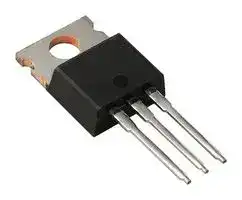


IRG4BC20FDPBF
IGBT, 16 A, 1.66 V, 60 W, 600 V, TO-220AB, 3 Pins
- Manufacturer: INFINEON
- Product type: Single IGBTs
- No. of Pins: 3Pins
- Power Dissipation: 60W
- Transistor Mounting: Through Hole
- Transistor Case Style: TO-220AB
- Operating Temperature Max: 150°C
- Continuous Collector Current: 16A
- Collector Emitter Voltage Max: 600V
- Collector Emitter Saturation Voltage: 1.66V
| Delivery and price | |
|---|---|
| Units per pack | 1 |
| Price | 0.699 € |
| Current stock | 10+ |
| Lead time | 30 days |

## IRG4BC20FDPbF

## **Features**

**==> picture [62 x 96] intentionally omitted <==**

**----- Start of picture text -----**<br>
C<br>G<br>E<br>n-channel<br>**----- End of picture text -----**<br>


**==> picture [40 x 8] intentionally omitted <==**

**----- Start of picture text -----**<br>
TO-220AB<br>**----- End of picture text -----**<br>


**==> picture [55 x 68] intentionally omitted <==**

**----- Start of picture text -----**<br>
θ<br>[Ric<br>θ<br>[Ric<br>θ<br>Ros<br>Ra<br>wt<br>www.irf.com<br>**----- End of picture text -----**<br>


**==> picture [54 x 23] intentionally omitted <==**

**----- Start of picture text -----**<br>
i  )|<br>1<br>**----- End of picture text -----**<br>


**==> picture [403 x 520] intentionally omitted <==**

**----- Start of picture text -----**<br>
|| | Parameter | Min. | Typ.[Max.| units|<br>∆ ∆<br>F Vier yces!jces |Tu] Collector-to-EmitterTemperature Coeff. Breakdownof Breakdown Vottage@Vottage |  600|— |0.72— |  —— || VPCV_ | | V co e =O0V.lco=25=OV, c= 1. 0 mv A<br>VE (on) Collector-to-Emitter Saturation Voltage | — |1.66|2.0 | Ic = 9.0A Voce<br>[Ven | — [1.76] — | Ic = 9.0A, Ty = 150°C<br>∆ ∆<br>F Vee!__|GateTu) TemperatureThresholdCoeff Voltage of Threshold Voage|| 3.0—  ||-11— |  60]— |mVPC|| V co e=Voe ,lc=250uAlo=250uA<br>fae [Forward Transconductance @ | 28|51|—| S | Vce=100V,lc=90A<br>feVeMIces ReteiseeseseetZero Gate Voltage Collector Current [2[=| — | — |prog250 | HA He sov.vesson-=<br>Ver PestDiode Forw a rdesereVoltage Drop [Etats]}— [1.41147] Vv“ feseocnemre| Ic=8.0A See<br>Switching Characteristics @ Ty = 25°C (unless otherwise specified)<br>| | Parameter | Min. | Typ. | ax. | units| Conditions<br>[Q, | Total Gate Charge (turn-on) | — | 27 | 40 | lc = 9.0<br>Fag. | Gate = Collector Charge (turn-on) | — [99] 15| _| Voe= 18V<br>Ftuon |Turm-OnDelayTime<br>SSCS<br>fe —«dRiseTime | — | 8 — | ‘| T= 25°C<br>Ω<br>[tao | 20 | — | ns | Io = 80, Voc = 480V<br>fi | Turn-Off Delay Time | — | 240 | 360 | Voce = 15V, Re = 50<br>[En [alltime | = | 150| 20 | Energy losses include "tail"<br>[Eg | Turn-On Switching Loss| — [0.25] — | diode reverse recovery.<br>Es | Turn-Off Switching Loss | — [0.64] — | mi | See Fig. 9, 10, 18<br>|Tutn-OnDelayTime<br>Ftaoy | Total Switching Loss ——=S=dYC 0.89] 1.3 |<br>fi [RiseTimeSSSiC] ——~—S«| — | At | — | | Tu= 180°C, Seerig 11,18<br>Ω<br>[tao | Turn-Off Delay Time | —|| 320]22 | —— | | os | Vocete = 9.08, = 15V, VicoRe =  4B0V50<br>[Le __—i[ Internal Emitter Inductance | — | 7.5 | — | nH | Measured 5mm from package<br>[Cis | Input Capacitance | — | 540 | — | Vor = OV<br>[Coes | Output Capacitance | — | 37 | — | PF | Voc = 30V See Fig.<br>[Cres __| Reverse Transfer Capacitance | — | 7.0 | — | j= 1.0MHz<br>| — | 55 | 90 | Ty=125°C 14 Ip =<br>fh Pettewe erin rte] ™ [rene a<br>ler Diode Peak Reverse Recovery Current | — | 3.5 | 5.0 | A Ty=25°C See Fig.<br>| — | 45 | 8.0 | Tj=125°C 15 Ve =<br>Qn Diode Reverse Recovery Charge | — | 65 | 138 | nC | Ty=25°C See Fig.<br>eedivecyw/dt 2 | DiodegePeak Rate of Fall of Recovery |P=— taofa[240]— |  A/us| Ty=25°C_pease See Fig.<br>**----- End of picture text -----**<br>


www.irf.com

**==> picture [433 x 488] intentionally omitted <==**

**----- Start of picture text -----**<br>
14<br>For both:<br>e e<br>12 Duty cycle: 50%<br>lll<br>T   = 125°CJ<br>T        = 90°Csink<br>10 Gate drive as specified<br>a Power Dissipation =   W<br>~ | 1<br>8 PT Square wave:60% of rated  ETEDuenen ANNENS alll<br>6 i          voltage eS ell<br>I<br>| 4 Nell<br>4<br>2 ack yo Ideal diodes NUTT<br>LUE OT [EE]<br>N e eiAN<br>0<br>0.1  1  10  100<br>f, Frequency (KHz)<br>Fig. 1 - Typical Load Current vs. Frequency<br>(Load Current = Ipms of fundamental)<br> 100  100<br>T  = 25  CJ o (Z| | BERRERE Ace<br>O O SaReGenee> 4000008<br>T  = 150  CJ o T  = 150  CJ o<br> 10 ry Amel  10 A EH<br>po a/RFe e e ; ee | fF | yy A FT | PF | fF [tT] ft ty PtfF<br>eyee Ae ee ee feA T  = 25  C re J o osseyy<br>>2  AA ee ee eee anetTT A ae PEPt PtPreeft<br>/ Ae eee eee PLYAR EEEEEEEET<br>ee HEL EEE<br>V      = 15VGE V      = 50VCC<br>20µs PULSE WIDTH 5µs PULSE WIDTH<br> 1  1<br> 1 f o  10 5 A 6 7 8 VI 9 10 11 12 13 14<br>V     , Collector-to-Emitter Voltage (V)CE V     , Gate-to-Emitter Voltage (V)GE<br>LOAD CURRENT (A)<br>C C<br>I   ,  Collector-to-Emitter Current (A) I   ,  Collector-to-Emitter Current (A)<br>**----- End of picture text -----**<br>


www.irf.com

3

**==> picture [434 x 480] intentionally omitted <==**

**----- Start of picture text -----**<br>
16 3.0<br>V      = 15VGE I   =       AC 18<br>80 us PULSE WIDTH<br>12<br>PEN EEEEE pert<br>PE; EN EEE es<br>se alll<br>8 PrN. 2.0 1 I   = C<br>4 PEL ELEN EI LL I   =       AC 4.5 i<br>POPPE ENS) He e<br>aaaaaa| | |aN TO eee Z<br>0 1.0<br>25 PO 50 75 PPE 100 125 150 = -60 EEE -40 -20 0 20 40 60 80 TTT 100 120 140 160<br>T   , Case Temperature (    C)C ° T   , Junction Temperature (  C)J °<br>Fig. 4 - Maximum Collector Current vs. Case Fig. 5 - Typical Collector-to-Emitter Voltage<br>Temperature vs. Junction Temperature<br> 10<br>a a ee ee ee ee<br>a<br>0.50<br> 1<br>p act<br>0.20<br>a ne<br>0.10<br>P 0.05 e PDM<br>0.1<br>e 0.02 al t1<br>0.01 SINGLE PULSE<br>(THERMAL RESPONSE) t2<br>| | Pitty TTT Notes:<br>1. Duty factor D = t   / t1 2<br>on C oo 2. Peak TJ = PDM x  Z thJC + TC<br>0.01<br>0.00001 0.0001 0.001 0.01 0.1  1<br>t  , Rectangular Pulse Duration (sec)1<br>Maximum DC Collector Current(A) CE<br>V     , Collector-to-Emitter Voltage(V)<br>thJC<br>Thermal Response (Z          )<br>**----- End of picture text -----**<br>


www.irf.com

4

**==> picture [212 x 479] intentionally omitted <==**

**----- Start of picture text -----**<br>
1000<br>VGE = 0V, f = 1MHz<br>Cies = Cge + Cgc , C      SHORTEDce<br>Cres = Cgc<br>800 ||al N Coes = C t ce + Cgc h<br>600 Cies<br>PoNB<br>400 PNET —— ||<br>| PTT<br>200 ENG Coes<br>se ill<br>Cres<br>0 Et |1 | II<br> 1  10  100<br>V     , Collector-to-Emitter Voltage (V)CE<br>Fig. 7 - Typical Capacitance vs.<br>Collector-to-Emitter Voltage<br>0.90<br>V      = 480VCC<br>V      = 15VT      = 25   CJGE °<br>0.88<br>I       = 9.0AC<br>0.86<br>pt ttPttttet| |tT TZ<br>0.84<br>FEEEE EER)<br>FS]<br>0.82 Pit iA tT ty<br>0.80<br>pitaAt itt<br>0.78 Pt tt tT tT | tT Tt<br>FEREEEEEES}<br>0 10 20 30 40 50<br>R    , Gate Resistance (Ohm)G  Ω<br>C, Capacitance (pF)<br>Total Switching Losses (mJ)<br>**----- End of picture text -----**<br>


**==> picture [209 x 478] intentionally omitted <==**

**----- Start of picture text -----**<br>
20<br>VCC = 400V<br>I C = 9.0A<br>pe SEREREEEe<br>16 PLT TTT [TTT]<br>12<br>Pe vt<br>8 PEt TT Aer<br>SEER ESZEREEe<br>4 iA<br>BARRE<br>AGERE EEE<br>0 ALL TT ET Ey<br>0 5 10 15 20 25 30<br>Q   , Total Gate Charge (nC)G<br>Fig. 8 - Typical Gate Charge vs.<br>Gate-to-Emitter Voltage<br> 10<br>R      = 50OhmG Ω<br>V      = 15VGE<br>V      = 480VCC<br>I   =       AC 18<br>8Co 00oe Oe eOe on e<br>I   = C<br> 1<br>= LEE Le<br>arbeeeee e e ee r<br>I   =       AC 4.5<br>Be Be 8 = cnn<br>eee ttt<br>0.1<br>— -60 LEL -40 -20 L 0 LEE 20 40 60  EEE 80 100 120 140 160<br>T  , Junction Temperature (  C )J °<br>GE<br>V     , Gate-to-Emitter Voltage (V)<br>Total Switching Losses (mJ)<br>**----- End of picture text -----**<br>


www.irf.com

5

**==> picture [197 x 192] intentionally omitted <==**

**----- Start of picture text -----**<br>
3.0<br>R      = 50G Ωhm<br>T      = 150  CJ °<br>V      = 480VCC<br>2.5<br>V      = 15VGE<br>a e<br>2.0<br>pit<br>HEE | tt A<br> EE REE<br>1.5<br>——4—y, —<br>1.0 rTPT tTr TYE7TTrTyy yya<br>0.5<br>HEEpi [yp]<br>FitT} EEEtt E TEEH<br>0.0 tT<br>0 4 8 12 16 20<br>I    , Collector-to-emitter Current (A)C<br>Total Switching Losses (mJ)<br>**----- End of picture text -----**<br>


**==> picture [201 x 191] intentionally omitted <==**

**----- Start of picture text -----**<br>
 100<br>V      = 20VGE<br>Poeer T      = 125  CJ l o owestoe<br> A<br>PAE | |<br>AIM<br> 10<br>pf ae aa ee eeA ee ee EU ee ees |<br>oyey |A eeeee<br>RP R eeee|<br>PGE<br>eeee<br>| il<br>SAFE OPERATING AREA<br>EL A<br> 1<br> 1  10  100  1000<br>V     , Collector-to-Emitter Voltage (V)CE<br>C<br>I   ,  Collector-to-Emitter Current (A)<br>**----- End of picture text -----**<br>


**==> picture [175 x 285] intentionally omitted <==**

**----- Start of picture text -----**<br>
100 BSRSESE<br>a ee<br>Pi ti tit tt | | | Pw<br>pif ft tt | ge<br>PtA<br>ALL<br>10<br>ee ee 7 / eeee<br>oe ee ee, oe<br>ee) ee<br>mm/s | [ft]<br>T  = 150°CJ<br>| | | Ye |<br>T  = 125°CJ<br>ite T  =   25°CJ ona<br>1<br>PEPp<br>P| we<br>Be Pee<br>ByPR<br>0.1<br>0.4 0.8 1.2 1.6 2.0 2.4 2.8 3.2<br> Forward Voltage Drop - V      (V)FM<br>F<br>Instantaneous Forward Current - I    (A)<br>**----- End of picture text -----**<br>


www.irf.com

6

**==> picture [433 x 513] intentionally omitted <==**

**----- Start of picture text -----**<br>
100 100<br>ee V  = 200VT  = 125°CT  = 25°CRJJ ee V  = 200VT  = 125°CT  = 25°CRJJ one<br>80<br>Se<br>I   = 16AF<br>60<br>I   = 8.0AF<br>I   = 16AF<br>SOR 10 e<br>Psu e ma il<br>I   = 8.0AF<br>40<br>poet ee<br>I   = 4.0AF<br>I   = 4.0AF<br>PE o O<br>20<br>ee<br>0 Trt 1 lll<br>100 1000 100 1000<br>di  /dt - (A/µs)f<br>di  /dt - (A/µs)f<br>Fig. 14- Typical Reverse Recovery vs. di;/dt Fig. 15 - Typical Recovery Current vs. di;/dt<br>500 10000<br>V  = 200VR V  = 200VR<br>ro T  = 125°CJ LTT eee T  = 125°CJ<br>T  = 25°CJ T  = 25°CJ<br>400 Loz} } | eee<br>7 LAT a<br>300<br>all H+ ttt<br>I   = 16A F aany ee 1000 ee I   = 4.0AF<br>I   = 8.0AF<br>200 ancl —— —a ne<br>I   = 16AF<br>I   = 8.0AF<br>nn oe<br>100<br>| |<br>ee" [ I    F = 4.0A<br>cTTee f erf<br>0 100<br>100 1000 100 1000<br>di  /dt - (A/µs)f di  /dt - (A/µs)f<br>t    -  (ns)rr I         - (A)IRRM<br>RR<br>Q       -  (nC)<br>di(rec)M/dt  -  (A/µs)<br>**----- End of picture text -----**<br>


www.irf.com

7

**==> picture [146 x 71] intentionally omitted <==**

**----- Start of picture text -----**<br>
Same type<br>device as<br>D.U.T.<br>80% 430µF<br>of Vce D.U.T.<br>**----- End of picture text -----**<br>


**==> picture [186 x 164] intentionally omitted <==**

**----- Start of picture text -----**<br>
GATE VOLTAGE D.U.T.<br>10% +Vg<br>+Vg<br>DUT VOLTAGE<br>Vce<br>AND CURRENT<br>Vcc [10% Ic] 90% Ic Ipk<br>Ic<br>PAN td(on) tr 5% Vce G<br>t2<br>Eon =<br>t1<br>t1 t2<br>**----- End of picture text -----**<br>


**==> picture [186 x 194] intentionally omitted <==**

**----- Start of picture text -----**<br>
90% Vge<br>+Vge<br>Vce<br>90% Ic<br>10% Vce<br>Ic<br>Ic<br>5% Ic<br>td(off) tf<br>t1+5µS<br>Eoff =<br>t1<br>t1 t2<br>**----- End of picture text -----**<br>


**==> picture [179 x 193] intentionally omitted <==**

**----- Start of picture text -----**<br>
trr<br>trr<br>Ic — — Qrr = t<br>tx<br>tx<br>10% Irr<br>10% Vcc<br>Vcc<br>Vpk<br>Irr<br>DIODE RECOVERY<br>WAVEFORMS<br>_ foeeeeeececcccssseeecbeced<br>t4<br>Erec =<br>t3<br>DIODE REVERSE<br>RECOVERY ENERGY<br>t3 t4<br>**----- End of picture text -----**<br>


www.irf.com

8

**==> picture [191 x 176] intentionally omitted <==**

**----- Start of picture text -----**<br>
Vg GATE SIGNAL<br>DEVICE UNDER TEST<br>CURRENT D.U.T.<br>‘<br>’<br>:<br>L171 i<br>VOLTAGE IN D.U.T.<br>LOA<br>' t '<br>CURRENT IN D1<br>’<br>‘<br>:<br>t 1<br>1 1<br>Ut!<br>t0 t1 t2<br>**----- End of picture text -----**<br>


**==> picture [204 x 50] intentionally omitted <==**

**----- Start of picture text -----**<br>
L D.U.T.<br>1000V V *c<br>50V<br>6000µF<br> 100V<br>**----- End of picture text -----**<br>


www.irf.com

9

## Notes:

%( Voces), VoeE=20V, L=10UH, Rg=50 Ω ≤ ≤ .

Dimensions are shown in millimeters (inches)

**==> picture [342 x 182] intentionally omitted <==**

**----- Start of picture text -----**<br>
10.54 (.415) 3.78 (.149) - B -<br>2.87 (.113) 10.29 (.405) 3.54 (.139) 4.69 (.185)<br>2.62 (.103) - A - 4.20 (.165) 1.32 (.052)<br>| g 1.22 (.048)<br>6.47 (.255)<br>4 6.10 (.240)<br>=acy FO a<br>15.24 (.600)<br>14.84 (.584)<br>LEAD ASSIGNMENTS<br>1.15 (.045)     MIN HEXFETLEAD ASSIGNMENTS       1 - GATE  IGBTs, CoPACK<br>1     2    3 1- GATE       2 - DRAIN 1- GATE<br>2- DRAIN       3 - SOURCE 2- COLLECTOR<br>| ta 3- SOURCE4- DRAIN       4 - DRAIN 3- EMITTER4- COLLECTOR<br>14.09 (.555)<br>13.47 (.530) 4.06 (.160)<br>3.55 (.140)<br>i<br>3X [1.40 (.055)] 1.15 (.045) [ 3X0.36  (.014)        M    B   A   M [0.93 (.037)] 0.69 (.027) a 2.92 (.115)3X [0.55 (.022)] 0.46 (.018)<br>2.64 (.104)<br>Lt 2.54 (.100)<br>2X<br>NOTES:<br>     1  DIMENSIONING & TOLERANCING PER ANSI Y14.5M, 1982.             3  OUTLINE CONFORMS TO JEDEC OUTLINE TO-220AB.<br>**----- End of picture text -----**<br>


- 2  CONTROLLING DIMENSION : INCH                                                       4  HEATSINK & LEAD MEASUREMENTS DO NOT INCLUDE BURRS.

**==> picture [316 x 70] intentionally omitted <==**

**----- Start of picture text -----**<br>
E XAMPLE: T HIS  IS  AN IR F1010<br>LOT  CODE  1789<br>AS S EMBLED ON WW 19, 1997 INT ER NAT IONAL PART  NUMBER<br>IN T HE AS S EMBLY LINE "C" RECT IFIER<br>LOGO<br>Note: position indicates "Lead-Free"  "P" in assembly line DAT E CODE<br>YEAR  7 =  1997<br>AS S EMBLY<br>LOT  CODE WEEK 19<br>LINE C<br>**----- End of picture text -----**<br>


Data and specifications subject to change without notice. International

**IR WORLD HEADQUARTERS:** 233 Kansas St., El Segundo, California 90245, USA Tel: (310) 252-7105

TAC Fax: (310) 252-7903 Visit us at www.irf.com for sales contact information **.** 12/03

www.irf.com

10

Note:  For the most current drawings please refer to the IR website at: http://www.irf.com/package/
Updated at February 9, 2023
Infineon Technologies is a globally recognized leader in semiconductor solutions, renowned for driving innovation in power management, energy efficiency, and modern mobility. With a strong legacy of engineering excellence, the company provides highly reliable components designed to meet the rigorous demands of industrial, automotive, and advanced commercial applications. The core of our Infineon portfolio is centered on their industry-leading discrete semiconductors. We offer an extensive selection of single and dual MOSFETs, alongside a robust range of single IGBTs and advanced IGBT modules. These flagship power transistors are essential for high-efficiency power conversion and motor control, providing engineers with superior thermal performance and minimized switching losses. Beyond advanced field-effect transistors, the selection includes a comprehensive array of diodes and rectifiers, heavily featuring Schottky diodes, as well as fast-recovery and RF/PIN diodes. This power foundation is further supported by bipolar transistors, intelligent power modules, and thyristor SCR modules, delivering the critical building blocks required for complex power system designs. To support broader system integration, the portfolio also encompasses specialized solutions such as solid-state relays, AC/DC LED driver ICs, and Bluetooth communications modules. From high-power industrial rectifiers to wireless connectivity adapters, Infineon equips designers with the precision components needed to build efficient, scalable, and fully connected electronic systems.
About Novapart
Novapart is a B2B electronic component broker specialising in stock shortages and cost reduction. We source hard-to-find parts and identify compliant alternatives across a catalogue of 410,000+ components from 500+ manufacturers.
Learn more →Stock Shortage Specialist
When a component is unavailable, discontinued or has an unacceptable lead time, we tap into our network of vetted European and Asian distributors to source what you need — without compromising on quality or traceability.
Request a quote →Compliant Alternatives
We identify pin-to-pin, electrically equivalent substitutes that meet the same certifications (RoHS, AEC-Q100, REACH) as your original specification — validated against datasheets, not just part numbers. Often at a lower cost.
BOM Analysis service →