
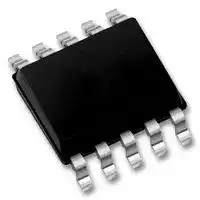


FL5150MX
LED Driver AC/DC, 16V to 18V Input, 200kHz, 1 Output, NSOIC-10
- Manufacturer: ONSEMI
- Product type: AC / DC LED Driver ICs
- Device Topology:-; Input Voltage Min:16V; Input Voltage Max:18V; Output Voltage Max:-; Output Current Max:-; Switching Frequency:200kHz; No. of Outputs:1Outputs; IC Mounting:SMD; Driver Case S
- MSL: MSL 1 - Unlimited
- SVHC: No SVHC (25-Jun-2025)
- Topology: -
- IC Mounting: Surface Mount
- No. of Pins: 10Pins
- Product Range: -
- Qualification: -
- No. of Outputs: 1Outputs
- Device Topology: -
- LED Driver Type: -
- Driver Case Style: NSOIC
- IC Case / Package: NSOIC
- Input Voltage Max: 18V
- Input Voltage Min: 16V
- Output Current Max: -
- Output Voltage Max: -
- Switching Frequency: 200kHz
- Switching Frequency Typ: 200kHz
- Operating Temperature Max: 85°C
- Operating Temperature Min: -40°C
- Automotive Qualification Standard: -
| Delivery and price | |
|---|---|
| Units per pack | 2500 |
| Price | 0.598 € |
| Current stock | 1000+ |
| Lead time | 30 days |

## **Is Now Part of**
## **To learn more about ON Semiconductor, please visit our website at www.onsemi.com**
Please note: As part of the Fairchild Semiconductor integration, some of the Fairchild orderable part numbers will need to change in order to meet ON Semiconductor’s system requirements. Since the ON Semiconductor product management systems do not have the ability to manage part nomenclature that utilizes an underscore (_), the underscore (_) in the Fairchild part numbers will be changed to a dash (-). This document may contain device numbers with an underscore (_). Please check the ON Semiconductor website to verify the updated device numbers. The most current and up-to-date ordering information can be found at www.onsemi.com. Please email any questions regarding the system integration to Fairchild_questions@onsemi.com.
ON Semiconductor and the ON Semiconductor logo are trademarks of Semiconductor Components Industries, LLC dba ON Semiconductor or its subsidiaries in the United States and/or other countries. ON Semiconductor owns the rights to a number of patents, trademarks, copyrights, trade secrets, and other intellectual property. A listing of ON Semiconductor’s product/patent coverage may be accessed at www.onsemi.com/site/pdf/Patent-Marking.pdf. ON Semiconductor reserves the right to make changes without further notice to any products herein. ON Semiconductor makes no warranty, representation or guarantee regarding the suitability of its products for any particular purpose, nor does ON Semiconductor assume any liability arising out of the application or use of any product or circuit, and specifically disclaims any and all liability, including without limitation special, consequential or incidental damages. Buyer is responsible for its products and applications using ON Semiconductor products, including compliance with all laws, regulations and safety requirements or standards, regardless of any support or applications information provided by ON Semiconductor. “Typical” parameters which may be provided in ON Semiconductor data sheets and/or specifications can and do vary in different applications and actual performance may vary over time. All operating parameters, including “Typicals” must be validated for each customer application by customer’s technical experts. ON Semiconductor does not convey any license under its patent rights nor the rights of others. ON Semiconductor products are not designed, intended, or authorized for use as a critical component in life support systems or any FDA Class 3 medical devices or medical devices with a same or similar classification in a foreign jurisdiction or any devices intended for implantation in the human body. Should Buyer purchase or use ON Semiconductor products for any such unintended or unauthorized application, Buyer shall indemnify and hold ON Semiconductor and its officers, employees, subsidiaries, affiliates, and distributors harmless against all claims, costs, damages, and expenses, and reasonable attorney fees arising out of, directly or indirectly, any claim of personal injury or death associated with such unintended or unauthorized use, even if such claim alleges that ON Semiconductor was negligent regarding the design or manufacture of the part. ON Semiconductor is an Equal Opportunity/Affirmative Action Employer. This literature is subject to all applicable copyright laws and is not for resale in any manner.
May 2016
## **FL5150/60 IGBT and MOSFET AC Phase Cut Dimmer Controller**
## **Features**
- Selectable Earth Ground or Line-Hot Zero Cross Detection: Complies with UL1472 2015 2[nd] Edition for Addition of Ground Leakage Current for Flicker Reduction (North America)
- User Programmable Leading or Trailing Edge Dimming Control
- Dynamic Over-Current and Temperature Protection
- Powered from the AC Line
- Symmetric AC Current Control
- IGBT or MOSFET Gate Driver
- Gate Pulse Width Programmable from 0 to 100% tON
- 8 Bit ADC Input for Dimming Control with an Adjustable Resistor or 0 to 10 V DC Voltage
- 226 Dimming Pulse Widths with 25 s Resolution and Built-in Ramp Up/Down Control for Smooth Dimming
- Automatically Maximum Gate Pulse Width Control (Auto Max.)
- Minimum External Components
- 600 A Quiescent Current
- Precision Temperature Compensated 2% Internal Timer
- Low Power Electronic Off State Mode
- Space Savings SOIC 10-pin Package
- 50 Hz and 60 Hz Options
## **Applications**
- Dimmer Switches
- AC Controls
## **Description**
The FL5150 and FL5160 are controllers for varying the pulse width for AC loads. The FL5150 is for 50 Hz and the FL5160 is for 60 Hz applications. The FL5150/60 is powered from the AC line and generates a programmable gate drive for controlling the pulse width for external IGBT or MOSFET transistors. The pulse width can be user programmable with either an external resistor or 0 to 10 V DC signal or controlled by a µP with a logic signal. The pulse width can be controlled from 0 to 100% duty cycle to provide a wide AC symmetric dimming control function when biased with a 3-wire application. For 2-wire LineHot and Load-Hot applications, the pulse width can typically be varied from 0 to a maximum gate pulse so that the load voltage is >95% of the AC line voltage. The FL5150/60 will automatically override the pulse width control setting to allow maximum gate pulse width without flicker.
The FL5150/60 takes advantage of the UL1472 2015 2nd edition code revision that allows for up to 0.5 mA of ground leakage current when a neutral wire is not available in the switch box. This improves the flicker performance for non-resistive loads. If the application does not allow ground leakage current then the Line Hot signal can be used as the ZC signal.
The FL5150/60 has user programmable over-current and temperature protection. With external sense resistors, the maximum voltage drop across Q1 and Q2 can be set to limit the maximum current and transistor power dissipation.
The FL5150/60 can be programmed for trailing edge dimming when the DIM Mode pin is low at startup (pulse width starts at the zero-crossing) or leading edge dimming when the DIM Mode pin is connected to the VDD pin at startup (pulse width ends at the zero crossing). When an OFF state is selected (DIM Control pin is 0 V) the FL5150/60 will go into a low power electronic OFF state that reduces the power consumption to less than 100 mW if an external NPN transistor is used.
The FL5150/60 has an internal 8 bit ADC that allows for typically 226 selectable dimming pulse widths with a resolution of 25 µs per step. The FL5150/60 controls the dim pulse width rate of change so that the minimum to maximum dim ramp time is approximately 1 second. This feature allows for a smooth dim transition.
Internally, the FL5150/60 contains a 17 V shunt regulator, 5 V linear regulator, 8Bit ADC, detection comparators, control logic and an IGBT or MOSFET gate driver.
The 10-pin SOIC package provides for a low-cost, compact design and layout.
© 2016 Fairchild Semiconductor Corporation FL5150/60 • 1.0
www.fairchildsemi.com
## **Ordering Information**
**==> picture [469 x 590] intentionally omitted <==**
**----- Start of picture text -----**<br>
Operating<br>Part Number Package Packing Method<br>Temperature Range<br>FL5150MX<br>-40°C to +85°C 10 Lead SOIC, JEDEC MS-012, 150” Narrow Body Tape and Reel<br>FL5160MX<br>Typical Applications<br>Line Hot<br>D2<br>RZC Monitor RSENSE1<br>ZC Monitor OC Sense1 Q1<br>RGATE<br>DIM Control DRV Gate<br>CGATE<br>RSENSE2<br>Radj VDD OC Sense2<br>Q2<br>C3 C1<br>Roffset DIM Mode Low power<br>GND VS<br>R1<br>C2 D1<br>FS Load Hot<br>Figure 1. Typical 120 VAC 60 Hz Application with Air Gap Switch (TE Mode Selected)<br>@<br>Line Hot<br>D2<br>RZC Monitor RSENSE1<br>ZC Monitor OC Sense1 Q1<br>RGATE<br>DIM Control DRV Gate<br>CGATE<br>RSENSE2<br>Radj VDD OC Sense2 Q2<br>C3 C1<br>R2<br>DIM Mode Low power<br>Roffset<br>GND VS Q3<br>R1<br>C2 D1<br>“nS Load Hot<br>Figure 2. Typical 120 VAC 60 Hz Low Power Application (LE Mode Selected)<br>Table 1. Typical Values<br>R1: 10 k R2: 150 k RADJ: 0 to 250 k ROFFSET: 0 to 50 k RZC Monitor: 1 M RGATE: 1 k<br>RSENSE1: 1 M RSENSE2: 1 M C1: 100 nF C2: 2.5 F C3: 100 nF<br>CGATE: 22 nF Q1: FDPF33N25 Q2: FDPF33N25 Q3: KSP44<br>FL5160MX<br>FL5160<br>**----- End of picture text -----**<br>
© 2016 Fairchild Semiconductor Corporation FL5150/60 • 1.0
www.fairchildsemi.com
2
**==> picture [468 x 183] intentionally omitted <==**
**----- Start of picture text -----**<br>
Line Hot<br>D2<br>RZC Monitor RSENSE1<br>ZC Monitor OC Sense1 Q1<br>RGATE<br>DIM Control DRV Gate<br>CGATE<br>RSENSE2<br>Radj VDD OC Sense2 Q2<br>C3 C1<br>Z1 R2<br>DIM Mode Low power<br>Roffset<br>GND VS<br>R1 Q3<br>C2 D1<br>Load Hot<br>FL5160<br>**----- End of picture text -----**<br>
**Figure 3. 120 VAC 60 Hz Application with Current Mirror for R1 Lower Power Dissipation (LE Mode Selected)**
**==> picture [475 x 365] intentionally omitted <==**
**----- Start of picture text -----**<br>
Table 2. Typical Values<br>R1: 2 k R2: 150 k RADJ: 0 to 250 k ROFFSET: 0 to 50 k RZC Monitor: 1 M RGATE: 1 k<br>RSENSE1: 1 M RSENSE2: 1 M C1: 100 nF C2: 2.5 F C3: 100 nF CGATE: 22 nF<br>Z1: 7.5 V Q1: FDPF33N25 Q2: FDPF33N25 Q3: KSP44<br>——<br>Line Hot<br>RZC Monitor RSENSE1<br>ZC Monitor OC Sense1 Q1<br>RGATE<br>DIM Control DRV Gate<br>CGATE<br>RSENSE2<br>Radj VDD OC Sense2<br>Q2<br>C3 C1<br>R2<br>Roffset DIM Mode Low power<br>GND VS Q3<br>R1<br>C2 D1<br>Load Hot<br>Neutral<br>Figure 4. Typical 120 VAC 60 Hz Low Power 3-Wire Application<br>Table 3. Typical Values<br>R1: 30 k RADJ: 0 to 250 k R2: 150 k RZC Monitor: 1 M RGATE: 1 k RSENSE1: 1 M<br>RSENSE2: 1 M C1: 100 nF C2: 4.7 F CGATE: 22 nF C3: 100 nF<br>Q1: FDPF33N25 Q2: FDPF33N25 Q3: KSP44<br>——————<br>FL5160<br>**----- End of picture text -----**<br>
© 2016 Fairchild Semiconductor Corporation FL5150/60 • 1.0
www.fairchildsemi.com
3
**==> picture [469 x 549] intentionally omitted <==**
**----- Start of picture text -----**<br>
Line Hot<br>D2<br>RZC Monitor RSENSE1<br>ZC Monitor OC Sense1 Q1<br>RGATE<br>DIM Control DRV Gate<br>CGATE<br>RSENSE2<br>Radj VDD OC Sense2 Q2<br>C3 C1<br>R2<br>DIM Mode Low power<br>Roffset<br>GND VS Q3<br>R1<br>C2 D1<br>Load Hot<br>Figure 5. Typical 230 VAC 50 Hz 2-Wire Application (LE Mode Shown)<br>Table 4. Typical Values<br>R1: 35 k RADJ: 0 to 250 k R2: 350 k RZC Monitor: 2 M RGATE: 1 k RSENSE1: 2 M<br>RSENSE2: 2 M C1: 100 nF C2: 3 F CGATE: 22nF C3: 100 nF<br>Q1:NGTB10N60FG Q2: NGTB10N60FG Q3: KSP44<br>Block Diagram<br>OC Sense1<br>OC Sense2<br>DIM 8 Bit<br>Control ADC<br>VS<br>Digital &<br>Analog DRV Gate<br>Low Power VDD Circuitry<br>VS ZC Monitor<br>Linear<br>Regulator<br>DIM Mode<br>GND VDD<br>FL5150<br>**----- End of picture text -----**<br>
**Figure 6. Block Diagram**
© 2016 Fairchild Semiconductor Corporation FL5150/60 • 1.0
www.fairchildsemi.com
4
|**Pin#**|**Name**|**Description**|
|---|---|---|
|1|ZC Monitor|**ZC Monitor**This signal is used for the zero crossing threshold.|
|2|DIM Control|**DIM Control**The voltage at this pin is the input for an 8 Bit ADC with a 2.5 V<br>reference. Table 5 shows the pulse width selection per DIM Control pin<br>voltage. This pin sources 10A of current so that with an external adjustable<br>resistor, the dim pulse width can be selected. With a 4 to 1 resistor divided, a 0<br>to 10 V DC (Ground reference to pin 5) signal can be used to control the dim<br>pulse width.|
|3|VDD|**VDD**The internal 5 V supply for the digital logic|
|4|DIM Mode|**DIM Mode**This pin selects either trailing edge or leading edge pulse width<br>dimming. When a Power-On-Reset (POR) occurs, this pin will be monitored for<br>its logic level. If it is connected to GND then trailing edge dimming will be<br>selected. If it is connected to VDD then leading edge dimming will be selected.<br>The DIM Mode state is latched at startup (60 ms) and will remain in its selected<br>DIM Mode until a POR signal occurs.|
|5|GND|**GND**Supply input for the FL5150/60 circuitry|
|6|VS|**VS**Supply input for the FL5150/60 circuitry. An internal shunt regulator will<br>clamp this pin at 17 V.|
|7|Low Power|**Low Power**When an off state is selected (DIM Control pin at 0 V) an internal<br>PMOS transistor will be enabled which shorts this pin to VS. If an external NPN<br>transistor is used per Figure 2, the FL5150/60 power consumption will be<br>reduced to typically 100 mW.|
|8|OC Sense2|**OC Sense2**An external resistor connected to the collector/drain of Q2 sets the<br>maximum voltage difference across Q1 and Q2 for both positive and negative<br>half cycles.|
|9|DRV Gate|**DRV Gate**Gate drive signal for external IGBT or MOSFET transistors.|
|10|OC Sense1|**OC Sense1**An external resistor connected to the collector/drain of Q1 sets the<br>maximum voltage difference across Q1 and Q2 for both positive and negative<br>half cycles.|
© 2016 Fairchild Semiconductor Corporation FL5150/60 • 1.0
www.fairchildsemi.com
5
## **Absolute Maximum Ratings**
Stresses exceeding the absolute maximum ratings may damage the device. The device may not function or be operable above the recommended operating conditions and stressing the parts to these levels is not recommended. In addition, extended exposure to stresses above the recommended operating conditions may affect device reliability. The absolute maximum ratings are stress ratings only.
|**Symbol**|**Parameter**|**Condition**|**Min.**|**Max.**|**Unit**|
|---|---|---|---|---|---|
|IS|SupplyCurrent|Continuous Current, VS to GND||25|mA|
|VS|SupplyVoltage|Continuous Voltage, VS to GND|-0.8|20.0|V|
|DRVG<br>LP|DRV Gate and Low Power|Continuous Voltage to GND|-0.8|20.0|V|
|OCSen1<br>OCSen2|Sense1, Sense2|Continuous Voltage to GND|-0.8|5.0|V|
||All otherpins|Continuous Voltage to GND|-0.8|6.0||
|TSTG|Storage Temperature Range||-65|+150|°C|
|ESD|Electrostatic Discharge<br>Capability|Human BodyModel, JESD22-A114||2|kV|
|||Charged device Model, JESD22-C101||2||
© 2016 Fairchild Semiconductor Corporation FL5150/60 • 1.0
www.fairchildsemi.com
6
## **Recommended Operating Conditions**
The Recommended Operating Conditions table defines the conditions for actual device operation. Recommended operating conditions are specified to ensure optimal performance to the data sheet specifications. Fairchild does not recommend exceeding them or designing to Absolute Maximum Ratings. Unless otherwise specified, refer to Figure 1 to Figure 5. TA=25°C, ISHUNT=5 mA, and phase=60 Hz.
|**Symbol**|**Parameter**|**Parameter**|**Conditions**|**Conditions**|**Min.**|**Typ. Max. Unit**|**Typ. Max. Unit**|**Typ. Max. Unit**|
|---|---|---|---|---|---|---|---|---|
|**FL5150/60 Electrical Parameters (TA=25**°C**, Ishunt=5 mA, unless otherwise specified)**|||||||||
|VS|Power Supply Shunt Regulator<br>Voltage||VS to GND||16|17|18|V|
|UVLO|Under-Voltage Lockout<br>(Power-on-Reset)||VS to GND, Rising Enable<br>FL5160/50||9.2|9.5|9.8|V|
||||VS to GND, Falling<br>Hysteresis Terminate DRV<br>Gate Pulse|||0.5|||
||||VS to GND, Falling<br>Hysteresis Disable<br>FL5150/60|||2.2|||
|IQ|Quiescent Current||VS to GND = 12 V|||600|800|µA|
|VDD|VDD SupplyVoltage||VPW Control = 0||4.5|5.0|5.5|V|
|OCSen1VH<br>OCSen2VH|Sense1&2 Clamp High||IH = 350 µA||||4.0|V|
|OCSen1VL<br>OCSen2VL|Sense1&2 Clamp Low||IL = -350 µA||-0.7|||V|
|ZCMonVH|ZC Monitor ClampHigh||IH = 350µA||||4.0|V|
|ZCMonVL|ZC Monitor ClampLow||IH = -350µA||-0.7|||V|
|OSC|Internal Timer|FL5160|VDIM Control = 0||194|200|206|kHz|
|||FL5150|||161.7|166.7 171.7|166.7 171.7||
|DIMCNISOURCEDIM Control Source Current|DIM Control Source Current||VDIM Control = 0||9.4|10.0|10.6|A|
|DIMCNVFORCEDIM Control 100% Duty Cycle|DIM Control 100% Duty Cycle||VDIM Control||VDD – 0.5|||V|
|VREFADC|ADC Reference Voltage||VADC (8-Bit)|||2.56||V|
|DRVGVH|DRV Gate High||RADJ Open (VS=17 V)||16.0|17.0||V|
|DRVGVL|DRV Gate Low||RADJ Connected to GND||||100|mV|
|DRVGTLH|DRV Gate L to H||CLoad = 3 nF, 10 to 90%|||150|250|ns|
|DRVGTHL|DRV Gate H to L||CLoad = 3 nF, 10 to 90%|||50|100|ns|
|DMVL|DIM Mode Logic Low<br>(Select Trailing Edge)||VL||||1.0|V|
|DMVH|DIM Mode Logic High<br>(Select Leading Edge)||VH||VDD - 1.0|||V|
|DMISOURCE|DIM Mode Source Current||IDIM Mode||7|10|13|A|
|DMTSEL|DIM Mode Selection Time after<br>Under-Voltage lock Out Enable<br>Threshold||FL5160|||60||ms|
||||FL5150|||72|||
|LPMTEN|LP Mode Enable Time||FL5160, VDIM Control = 0|||100||ms|
||||FL5150, VDIM Control = 0|||120|||
|OCVTH|Over-Current Threshold,<br>Trailing Edge<br>RSENSE1,2 =1 M<br>I Q1DRAIN – Q2DRAIN I||Half Cycle<br>Phase Angle|0 to 43°||3.5||V|
|||||43° to 65°||2.9|||
|||||65° to 86°||2.4|||
|||||86° to 180°||2.0|||
www.fairchildsemi.com
© 2016 Fairchild Semiconductor Corporation FL5150/60 • 1.0
7
|||**DIM Mode=0**|**DIM Mode=0**|**DIM Mode=1**|**DIM Mode=1**|
|---|---|---|---|---|---|
|||**Trailing Edge**|**Trailing Edge**|**Leading Edge**|**Leading Edge**|
|**DIM_Control**<br>**Voltage (mV)**|**VOUTRMS(V)(2) t**|**tON (Rising)****s**|**tON (Falling)****s**|**tOFF (Rising)****s**|**tOFF(Falling)****s**|
|0|0|0|0|>8333|>8333|
|0|0|0|0|>8333|>8333|
|0|0|0|0|>8333|>8333|
|0|0|0|0|>8333|>8333|
|40|0|0|0|>8333|>8333|
|50|0|0|500|>8333|7800|
|60|0|0|500|>8333|7800|
|70|0|0|500|>8333|7800|
|80|0|0|500|>8333|7800|
|90|0|0|500|>8333|7800|
|100|4.5|500|500|7800|7800|
|110|5.3|550|550|7750|7750|
|120|6.1|600|600|7700|7700|
|130|6.9|650|650|7650|7650|
|140|7.7|700|700|7600|7600|
|150|8.5|750|750|7550|7550|
|160|9.4|800|800|7500|7500|
|170|10.3|850|850|7450|7450|
|180|11.2|900|900|7400|7400|
|190|12.1|950|950|7350|7350|
|200|13|1000|1000|7300|7300|
|210|14|1050|1050|7250|7250|
|220|15|1100|1100|7200|7200|
|230|16|1150|1150|7150|7150|
|240|17|1200|1200|7100|7100|
|250|18|1250|1250|7050|7050|
|260|18.5|1275|1275|7025|7025|
|270|19|1300|1300|7000|7000|
|280|19.5|1325|1325|6975|6975|
|290|20|1350|1350|6950|6950|
|300|20.5|1375|1375|6925|6925|
|310|21|1400|1400|6900|6900|
|320|21.5|1425|1425|6875|6875|
|330|22|1450|1450|6850|6850|
|340|22.5|1475|1475|6825|6825|
|350|23|1500|1500|6800|6800|
_Continued on the following page…_
© 2016 Fairchild Semiconductor Corporation FL5150/60 • 1.0
www.fairchildsemi.com
8
**Table 5. DIM Control Voltage Pulse Width Selection[(1)]** (Continued)
|||**DIM Mode=0**|**DIM Mode=0**|**DIM Mode=1**|**DIM Mode=1**|
|---|---|---|---|---|---|
|||**Trailing Edge**|**Trailing Edge**|**Leading Edge**|**Leading Edge**|
|**DIM_Control**<br>**Voltage (mV)**|**VOUTRMS(V)(2) t**|**tON (Rising)****s**|**tON (Falling)****s**|**tOFF (Rising)****s t**|**s tOFF(Falling)****s**|
|360|23.6|1525|1525|6775|6775|
|370|24.2|1550|1550|6750|6750|
|380|24.8|1575|1575|6725|6725|
|390|25.4|1600|1600|6700|6700|
|400|26|1625|1625|6675|6675|
|410|26.6|1650|1650|6650|6650|
|420|27.2|1675|1675|6625|6625|
|430|27.8|1700|1700|6600|6600|
|440|28.4|1725|1725|6575|6575|
|450|29|1750|1750|6550|6550|
|460|29.6|1775|1775|6525|6525|
|470|30.2|1800|1800|6500|6500|
|480|30.8|1825|1825|6475|6475|
|490|31.4|1850|1850|6450|6450|
|500|32|1875|1875|6425|6425|
|510|32.6|1900|1900|6400|6400|
|520|33.2|1925|1925|6375|6375|
|530|33.8|1950|1950|6350|6350|
|540|34.4|1975|1975|6325|6325|
|550|35|2000|2000|6300|6300|
|560|35.6|2025|2025|6275|6275|
|570|36.2|2050|2050|6250|6250|
|580|36.8|2075|2075|6225|6225|
|590|37.4|2100|2100|6200|6200|
|600|38|2125|2125|6175|6175|
|610|38.6|2150|2150|6150|6150|
|620|39.2|2175|2175|6125|6125|
|630|39.8|2200|2200|6100|6100|
|640|40.4|2225|2225|6075|6075|
|650|41|2250|2250|6050|6050|
|660|41.6|2275|2275|6025|6025|
|670|42.2|2300|2300|6000|6000|
|680|42.8|2325|2325|5975|5975|
|690|43.4|2350|2350|5950|5950|
|700|44|2375|2375|5925|5925|
|710|44.6|2400|2400|5900|5900|
_Continued on the following page…_
© 2016 Fairchild Semiconductor Corporation FL5150/60 • 1.0
www.fairchildsemi.com
9
**Table 5. DIM Control Voltage Pulse Width Selection[(1)]** (Continued)
|||**DIM Mode=0**|**DIM Mode=0**|**DIM Mode=1**|**DIM Mode=1**|
|---|---|---|---|---|---|
|||**Trailing Edge**|**Trailing Edge**|**Leading Edge**|**Leading Edge**|
|**DIM_Control**<br>**Voltage (mV)**|**VOUTRMS(V)(2) t**|**tON (Rising)****s**|**tON (Falling)****s**|**tOFF (Rising)****s t**|**s tOFF(Falling)****s**|
|720|45.2|2425|2425|5875|5875|
|730|45.8|2450|2450|5850|5850|
|740|46.4|2475|2475|5825|5825|
|750|47|2500|2500|5800|5800|
|760|47.6|2525|2525|5775|5775|
|770|48.2|2550|2550|5750|5750|
|780|48.8|2575|2575|5725|5725|
|790|49.4|2600|2600|5700|5700|
|800|50|2625|2625|5675|5675|
|810|50.6|2650|2650|5650|5650|
|820|51.2|2675|2675|5625|5625|
|830|51.8|2700|2700|5600|5600|
|840|52.4|2725|2725|5575|5575|
|850|53|2750|2750|5550|5550|
|860|53.6|2775|2775|5525|5525|
|870|54.2|2800|2800|5500|5500|
|880|54.8|2825|2825|5475|5475|
|890|55.4|2850|2850|5450|5450|
|900|56|2875|2875|5425|5425|
|910|56.6|2900|2900|5400|5400|
|920|57.2|2925|2925|5375|5375|
|930|57.8|2950|2950|5350|5350|
|940|58.4|2975|2975|5325|5325|
|950|59|3000|3000|5300|5300|
|960|59.6|3025|3025|5275|5275|
|970|60.2|3050|3050|5250|5250|
|980|60.8|3075|3075|5225|5225|
|990|61.4|3100|3100|5200|5200|
|1000|62|3125|3125|5175|5175|
|1010|62.6|3150|3150|5150|5150|
|1020|63.2|3175|3175|5125|5125|
|1030|63.8|3200|3200|5100|5100|
|1040|64.4|3225|3225|5075|5075|
|1050|65|3250|3250|5050|5050|
|1060|65.6|3275|3275|5025|5025|
|1070|66.2|3300|3300|5000|5000|
_Continued on the following page…_
© 2016 Fairchild Semiconductor Corporation FL5150/60 • 1.0
www.fairchildsemi.com
10
**Table 5. DIM Control Voltage Pulse Width Selection[(1)]** (Continued)
|||**DIM Mode=0**|**DIM Mode=0**|**DIM Mode=1**|**DIM Mode=1**|
|---|---|---|---|---|---|
|||**Trailing Edge**|**Trailing Edge**|**Leading Edge**|**Leading Edge**|
|**DIM_Control**<br>**Voltage (mV)**|**VOUTRMS(V)(2) t**|**tON (Rising)****s**|**tON (Falling)****s**|**tOFF (Rising)****s t**|**s tOFF(Falling)****s**|
|1080|66.8|3325|3325|4975|4975|
|1090|67.4|3350|3350|4950|4950|
|1100|68|3375|3375|4925|4925|
|1110|68.6|3400|3400|4900|4900|
|1120|69.2|3425|3425|4875|4875|
|1130|69.8|3450|3450|4850|4850|
|1140|70.4|3475|3475|4825|4825|
|1150|71|3500|3500|4800|4800|
|1160|71.6|3525|3525|4775|4775|
|1170|72.2|3550|3550|4750|4750|
|1180|72.8|3575|3575|4725|4725|
|1190|73.4|3600|3600|4700|4700|
|1200|74|3625|3625|4675|4675|
|1210|74.6|3650|3650|4650|4650|
|1220|75.2|3675|3675|4625|4625|
|1230|75.8|3700|3700|4600|4600|
|1240|76.4|3725|3725|4575|4575|
|1250|77|3750|3750|4550|4550|
|1260|77.5|3775|3775|4525|4525|
|1270|78|3800|3800|4500|4500|
|1280|78.5|3825|3825|4475|4475|
|1290|79|3850|3850|4450|4450|
|1300|79.5|3875|3875|4425|4425|
|1310|80|3900|3900|4400|4400|
|1320|80.5|3925|3925|4375|4375|
|1330|81|3950|3950|4350|4350|
|1340|81.5|3975|3975|4325|4325|
|1350|82|4000|4000|4300|4300|
|1360|82.5|4025|4025|4275|4275|
|1370|83|4050|4050|4250|4250|
|1380|83.5|4075|4075|4225|4225|
|1390|84|4100|4100|4200|4200|
|1400|84.5|4125|4125|4175|4175|
|1410|85|4150|4150|4150|4150|
|1420|85.5|4175|4175|4125|4125|
|1430|86|4200|4200|4100|4100|
_Continued on the following page…_
© 2016 Fairchild Semiconductor Corporation FL5150/60 • 1.0
www.fairchildsemi.com
11
**Table 5. DIM Control Voltage Pulse Width Selection[(1)]** (Continued)
|||**DIM Mode=0**|**DIM Mode=0**|**DIM Mode=1**|**DIM Mode=1**|
|---|---|---|---|---|---|
|||**Trailing Edge**|**Trailing Edge**|**Leading Edge**|**Leading Edge**|
|**DIM_Control**<br>**Voltage (mV)**|**VOUTRMS(V)(2) t**|**tON (Rising)****s**|**tON (Falling)****s**|**tOFF (Rising)****s t**|**s tOFF(Falling)****s**|
|1440|86.5|4225|4225|4075|4075|
|1450|87|4250|4250|4050|4050|
|1460|87.5|4275|4275|4025|4025|
|1470|88|4300|4300|4000|4000|
|1480|88.5|4325|4325|3975|3975|
|1490|89|4350|4350|3950|3950|
|1500|89.5|4375|4375|3925|3925|
|1510|90|4400|4400|3900|3900|
|1520|90.5|4425|4425|3875|3875|
|1530|91|4450|4450|3850|3850|
|1540|91.5|4475|4475|3825|3825|
|1550|92|4500|4500|3800|3800|
|1560|92.4|4525|4525|3775|3775|
|1570|92.8|4550|4550|3750|3750|
|1580|93.2|4575|4575|3725|3725|
|1590|93.6|4600|4600|3700|3700|
|1600|94|4625|4625|3675|3675|
|1610|94.4|4650|4650|3650|3650|
|1620|94.8|4675|4675|3625|3625|
|1630|95.2|4700|4700|3600|3600|
|1640|95.6|4725|4725|3575|3575|
|1650|96|4750|4750|3550|3550|
|1660|96.4|4775|4775|3525|3525|
|1670|96.8|4800|4800|3500|3500|
|1680|97.2|4825|4825|3475|3475|
|1690|97.6|4850|4850|3450|3450|
|1700|98|4875|4875|3425|3425|
|1710|98.4|4900|4900|3400|3400|
|1720|98.8|4925|4925|3375|3375|
|1730|99.2|4950|4950|3350|3350|
|1740|99.6|4975|4975|3325|3325|
|1750|100|5000|5000|3300|3300|
|1760|100.4|5025|5025|3275|3275|
|1770|100.8|5050|5050|3250|3250|
|1780|101.2|5075|5075|3225|3225|
|1790|101.6|5100|5100|3200|3200|
_Continued on the following page…_
© 2016 Fairchild Semiconductor Corporation FL5150/60 • 1.0
www.fairchildsemi.com
12
**Table 5. DIM Control Voltage Pulse Width Selection[(1)]** (Continued)
|||**DIM Mode=0**|**DIM Mode=0**|**DIM Mode=1**|**DIM Mode=1**|
|---|---|---|---|---|---|
|||**Trailing Edge**|**Trailing Edge**|**Leading Edge**|**Leading Edge**|
|**DIM_Control**<br>**Voltage (mV)**|**VOUTRMS(V)(2) t**|**tON (Rising)****s**|**tON (Falling)****s**|**tOFF (Rising)****s t**|**s tOFF(Falling)****s**|
|1800|102|5125|5125|3175|3175|
|1810|102.4|5150|5150|3150|3150|
|1820|102.8|5175|5175|3125|3125|
|1830|103.2|5200|5200|3100|3100|
|1840|103.6|5225|5225|3075|3075|
|1850|104|5250|5250|3050|3050|
|1860|104.4|5275|5275|3025|3025|
|1870|104.8|5300|5300|3000|3000|
|1880|105.2|5325|5325|2975|2975|
|1890|105.6|5350|5350|2950|2950|
|1900|106|5375|5375|2925|2925|
|1910|106.4|5400|5400|2900|2900|
|1920|106.8|5425|5425|2875|2875|
|1930|107.2|5450|5450|2850|2850|
|1940|107.6|5475|5475|2825|2825|
|1950|108|5500|5500|2800|2800|
|1960|108.3|5525|5525|2775|2775|
|1970|108.6|5550|5550|2750|2750|
|1980|108.9|5575|5575|2725|2725|
|1990|109.2|5600|5600|2700|2700|
|2000|109.5|5625|5625|2675|2675|
|2010|109.8|5650|5650|2650|2650|
|2020|110.1|5675|5675|2625|2625|
|2030|110.4|5700|5700|2600|2600|
|2040|110.7|5725|5725|2575|2575|
|2050|111|5750|5750|2550|2550|
|2060|111.3|5775|5775|2525|2525|
|2070|111.6|5800|5800|2500|2500|
|2080|111.9|5825|5825|2475|2475|
|2090|112.2|5850|5850|2450|2450|
|2100|112.5|5875|5875|2425|2425|
|2110|112.8|5900|5900|2400|2400|
|2120|113.1|5925|5925|2375|2375|
|2130|113.4|5950|5950|2350|2350|
|2140|113.7|5975|5975|2325|2325|
|2150|113|6000|6000|2300|2300|
_Continued on the following page…_
© 2016 Fairchild Semiconductor Corporation FL5150/60 • 1.0
www.fairchildsemi.com
13
**Table 5. DIM Control Voltage Pulse Width Selection[(1)]** (Continued)
|||**DIM Mode=0**|**DIM Mode=0**|**DIM Mode=1**|**DIM Mode=1**|
|---|---|---|---|---|---|
|||**Trailing Edge**|**Trailing Edge**|**Leading Edge**|**Leading Edge**|
|**DIM_Control**<br>**Voltage (mV)**|**VOUTRMS(V)(2) t**|**tON (Rising)****s**|**tON (Falling)****s**|**tOFF (Rising)****s t**|**s tOFF(Falling)****s**|
|2160|113.2|6025|6025|2275|2275|
|2170|113.4|6050|6050|2250|2250|
|2180|113.6|6075|6075|2225|2225|
|2190|113.8|6100|6100|2200|2200|
|2200|114|6125|6125|2175|2175|
|2210|114.2|6150|6150|2150|2150|
|2220|114.4|6175|6175|2125|2125|
|2230|114.6|6200|6200|2100|2100|
|2240|114.8|6225|6225|2075|2075|
|2250|115|6250|6250|2050|2050|
|2260|115.2|6275|6275|2025|2025|
|2270|115.4|6300|6300|2000|2000|
|2280|115.6|6325|6325|1975|1975|
|2290|115.8|6350|6350|1950|1950|
|2300|116|6375|6375|1925|1925|
|2310|116.2|6400|6400|1900|1900|
|2320|116.4|6425|6425|1875|1875|
|2330|116.6|6450|6450|1850|1850|
|2340|116.8|6475|6475|1825|1825|
|2350|117|6500|6500|1800|1800|
|2360|117.2|6525|6525|1775|1775|
|>4000(3)|119|8.333|8.333|0|0|
## **Notes:**
1. The pulse width times shown in Table 5 are reference to the ZC threshold. For trailing edge DIM mode, the pulse width time is the gate tON time. For leading edge DIM mode, the pulse width time is the gate tOFF time. The shown pulse width time is typical for the FL5160. For the FL5150, the values will be scaled by +20%.
2. VOUTRMS typical value with a 60 W incandescent Load and 120 VRMS input.
**3.** If the DIM Control voltage is >4 V a 100% duty cycle is selected and the DRV Gate will be on 100%. However, a 100% duty cycle can only occur for a 3-wire application. If a 2-wire application is used and the DIM Control pin voltage is >4 V a POR will occur
© 2016 Fairchild Semiconductor Corporation FL5150/60 • 1.0
www.fairchildsemi.com
14
## **Description**
_(Refer to Figure 1 to Figure 5)_
Present AC controls or dimmer switches typically use TRIAC circuits to generate the AC symmetric chopped or phase cut current function. The TRIAC is basically two back to back SCR transistors that allow for symmetric AC operation in both the positive and negative half cycles. The TRIAC dimmer circuit controls the AC voltage pulse width to the load by turning off the TRIAC when its holding current is below the minimum threshold level. This occurs near the AC zero-crossing. The TRIAC is turned on at a selected phase angle during the half cycle. The TRIAC minimum holding current can become an issue for newer low wattage lighting products. In addition, newer lighting products typically have capacitive load impedance so the current and voltage phases are shifted. This can cause problems for the detection of the AC zero-cross signal and lead to unwanted flickering.
The FL5150/60 controller addresses these issues by controlling back to back MOSFET or IGBT transistors which can be turned on or off at any time during the AC half cycle. In addition, the FL5160 can use the earth ground leakage current to better determine the zerocross threshold for non-resistive loads. Up to 500 µA of ground leakage current is now allowed per the UL1472 2nd edition specification for 2-wire applications.
The FL5160 product is for North America 120 VAC, 60 Hz applications and the FL5150 product is for 230 VAC, 50 Hz applications. The internal timing oscillator is selected for 50 Hz for the FL5150 and 60 Hz for the FL5160. For the below description, the timing information is in reference to the FL5160 60 Hz option. For the FL5150 option, the tON pulse width is scaled by +20%.
The FL5160 has a selectable DIM Mode pin that allows for either Trailing Edge or Leading Edge dimming modulation. At startup when an under-voltage lockout enable signal is detected (POR) the DIM Mode pin is monitored for its logic state and after 60ms this state will be latched and program the FL5160 for either trailing edge dimming if this pin is low or leading edge dimming if this pin is high. The DIM Mode pin enables a 10 µA pull up current source after Power-on-Reset (POR). Once the dimming mode is latched, this pin will be disabled until a POR enable signal occurs. For trailing edge dimming, the gate pulse is enabled at the ZC signal and disabled after the tON pulse width per Table 5. For leading edge dimming, the gate pulse is disabled at the ZC signal and enabled after the tOFF pulse width per Table 5.
The gate pulse width is determined by the value of the voltage at the DIM Control pin. The DIM Control pin sources a 10 µA current. The voltage at this pin is connected to an 8 Bit ADC with an internal full scale reference of 2.56 V so the ADC step size is ~10 mV. Table 5 shows the gate pulse width versus the DIM Control pin voltage for a 60 Hz FL5160 application. If the DIM Control pin is connected to VDD a force 100% duty cycle will be selected. However, if the VS voltage drops to the POR voltage threshold a logic reset will
occur. A 100% duty cycle can only be selected for a 3- wire application (Neutral wire present).
When the voltage on the DIM Control pin is changed, the FL5160 will increase or decrease the dim steps by one step every 4.17 ms (or two steps per half cycle). This provides for a smooth dim pulse width transition. From minimum to maximum pulse width, the FL5160 will control the dim ramp rate to about 1 second.
The FL5160 has an internal difference amplifier which measures the voltage difference across Q1 and Q2. With the external OC Sense 1&2 resistors, this diff amp will measure the voltage difference across the collectors or drains of Q1 and Q2 when the DRV Gate signal is high. If the maximum voltage threshold is exceeded for longer than 50s the gate pulse will be disabled until the next AC zero-crossing. This feature will limit the maximum load current and also limit the power dissipation for Q1 and Q2. If 16 consecutive over current pulses occur ( _see Figure 12_ ) the FL5160 will disable the DRV gate and require a POR to reset the disable state. The OC (over-current) trip threshold is dynamic: it is a function of the VAC phase angle. The OC threshold is higher at startup to allow for higher transient currents during startup typical of incandescent bulbs.
The desired steady state (phase angle> 90°) overcurrent threshold can be programmed with the following equation:
|equation:||
|---|---|
|| Q1VD– Q2VD| = 2 x RSENSE<br>IOCx RDSON+ VF= 2 x RSENSE<br>Where:<br>RDSON<br>=<br>MOSFET<br>drain<br>to<br>source<br>VF= MOSFET body diode|(1)<br>resistance|
|So,||
|IOC= (2 x RSENSE– VF) / RDSON<br>note: RSENSEin M|(2)|
|For the FDPF33N25 transistor,||
|RDSON= 94 mand VF= 0.7 V @25°C<br>RDSON= 170 mand VF= 0.6 V @100°C|(3)|
|So,<br>IOC= 13.8 A @25°C with RSENSE= 1 M<br>IOC= 8.2 A @100°C with RSENSE= 1 M|(4)|
The FL5160 has a low power electronic off state feature. If an external NPN transistor is connected per Figure 2, the power consumption for the OFF state can be significantly reduced. When an OFF state is selected (DIM Control pin at 0 V) an internal 100 ms timer starts. After the timer expires, the FAN5160 will enable an internal PMOS transistor which shorts the Low power and VS pins. This will turn off Q3 which de-biases R1. The FL5160 is now biased by R2. This reduces the electronic off state power consumption from 1 W to 100 mW for a 120 VAC input.
© 2016 Fairchild Semiconductor Corporation FL5150/60 • 1.0
www.fairchildsemi.com
15
Figure 4 shows a typical 3 wire application. For a three wire application, the neutral wire is available in addition to the Line Hot and Load Hot connections. External components D1, R1 and C2 provide for the DC bias of the FL5160. During the AC half cycle when Line Neutral is positive, the C2 capacitor will charge positive and be clamped to 17 V by the FL5160’s shunt regulator connected to VS. The gate driver circuit is supplied from the VS pin. During the AC half cycle when Line Neutral is negative, the FL5160 is biased by the capacitor C2. Figure 8 shows the VS, DRV Gate and load current waveforms for a LED load. The pulse width can be controlled from 0 to 100% duty cycle with a 3-wire application. The RZC Monitor resistor detects the AC zero crossing. The typical value for this resistor is 1 M for 120 VAC applications.
Figure 1 shows a typical 120 VAC 2-wire application. This 2-wire application does not have the neutral wire available, which is typical for most switch box applications in North America: only the Line Hot, Load Hot and earth ground wires are available. The FL5160 is powered from the AC line by D1, D2, R1 and C2.
Capacitor C2 charges when the Q1 & Q2 transistors are off. When Q1 and Q2 are on, C2 provides the bias for the FAN5160. Since C2 can only charge when both Q1 and Q2 are off, a 100% duty cycle is not possible. The maximum duty cycle is determined by the load; however, because the FL5160 has a low quiescent
current, an output voltage typically >95% of the AC Line voltage is possible. Figure 9 shows the VS, DRV Gate and load current waveforms for a LED load. For the R1 and C2 values shown, a maximum gate pulse of 6.5 ms is possible. However, some LED loads will not allow a 6.5 ms maximum gate pulse. The FL5160 has a DIM Control override feature for LED loads that do not support a maximum gate pulse of 6.5 ms (Auto Max.). The FL5160 detects when the maximum gate pulse width occurs and overrides the DIM Control voltage to provide the maximum Load voltage without flicker. This feature automatically adjusts per the Load impedance.
The power dissipation for R1 (Figure 1) is highest when an off state is selected. To reduce the power dissipation for R1, an emitter follower current mirror circuit can be used as shown per Figure 3. Zener Z1 (7.5 V) will bias R1 so ~3.5 mA flows through R1, independent of the VAC voltage. The power dissipation for R1 will be ~25 mW. The power dissipation for Q3 will be ~425 mW.
The above description refers predominantly to the FL5160 functionality. The FL5150 controller is the same as the FL5160 except the internal timer is trimmed for a 50 Hz AC frequency.
Whereas the above applications refer to VAC input voltages of 120 and 230, other AC voltages can be used as long as the discrete components are correctly scaled.
© 2016 Fairchild Semiconductor Corporation FL5150/60 • 1.0
www.fairchildsemi.com
16
## **Typical Performance Characteristics**
Unless otherwise specified, TA=25°C and according to Figure 1 to Figure 5.
**==> picture [398 x 470] intentionally omitted <==**
**----- Start of picture text -----**<br>
Ch1: DRV Gate (Pin 9) 5 V/Div<br>Ch2: Load Current 100 mA/Div<br>Ch3: VS (Pin 6) 5 V/Div<br>VS discharges during the positive half cycle.<br>CTS TORR AT ea<br>Figure 8. Typical 120 VAC 60 Hz 3-Wire Waveforms with an 8 W LED Load (TE Mode)<br>_—,_<br>Ch1: DRV Gate (Pin 9) 5 V/Div<br>Ch2: VS (Pin 6) 5 V/Div<br>Ch4: Load Current 100 mA/Div<br>VS discharges when Q1 & Q2 are on.<br> [ch2| 5.00 V__|Mi4.00ms Al Ch4 + 60.0mA<br>Ch4) 100mAo<br>Figure 9. Typical 120 VAC 60 Hz 2-Wire Waveforms with an 8 W LED Load (TE Mode)<br>**----- End of picture text -----**<br>
© 2016 Fairchild Semiconductor Corporation FL5150/60 • 1.0
www.fairchildsemi.com
17
## **Typical Performance Characteristics** (Continued)
Unless otherwise specified, TA=25°C and according to Figure 1 to Figure 5.
Ch1: DRV Gate (Pin 9) 5 V/Div Ch4: Load Current 200 mA/Div Ch2: VS (Pin6) 5 V/Div
**Figure 10. Typical 120 VAC 60 Hz 2-Wire Waveforms with an 11 W LED Load (LE Mode)**
Ch1: DRV Gate (Pin 9) 5 V/Div Ch4: Load Current 500 mA/Div Ch2: VS (Pin 6) 5 V/Div
**Figure 11. Typical 230 VAC 50 Hz 2-Wire Waveforms with a 60 W Incandescent Load (LE Mode)**
© 2016 Fairchild Semiconductor Corporation FL5150/60 • 1.0
www.fairchildsemi.com
18
## **Typical Performance Characteristics** (Continued)
Unless otherwise specified, TA=25°C and according to Figure 1 to Figure 5.
Ch1: VLOAD HOT 50 V/Div Ch4: ILOAD 10 A/Div Shown is a steady state 600 W incandescent Load An additional 300 W incandescent Load is added to the 600 W Load. The peak current is limited to ~30 A for 50 µs and after 16-consecutive overcurrent pulses the DRV Gate signal is disabled Cl Games50.0 Widiv c+ 10.0ma)A/div} 50.0 msidiv] Stop 2.9A 0.00 ¥ offset 0.00A offset} 10.0MS 20MS/s[Width Positive} **C1[VLOAD HOT]C4[ILOAD] Figure 12. Over-Current Protection**
© 2016 Fairchild Semiconductor Corporation FL5150/60 • 1.0
www.fairchildsemi.com
19
## **Typical Temperature Characteristics**
**==> picture [451 x 489] intentionally omitted <==**
**----- Start of picture text -----**<br>
3.00%<br>0.40% 2.00% | | | | [| | {| |<br>0.20%<br>1.00% | | | | [| Lf |<br>0.00% 0.00% | | |P|<br>-1.00% | | LAr [| [| |<br>-0.20% oo<br>-2.00%<br>-0.40%<br>-3.00% —| | | | | | |<br>-40 -20 0 20 40 60 80 100<br>-40 -20 0 20 40 60 80 100<br>Temperature ° C Temperature °C<br>Figure 13. Shunt Regulator Voltage vs. Temperature Figure 14. Quiescent Current vs. Temperature<br>0.50% 0.40%<br>0.25% Ne 0.20%<br>0.00% SAX 0.00%<br>-0.25% anon -0.20%<br>SEEPS<br>-0.50% | -0.40%<br>-40 -20 0 20 40 60 80 100 -40 -20 0 20 40 60 80 100<br>Temperature ° C Temperature °C<br>Figure 15. Under-Voltage Lockout Rising vs. Figure 16. VDD vs. Temperature<br>Temperature<br>0.20% 1.00%<br>0.00% 0.50%<br>-0.20% 0.00%<br>-0.40% -0.50%<br>-0.60% -1.00%<br>-40 -20 0 20 40 60 80 100 -40 -20 0 20 40 60 80 100<br>Temperature °C Temperature °C<br>Figure 17. Oscillator Frequency vs. Temperature Figure 18. DIM Control Source Current vs.<br>Temperature<br>C<br>° °C<br>25 25<br>% Difference from % Difference from<br>C<br>°<br>°C<br>25<br>% Difference from<br>% Difference from<br>°C<br>°C<br>25<br>% Difference from<br>% Difference from 25<br>**----- End of picture text -----**<br>
© 2016 Fairchild Semiconductor Corporation FL5150/60 • 1.0
www.fairchildsemi.com
20
**==> picture [542 x 722] intentionally omitted <==**
ON Semiconductor and are trademarks of Semiconductor Components Industries, LLC dba ON Semiconductor or its subsidiaries in the United States and/or other countries. ON Semiconductor owns the rights to a number of patents, trademarks, copyrights, trade secrets, and other intellectual property. A listing of ON Semiconductor’s product/patent coverage may be accessed at www.onsemi.com/site/pdf/Patent−Marking.pdf. ON Semiconductor reserves the right to make changes without further notice to any products herein. ON Semiconductor makes no warranty, representation or guarantee regarding the suitability of its products for any particular purpose, nor does ON Semiconductor assume any liability arising out of the application or use of any product or circuit, and specifically disclaims any and all liability, including without limitation special, consequential or incidental damages. Buyer is responsible for its products and applications using ON Semiconductor products, including compliance with all laws, regulations and safety requirements or standards, regardless of any support or applications information provided by ON Semiconductor. “Typical” parameters which may be provided in ON Semiconductor data sheets and/or specifications can and do vary in different applications and actual performance may vary over time. All operating parameters, including “Typicals” must be validated for each customer application by customer’s technical experts. ON Semiconductor does not convey any license under its patent rights nor the rights of others. ON Semiconductor products are not designed, intended, or authorized for use as a critical component in life support systems or any FDA Class 3 medical devices or medical devices with a same or similar classification in a foreign jurisdiction or any devices intended for implantation in the human body. Should Buyer purchase or use ON Semiconductor products for any such unintended or unauthorized application, Buyer shall indemnify and hold ON Semiconductor and its officers, employees, subsidiaries, affiliates, and distributors harmless against all claims, costs, damages, and expenses, and reasonable attorney fees arising out of, directly or indirectly, any claim of personal injury or death associated with such unintended or unauthorized use, even if such claim alleges that ON Semiconductor was negligent regarding the design or manufacture of the part. ON Semiconductor is an Equal Opportunity/Affirmative Action Employer. This literature is subject to all applicable copyright laws and is not for resale in any manner.
## **PUBLICATION ORDERING INFORMATION**
**N. American Technical Support** : 800−282−9855 Toll Free **ON Semiconductor Website** : **www.onsemi.com** USA/Canada
## **LITERATURE FULFILLMENT** :
Literature Distribution Center for ON Semiconductor
**Order Literature** : http://www.onsemi.com/orderlit For additional information, please contact your local Sales Representative
19521 E. 32nd Pkwy, Aurora, Colorado 80011 USA **Europe, Middle East and Africa Technical Support: Phone** : 303−675−2175 or 800−344−3860 Toll Free USA/Canada Phone: 421 33 790 2910 **Fax** : 303−675−2176 or 800−344−3867 Toll Free USA/Canada **Japan Customer Focus Center Email** : orderlit@onsemi.com Phone: 81−3−5817−1050
© Semiconductor Components Industries, LLC
www.onsemi.com
**www.onsemi.com**
**1**
Updated at April 15, 2026
onsemi is a premier global supplier of intelligent power and sensing technologies, driving disruptive innovations across the automotive, industrial, and cloud infrastructure markets. Recognized for their commitment to sustainability and reliable supply chains, the company accelerates advancements in vehicle electrification, industrial automation, and 5G networks by solving the industry's most complex design challenges. At the core of their portfolio is an industry-leading selection of discrete semiconductors. This extensive range features thousands of high-performance bipolar transistors, single and dual MOSFETs, and a comprehensive array of diodes, including Zener, Schottky, and fast-recovery rectifiers. Engineered for superior thermal performance and energy efficiency, these foundational components are critical for demanding power conversion, switching, and signal conditioning applications. Beyond essential discretes, onsemi provides a robust suite of advanced power management and circuit protection solutions. Their lineup includes intelligent power modules, single IGBTs, and transient voltage suppression (TVS) diodes designed to safeguard sensitive circuitry. Complimented by integrated passive filters, AC/DC LED driver ICs, and specialized sub-2.4GHz RF transceivers, onsemi equips engineers with the scalable, high-quality technologies needed to build a cleaner, smarter, and more connected world.
About Novapart
Novapart is a B2B electronic component broker specialising in stock shortages and cost reduction. We source hard-to-find parts and identify compliant alternatives across a catalogue of 410,000+ components from 500+ manufacturers.
Learn more →Stock Shortage Specialist
When a component is unavailable, discontinued or has an unacceptable lead time, we tap into our network of vetted European and Asian distributors to source what you need — without compromising on quality or traceability.
Request a quote →Compliant Alternatives
We identify pin-to-pin, electrically equivalent substitutes that meet the same certifications (RoHS, AEC-Q100, REACH) as your original specification — validated against datasheets, not just part numbers. Often at a lower cost.
BOM Analysis service →