
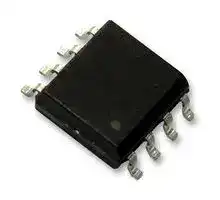
Image not available
Illustrative purposes only

DMHC6070LSD-13
Dual MOSFET, Complementary Dual N and Dual P Channel, 60 V, 60 V, 3.1 A, 3.1 A, 0.1 ohm
⚠️ Reference pricing provided. In case of supply shortages, we will connect you with our trusted procurement partners to ensure your project's continuity.
- Manufacturer: DIODES INC.
- Product type: Dual MOSFETs
- SVHC: No SVHC (25-Jun-2025)
- No. of Pins: 8Pins
- Channel Type: Complementary Dual N and Dual P Channel
- Product Range: -
- Qualification: -
- Transistor Case Style: SOIC
- Operating Temperature Max: 150°C
- Power Dissipation N Channel: 1.6W
- Power Dissipation P Channel: 1.6W
- Drain Source Voltage Vds N Channel: 60V
- Drain Source Voltage Vds P Channel: 60V
- Continuous Drain Current Id N Channel: 3.1A
- Continuous Drain Current Id P Channel: 3.1A
- Drain Source On State Resistance N Channel: 0.1ohm
- Drain Source On State Resistance P Channel: 0.17ohm
| Delivery and price | |
|---|---|
| Units per pack | 5000 |
| Price | 0.485 € |
| Current stock | 1000+ |
| Lead time | 30 days |
Datasheet

## **DMHC6070LSD 60V COMPLEMENTARY ENHANCEMENT MODE MOSFET H-BRIDGE**
## **Product Summary**
## **Features**
- 2 x N + 2 x P Channels in a SOIC Package
|**Device**|**V(BR)DSS**|**RDS(ON) Max**|**ID Max**<br>**TA = 25°C**|
|---|---|---|---|
|N-Channel|60V|100mΩ@VGS= 10V|4.1A|
|||120mΩ@VGS= 4.5V|3.7A|
|P-Channel|-60V|170mΩ@VGS= -10V|3.1A|
|||250mΩ@VGS= -4.5V|2.6A|
- Low On-Resistance
- Low Input Capacitance
- Fast Switching Speed
- **Totally Lead-Free & Fully RoHS Compliant (Notes 1 & 2)**
- **Halogen and Antimony Free. “Green” Device (Note 3)**
## **Description**
This new generation complementary MOSFET H-Bridge features low on-resistance achievable with low gate drive.
## **Applications**
- DC Motor Control
- DC-AC Inverters
## **Mechanical Data**
- Case: SO-8
- Case Material: Molded Plastic, "Green" Molding Compound. UL Flammability Classification Rating 94V-0
- Moisture Sensitivity: Level 1 per J-STD-020
- Terminal Connections Indicator: See diagram
- Terminals: Finish – Matte Tin Annealed over Copper Leadframe. Solderable per MIL-STD-202, Method 208
- Weight: 0.074 grams (Approximate)
**==> picture [325 x 149] intentionally omitted <==**
**----- Start of picture text -----**<br>
P1S/P2S<br>P1G<br>SO-8<br>: H-Bridge P1D/N1D<br>TOO<br>NIG<br>§<br>N1S/N2S<br>Top View Top View<br>Pin Configuration Internal Schematic<br>P1G P1S/P2S N2D/P2D P2G<br>N1G N1D/P1D N1S/N2S N2G<br>**----- End of picture text -----**<br>
## **Ordering Information** (Note 4)
|**Ordering Informationg Information Information** (Note 4)|||
|---|---|---|
|**Part Number**|**Case**|**Packaging**|
|DMHC6070LSD-13|SO-8|2,500/Tape & Reel|
Notes: 1. No purposely added lead. Fully EU Directive 2002/95/EC (RoHS) & 2011/65/EU (RoHS 2) compliant.
2. See http://www.diodes.com/quality/lead_free.html for more information about Diodes Incorporated’s definitions of Halogen- and Antimony-free, "Green" and Lead-free.
3. Halogen- and Antimony-free "Green” products are defined as those which contain <900ppm bromine, <900ppm chlorine (<1500ppm total Br + Cl) and <1000ppm antimony compounds.
4. For packaging details, go to our website at http://www.diodes.com/products/packages.html.
## **Marking Information**
**==> picture [74 x 84] intentionally omitted <==**
**----- Start of picture text -----**<br>
8 5<br>Biti |<br>HC6070LD<br>YY WW<br>1 4<br>**----- End of picture text -----**<br>
of = Manufacturer’s Marking HC6070LD = Product Type Marking Code YYWW = Date Code Marking YY = Year (ex: 16 = 2016) WW = Week (01 - 53)
1 of 10 **www.diodes.com**
DMHC6070LSD Document number: DS38714 Rev. 1 - 2
April 2016 © Diodes Incorporated
**DMHC6070LSD**
## **Maximum Ratings – N-Channel** (@TA = +25°C, unless otherwise specified.)
|**Maximum Ratings –gs –s – N-Channel**(@TA = +25°C, unless otherwise specified.)A = +25°C, unless otherwise specified.)= +25°C, unless otherwise specified.)|**Maximum Ratings –gs –s – N-Channel**(@TA = +25°C, unless otherwise specified.)A = +25°C, unless otherwise specified.)= +25°C, unless otherwise specified.)|**Maximum Ratings –gs –s – N-Channel**(@TA = +25°C, unless otherwise specified.)A = +25°C, unless otherwise specified.)= +25°C, unless otherwise specified.)|(@TA = +25°C, unless otherwise specified.)A = +25°C, unless otherwise specified.)= +25°C, unless otherwise specified.)|||
|---|---|---|---|---|---|
|**Characteristic**|||**Symbol**|**Value**|**Units**|
|Drain-Source Voltage|||VDSS|60|V|
|Gate-Source Voltage|||VGSS|±20|V|
|Continuous Drain Current (Note 5) VGS= 10V|Steady<br>State|TA= +25°C<br>TA= +70°C|ID|3.1<br>2.5|A|
||t<10s|TA= +25°C<br>TA= +70°C|ID|4.1<br>3.3|A|
|Maximum Continuous BodyDiode Forward Current(Note 5)|||IS|2.0|A|
|Pulsed Drain Current(10µs Pulse,DutyCycle = 1%)|||IDM|15|A|
|Avalanche Current (Note 6) L = 0.1mH|||IAS|12|A|
|Avalanche Energy(Note 6) L = 0.1mH|||EAS|8|mJ|
## **Maximum Ratings – P-Channel** (@TA = +25°C, unless otherwise specified.)
|**Characteristic**|**Characteristic**|**Characteristic**|**Symbol**|**Value**|**Units**|
|---|---|---|---|---|---|
|Drain-Source Voltage|||VDSS|-60|V|
|Gate-Source Voltage|||VGSS|±20|V|
|Continuous Drain Current (Note 5) VGS= -10V|Steady<br>State|TA= 25°C<br>TA= 70°C|ID|-2.4<br>-1.9|A|
||t<10s|TA= 25°C<br>TA= 70°C|ID|-3.1<br>-2.5|A|
|Maximum Continuous BodyDiode Forward Current(Note 5)|||IS|-2.0|A|
|Pulsed Drain Current(10µs Pulse,DutyCycle = 1%)|||IDM|-12|A|
|Avalanche Current (Note 6) L = 0.1mH|||IAS|-12|A|
|Avalanche Energy (Note 6) L = 0.1mH|||EAS|8|mJ|
**Thermal Characteristics** (@TA = +25°C, unless otherwise specified.)
|**Thermal Characteristics** (@TA = +25°C, unless otherwise specified.)A = +25°C, unless otherwise specified.)= +25°C, unless otherwise specified.)|**Thermal Characteristics** (@TA = +25°C, unless otherwise specified.)A = +25°C, unless otherwise specified.)= +25°C, unless otherwise specified.)|**Thermal Characteristics** (@TA = +25°C, unless otherwise specified.)A = +25°C, unless otherwise specified.)= +25°C, unless otherwise specified.)|**Thermal Characteristics** (@TA = +25°C, unless otherwise specified.)A = +25°C, unless otherwise specified.)= +25°C, unless otherwise specified.)|**Thermal Characteristics** (@TA = +25°C, unless otherwise specified.)A = +25°C, unless otherwise specified.)= +25°C, unless otherwise specified.)|
|---|---|---|---|---|
||||||
|**Characteristic**||**Symbol**|**Value**|**Units**|
|Total Power Dissipation(Note 5)||PD|1.6|W|
|Thermal Resistance, Junction to Ambient (Note 5)|SteadyState|RθJA|75|°C/W|
||t<10s||45||
|Thermal Resistance,Junction to Case(Note 5)||RθJC|11||
|Operatingand Storage Temperature Range||TJ,TSTG|-55 to +150|°C|
2 of 10 **www.diodes.com**
DMHC6070LSD Document number: DS38714 Rev. 1 - 2
April 2016 © Diodes Incorporated
**DMHC6070LSD**
## **Electrical Characteristics – N-Channel** (@TA = +25°C, unless otherwise specified.)
|**Electrical Characteristics – N-Channel**(@TA = +25°C, unless otherwise specified.)A = +25°C, unless otherwise specified.)= +25°C, unless otherwise specified.)|**Electrical Characteristics – N-Channel**(@TA = +25°C, unless otherwise specified.)A = +25°C, unless otherwise specified.)= +25°C, unless otherwise specified.)|**Electrical Characteristics – N-Channel**(@TA = +25°C, unless otherwise specified.)A = +25°C, unless otherwise specified.)= +25°C, unless otherwise specified.)|**Electrical Characteristics – N-Channel**(@TA = +25°C, unless otherwise specified.)A = +25°C, unless otherwise specified.)= +25°C, unless otherwise specified.)|**Electrical Characteristics – N-Channel**(@TA = +25°C, unless otherwise specified.)A = +25°C, unless otherwise specified.)= +25°C, unless otherwise specified.)|**Electrical Characteristics – N-Channel**(@TA = +25°C, unless otherwise specified.)A = +25°C, unless otherwise specified.)= +25°C, unless otherwise specified.)|**Electrical Characteristics – N-Channel**(@TA = +25°C, unless otherwise specified.)A = +25°C, unless otherwise specified.)= +25°C, unless otherwise specified.)|**Electrical Characteristics – N-Channel**(@TA = +25°C, unless otherwise specified.)A = +25°C, unless otherwise specified.)= +25°C, unless otherwise specified.)|
|---|---|---|---|---|---|---|---|
|||||||||
|**Characteristic**|**Symbol**|**Min**|**Typ**|**Max**|**Unit**|**Test Condition**||
|**OFF CHARACTERISTICS**(Note 7)||||||||
|Drain-Source Breakdown Voltage|BVDSS|60|||V|ID= 250µA,VGS= 0V||
|Zero Gate Voltage Drain Current|IDSS|||1|µA|VDS= 60V,VGS= 0V||
|Gate-Source Leakage|IGSS|||100|nA|VGS=20V,VDS= 0V||
|**ON CHARACTERISTICS**(Note 7)||||||||
|Gate Threshold Voltage<br>~~ee~~|VGS(TH)<br>~~ee~~|1.0<br>~~ee~~|<br>~~ee~~|3.0<br>~~ee~~|V<br>~~ee~~|ID= 250µA,VDS= VGS<br>~~ee~~||
|Static Drain-Source On-Resistance<br>~~ee~~|RDS(ON)<br>~~ee~~|<br>~~ee~~|60<br>~~ee~~|100<br>~~ee~~|mΩ<br>~~ee~~|VGS= 10V,ID= 1.0A<br>~~ee~~||
||||70<br>~~ee~~|120<br>~~ee~~||VGS= 4.5V,ID= 0.5A<br>~~ee~~||
|Diode Forward Voltage<br>~~ee~~|VSD<br>~~ee~~|<br>~~ee~~|0.8<br>~~ee~~|1.2<br>~~ee~~|V<br>~~ee~~|VGS= 0V,IS= 3A<br>~~ee~~||
|**DYNAMIC CHARACTERISTICS**(Note 8)<br>~~ee~~<br>~~————~~||||||||
|Input Capacitance<br>~~————~~<br>~~————~~|CISS<br>~~————~~<br>~~ee~~|<br>~~————~~<br>~~ee~~|731<br>~~————~~<br>~~ee~~|<br>~~————~~|pF<br>~~————~~|VDS= 20V, VGS= 0V<br>f= 1MHz<br>~~————~~||
|Output Capacitance<br>~~————~~<br>~~————~~|COSS<br>~~————~~<br>~~ee~~|<br>~~————~~<br>~~ee~~|34<br>~~————~~<br>~~ee~~|<br>~~————~~||||
|Reverse Transfer Capacitance<br>~~————~~<br>~~————~~|CRSS<br>~~————~~<br>~~ee~~|<br>~~————~~<br>~~ee~~|23<br>~~————~~<br>~~ee~~|<br>~~————~~||||
|Gate resistance<br>~~————~~<br>~~————~~|RG<br>~~————~~<br>~~ee~~|—<br>~~————~~<br>~~ee~~|1.3<br>~~————~~<br>~~ee~~|—<br>~~————~~|Ω<br>~~————~~|VDS= 0V,VGS= 0V,f = 1.0MHz<br>~~————~~||
|Total Gate Charge<br>~~————~~|QG<br>~~ee~~|<br>~~ee~~|5.2<br>~~ee~~<br>~~e~~|<br>~~e~~|nC<br>~~e~~|VGS= 4.5V<br>~~ee~~|VDS= 30V<br>ID= 3A<br>~~e~~|
|Total Gate Charge<br>~~————~~|QG<br>~~ee~~|<br>~~ee~~|11.5<br>~~ee~~<br>~~e~~|<br>~~e~~||VGS= 10V<br>~~ee~~||
|Gate-Source Charge<br>~~————~~|QGS<br>~~ee~~|<br>~~ee~~|2.1<br>~~ee~~<br>~~e~~|<br>~~e~~||||
|Gate-Drain Charge<br>~~————~~|QGD<br>~~ee~~|<br>~~ee~~|1.5<br>~~ee~~<br>~~e~~|<br>~~e~~||||
|Turn-On DelayTime<br>~~————~~|tD(ON)<br>~~ee~~|<br>~~ee~~|9.6<br>~~ee~~<br>~~e~~|<br>~~e~~|ns<br>~~e~~|VDD= 30V, VGS= 10V<br>RL50Ω, RG20Ω<br>~~ee~~||
|Turn-On Rise Time<br>~~————~~|tR<br>~~ee~~|<br>~~ee~~|11<br>~~ee~~|||||
|Turn-Off DelayTime|tD(OFF)||61|||||
|Turn-Off Fall Time|tF||21|||||
|BodyDiode Reverse RecoveryTime|tRR<br>~~eel~~|<br>~~eel~~|10.5<br>~~eel~~|<br>~~eel~~<br>~~te~~|ns<br>~~te~~|IS= 1.0A, dI/dt = 100A/μs||
|BodyDiode Reverse RecoveryCharge<br>~~eae~~|QRR<br>~~eae~~<br>~~eel~~|<br>~~eae~~<br>~~eel~~|4.0<br>~~eae~~<br>~~eel~~|<br>~~eae~~<br>~~eel~~<br>~~te~~|nC<br>~~eae~~<br>~~te~~|IS= 1.0A,dI/dt = 100A/μs<br>~~eae~~||
## **Electrical Characteristics – P-Channel** (@TA = +25°C, unless otherwise specified.)
|||||||||
|---|---|---|---|---|---|---|---|
|**Characteristic**|**Symbol**|**Min**|**Typ**|**Max**|**Unit**|**Test Condition**||
|**OFF CHARACTERISTICS**(Note 7)||||||||
|Drain-Source Breakdown Voltage|BVDSS|-60|—|—|V|VGS= 0V,ID= -250μA||
|Zero Gate Voltage Drain Current|IDSS|—|—|-1|μA|VDS= -60V,VGS= 0V||
|Gate-Source Leakage|IGSS|—|—|±100|nA|VGS= ±20V,VDS= 0V||
|**ON CHARACTERISTICS** (Note 7)<br>~~ee~~||||||||
|Gate Threshold Voltage<br>~~es~~|VGS(TH)<br>~~es~~<br>~~ee~~|-1<br>~~es~~<br>~~ee~~|—<br>~~es~~<br>~~ee~~|-3<br>~~es~~|V<br>~~es~~|VDS= VGS,ID= -250μA<br>~~es~~||
|Static Drain-Source On-Resistance<br>~~es~~|RDS(ON)<br>~~es~~<br>~~ee~~|—<br>~~es~~<br>~~ee~~|120<br>~~es~~<br>~~ee~~|170<br>~~es~~|mΩ<br>~~es~~|VGS= -10V,ID= -1.0A<br>~~es~~||
||||170<br>~~es~~<br>~~ee~~|250<br>~~es~~||VGS= -4.5V,ID= -0.5A<br>~~es~~||
|Diode Forward Voltage<br>~~es~~|VSD<br>~~es~~<br>~~ee~~|—<br>~~es~~<br>~~ee~~|-0.8<br>~~es~~<br>~~ee~~|-1.2<br>~~es~~|V<br>~~es~~|VGS= 0V,IS= -2A<br>~~es~~||
|**DYNAMIC CHARACTERISTICS**(Note 8)<br>~~ee~~<br>~~———~~<br>~~ee~~||||||||
|Input Capacitance<br>~~———~~|CISS||618<br>~~ee~~|<br>~~ee~~|pF<br>~~ee~~|VDS= -20V, VGS= 0V,<br>f = 1.0MHz<br>~~ee~~||
|Output Capacitance<br>~~———~~|COSS||36<br>~~ee~~|<br>~~ee~~||||
|Reverse Transfer Capacitance<br>~~———~~|CRSS||26<br>~~ee~~|<br>~~ee~~||||
|Gate resistance<br>~~———~~<br>~~———~~|RG||13<br>~~ee~~<br>~~e~~|<br>~~ee~~<br>~~e~~|Ω<br>~~ee~~<br>~~e~~|VDS= 0V,VGS= 0V,f = 1.0MHz<br>~~ee~~<br>~~ee~~||
|Total Gate Charge<br>~~———~~<br>~~———~~|QG||4.3<br>~~ee~~<br>~~e~~|<br>~~ee~~<br>~~e~~|nC<br>~~ee~~<br>~~e~~|VGS= -4.5V<br>~~ee~~<br>~~ee~~|VDS= -30V<br>ID= -2A<br>~~ee~~<br>~~e~~|
|Total Gate Charge<br>~~———~~|QG||8.9<br>~~e~~|<br>~~e~~||VGS= -10V<br>~~ee~~||
|Gate-Source Charge<br>~~———~~|QGS||1.4<br>~~e~~|<br>~~e~~||||
|Gate-Drain Charge<br>~~———~~|QGD||1.7<br>~~e~~|<br>~~e~~||||
|Turn-On DelayTime<br>~~———~~|tD(ON)||7.6<br>~~e~~|<br>~~e~~|ns<br>~~e~~|VDD= -30V, VGS= -10V<br>RL50Ω, RG20Ω<br>~~ee~~||
|Turn-On Rise Time<br>~~———~~|tR||11.6<br>~~e~~|<br>~~e~~||||
|Turn-Off DelayTime|tD(OFF)||79.8|||||
|Turn-Off Fall Time|tF||37.8|||||
|Body Diode Reverse Recovery Time<br>~~aed~~|tRR<br>~~aedele~~|<br>~~ele~~|10.8<br>~~elelr~~|<br>~~lr~~<br>~~te~~|ns<br>~~te~~|IS= -1.0A, dI/dt = 100A/μs||
|Body Diode Reverse Recovery Charge<br>~~eee~~<br>~~aed~~|QRR<br>~~eee~~<br>~~aedele~~|<br>~~eee~~<br>~~ele~~|3.8<br>~~eee~~<br>~~elelr~~|<br>~~eee~~<br>~~lr~~<br>~~te~~|nC<br>~~eee~~<br>~~te~~|IS= -1.0A, dI/dt = 100A/μs<br>~~eee~~||
6. IAS and EAS rating are based on low frequency and duty cycles to keep TJ = +25°C
7. Short duration pulse test used to minimize self-heating effect.
8. Guaranteed by design. Not subject to product testing.
3 of 10 **www.diodes.com**
DMHC6070LSD Document number: DS38714 Rev. 1 - 2
April 2016 © Diodes Incorporated
**DMHC6070LSD**
## **Typical Performance Characteristics – N-Channel**
**==> picture [480 x 646] intentionally omitted <==**
**----- Start of picture text -----**<br>
10 10<br>9 Pipe V GS = 10V | TT 9 VDS = 5.0V fe<br>VGS = 4.5V<br>8 VGS = 4V 8<br>7 V GS = 3.5V 7<br>Wfseueeee ae ee e es ie e e<br>6 i Pf ft yf 6 e e |<br>5 VGS = 3.0V 5 TJ = 150°C TJ = 25°C<br>4 fo 4 fe TTJJ = 125°C = 85°C TJ = -55°C<br>3 foe7 AER 3 coe)eee || Jaen|<br>2 2<br>1 Poo<br>VGS = 2.5V 1<br>0 Pose eet 0 OD<br>0 0.5 1 1.5 2 2.5 3 3.5 4 4.5 5 0 0.5 1 1.5 2 2.5 3 3.5 4 4.5 5<br>VDS, DRAIN-SOURCE VOLTAGE (V) VGS, GATE-SOURCE VOLTAGE (V)<br>Figure 1 Typical Output Characteristic Figure 2 Typical Transfer Characteristics<br>0.15 0.3 PEELE ELL<br>0.25<br>0.12<br>TELL<br>0.2<br>0.09 VGS = 4.5V ID = 1.5A<br>0.15 to EEL EL<br>VGS = 10V<br>0.06<br>WELLL<br>0.1<br>0.03 CAREEEE ID = 500mA EEE<br>0 0.050 LEE LER LLL<br>0 2 4 6 8 10 0 2 4 6 8 10 12 14 16 18 20<br>ID, DRAIN-SOURCE CURRENT (A) VGS, GATE-SOURCE VOLTAGE (V)<br>Figure 3 Typical On-Resistance vs. Figure 4 Typical Drain-Source On-Resistance<br>Drain Current and Gate Voltage vs. Gate-Source Voltage<br>0.25 2.5<br>VGS = 4.5V<br>0.2 TJ = 150°C 2 V GS = 10V<br>ID = 5A<br>TJ = 125°C<br>0.15 it TIT TJ = 85°C LT 1.5 Hoy V GS = 4.5V<br>ID = 2A<br>0.1 TJ = 25°C 1<br>eet) Le<br>TJ = -55°C<br>0.05 CCE TTD 0.5 a<br>00 T 1 TT 2 3 LLL. 4 5 6 7 8 9 10 0 TUTTLE<br>Figure 5 Typical On-Resistance vs. ID, DRAIN CURRENT (A) -50 -25T , JUNCTION TEMPERATURE (J 0 25 50 75 100C)125 150<br>Drain Current and Temperature Figure 6 On-Resistance Variation with Temperature<br>, DRAIN-SOURCE<br>R<br>ON-RESISTANCE (NORMALIZED)<br>DS(ON)<br>)<br><br>, DRAIN-SOURCE ON-RESISTANCE (<br>R<br>DS(ON)<br>, DRAIN CURRENT (A)<br>D<br> I<br>)<br>, DRAIN-SOURCE ON-RESISTANCE (<br>DS(ON)<br>R<br>)<br>, DRAIN-SOURCE ON-RESISTANCE (<br>DS(ON)<br>R<br>, DRAIN CURRENT (A)<br>D<br> I<br>**----- End of picture text -----**<br>
4 of 10 **www.diodes.com**
DMHC6070LSD Document number: DS38714 Rev. 1 - 2
April 2016 © Diodes Incorporated
**DMHC6070LSD**
**==> picture [480 x 647] intentionally omitted <==**
**----- Start of picture text -----**<br>
0.2 3<br>0.18<br>Pi Tt tty fy 2.5 FL tT ttf<br>0.16<br>VGS = 4.5V<br>0.14 Py [fo ID = 2A y —<br>TTT 2 mt | EE LL<br>0.12 V GS = 10V ID = 1mA<br>0.1 cee ID = 5A 1.5 I D = 250µA<br>ay | EERE<br>0.08<br>tA A ee<br>1<br>0.06<br>eat tT aa oS;<br>0.04 ar {T |LLL,ft 0.5 FLtT ttf<br>0.02<br>0 Pt tE,_T_T.yy 0<br>-50 -25 0 25 50 75 100 125 150 -50 -25 0 25 50 75 100 125 150<br>TJ, JUNCTION TEMPERATURE (C) TJ, JUNCTION TEMPERATURE ( C)<br>Figure 7 On-Resistance Variation with Temperature Figure 8 Gate Threshold Variation vs. Ambient Temperature<br>10 10000<br>f=1MHz<br>i [=<br>98 ee eG<br>I —_——<br>7<br>1000 Ciss<br>A et _<br>6<br>5 || T A = 150°C TA = 25°C ————————<br>4 | T A = 125°C H H ]ETfe| TA = -55°C —a<br>3 ATE TA = 85°C 100 Nee<br>2 C oss<br>HP —eee<br>1 OP SS Crss<br>0 DTT 1 0 Pot tf tf yf<br>0 0.3 0.6 0.9 1.2 1.5 0 5 10 15 20 25 30<br>VSD, SOURCE-DRAIN VOLTAGE (V) V DS, DRAIN-SOURCE VOLTAGE (V)<br>Figure 9 Diode Forward Voltage vs. Current Figure 10 Typical Junction Capacitance<br>10 100<br>RDS(on)<br>Limited<br>8 P W = 100µs<br>10 ENG|<br>6 Lae ANIA NENT NRT<br>DC<br>VDS = 30V 1 PW = 10s<br>oi ARRNORKA<br>4 ID = 3A PW = 1s<br>FT PW = 100ms ENE N NENT<br>0. 1 TJ(m ax) = 150 ° C PW = 10ms<br>2 TA = 25°C PW = 1ms<br>V GS = 10V<br>Single Pulse oi NTH<br>DUT on 1 * MRP Board<br>0 0.0 1 COUN<br>0 2 4 6 8 10 12 0.1 1 10 100<br>Qg, TOTAL GATE CHARGE (nC) VDS , DRAIN-SOURCE VOLTAGE (V)<br>Figure 11 Gate Charge Figure 12 SOA, Safe Operation Area<br>, GATE THRESHOLD VOLTAGE (V)<br>GS(th)<br>V<br>)<br>, DRAIN-SOURCE ON-RESISTANCE (<br>DS(ON)<br>R<br>T<br>, JUNCTION CAPACITANCE (pF)<br>C<br>, DRAIN CURRENT (A)<br>ID<br>S<br>, SOURCE CURRENT (A)<br>I<br>GS<br> GATE THRESHOLD VOLTAGE (V)<br>V<br>**----- End of picture text -----**<br>
5 of 10 **www.diodes.com**
DMHC6070LSD Document number: DS38714 Rev. 1 - 2
April 2016
© Diodes Incorporated
**DMHC6070LSD**
## **Typical Performance Characteristics – P-Channel**
**==> picture [480 x 646] intentionally omitted <==**
**----- Start of picture text -----**<br>
10 1 0<br>9 VGS = -10V VGS = -4.5V 9 V DS = -5.0V<br>VGS = -4V<br>8 Tia-_ 8 neVA<br>7 7<br>SE<br>6 VGS = -3.5V 6<br>5 [ff 5 Senne ee<br>4 lf am 4 Sane<br>3 Ye 3 Sannee T JT = 125°C J = 150°C ne TJ = 25°C<br>2 VGS = -3.0V 2 T J = 85°C TJ = -55°C<br>VGS = -2.8V<br>1 1<br>V = -2.5V<br>GS<br>0 0<br>0 -_-———— 1 2 3 4 5 0 OD 0.5 1 1.5 2 2.5 3 3.5 4 4.5 5<br>V DS, DRAIN-SOURCE VOLTAGE (V) VGS, GATE-SOURCE VOLTAGE (V)<br>Figure 13 Typical Output Characteristic Figure 14 Typical Transfer Characteristics<br>0.4 1<br>0.9 ID = 1A<br>0.8 CeTEPC<br>0.3<br>0.7<br>0.6<br>ULLLLLLEL TELE<br>0.2 0.5<br>VGS = -10V<br>0.4 SWE<br>fry | YBBR<br>0.3<br>0.1 eo VGS = -4.5V CUE EEE<br>0.2 ID = 500mA<br>0.1<br>0 ilT\ Iyy. 0 Ne C ATECAP<br>0 1 2 3 4 5 6 7 8 9 10 0 2 4 6 8 10 12 14 16 18 20<br>ID, DRAIN-SOURCE CURRENT (A) VGS, GATE-SOURCE VOLTAGE (V)<br>Figure 15 Typical On-Resistance vs. Figure 16 Typical Drain-Source On-Resistance<br>Drain Current and Gate Voltage vs. Gate-Source Voltage<br>0. 5 2<br>VGS = -4.5V 1.8 VGS = -10V<br>ID = -5A<br>0. 4 SoTL) 1.6 RRR<br>TJ = 125°C TJ = 150°C 1.4 V GS = -4.5V<br>0. 3 Corer TET 7 ID = -2A<br>1.2<br>TJ = 85°C<br>= EEE<br>1<br>0. 2 eee T J = 25°C TY<br>0.8<br>Peo Ce<br>TJ = -55°C 0.6<br>0.1 cee Bee<br>0.4<br>0.2<br>0 PTET a<br>0 1 2 3 TT 4 5 6 EEE} 7 8 9 10 = 0 CECERRR<br>Figure 17 Typical On-Resistance vs. I D, DRAIN CURRENT (A) -50 -25TJ, JUNCTION TEMPERATURE (0 25 50 75 100 125C) 150<br>Drain Current and Temperature Figure 6 On-Resistance Variation with Temperature<br>DS(ON)<br>, DRAIN-SOURCE<br>R<br>ON-RESISTANCE (NORMALIZED)<br>D<br>, DRAIN CURRENT (A)<br> I<br>D<br>, DRAIN CURRENT (A)<br> I<br>)<br>, DRAIN-SOURCE ON-RESISTANCE (<br>DS(ON)<br>R<br>)<br>, DRAIN-SOURCE ON-RESISTANCE (<br>DS(ON)<br>R<br>)<br>, DRAIN-SOURCE ON-RESISTANCE (<br>R<br>DS(ON)<br>**----- End of picture text -----**<br>
6 of 10 **www.diodes.com**
DMHC6070LSD Document number: DS38714 Rev. 1 - 2
April 2016 © Diodes Incorporated
**DMHC6070LSD**
**==> picture [480 x 655] intentionally omitted <==**
**----- Start of picture text -----**<br>
2 0.3<br>1.8 VGS = -10V<br>ID = -5A<br>1.6 VGS = -4.5V<br>ID = -2A<br>1.4 A V GS = -4.5V [YT TTTE<br>0.2<br>ID = -2A<br>1.2 Pe a<br>VGS = -10V<br>1<br>ID = -5A<br>0.8<br>See 6een 0.1 Eye ecas<br>ae bet<br>0.6<br>A —<br>0.4<br>| ft | | | tT tt<br>0.2<br>0 | tt} tt 0 TELE<br>-50 et -25 | 0 ttt 25 50 75 100 | 125 150 -50 -25 0 25 50 75 100 125 150<br>TJ, JUNCTION TEMPERATURE (C) TJ, JUNCTION TEMPERATURE (C)<br>Figure 18 On-Resistance Variation with Temperature Figure 19 On-Resistance Variation with Temperature<br>3 15<br>2.5<br>SERRE eee |<br>12<br>2 ID = -1mA<br>Se ID = -250µA 9<br>1.5<br>SS<br>6 TA = 150°C TA = 25 ° C<br>1 TA = 125°C TA = -55°C<br>TA = 85°C<br>HES 3 gt<br>0.5<br>tte =<br>0 0<br>-50 -25 0 25 50 75 100 125 150 0 0.3 0.6 0.9 1.2 1.5<br>FETT TJ, JUNCTION TEMPERATURE ( TTT C) By VSD, SOURCE-DRAIN VOLTAGE (V) yi |<br>Figure 20 Gate Threshold Variation vs. Ambient Temperature Figure 21 Diode Forward Voltage vs. Current<br>10000 10<br>f=1MHz<br>8<br>1000<br>Ciss<br>=aaee= 6<br>VDS = -30V<br>4 ID = -2A<br>100<br>C oss 2<br>C rss<br>10 oa 0<br>0 5 10 15 20 25 30 0 2 4 6 8 10<br>VDS , DRAIN-SOURCE VOLTAGE (V) Qg, TOTAL GATE CHARGE (nC)<br>Figure 22 Typical Junction Capacitance Figure 23 Gate Charge<br>GS(th)<br>, GATE THRESHOLD VOLTAGE (V)<br>V<br>, DRAIN-SOURCE<br>DS(ON)<br>R<br>ON-RESISTANCE (NORMALIZED)<br>, JUNCTION CAPACITANCE (pF)<br>T<br>C<br>)<br>, DRAIN-SOURCE ON-RESISTANCE (<br>R<br>DS(ON)<br>, SOURCE CURRENT (A)<br>IS<br>GS<br> GATE THRESHOLD VOLTAGE (V)<br>V<br>**----- End of picture text -----**<br>
7 of 10 **www.diodes.com**
DMHC6070LSD Document number: DS38714 Rev. 1 - 2
April 2016 © Diodes Incorporated
**DMHC6070LSD**
**==> picture [454 x 446] intentionally omitted <==**
**----- Start of picture text -----**<br>
100 SS Se<br>R DS(on) a<br>Limited are<br>ESAA ne<br>TTT PW = 100µs<br>10 EnaAQINEee<br>FEee SEE EEN SSE<br>Pe<br>po NENT NE<br>— A NINE P W = 1ms NRE TEHal<br>1 ORY SKNait<br>———aota DC SQASENSISHENS [NEN] SSRRN SNNNN<br>a PW = 10s RON NNONEN<br>ee | PW = 1s SIN AN SNE nll<br>Po UNSNENR ENON<br>0.1 T J(m ax) = 150°C AKAN PW = 100ms YAAACSSNtt<br>TA = 25°C CT——[fT[PONIES PW = 10ms SS[TNE NTNSe TTTEHHTT<br>VGS = -10V NN Taal<br>Single Pulse<br>DUT on 1 * MRP Board<br>0.01<br>0.1 1 10 100<br>VDS, DRAIN-SOURCE VOLTAGE (V)<br>Figure 24 SOA, Safe Operation Area<br>1 SS SS SS SS SS SS eS A A oS SS SSS eee<br>De D = 0.9 SSS<br>D = 0.7<br>eemmer ae |<br>eee D = 0.5 cae |<br>D = 0.3 a | fee<br>mE ET a ott<br>PU A eT AIM | CUI<br>0. 1 D = 0.1<br>ss<br>ee<br>D = 0.05 TTT<br>Ey [EHC] 0<br>AE a 7 |<br>Se D = 0.02 ees<br>PU ETI TTT LUMEN TUTTLE<br>0.01 D = 0.01 ee<br>FT CTTLLata) YY |<br>a aee<br>en A |<br>ETN D = 0.005 Ne ee ee ee R JA(t) = r(t) * RJA UH)<br>Single Pulse R JA = 106°C/W<br>Duty Cycle, D = t1/ t2<br>0.001<br>0.00001 0.0001 0.001 0.01 0.1 1 10 100 1000<br>t1, PULSE DURATION TIMES (sec)<br>Figure 25 Transient Thermal Resistance<br>, DRAIN CURRENT (A)<br>ID<br>r(t), TRANSIENT THERMAL RESISTANCE<br>**----- End of picture text -----**<br>
8 of 10 **www.diodes.com**
DMHC6070LSD Document number: DS38714 Rev. 1 - 2
April 2016 © Diodes Incorporated
**DMHC6070LSD**
## **Package Outline Dimensions**
Please see http://www.diodes.com/package-outlines.html for the latest version.
**==> picture [379 x 181] intentionally omitted <==**
**----- Start of picture text -----**<br>
SO-8<br>SO-8<br>Dim Min Max<br>A – 1.75<br>A1 0.10 0.20<br>A2 1.30 1.50<br>E1 E<br>Gauge Plane A3 0.15 0.25<br>A1 Seating Plane b 0.3 0.5<br>L<br>Pe D 4.85 4.95<br>Detail ‘A’ E 5.90 6.10<br>E1 3.85 3.95<br>h 7°~9° e 1.27 Typ<br>45° h – 0.35<br>L 0.62 0.82<br>Detail ‘A’<br>A2 A A3 0° 8°<br>All Dimensions in mm<br>e b —<br>D<br>0.254<br>**----- End of picture text -----**<br>
## **Suggested Pad Layout**
Please see http://www.diodes.com/package-outlines.html for the latest version.
**SO-8**
**==> picture [93 x 104] intentionally omitted <==**
**----- Start of picture text -----**<br>
X<br>C1<br>c . "]<br>C2<br>Y<br>**----- End of picture text -----**<br>
|**Dimensions**|**Value(in mm)**|
|---|---|
|**X**|0.60|
|**Y**|1.55|
|**C1 **|5.4|
|**C2**|1.27|
9 of 10 **www.diodes.com**
DMHC6070LSD Document number: DS38714 Rev. 1 - 2
April 2016 © Diodes Incorporated
**DMHC6070LSD**
## **IMPORTANT NOTICE**
DIODES INCORPORATED MAKES NO WARRANTY OF ANY KIND, EXPRESS OR IMPLIED, WITH REGARDS TO THIS DOCUMENT, INCLUDING, BUT NOT LIMITED TO, THE IMPLIED WARRANTIES OF MERCHANTABILITY AND FITNESS FOR A PARTICULAR PURPOSE (AND THEIR EQUIVALENTS UNDER THE LAWS OF ANY JURISDICTION).
Diodes Incorporated and its subsidiaries reserve the right to make modifications, enhancements, improvements, corrections or other changes without further notice to this document and any product described herein. Diodes Incorporated does not assume any liability arising out of the application or use of this document or any product described herein; neither does Diodes Incorporated convey any license under its patent or trademark rights, nor the rights of others. Any Customer or user of this document or products described herein in such applications shall assume all risks of such use and will agree to hold Diodes Incorporated and all the companies whose products are represented on Diodes Incorporated website, harmless against all damages.
Diodes Incorporated does not warrant or accept any liability whatsoever in respect of any products purchased through unauthorized sales channel. Should Customers purchase or use Diodes Incorporated products for any unintended or unauthorized application, Customers shall indemnify and hold Diodes Incorporated and its representatives harmless against all claims, damages, expenses, and attorney fees arising out of, directly or indirectly, any claim of personal injury or death associated with such unintended or unauthorized application.
Products described herein may be covered by one or more United States, international or foreign patents pending. Product names and markings noted herein may also be covered by one or more United States, international or foreign trademarks.
This document is written in English but may be translated into multiple languages for reference. Only the English version of this document is the final and determinative format released by Diodes Incorporated.
## **LIFE SUPPORT**
Diodes Incorporated products are specifically not authorized for use as critical components in life support devices or systems without the express written approval of the Chief Executive Officer of Diodes Incorporated. As used herein:
- A. Life support devices or systems are devices or systems which:
1. are intended to implant into the body, or
2. support or sustain life and whose failure to perform when properly used in accordance with instructions for use provided in the labeling can be reasonably expected to result in significant injury to the user.
- B. A critical component is any component in a life support device or system whose failure to perform can be reasonably expected to cause the failure of the life support device or to affect its safety or effectiveness.
Customers represent that they have all necessary expertise in the safety and regulatory ramifications of their life support devices or systems, and acknowledge and agree that they are solely responsible for all legal, regulatory and safety-related requirements concerning their products and any use of Diodes Incorporated products in such safety-critical, life support devices or systems, notwithstanding any devices- or systems-related information or support that may be provided by Diodes Incorporated. Further, Customers must fully indemnify Diodes Incorporated and its representatives against any damages arising out of the use of Diodes Incorporated products in such safety-critical, life support devices or systems.
Copyright © 2016, Diodes Incorporated
**www.diodes.com**
10 of 10 **www.diodes.com**
DMHC6070LSD Document number: DS38714 Rev. 1 - 2
April 2016 © Diodes Incorporated
Updated at June 9, 2026
About Novapart
Novapart is a B2B electronic component broker specialising in stock shortages and cost reduction. We source hard-to-find parts and identify compliant alternatives across a catalogue of 410,000+ components from 500+ manufacturers.
Learn more →Stock Shortage Specialist
When a component is unavailable, discontinued or has an unacceptable lead time, we tap into our network of vetted European and Asian distributors to source what you need — without compromising on quality or traceability.
Request a quote →Compliant Alternatives
We identify pin-to-pin, electrically equivalent substitutes that meet the same certifications (RoHS, AEC-Q100, REACH) as your original specification — validated against datasheets, not just part numbers. Often at a lower cost.
BOM Analysis service →