
Image not available
Illustrative purposes only

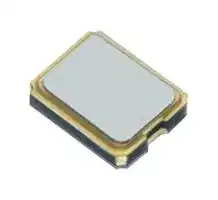
CPM3225A-2K
Supercapacitor, 11500 µF, 2.6 V, Solder
⚠️ Reference pricing provided. In case of supply shortages, we will connect you with our trusted procurement partners to ensure your project's continuity.
- Manufacturer: SEIKO INSTRUMENTS
- Product type: EDLC - Electric Double Layer Capacitors
- ESR: -
- MSL: MSL 1 - Unlimited
- SVHC: To Be Advised
- Capacitance: 11500µF
- Voltage(DC): 2.6V
- Lead Spacing: -
- Product Range: CPM Series
- Product Width: 2.5mm
- Qualification: -
- Product Height: 0.9mm
- Product Length: 3.2mm
- Product Diameter: -
- Capacitor Mounting: Surface Mount
- Capacitor Terminals: Solder
- Capacitance Tolerance: -
- Lifetime @ Temperature: -
- Capacitor Case / Package: 1210 [3225 Metric]
- Operating Temperature Max: -
- Operating Temperature Min: -
| Delivery and price | |
|---|---|
| Units per pack | 2000 |
| Price | 1.24 € |
| Current stock | 10+ |
| Lead time | 30 days |
Datasheet

# Micro Battery

## **Creating Time - Optimizing Time - Enriching Time**

Seiko Instruments Inc. (SII), founded in 1937 as a member of the Seiko Group specializing in the manufacture of watches, has leveraged its core competency in high precision watches to create a wide range of new products and technologies.

Over the years SII has developed high-precision processed parts and machine tools that pride themselves on their sub-micron processing capability, quartz crystals that came about as a result of our quartz watch R&D, and electronic components such as micro batteries. Optimizing our extensive experience and expertise, we have since diversified into such new fields as compact, lightweight, exceedingly quiet thermal printers, and inkjet printheads, a key component in wide format inkjet printers for corporate use.

SII, in the years to come, will maintain an uncompromised dedication to its time-honored technologies and innovations of craftsmanship, miniaturization, and efficiency that meet the needs of our changing society and enrich the lives of those around us.

**==> picture [317 x 246] intentionally omitted <==**

**----- Start of picture text -----**<br>
SEIKO HOLDINGS GROUP<br>1881 1917 1983 1997 2007<br>K. Hattori K. Hattori & Co., Ltd. Hattori Seiko Co., Ltd. Seiko Corporation Seiko Holdings Corporation<br>2005<br>Today’s Seiko NPC Corporation<br>2001<br>Seiko Watch Corporation<br>1993<br>Today’s Seiko Time Systems Inc.<br>1947<br>Wako Co., Ltd.<br>1996<br>Seiko Clock Inc.<br>1892 1970<br>Seikosha Seikosha Co., Ltd.<br>1996<br>Seiko Precision Inc.<br>2013<br>Seiko Solutions Inc.<br>1983<br>1937 Seiko Instruments & 1997<br>Daini Seikosha Co., Ltd. Electronics Ltd. Seiko Instruments Inc.<br>' Suwa Seikosha Co., Ltd.1959 Seiko Epson Corporation1985<br>**----- End of picture text -----**<br>


|Product Introduction …………………………………… 3|
|---|
|Micro battery Products Lineup ………………………… 5|
|Example of a Application Circuit ……………………… 6|
|Charging Circuit ………………………………………… 7|
|Reflowable Lithium Rechargeable Battery …………… 8|
|MS Lithium Rechargeable Battery …………………<br>10|
|MS Lithium Rechargeable Battery|
|<Wide Temperature Range> …………………………<br>16|


|TS Lithium Rechargeable Battery …………………|18|
|---|---|
|Chip Type Electric Double layer Capacitor ………|20|
|Mercury Free Silver Oxide Battery : SEIZAIKEN ……|22|
|Selection Check Sheet ………………………………|24|
|Environmental Activities ………………………………|25|
|Precautions for Your Safety …………………………|26|


**Product IntroductionMEMO**

## **B**

**M**

3

## Siler Obie Battery tatches, we have developed batteries 4.8 10 increase their electrical SEIZ AIKEN capacity. We have also pursued better leakage resistance and long term reliability characteristics. It is expected to be used as a power supply for disposable, wearable, loT, and the low energy Bluetooth products. Since 1976 oo Precise Timing for Tuning Fork Quartz Crystal Resonators were developed as the basis for Electronic Devices accuracy in the Quartz Watch. Our high quality and reliability was prioritized Tuning Fork Quartz to meet the stringent requirements for watches. Recent demand in loT developments where devices are required to operate with low power Crystal Resonator consumption and accurate communication protocol timing have increased the demand for smaller components with the same rugged reliability as is required in watches. For applications which require absolute lowest power consumption, our Timing Crystals are available in our Low CL specifications. Since 1979 Excellent heat and “DIANET”, which has its origin in rotor magnets of quartz watches, has corrosion resistance superior heat resistance and strong magnetic force even though its outside IATF **M** Samarium-cobalt diameter is only 1 mm or less. The Sendai Unit acquired 16949 " " “DIANET” is used for a wide range of automotive products, and its agnet Quality Management System for the automotive production industry. DIANET advanced quality and performance are highly recognized. In addition, “DIANET” is also used in actuators of cameras for smart phones and medical devices. Since 1988 Stable and reliable The rechargeable batteries supporting a wide temperature range of ~~-~~ 40°C to 85°C Rechargeable **B** attery are available in our lineup. They are suitable for operating very low power

4

**==> picture [554 x 703] intentionally omitted <==**

**----- Start of picture text -----**<br>
|||||||||||
|---|---|---|---|---|---|---|---|---|---|
|Micro battery Products Lineup|
|-|
|Our rechargeable batteries, capacitors and silver oxide batteries are available in|
|various sizes for broad range of applications.|
|Lithium Rechargeable Battery Features|Capacitor Features|Silver Oxide Battery Features|
|• Excellent cycle characteristics|• Reflowable and high reliability|• Stable output voltage|
|• Available in many compact sizes|• Super small and thin size|• Available in many sizes of|ϕ|11mm or less|
|• Wide Temperature Range (MS-T)|• High output and Low ESR (CPX)|• High capacity and High output|
|• Reflowable (MS-R, ML)|
|Se|Lithium Rechargeable Battery|
|Size|Nominal|Maximum|Nominal|In|t|ernal|Operating|Cycle Life|
|Series|Type|(DxH)|Voltage|Use Voltage|Capacity|Impedance|Temperature Range|(100% D.O.D.)|Reflowable|
|(mm)|(V)|(V)|(mAh)|(Ω)|(°C)|(Time)|
|MS421R|4.8 × 2.1|3|3.3|1.5|600|− 20 to + 60|TBD|Yes|
|NEW|MS-R|
|MS621R|6.8 × 2.1|3|3.3|3.0|400|− 20 to + 60|TBD|Yes|
|MS412FE|4.8 × 1.2|3|3.3|1.0|100|− 20 to + 60|100|−|
|MS414GE|4.8 × 1.4|3|3.3|2.0|100|− 20 to + 60|50|−|
|MS518SE|5.8 × 1.8|3|3.3|3.4|90|− 20 to + 60|100|−|
|MS|
|MS614SE|6.8 × 1.4|3|3.3|3.4|80|− 20 to + 60|100|−|
|MS621FE|6.8 × 2.1|3|3.3|5.5|80|− 20 to + 60|100|−|
|MS920SE|9.5 × 2.1|3|3.3|11.0|35|− 20 to + 60|100|−|
|MS621T|6.8 × 2.1|3|3.3|3.0|80|− 40 to + 85|100|−|
|MS-T|
|MS920T|9.5 × 2.0|3|3.3|6.5|60|− 40 to + 85|100|−|
|TS621E|6.8 × 2.1|1.5|3.0|2.5|50|− 20 to + 60|100|−|
|TS|
|TS920E|9.5 × 2.0|1.5|3.0|5.5|20|− 20 to + 60|50|−|
|ML|ML414H|4.8 × 1.4|3|3.1|1.0|600|− 20 to + 60|300*|Yes|
|fees|
|*10% D.O.D.|
|Electric Double Layer Capacitor|
|Size|Maximum Use|Internal|Temperature|
|Type|(LxWxH)|Voltage|Capacitance|Impedance|Range|Reflowable|
|(mF)|
|(mm)|(V)|(Ω)|(°C)|
|CPH3225A|3.2 × 2.5 × 0.9|3.3|11.0|160|− 20 to + 60|Yes|
|CPM3225A|3.2 × 2.5 × 0.9|2.6|11.5|80|− 30 to + 70|Yes|
|CPX3225A|3.2 × 2.5 × 0.9|2.6|7.5|25|− 30 to + 70|Yes|
|=|Silver Oxide Battery (High Drain)|
|Nominal|Size|
|Nominal Capacity|Weight|
|Type|Voltage|(DxH)|
|(mAh)|(g)|
|(V)|(mm)|
|SR626W|1.55|28|6.8 × 2.60|0.39|
|SR721W|1.55|26|7.9 × 2.10|0.41|
|SR726W|1.55|34|7.9 × 2.60|0.52|
|SR41W|1.55|45|7.9 × 3.60|0.67|
|SR920W|1.55|42|9.5 × 2.05|0.60|
|SR927W|1.55|53, 60|9.5 × 2.70|0.75|
|SR1120W|1.55|53|11.6 × 2.05|0.93|
|SR1130W|1.55|80|11.6 × 3.05|1.29|
|SR43W|1.55|120|11.6 × 4.20|1.75|
|SR44W|1.55|160|11.6 × 5.40|2.20|

**----- End of picture text -----**<br>


Our rechargeable batteries, capacitors and silver oxide batteries are available in various sizes for broad range of applications.

**==> picture [507 x 46] intentionally omitted <==**

**----- Start of picture text -----**<br>
(Units: mm)<br>Wireless<br>General  Health<br>Communication sensor  Vehicle<br>digital  modules network  care  devices<br>equipment equipment<br>devices<br>φ 11.6 φ 9.5 φ 7.9 φ 6.8 φ 5.8 φ 4.8 3.2×2.5<br>**----- End of picture text -----**<br>


5

**==> picture [35 x 57] intentionally omitted <==**

## **Example of a Application Circuit**

## **Example of RTC backup circuit**

**==> picture [366 x 253] intentionally omitted <==**

**----- Start of picture text -----**<br>
VCC<br>VR  Main power<br>S-13R1 [*] supply<br>VDD CPU<br>SCL<br>SDA<br>RTC<br>S-35390A INT1<br>INT2<br>MS414GE<br>3V/2.0mAh<br>SSP-T7-F<br>MS614SE<br>3V/3.4mAh<br>VCC<br>Reference:  4pF<br>Temperature<br>sensor<br>**----- End of picture text -----**<br>


- Reverse Current Protection CMOS Voltage Regulator S-13R1, made by ABLIC Inc..

- This circuit diagram is a reference example. See the data sheet of each product before using it.

## **Example of RTC backup time, using MS414GE / MS614SE**

**==> picture [422 x 252] intentionally omitted <==**

**----- Start of picture text -----**<br>
RTC used: CMOS real time clock IC S-35390A,<br>made by ABLIC Inc..<br>3.5<br>Clock operating voltage: 1.1 to 5.5V,<br>current consumption: 0.25μA<br>3.0 Crystal used: SSP-T7-FL, made by Seiko Instruments Inc.<br>CL = 6.0pF, R1 = 65kΩ max.<br>2.5<br>2.0<br>MS414GE MS614SE<br>1.5<br>1.0 RTC operable voltage<br>0.5<br>0.0<br>0 5,000 10,000<br>Discharge Time (hours)<br>One year (8,760 hours)<br>Battery voltage (V)<br>**----- End of picture text -----**<br>


- This graph is a rough indication. The operating time varies depending on the actual service conditions.

6

**Charging Circuit**

**==> picture [35 x 57] intentionally omitted <==**

## **Charging circuit for MS / ML / TS Lithium Rechargeable Battery**

**==> picture [273 x 78] intentionally omitted <==**

**----- Start of picture text -----**<br>
Resistor to regulate<br>Diode the charging current<br>Vo<br>Vf<br>Power<br>Source MS / ML / TS Battery<br>**----- End of picture text -----**<br>


**The charging voltage “Vo” must Not be higher than 3.3V (MS series) / 3.1V (ML414H) / 3.0V (TS series). A resistor must be inserted to regulate the charging current, because our rechargeable batteries have a limit for charging current.**

**Please see the below table for recommended resister values.**

**Those values are minimum for each battery type and “Vo” in the charging circuit.**

**The following table lists the recommended resistance values. For example, MS614SE and Vo 3.3V, the resister value should be 620 ohm or more.**

## **MS lithium rechargeable battery / ML lithium rechargeable battery**

||MS412FE<br>MS414GE|MS421R|MS518SE|MS614SE|MS621FE<br>MS621T<br>MS621R|MS920SE<br>MS920T|ML414H|
|---|---|---|---|---|---|---|---|
|Vo<br>(V)|Resistor<br>(ohm)|Resistor<br>(ohm)|Resistor<br>(ohm)|Resistor<br>(ohm)|Resistor<br>(ohm)|Resistor<br>(ohm)|Resistor<br>(ohm)|
|3.3|2,000|3,000|1,500|620|620|620|prohibited|
|3.1|1,600|3,000|820|330|330|330|3,000|


|**TS lithium rechargeable battery**<br>TS621E<br>TS920E<br>Vo<br>(V)<br>Resistor<br>(ohm)<br>Resistor<br>(ohm)<br>3.0<br>10,000<br>12,000<br>2.3<br>6,800<br>8,200<br>1.6<br>3,000<br>4,700<br>**Discharge capacity depends on charging voltage.**<br>**Lower charging voltage may cause lower discharge capacity.**<br>**Please see Charge Voltage Characteristics data in respective battery**<br>**pages.**|**TS lithium rechargeable battery**<br>TS621E<br>TS920E<br>Vo<br>(V)<br>Resistor<br>(ohm)<br>Resistor<br>(ohm)<br>3.0<br>10,000<br>12,000<br>2.3<br>6,800<br>8,200<br>1.6<br>3,000<br>4,700<br>**Discharge capacity depends on charging voltage.**<br>**Lower charging voltage may cause lower discharge capacity.**<br>**Please see Charge Voltage Characteristics data in respective battery**<br>**pages.**|**TS lithium rechargeable battery**<br>TS621E<br>TS920E<br>Vo<br>(V)<br>Resistor<br>(ohm)<br>Resistor<br>(ohm)<br>3.0<br>10,000<br>12,000<br>2.3<br>6,800<br>8,200<br>1.6<br>3,000<br>4,700<br>**Discharge capacity depends on charging voltage.**<br>**Lower charging voltage may cause lower discharge capacity.**<br>**Please see Charge Voltage Characteristics data in respective battery**<br>**pages.**|
|---|---|---|
||TS621E|TS920E|
|Vo<br>(V)|Resistor<br>(ohm)|Resistor<br>(ohm)|
|3.0|10,000|12,000|
|2.3|6,800|8,200|
|1.6|3,000|4,700|


## **Charging circuit for CPH / CPM / CPX capacitor**

**==> picture [292 x 69] intentionally omitted <==**

**----- Start of picture text -----**<br>
Diode<br>Vo<br>Vf<br>Power<br>Source CPH / CPM / CPX Capacitor<br>**----- End of picture text -----**<br>


**You do not need to insert a resister to regulate charging current. Our CPH / CPM / CPX capacitor do not have a limit for charging current. The charging voltage “Vo” must Not be higher than 3.3V (CPH3225A) / 2.6V (CPM3225A, CPX3225A).**

7

**Reflowable Lithium Rechargeable Battery    SII MS-R Series 3V Type**

Reflowable

**MS621R / MS421R** x> New products “MS-R series” are large capacity small size coin battery that can be mounted by reflow soldering.

In addition to being reflowable, they offer the unique features of the conventional MS rechargeable batteries such as high-voltage (3.3V), large-capacity, long cycle life, and excellent over discharge characteristics.

## **FEATURES**

- Reflowable

- Higher voltage, 3.3V (Compared with our ML414H)

- Excellent cycle characteristics (Compared with our ML414H)

- Battery is not applied to RoHS Directives. Our battery products do not contain any substances restricted by RoHS Directive.

- Approved by UL (Underwriters Laboratories Inc.) UL File No. MH15628

## **APPLICATIONS**

Backup power for Real Time Clock, or memory. E.g. Security Camera, Digital Camera, Action Camera, GPS equipment, Event Data Recorder, Handy Terminal, PC, Smart phone.

|Type|Nominal<br>Voltage (V)|Charge Voltage<br>(Standard Charge Voltage) (V)|Nominal Capacity*1<br>(mAh)|Internal Impedance*2<br>(Ω)|Operating Temperature<br>Range|Cycle Life(Time)|Cycle Life(Time)|Size(mm)|Size(mm)|Weight<br>(g)|
|---|---|---|---|---|---|---|---|---|---|---|
|||||||100%|20%|Diameter|Height||
|MS421R|3|2.8to3.3(3.1)|1.5|600|−20°C to +60°C|TBD|TBD|4.8|2.1|0.1|
|MS621R|3|2.8to3.3(3.1)|3.0|400|−20°C to +60°C|TBD|TBD|6.8|2.1|0.24|


- *1. Nominal capacity: Typical value of discharge capacity between 3.1V and 2.0V.

- *2. A constant voltage charge is recommended, but due to a limit in charge current, it is necessary to insert a resistor to regulate the charge current. Please see Page 7 for resister value. Contact us for further details.

If a constant current charge is required, contact us for more information.

**Please see Page 21 for Reflow profile example.**

## **CHARACTERISTICS**

## **DIMENSIONS**

**==> picture [145 x 10] intentionally omitted <==**

**----- Start of picture text -----**<br>
Charge/discharge characteristics<br>**----- End of picture text -----**<br>


**==> picture [49 x 10] intentionally omitted <==**

**----- Start of picture text -----**<br>
| MS621R<br>**----- End of picture text -----**<br>


**==> picture [236 x 166] intentionally omitted <==**

**----- Start of picture text -----**<br>
3.5<br>3.0<br>2.5<br>2.0<br>Charge: max. 100 µ A/3.1V/96 hours (CC/CV)<br>Discharge: 10 µ A/c.o.v.=2.0V (CC)<br>1.5<br>0.0 0.5 1.0 1.5 2.0 2.5 3.0 3.5<br>Capacity (mAh)<br>*c.o.v.…cut off voltage<br>Voltage (V)<br>**----- End of picture text -----**<br>


## **MS621R II27E**

**==> picture [165 x 170] intentionally omitted <==**

**----- Start of picture text -----**<br>
1.1<br>1.1<br>1.3<br>1.1<br>(Sn plated portion)<br>©}|<br>- Units: mm<br>- The shaded parts are tin plated (Sn: 100%).<br>2 3<br>2.8max.<br>0.15 0.7<br>(Sn plated portion)<br>6.8max. φ<br>**----- End of picture text -----**<br>


8

## **CHARACTERISTICS**

## **DIMENSIONS**

## **Charge-Discharge Cycle Characteristics**

## | **MS421R**

## **MS421R IV03E**

**==> picture [235 x 170] intentionally omitted <==**

**----- Start of picture text -----**<br>
120<br>100 MS421R<br>80<br>60<br>ML414H<br>40<br>20 Charge: 3.1V/max. 30 µ A/96 hours (CC/CV)<br>Discharge: 5 µ A/c.o.v.=2.0V (CC)<br>0<br>0 2 4 6 8 10<br>Cycle Number (times)<br>*c.o.v.…cut off voltage<br>Capacity retention ratio (%)<br>**----- End of picture text -----**<br>


**==> picture [119 x 167] intentionally omitted <==**

**----- Start of picture text -----**<br>
1<br>3.5<br>2.4<br>1.24<br>—_ 2.4<br>- Units: mm<br>45°<br>4.8max. φ<br>2.46<br>0.1<br>0.8<br>(Sn plated portion)<br>2.4<br>1<br>2.4<br>(Sn plated portion)<br>1.24<br>**----- End of picture text -----**<br>


**==> picture [158 x 8] intentionally omitted <==**

**----- Start of picture text -----**<br>
- The shaded parts are tin plated (Sn: 100%).<br>**----- End of picture text -----**<br>


## **SII ML Series Reflowable ML Lithium Rechargeable Battery**

Reflowable

## **ML414H**

“ML414H” is a thin and small size coin battery that can be mounted by reflow soldering.

## **FEATURES**

- Operating temperature range: −20°C to +60°C Consult us for using the battery at a temperature beyond the above temperature range.

- Battery is not applied to RoHS Directives. Our battery products do not contain any substances restricted by RoHS Directive.

- Approved by UL (Underwriters Laboratories Inc.) UL File No. MH15628

|Type|Nominal<br>Voltage<br>(V)|Charge Voltage*3<br>(V)|Nominal Capacity<br>(Voltage Range V)<br>(mAh)<br>Impedance|Internal<br>Impedance*1<br>(Ω)|Standard<br>Discharge Current<br>(mA)|Cycle Life*2<br>(Time)|Diameter<br>(mm)|Height<br>(mm)|Weight<br>(g)|
|---|---|---|---|---|---|---|---|---|---|
|ML414H|3|2.7 to 3.1|1.0<br>(3.1 to 2.0)|600|0.005|300(10% D.O.D.)|4.8|1.4|0.07|


- *1. Value measured using an AC (Alternating Current) method in the fully charged state.

- *2. Counts of charge and discharge repetition that maintains about 50% of the minimum guaranteed capacity

- *3. A constant voltage charge is recommended, but due to a limit in the charge current, it is necessary to insert a resistor to regulate the charge current.

Please see Page 7 for resister value. Contact us for further details. If a constant current charge is required, please contact us for more information.

**CAUTION Max. charging voltage of ML414H is 3.1V.** ~~C~~ D

**Please see Page 21 for Reflow profile example.**

9

**MS Lithium Rechargeable Battery    SII MS Series 3V Type**

Non-Reflowable

## **MS412FE / MS414GE / MS518SE / MS614SE / MS621FE / MS920SE**

MS (Manganese Silicon) lithium rechargeable batteries, developed by SII, use silicon oxide as the anode and a lithium manganese composite oxide as the cathode. As a result, they offer long cycle life and highly stable overdischarge characteristics.

## **FEATURES**

- Large discharge capacity :

For high operational voltage range of 3.3V to 2.0V.

- Long cycle life :

- Cycle life of over 100 cycles (over 50 cycles for MS414GE) under charge/discharge conditions of 3.1V to 2.0V (D.O.D.100%).

- Excellent overdischarge characteristics :

- Continued stable capacity characteristics even after the battery is overdischarged down to 0.0V.

- Operating temperature range : −20°C to +60°C Consult us for using the battery at a temperature beyond the above temperature range.

- Battery is not applied to RoHS Directives. Our battery products do not contain any substances restricted by RoHS Directive.

**==> picture [162 x 112] intentionally omitted <==**

**----- Start of picture text -----**<br>
Gasket Negative<br>cap<br>Negative<br>electrode<br>a<br>Separater<br>|<br>| Positive<br>electrode<br>i<br>Positive<br><Cross Section> case<br>**----- End of picture text -----**<br>


- Approved by UL (Underwriters Laboratories Inc.) UL File No. MH15628

## **APPLICATIONS**

Backup power for Real Time Clock, or memory. E.g. Security Camera, Digital Camera, Action Camera, GPS equipment, Event Data Recorder, Handy Terminal, PC, Smart phone.

|Type<br>——————————————————————|Nominal<br>Voltage<br>(V)<br>——————————————————————|Charge Voltage<br>(Standard<br>Charge Voltage)*6<br>(V)<br>——————————————————————|Nominal<br>Capacity<br>(mAh)*1<br>——————————————————————|Internal<br>Impedance<br>(Ω)*2<br>——————————————————————|Standard<br>Discharge<br>Current<br>(mA)<br>——————————————————————|Maximum<br>Discharge<br>Current<br>(Continuous)<br>(mA)*3<br>——————————————————————|Cycle Life (Time)*4|Cycle Life (Time)*4|Size (mm)|Size (mm)|Weight<br>(g)|
|---|---|---|---|---|---|---|---|---|---|---|---|
||||||||100%*5<br>D.O.D.<br>(Depth of<br>Discharge)<br>——————————————————————|20%*5<br>D.O.D.<br>(Depth of<br>Discharge)<br>——————————————————————|Diameter|Height||
|MS412FE<br>——————————————————————|3<br>——————————————————————|2.8 to 3.3 (3.1)<br>——————————————————————|1.0<br>——————————————————————|100<br>——————————————————————|0.010<br>——————————————————————|0.10<br>——————————————————————|100<br>——————————————————————|1000<br>——————————————————————|4.8|1.2|0.07|
|MS414GE<br>——————————————————————<br>S|3<br>——————————————————————<br>S|2.8 to 3.3 (3.1)<br>——————————————————————<br>S|2.0<br>——————————————————————<br>S|100<br>——————————————————————<br>S|0.010<br>——————————————————————<br>S~~n~~|0.05<br>——————————————————————<br>~~n~~|50<br>——————————————————————<br>~~n~~|500<br>——————————————————————<br>~~n~~|4.8<br>~~n~~|1.4<br>~~n~~|0.08<br>~~n~~|
|MS518SE<br>——————————————————————<br>S<br>~~a~~<br>——————————————————————|3<br>——————————————————————<br>S<br>~~a~~<br>——————————————————————|2.8 to 3.3 (3.1)<br>——————————————————————<br>S<br>~~a~~<br>——————————————————————|3.4<br>——————————————————————<br>S<br>~~a~~<br>——————————————————————|90<br>——————————————————————<br>S<br>~~a~~<br>——————————————————————|0.010<br>——————————————————————<br>S~~n~~<br>~~a~~<br>——————————————————————|0.15<br>——————————————————————<br>~~n~~<br>~~a~~<br>——————————————————————|100<br>——————————————————————<br>~~n~~<br>~~a~~<br>——————————————————————|1000<br>——————————————————————<br>~~n~~<br>~~a~~<br>——————————————————————|5.8<br>~~n~~<br>~~a~~<br>——————————————————————|1.8<br>~~n~~<br>~~a~~<br>——————————————————————|0.13<br>~~n~~<br>~~a~~<br>——————————————————————|
|MS614SE<br>~~a~~<br>——————————————————————|3<br>~~a~~<br>——————————————————————|2.8 to 3.3 (3.1)<br>~~a~~<br>——————————————————————|3.4<br>~~a~~<br>——————————————————————|80<br>~~a~~<br>——————————————————————|0.015<br>~~a~~<br>——————————————————————|0.25<br>~~a~~<br>——————————————————————|100<br>~~a~~<br>——————————————————————|1000<br>~~a~~<br>——————————————————————|6.8<br>~~a~~<br>——————————————————————|1.4<br>~~a~~<br>——————————————————————|0.17<br>~~a~~<br>——————————————————————|
|MS621FE<br>~~a~~<br>——————————————————————<br>~~a~~|3<br>~~a~~<br>——————————————————————<br>~~a~~|2.8 to 3.3 (3.1)<br>~~a~~<br>——————————————————————<br>~~a~~|5.5<br>~~a~~<br>——————————————————————<br>~~a~~<br>es|80<br>~~a~~<br>——————————————————————<br>~~a~~<br>es|0.015<br>~~a~~<br>——————————————————————<br>~~a~~<br>es|0.25<br>~~a~~<br>——————————————————————<br>~~a~~|100<br>~~a~~<br>——————————————————————<br>~~a~~|1000<br>~~a~~<br>——————————————————————<br>~~a~~|6.8<br>~~a~~<br>——————————————————————<br>~~a~~|2.1<br>~~a~~<br>——————————————————————<br>~~a~~|0.23<br>~~a~~<br>——————————————————————<br>~~a~~|
|MS920SE<br>——————————————————————<br>~~a~~|3<br>——————————————————————<br>~~a~~|2.8 to 3.3 (3.1)<br>——————————————————————<br>~~a~~|11.0<br>——————————————————————<br>~~a~~<br>es|35<br>——————————————————————<br>~~a~~<br>es|0.050<br>——————————————————————<br>~~a~~<br>es|0.80<br>——————————————————————<br>~~a~~|100<br>——————————————————————<br>~~a~~|1000<br>——————————————————————<br>~~a~~|9.5<br>——————————————————————<br>~~a~~|2.1<br>——————————————————————<br>~~a~~|0.47<br>——————————————————————<br>~~a~~|


- *2.  Internal impedance is measured using an AC (Alternating Current) method at the fully charged state.

- *3.  Maximum discharge current indicates the value of a current for approximately 50% of the nominal capacity.

- *4.  Cycle Life indicates the times charge/discharge is repeated for approximately 50% of the capacity values in the specification sheet.

- *5.  100% and 20% are based on nominal capacity.

- *6.  A constant voltage charge is recommended, but due to a limit in charge current, it is necessary to insert a resistor to regulate the charge current. Please see Page 7 for resister value. Contact us for further details. If a constant current charge is required, contact us for more information.

## **CAUTION MS Lithium Rechargeable Batteries are not reflowable. Please mount them on PCB by hand soldering.** ~~C~~ D

10

**==> picture [596 x 57] intentionally omitted <==**

## **CHARACTERISTICS**

## **DISCHARGE (CHARGE VOLTAGE DEPENDENCE)**

## **MS412FE**

**==> picture [228 x 578] intentionally omitted <==**

**----- Start of picture text -----**<br>
3.5<br>Charge: max. 0.025mA/72 hours (CC/CV)<br>Discharge: 10 μA/c.o.v. = 2.0V (CC)<br>3.0<br>2.5<br>3.3V<br>3.1V<br>2.0 2.8V<br>3.0V<br>2.9V<br>1.5<br>0.0 0.2 0.4 0.6 0.8 1.0 1.2 1.4 1.6<br>Capacity (mAh)<br>MS518SE<br>3.5<br>Charge: max. 0.06mA/72 hours (CC/CV)<br>Discharge: 10 μA/c.o.v. = 2.0V (CC)<br>3.0<br>2.5<br>2.0<br>2.8V 2.9V 3.0V<br>3.1V<br>3.3V<br>1.5<br>0.0 0.5 1.0 1.5 2.0 2.5 3.0 3.5<br>Capacity (mAh)<br>MS621FE<br>3.5<br>Charge: max. 0.1mA/96 hours (CC/CV)<br>Discharge: 15  µ A/c.o.v. = 2.0V (CC)<br>3.0<br>3.1V<br>2.5 3.3V<br>2.9V<br>2.0<br>2.8V 3.0V<br>1.5<br>0.0 1.0 2.0 3.0 4.0 5.0 6.0<br>Capacity (mAh)<br>Voltage (V)<br>Voltage (V)<br>Voltage (V)<br>**----- End of picture text -----**<br>


## **MS414GE**

**==> picture [228 x 578] intentionally omitted <==**

**----- Start of picture text -----**<br>
3.5<br>Charge: max. 0.05mA/60 hours (CC/CV)<br>Discharge: 10 μA/c.o.v. = 2.0V (CC)<br>3.0<br>2.5<br>3.1V<br>2.0<br>2.8V 2.9V 3.0V<br>3.3V<br>1.5<br>0.0 0.5 1.0 1.5 2.0 2.5<br>Capacity (mAh)<br>MS614SE<br>3.5<br>Charge: max. 0.1mA/96 hours (CC/CV)<br>Discharge: 15 μA/c.o.v. = 2.0V (CC)<br>3.0<br>3.3V<br>2.5<br>3.1V<br>2.0<br>2.8V 2.9V<br>3.0V<br>1.5<br>0.0 1.0 2.0 3.0 4.0<br>Capacity (mAh)<br>MS920SE<br>3.5<br>Charge: max. 0.2mA/96 hours (CC/CV)<br>Discharge: 50 μA/c.o.v. = 2.0V (CC)<br>3.0<br>3.1-3.3V<br>2.5<br>2.0<br>2.8V 2.9V 3.0V<br>1.5<br>0.0 2.0 4.0 6.0 8.0 10.0 12.0<br>Capacity (mAh)<br>Voltage (V)<br>Voltage (V)<br>Voltage (V)<br>**----- End of picture text -----**<br>


*c.o.v.…cut off voltage

11

**==> picture [35 x 57] intentionally omitted <==**

## **MS Lithium Rechargeable Battery    SII MS Series 3V Type**

## **CHARACTERISTICS**

## **MS621FE**

## **Charge/discharge characteristics**

**==> picture [228 x 385] intentionally omitted <==**

**----- Start of picture text -----**<br>
3.5<br>3.0<br>2.5<br>2.0<br>Charge: max. 0.1mA/3.1V, 96 hours (CC/CV)<br>Discharge: 15 μA/c.o.v. = 2.0V (CC)<br>1.5<br>0.0 1.0 2.0 3.0 4.0 5.0 6.0<br>Capacity (mAh)<br>Overdischarge Characteristics<br>3.5<br>Overdischarge: 18k Ω  discharge/respective period<br>[Capacity measurement conditions]<br>Charge: max. 0.1mA/3.1V, 96 hours (CC/CV)<br>3.0 Discharge: 15  µ A/c.o.v. = 2.0V (CC)<br>2.5<br>30 days<br>2.0 180 days<br>60 days Initial<br>1.5<br>0.0 1.0 2.0 3.0 4.0 5.0 6.0<br>Capacity (mAh)<br>Voltage (V)<br>Voltage (V)<br>**----- End of picture text -----**<br>


## **High Temperature (60°C) Storage Characteristics**

**==> picture [227 x 162] intentionally omitted <==**

**----- Start of picture text -----**<br>
3.5<br>Storage condition: respective period at 60°C<br>[Capacity measurement conditions]<br>Charge: max. 0.1mA/3.1V, 96 hours (CC/CV)<br>3.0 Discharge: 15 μA/c.o.v. = 2.0V (CC)<br>80 days<br>40 days<br>2.5<br>Initial<br>200 days<br>2.0<br>150 days 100 days<br>20 days<br>60 days<br>1.5<br>0.0 1.0 2.0 3.0 4.0 5.0 6.0<br>Capacity (mAh)<br>Voltage (V)<br>**----- End of picture text -----**<br>


## **Discharge Current characteristics**

**==> picture [228 x 386] intentionally omitted <==**

**----- Start of picture text -----**<br>
3.5<br>Charge: max. 0.1mA/3.1V, 96 hours (CC/CV)<br>Discharge: respective current/c.o.v. = 2.0V (CC)<br>3.0<br>20μA<br>10μA<br>15μA<br>2.5 5μA<br>2.0<br>300μA 200μA 100μA 50μA<br>1.5<br>0.0 1.0 2.0 3.0 4.0 5.0 6.0<br>Capacity (mAh)<br>Discharge Temperature Characteristics<br>3.5<br>Charge: max. 0.1mA/3.1V, 96 hours, RT (CC/CV)<br>Discharge: 15  µ A/c.o.v. = 2.0V, respective temperature (CC)<br>3.0<br>2.5<br>60°C<br>2.0<br>− 20°C 0°C<br>24°C<br>1.5<br>0.0 1.0 2.0 3.0 4.0 5.0 6.0 7.0<br>Capacity (mAh)<br>Voltage (V)<br>Voltage (V)<br>**----- End of picture text -----**<br>


## **Floating Characteristics (60°C, applied voltage 3.1V)**

**==> picture [227 x 162] intentionally omitted <==**

**----- Start of picture text -----**<br>
3.5<br>Storage conditions: Each period at 60°C, applied voltage 3.1V<br>[Capacity measurement conditions]<br>Charge: max. 0.1mA/3.1V, 96 hours (CC/CV)<br>3.0 Discharge: 15 μA/c.o.v. = 2.0V (CC)<br>80 days 40 days<br>2.5<br>Initial<br>200 days<br>2.0<br>150 days<br>100 days<br>20 days<br>60 days<br>1.5<br>0.0 1.0 2.0 3.0 4.0 5.0 6.0<br>Capacity (mAh)<br>Voltage (V)<br>**----- End of picture text -----**<br>


*c.o.v.…cut off voltage

12

**==> picture [596 x 57] intentionally omitted <==**

## **DIMENSIONS**

## **MS412FE FL26E**

## **MS412FE**

**==> picture [466 x 182] intentionally omitted <==**

**----- Start of picture text -----**<br>
1.75<br>2.2<br>1.6<br>(Sn plated portion)<br>0.5<br>2<br>0.5<br>4.8max. φ<br>0.1 1.6max.  0 – 0.15<br>1.3<br>4.8max. φ<br>**----- End of picture text -----**<br>


## **MS414GE FL26E**

**==> picture [199 x 182] intentionally omitted <==**

**----- Start of picture text -----**<br>
1.75<br>2.2<br>1.6<br>(Sn plated portion)<br>0.5<br>2<br>0.5<br>0.1 1.65max.<br>4.8max. φ<br>**----- End of picture text -----**<br>


**MS414GE**

**==> picture [200 x 182] intentionally omitted <==**

**----- Start of picture text -----**<br>
4.8max. φ<br> 0 – 0.1<br>1.42<br>**----- End of picture text -----**<br>


## **MS518SE FL35E**

## **MS518SE**

**==> picture [466 x 183] intentionally omitted <==**

**----- Start of picture text -----**<br>
1.75<br>2.2<br>1.6<br>(Sn plated portion)<br>0.5<br>2<br>0.5<br>5.8max. φ<br>0.1 2.1max.  0 – 0.15<br>1.85<br>5.8max. φ<br>**----- End of picture text -----**<br>


- Units: mm

- The shaded parts are tin plated (Sn: 100%).

13

**MS Lithium Rechargeable Battery    SII MS Series 3V Type**

**==> picture [35 x 57] intentionally omitted <==**

## **DIMENSIONS**

## **MS614SE FL28E**

**==> picture [199 x 182] intentionally omitted <==**

**----- Start of picture text -----**<br>
2.1<br>2.5<br>1.8<br>(Sn plated portion)<br>0.5<br>2<br>0.5<br>0.1 1.8max.<br>6.8max. φ<br>**----- End of picture text -----**<br>


## **MS621FE FL11E**

**==> picture [199 x 182] intentionally omitted <==**

**----- Start of picture text -----**<br>
2.2<br>2.5<br>1.8<br>(Sn plated portion)<br>1.7<br>(Sn plated portion)<br>0.5<br>2<br>0.5<br>0.15 82.amx.<br>6.8max. φ<br>**----- End of picture text -----**<br>


## **MS920SE FL27E**

**==> picture [199 x 183] intentionally omitted <==**

**----- Start of picture text -----**<br>
2.2<br>3<br>1.8<br>(Sn plated portion)<br>1.7<br>(Sn plated portion)<br>0.5<br>2.5<br>0.5<br>0.15<br>2.7max.<br>9.5max. φ<br>**----- End of picture text -----**<br>


## **MS614SE**

**==> picture [200 x 182] intentionally omitted <==**

**----- Start of picture text -----**<br>
6.8max. φ<br>+ 0.07 – 0.10<br>1.4<br>**----- End of picture text -----**<br>


## **MS621FE**

**==> picture [200 x 182] intentionally omitted <==**

**----- Start of picture text -----**<br>
6.8max. φ<br>+ 0.10 – 0.05<br>2.05<br>**----- End of picture text -----**<br>


## **MS920SE**

**==> picture [200 x 183] intentionally omitted <==**

**----- Start of picture text -----**<br>
9.5max. φ<br>+ 0.2 – 0.1<br>2.0<br>**----- End of picture text -----**<br>


- Units: mm - The shaded parts are tin plated (Sn: 100%).

14

**==> picture [596 x 57] intentionally omitted <==**

## **DIMENSIONS**

## **MS621T FL11E**

**==> picture [199 x 182] intentionally omitted <==**

**----- Start of picture text -----**<br>
2.2<br>2.5<br>1.8<br>(Sn plated portion)<br>1.7<br>(Sn plated portion)<br>0.5<br>2<br>0.5<br>0.15 82.amx.<br>6.8max. φ<br>**----- End of picture text -----**<br>


## **MS621T**

**==> picture [200 x 182] intentionally omitted <==**

**----- Start of picture text -----**<br>
6.8max. φ<br>+ 0.10 – 0.05<br>2.05<br>**----- End of picture text -----**<br>


## **MS920T FL27E**

**==> picture [199 x 182] intentionally omitted <==**

**----- Start of picture text -----**<br>
2.2<br>3<br>1.8<br>(Sn plated portion)<br>1.7<br>(Sn plated portion)<br>0.5<br>2.5<br>0.5<br>0.15<br>2.7max.<br>9.5max. φ<br>**----- End of picture text -----**<br>


## **MS920T**

**==> picture [200 x 182] intentionally omitted <==**

**----- Start of picture text -----**<br>
9.5max. φ<br>02.050.2-<br>**----- End of picture text -----**<br>


- Units: mm - The shaded parts are tin plated (Sn: 100%).

15

**MS Lithium Rechargeable Battery    SII MS-T Series <Wide Temperature Range>**

CD) Non-Reflowable

## **MS621T / MS920T**

“MS621T” and “MS920T” have improved both higher and lower temperature characteristics while leaving features of the conventional MS rechargeable batteries. They offers wider temperature range from -40°C to +85°C.

## **FEATURES**

- Operation over a wide temperature range: Operating temperature range : −40°C to +85°C

- High reliability : At least 90% of retention capacity after exposure to 85°C for 100 days.

- Long cycle life : 100 cycles (D.O.D.100%)

- Battery is not applied to RoHS Directives. Our battery products do not contain any substances restricted by RoHS Directive.

- Approved by UL (Underwriters Laboratories Inc.) UL File No. MH15628

## **APPLICATIONS**

Backup power for Real Time Clock, or memory. E.g. Automotive equipment, Security cameras, electronic power, gas and water meters, electronic devices where PCB temperature increases.

**==> picture [499 x 385] intentionally omitted <==**

**----- Start of picture text -----**<br>
Nominal  Charge Voltage Nominal Capacity  [*1] Internal Impedance  [*2] Operating Temperature Cycle Life (Time) Size (mm) Weight<br>Type<br>Voltage (V) (Standard Charge Voltage) (V) (mAh) (Ω) Range 100% 20% Diameter Height (g)<br>MS621T 3 2.8  to  3.3(3.1) 3.0 80 −40°C to +85°C 100 1000 6.8 2.1 0.23<br>MS920T 3 2.8  to  3.3(3.1) 6.5 60 −40°C to +85°C 100 1000 9.5 2.0 0.45<br>*1. Nominal capacity: Typical value of discharge capacity between 3.1V and 2.0V.<br>*2. A constant voltage charge is recommended, but due to a limit in charge current, it is necessary to insert a resistor to regulate the charge current.<br>     Please see Page 7 for resister value. Contact us for further details.<br>     If a constant current charge is required, contact us for more information.<br>CAUTION<br>MS Lithium Rechargeable Batteries are not reflowable. Please mount them on PCB by hand soldering.<br>C e<br>CHARACTERISTICS<br>Charge Voltage Characteristics<br>MS621T | MS920T<br>4.0 9.0<br>3.5 8.0<br>7.0<br>3.0<br>6.0<br>2.5<br>5.0<br>2.0<br>4.0<br>1.5<br>3.0<br>1.0 Charge: max. 100 µ A/respective voltage/ 2.0 Charge: max. 200 µ A/respective voltage/<br>               96 hours/RT(CC/CV)               72 hours/RT(CC/CV)<br>0.5 Discharge: 15 µ A/c.o.v.=2.0V/RT (CC) 1.0 Discharge: 25 µ A/c.o.v.=2.0V/RT (CC)<br>0 0<br>2.7 2.8 2.9 3.0 3.1 3.2 3.3 3.4 2.7 2.8 2.9 3.0 3.1 3.2 3.3 3.4<br>Charge Voltage (V) Charge Voltage (V)<br>*c.o.v.…cut off voltage<br>Capacity (mAh) Capacity (mAh)<br>**----- End of picture text -----**<br>


- *1. Nominal capacity: Typical value of discharge capacity between 3.1V and 2.0V.

- *2. A constant voltage charge is recommended, but due to a limit in charge current, it is necessary to insert a resistor to regulate the charge current. Please see Page 7 for resister value. Contact us for further details.

If a constant current charge is required, contact us for more information.

## **CAUTION MS Lithium Rechargeable Batteries are not reflowable. Please mount them on PCB by hand soldering.** ~~C~~ e

## **Charge Voltage Characteristics**

## | **MS621T** | **MS920T**

16

**==> picture [596 x 57] intentionally omitted <==**

## **CHARACTERISTICS**

## **Discharge characteristics (-40°C capacity)**

**==> picture [314 x 646] intentionally omitted <==**

**----- Start of picture text -----**<br>
MS621T MS920T<br>3.2 3.6<br>* Charge Discharge condition 3.4<br>3.0 Charge: 3.1V, 96 hours, max. 100μA, RT<br>Discharge: 15μA, c.o.v.=2.0V, RT 3.2<br>2.8<br>3.0<br>2.6 2.8<br>25℃ 2.6<br>2.4<br>2.4<br>2.2<br>2.2<br>−40℃<br>2.0 2.0<br>0.0 0.5 1.0 1.5 2.0 2.5 3.0 3.5 4.0 0.0<br>Capacity (mAh)<br>High temperature characteristics (85°C storage)<br>Storage period - Capacity retention ratio<br>120<br>100<br>80<br>MS920T<br>60 MS920SE<br>MS621T<br>40<br>MS621FE<br>20<br>0<br>0 480 960 1440 1920 2400 2880 3360 3840<br>Storage period (hour)<br>Charge Characteristics (MS920T)<br>Charge time - Discharge capacity<br>120<br>100<br>3.3V-620Ω<br>80<br>3.1V-330Ω<br>60<br>40<br>20<br>0<br>0 20 40 60 80 100 120<br>Charge time (hour)<br>Voltage (V) Voltage (V)<br>Capacity retention ratio (%)<br>Capacity retention ratio (%)<br>**----- End of picture text -----**<br>


**==> picture [252 x 152] intentionally omitted <==**

**----- Start of picture text -----**<br>
3.6<br>3.4 *  Charge Discharge condition<br>Charge: 3.1V, 72 hours, max. 200 μA, RT<br>3.2 Discharge: 25 μA, c.o.v.=2.0V, RT<br>3.0<br>2.8<br>2.6<br>25℃<br>2.4<br>2.2<br>−40℃<br>2.0<br>0.0 1.0 2.0 3.0 4.0 5.0 6.0 7.0 8.0<br>Capacity (mAh)<br>Voltage (V)<br>**----- End of picture text -----**<br>


MS-T series' capacity retention ratio after High temperature storage were greatly improved. * 85°C use of Conventional MS series is not guaranteed.

* Charge Discharge condition MS920T Charge: 3.1V, 72 hours, max. 200 μA, RT Discharge: 25 μA, c.o.v.=2.0V, RT MS621T Charge: 3.1V, 96 hours, max. 100 μA, RT Discharge: 15 μA, c.o.v.=2.0V, RT

*c.o.v.…cut off voltage

Both the MS621T and MS920T can reach 80% of capacity after 12 hours of charging. *MS920T: Calculated given a 100% charge of 6.5 mAh nominal capacity.

**==> picture [56 x 32] intentionally omitted <==**

**----- Start of picture text -----**<br>
* Charge condition<br>3.3V,620Ω<br>3.1V,330Ω<br>**----- End of picture text -----**<br>


*c.o.v.…cut off voltage

17

## **TS Lithium Rechargeable Battery    SII TS Series 1.5V Type**

Non-Reflowable

## **TS621E / TS920E**

TS lithium rechargeable batteries are high capacity 1.5V type non-reflowable rechargeable batteries that provide sufficient discharge capacity with a charge voltage of less than 2.0V.

## **FEATURES**

- Low-voltage rechargeable

- High capacity

- Long cycle life: at least 1000 cycles (20% D.O.D.)

- Battery is not applied to RoHS Directives. Our battery products do not contain any substances restricted by RoHS Directive.

- Approved by UL (Underwriters Laboratories Inc.) UL File No. MH15628 (TS621E only)

## **APPLICATIONS**

- Solar Watch (as main battery)

- Small mobile equipment (backup power supply for Real Time Clock)

- E.g. Security Camera, Digital Camera, Action Camera, GPS equipment, Event Data Recorder, Handy Terminal, PC, Smart phone.

|Type|Nominal<br>Voltage<br>(V)|Charge Voltage*4<br>(V)|Nominal Capacity<br>(Voltage Range V)*1<br>(mAh)|Internal<br>Impedance*2<br>(Ω)|Standard<br>Discharge Current<br>(mA)|Cycle Life*3<br>(Time)|Diameter<br>(mm)|Height<br>(mm)|Weight<br>(g)|
|---|---|---|---|---|---|---|---|---|---|
|TS621E|1.5|1.5 to 3.0|1.3 (1.5 to 1.0)<br>2.5(2.3 to 1.0)|50|0.025|1000 (20% D.O.D.)<br>100(100% D.O.D.)|6.8|2.1|0.23|
|TS920E|1.5|1.6 to 3.0|5.5 (2.3 to 1.0)|20|0.05|1000 (20% D.O.D.)<br>50(100% D.O.D.)|9.5|2.0|0.46|


- *1. The discharge capacity of each voltage range (Room Temperature).

- *2. Value measured using an AC (Alternating Current) method in the fully charged state.

- *3. Counts of charge and discharge repetition that maintains about 50% of the minimum guaranteed capacity

- *4. A constant voltage charge is recommended, but due to a limit in the charge current, it is necessary to insert a resistor to regulate the charge current. Please see Page 7 for resister value. Contact us for further details.

If a constant current charge is required, please contact us for more information.

## **CAUTION**

**TS Lithium Rechargeable Batteries are not reflowable. Please mount them on PCB by hand soldering.**

## **CHARACTERISTICS**

## **Charge/discharge characteristics**

**==> picture [233 x 170] intentionally omitted <==**

**----- Start of picture text -----**<br>
| TS621E<br>2.5<br>2.0<br>1.5<br>1.0<br>0.5 Charge: max. 200μA/2.3V/48 hours (CC/CV)<br>Discharge: 25μA/c.o.v.= 1.0V (CC)<br>0.0<br>0.0 0.5 1.0 1.5 2.0 2.5 3.0<br>Capacity (mAh)<br>Voltage (V)<br>**----- End of picture text -----**<br>


## **TS920E**

**==> picture [242 x 152] intentionally omitted <==**

**----- Start of picture text -----**<br>
2.5<br>2.0<br>1.5<br>1.0<br>0.5 Charge: max. 200μA/2.3V/72 hours (CC/CV)<br>Discharge: 50μA/c.o.v.=1.0V (CC)<br>0.0<br>0.0 1.0 2.0 3.0 4.0 5.0 6.0<br>Capacity (mAh) *c.o.v.…cut off voltage<br>Voltage (V)<br>**----- End of picture text -----**<br>


18

**==> picture [596 x 57] intentionally omitted <==**

## **CHARACTERISTICS**

## **Charge Voltage Characteristics**

## **TS621E**

## **TS920E**

**==> picture [218 x 168] intentionally omitted <==**

**----- Start of picture text -----**<br>
7.0<br>6.0<br>5.0<br>4.0<br>3.0<br>2.0<br>Charge: max. 200 µ A/respective voltage/<br>1.0 72 hoursoursrss (CC/CV)V))<br>Discharge: 50 µ A/c.o.v.= 1.0V (CC)<br>0.0<br>1.0 1.5 2.0 2.5 3.0<br>Charge Voltage (V)<br>Capacity (mAh)<br>**----- End of picture text -----**<br>


**==> picture [511 x 391] intentionally omitted <==**

**----- Start of picture text -----**<br>
3.0 7.0<br>6.0<br>2.5<br>5.0<br>2.0<br>4.0<br>1.5<br>3.0<br>1.0<br>2.0<br>Charge: max. 200 µ A/respective voltage/ Charge: max. 200 µ A/respective voltage/<br>0.5 48 hours (CC/CV) 1.0 72 hoursoursrss (CC/CV)V))<br>Discharge: 25 µ A/c.o.v.= 1.0V (CC) Discharge: 50 µ A/c.o.v.= 1.0V (CC)<br>0.0 0.0<br>1.0 1.5 2.0 2.5 3.0 1.0 1.5 2.0 2.5 3.0<br>Charge Voltage (V) Charge Voltage (V)<br>High Temperature Storage Characteristics Float-Charge Characteristics<br> TS920E  TS920E<br>120 120<br>100 100<br>80 80<br>60 60<br>40<br>40 Storage Condition: 60°C Storage Condition: 60°C/2.3V applied<br> [Capacity measurement conditions]  [Capacity measurement conditions]<br>Charge: max. 200μA/2.3V/72 hours 20 Charge: max. 200μA/2.3V/72 hoursμA/2.3V/72 hoursA/2.3V/72 hours<br>20<br>              (CC/CV) (CC/CV)<br>Discharge: 50μA/c.o.v.= 1.0V (CC) Discharge: 50μA/c.o.v.= 1.0V (CC)μA/c.o.v.= 1.0V (CC)A/c.o.v.= 1.0V (CC)<br>0<br>0<br>0 20 40 60 80 100 120 0 20 40 60 80 100 120<br>Storage Period (days) Float Charge Period (days)<br>Capacity (mAh) Capacity (mAh)<br>Capacity retention ratio (%)  Capacity retention ratio (%)<br>**----- End of picture text -----**<br>


**==> picture [233 x 177] intentionally omitted <==**

**----- Start of picture text -----**<br>
120<br>100<br>80<br>60<br>40<br>Storage Condition: 60°C/2.3V applied<br> [Capacity measurement conditions]<br>20 Charge: max. 200μA/2.3V/72 hoursμA/2.3V/72 hoursA/2.3V/72 hours<br>(CC/CV)<br>Discharge: 50μA/c.o.v.= 1.0V (CC)μA/c.o.v.= 1.0V (CC)A/c.o.v.= 1.0V (CC)<br>0<br>0 20 40 60 80 100 120<br>Float Charge Period (days)<br>*c.o.v.…cut off voltage<br>Capacity retention ratio (%)<br>**----- End of picture text -----**<br>


## **DIMENSIONS**

## **TS621E FL11E**

**==> picture [177 x 194] intentionally omitted <==**

**----- Start of picture text -----**<br>
2.2<br>2.5<br>1.8<br>(Sn plated portion)<br>1.7<br>(Sn plated portion)<br>- Units: mm<br>- The shaded parts are tin plated (Sn: 100%).<br>0.5<br>2<br>0.5<br>0.15 82.amx.<br>6.8max. φ<br>**----- End of picture text -----**<br>


## **TS920E FL27E**

**==> picture [177 x 171] intentionally omitted <==**

**----- Start of picture text -----**<br>
2.2<br>3<br>1.8<br>(Sn plated portion)<br>1.7<br>(Sn plated portion)<br>0.5<br>2.5<br>0.5<br>05.1<br>2.7max.<br>9.5max. φ<br>**----- End of picture text -----**<br>


19

**SII CP Series Chip Type Electric Double layer Capacitor**

Reflowable

## **CPH3225A / CPM3225A / CPX3225A**

The thin (less than 1 mm) and small (3.2 mm × 2.5 mm) chip-type electric double layer capacitors have unique ceramic packaging with superior air-tightness. It assures superior leakage and humidity resistance.

## **FEATURES**

- Excellent leakage resistance and humidity resistance

- Long life span, high reliability

- Superior air-tight ceramic package reduces storage eterioration in high temperature / high humidity environments, assuring long term reliability.

- Small leak current

- CP capacitor allows sufficient charging with several micro watts of energy harvesting power source.

- Long cycle Life:

- At least 10,000 times of charge/discharge.

- Simple Charging circuit (constant voltage charging)

- RoHS Compliant

## **3.3V type**

|Type|Maximum Use<br>Voltage<br>(V)|Capacitance<br>(mF)|Internal Impedance (ESR) *<br>(Ω)|Size (LxWxH)<br>(mm)|Operating<br>Temperature Range|Weight<br>(g)|
|---|---|---|---|---|---|---|
|CPH3225A|3.3|11.0|160|3.2×2.5×0.9|−20°C to +60°C|0.024|


## **2.6V type**

|Type|Maximum Use<br>Voltage<br>(V)|Capacitance<br>(mF)|Internal Impedance (ESR) *<br>(Ω)|Size (LxWxH)<br>(mm)|Operating<br>Temperature Range|Weight<br>(g)|
|---|---|---|---|---|---|---|
|CPM3225A|2.6|11.5|80|3.2×2.5×0.9|−30°C to +70°C|0.024|
|CPX3225A|2.6|7.5|25|3.2×2.5×0.9|−30°C to +70°C|0.024|


- *. Value measured using AC (Alternating Current) method at the discharged state.

## **CAUTION**

## **1** . **Prohibition ripple charging**

A ripple (high frequency fluctuation of voltage) in the charge voltage extremely lowers the capacitor performance. Be sure to charge capacitors with a stable voltage.

## **2** . **Charge voltage**

The age deterioration of the capacitor depends on the charge voltage. The age deterioration is accelerated as charge voltage goes higher.

## **3** . **Usage environment**

Aging degradation of the capacitor varies depending on the usage environment (temperature and humidity). Contact us for further details.

## **APPLICATIONS**

- Power backup for Real Time Clock or memory

- Power assist for main battery

- Electric storage device for energy harvesting

- Peak load leveling of primary battery

- E.g. Handy terminals, Payment terminals, Wireless sensor network devices, NFC-enabled mobile devices, Battery powered medical devices, etc.

20

**==> picture [596 x 57] intentionally omitted <==**

## **CHARACTERISTICS**

**==> picture [134 x 18] intentionally omitted <==**

**----- Start of picture text -----**<br>
Discharge Characteristics<br>**----- End of picture text -----**<br>


**==> picture [231 x 164] intentionally omitted <==**

**----- Start of picture text -----**<br>
3.5<br>Charge: max. 1mA/3.3V (CPH),<br>3.0 2.6V (CPM, CPX)/<br>30 minutes (CC/CV)<br>2.5 Discharge: 5 µ A/c.o.v.=0V (CC)<br>2.0<br>1.5<br>1.0<br>CPH3225A<br>0.5<br>CPX3225A CPM3225A<br>0.0<br>0.0 2.0 4.0 6.0 8.0 10.0<br>Capacity ( µ Ah)<br>Voltage (V)<br>**----- End of picture text -----**<br>


## **Charge Characteristics**

**==> picture [235 x 165] intentionally omitted <==**

**----- Start of picture text -----**<br>
120<br>100<br>80<br>CPX3225A<br>CPH3225A<br>60<br>40 CPM3225A<br>Charge: max. 10mA/3.3V (CPH),<br>2.6V (CPM, CPX)/<br>20 respective charge time (CC/ CV)<br>Discharge:  5 µ A/c.o.v.=2.0V (CPH),<br>1.0V (CPM, CPX) (CC)<br>0<br>1 10 100 1,000<br>Charge Time (seconds)<br>Capacity retention ratio (%)<br>**----- End of picture text -----**<br>


## **REFLOW SOLDERING CONDITIONS**

## **Reflow Profile Example**

**==> picture [226 x 153] intentionally omitted <==**

**----- Start of picture text -----**<br>
250<br>200<br>150<br>100 Time above<br>200°C<br>50<br>0<br>0 50 100 150 200 250 300<br>Time (seconds)<br>C)<br>°<br>Temperature (<br>**----- End of picture text -----**<br>


The times of repeated reflow soldering must be two times or less. The Temperature must be measured at top of the cell.

## **DIMENSIONS**

## **CPH3225A / CPM3225A / CPX3225A**

**==> picture [183 x 194] intentionally omitted <==**

**----- Start of picture text -----**<br>
3.2<br>1 1<br>- Units: mm<br>2.5<br>1 1<br>**----- End of picture text -----**<br>


21

## **Mercury Free Silver Oxide Battery :**

Non-Reflowable

SEIZAIKEN, Mercury Free Silver Oxide Batteries by SII, has grown with the history of quartz watches. Silver Oxide Batteries have high density of energy per volume and are able to supply stable voltage for a long time. SEIZAIKEN Batteries are suitable to power BLE(Bluetooth Low Energy), wearable devices, and information devices.

## **FEATURES**

- Stable power voltage

- Large energy density

- Able to discharge mA level of pulse current

- Lineup of small diameter (11.6mm and less)

## **APPLICATIONS**

Devices that require high discharge pulsing such as stylus pen for tablets, disposable devices, thermometers, etc.

|Type|Type||||Nominal Voltage<br>(V)|Nominal Voltage<br>(V)|Nominal Voltage<br>(V)|Nominal Voltage<br>(V)|Nominal Voltage<br>(V)|Nominal Voltage<br>(V)|Nominal Capacity<br>(mAh)|Nominal Capacity<br>(mAh)|Nominal Capacity<br>(mAh)|Nominal Capacity<br>(mAh)|Nominal Capacity<br>(mAh)|Nominal Capacity<br>(mAh)||Discharge Level||||Dimensions (mm)<br>Diameter|Dimensions (mm)<br>Diameter|Dimensions (mm)<br>Diameter|Dimensions (mm)<br>Diameter|Dimensions (mm)<br>Diameter|Dimensions (mm)<br>Diameter|Dimensions (mm)<br>Height|Dimensions (mm)<br>Height|Dimensions (mm)<br>Height|||||Weight<br>(g)|Weight<br>(g)|Weight<br>(g)||
|---|---|---|---|---|---|---|---|---|---|---|---|---|---|---|---|---|---|---|---|---|---|---|---|---|---|---|---|---|---|---|---|---|---|---|---|---|---|---|
|SR**SW|||||||1.55|||||5.5 to 160||||||Low current||||4.8 to 11.6|4.8 to 11.6|||||1.25 to 5.40||||||0.11 to 2.20|||||
|SR**W|||||||1.55|||||26 to 160||||||High current||||6.8 to 11.6|6.8 to 11.6|||||2.05 to 5.40||||||0.39 to 2.20|||||
|**CHARACTERISTICS**|**CHARACTERISTICS**|**CHARACTERISTICS**|**CHARACTERISTICS**|**CHARACTERISTICS**|**CHARACTERISTICS**|**CHARACTERISTICS**|**CHARACTERISTICS**|**CHARACTERISTICS**|||||||||||||||||||||||||||||||
|**Comparisons at 10mA for 1sec Pulse Discharge and c.o.v. 2.0V**|**Comparisons at 10mA for 1sec Pulse Discharge and c.o.v. 2.0V**|**Comparisons at 10mA for 1sec Pulse Discharge and c.o.v. 2.0V**|**Comparisons at 10mA for 1sec Pulse Discharge and c.o.v. 2.0V**|||**Comparisons at 10mA for 1sec Pulse Discharge and c.o.v. 2.0V**|||||||**Comparisons at 10mA for 1sec Pulse Discharge and c.o.v. 2.0V**||||||||||||||||||||||||||
|**SR920W (2 pcs in series)**|**SR920W (2 pcs in series)**|**SR920W (2 pcs in series)**|**SR920W (2 pcs in series)**|||||||||||||||**CR1025**<br>||||||||||||||||||||||
|3.5|Test result of pulse discharge SR920W 25°C|||||||||||Test result of pulse discharge SR920W 25°C|||||||3.5|||Test result of pulse discharge CR1025 25°C|||||Test result of pulse discharge CR1025 25°C||||||||Test result of pulse discharge CR1025 25°C||||
|3.0|||||||||||||||||||3.0||||||||||||||||||||
|2.5|||||||||||||||||||2.5||||||||||||||||||||
|2.0<br>1.5<br>1.0<br>0.5||||||~~14,190 times of Pulse~~||||||||||||Voltage/V|2.0<br>1.5<br>1.0<br>0.5||||||2,031 times of Pulse||||||2,031 times of Pulse||||||||
|0.00|0.00|||||5000||||||10000||||15000|||0.0|0|||||5000||||||10000||||||15000||
||||||||Pulse Number||Pulse Number||||||||||||||||||Pulse Number||Pulse Number||||||||||


## **CHARACTERISTICS**

## **Comparisons at 10mA for 1sec Pulse Discharge and c.o.v. 2.0V**

**==> picture [313 x 10] intentionally omitted <==**

**----- Start of picture text -----**<br>
| SR920W (2 pcs in series) | CR1025<br>**----- End of picture text -----**<br>


**==> picture [227 x 125] intentionally omitted <==**

**----- Start of picture text -----**<br>
Test result of pulse discharge SR920W 25°C<br>3.5<br>3.0<br>2.5<br>2.0<br>1.5<br>1.0 14,190 times of Pulse<br>0.5<br>0.00 5000 10000 15000<br>Pulse Number<br>Voltage/V<br>**----- End of picture text -----**<br>


## **Discharge Characteristics**

**==> picture [183 x 145] intentionally omitted <==**

**----- Start of picture text -----**<br>
SR920W Discharge characteristics<br>1.8<br>1.7<br>1.6<br>1.5<br>1.4<br>1.3<br>1.2<br>1.1<br>Discharge : Load:15kΩ / 23℃<br>1<br>0 10 20 30 40 50<br>Capacity (mAh)<br>Voltage (V)<br>**----- End of picture text -----**<br>


22

**==> picture [596 x 57] intentionally omitted <==**

## **is our trademark for silver oxide battery globally acknowledged in the quartz watch market.**

## **Low Drain Battery Lineup**

**==> picture [513 x 46] intentionally omitted <==**

**----- Start of picture text -----**<br>
Characteristics (RT) Dimensions<br>Type Nominal Voltage Standard  [*1] Standard Diameter Height Weight(g) Ref. No.<br>Capacity Discharge<br>(V) (mAh) Current (μA) (mm) (mm)<br>SR416SW 1.55 7.5 10 4.8 1.65 0.11 337<br>**----- End of picture text -----**<br>


|Type|Characteristics(RT)|Characteristics(RT)|Characteristics(RT)|Dimensions|Dimensions|Weight(g)|Ref. No.|
|---|---|---|---|---|---|---|---|
||Nominal Voltage<br>(V)|Standard*1<br>Capacity<br>(mAh)|Standard<br>Discharge<br>Current(μA)|Diameter<br>(mm)|Height<br>(mm)|||
|SR416SW|1.55|7.5|10|4.8|1.65|0.11|337|
|SR421SW|1.55|12|20|4.8|2.15|0.14|348|
|SR512SW|1.55|5.5|5|5.8|1.25|0.15|335|
|SR516SW|1.55|12.5|20|5.8|1.65|0.18|317|
|SR521SW|1.55|13<br>16|20<br>30|5.8|2.15|0.23|379|
|SR527SW|1.55|22|40|5.8|2.70|0.29|319|
|SR616SW|1.55|16|20|6.8|1.65|0.25|321|
|SR621SW|1.55|21<br>23|30<br>40|6.8|2.15|0.32|364|
|SR626SW|1.55|24<br>26<br>30|30<br>40<br>40|6.8|2.60|0.39|377|
|SR712SW|1.55|10|10|7.9|1.25|0.26|346|
|SR714SW|1.55|15|20|7.9|1.45|0.29|341|
|SR716SW|1.55|21|30|7.9|1.65|0.33|315|
|SR721SW|1.55|23<br>28|40<br>40|7.9|2.10|0.42|362|
|SR726SW|1.55|34|40|7.9|2.60|0.52|397|
|SR731SW|1.55|36|50|7.9|3.10|0.56|329|
|SR41SW|1.55|45|50|7.9|3.60|0.67|384|
|SR912SW|1.55|15|20|9.5|1.25|0.40|—|
|SR916SW|1.55|27|50|9.5|1.65|0.51|373|
|SR920SW|1.55|35<br>46|50<br>60|9.5|2.05|0.60|371|
|SR927SW|1.55|53<br>60|80<br>100|9.5|2.70|0.75|395|
|SR936SW|1.55|85|140|9.5|3.60|1.10|394|
|SR1120SW|1.55|53|80|11.6|2.05|0.93|381|
|SR1130SW|1.55|80|100|11.6|3.05|1.29|390|
|SR43SW|1.55|120|150|11.6|4.20|1.75|301|
|SR44SW|1.55|160|180|11.6|5.40|2.20|303|


*1 The standard capacity is calculated by the measurement result of discharging time with the standard discharge current to the voltage 1.2V.

## **High Drain Battery Lineup**

**==> picture [513 x 39] intentionally omitted <==**

**----- Start of picture text -----**<br>
Characteristics (RT) Dimensions<br>Type Nominal Voltage Standard  [*1] Standard Diameter Height Weight(g) Ref. No.<br>Capacity Discharge<br>(V) (mAh) Current (μA) (mm) (mm)<br>**----- End of picture text -----**<br>


|Type|Characteristics(RT)|Characteristics(RT)|Characteristics(RT)|Dimensions|Dimensions|Weight(g)|Ref. No.|
|---|---|---|---|---|---|---|---|
||Nominal Voltage<br>(V)|Standard*1<br>Capacity<br>(mAh)|Standard<br>Discharge<br>Current(μA)|Diameter<br>(mm)|Height<br>(mm)|||
|||||||||
|SR626W|1.55|28|50|6.8|2.60|0.39|376|
|SR721W|1.55|26|50|7.9|2.10|0.41|361|
|SR726W|1.55|34|50|7.9|2.60|0.52|396|
|SR41W|1.55|45|80|7.9|3.60|0.67|392|
|SR920W|1.55|42|80|9.5|2.05|0.60|370|
|SR927W|1.55|53<br>60|90<br>110|9.5|2.70|0.75|399|
|SR1120W|1.55|53|90|11.6|2.05|0.93|391|
|SR1130W|1.55|80|130|11.6|3.05|1.29|389|
|SR43W|1.55|120|220|11.6|4.20|1.75|386|
|SR44W|1.55|160|250|11.6|5.40|2.20|357|


*1 The standard capacity is calculated by the measurement result of discharging time with the standard discharge current to the voltage 1.2V.

23

**Selection Check Sheet**

**==> picture [35 x 57] intentionally omitted <==**

## **CHECK SHEET**

**If you are considering the purchase of one or more of our microbatteries or capacitors, please complete this check sheet and send it to us.**

**We will let you know which products will be optimum for you to use.**

1. Products of interest □ Rechargeable Battery □ Capacitor □ Silver Oxide Battery

2. Application circuits 3. Applications □ As a power supply backup. □ As a main power supply. If for backup power supply, load device is: □ RTC (Realtime clock) □ Other

4. Current consumption of load device μA / mA

5. Minimum operating voltage of load device V

6. Required discharge time second / ms / μs (If for pulsed discharging) minute / hour / day / month (If for loads such as main power applications, RTC backup power, etc.)

7. Usage environment temperature 8. Mounting □ Reflow mounting required □ Reflow mounting not required

9. Service life of application 10. Desired charge voltage and charge time for rechargeable batteries and capacitors V, hour

24

**Environmental Activities**

## **Environmental Activities at Micro-Energy Division**

## **Environment & Quality Policy**

Seiko Instruments Inc., Micro-Energy Division is located in Ayashi, a city with beautiful nature, in Miyagi Prefecture. Our aim is to provide customer satisfaction and harmony with the environment through all our products, from Micro battery to other electronic products, and sales activities.

   1. We adhere firmly to laws, regulations and customers’ specified requirements.

   2. We aim to prevent pollution, to reduce CO2, and to conserve biodiversity.

   3. We set goals, take actions, conduct regular reviews, and improve the system and performance continuously.

   4. We contribute to the society by supporting green procurement, developing green products, and promoting green life activity.

   5. We adhere to regulations and recommendations regarding Chemical substance content in our products and will promote reduction and replacement.

   6. We vigorously educate ourselves and try to engage voluntarily in green life activity.

- Based on the above policy, the following seven environmental approaches are now being implemented throughout Micro-Energy Division.

## **1. Enrich the line up of Eco-Products**

- We introduced the SII Green Product Label System which is equivalent to the ISO 14021 Type II environmental label. At the end of FY2006, 100% of our products are certified as SII Green Products. In addition, 43 products are certified as SII “High Grade” Green Products.

## **2. Reduction of Greenhouse Gas**

- We practice various CO2 reduction measures like using Eco-machinery. Since 1997, we have successfully reduced a total of 67,600 tons of CO2. We believe our efforts contribute to the prevention of global warming.

**==> picture [367 x 149] intentionally omitted <==**

**----- Start of picture text -----**<br>
ton CO2<br>80,000<br>Reduction amount of CO2<br>70,000 (accumulated since 1997)<br>60,000<br>50,000<br>40,000<br>30,000<br>20,000<br>10,000<br>0<br>97 98 99 00 01 02 03 04 05 06 07 08 09 10 11 12 13 14 15 16 17 18 19<br>Result target<br>**----- End of picture text -----**<br>


## **3. 3R Promotion Activity**

- We have promoted the “reduce and reuse” activities and also promoted recycling at the end of the production process. With these activities, we achieved “Zero-emission” in 2004. We have reduced the non-recyclable wastes to less than 1 ton - less than 1% of our 1997 results.

**==> picture [432 x 106] intentionally omitted <==**

**----- Start of picture text -----**<br>
ton CO2<br>80<br>70 Final amount of waste<br>60<br>50<br>40<br>30<br>20<br>10<br>0<br>97 98 99 00 01 02 03 04 05 06 07 08 09 10 11 12 13 14 15 16 17 18 19<br>Result target<br>**----- End of picture text -----**<br>


## **4. Biodiversity Conservation**

- We endeavor to deepen our understanding on the relevancy between biodiversity and our business activities, and to contribute to the conservation of biodiversity by participating local community activities.

## **5. Green Purchasing**

- We adhere to a green purchasing campaign through the purchase of ingredients, manufacturing materials, and other necessary products, whenever appropriate.

## **6. Green Life**

- With the participation of all of Micro-Energy Division members, we deploy a clean-up and beautification campaign in all areas surrounding our factory once a year. In addition, we participate in the clean up activity at Hirose River once a year.

**7. Conflict Minerals**

- Recognizing the international importance of conflict minerals issue, we prohibit the use of such minerals.

25

**Precautions for Your Safety**

**==> picture [35 x 43] intentionally omitted <==**

**SII Lithium rechargeable batteries (MS, ML, TS) contain flammable organic solvents. For your safety, please follow following prohibitions.**

## **WARNING!**

## **1. Do not charge by high current or high voltage.**

Doing so may generate gas inside the battery, resulting swelling, fire, heat generation or bursting.

## **2. Do not heat, disassemble nor dispose of in fire**

Doing so damages the insulation materials and may cause fire, heat generation, leakage or bursting.

## **3. Do not solder directly to the battery**

If soldering is performed directly to the battery, the battery is heated up, consequently causing leakage, explosion or fire due to overheating from internal short-circuit.

## **4. Do not short.**

If the (+) and (-) come into contact with metal materials, short-circuit occurs. As a result, fire, heat generation, leakage or bursting may occur.

## **5. Keep batteries out of children’s reach.**

It is dangerous that children swallow the battery. When you design mechanical hardware around the battery, please fix the battery firmly in order to prevent children from removing it. When you store the batteries, please keep the batteries out of children’s reach.

If a battery is swallowed, consult a physician immediately.

## **6. Do not reverse placement of (+) and (-)**

If the (+)and(-) side of the battery is reverse inserted, it may cause a short-circuit or over discharge of the battery on some equipment and it may induce overheating, explosion or fire.

## **7. Do not weld terminals to the battery**

The heat by welding may cause fire, heat generation, leakage or bursting. We weld standard terminals under strictly controlled conditions. If you need to weld terminals to the battery, please consult us in advance.

## **8. Do not discharge by force**

If the battery is discharged by direct connection to an external power supply etc., voltage of the battery will decline lower than 0 volts (electrical reversal) and will cause the battery case to expand, overheat, leak, explode or burn.

## **9. In case of leakage or a strange smell, keep away from fire to prevent ignition of any leaked electrolyte.**

## **10. In case of disposal, insulate between (+) and (-) of battery by an insulating material.**

Jumbling batteries or with other metal materials cause short-circuit. As a result, fire, heat generation, leakage or bursting may occur.

**==> picture [241 x 104] intentionally omitted <==**

**----- Start of picture text -----**<br>
Do not jumble batteries<br>Short-circuiting<br>Example Example of insulation<br>discharge discharge<br>Insulating tape<br>Contacting between batteries cause<br>short-circuiting such as above diagram.<br>**----- End of picture text -----**<br>


## **CAUTION!**

## **1. If leaked liquid gets in the eyes, wash them with clean water and consult a physician immediately.**

## **2. Do not use new and used batteries together. Do not use different types of batteries together.**

It may cause fire, heat generation, leakage or bursting.

## **3. If you connect two or more batteries in series or parallel, please consult us in advance.**

It may cause bursting or fire due to unbalanced load or voltage.

## **4. Do not use nor leave the batteries in direct sunlight nor in high-temperature areas.**

It may cause fire, heat generation, leakage or bursting.

## **5. Do not apply strong pressure to the batteries nor handle roughly.**

It may cause fire, heat generation, leakage or bursting.

## **6. Avoid contact with water.**

It may cause heat generation.

## **7. Keep batteries away from direct sunlight, high temperature and humidity.**

It may cause heat generation or performance deterioration.

## **8. Do not make batteries airtight by sealing it with adhesive agent or coating agent.**

It may cause short-circuit because of generated and accumulated electrolyte gas.

## **For prevention of performance deterioration of battery**

## **1. Pay attention to mat or sheet for ESD**

Battery with tabs or battery on PCB may short circuit on the mat for ESD. As a result, the voltage of the cell is reduced.

## **2. Pay attention to soldering by tips**

Do not touch the battery by soldering iron tips directly.

Keep any high temperature process away from battery.

## **3. Pay attention to material of jig for pick and place**

Use non-conductive material of jig for pick and place of batteries, for shortcircuit protect. If short-circuit of battery occurs, the voltage of battery drops down quickly but raises gradually.

## **4. Pay attention to washing and drying**

Some detergent or high temperature drying may cause deteriorate of battery. If you need to wash batteries, consult us.

## **International Transportation and Disposal**

## **• International Air / Marine / Ground Transportation**

Regarding the transport of Lithium battery, organizations like IATA, ICAO, IMO, DOT have determined transport regulations, based on the United Nations Regulations.

Regarding air transport, SII Lithium rechargeable batteries can be transported being not subject to the provisions of dangerous goods, if the transportations meet the following requirements.

Please contact us for more details.

Regarding marine or ground transport, please contact us for more details, too.

**(a) <Strong Packaging>** Batteries are separated each other, and are packed in strong packaging so as to prevent short-circuit.

**(b) <Caution Label>** Lithium battery handling label (IATA prescribed), indicating that the packages contain Lithium batteries, that the packages must be handled with care, and that special procedures should be followed in the event that the package is damaged, and a telephone number for additional information, must be put on each package.

- **(c) <CAO Label>** “CARGO AIRCRAFT ONLY” Label must be put on each package.

**(d) <Not Restricted Declaration>** Each shipment must be accompanied with a document indicating that the packages contain Lithium batteries, that the packages must be handled with care, that it must not be transported

by passenger flight, and that special procedures should be followed in the event that the package is damaged, and a telephone number for additional information.

**(e) <Package Drop Test>** Each package is capable of withstanding a 1.2m drop test in any orientation without damage to batteries contained.

**(f)  <Weight Limit>** Net weight of one package may not exceed 2.5 kg.

**(g) <One carton per one shipment>** The shipment must be “one carton per one shipment” to be shipped as “Non-dangerous goods”. “One shipment” means one airway bill = one invoice.

## **[Transport as dangerous goods]**

When you transport SII’s Lithium rechargeable batteries by “more than one carton per one shipment”, you will have to arrange it as “Dangerous goods”. It requires special procedures, like “Class 9 dangerous goods Label” on carton, and “dangerous goods declaration”.

## **• Disposal**

Recently environmental protection regulations have increased and battery disposals are regulated globally.

Such regulations are different in each country, state, and municipality. Please consult your local authorities regarding the specific regulations in your area.

26

**==> picture [596 x 43] intentionally omitted <==**

**Micro-Energy Division capacitors (CPH, CPM, CPX) contain flammable organic solvents. For your safety, please follow the following precautions.**

## **WARNING!**

**• Do not charge by higher current or higher voltage than specified.** Doing so may generate gas inside the capacitor, resulting in  swelling, fire, heat generation or bursting.

## **• Do not reverse placement of (+) and (-)**

SII capacitors have polarity. If the (+) and (-) side of the capacitor is reverse inserted, it may cause short-circuit or over discharge of the capacitor on some equipment and it may induce overheating, explosion or fire.

- **Keep capacitors out of children’s reach.**

It is dangerous that children swallow the capacitor.

When you design mechanical hardware around the capacitor, please fix the capacitor firmly in order to prevent children from removing it.

When you store the capacitors, please keep the capacitors out of children’s reach. If a capacitor is swallowed, consult a physician immediately.

- **Do not heat, disassemble nor dispose of in fire**

Doing so damages the insulation materials and may cause fire, heat generation, leakage or bursting.

- **Do not discharge by force**

If the capacitor is discharged by direct connection to an external power supply etc., voltage of the capacitor will decline lower than 0 volts (electrical reversal) and will cause the capacitor case to expand, overheat, leak, explode or burn.

- **In case of leakage or a strange smell, keep away from fire to prevent ignition of any leaked electrolyte.**

## **CAUTION!**

- **If leaked liquid gets in the eyes, wash them with clean water and consult a physician immediately.**

- **Do not use new and used capacitors together. Do not use different types of capacitors together.**

It may cause fire, heat generation, leakage or bursting.

- **Do not use nor leave the capacitors in direct sunlight nor**

- **If you connect two or more capacitors in series or parallel, please consult us in advance.**

**in high-temperature areas.**

It may cause fire, heat generation, leakage or bursting.

It may cause bursting or fire due to unbalanced load or voltage.

- **Do not make the capacitor airtight by sealing it with adhesive agent or coating agent.**

**adhesive agent or coating agent. • Keep capacitors away from direct sunlight, high** It may cause short-circuit because of generated and accumulated **temperature and humidity.** electrolyte gas. It may cause heat generation or performance deterioration.

**For using SII Silver Oxide batteries, please follow the following precautions.**

## **WARNING!**

## **• Do not heat, disassemble nor dispose of in fire**

Doing so damages the insulation materials and may cause fire, heat generation, leakage or bursting.

- **Do not short.**

If the (+) and (-) come into contact with metal materials, shortcircuit

occurs. As a result, fire, heat generation, leakage or bursting may occur.

- **Keep batteries out of children’s reach.**

It is dangerous that children swallow the battery.

When you design mechanical hardware around the battery, please fix the battery firmly in order to prevent children from removing it.

When you store the batteries, please keep the batteries out of children’s reach.

If a battery is swallowed, consult a physician immediately.

- **If leaked liquid, alkaline, get in the eyes, do not rub them, wash them with clean water and consult a physician immediately.**

- **If leaked liquid, alkaline, stick to clothing, for protecting from irritation, wash them with clean water immediately.**

## **CAUTION!**

- **Do not reverse placement of (+) and (-)**

- **Do not solder directly to the battery**

- **Do not use new and used batteries together. Do not use different types of batteries together.**

- **Do not charge.**

- **Do not use nor leave the batteries in direct sunlight nor in high-temperature areas.**

- **Keep batteries away from direct sunlight, high temperature and humidity.**

- **Avoid letting battery contact water.**

- **Make sure to insert batteries without having (+) and (-) come in contact with metal parts of equipment.**

- **Read the equipment instruction manual and precautions carefully before using. Some usage or types of equipment do not suit the specifications or performance of these batteries.**

- **Remove batteries from the equipment, if finished using. Do not leave batteries connecting with equipment after using.**

- **In case of disposal, insulate between (+) and (-) of battery by an insulating material.**

## **IMPORTANT**

1. The information herein is subject to change without notice.

2. Neither reproduction, duplication nor unauthorized use of this catalog in whole or part is allowed without the prior written approval of Seiko Instruments Inc.

3. The colors of the products reproduced herein (“Products”) may be different from the actual colors. Check colors on actual products before using the Products.

4. Circuits and respective application methods described herein are for reference only. Seiko Instruments Inc. shall not be liable for any damages or losses resulting from any claim by third parties that any Products or application methods described herein infringe any right intellectual property right. All intellectual property rights with respect to the Products belong exclusively to Seiko Instruments Inc.

   - Seiko Instruments Inc. does not grant users of the Products any right or license to the Products hereunder.

5. When Products include Strategic Products (or Services) stipulated in the Foreign Exchange and Trade Control Law, they shall not be exported without permission of governmental authorities.

6. The Products are designed for consumer equipment and cannot be used as part of any device or equipment which influences the human body or requires a significantly high reliability, such as physical exercise equipment, medical equipment, disaster prevention equipment, gas related equipment, vehicles, aircraft and equipment mounted on vehicles without our prior express written consent.

**All data, dimensions, characteristics and values shown in this catalogue are for reference only. Please contact your local Seiko Instruments Representative for current detailed specifications.**

27

Micro-Energy Division who manufactures the products described in this catalog holds the ISO 9001 quality management system certificate, and the ISO 14001 environmental management systems certificate.

> Electronic Components Sales Head Office Seiko Instruments Inc. 1-8, Nakase, Mihamaku, Chiba-shi, Chiba 261-8507, Japan Telephone:+81-43-211-1735  Facsimile:+81-43-211-8034

www.sii-me.com

Seiko Instruments (H.K.) Ltd.

4-5/F, Wyler Centre 2, 200 Tai Lin Pai Rd., Kwai Chung, N.T., Kowloon, Hong Kong Telephone:  +852-2494-5111 Facsimile:  +852-2480-5479 Email:sales@sih.com.hk http://www.sih.com.hk

Seiko Instruments (H.K.) Ltd. - Shenzhen Rep. Office

Square Di Wang Commercial Centre, 5002 Shen Nan Dong Road, Shenzhen, 518008, China Telephone:  +86-755-8246-2680 Facsimile:  +86-755-8246-5140

## Europe

## Seiko Instruments GmbH

Siemensstrasse 9

D-63263 Neu Isenburg, Germany Telephone:  +49-6102-297-0 Facsimile:  +49-6102-297-50100 Email:info@seiko-instruments.de http://www.seiko-instruments.de

## Asia

Seiko Instruments (Shanghai) Inc.

Room 2701-2703, 27th Floor, Shanghai Plaza, 138 Mid Huaihai Rd., Shanghai 200021, China Telephone:  +86-21-6375-6611 Facsimile:  +86-21-6375-6727

Seiko Instruments Taiwan Inc.

12F, No.101, Sec.2, Nanking E. Rd., Taipei 104, Taiwan, R.O.C. Telephone:  +886-2-2563-5001 Facsimile:  +886-2-2563-5580 Email:public@sii.co.jp http://www.sii.com.tw

## North/Central/South America

Seiko Instruments U.S.A., Inc.

21221 S. Western Ave., Suite 250, Torrance, CA 90501, U.S.A. Telephone:  +1-310-517-7802 Facsimile:  +1-310-517-7792 Email:info@seikoinstruments.com http://www.sii-me.com

**==> picture [39 x 7] intentionally omitted <==**

**----- Start of picture text -----**<br>
Contact us<br>**----- End of picture text -----**<br>


## Released in January 2020

BAC3022EJ-01C2001

Copyright©2020 Seiko Instruments Inc.  All Right Reserved.
Updated at April 29, 2026
About Novapart
Novapart is a B2B electronic component broker specialising in stock shortages and cost reduction. We source hard-to-find parts and identify compliant alternatives across a catalogue of 410,000+ components from 500+ manufacturers.
Learn more →Stock Shortage Specialist
When a component is unavailable, discontinued or has an unacceptable lead time, we tap into our network of vetted European and Asian distributors to source what you need — without compromising on quality or traceability.
Request a quote →Compliant Alternatives
We identify pin-to-pin, electrically equivalent substitutes that meet the same certifications (RoHS, AEC-Q100, REACH) as your original specification — validated against datasheets, not just part numbers. Often at a lower cost.
BOM Analysis service →